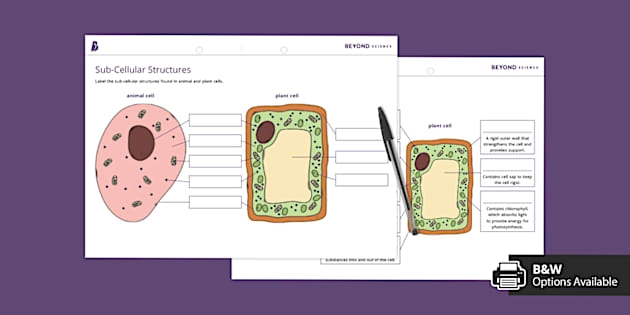
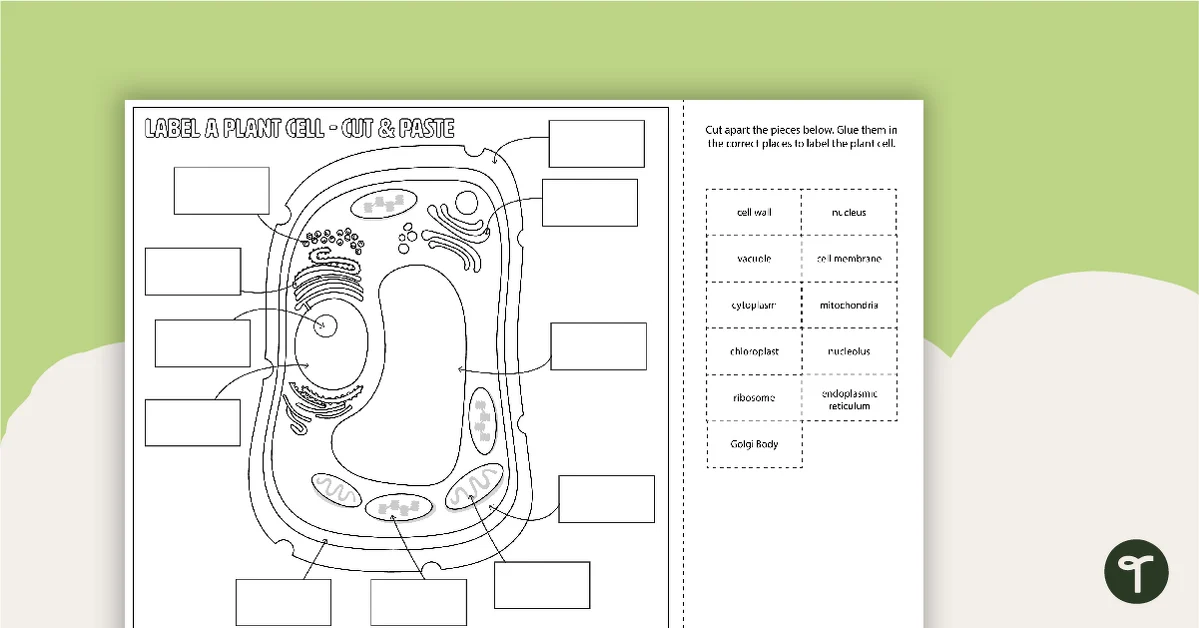
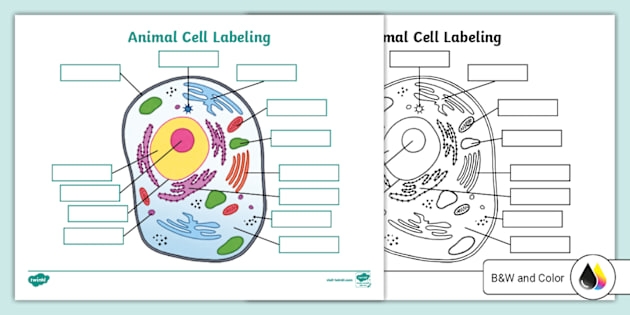
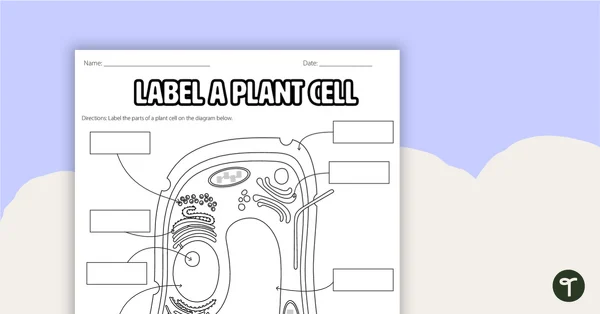
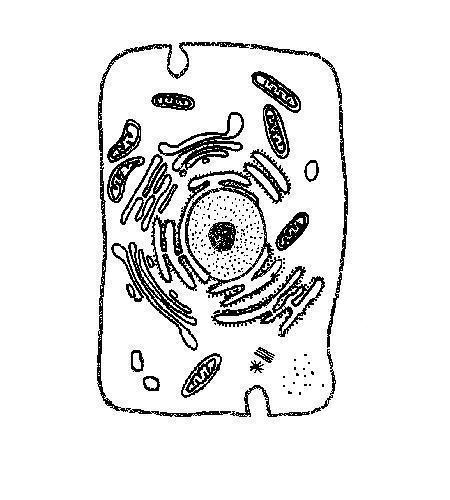
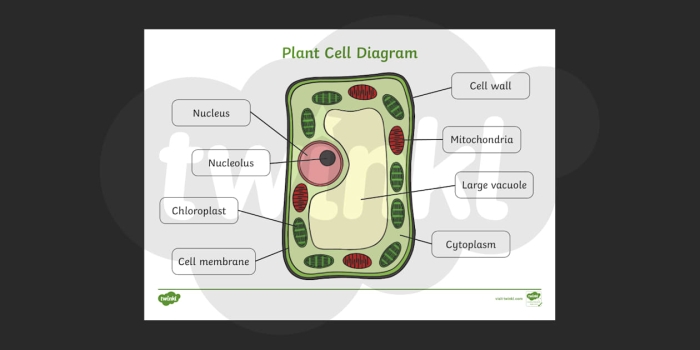
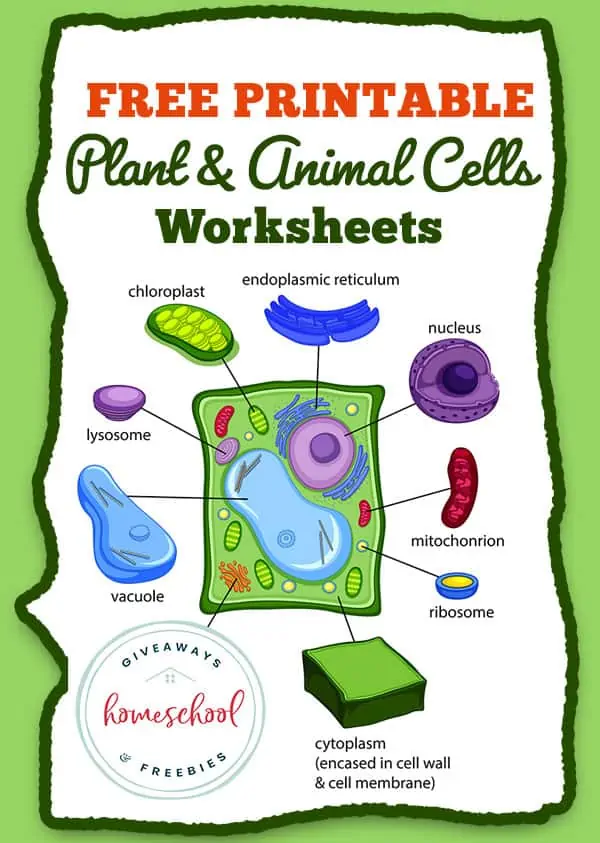
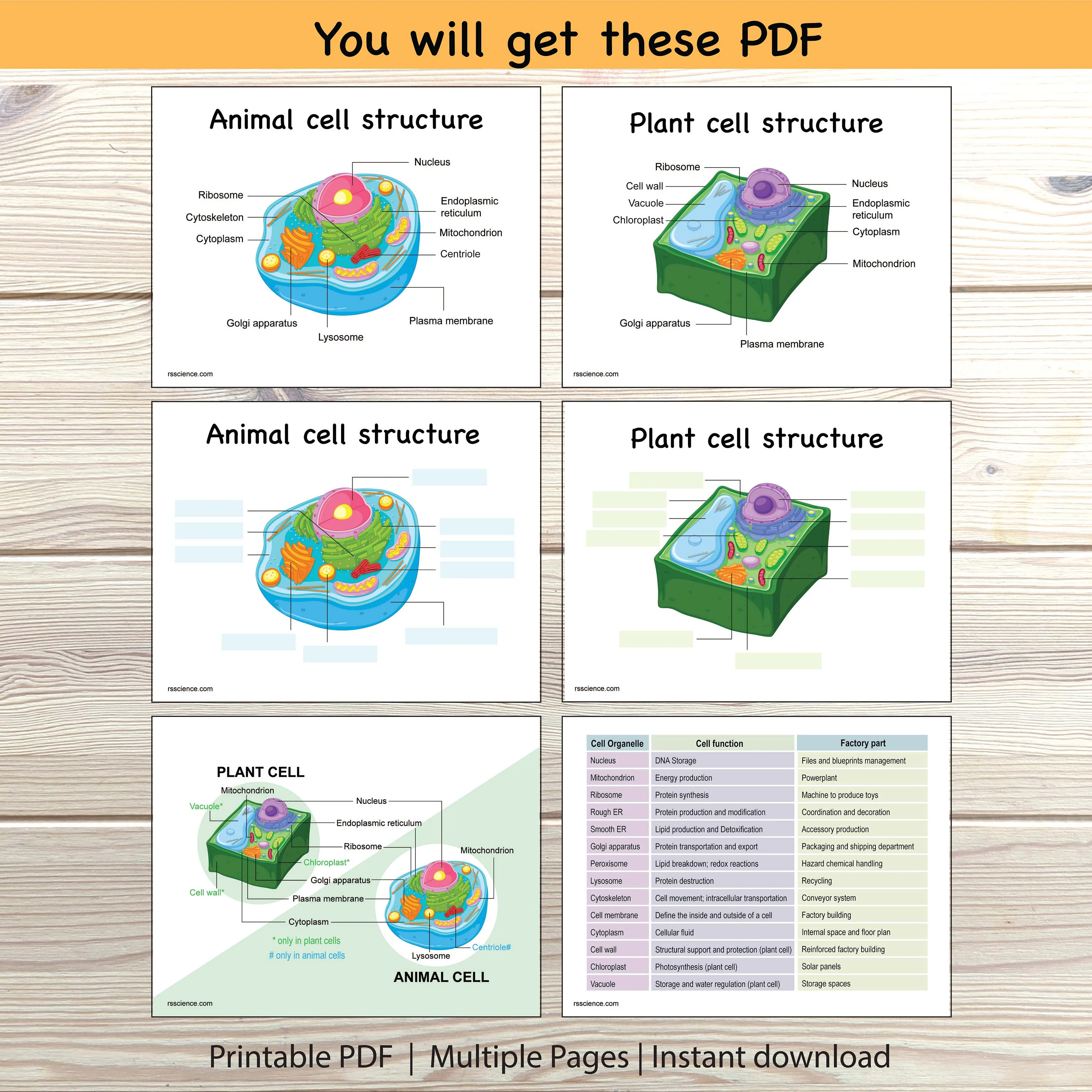
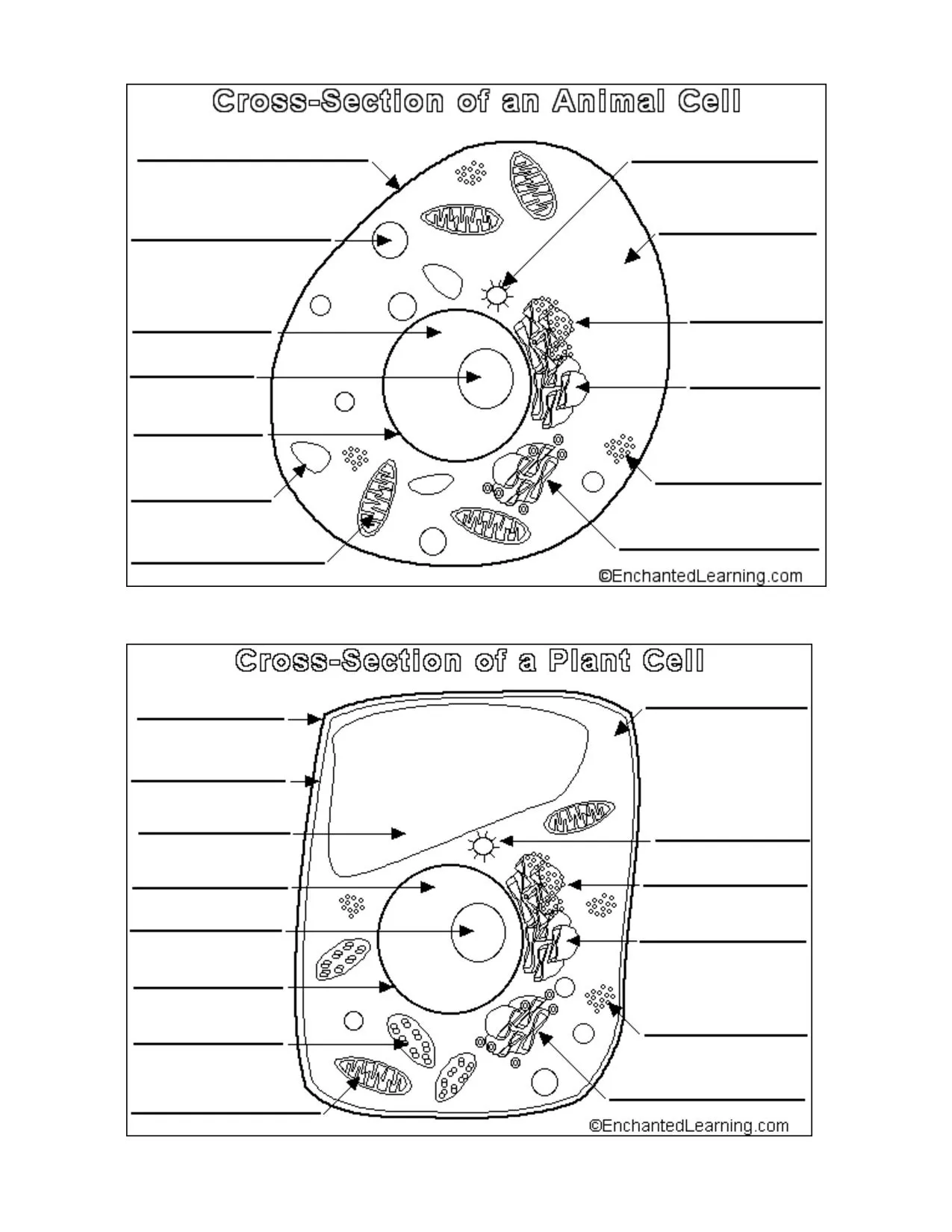
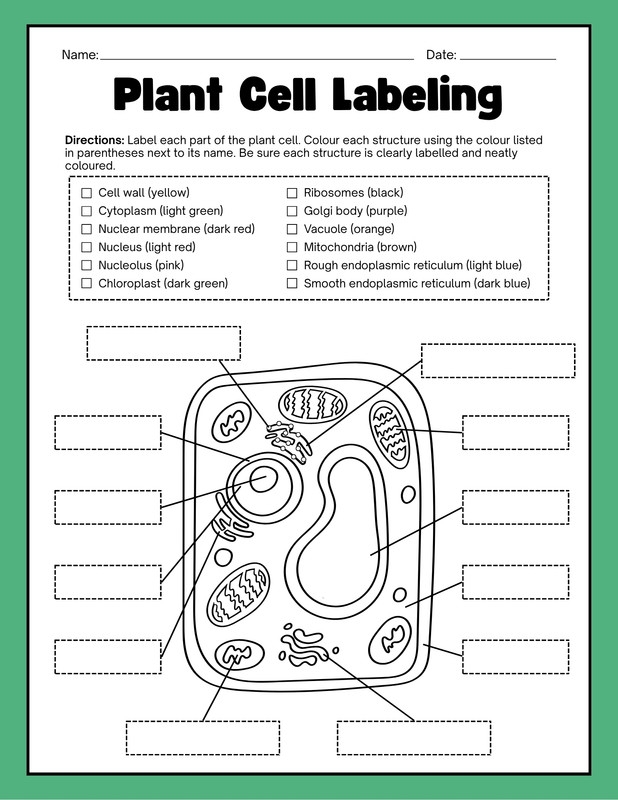
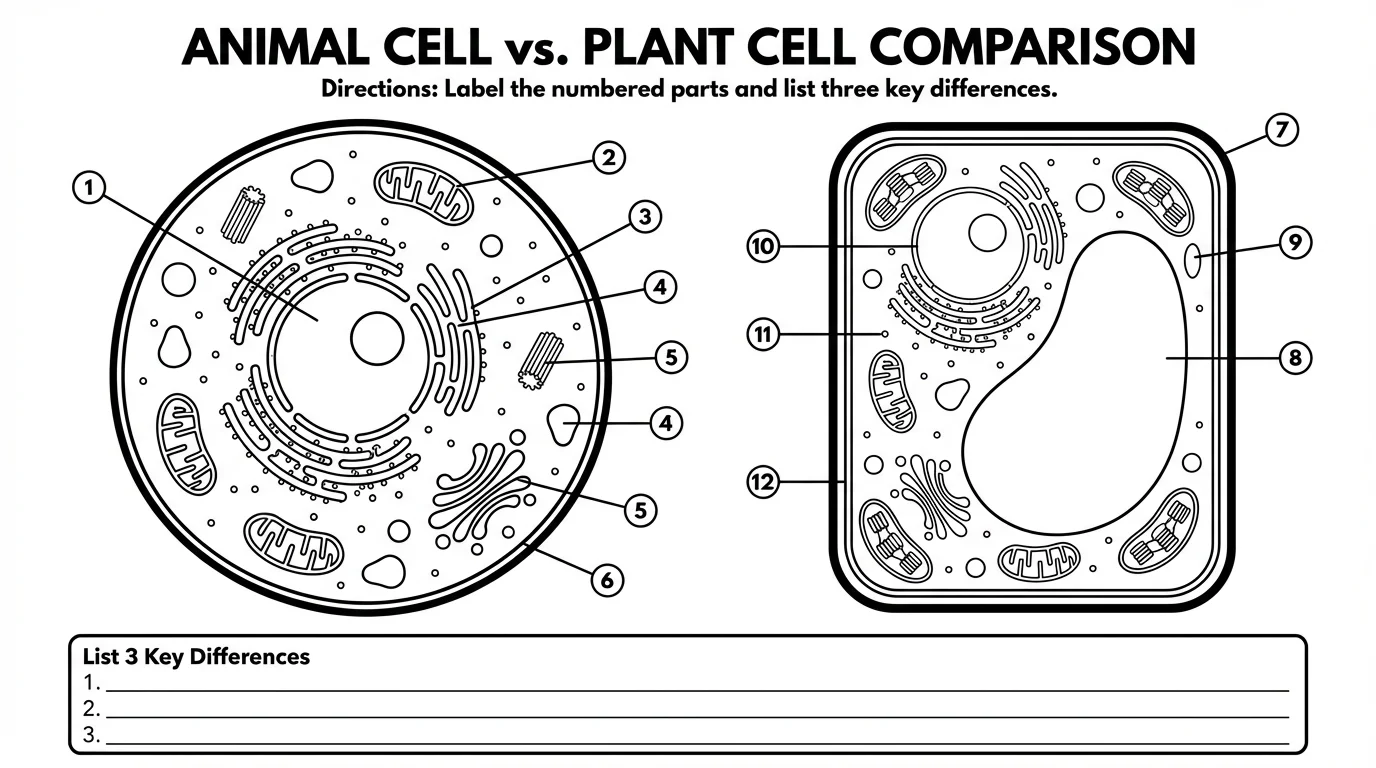
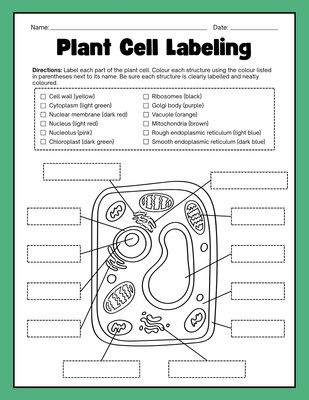
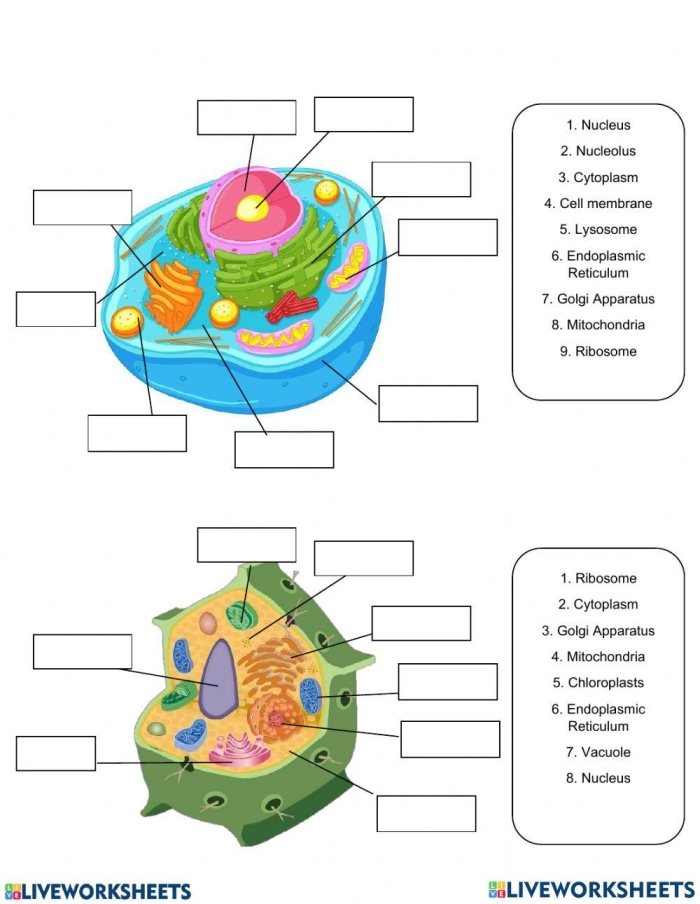
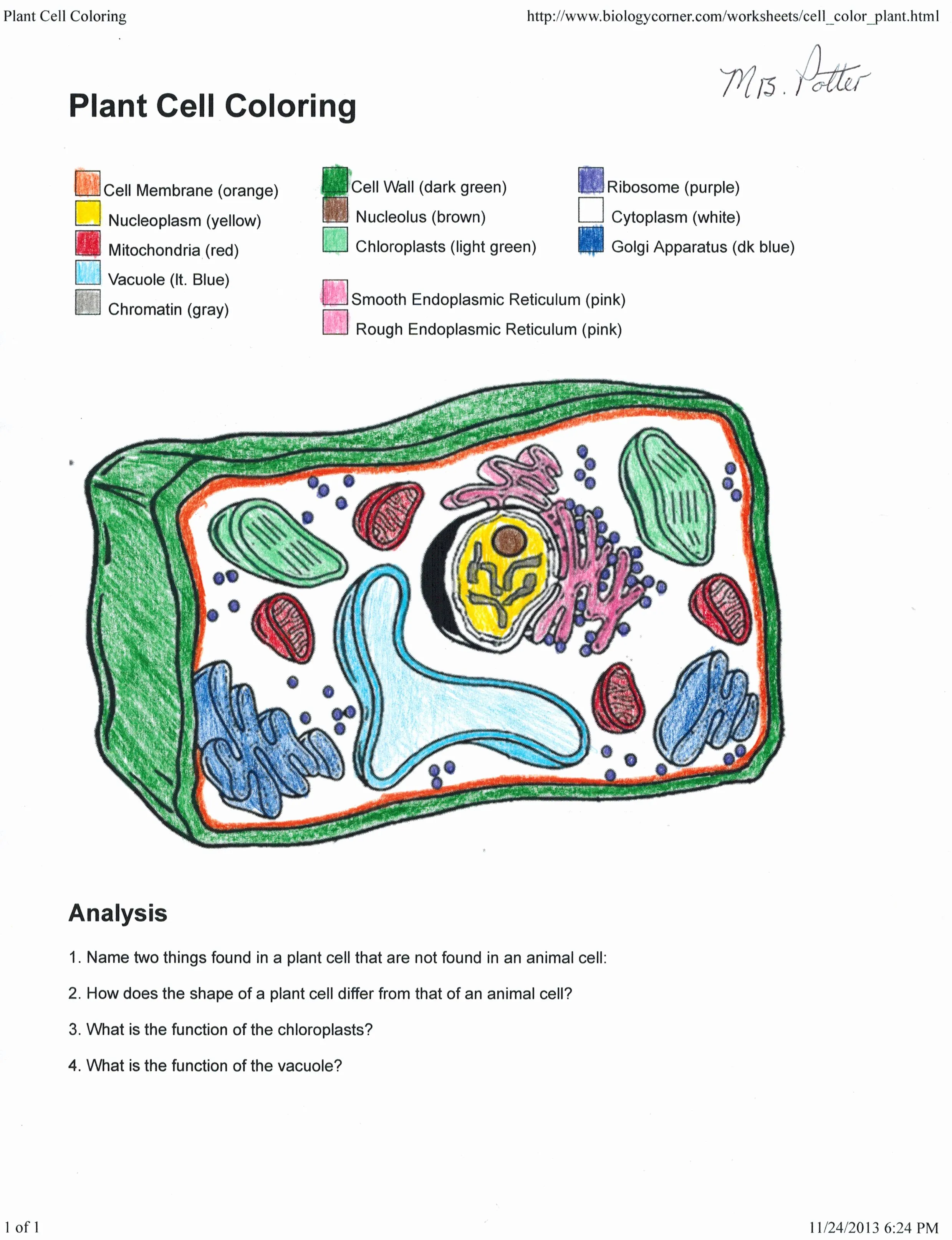
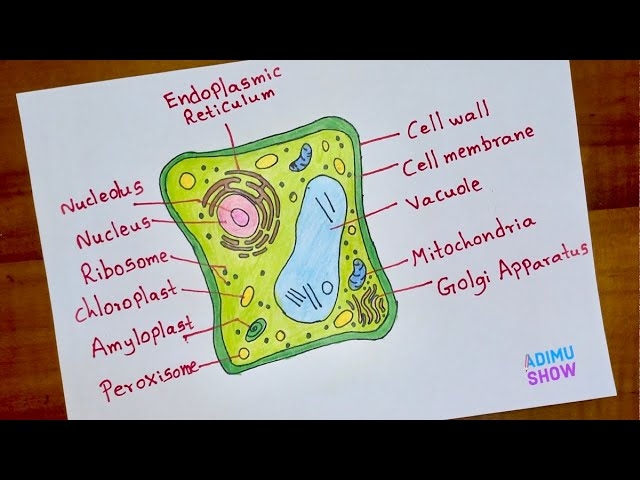
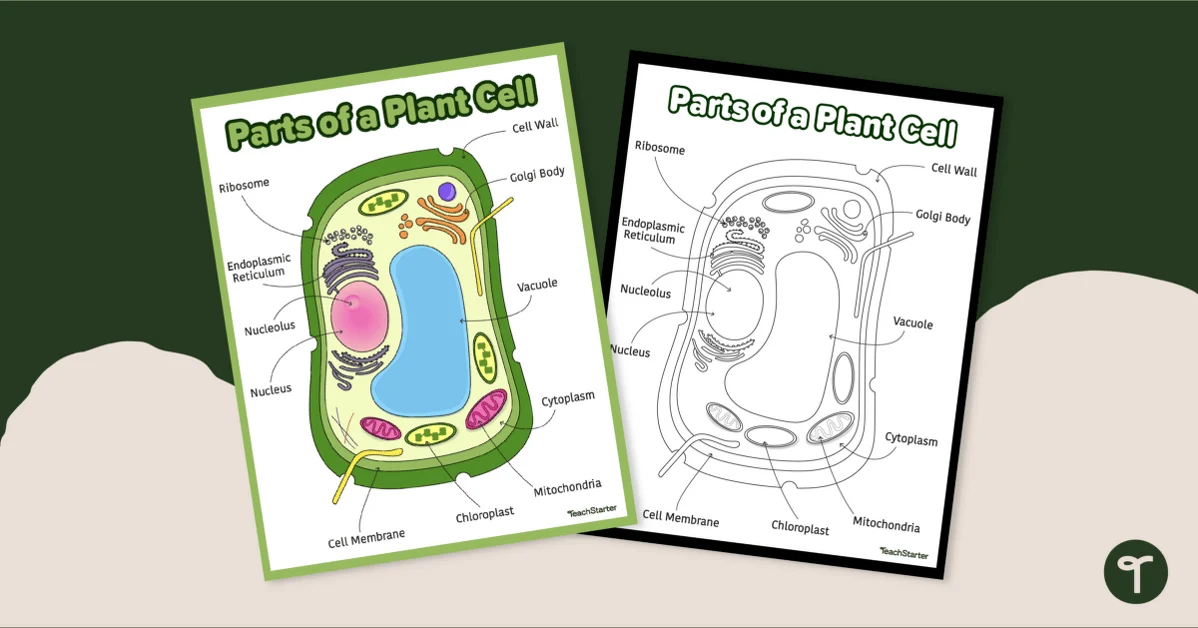
Plant cell anatomy becomes concrete when students actually label the parts themselves. A worksheet that asks sixth graders to identify and name cell structures forces them to move beyond passive reading and engage with the material in a way that sticks. This hands-on approach reveals what students truly understand about how plant cells are organized.
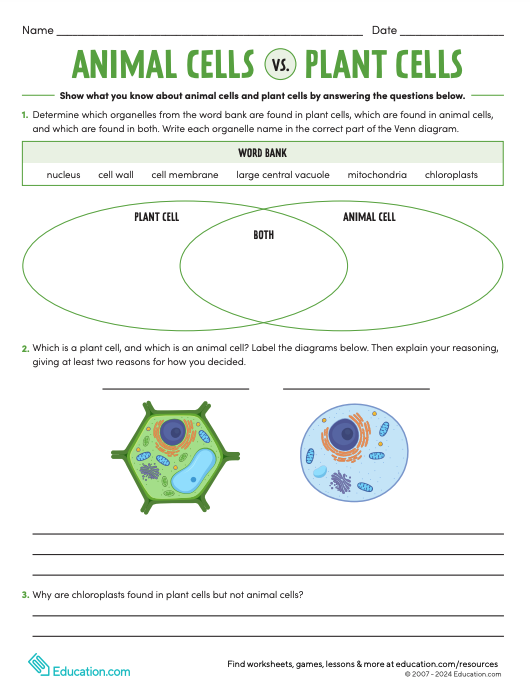
The nucleus, cell wall, chloroplasts, and vacuole represent the core structures that distinguish plant cells from animal cells. When students encounter a diagram and must match each label to its corresponding part, they’re building a mental model of cellular organization. The cell wall, in particular, becomes memorable once they’ve written its name and understood that it provides rigidity plants need to stand upright. The large central vacuole, which can occupy up to 90 percent of a plant cell’s volume, often surprises students when they realize how much space it actually takes up.
Middle grades science benefits from worksheets that require active recall rather than simple multiple-choice selection. When students must retrieve the correct term from memory and write it in the correct location, they’re strengthening neural pathways associated with that knowledge. This type of assessment also gives teachers immediate insight into whether misconceptions exist. If a student labels the mitochondrion where the chloroplast should be, that’s actionable feedback.
Pairing this activity with other resources deepens learning. Students working through place value sixth grade materials develop mathematical reasoning that applies to understanding cell measurements and proportions. Exploring related content like how to research an ecosystem helps students see plant cells within their broader biological context.
The printable format means students can complete the worksheet at their own pace, mark it up, and return to it for review. This accessibility makes it a practical tool for both classroom instruction and homework reinforcement, ensuring that plant cell structure moves from worksheet knowledge into lasting understanding.
Worksheet Practice Section