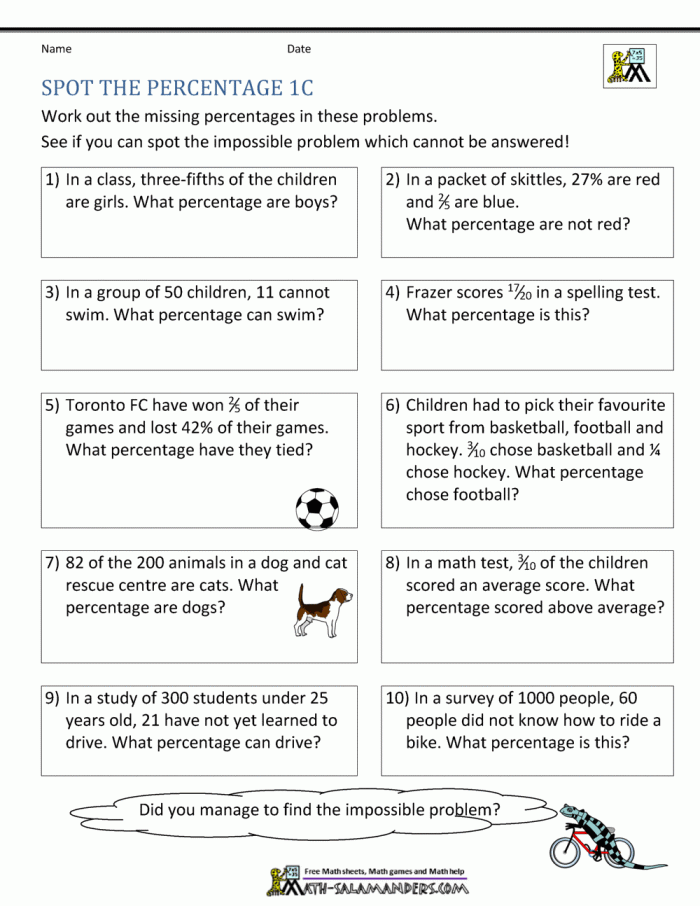
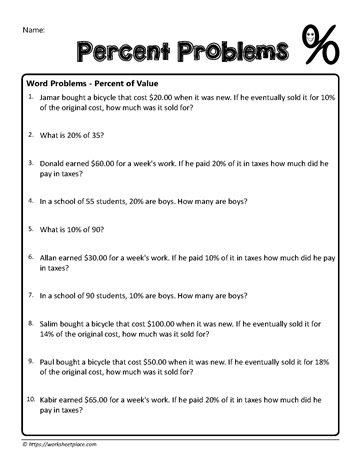
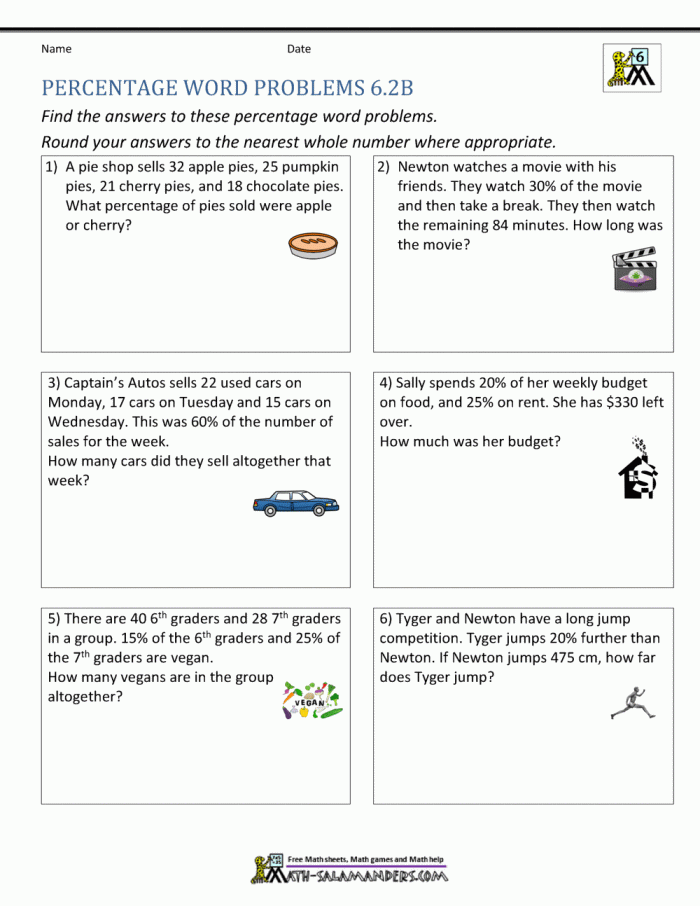
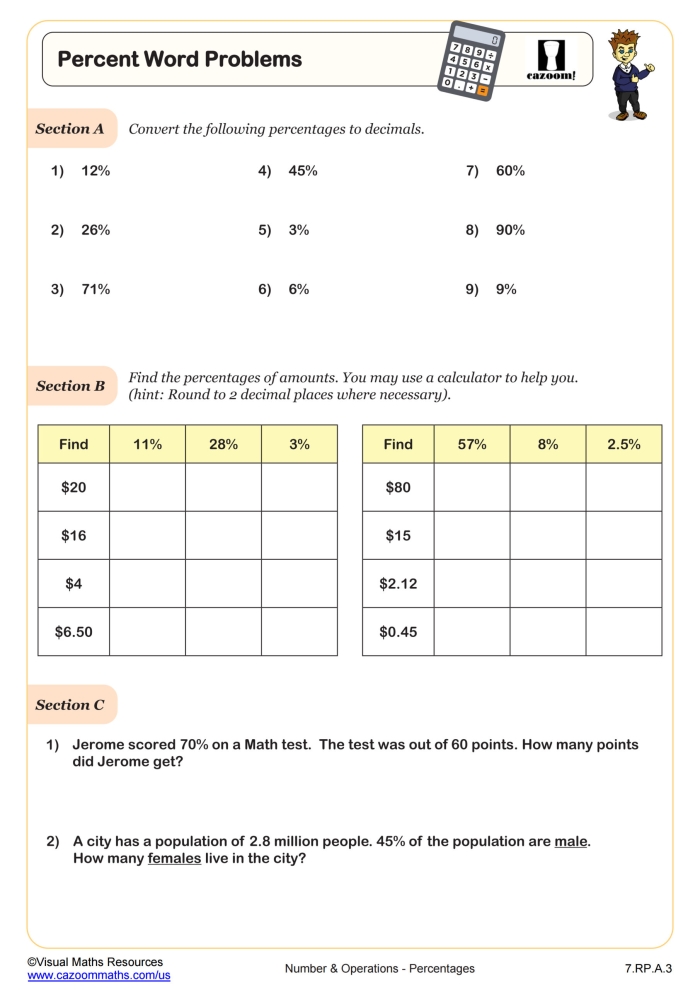
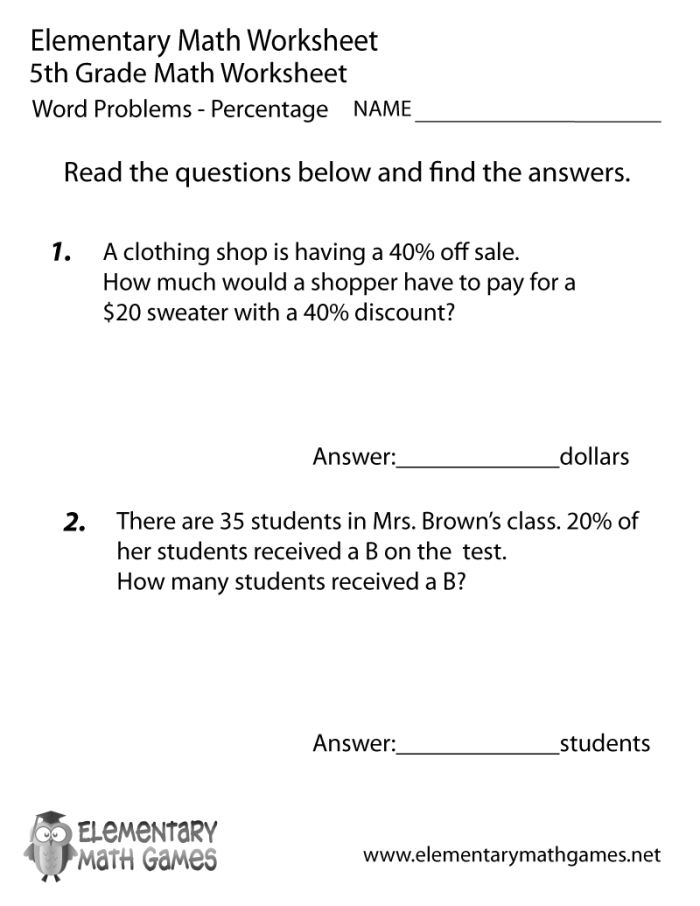
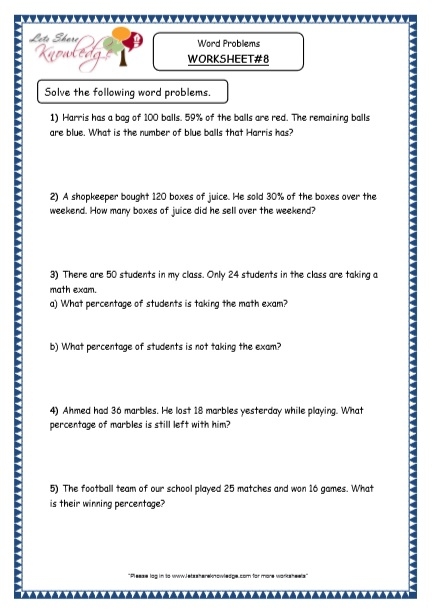
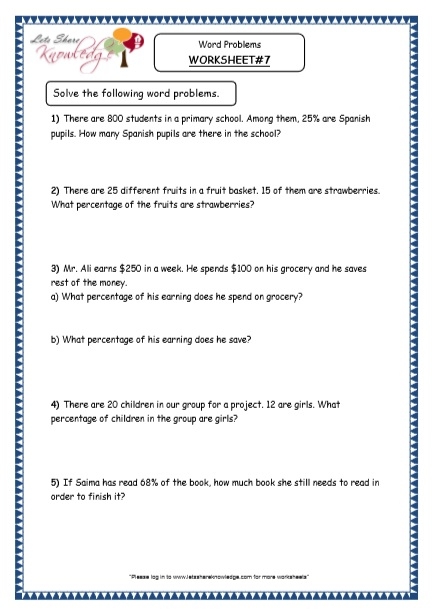
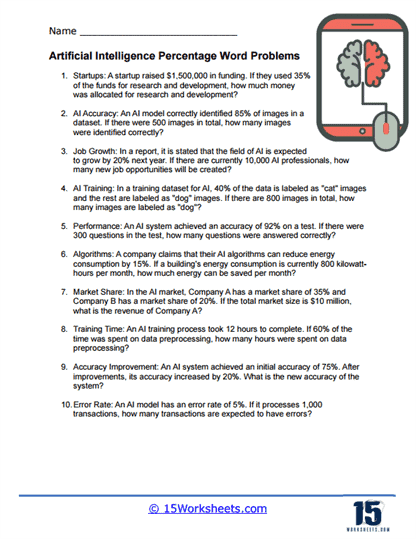
When seventh grade students work through percent word problems, they’re doing far more than just crunching numbers on a worksheet. They’re building real financial skills that will follow them into adulthood. The moment a student calculates a discount at a store or figures out how much tip to leave at a restaurant, abstract math becomes concrete and meaningful.
Percent problems sit at an interesting intersection in seventh grade math instruction. Students have already mastered basic fractions and decimals, so they’re ready to understand how percentages work as another way to express parts of a whole. What makes these exercises powerful is that they force students to translate everyday situations into mathematical language. A shirt marked 25% off isn’t just a number on a tag; it’s a real calculation that affects how much money leaves their pocket.
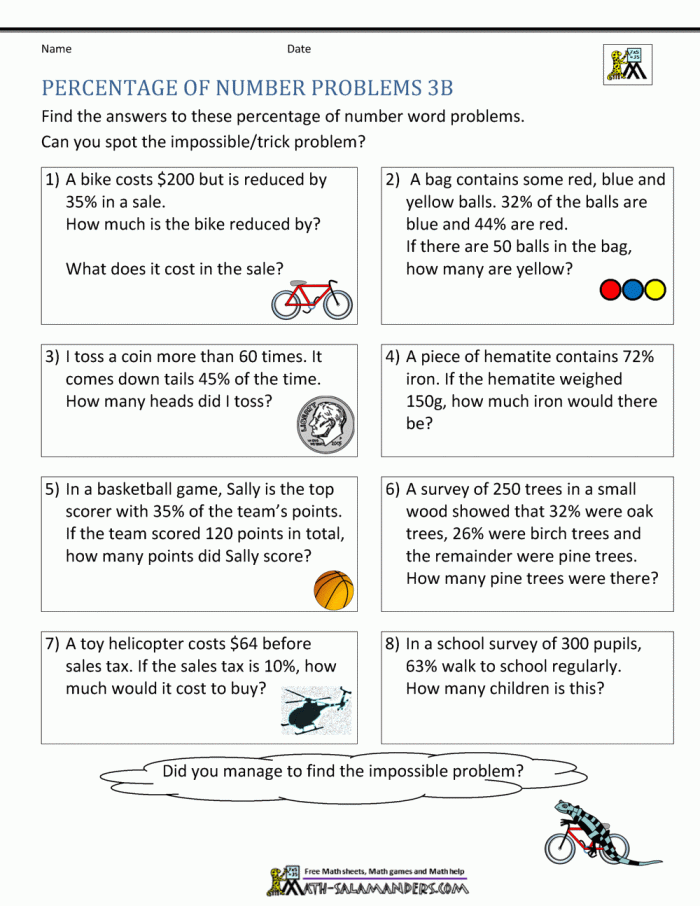
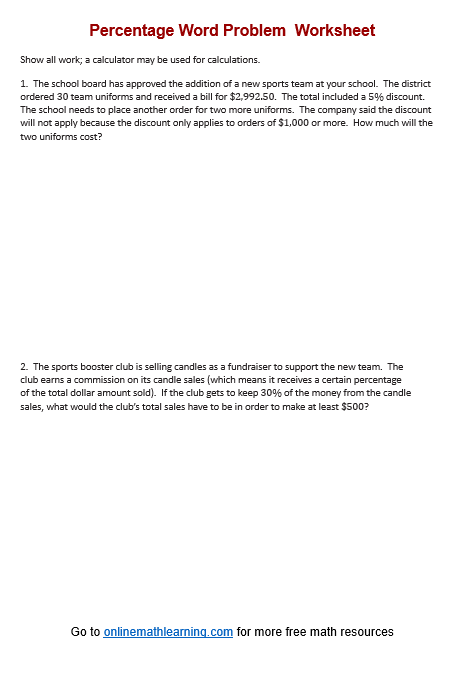
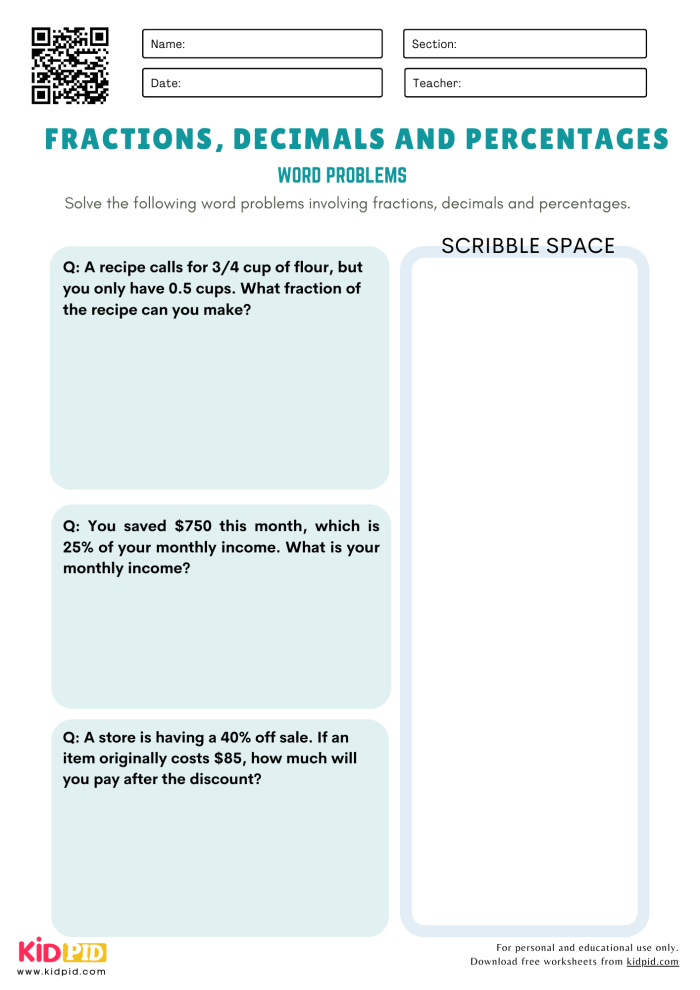
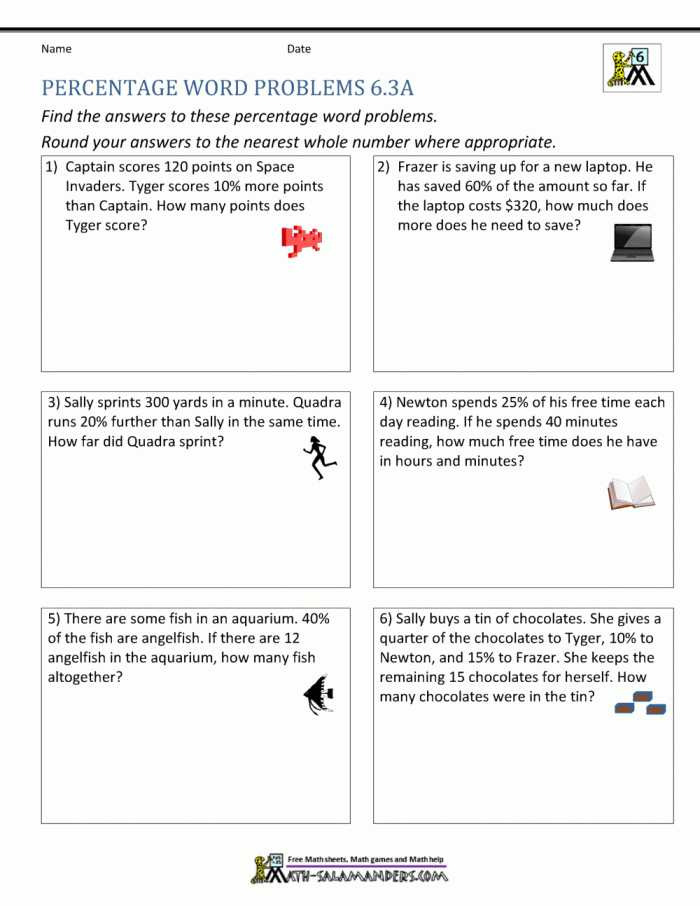
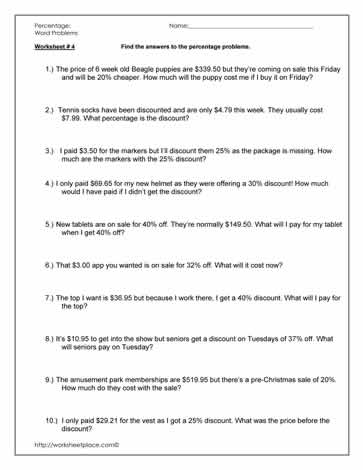
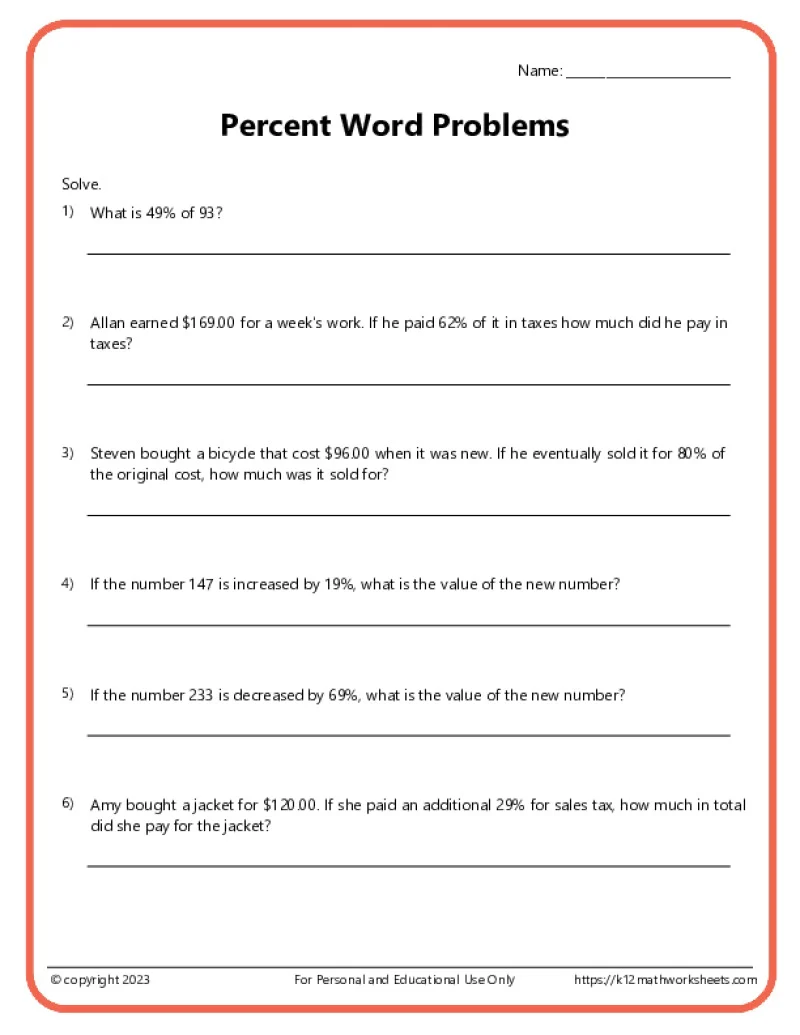
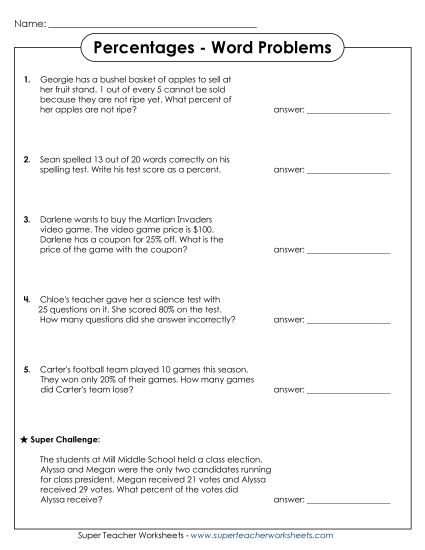
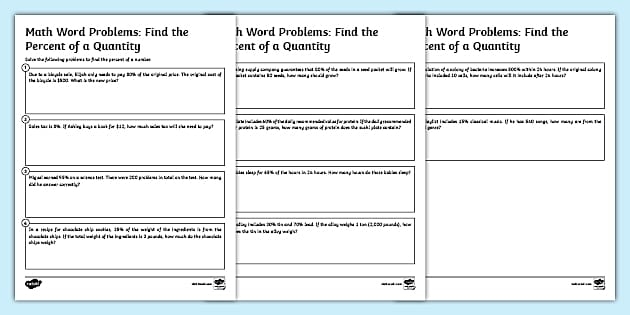
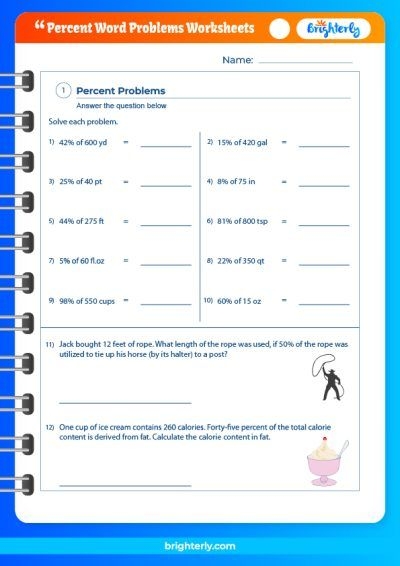
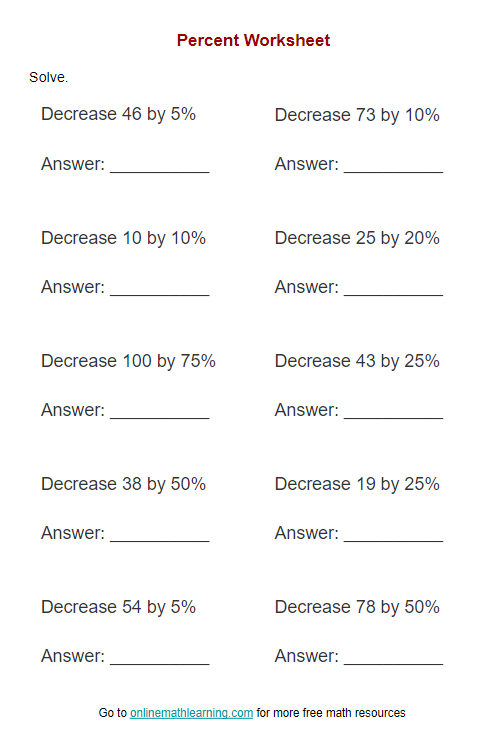
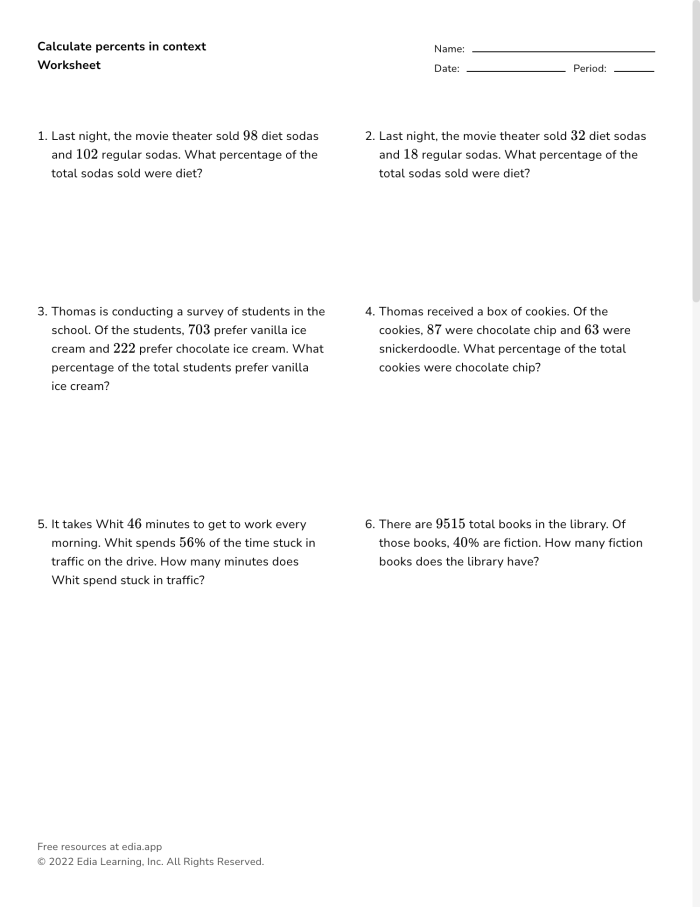
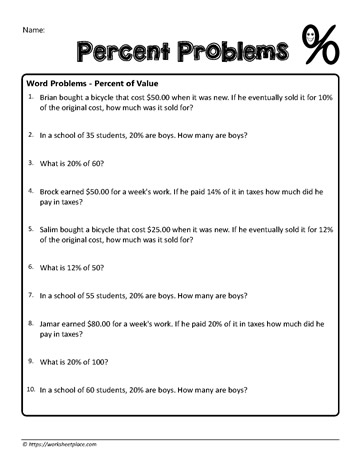
The best worksheets connect percentages to scenarios students actually encounter. Working through percent word problems helps students see why this skill matters. When they solve problems about discounts, they’re learning consumer awareness. When they work with calculating sales tax, they understand why the final price at checkout differs from the sticker price.
The phonics component of seventh grade math worksheets might seem disconnected from percentages, but these materials often integrate multiple skills simultaneously. A well-designed worksheet reinforces mathematical thinking while students practice reading comprehension and problem interpretation.
Students who regularly practice with these materials develop confidence in financial situations. They stop being passive about numbers and start asking questions: What’s my actual savings? What does this percentage really mean? That shift from passive to active thinking represents genuine financial awareness taking root.
Use These Worksheets Today