Second grade geometry introduces students to the building blocks of spatial reasoning, and understanding shapes forms the foundation for everything from multiplication concepts to real-world problem-solving. A solid shape study guide helps children recognize and classify both flat and solid objects, then moves into the more abstract idea of symmetry.
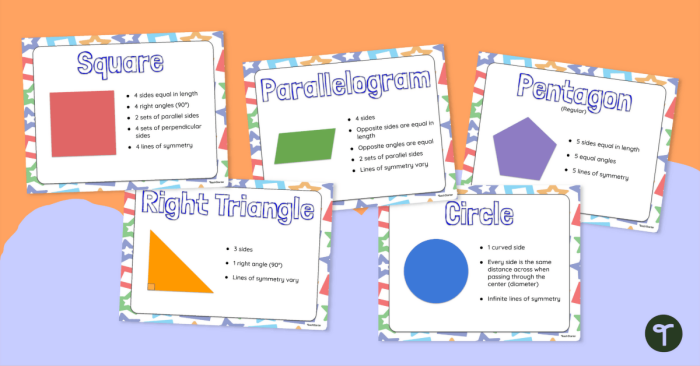
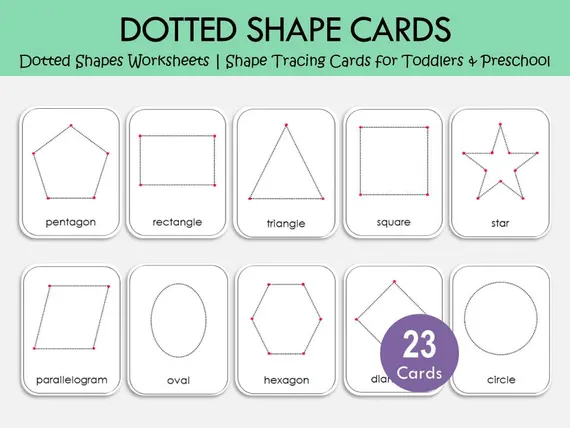
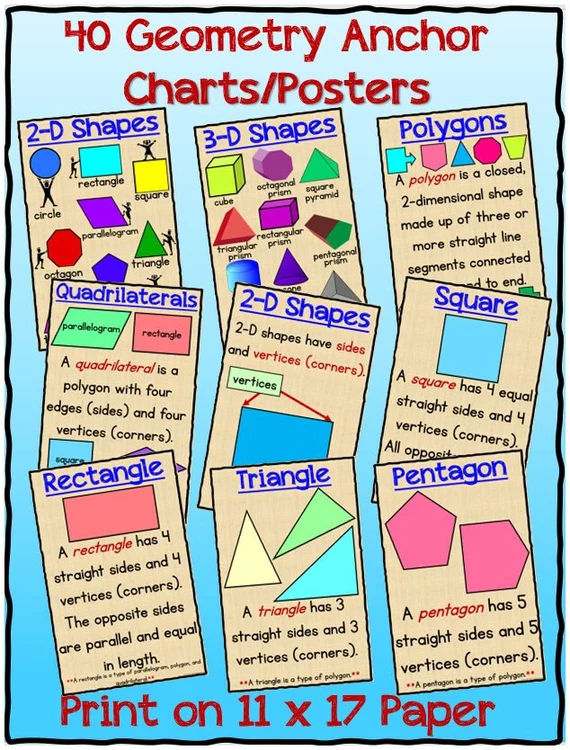
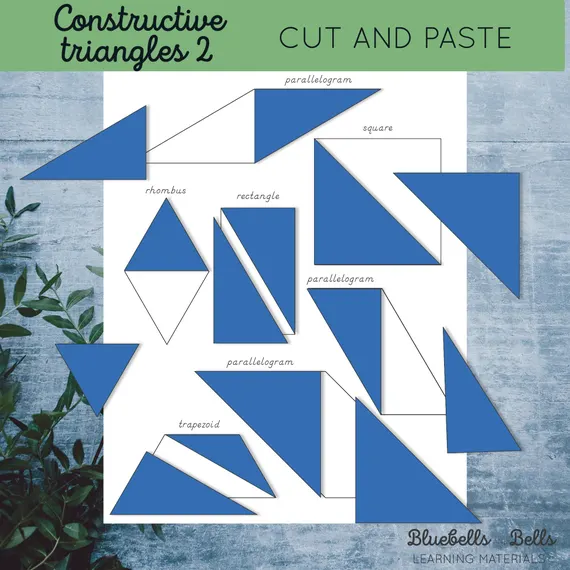
Two-dimensional shapes like squares, rectangles, triangles, and circles appear everywhere in a second grader’s world. These shapes have length and width but no depth. When students learn to identify these forms, they’re developing visual discrimination skills that support mathematical thinking across other areas. For instance, understanding rectangles becomes useful when working through double-digit addition with regrouping, where organizing numbers in columns relies on spatial awareness.
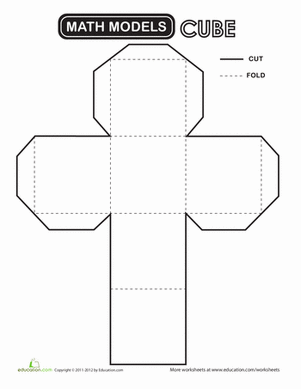
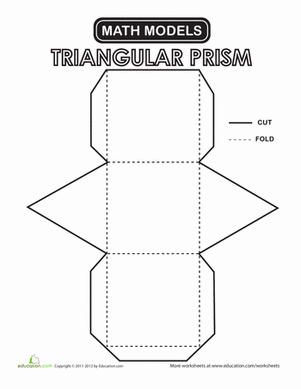
Three-dimensional shapes introduce height as an additional dimension. Cubes, spheres, cylinders, and rectangular prisms are solid objects students can hold and examine. These shapes help children understand that objects have multiple faces, edges, and vertices. Building with blocks or examining everyday items like boxes and balls makes this concept concrete rather than abstract.
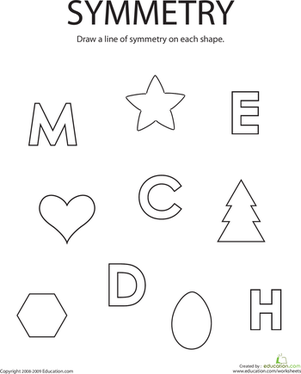
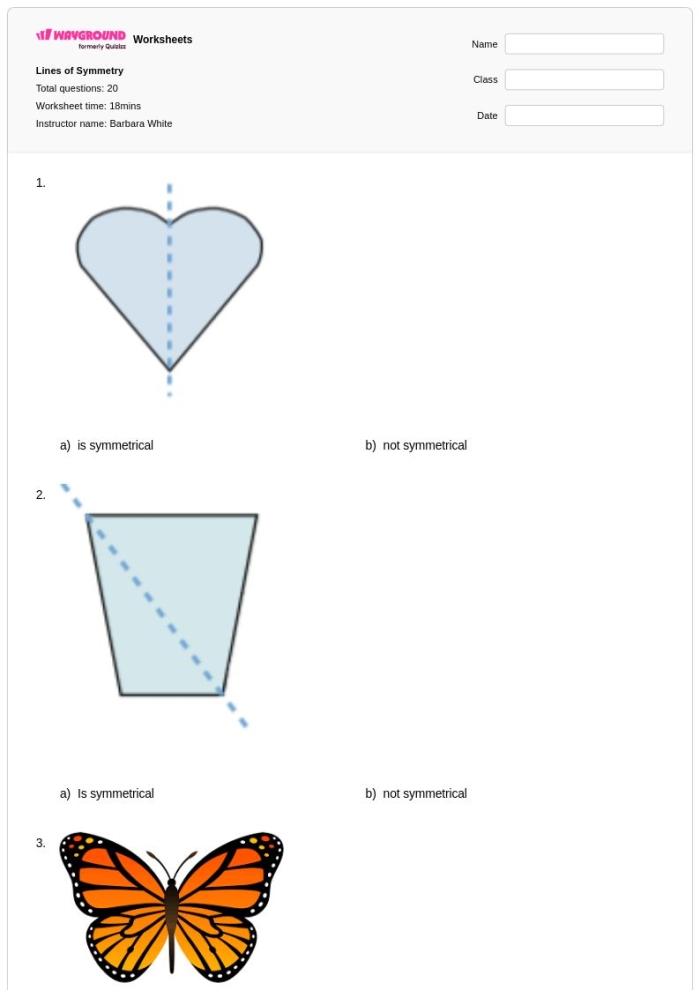
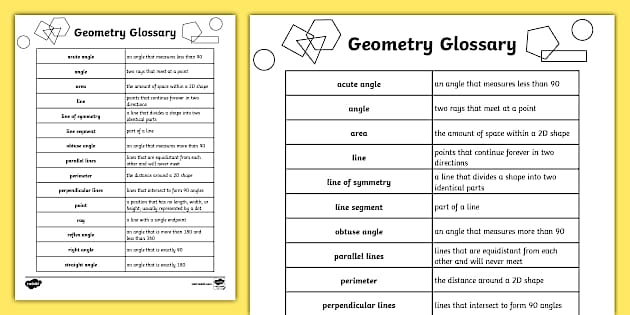
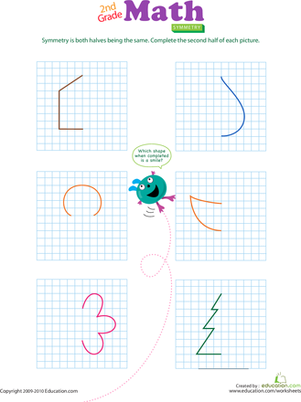
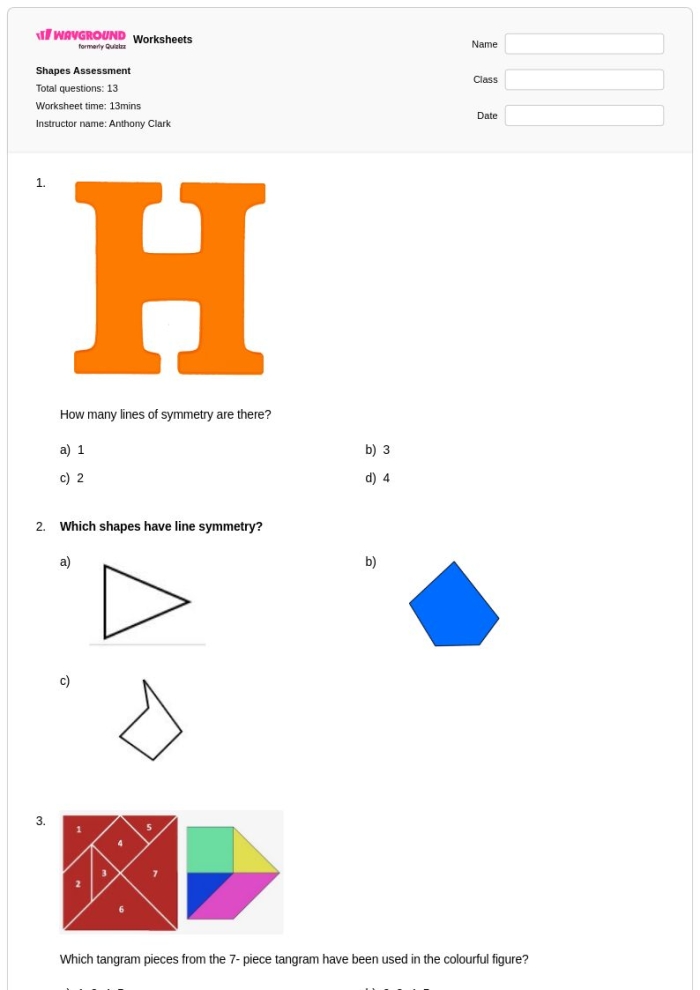
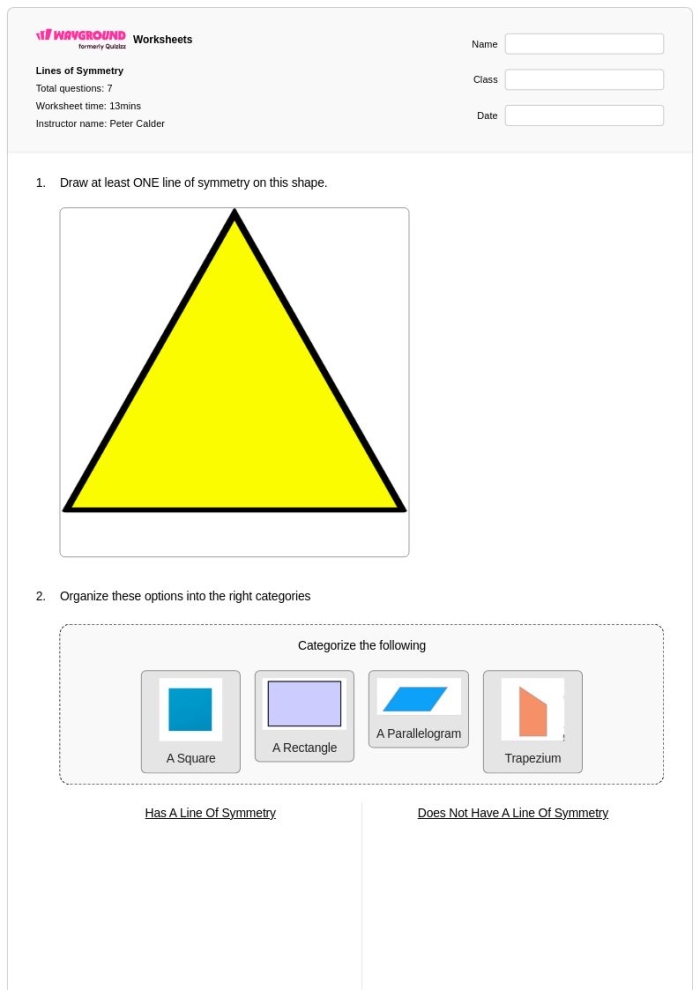
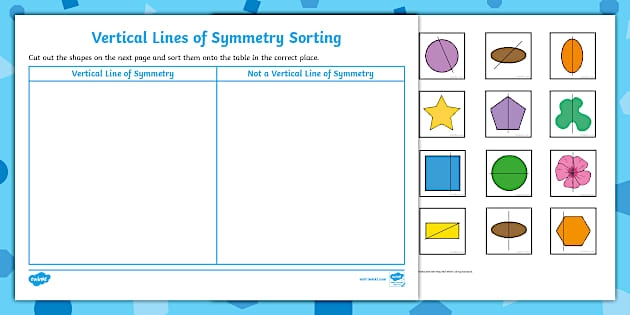
Symmetry represents a shift toward pattern recognition and balance. A shape has symmetry when a line divides it into two matching halves. Second graders typically explore vertical and horizontal lines of symmetry by folding paper or identifying symmetrical objects in their environment. This skill connects to broader mathematical patterns and logical thinking.
A comprehensive shape study guide combines visual examples with hands-on activities. Students benefit from practice that includes identifying shapes in different orientations, counting sides and corners, and drawing symmetrical figures. Pairing geometry work with other second-grade skills, such as telling time, reinforces how shapes and spatial concepts apply across the curriculum. Regular practice with shape worksheets builds confidence and fluency in recognizing these fundamental geometric concepts.
Try These Printable Worksheets