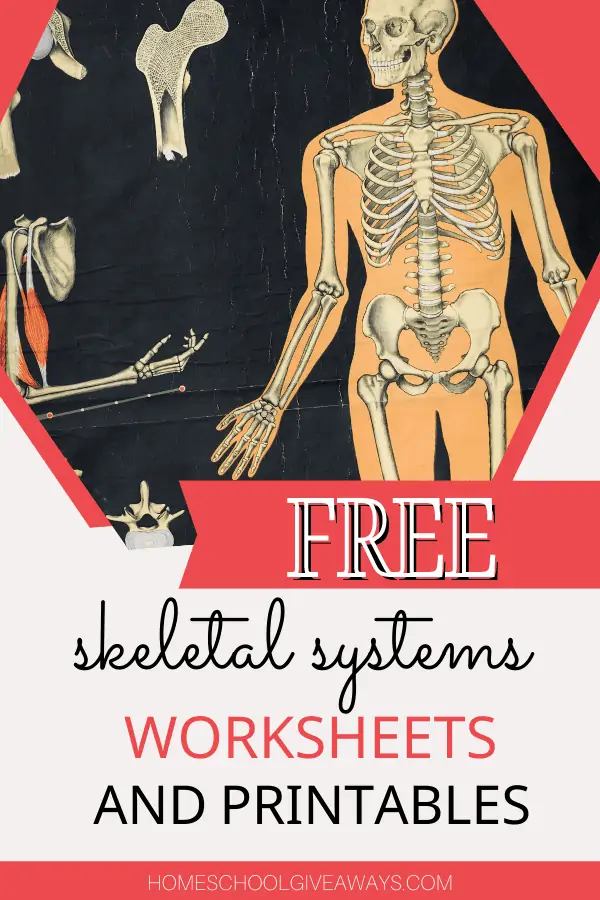
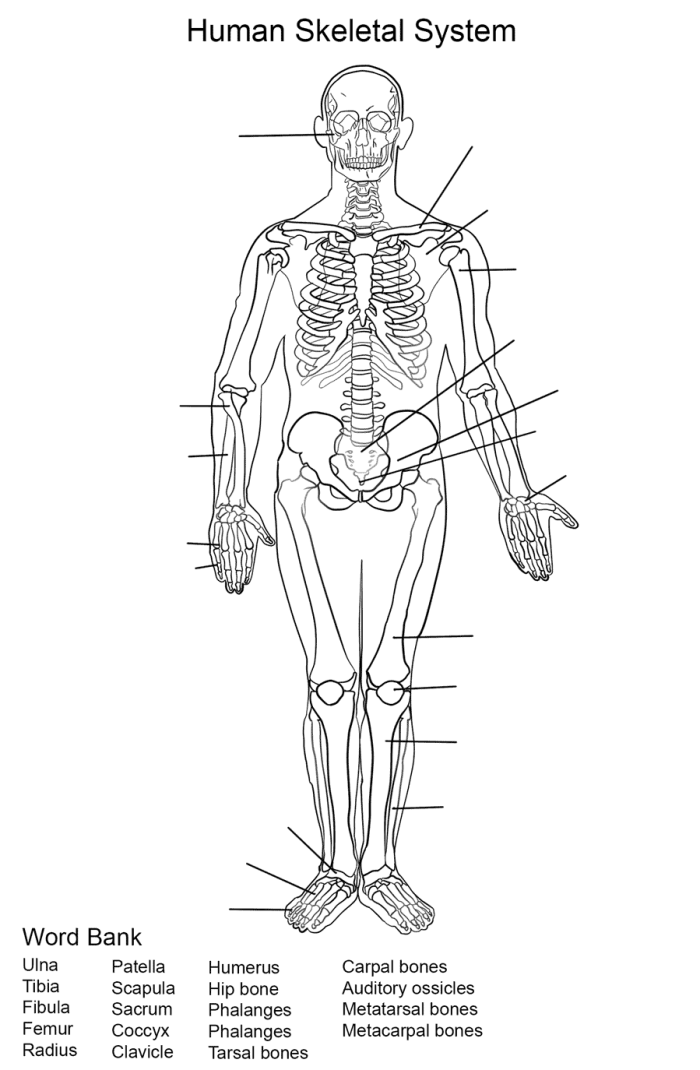
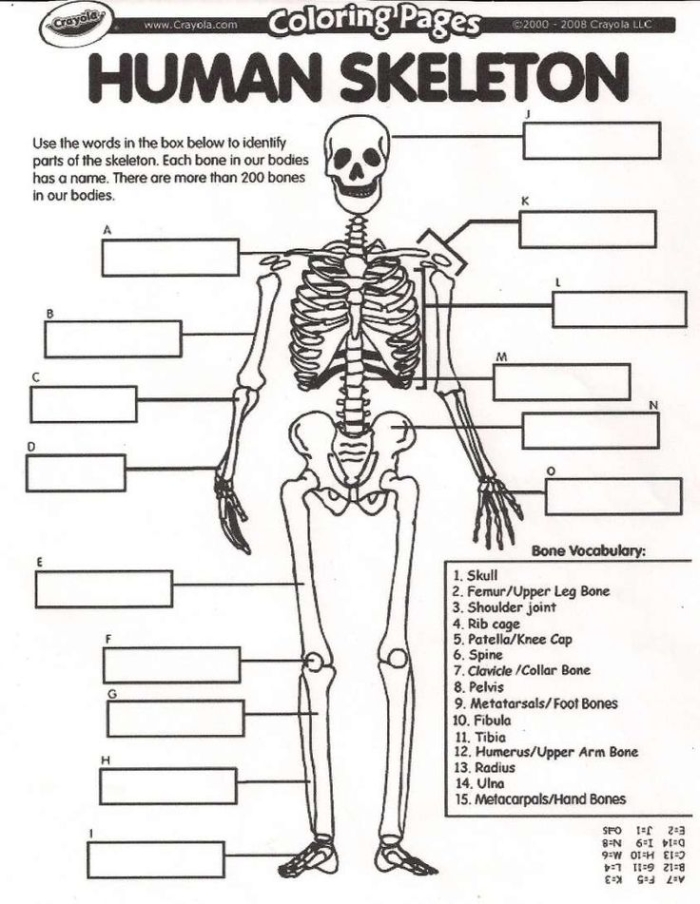
Your skeleton is doing far more than just holding you upright. This framework of 206 bones works constantly to protect your organs, produce blood cells, and store minerals your body needs to function. When fifth graders first encounter the human skeletal system in geometry and anatomy lessons, an introductory diagram becomes the perfect entry point to understanding how these bones fit together and why they matter.
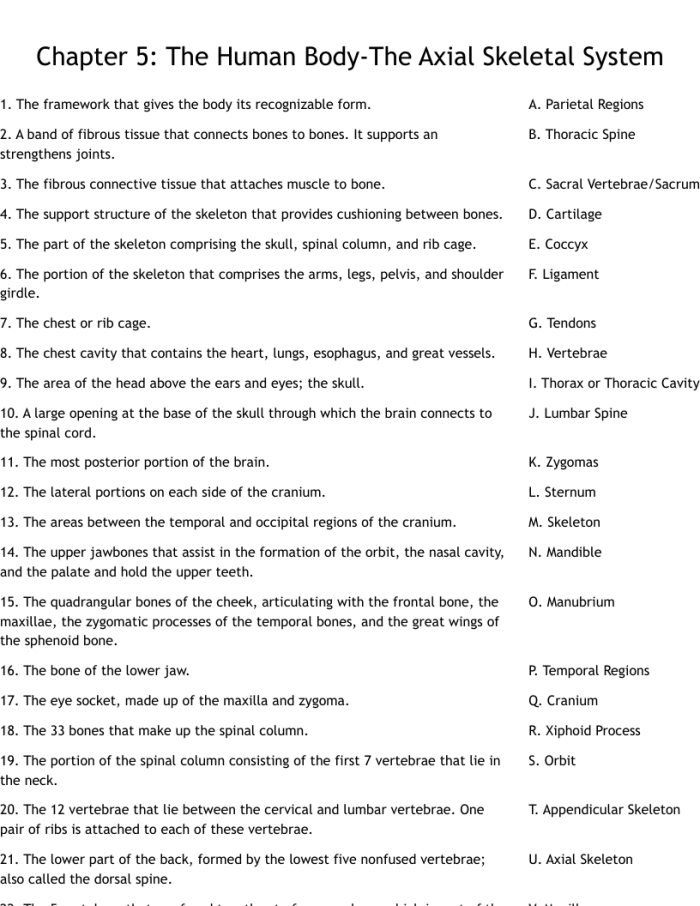
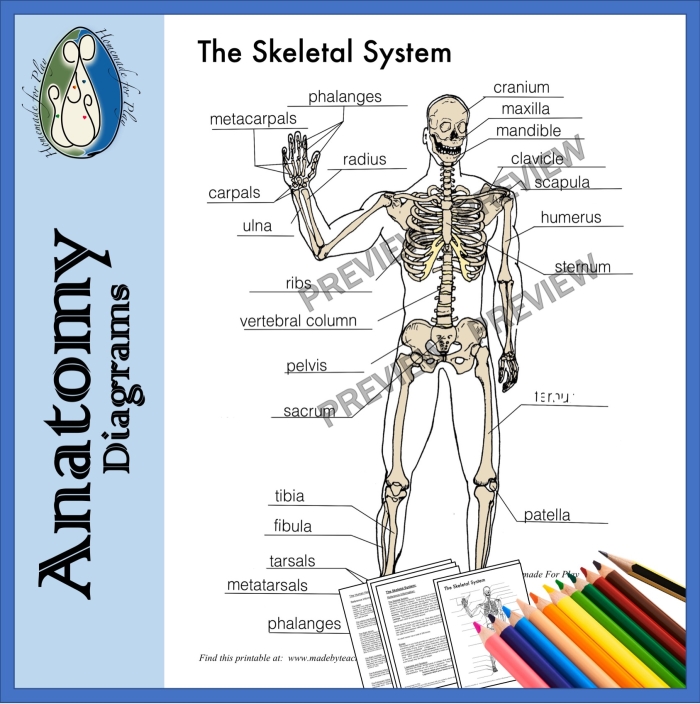
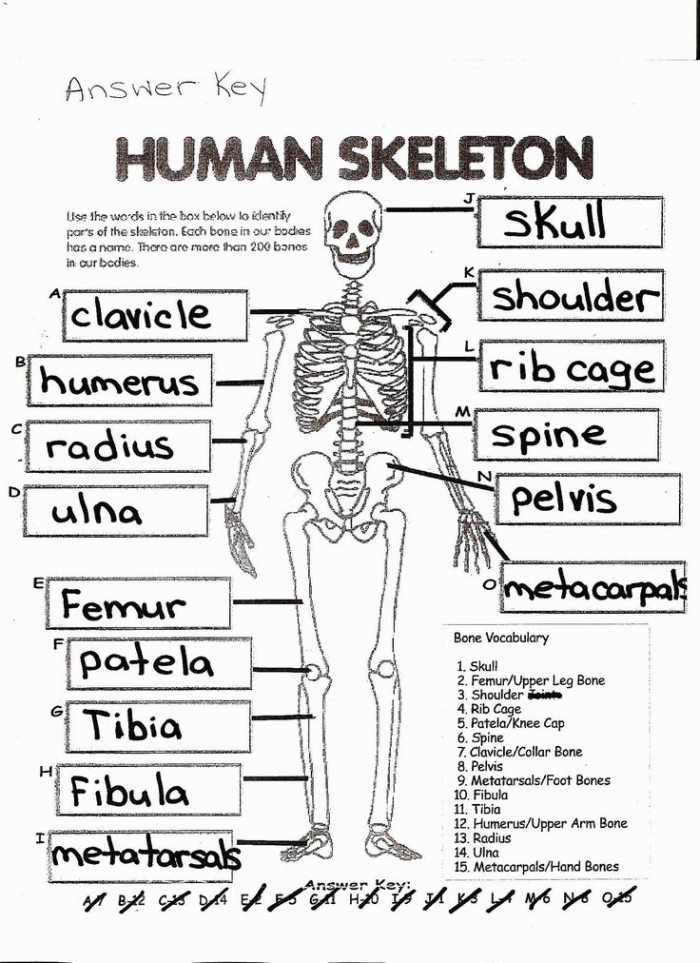
The skeleton divides into two main sections: the axial skeleton and the appendicular skeleton. The axial skeleton includes your spine, ribs, and skull, protecting your brain, heart, and lungs. The appendicular skeleton covers your limbs, shoulders, and pelvis, giving you the ability to move and maintain balance. Each bone serves a specific purpose, and seeing these relationships on a diagram helps students grasp how the body’s architecture actually works.
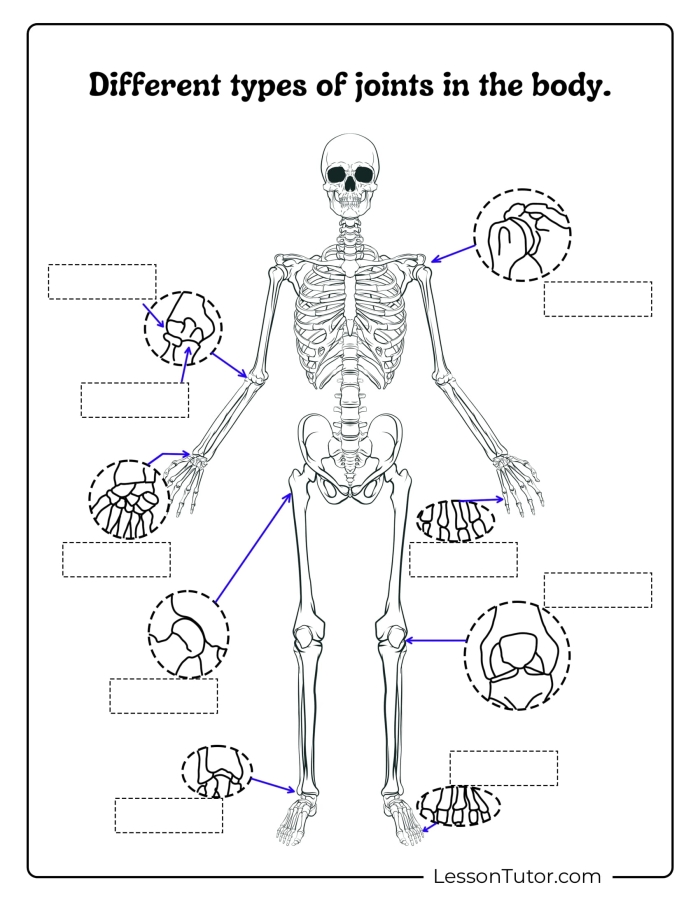
Understanding bone structure becomes especially clear when you examine how they connect. Joints, ligaments, and cartilage work together to allow movement while keeping bones stable. A good introductory diagram labels these connections so learners can see where flexibility happens and where stability matters most.
For fifth grade students studying geometry, the skeleton offers real-world applications beyond memorization. You can measure bone lengths, calculate angles at joints, and explore symmetry in the human body. Resources like anatomy worksheets focused on the human skeleton combine these geometric concepts with skeletal learning.
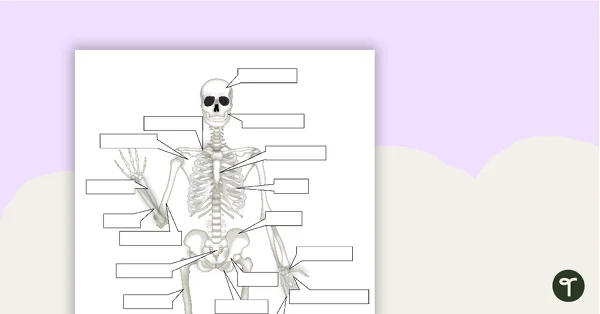
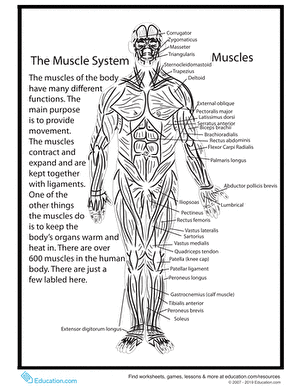
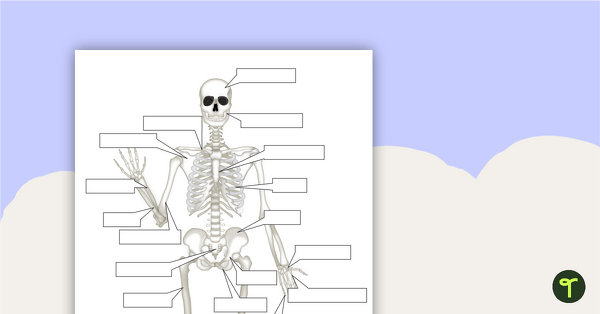
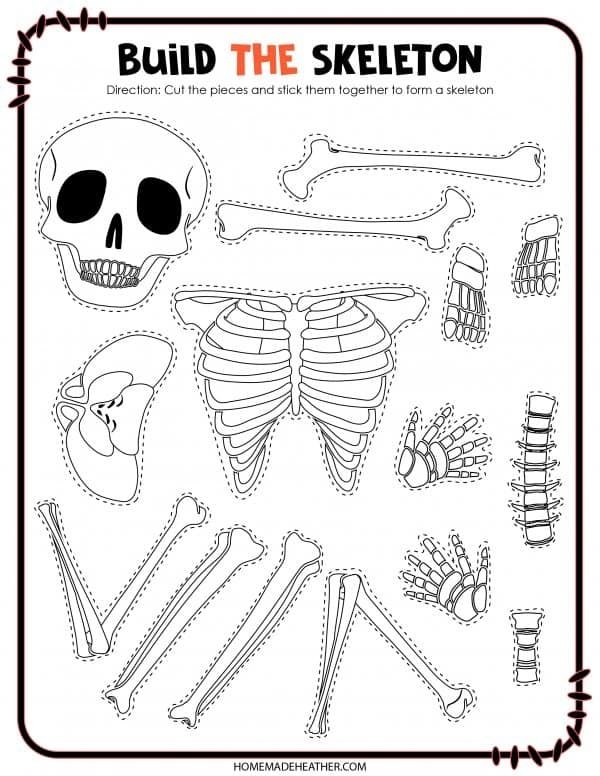
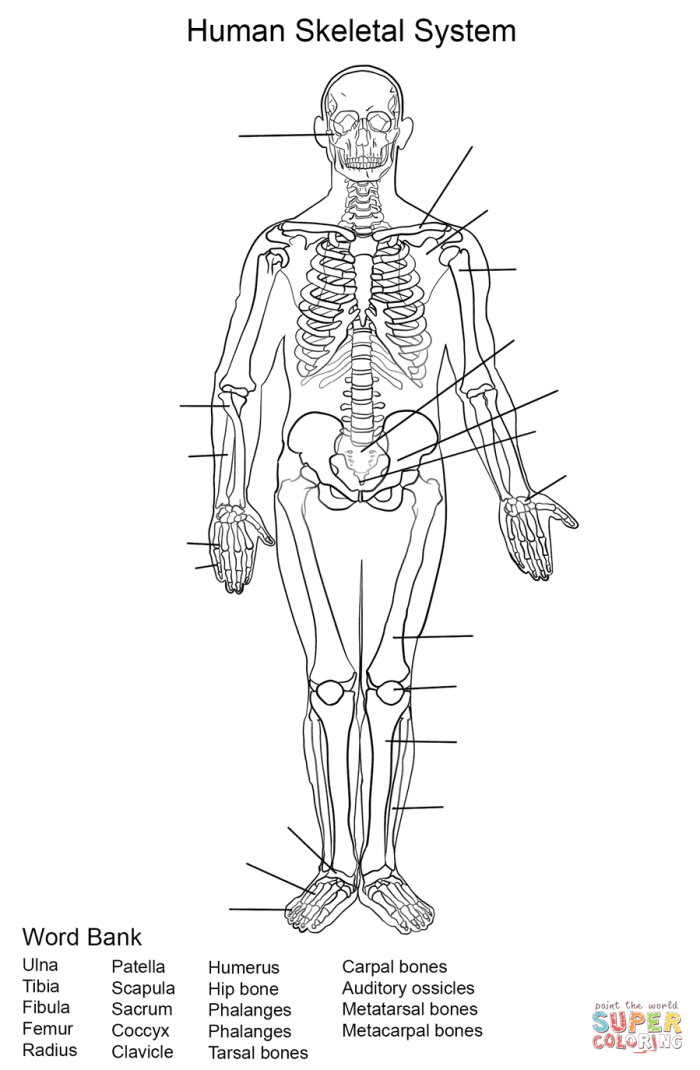
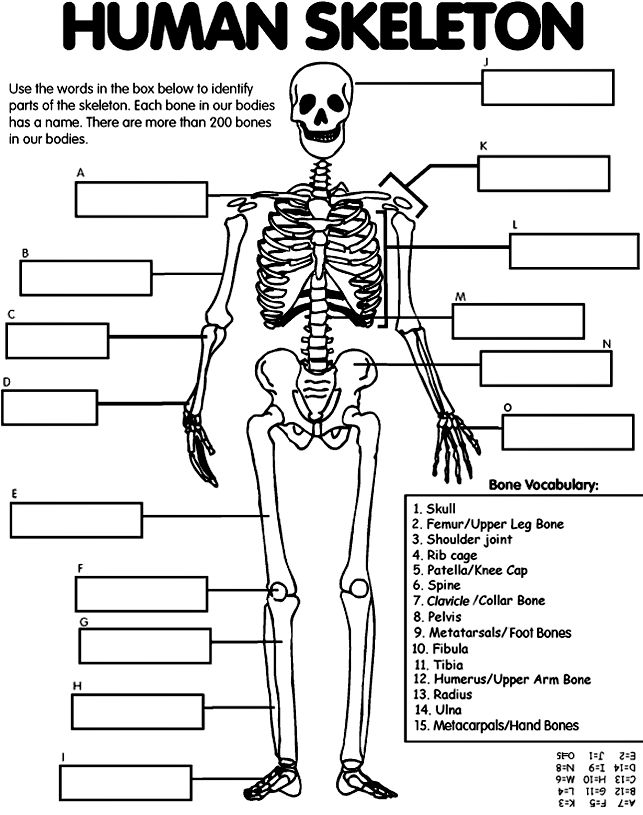
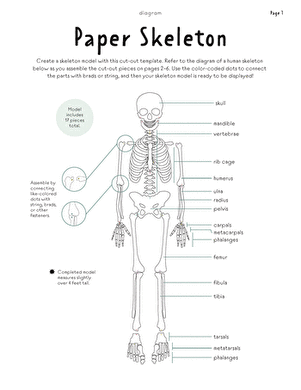
Interactive diagrams and worksheets transform abstract anatomy into something tangible. When students label bones, trace skeletal outlines, and answer questions about function, the information sticks. Pairing skeleton study with geometry review of angles and polygons reinforces how mathematical thinking applies to biological structures, making both subjects more meaningful.
Worksheet Practice Section