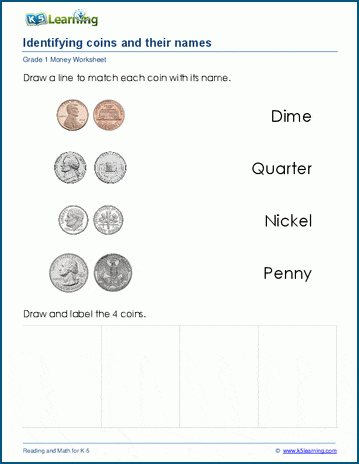
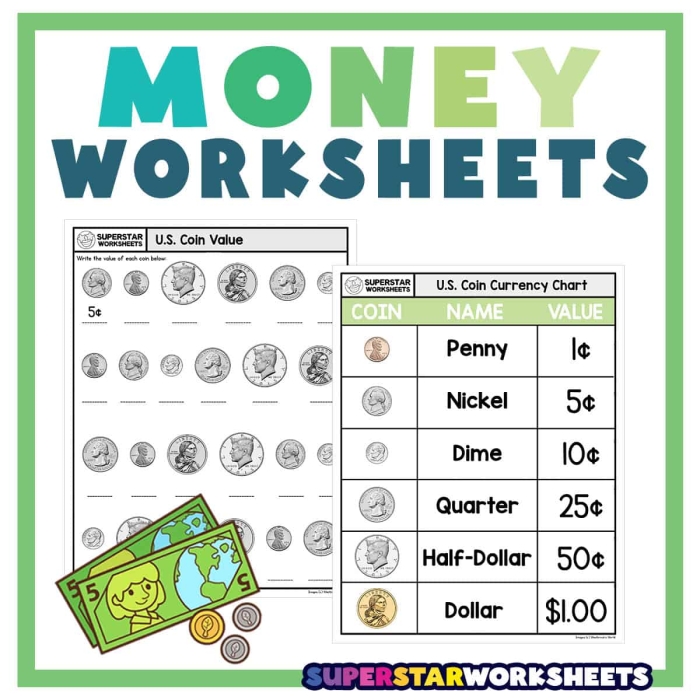
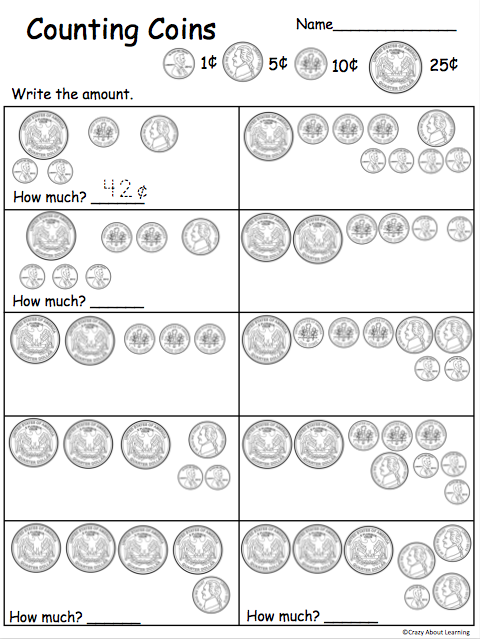
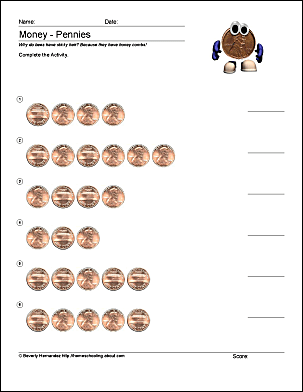
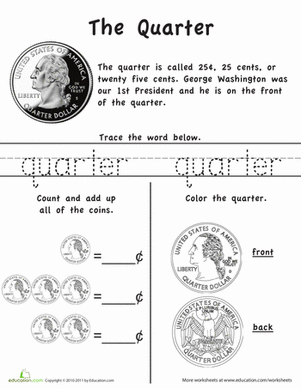
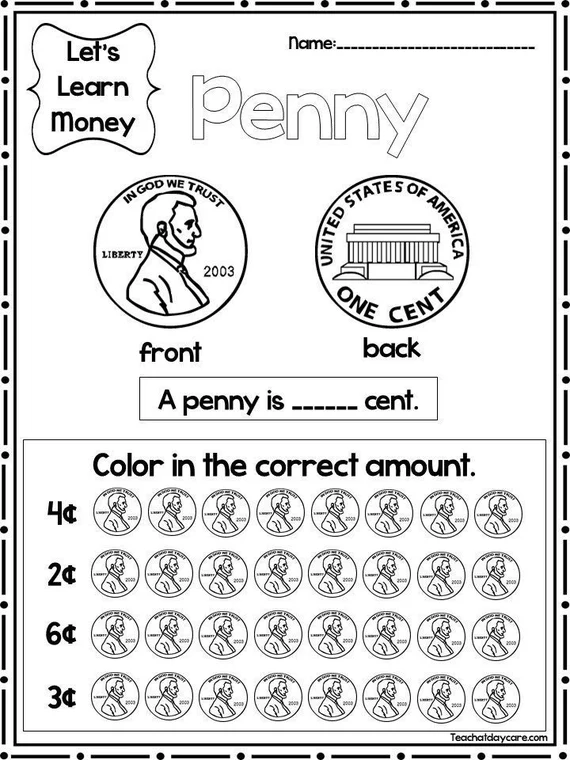
A penny printable worksheet combines three essential kindergarten skills into one focused learning activity: letter tracing, coin recognition, and creative expression through coloring. This type of resource works particularly well for young learners because it keeps their hands and minds engaged across multiple modalities simultaneously.
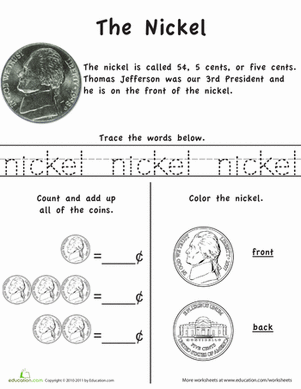
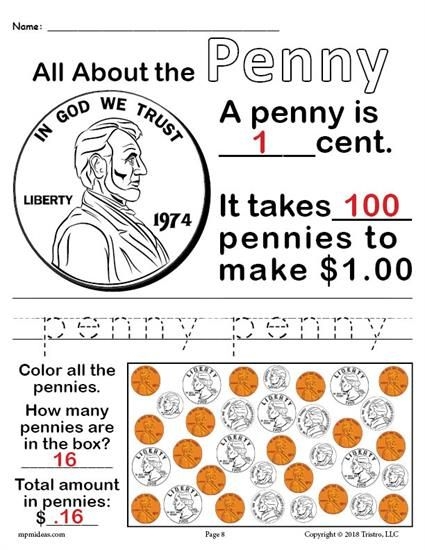
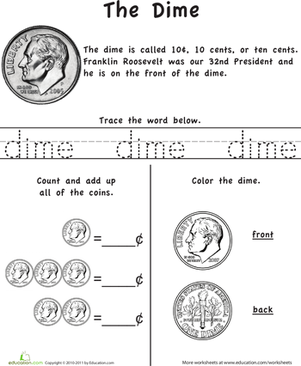
The letter tracing component addresses phonics fundamentals. As children trace letters on the worksheet, they develop fine motor control and begin internalizing letter shapes and sounds. This tactile practice strengthens the neural pathways that connect visual recognition to muscle memory, which is foundational for early reading. Many educators pair letter work with real objects, and a penny serves as the perfect concrete tool for this purpose.
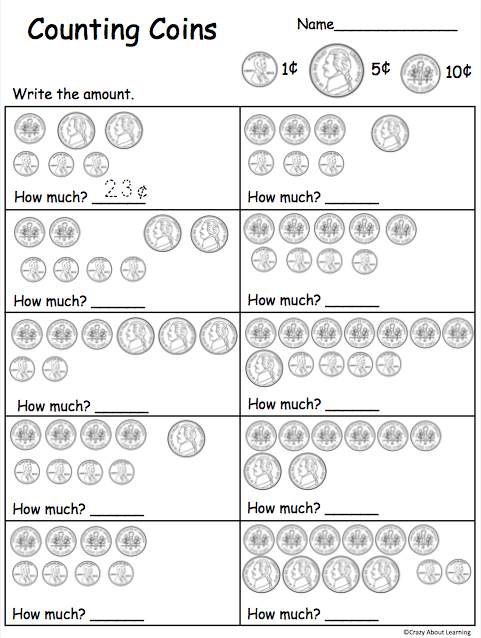
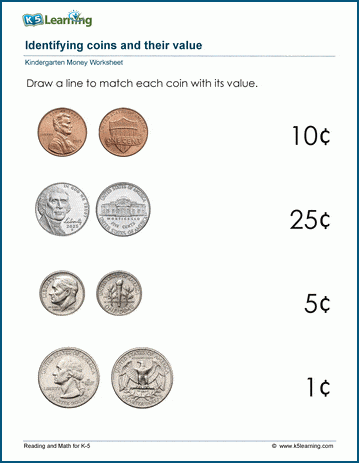
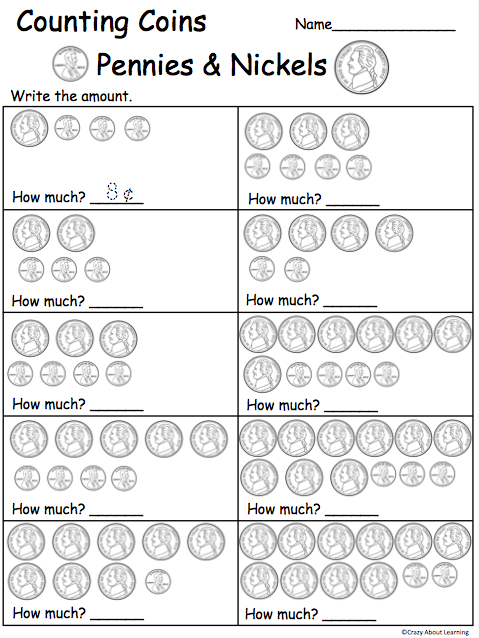
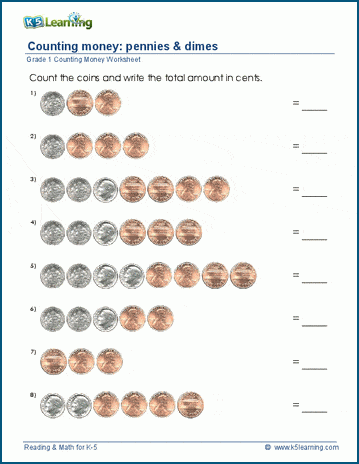
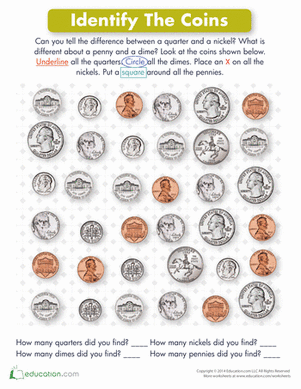
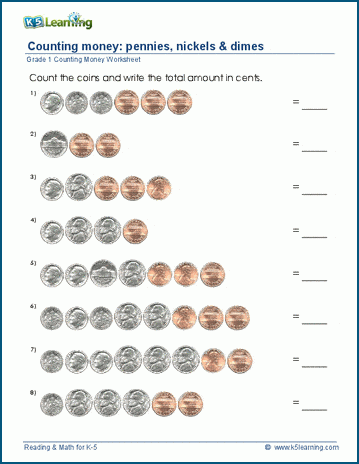
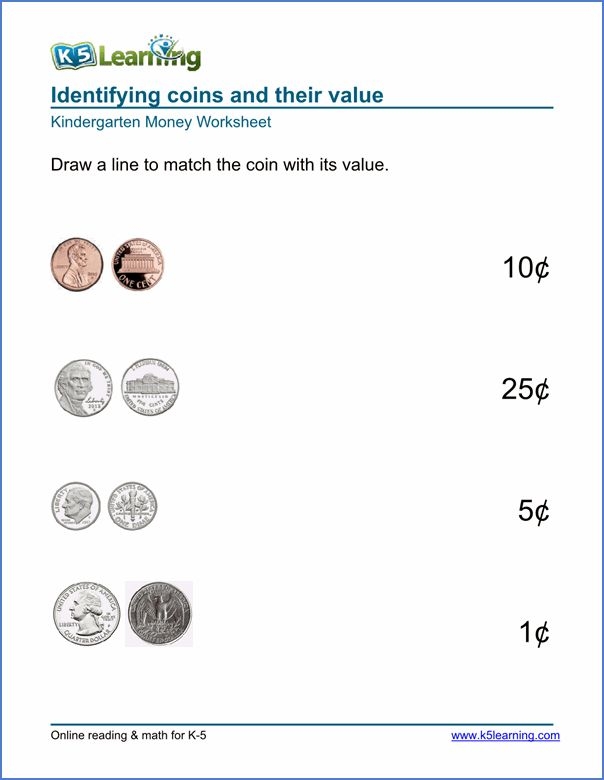
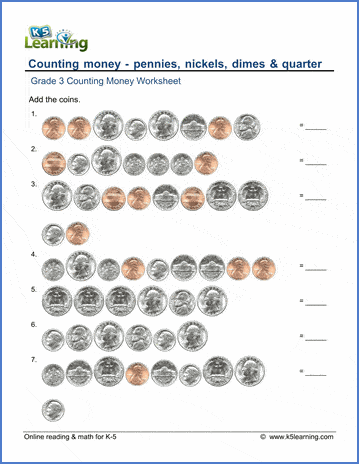
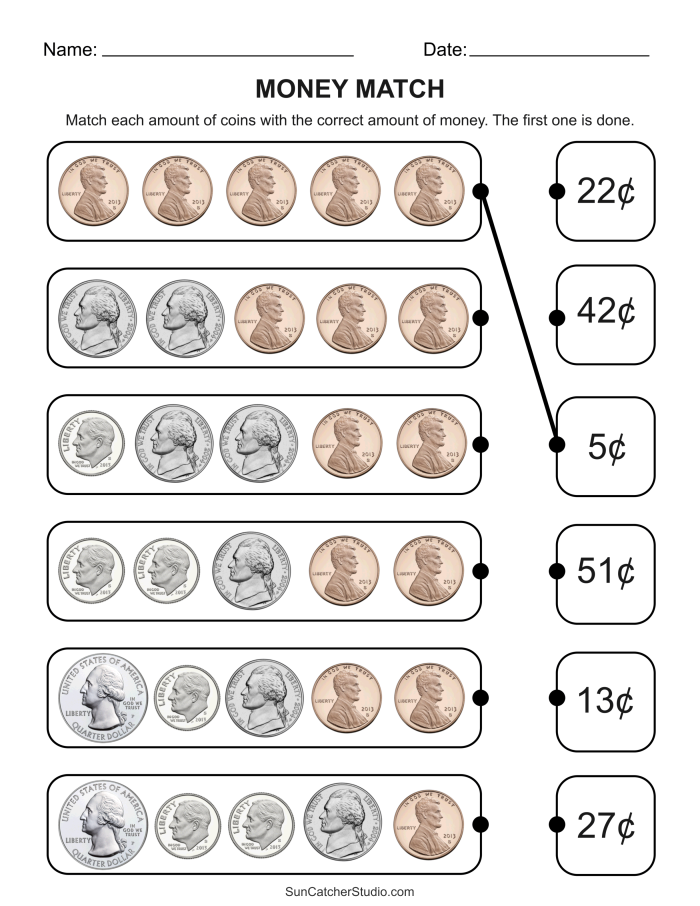
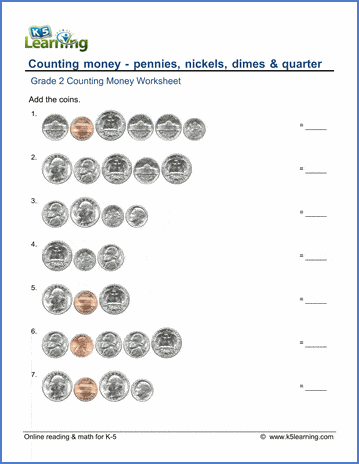
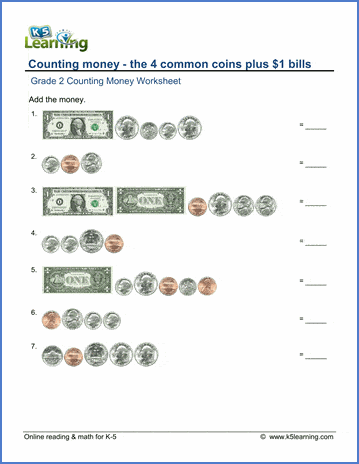
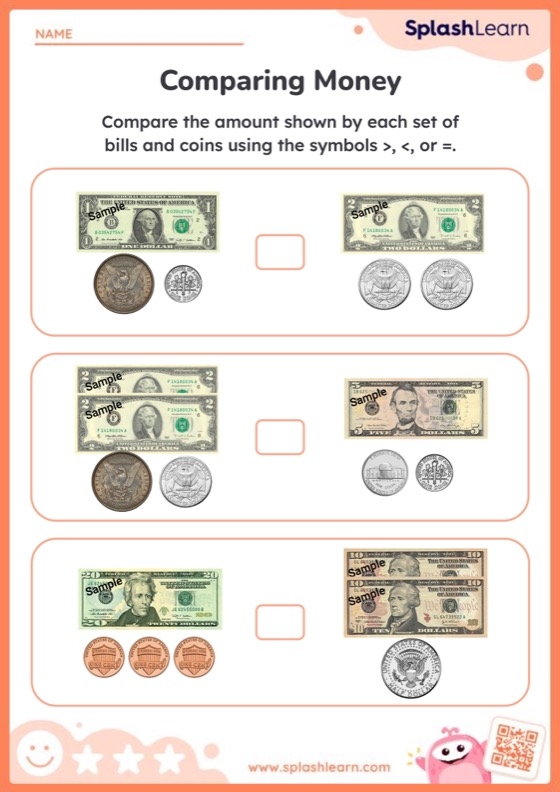
Counting coins introduces basic numeracy in a practical context. Rather than working with abstract numbers, kindergarteners can see and touch actual pennies while completing the worksheet. This bridges the gap between symbolic math and tangible reality. A typical penny counting activity might ask children to count groups of pennies and write the number, or match quantities to numerals.
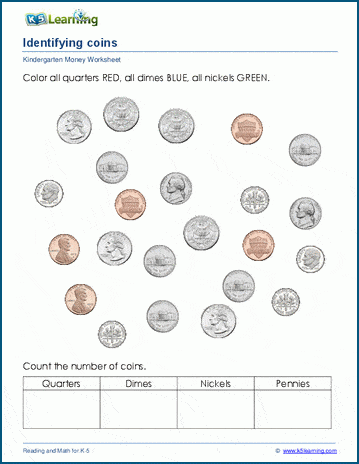
The coloring element provides a necessary break from the more structured tasks while keeping children invested in completing the worksheet. Coloring also supports color recognition and encourages creative decision-making, which builds confidence during independent work time.
These worksheets fit naturally into a broader phonics curriculum. Teachers often combine penny printables with other hands-on activities like dot-to-dot exercises or short vowel word practice to create a balanced learning experience that addresses multiple skill areas throughout the week.
Printable Worksheets for Practice