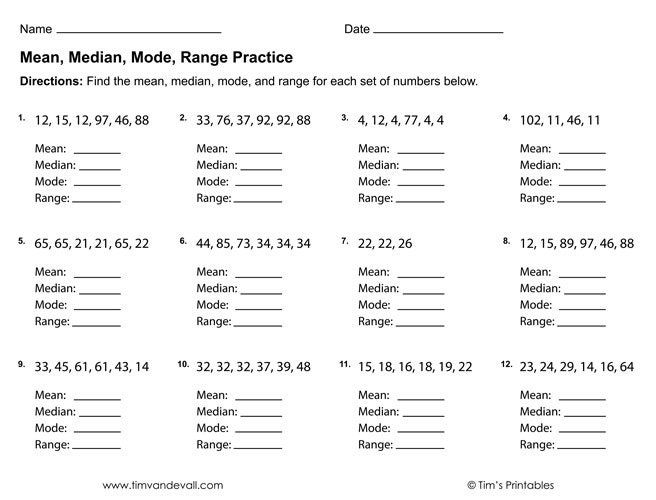
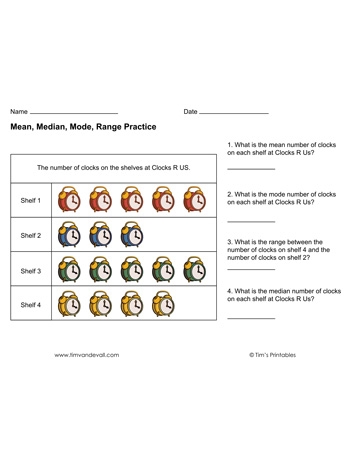
Most sixth grade students tense up the moment statistics enters the classroom. The truth is, calculating the mean, median, and mode is far simpler than it seems, and once students grasp these three concepts, they unlock a practical skill that appears everywhere from sports scores to science experiments.
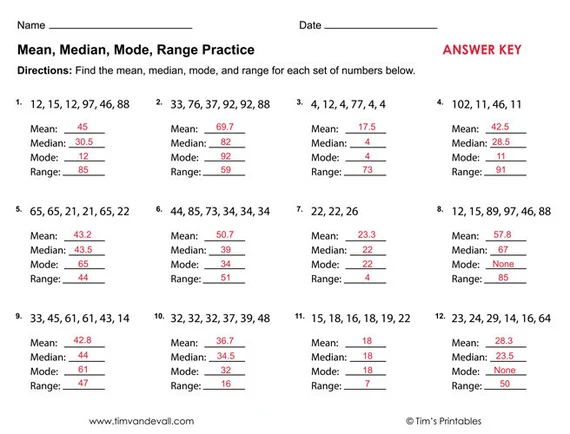
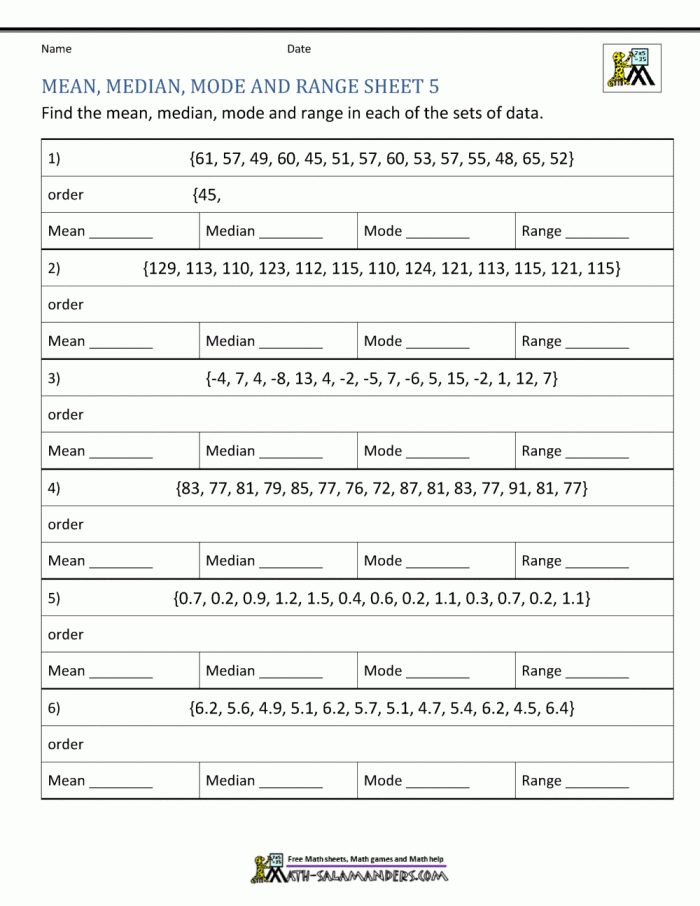
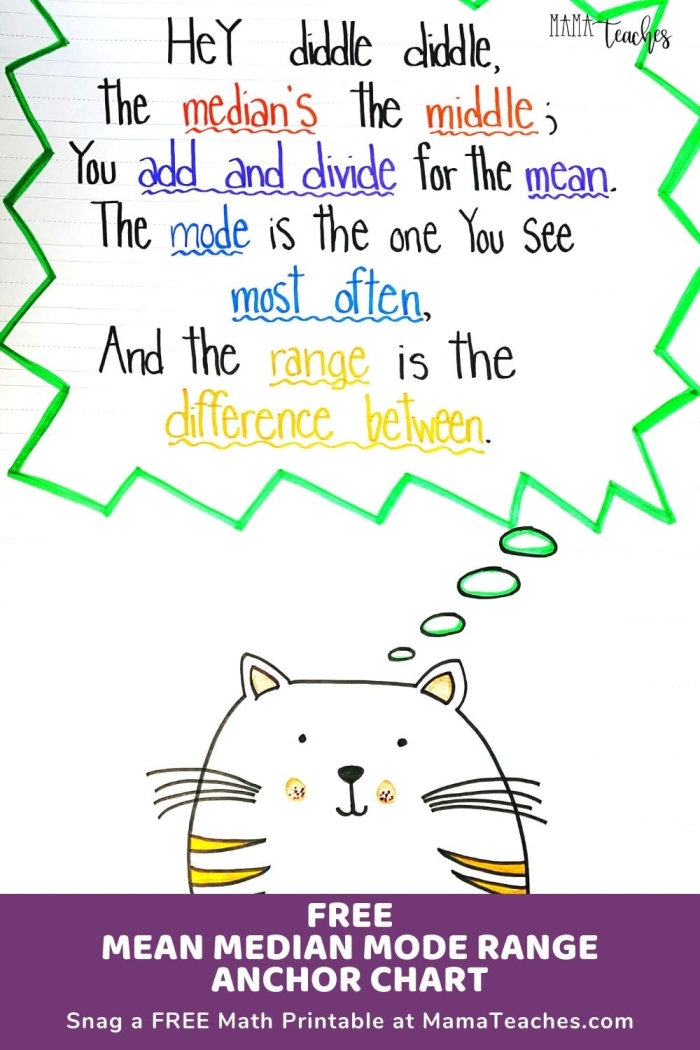
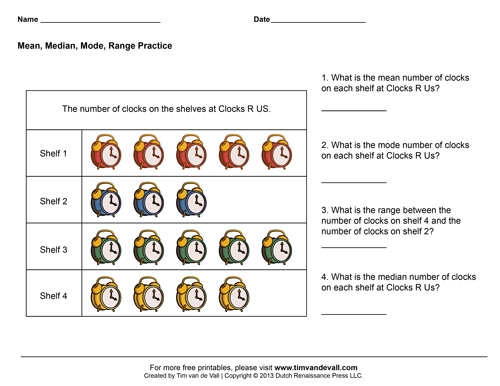
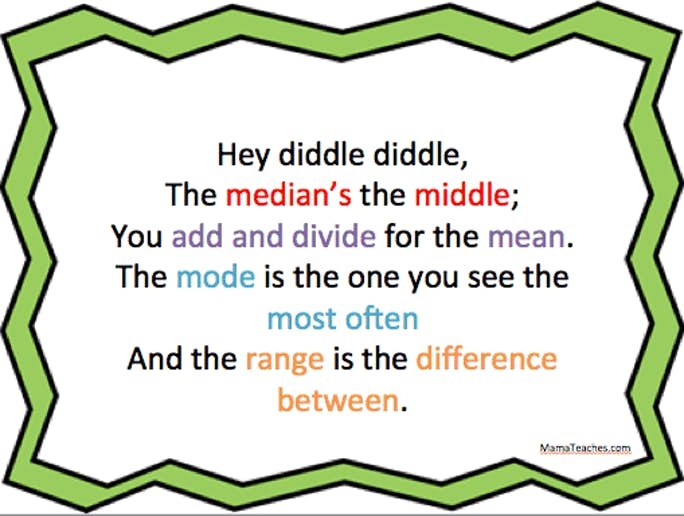
The mean is simply the average. Add all the numbers together and divide by how many numbers you have. If a student scored 85, 90, and 95 on three tests, the mean is (85 + 90 + 95) ÷ 3 = 90. This one calculation forms the foundation for understanding data in numbers and counting across most sixth grade math curricula.
The median is the middle value when numbers are arranged in order. With the same test scores (85, 90, 95), the median is 90 because it sits in the center. When you have an even number of values, find the mean of the two middle numbers. This method works regardless of whether your data set includes outliers or extreme values that might skew the average.
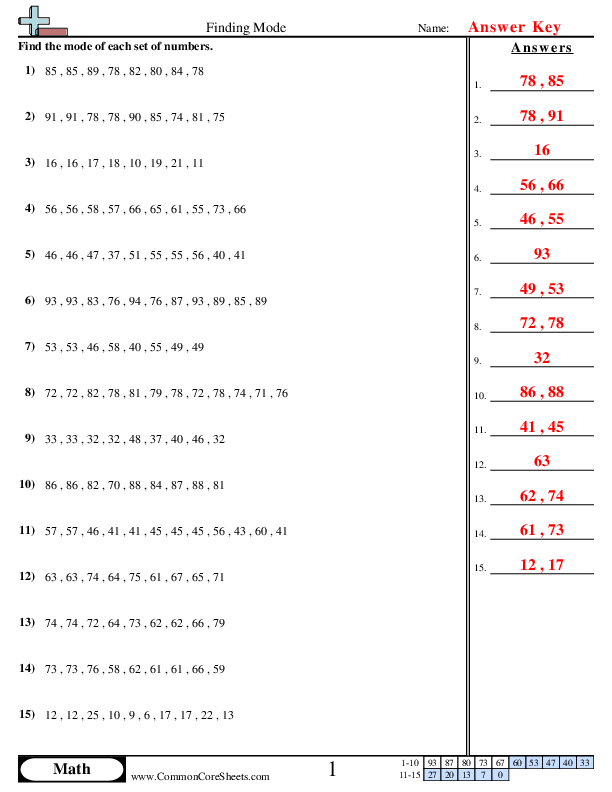
The mode is the number that appears most often. In a set like 82, 85, 85, 90, 95, the mode is 85 since it shows up twice. Some sets have no mode, while others have multiple modes, which teaches students that data doesn’t always follow predictable patterns.
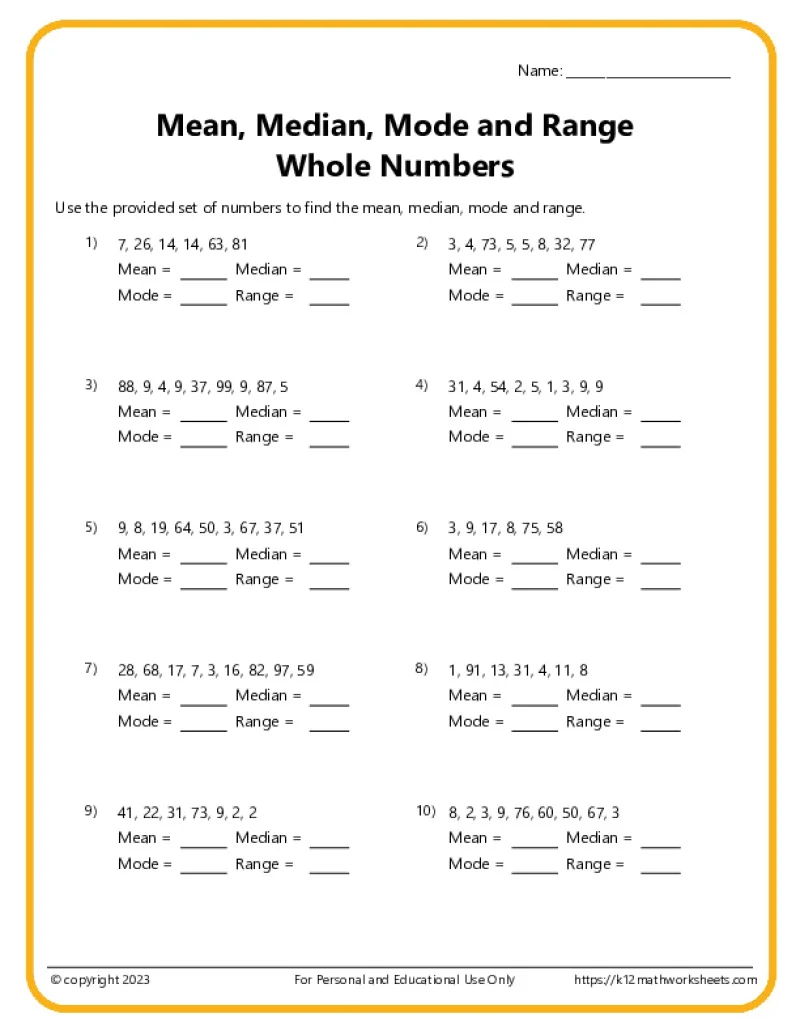
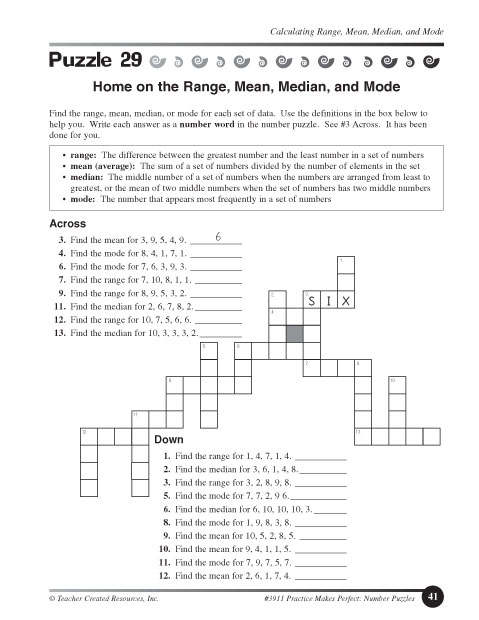
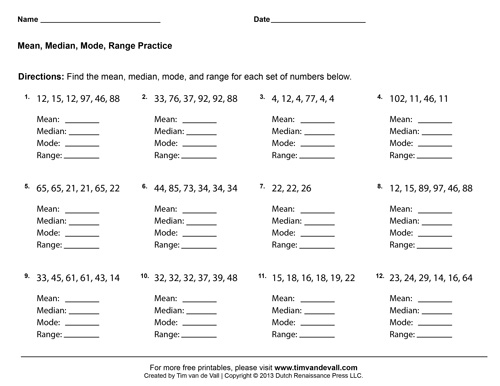
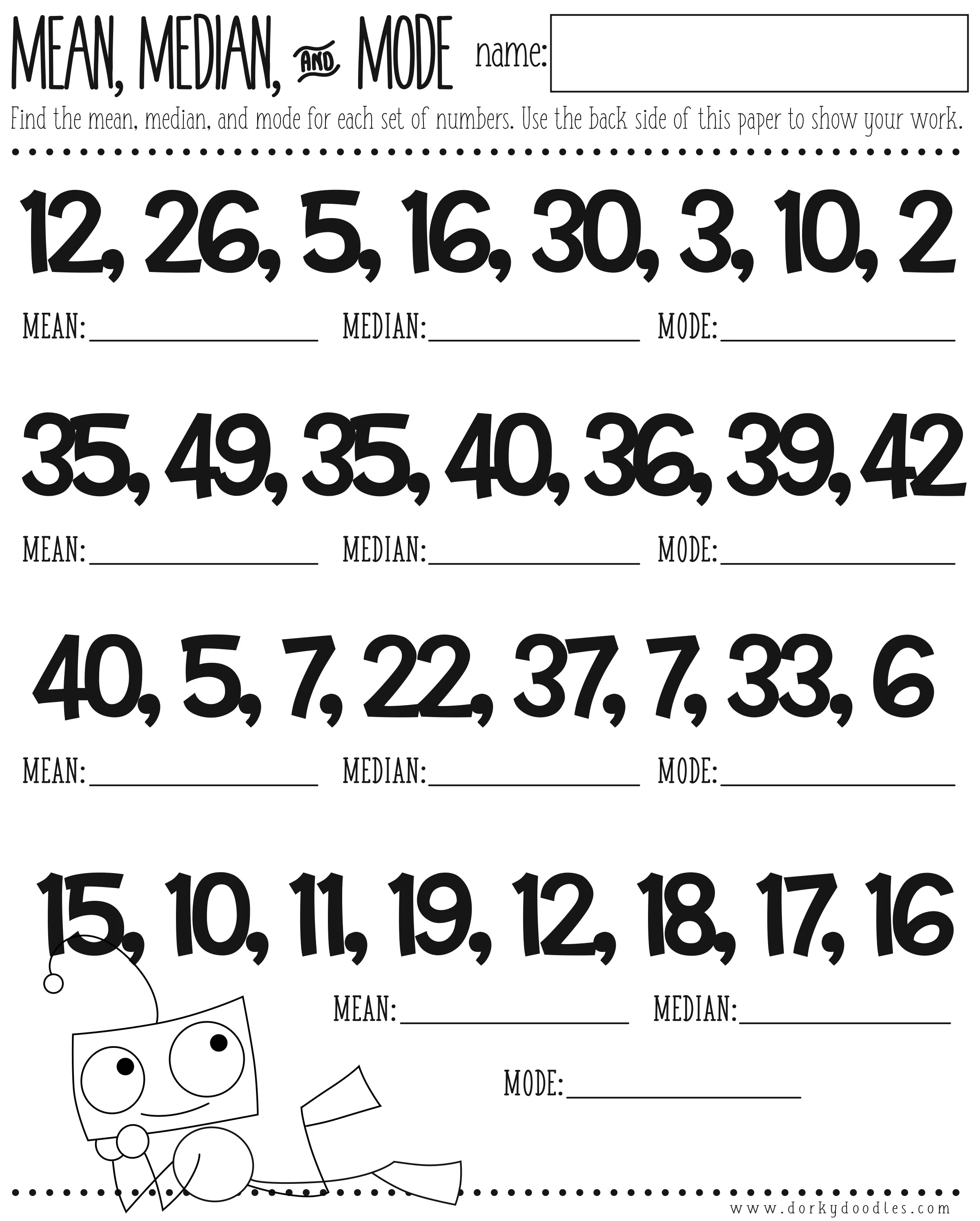
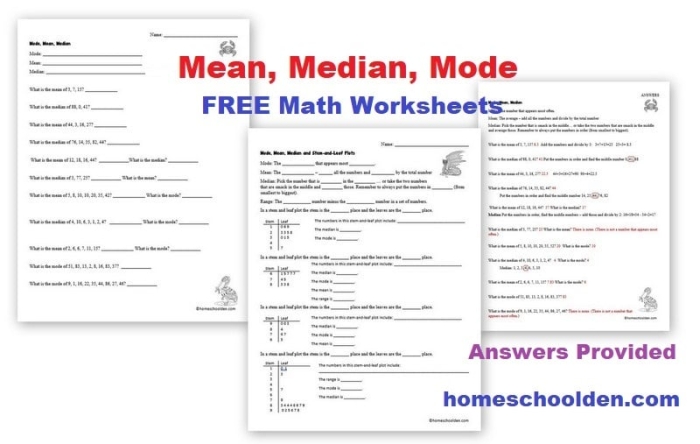
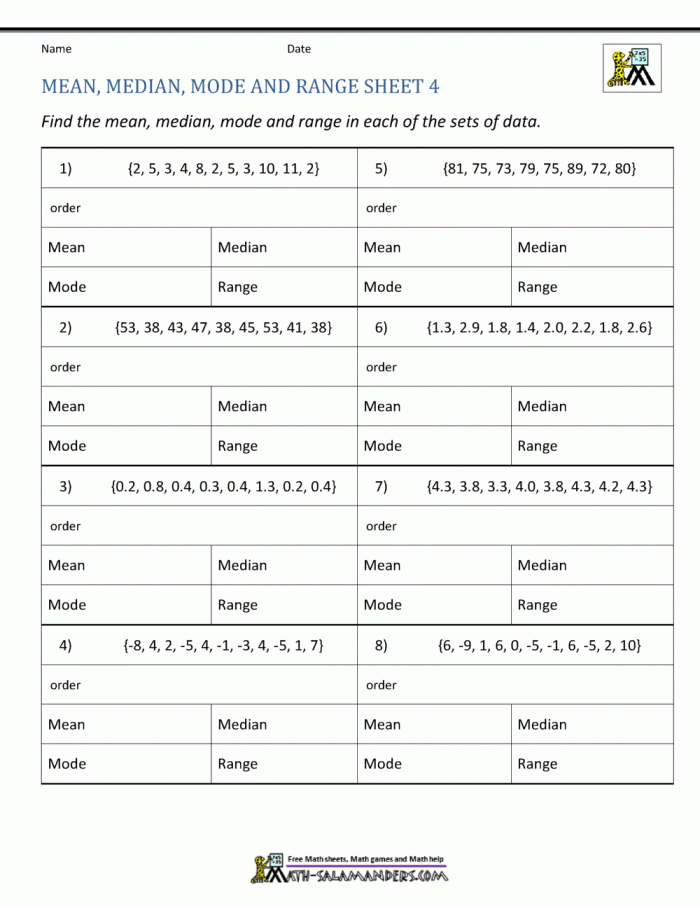
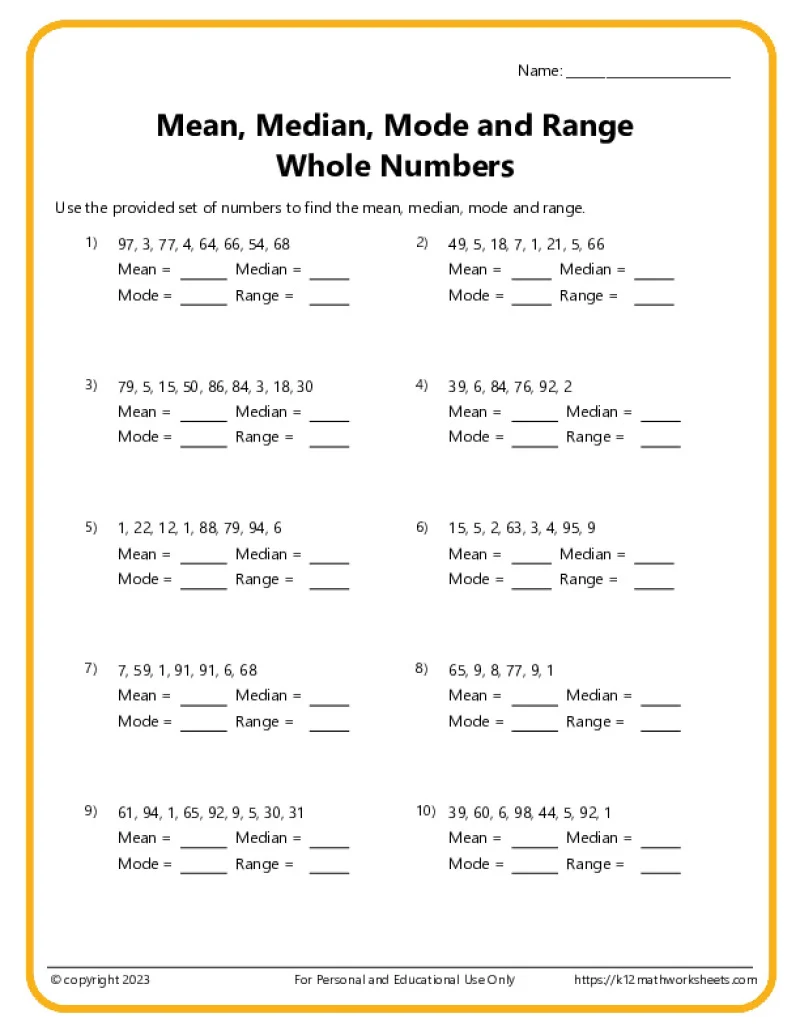
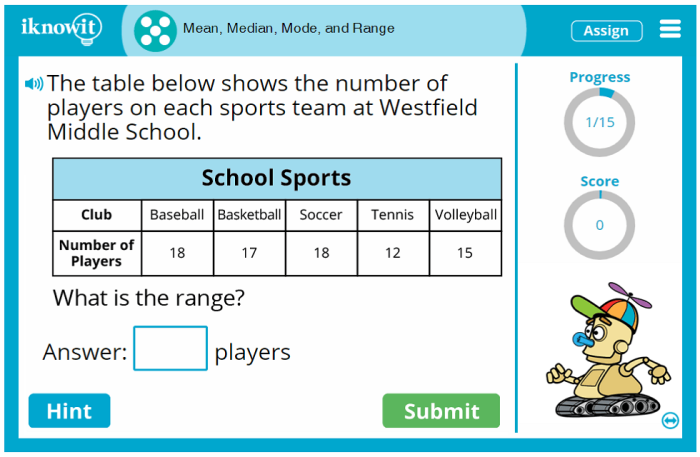
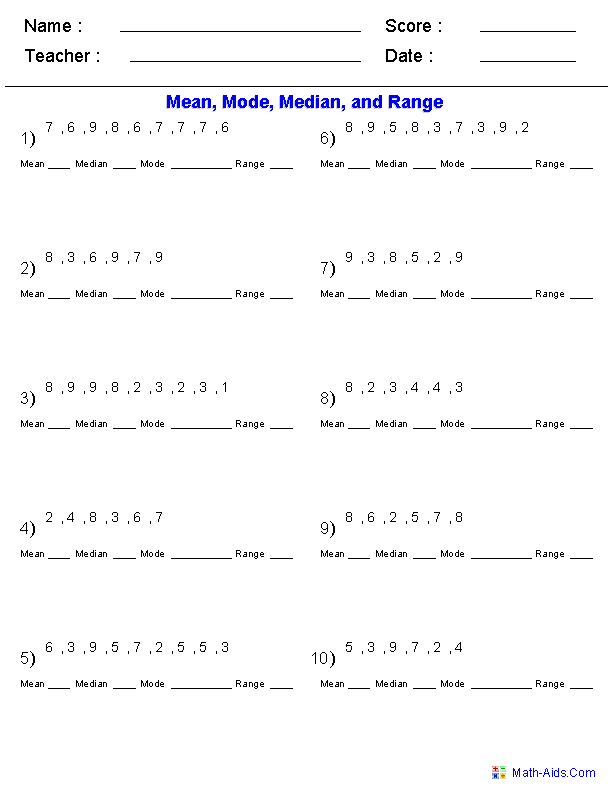
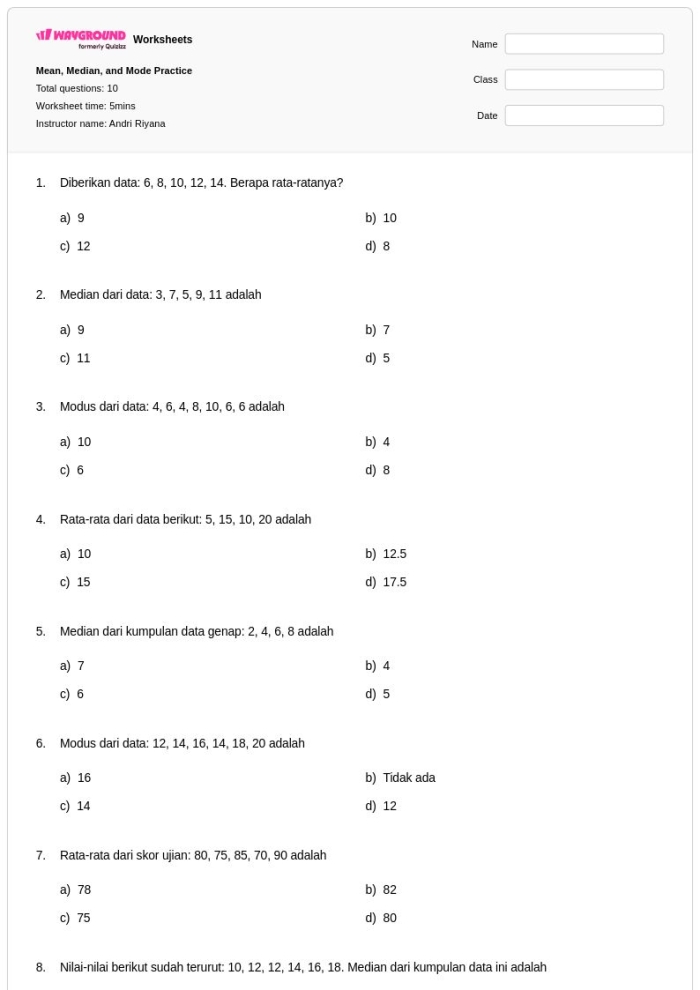
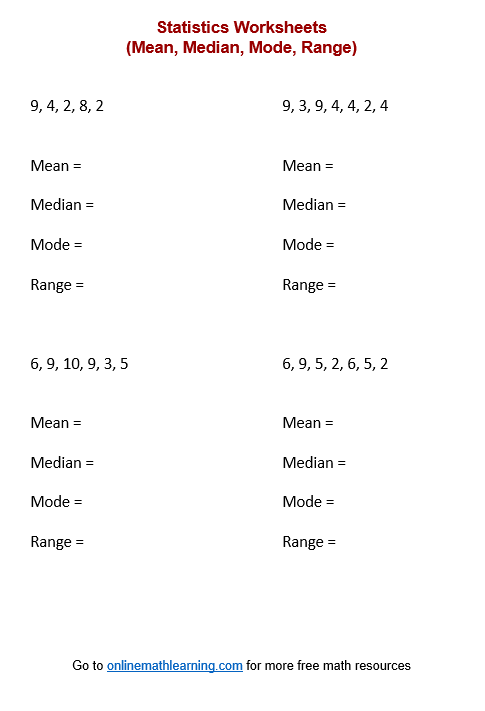
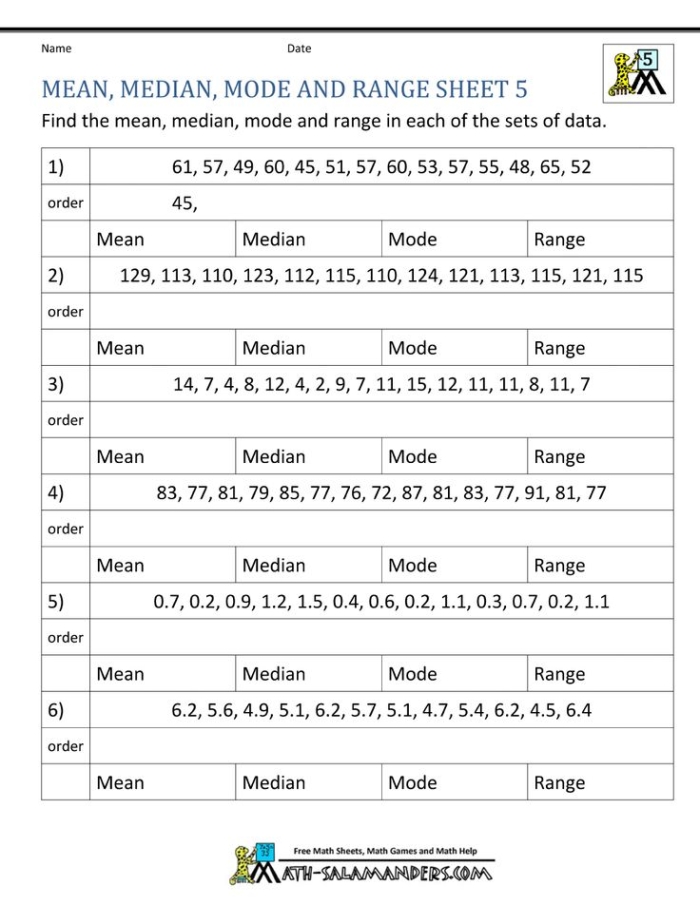
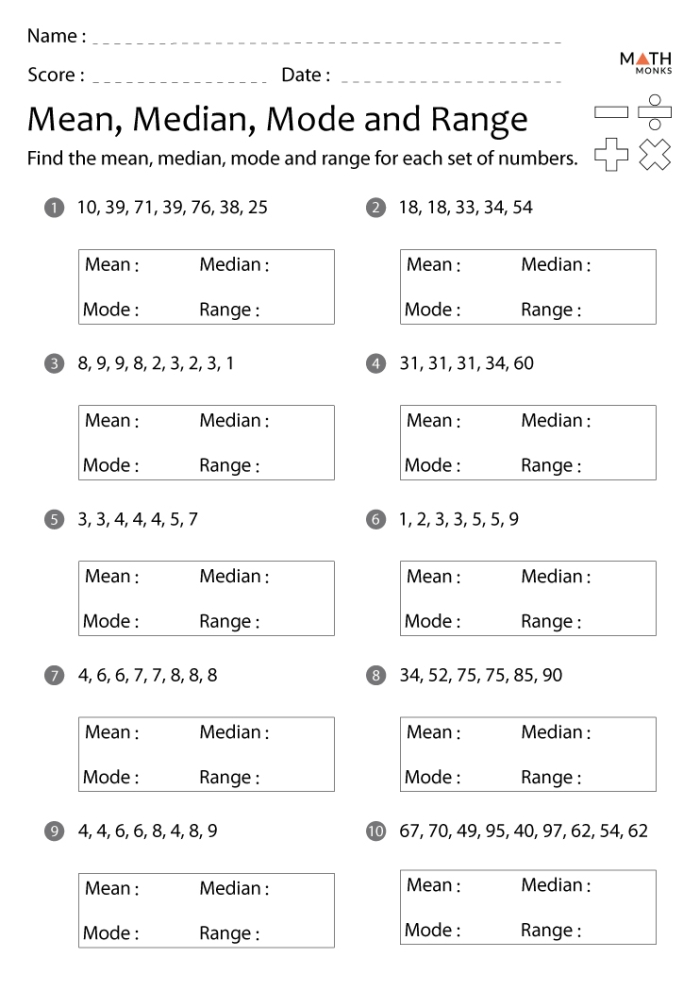
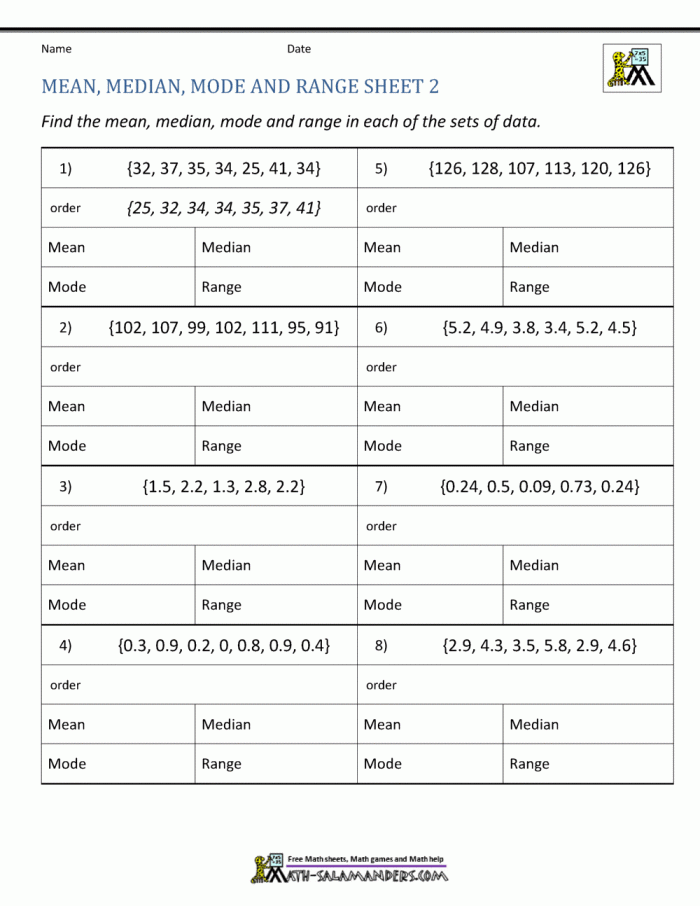
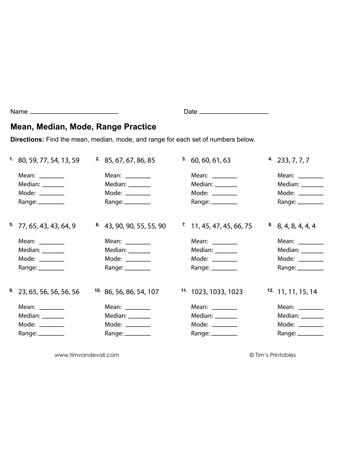
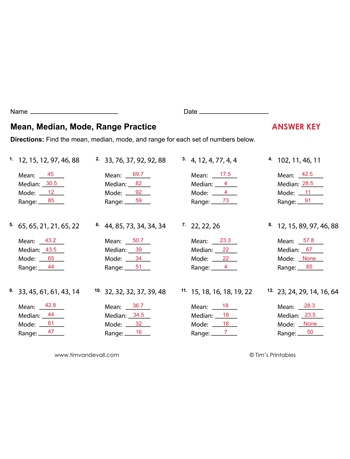
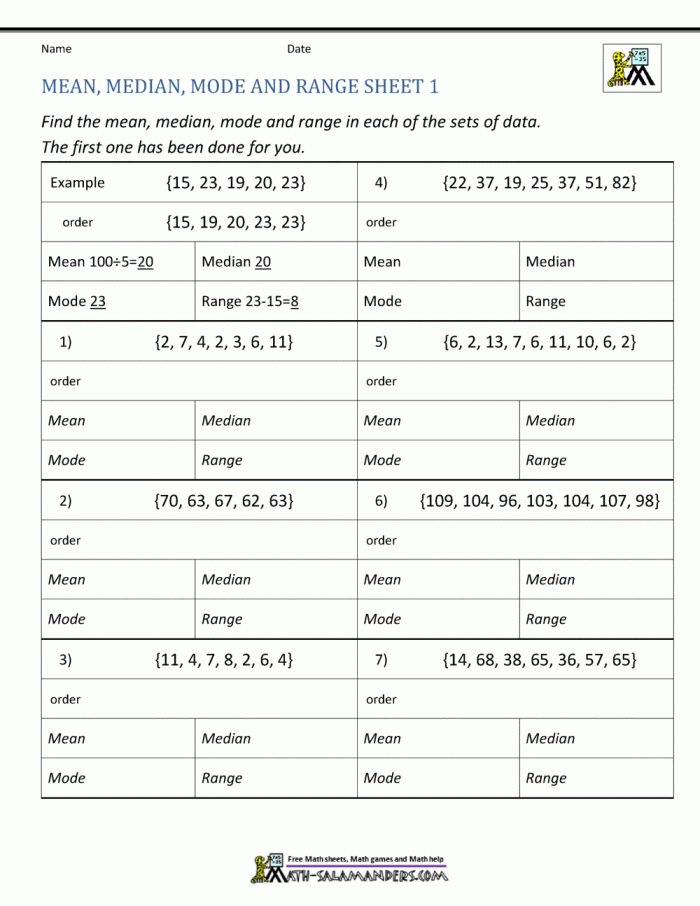
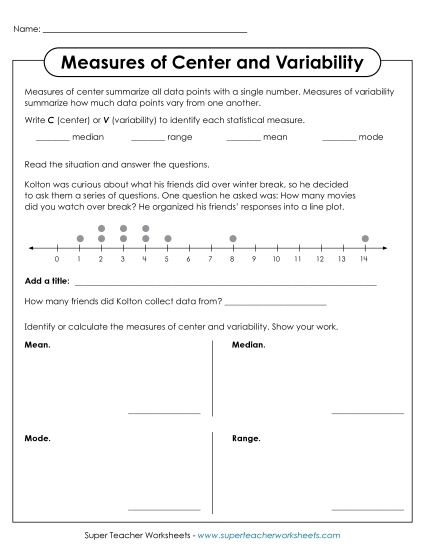
The best way to build confidence is through consistent practice. Working through mean, median, and mode practice problems with real-world scenarios helps students see why these calculations matter. Pairing worksheets with other sixth grade math skills, like dividing fractions in word problems, reinforces how statistics connects to broader mathematical thinking.
Once students realize they can actually do this, statistics stops feeling intimidating. They start noticing these concepts in their daily lives, from analyzing sports statistics to understanding survey results. That shift from anxiety to curiosity is when real learning happens.
Try These Printable Worksheets