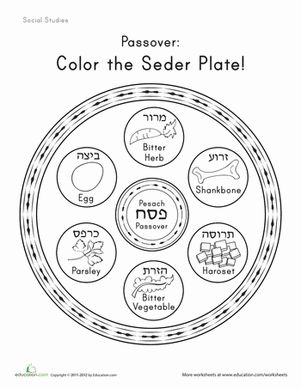
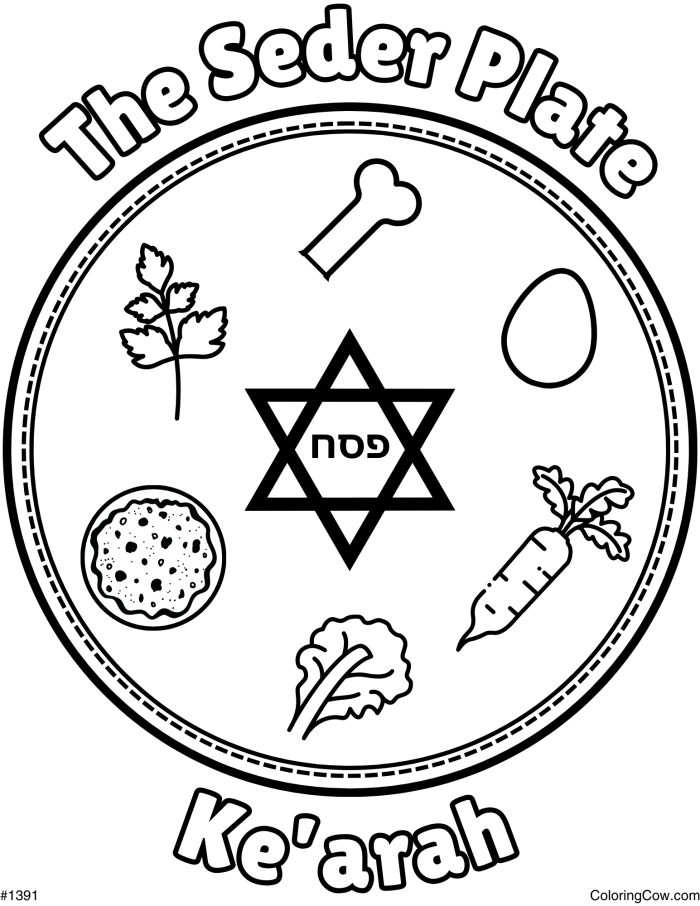
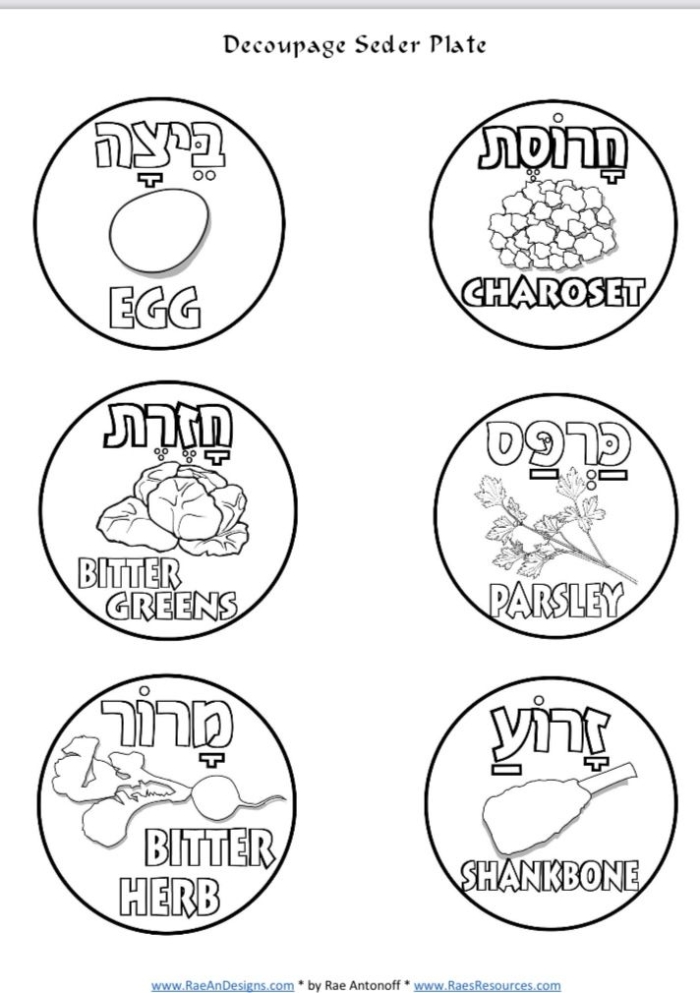
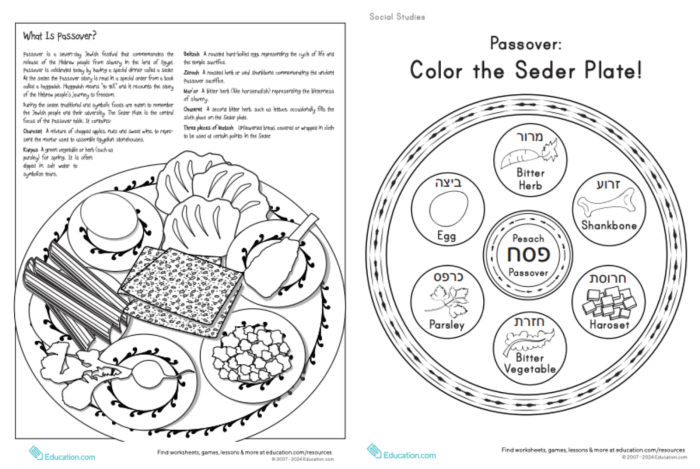
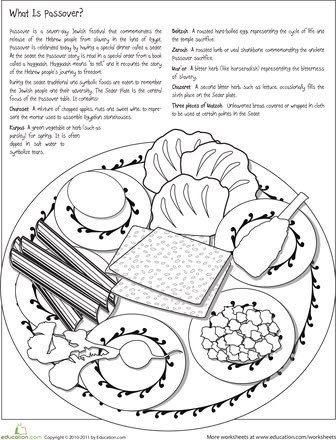
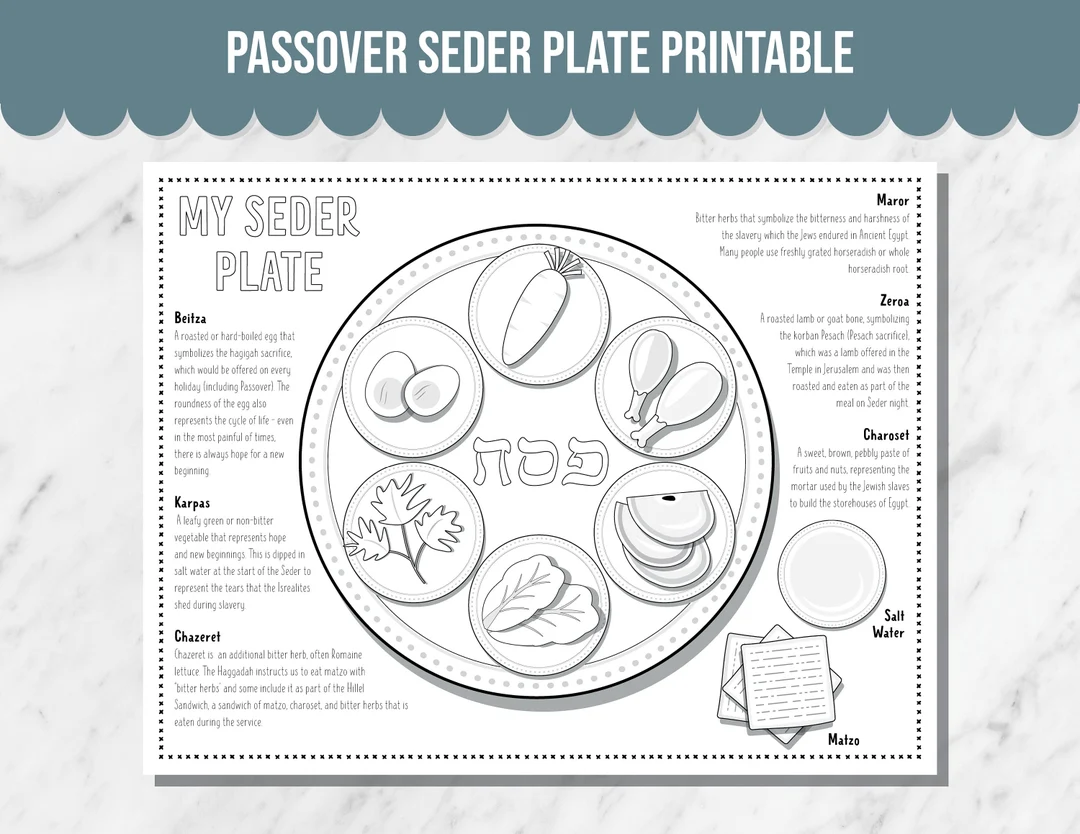
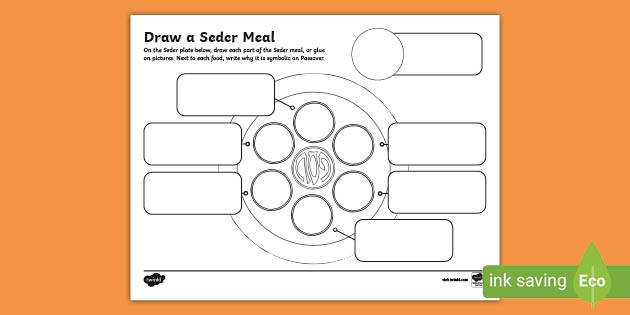
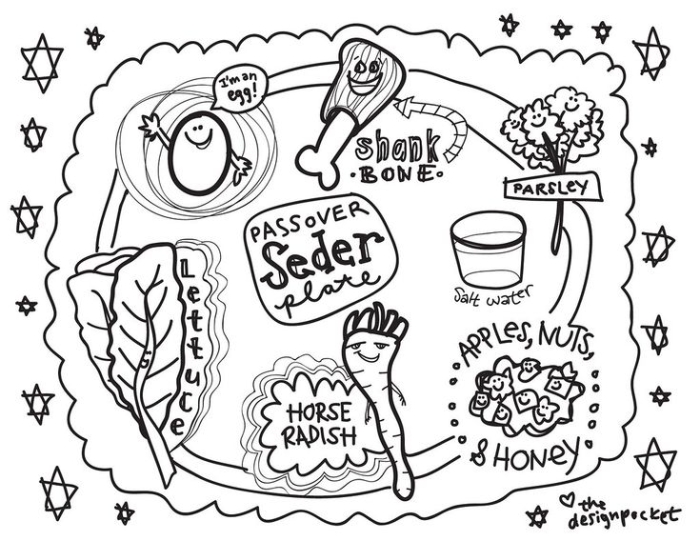
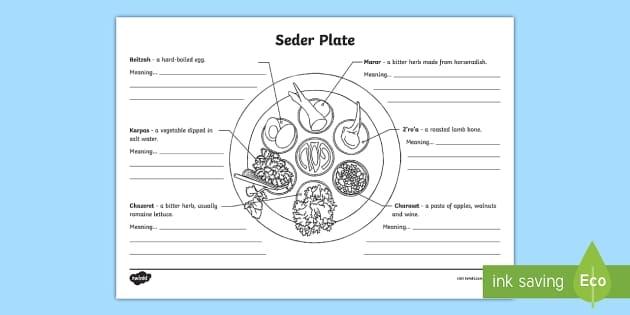
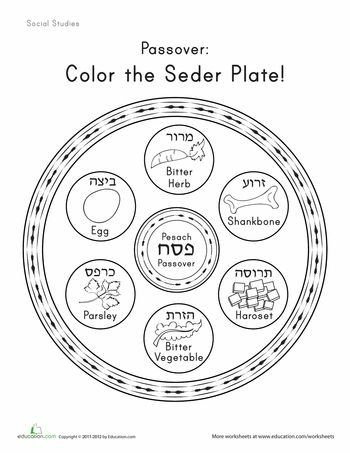
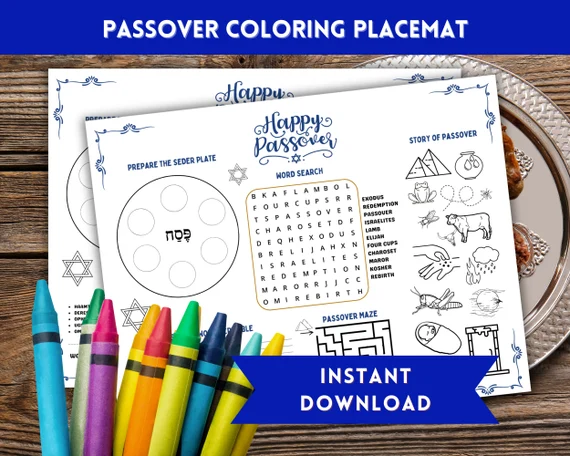
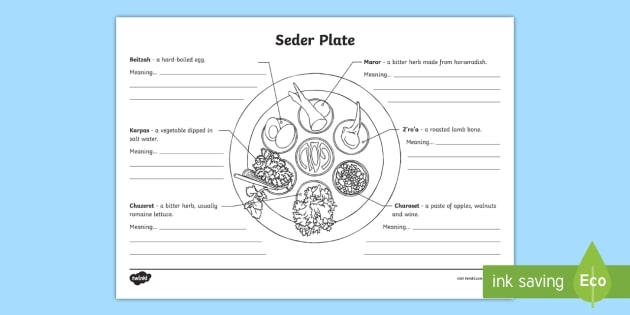
A Seder plate sits at the center of Passover’s most important ritual meal, and introducing your kindergarten child to its symbolic items through a coloring activity makes the holiday’s meaning stick in their memory far better than words alone. Each food on the plate represents a different aspect of the Passover story, from the bitter herbs that remind us of slavery to the sweet charoset that symbolizes the mortar used by enslaved people.
When you use a printable color the Seder plate worksheet with your child, you’re combining two powerful learning tools: visual exploration and hands-on creativity. Kindergarten students absorb information through doing, and coloring gives them a reason to sit with each element, ask questions, and internalize what makes Passover unique. As they color the maror (bitter herbs) green or the egg brown, they naturally become curious about why these items matter.
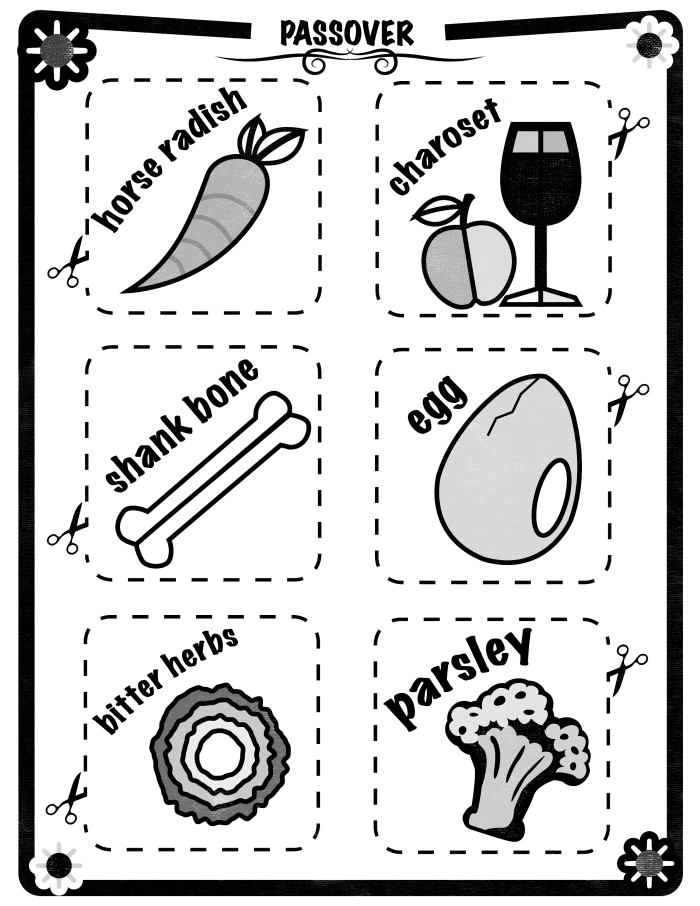
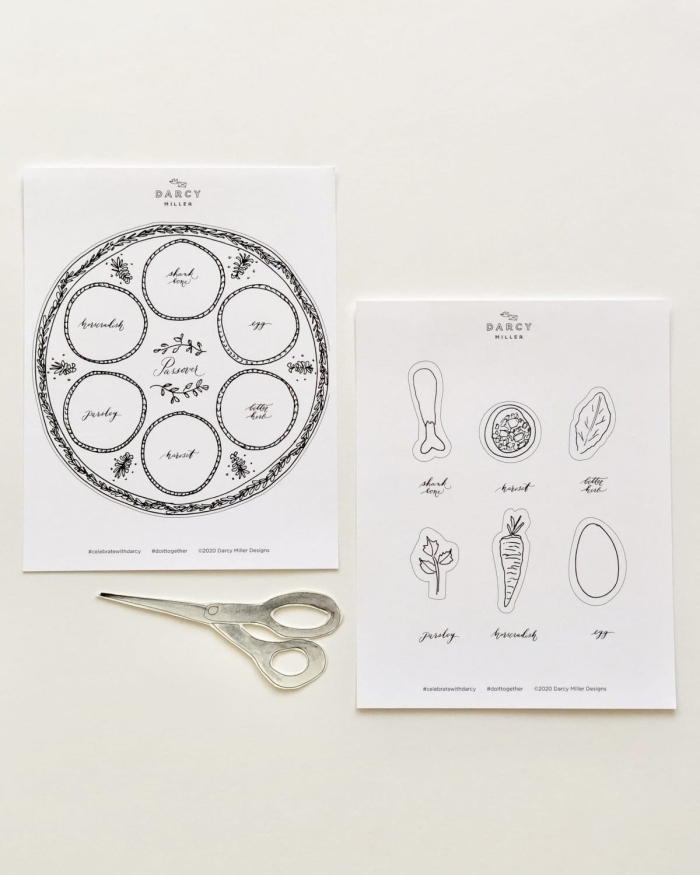
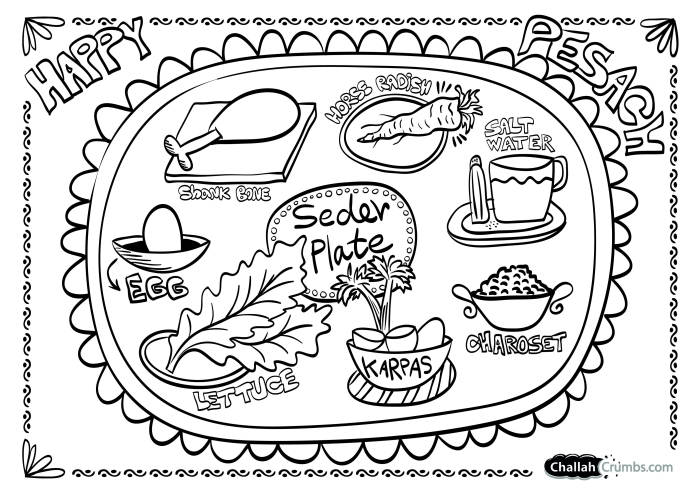
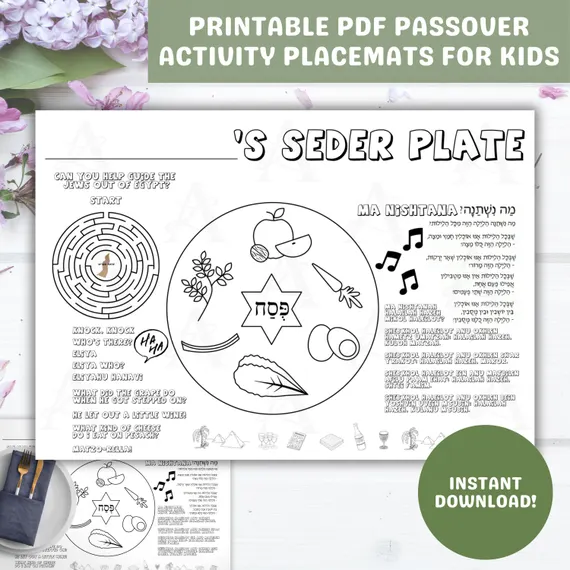
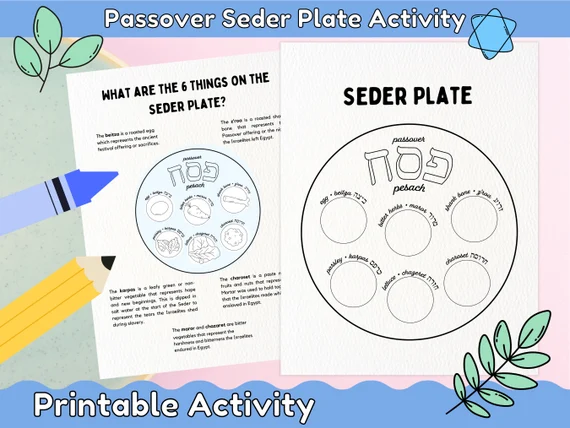
The Seder plate typically includes six main items: the shank bone, egg, bitter herbs, charoset, lettuce or parsley, and a small bowl of salt water. Some traditions add a seventh item. A well-designed worksheet will label each section clearly, allowing even young learners to connect the visual representation with the actual names and purposes of the foods.
Beyond just Passover education, this type of activity supports kindergarten writing development. As children label their colored sections or copy simple words next to each item, they practice letter formation and spelling in a meaningful context. If you’re looking for other engaging worksheets for this age group, resources like missing vowels writing activities or hiragana chart worksheets offer similar opportunities to blend learning with creative practice.
Keep the coloring session relaxed and conversational. Ask your child which foods they recognize from their own Seder table, or share a quick story about why each item matters. This transforms a simple worksheet into a meaningful family tradition that your child will remember.
Hands-On Worksheet Activities