Once your fourth grader masters whole number addition, fractions become the natural next step. Rather than jumping to abstract concepts, you can build directly on what they already know: combining quantities to make a larger whole.
The connection between addition and fractions works because both involve putting amounts together. When a student adds 2 + 3 to get 5, they’re already thinking about parts combining into a total. Fractions simply apply this same logic to pieces of a whole instead of individual objects. A child who understands that 1 + 1 = 2 can grasp that 1/4 + 1/4 = 2/4 with the right visual support.
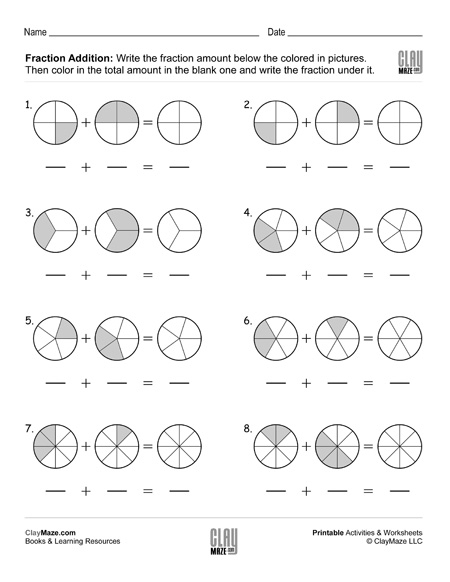
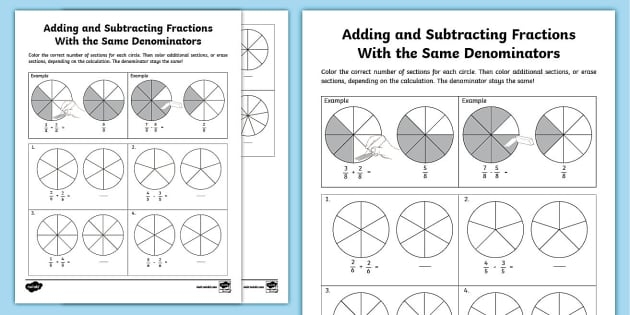
The key is starting with concrete representations. Fourth graders benefit from seeing fractions as actual pieces: pizza slices, chocolate bars divided into sections, or shaded portions of rectangles. When you show that two 1/4 pieces equal one 1/2 piece, you’re connecting their addition knowledge to fractional thinking. This visual foundation makes the abstract math stick.
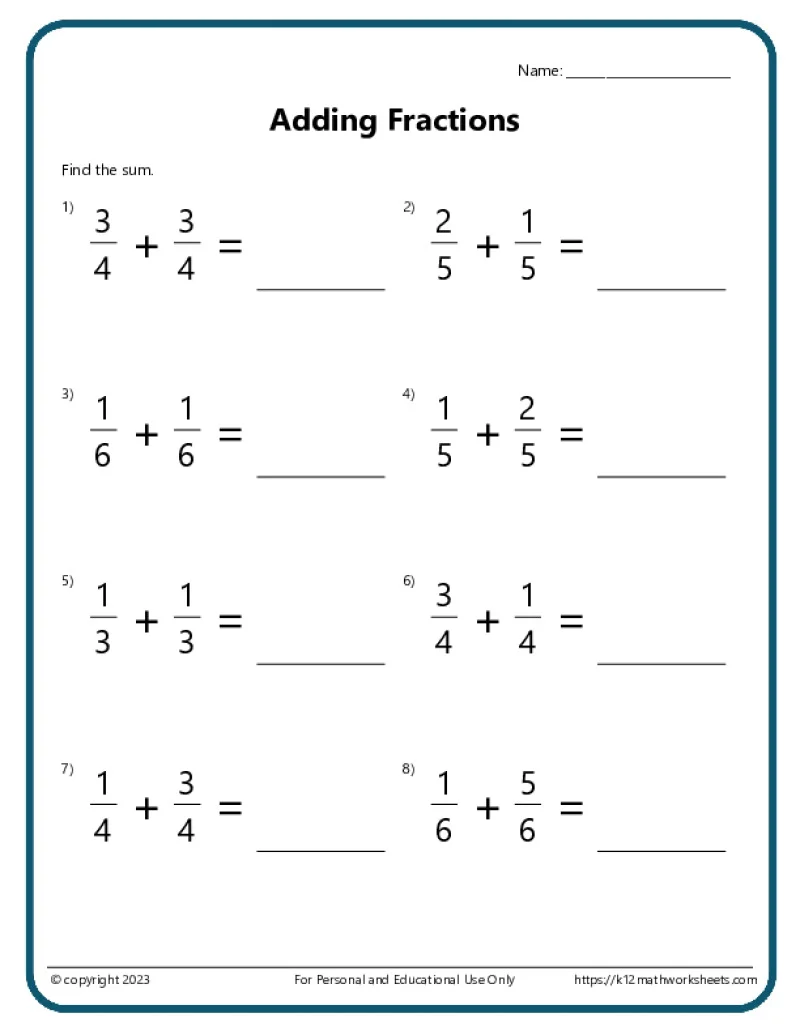
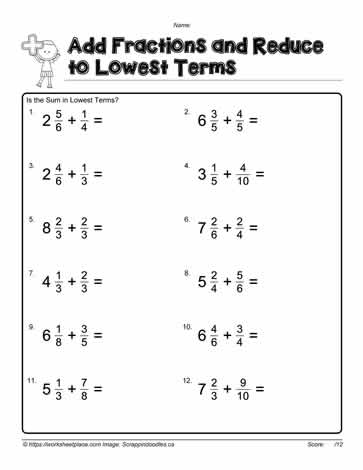
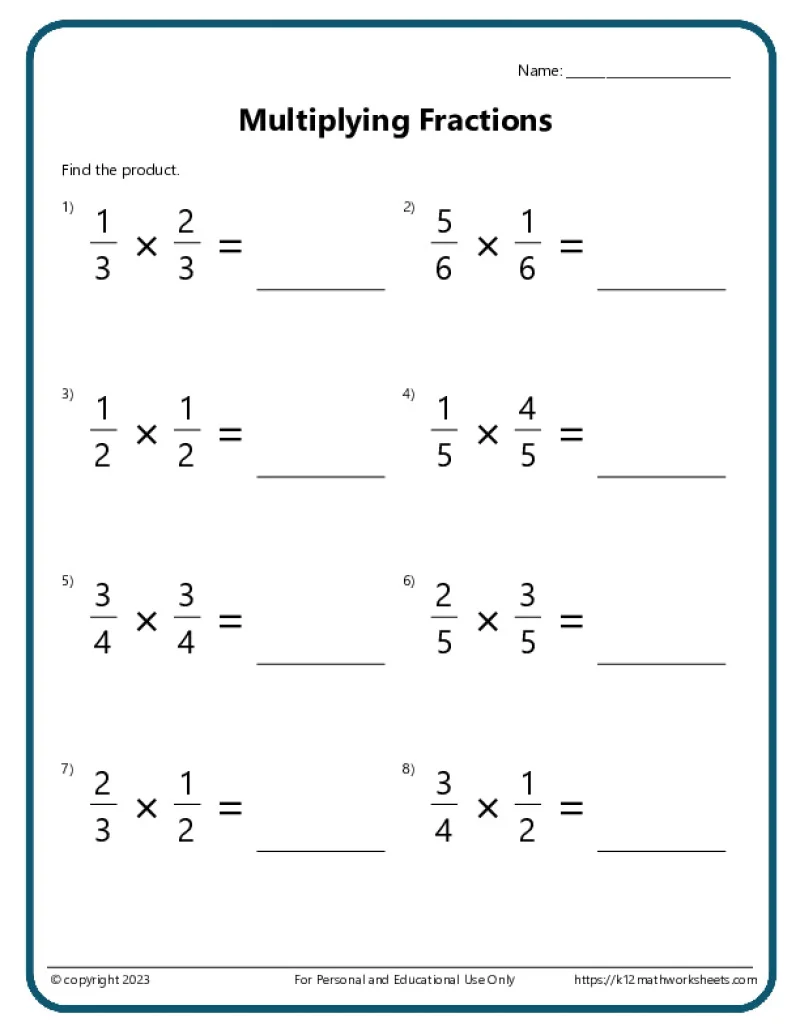
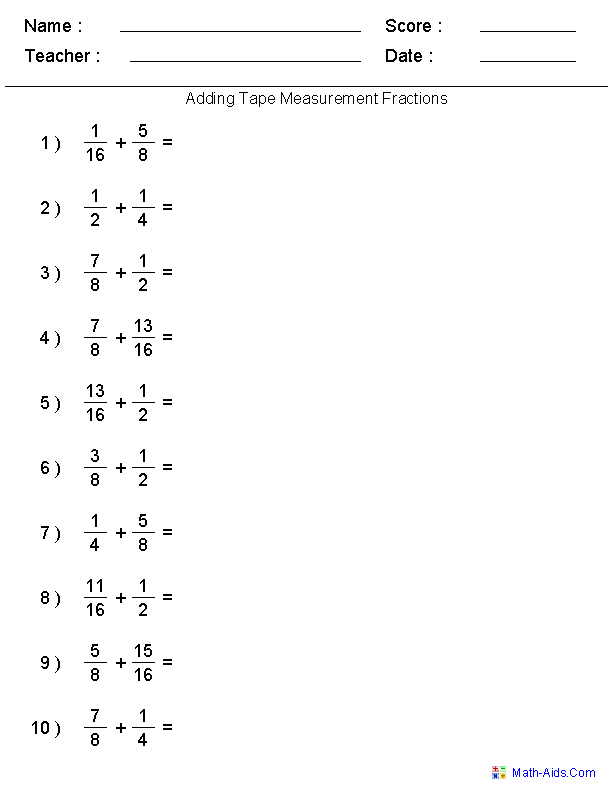
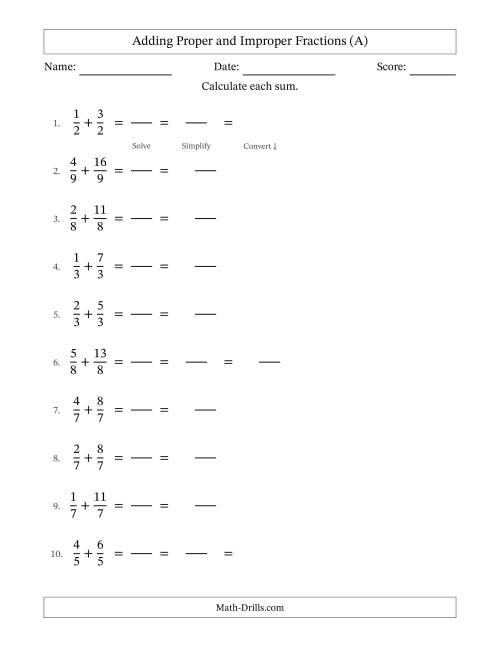
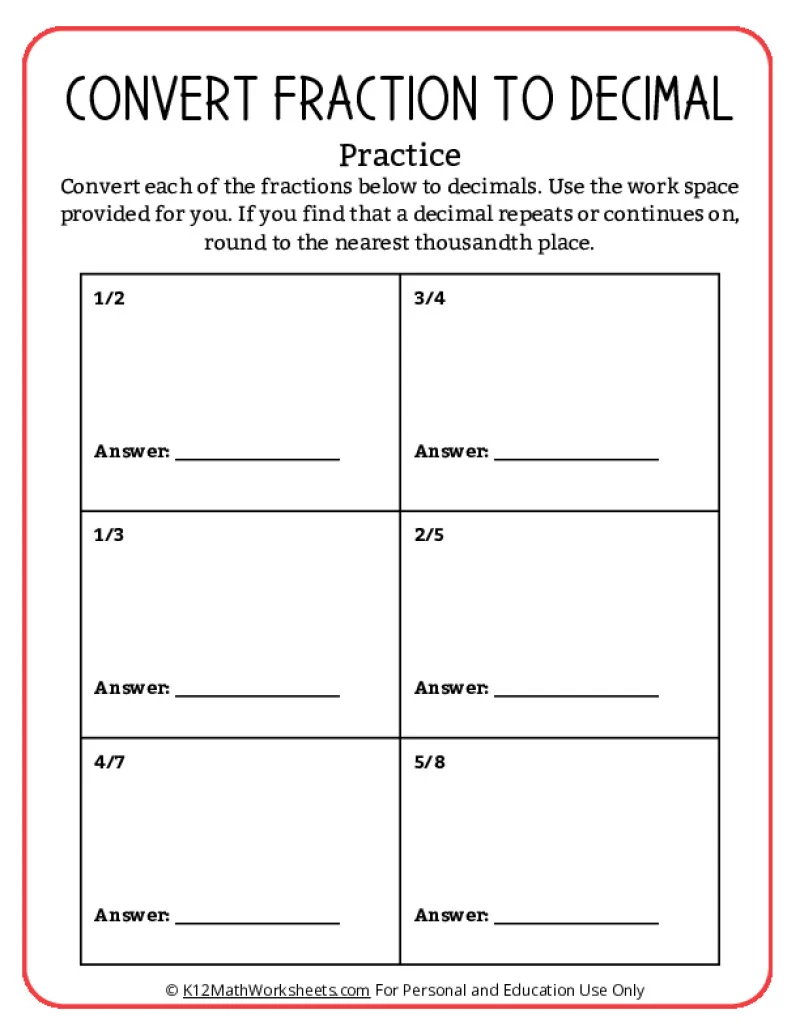
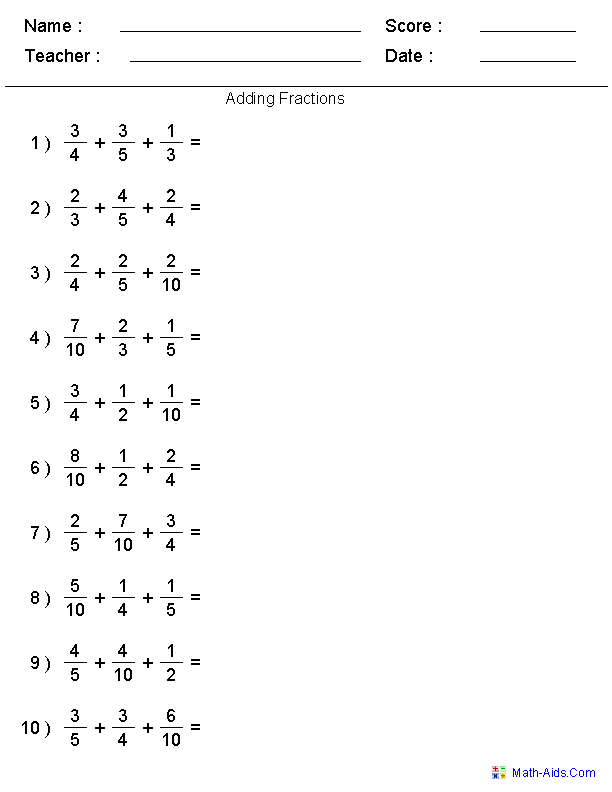
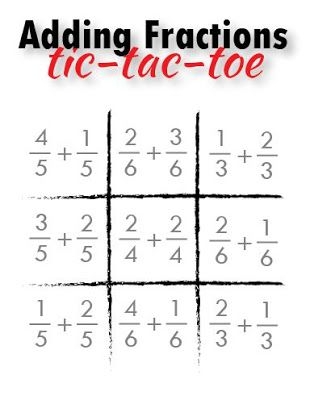
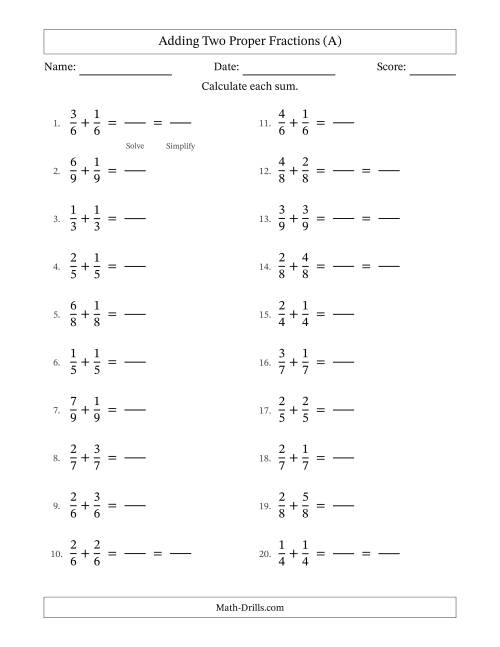
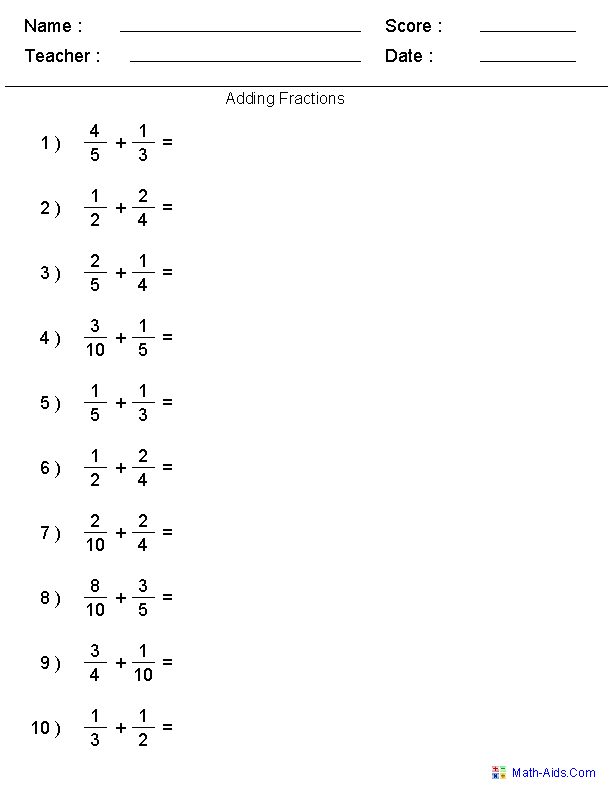
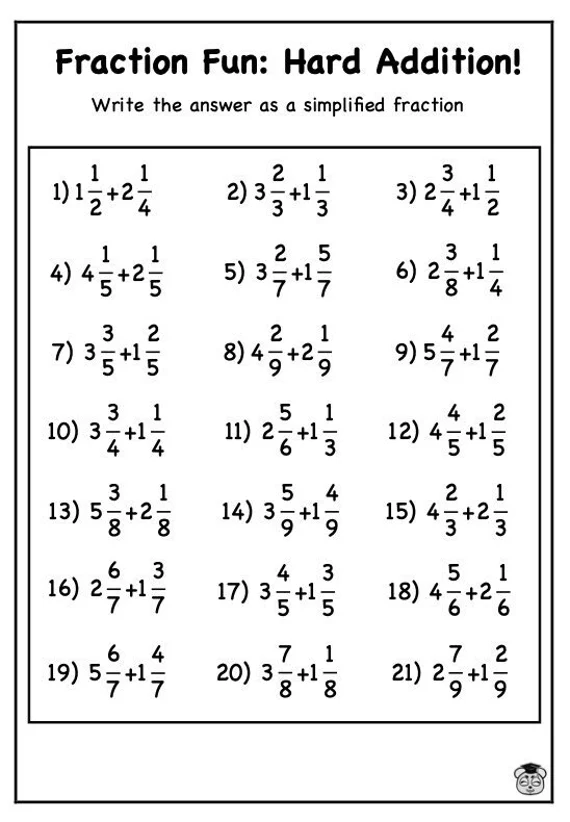
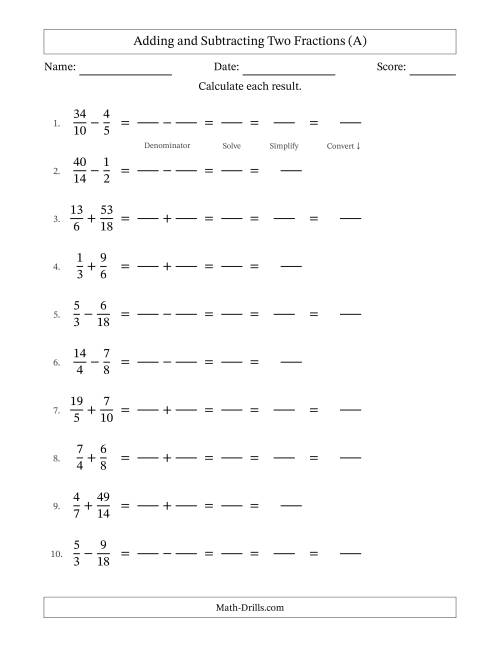
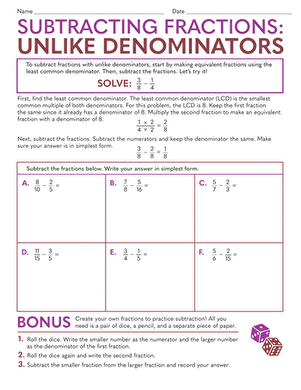
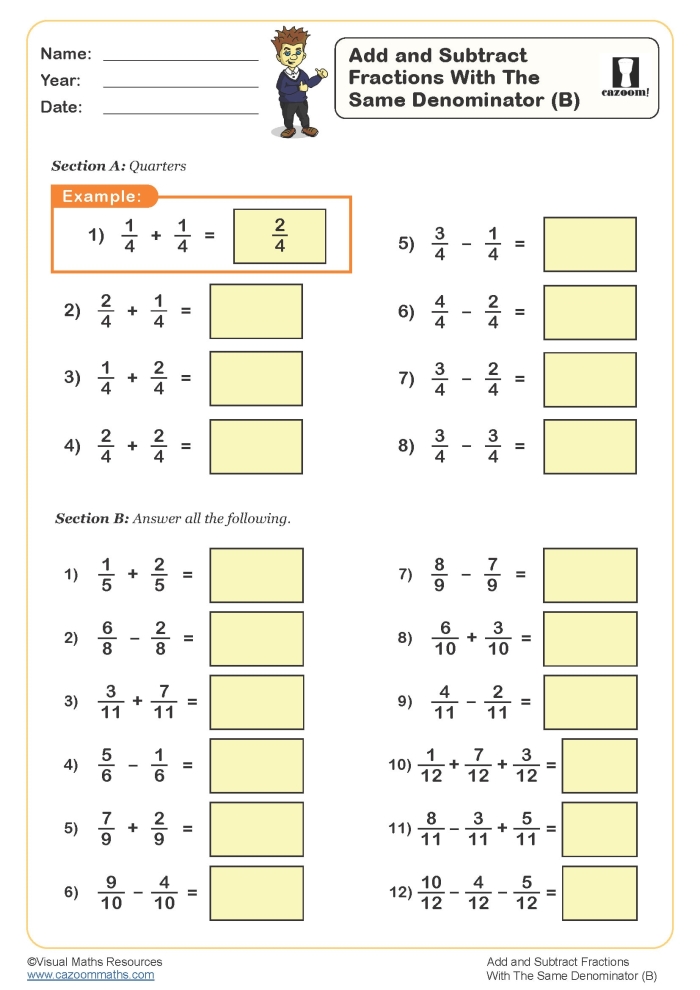
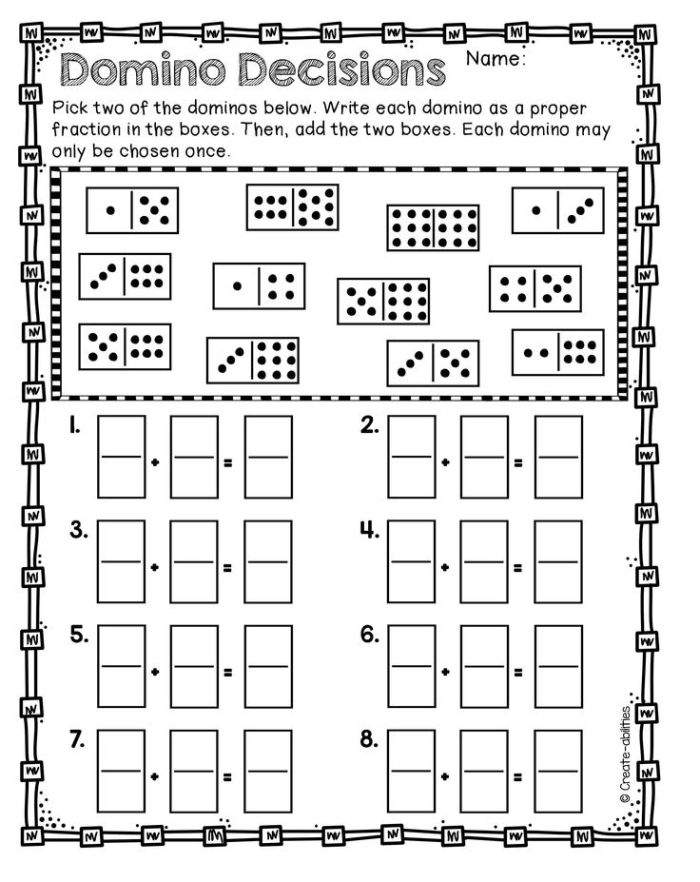
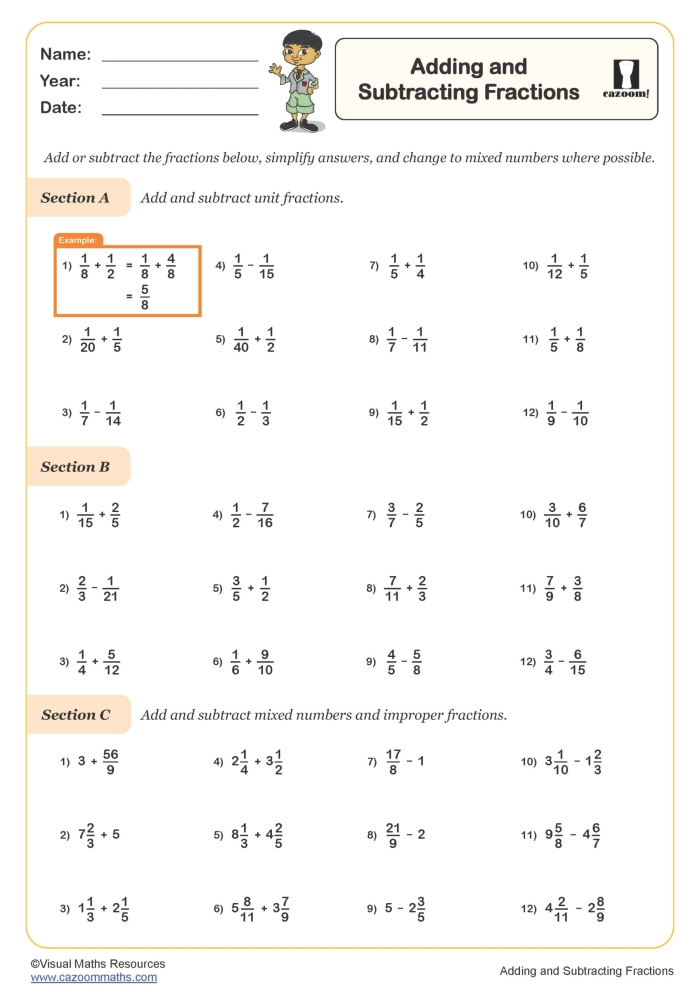
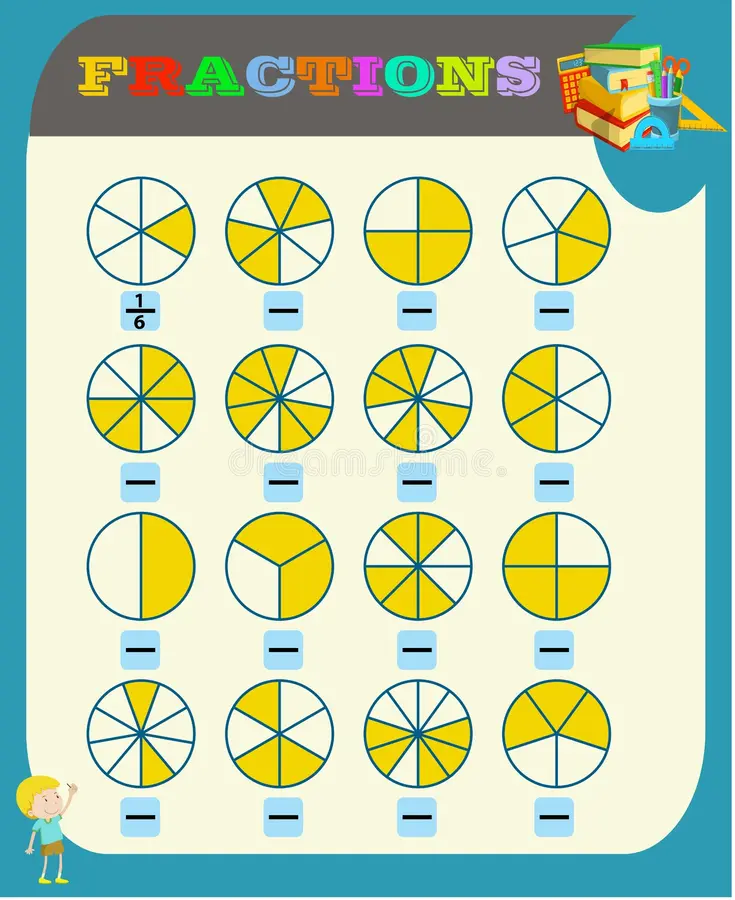
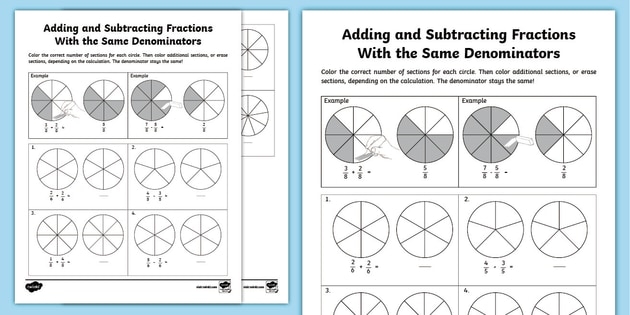
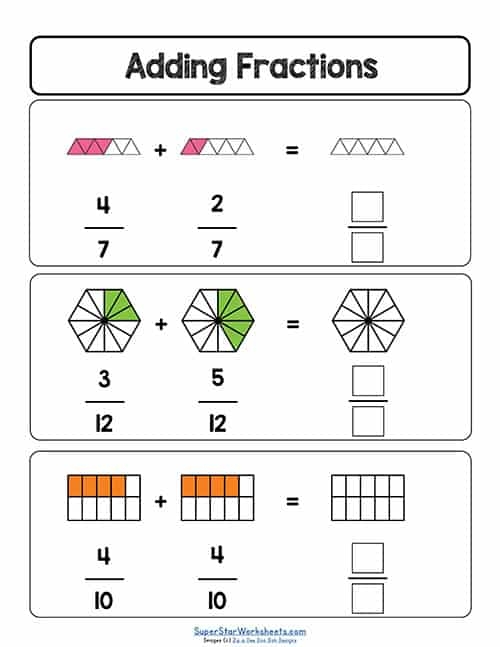
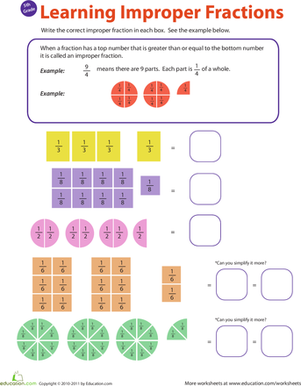
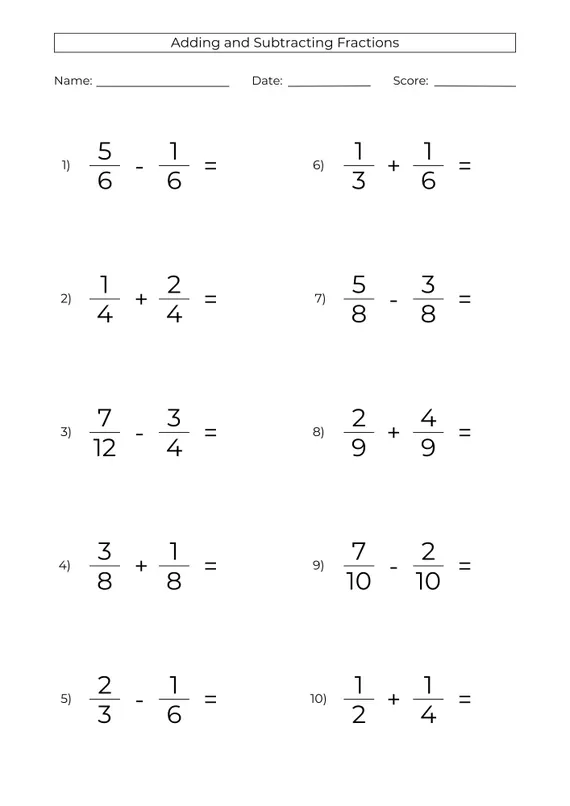
Worksheets that combine both skills help reinforce this transition. Printable worksheets for introducing fractions and adding fractions guide students through problems where they add same-denominator fractions, which mirrors the simplicity of their whole number work. Once they’re comfortable, they can explore finding equivalent fractions to deepen their understanding.
The progression matters more than speed. A fourth grader who spends time building fraction sense now will find algebra concepts in later grades far more accessible. This foundation transforms fractions from an intimidating new topic into a natural extension of skills they’ve already proven they can master.
Worksheet Practice Section