Algebraic expressions can feel intimidating when students first encounter them, but breaking them down into manageable steps makes the process straightforward and even satisfying. When you’re teaching sixth grade math, simplifying algebraic expressions becomes one of those foundational skills that opens doors to more advanced problem-solving later on.
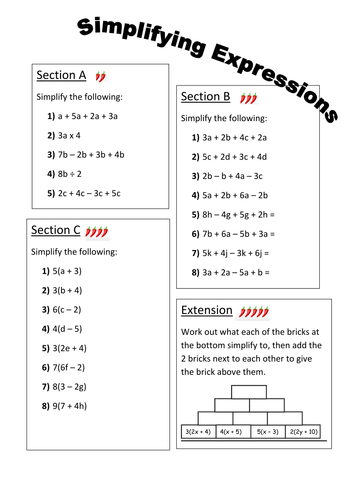
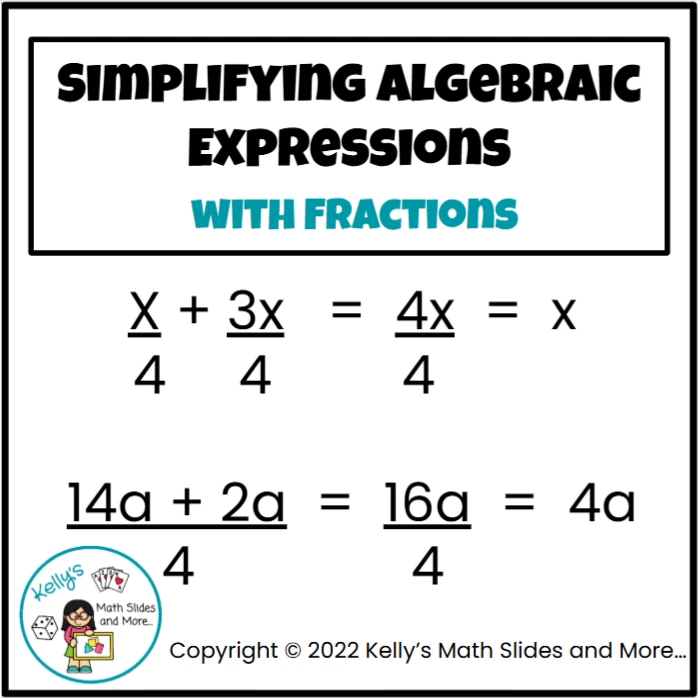
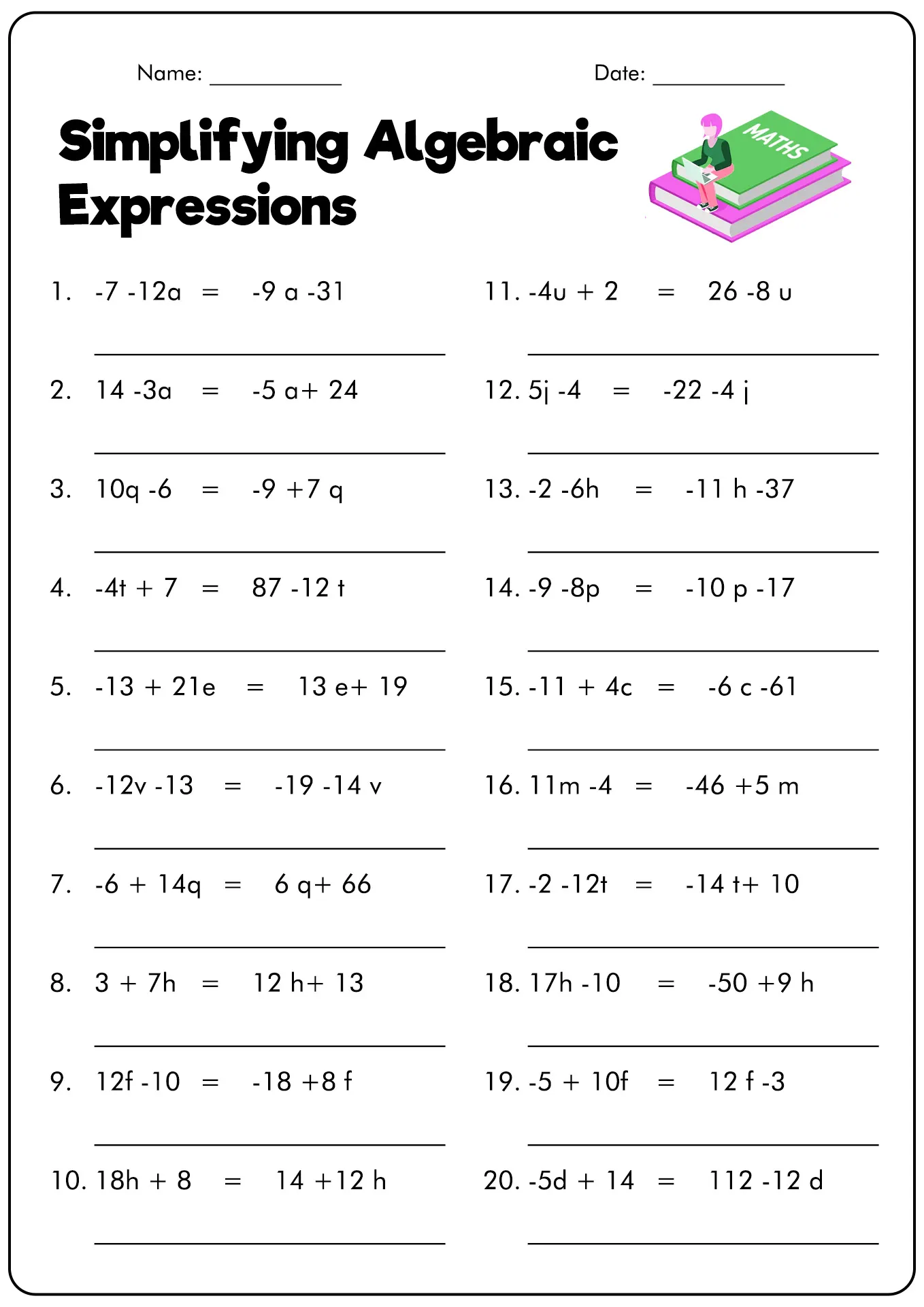
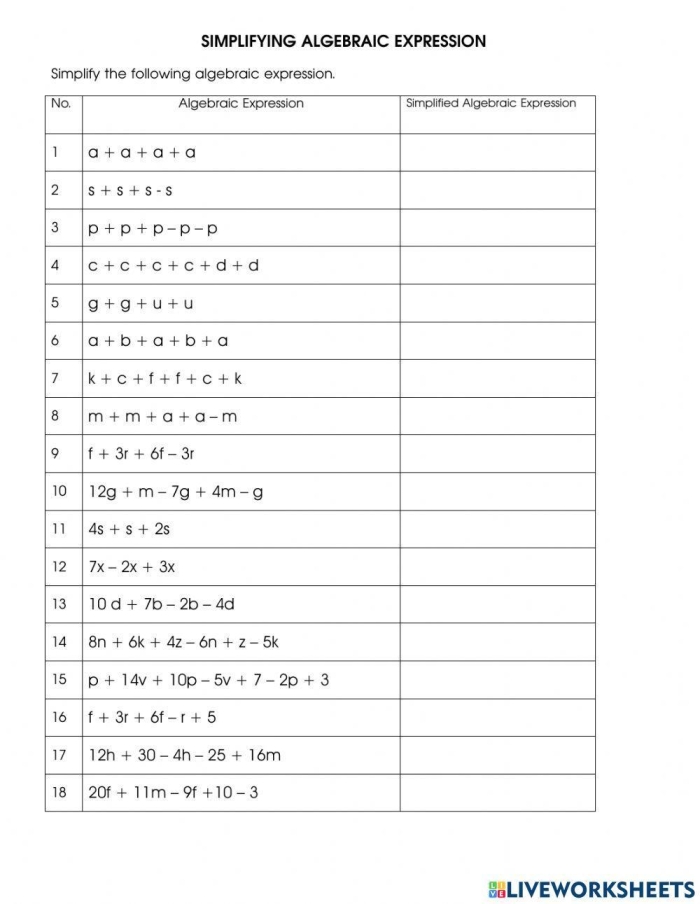
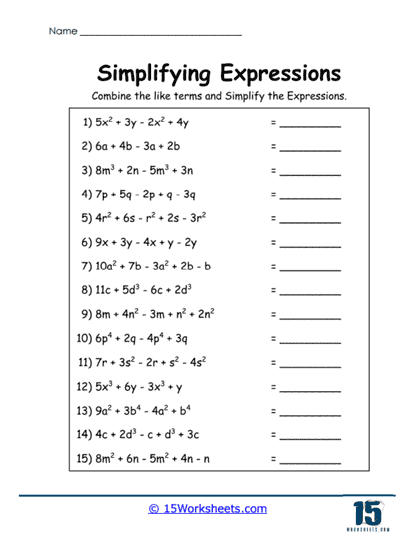
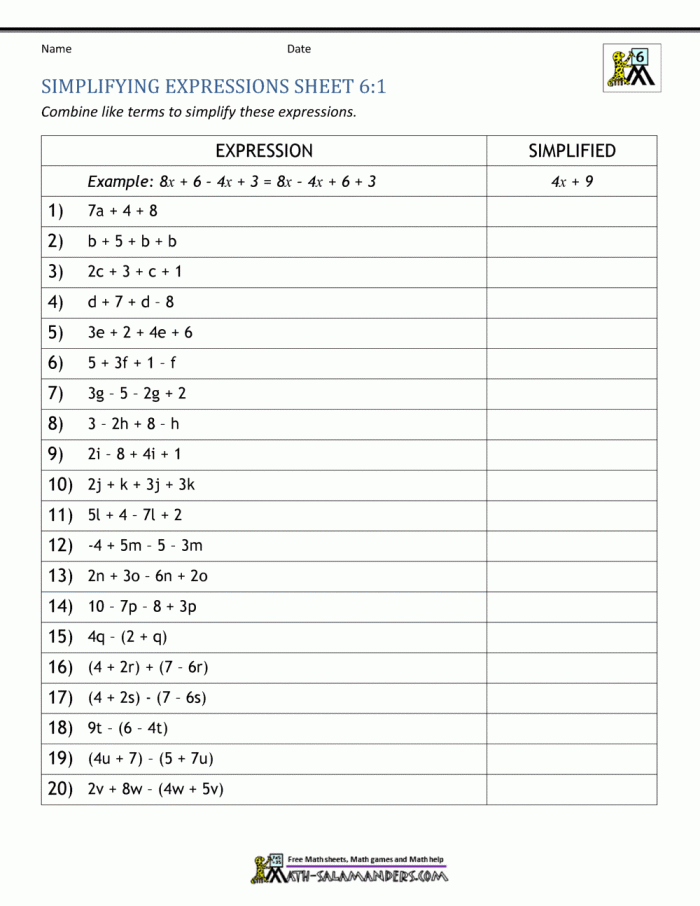
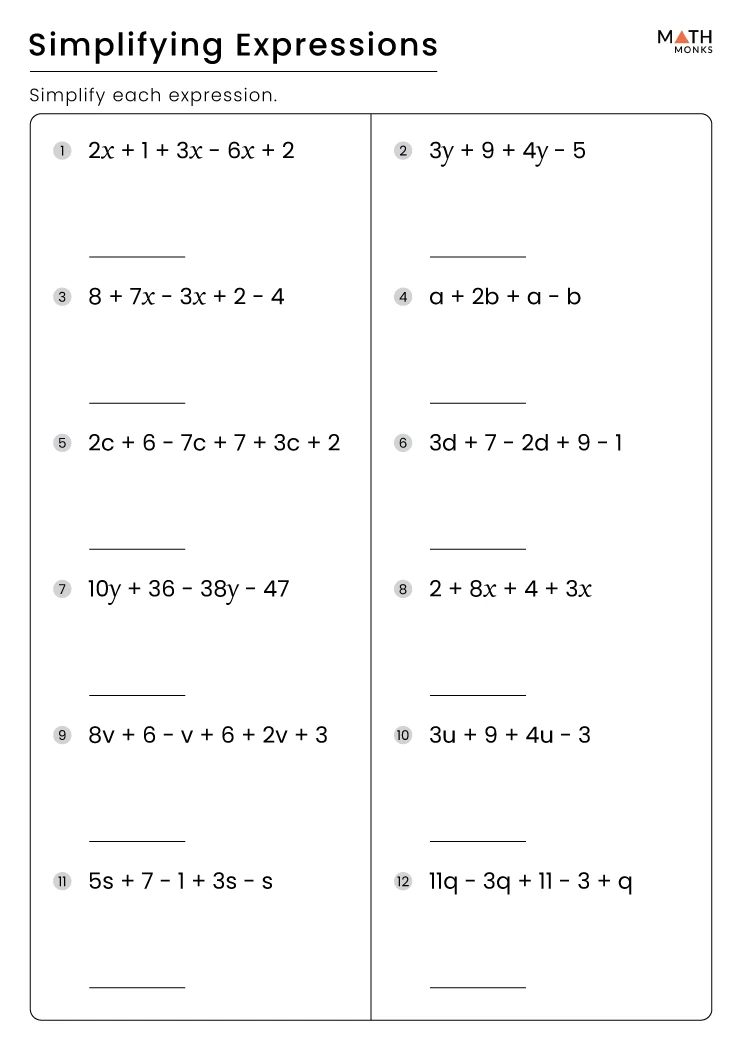
The core idea behind simplification is combining like terms, which means grouping terms that have the same variable and exponent. For example, in the expression 3x + 5 + 2x, you’d combine 3x and 2x to get 5x + 5. This isn’t complicated once students see the pattern. The key is helping them recognize which terms can actually be combined and which ones stand alone.
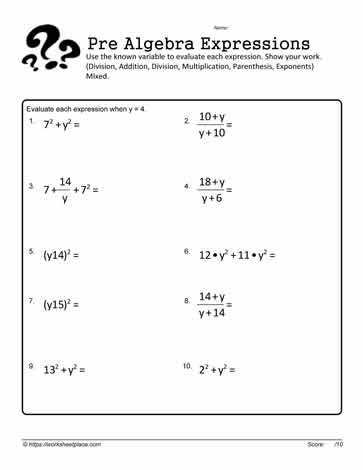
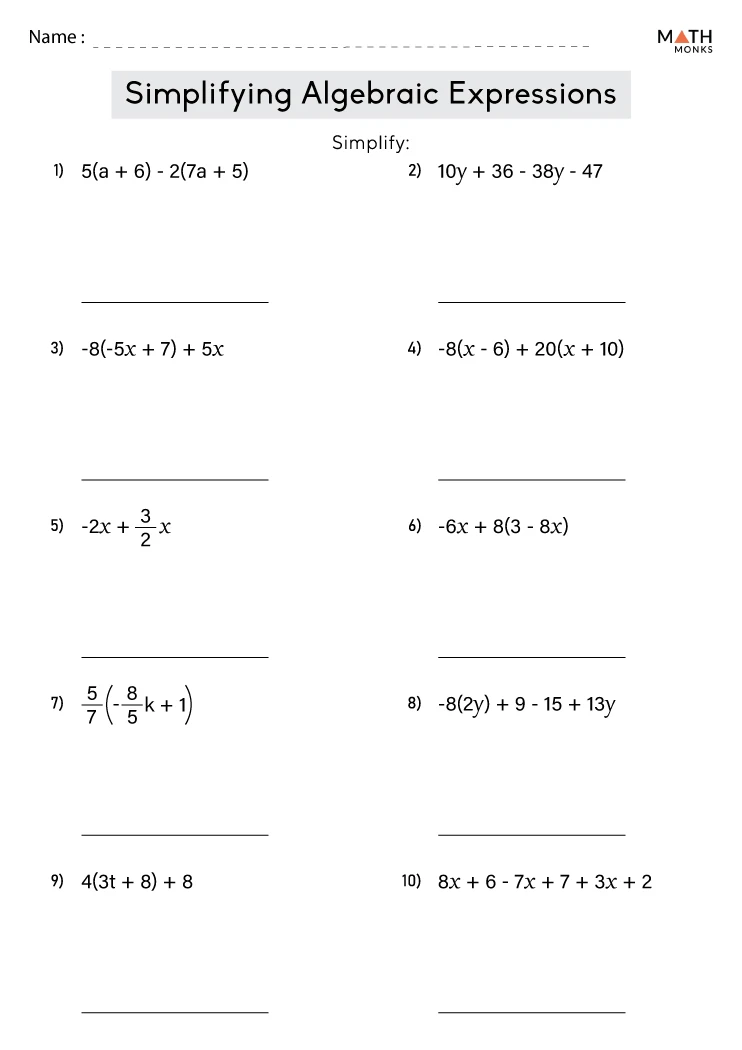
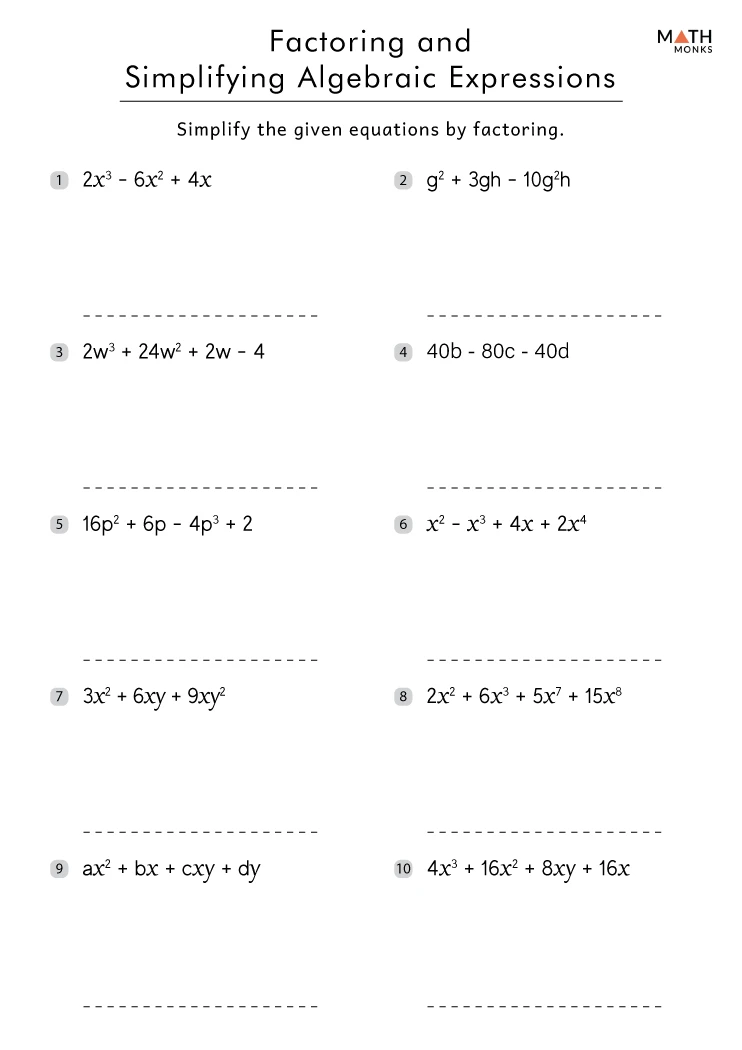
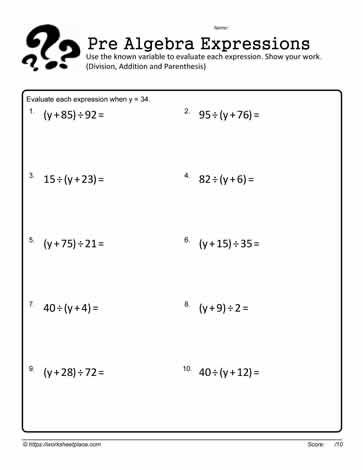
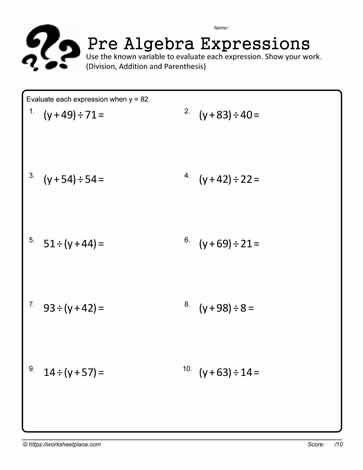
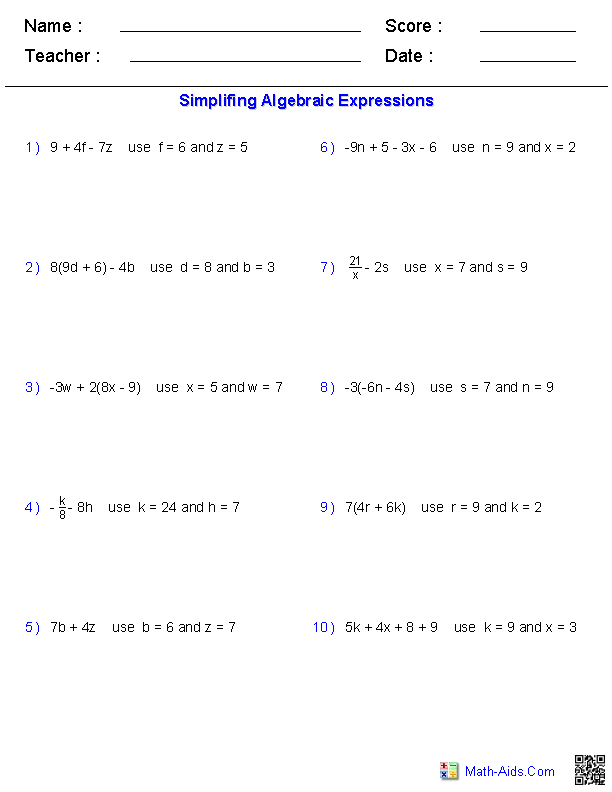
A structured worksheet approach works particularly well for sixth and seventh graders because it provides repetition without feeling like busywork. When students work through problems systematically, they build confidence and internalize the rules naturally. Each problem reinforces the same principles: identify like terms, add or subtract their coefficients, and write the simplified result.
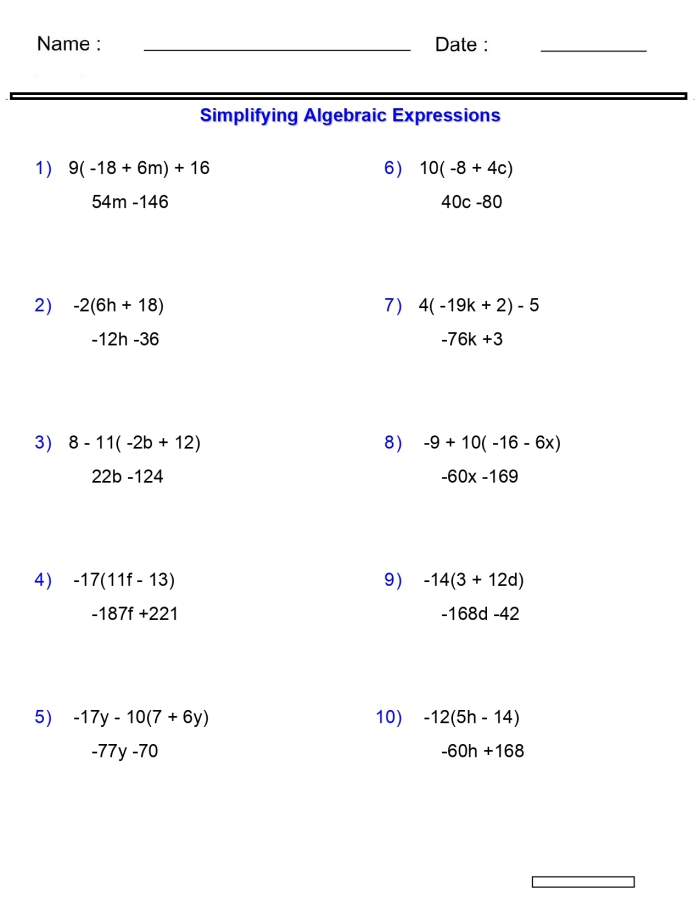
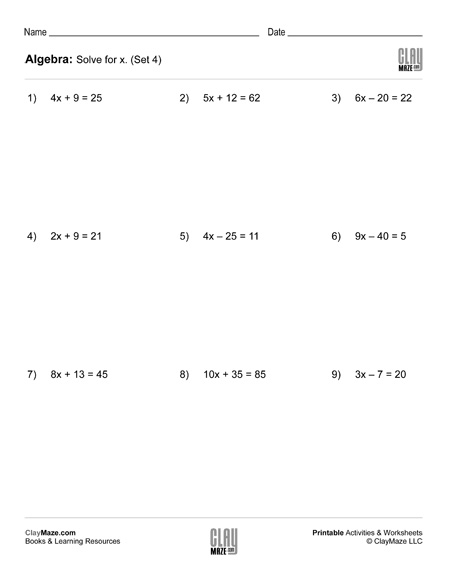
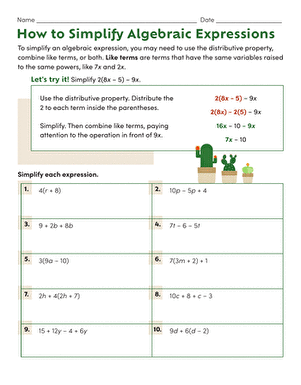
One practical benefit of mastering this skill early is that it prepares students for solving equations. Once they can simplify expressions, they’re ready to tackle problems where expressions appear on both sides of an equals sign. This progression matters because multiplication concepts often appear alongside simplification, especially when dealing with distributive property problems like 2(3x + 4).
Using printable worksheets gives students tangible practice materials they can work through at their own pace. Whether you’re reinforcing classroom lessons or providing extra support, these resources help cement understanding. You might also consider pairing expression simplification practice with other foundational sixth grade skills like working with prime factorization and multiplication concepts to build a more complete mathematical foundation.
The step-by-step approach removes the mystery from algebra and shows students that mathematical thinking follows logical, learnable patterns.
Start Practicing with These Worksheets