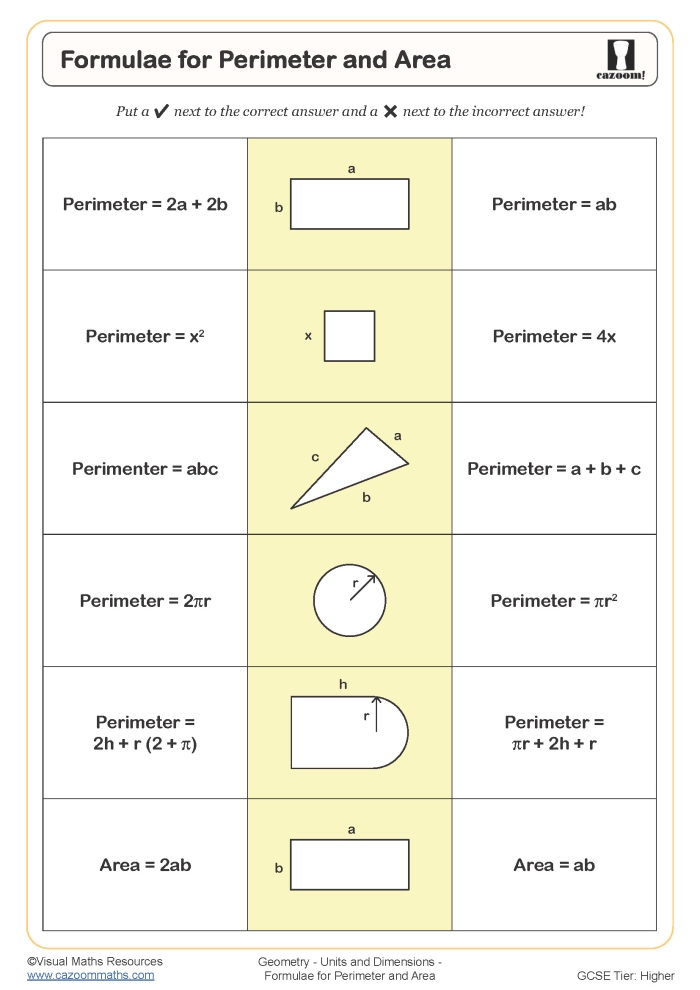
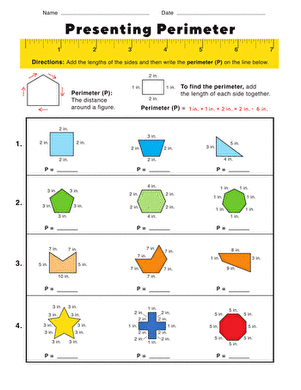
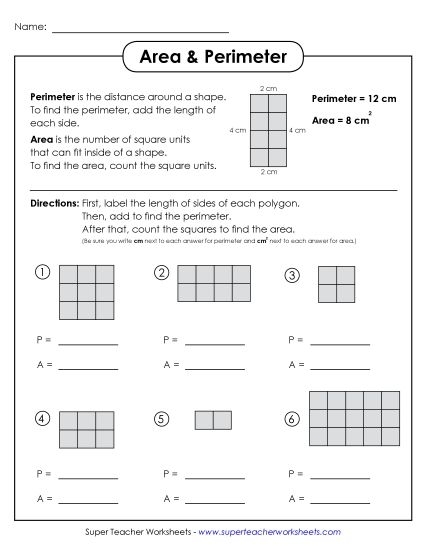
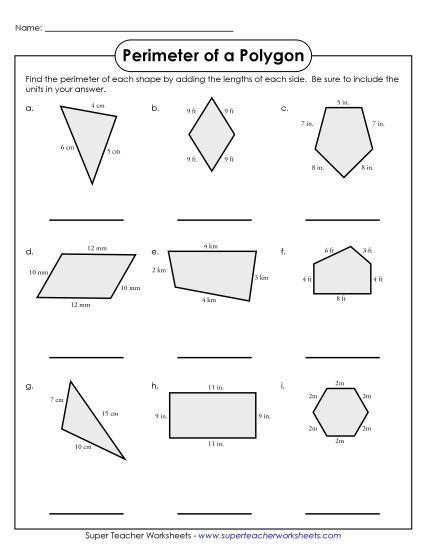
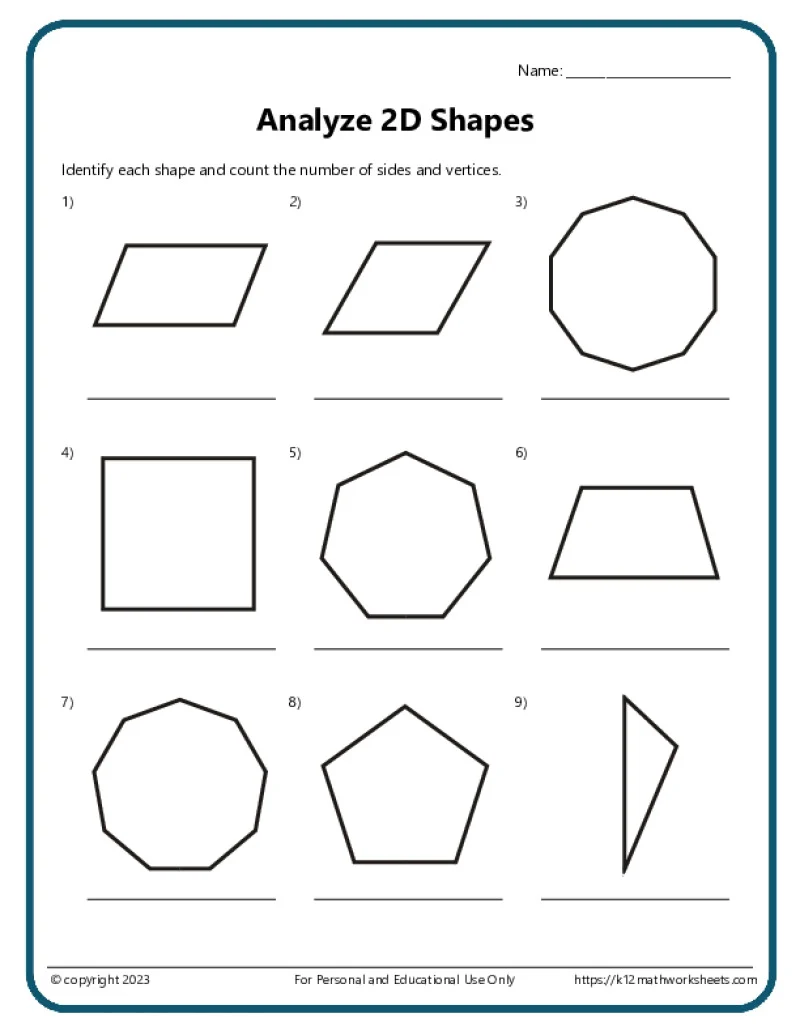
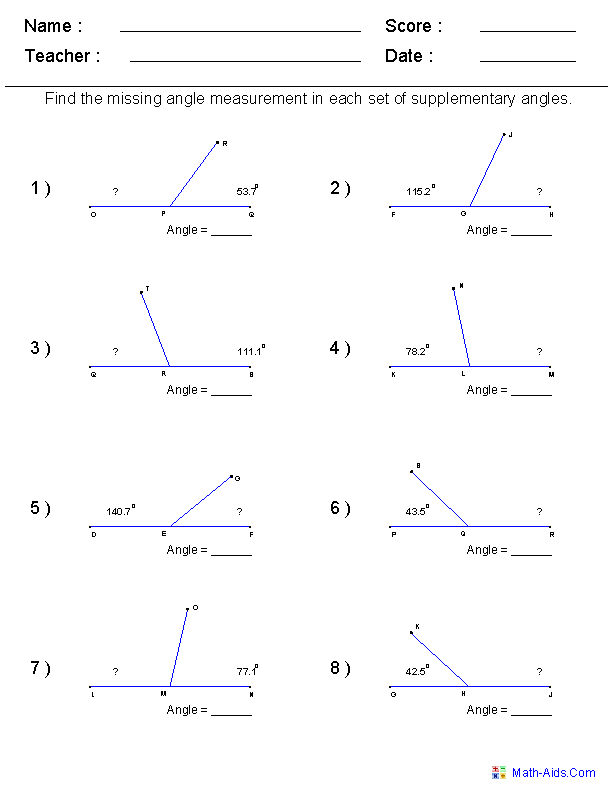
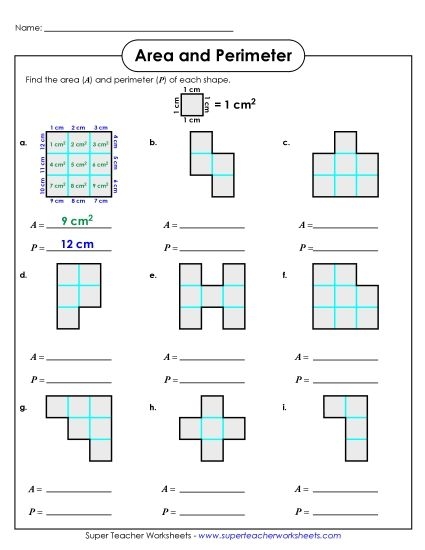
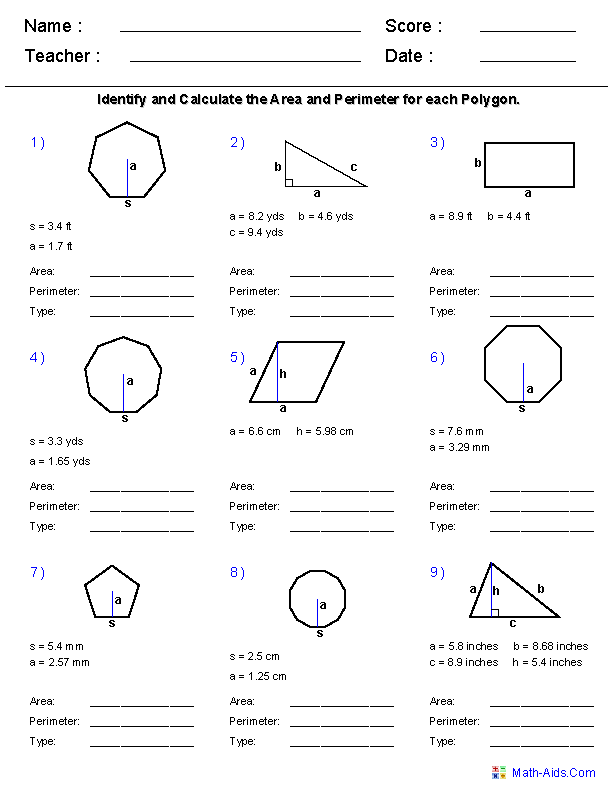
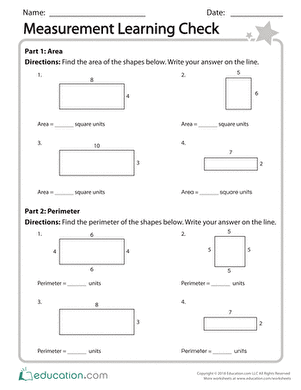
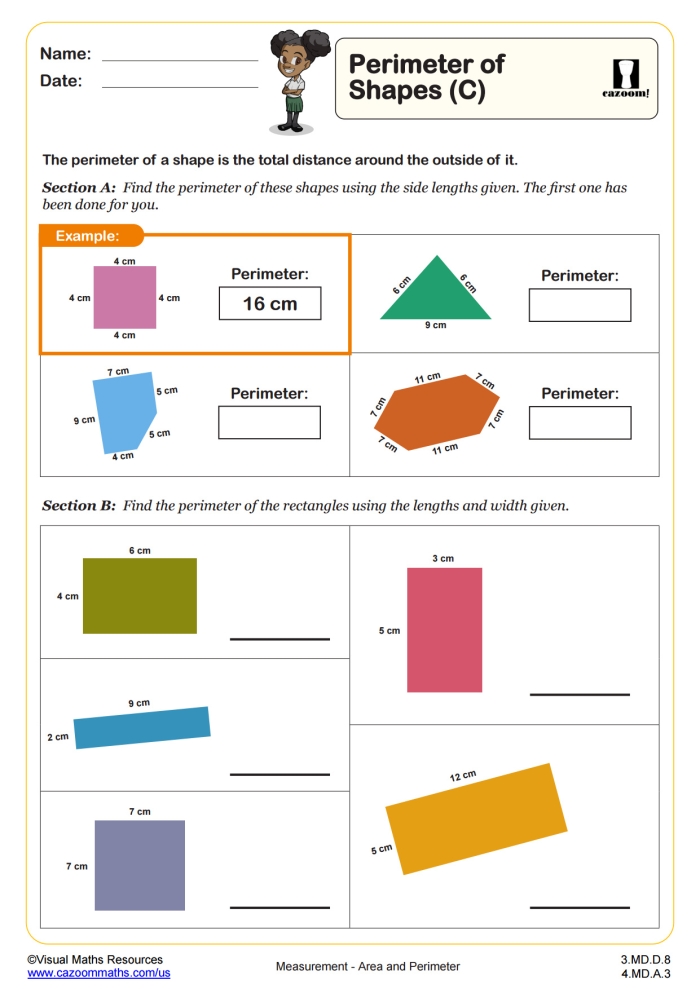
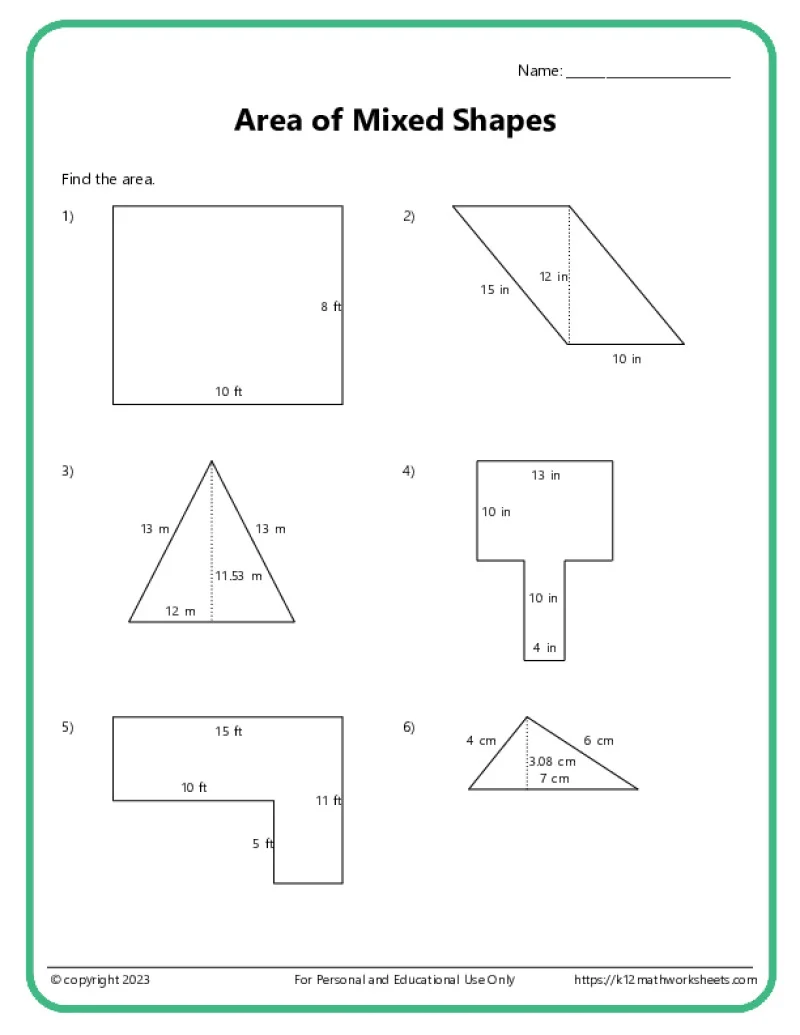
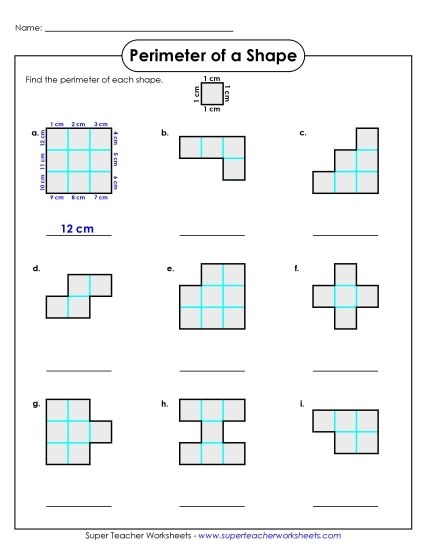
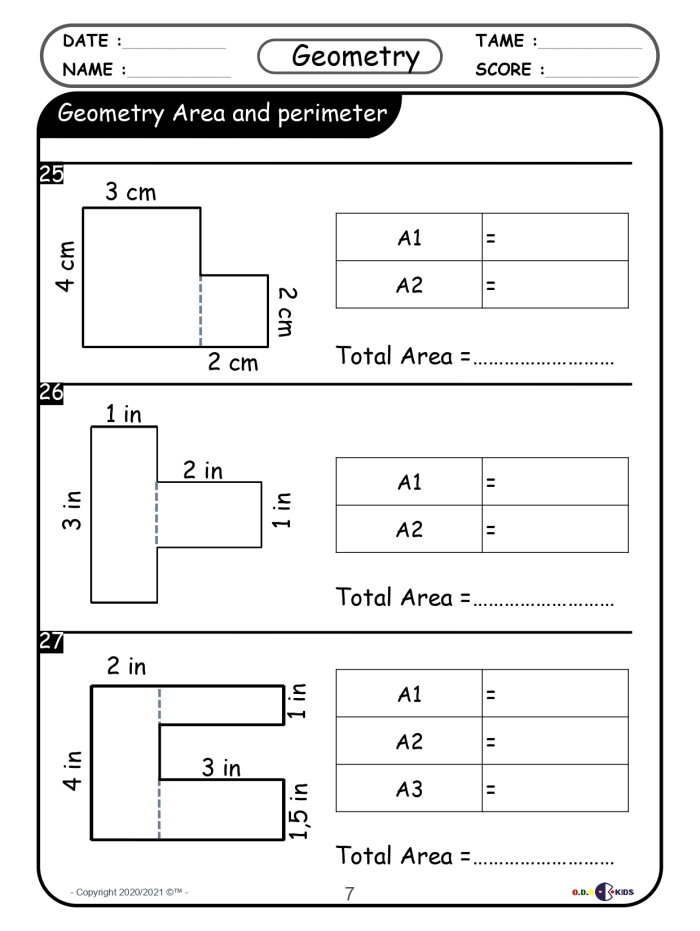
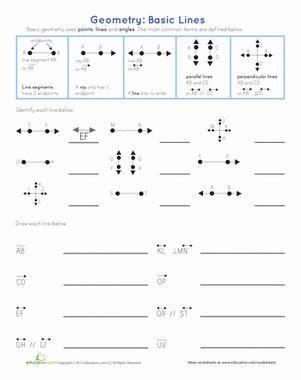
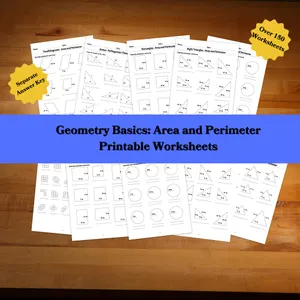
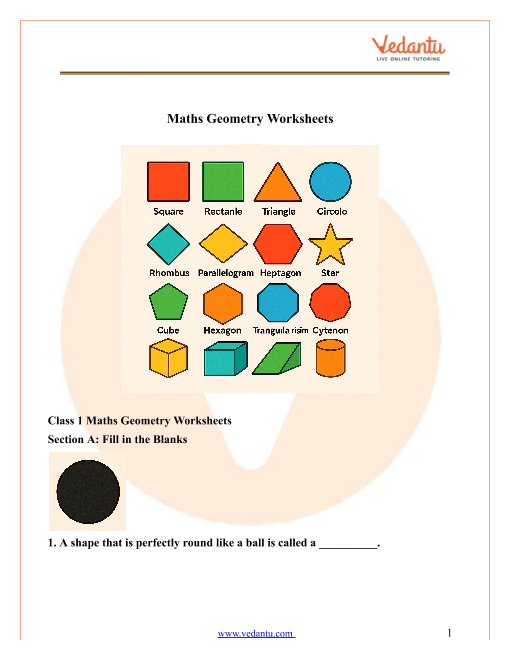
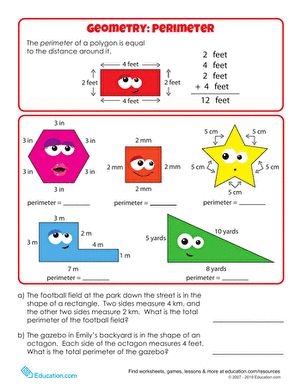
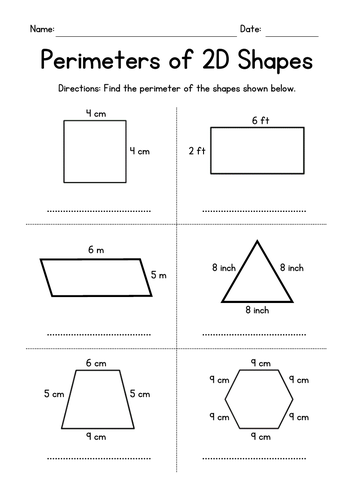
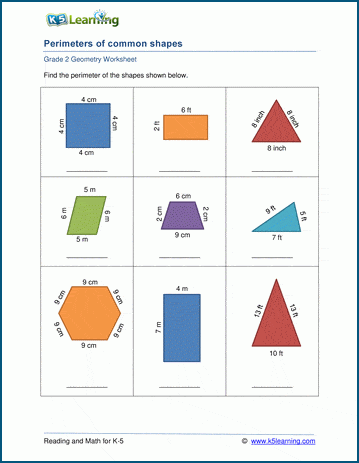
When third graders first encounter perimeter, they’re learning one of geometry’s most practical skills. Rather than diving into abstract formulas, students work through a geometry basics worksheet where they measure the distance around different shapes. This hands-on approach helps them understand that perimeter simply means adding up all the sides of a polygon.
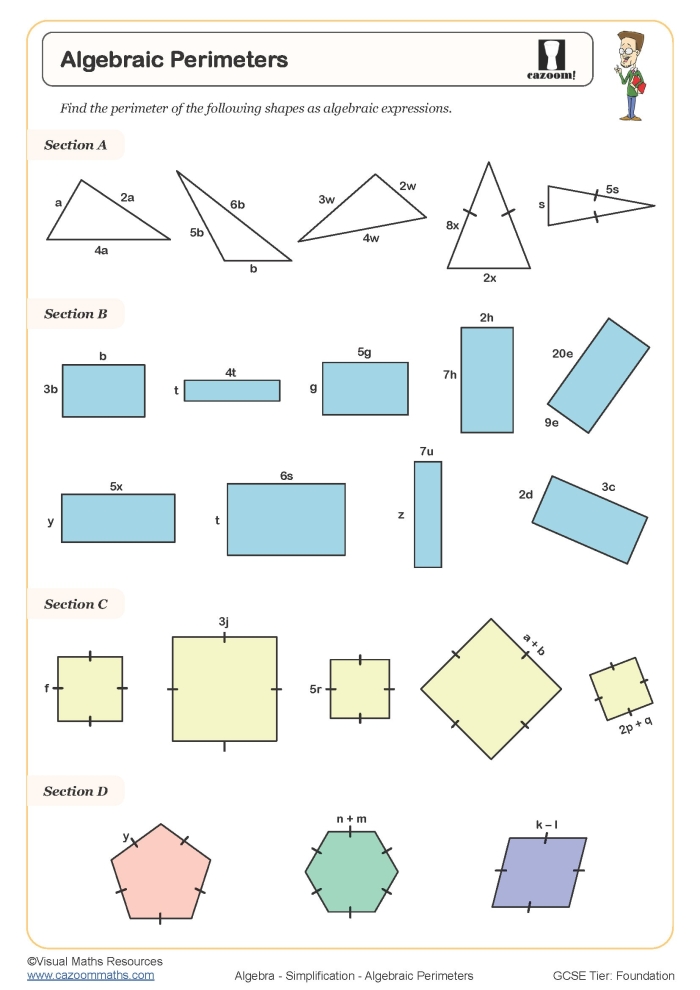
The worksheet typically presents a range of polygons: triangles, rectangles, squares, pentagons, and hexagons. Each shape comes with labeled side lengths, and students practice adding them together to find the total distance around the outside. A triangle with sides of 3, 4, and 5 units becomes 12 units around. A rectangle measuring 6 by 4 units equals 20 units of perimeter. By working through multiple examples, students start to see patterns and build confidence with their calculations.
Third grade is the ideal time for this practice because children are developing stronger addition skills and can handle two-digit sums without struggle. The repetition across different polygon types reinforces the concept that perimeter works the same way regardless of shape. Some worksheets include irregular polygons with more sides, which pushes students to stay organized and careful with their counting.
Beyond perimeter practice, third graders benefit from worksheets that strengthen related skills. Understanding patterns in multiplication helps when dealing with regular shapes. Developing addition fluency through elapsed time problems makes perimeter calculations faster and more automatic.
These geometry worksheets work best when students can see real-world applications. Measuring the distance around a classroom, a playground, or a garden connects abstract numbers to physical space. The skills learned here form the foundation for more complex geometry and measurement work in later grades.
Download These Worksheets for Practice