When you read a story aloud to your second grade class, something remarkable happens. Kids stop thinking about spelling drills or math problems for a moment and enter a different world. That shift in attention is where real learning takes root, and it’s why stories remain one of the most powerful teaching tools available.
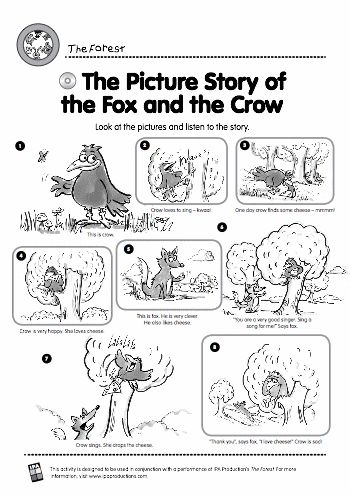
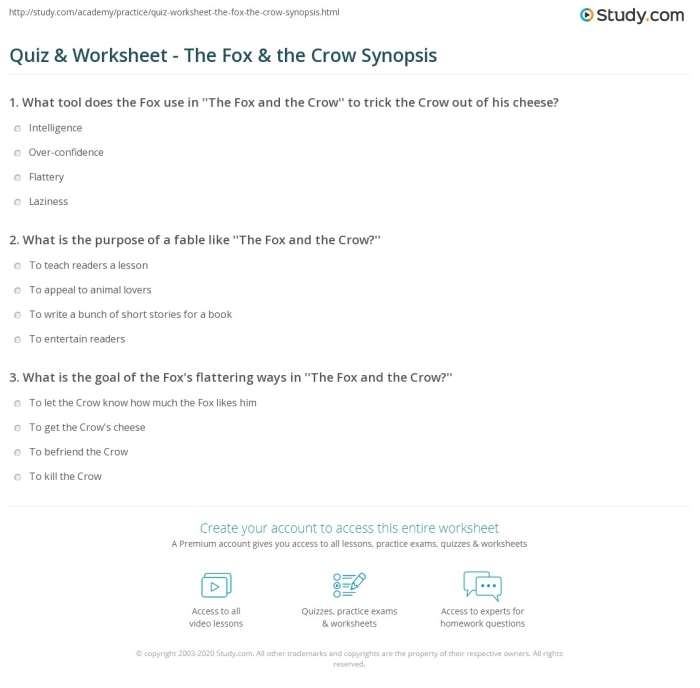
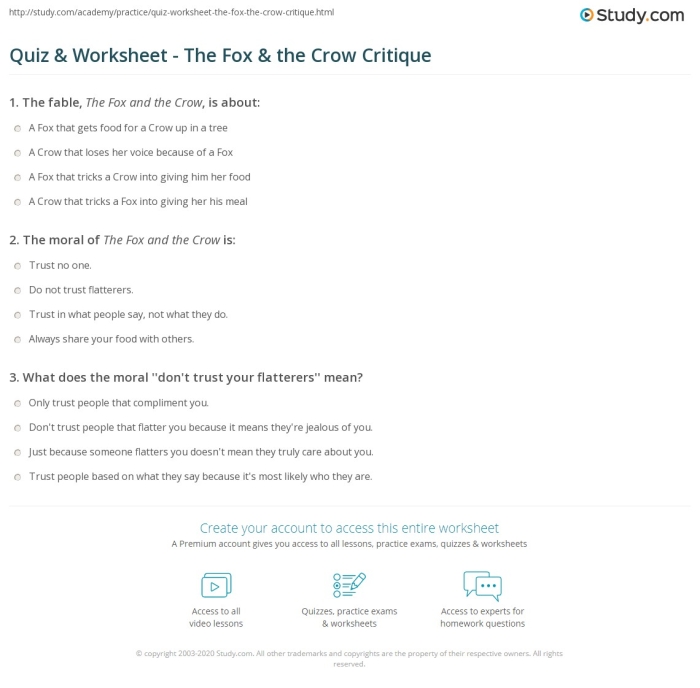
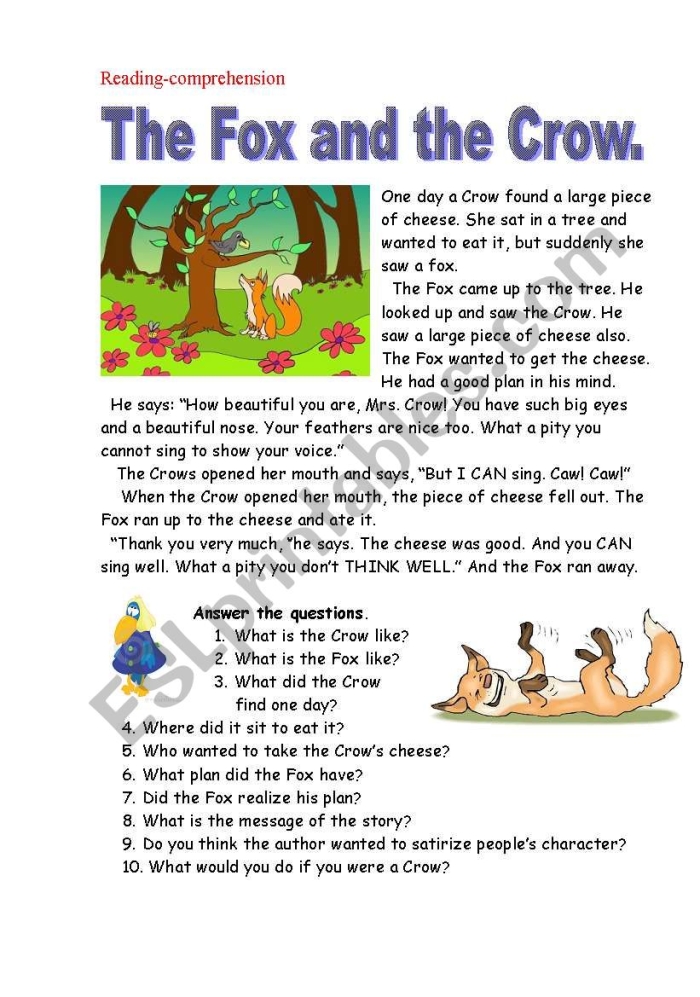
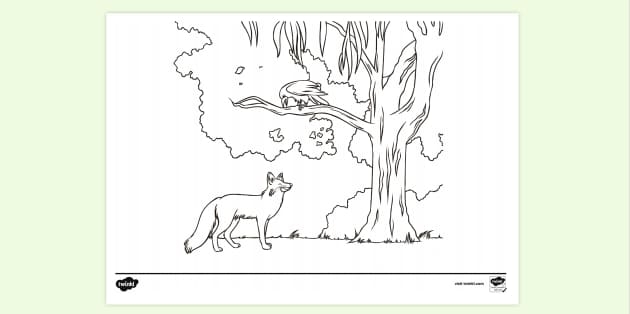
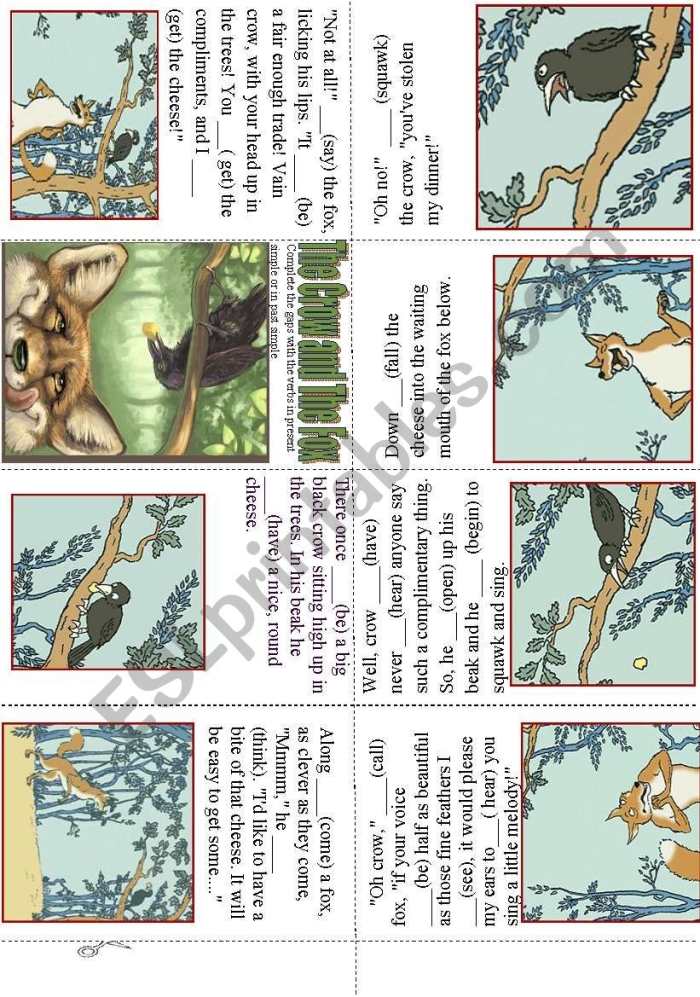
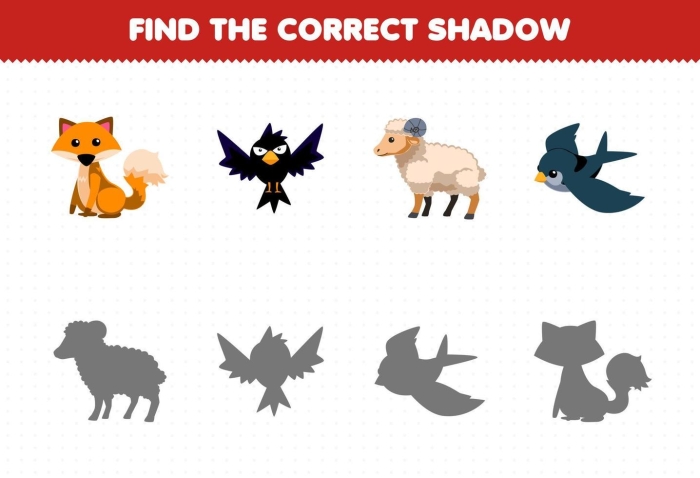
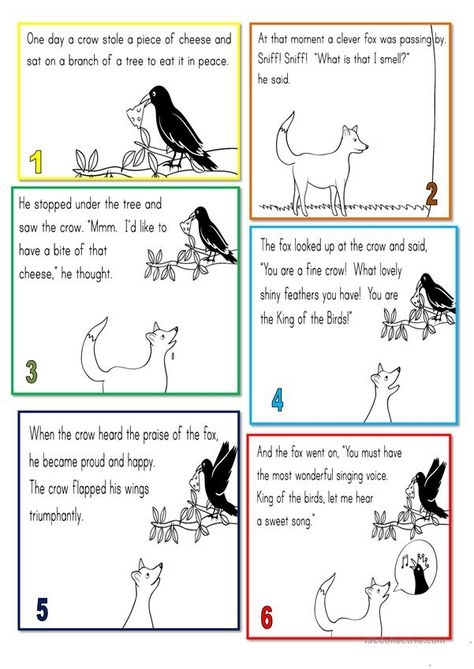
Aesop’s fables work especially well for this purpose because they pack meaningful lessons into short narratives that hold children’s attention. The Fox and the Crow is a perfect example. In this tale, a clever fox flatters a crow into dropping a piece of cheese, teaching young readers about vanity and the dangers of trusting strangers too easily. The story unfolds quickly, but the moral lingers long after the reading ends.
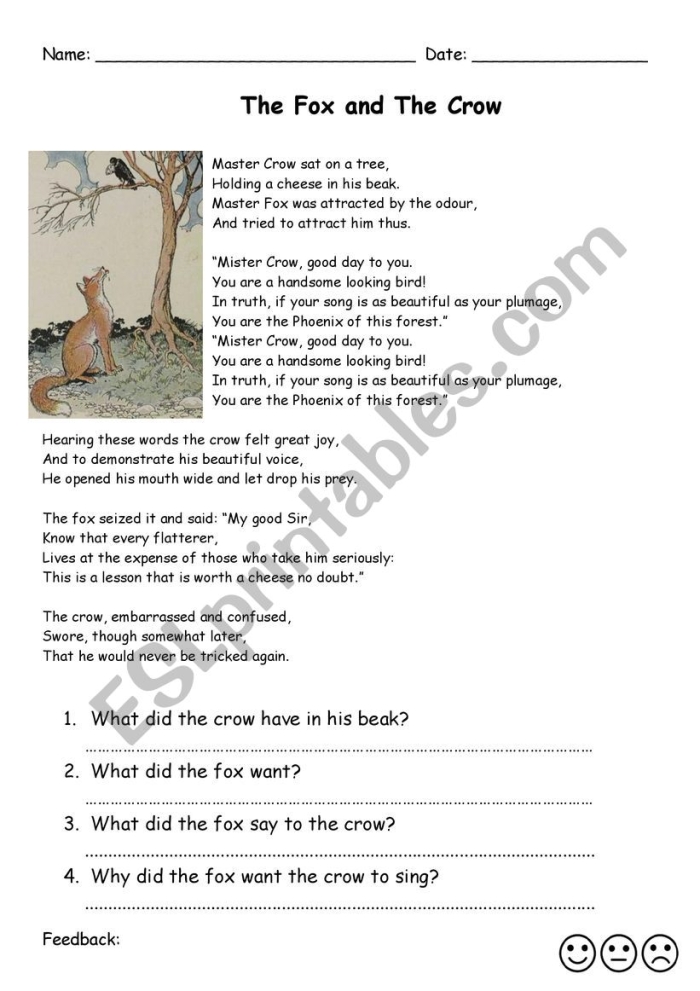
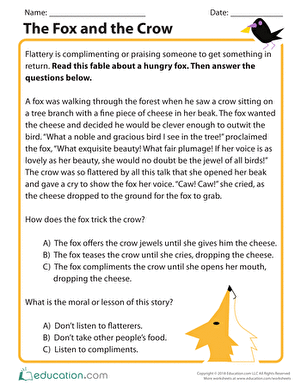
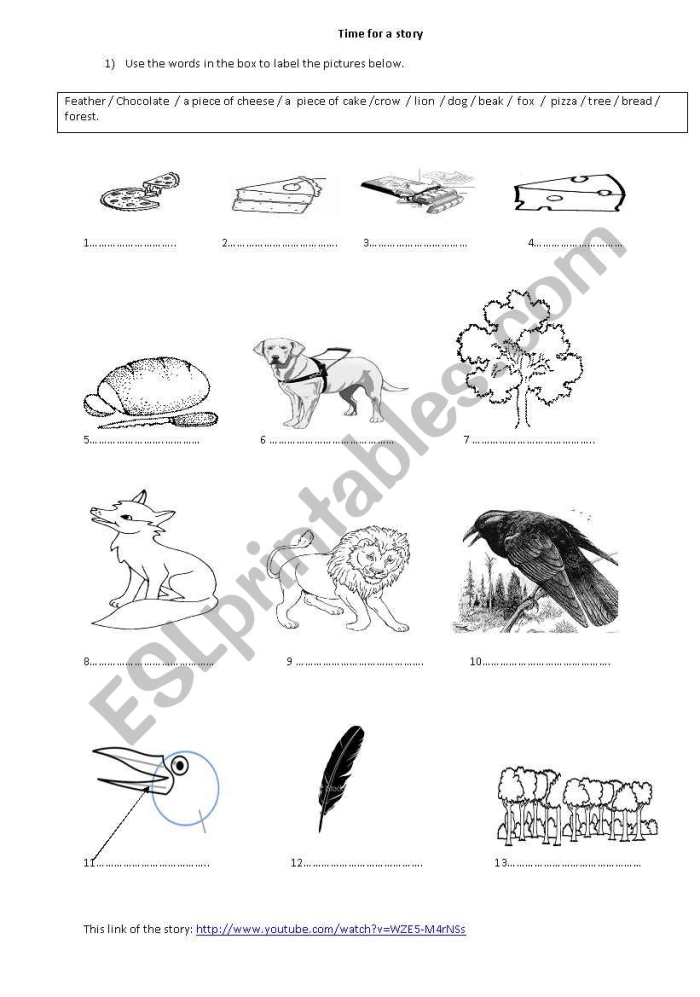
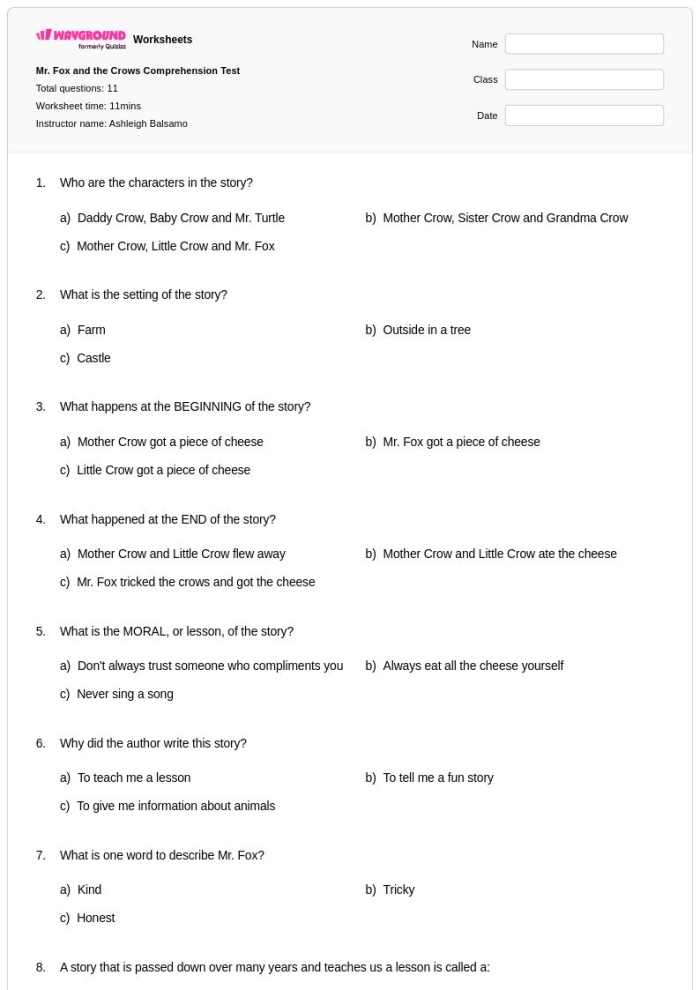
Using a reading comprehension worksheet built around The Fox and the Crow gives students a structured way to process what they’ve learned. Rather than simply enjoying the story and moving on, they answer questions that push them to identify the main character’s motivation, predict consequences, and articulate the central lesson in their own words. This active engagement helps cement the moral into their thinking.
For second grade learners, pairing story comprehension with academic skills creates natural connections. When you incorporate mixed operations alongside reading activities, you’re reinforcing that learning doesn’t happen in isolated silos. A child who understands the fox’s clever scheme can apply that same analytical thinking to solving word problems.
The beauty of classic fables is their staying power. A seven-year-old who learns about the fox’s manipulation through this story carries that awareness forward. Years later, when they encounter real situations involving flattery or deception, they’ll remember the crow and make wiser choices. That’s the real power of stories in education.
Use These Worksheets Today