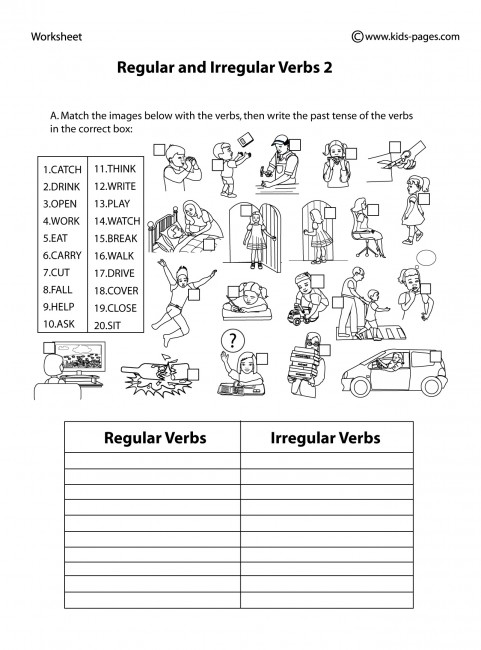
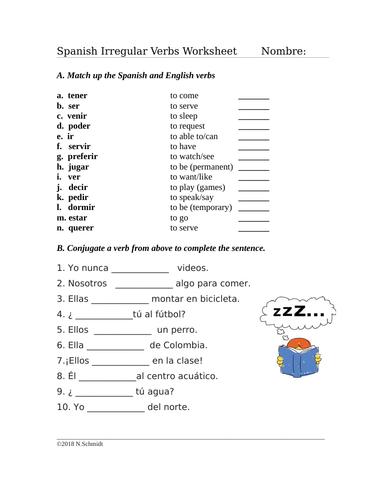
Irregular verbs trip up second grade students more than almost any other grammar concept. While regular verbs follow predictable patterns, irregular verbs refuse to cooperate, forcing kids to memorize forms like “go/went/gone” and “eat/ate/eaten” without logical rules to fall back on.
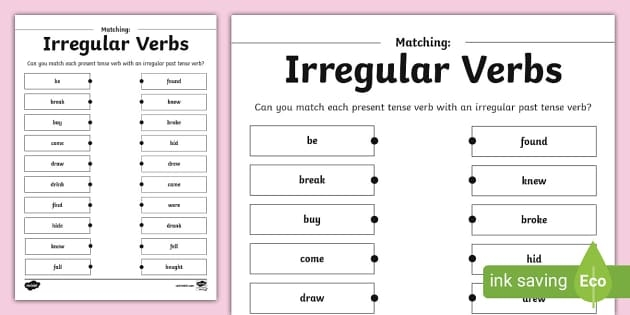
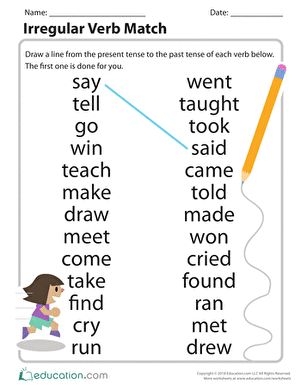
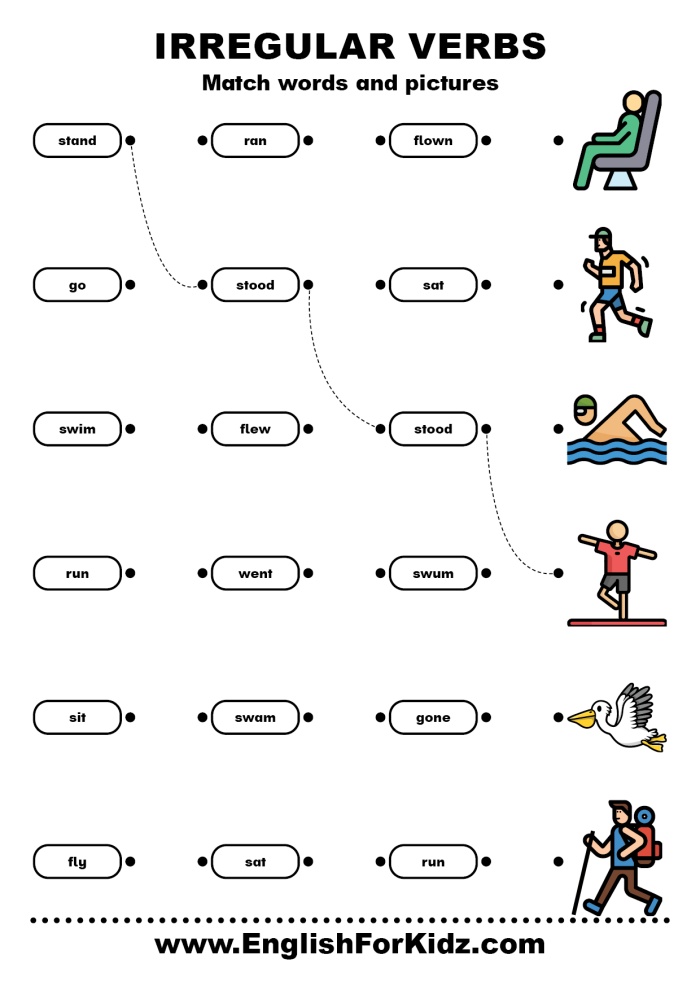
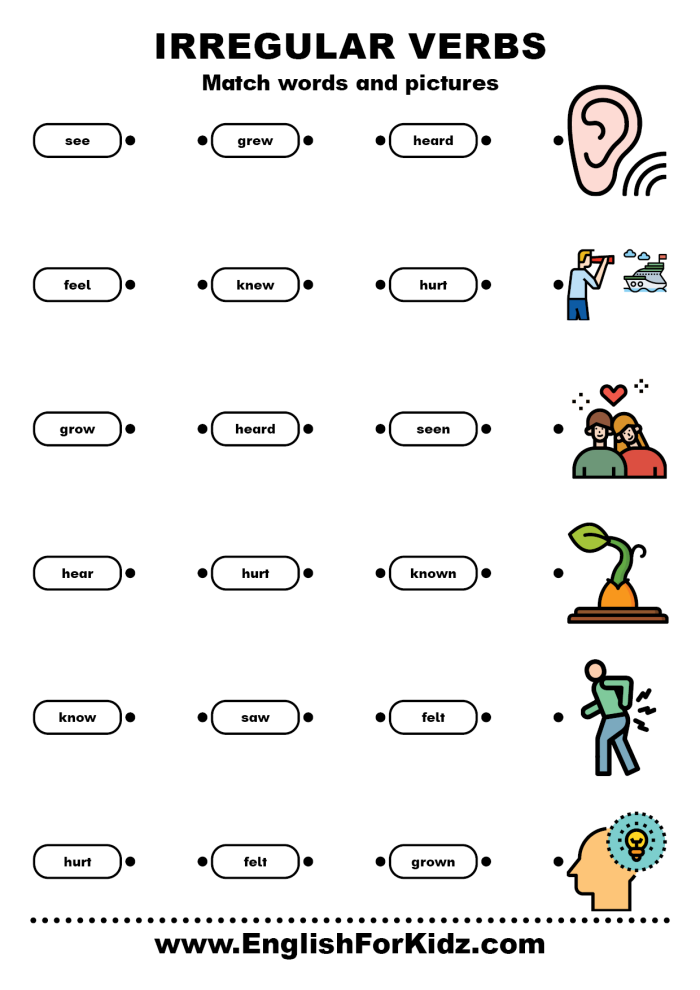
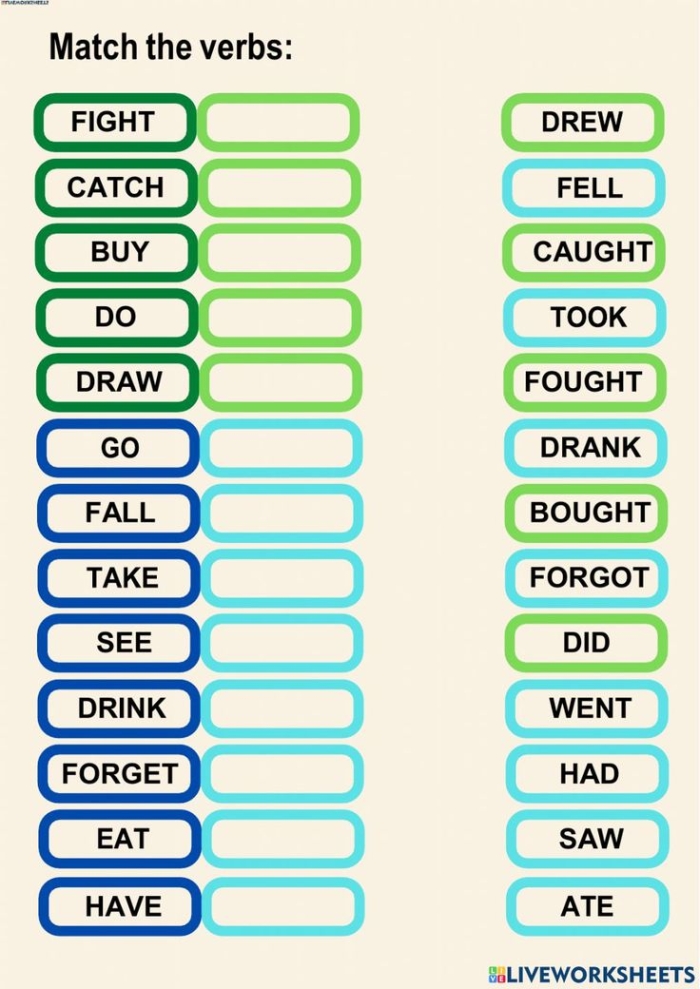
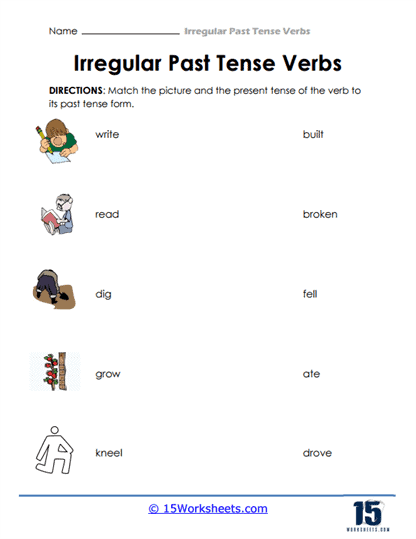
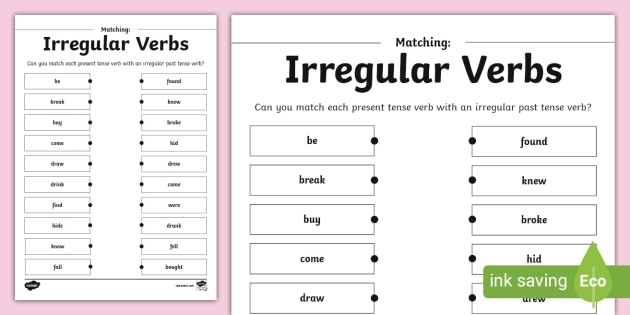
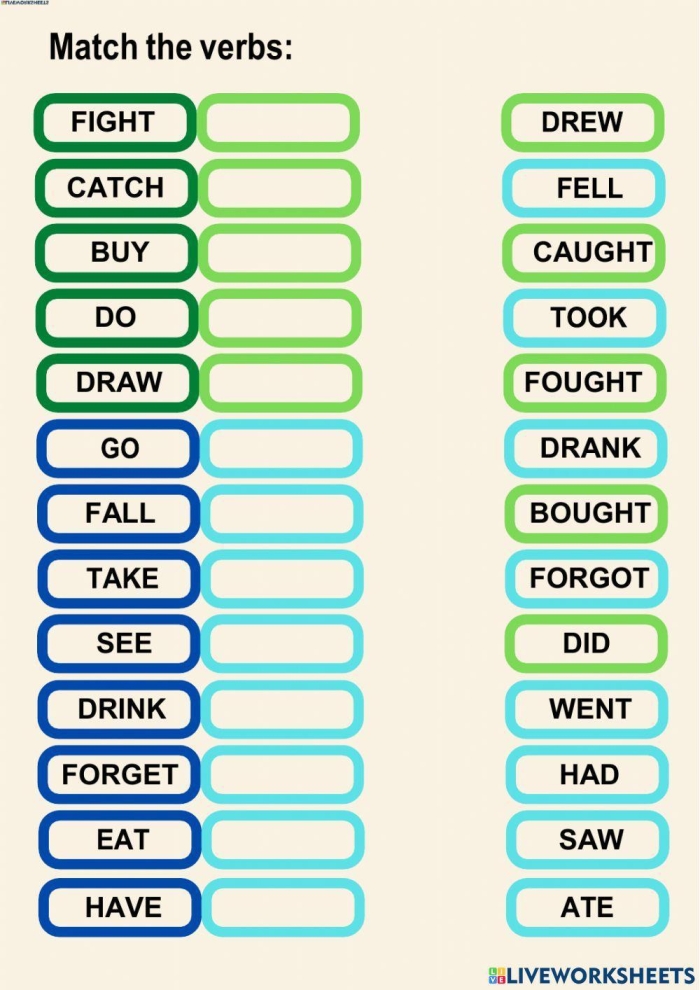
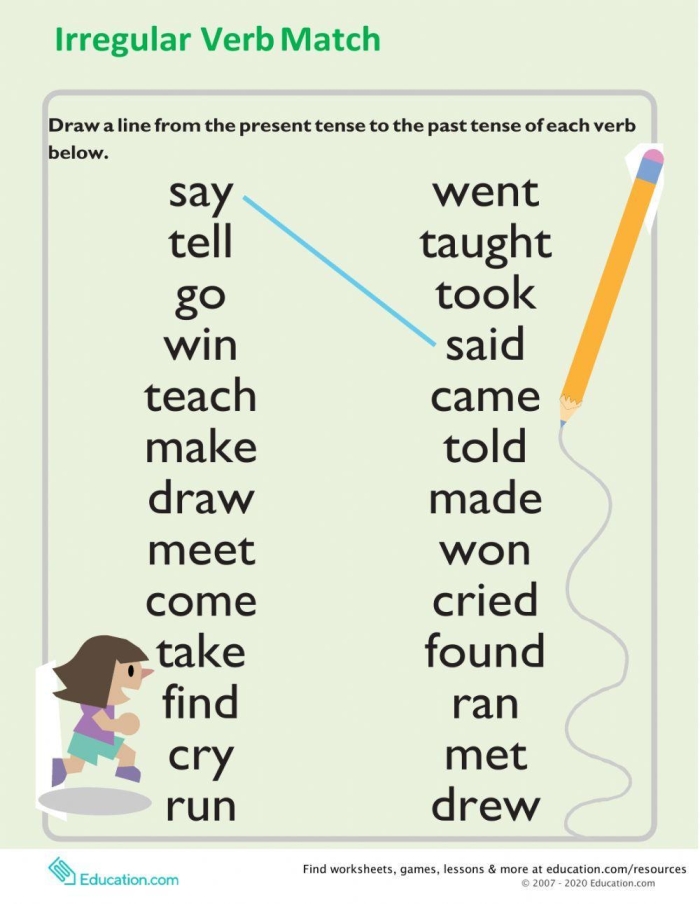
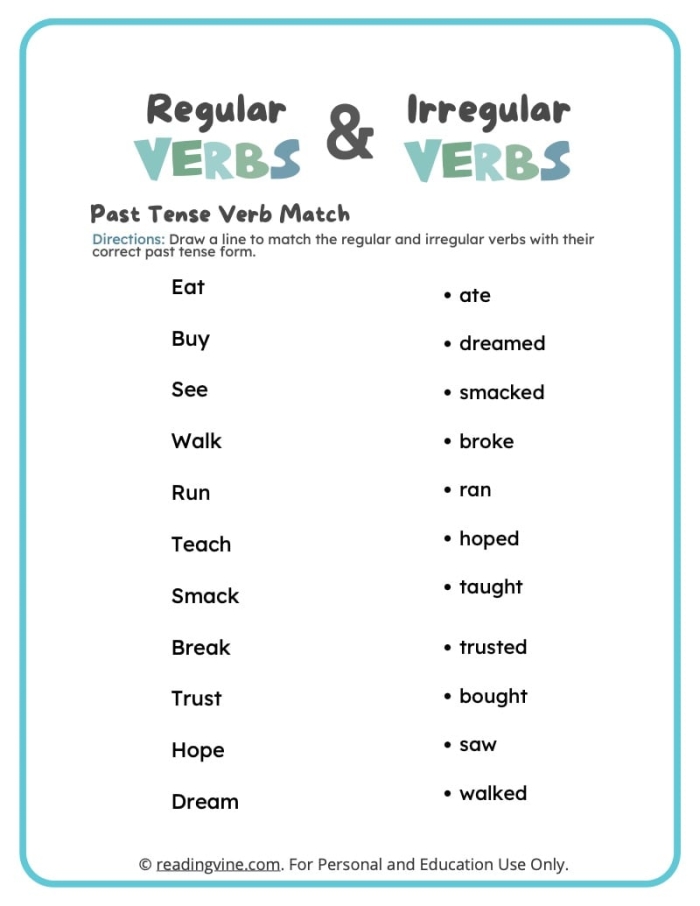
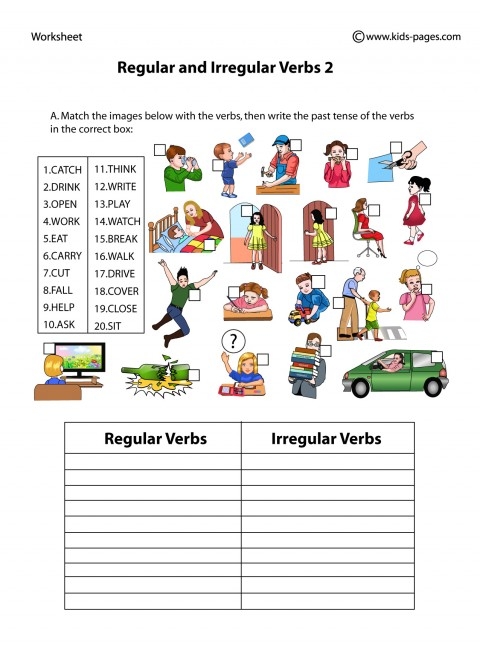
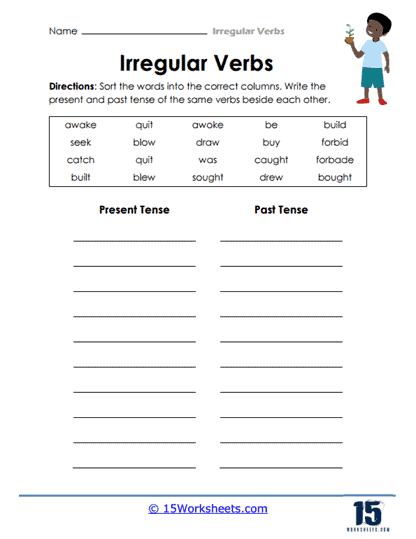
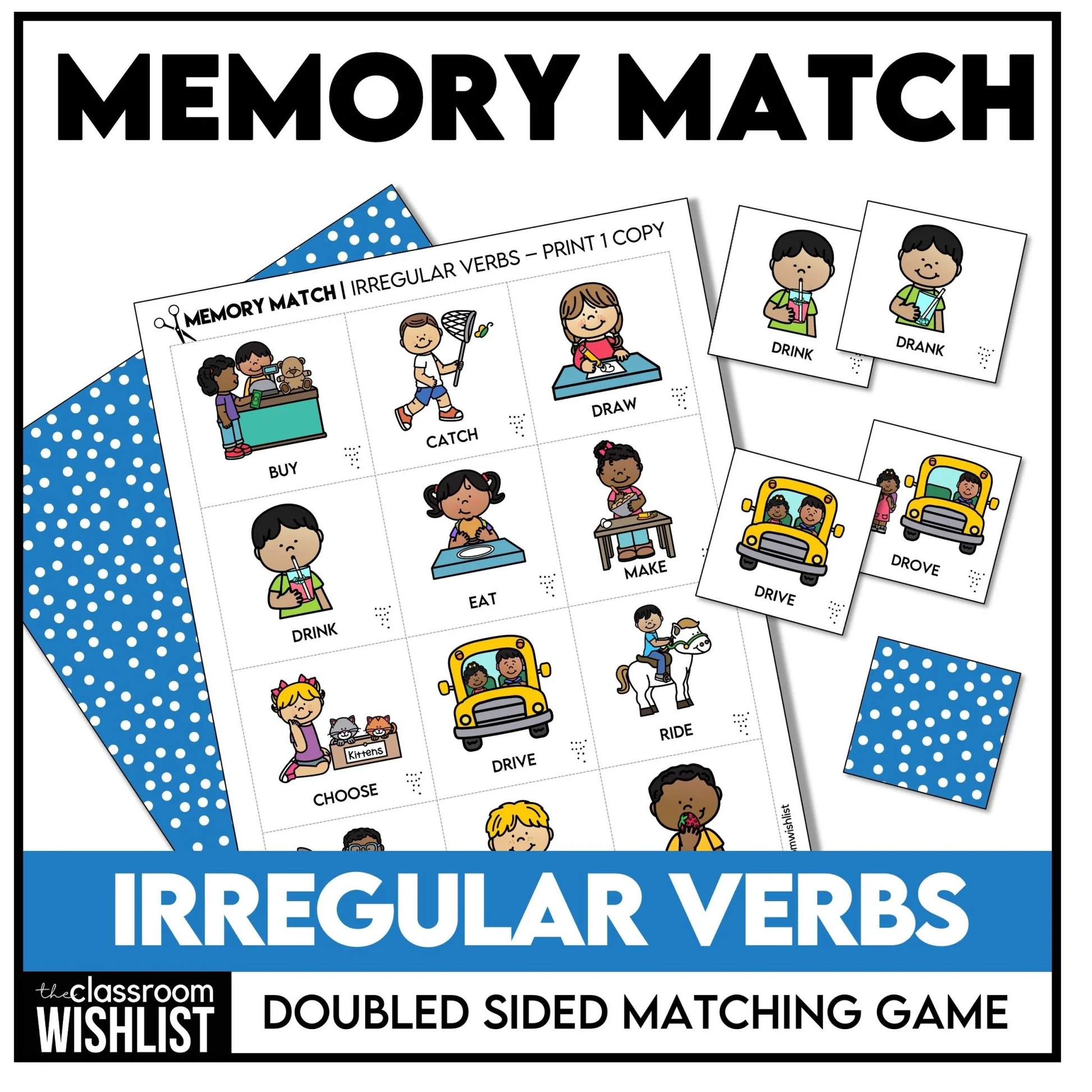
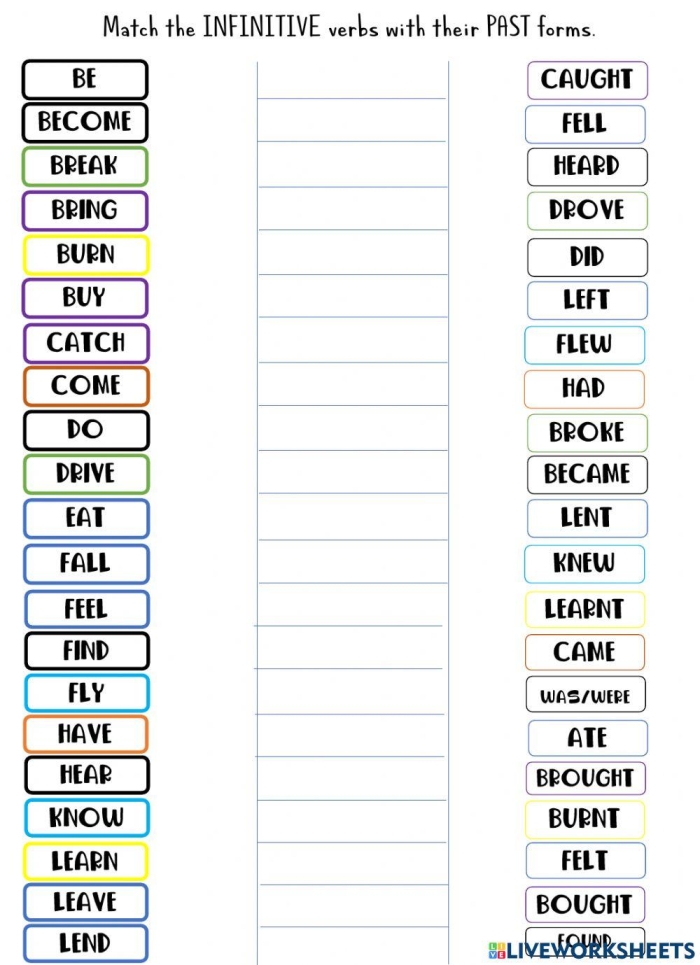
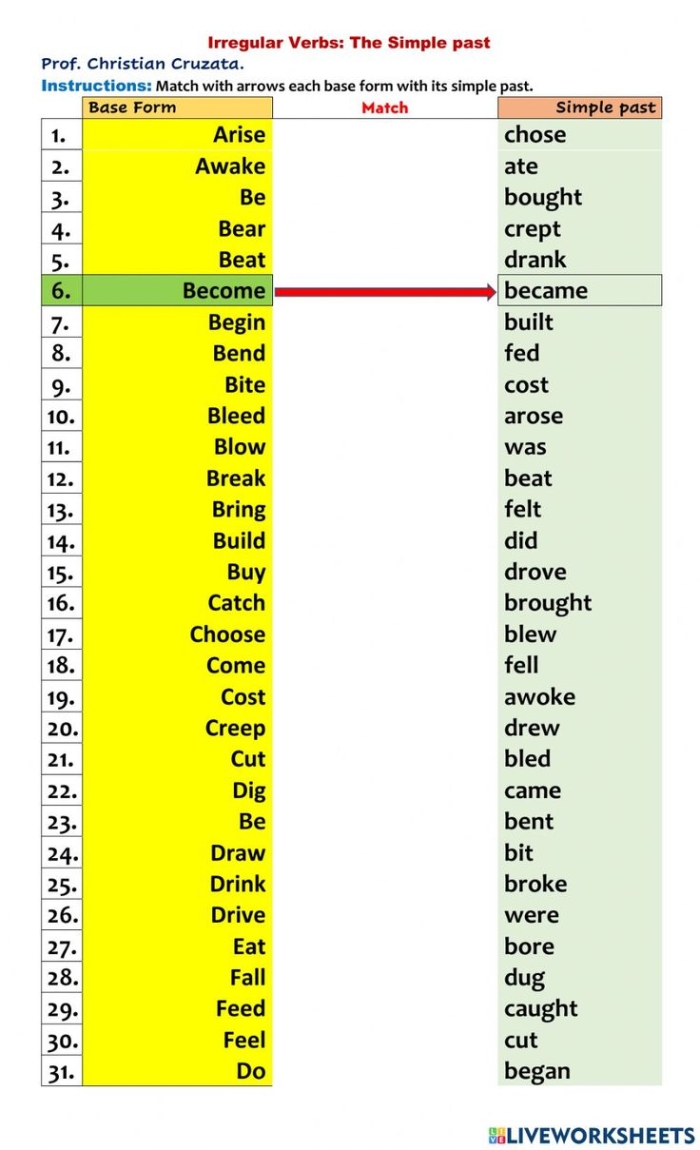
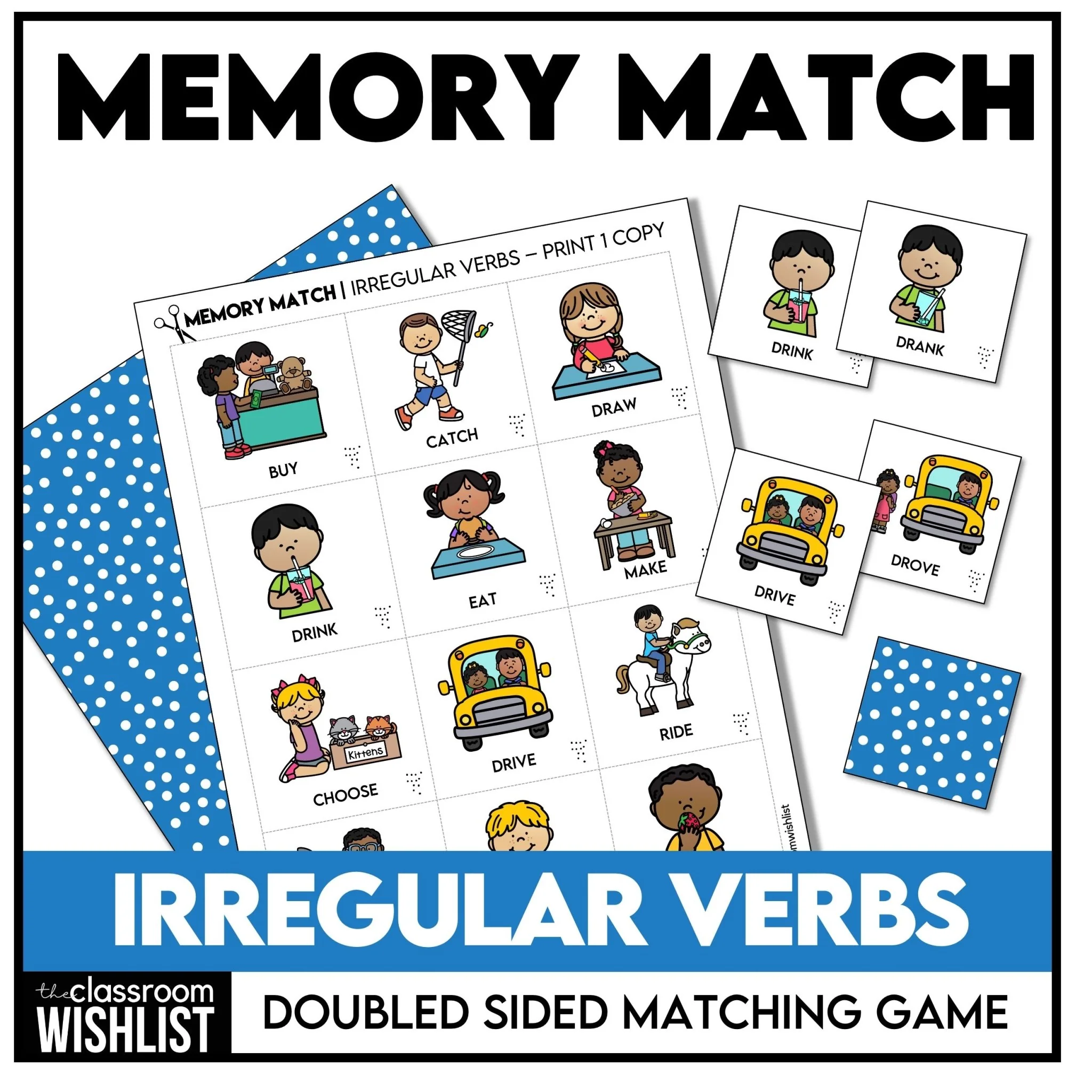
A matching activity solves this problem by creating a visual bridge between present and past tense forms. When students physically connect “run” to “ran” or “see” to “saw,” they’re building stronger neural pathways than they would from simple repetition. The kinesthetic element of matching keeps their brains engaged while the repeated exposure to verb pairs reinforces memory.
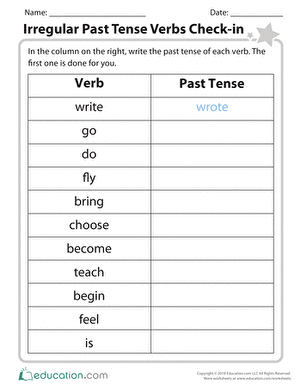
The beauty of this approach lies in its simplicity. Students work through a list of present tense verbs on one side and match them to their past tense counterparts on the other. This format forces them to think about each verb individually rather than passively reading through a list. They can’t just glance and move on; they have to pause and consider whether “bring” becomes “brang” or “brought.”
What makes matching activities particularly effective for second graders is that they work alongside other skill-building exercises. While students practice matching irregular verbs, they’re also developing attention to detail and pattern recognition skills that transfer to geometry work like learning to identify trapezoids or understanding what a timeline represents.
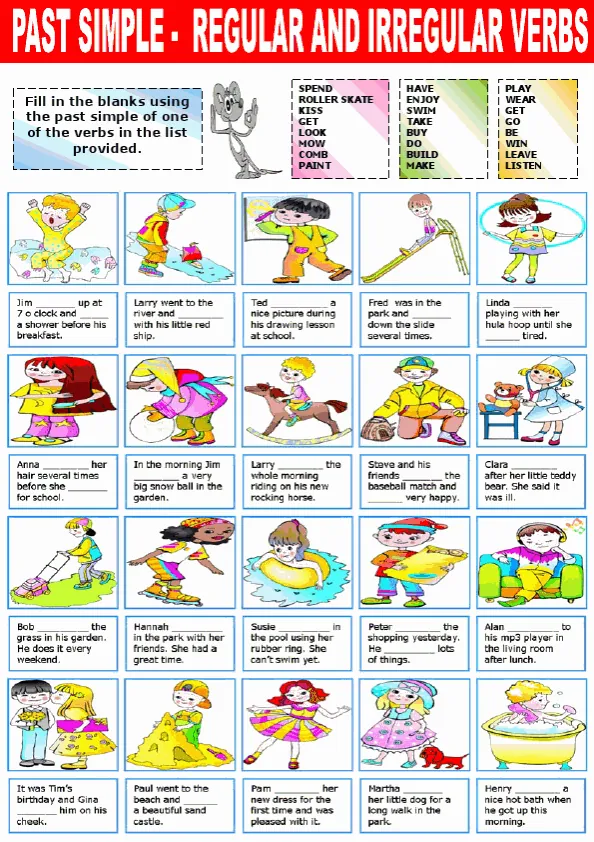
Teachers report that students who complete regular matching activities gain confidence using irregular verbs in their writing and speaking within weeks. The repetition doesn’t feel like drilling because the activity format keeps it engaging. Before long, “went,” “saw,” and “ate” become automatic rather than something kids have to consciously retrieve from memory.
Hands-On Worksheet Activities