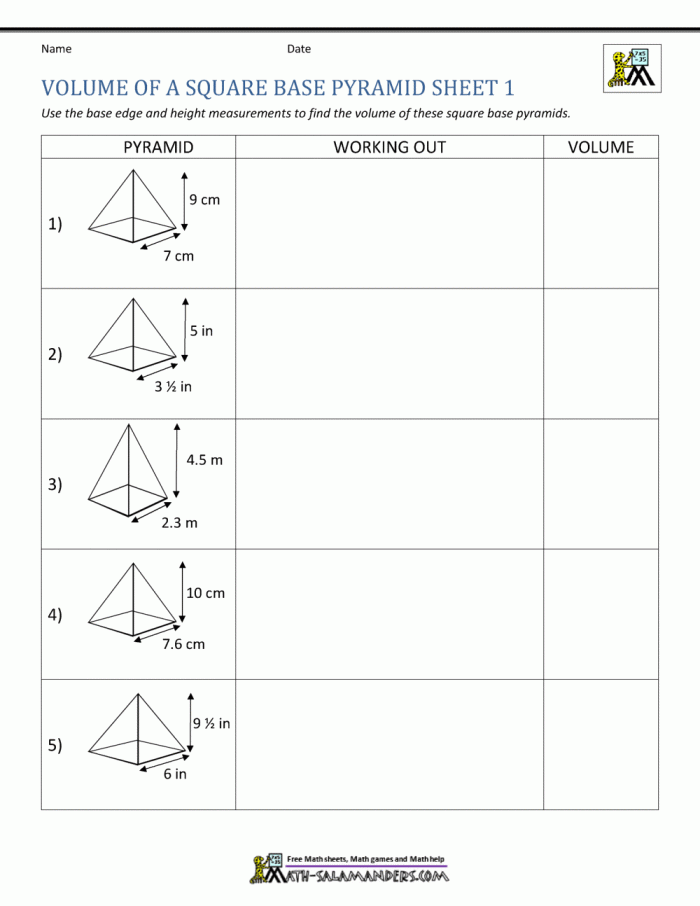
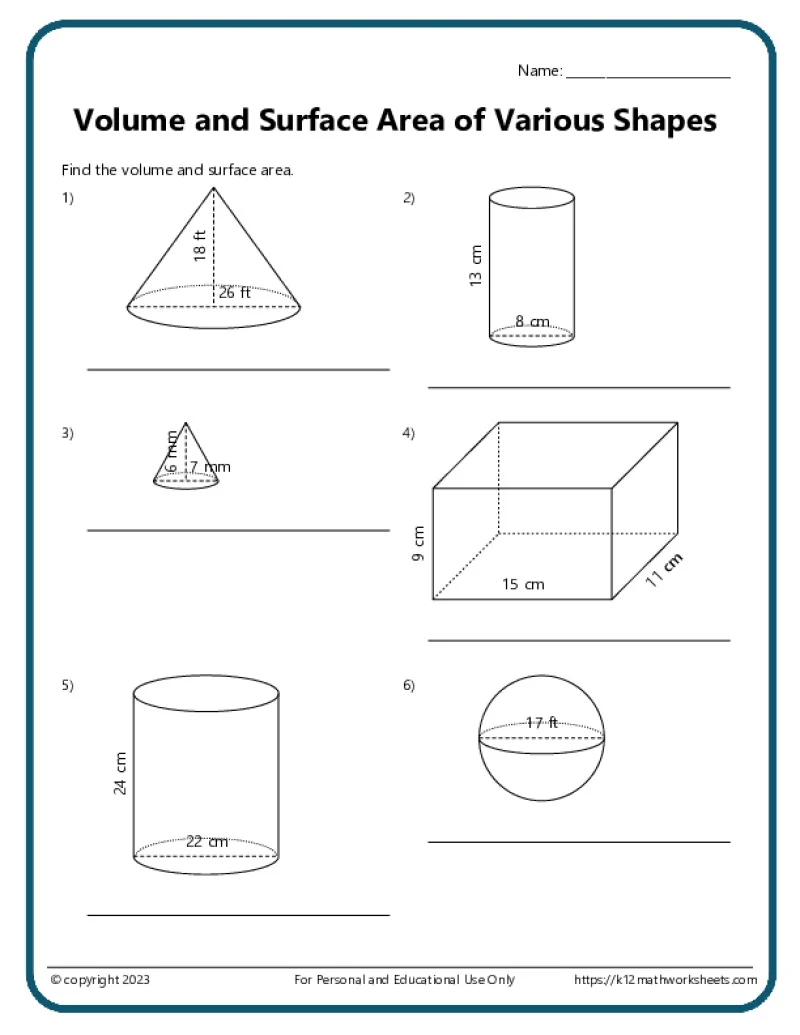
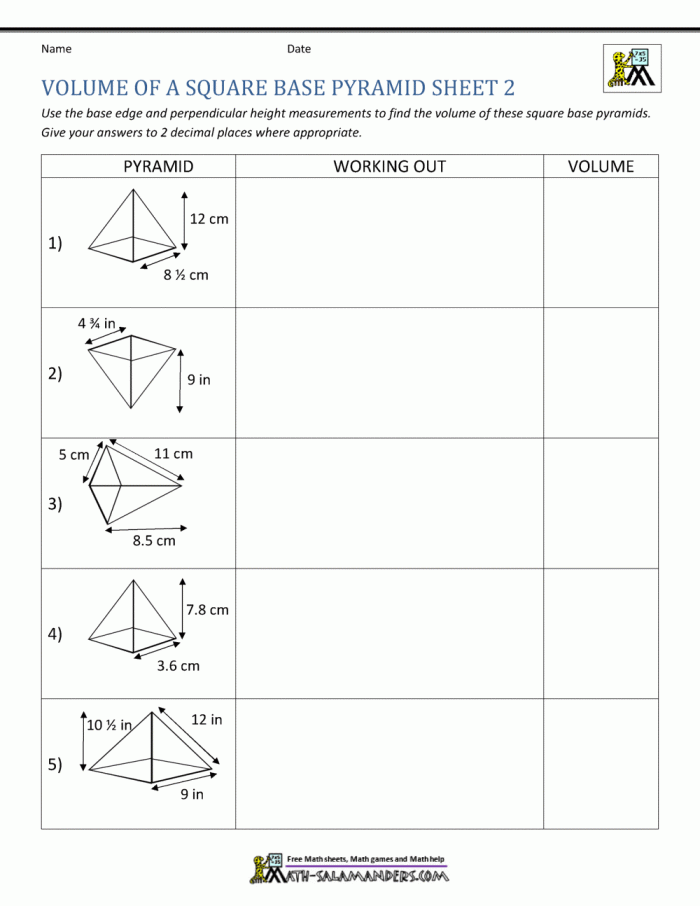
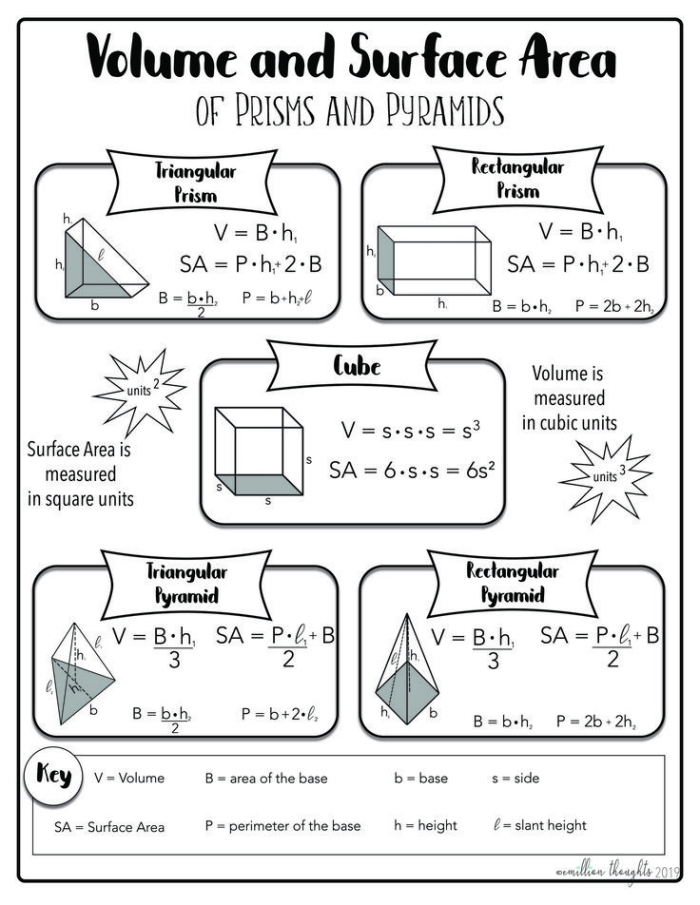
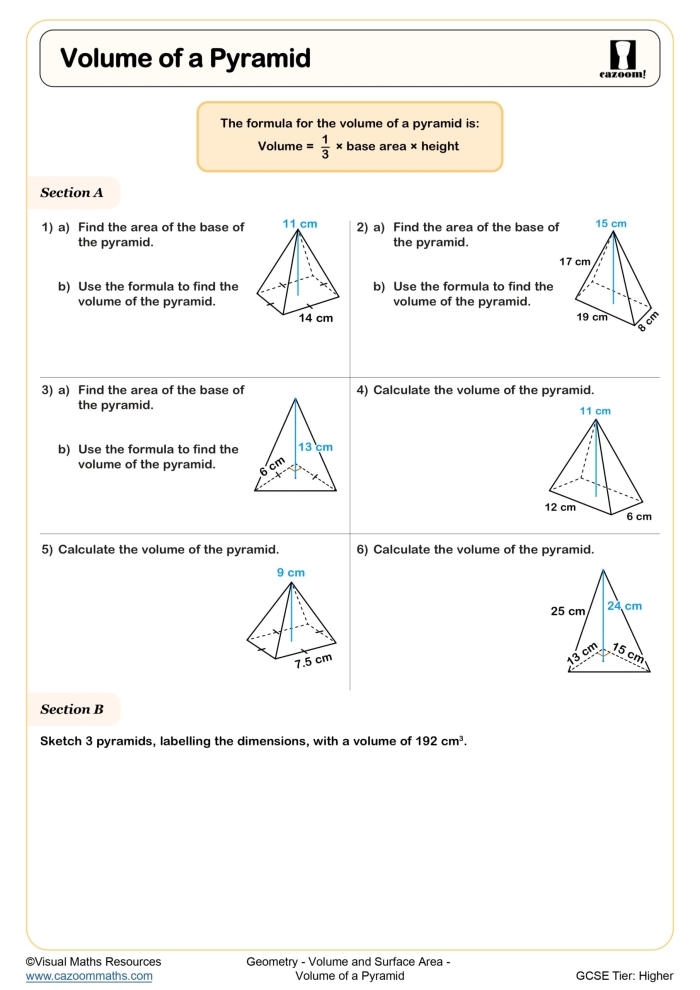
Finding the volume of three-dimensional objects becomes straightforward once you understand the relationship between base and height. The formula works the same way across different shapes: multiply the area of the base by the height of the object. This method works for prisms, cylinders, and other solid figures that have parallel top and bottom faces.
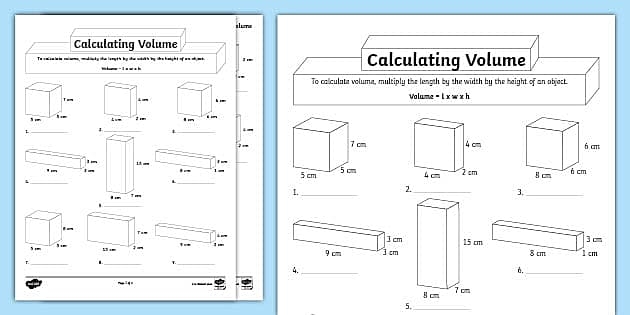
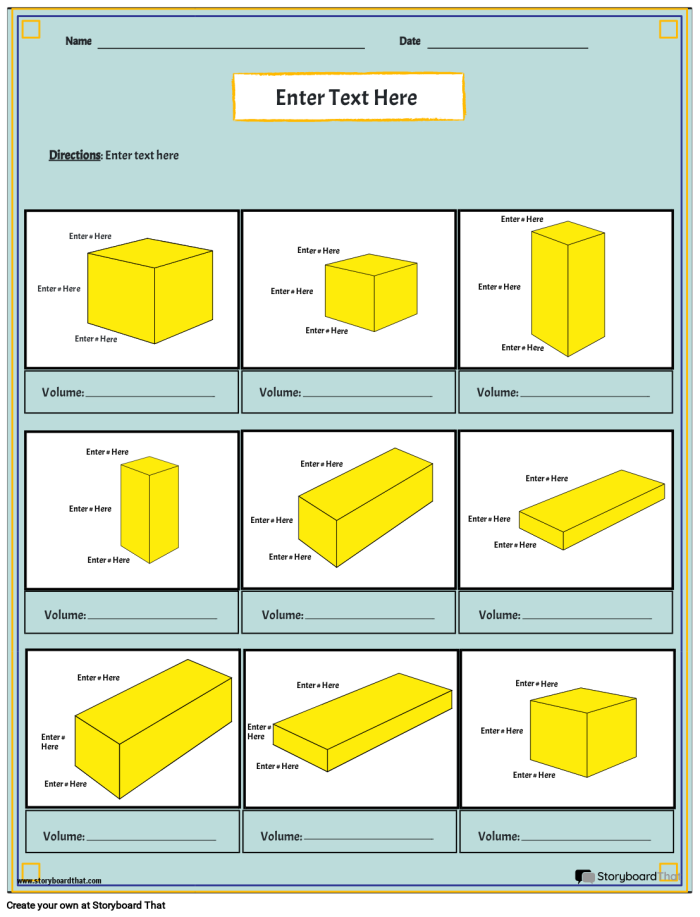
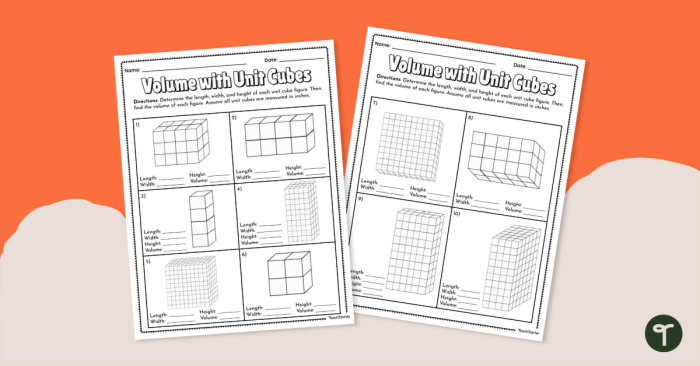
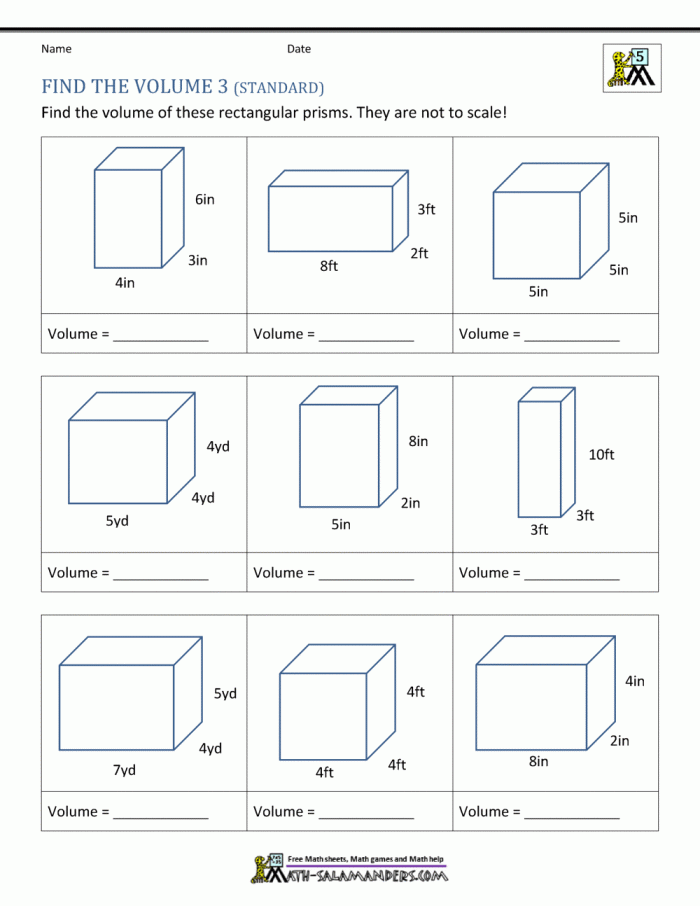
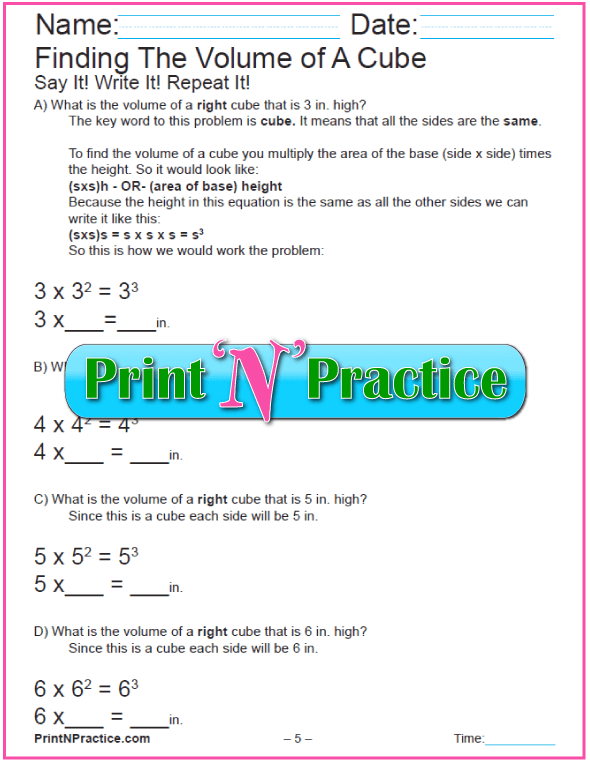
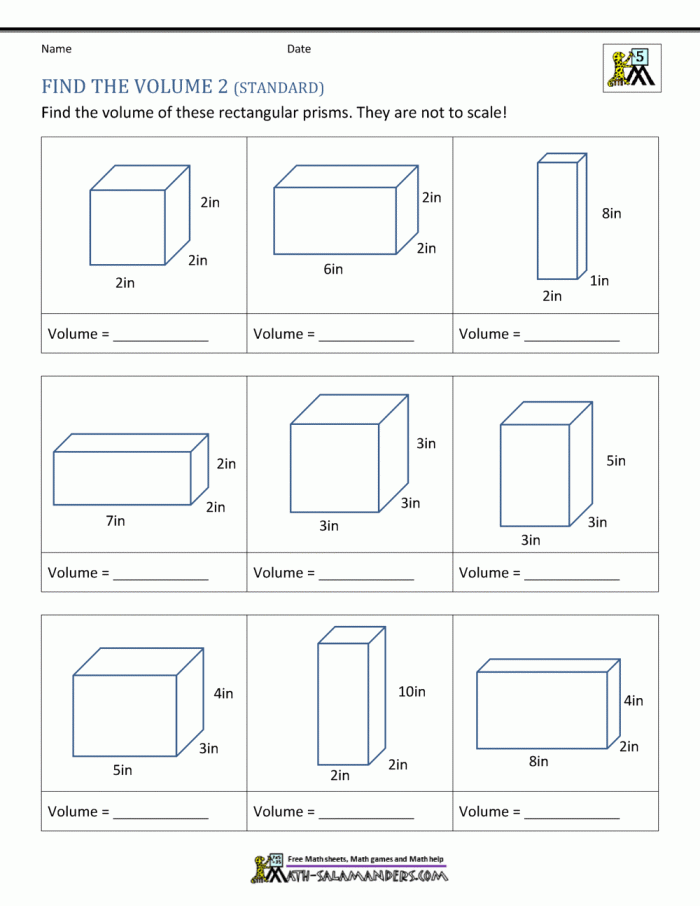
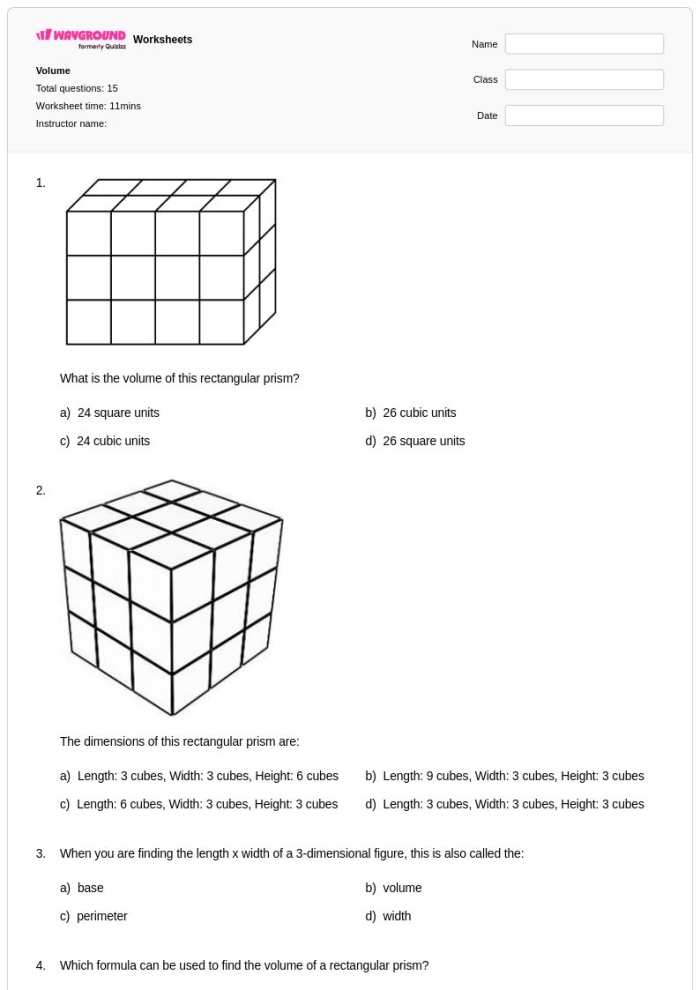
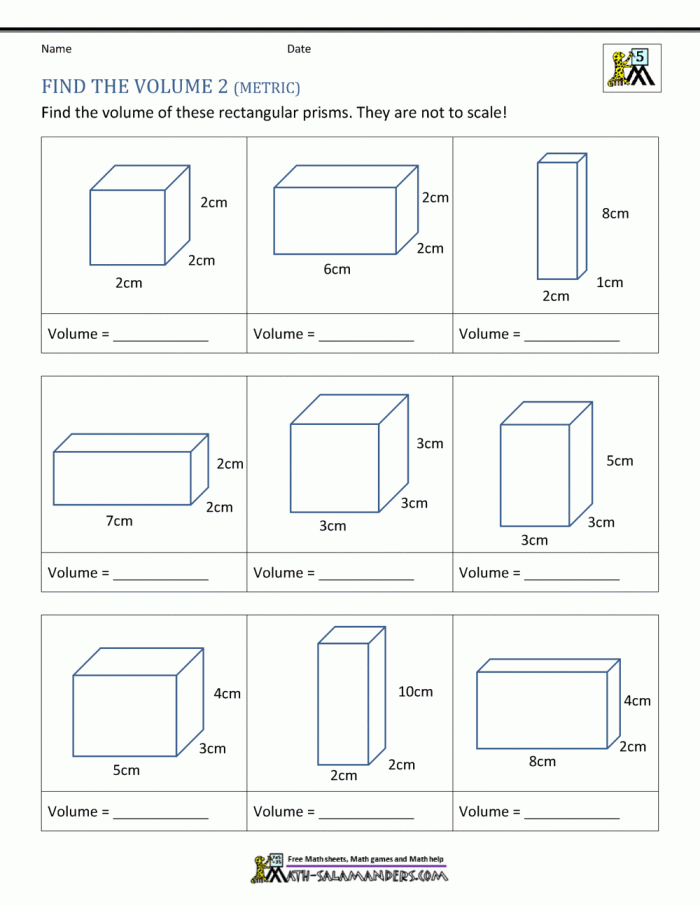
When you calculate volume this way, you’re essentially asking how many unit cubes would fit inside the object. For a rectangular prism, measure the length and width of the base, multiply them together to get the base area, then multiply that result by the height. A cube with a 3-unit base and 3-unit height contains 27 cubic units. This concrete approach helps fifth grade students visualize what volume actually means rather than just memorizing a formula.
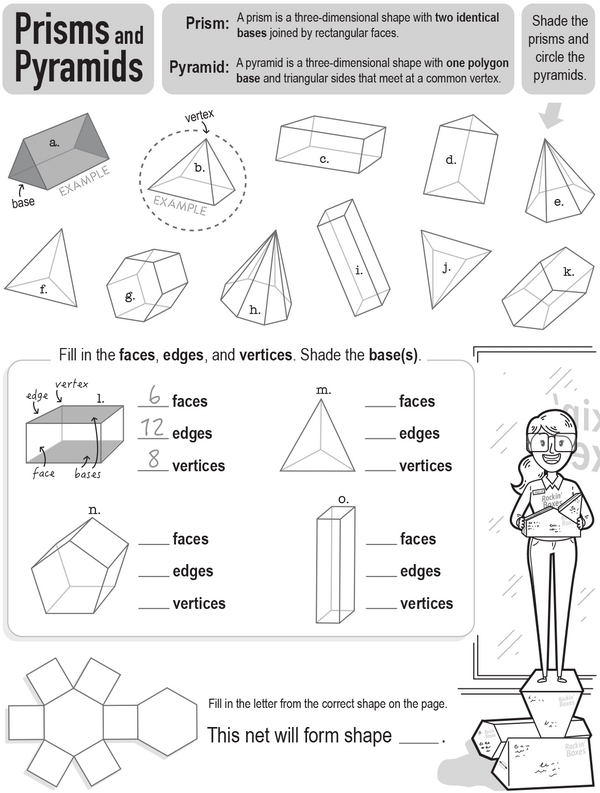
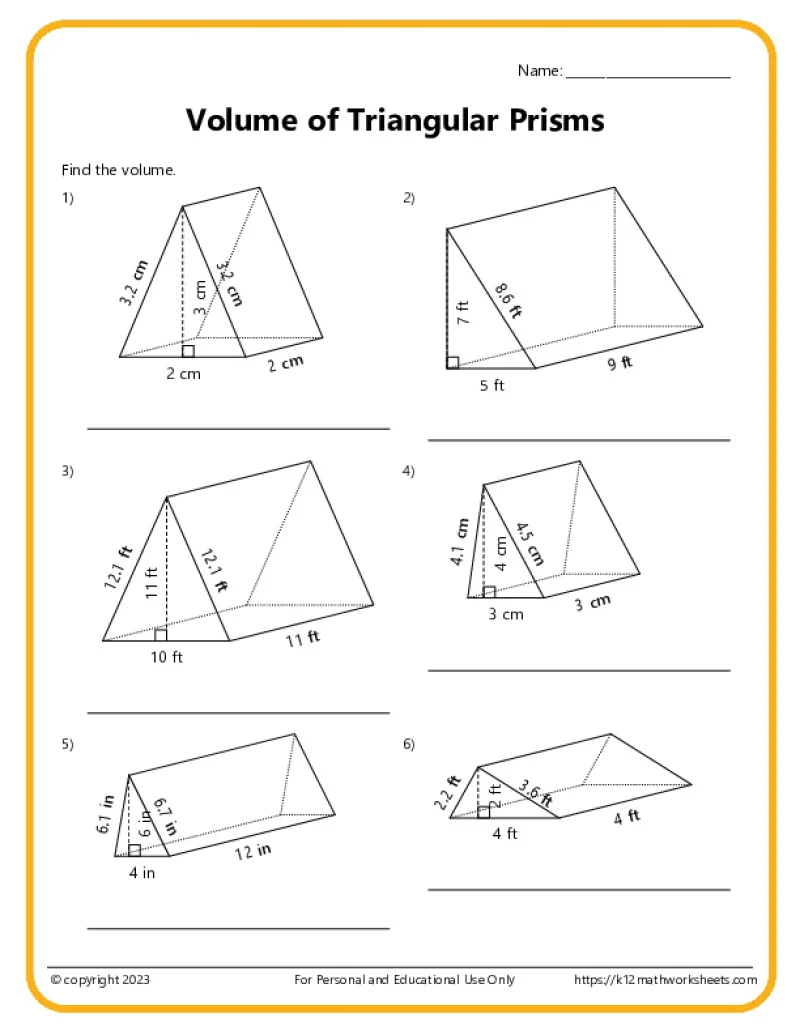
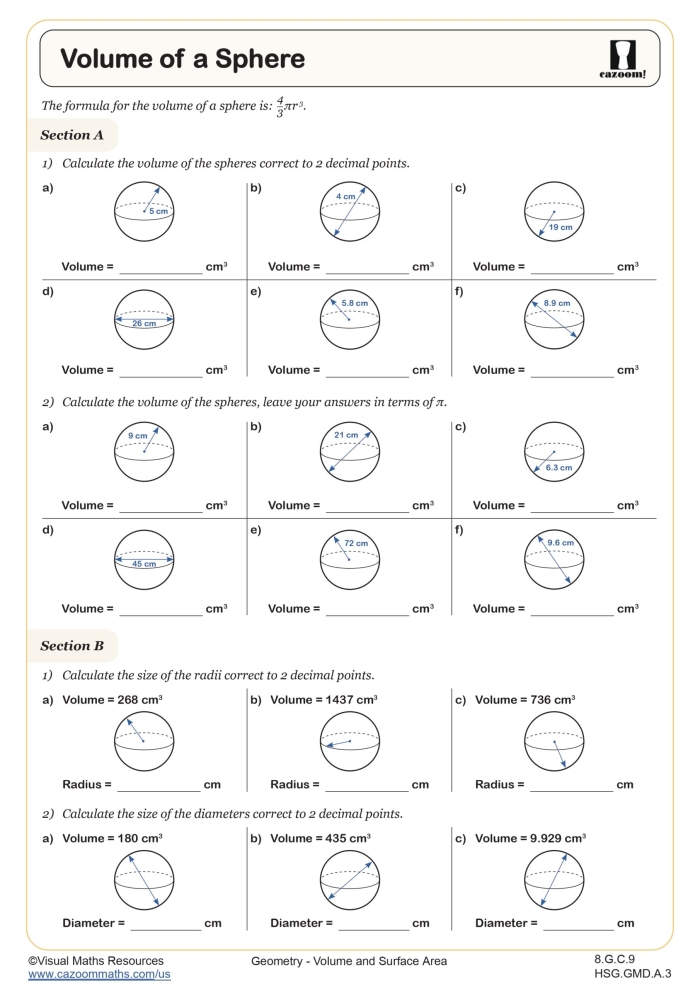
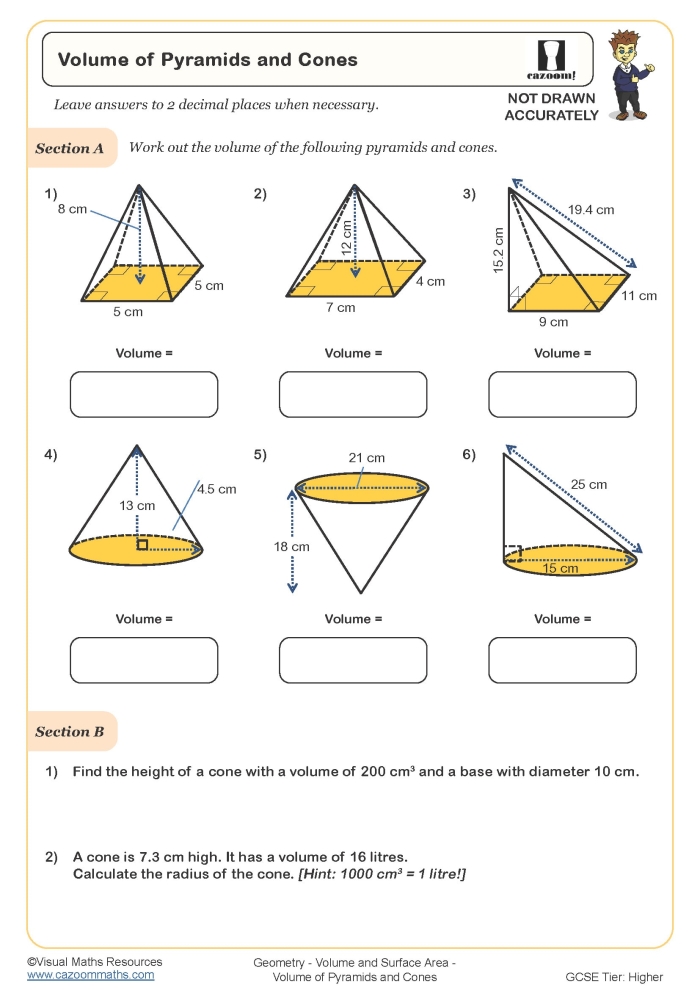
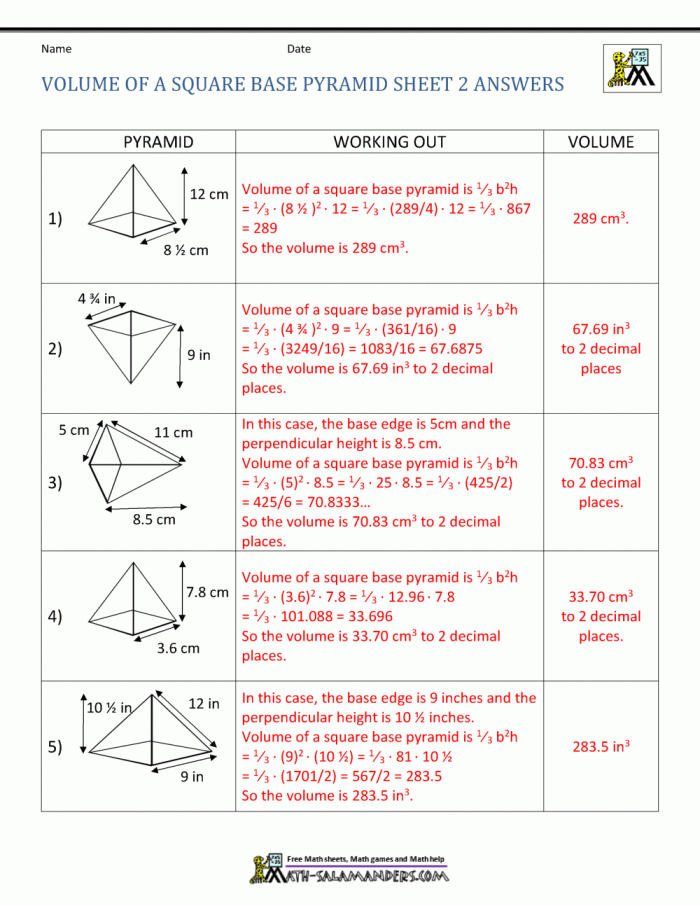
The base can take different shapes depending on the object. A triangular prism has a triangular base, so you’d find the area of that triangle first. A cylinder has a circular base, requiring you to use the area formula for circles. Understanding base and volume vocabulary helps clarify which measurements you need and where to apply them.
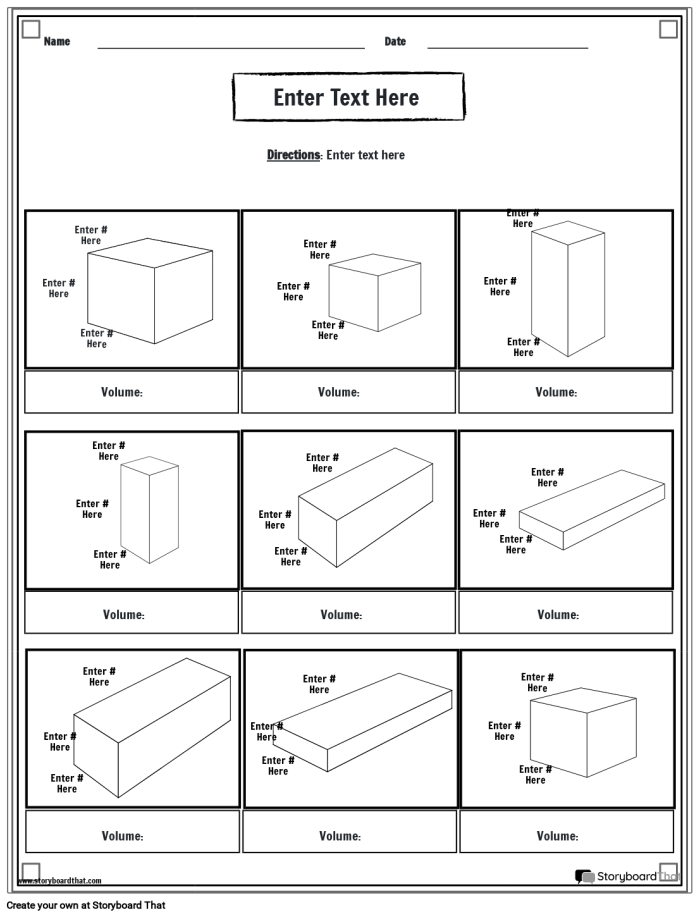
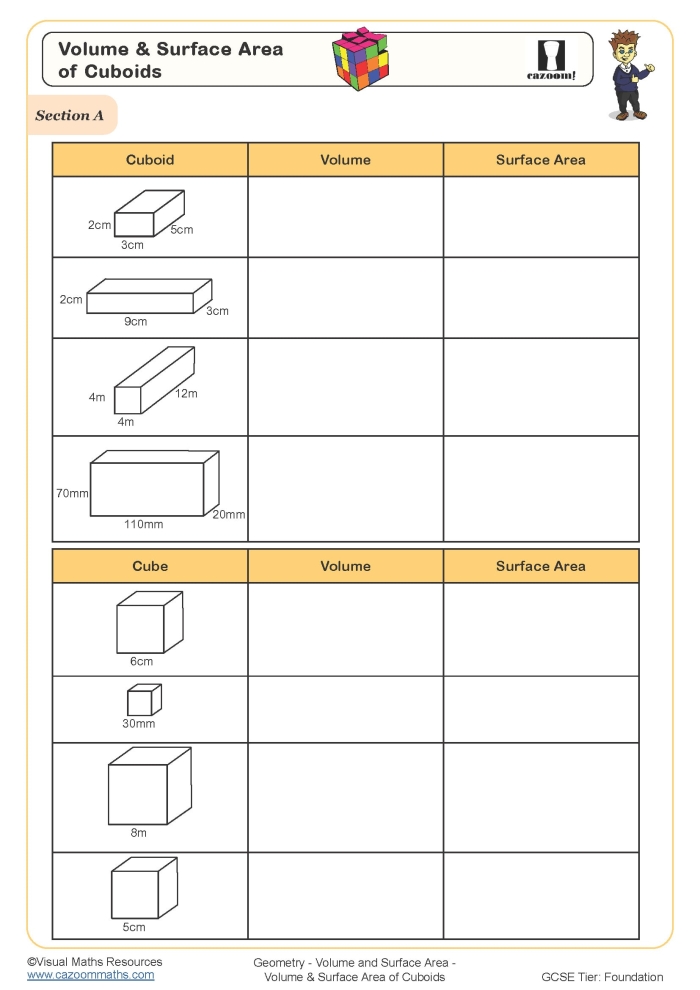
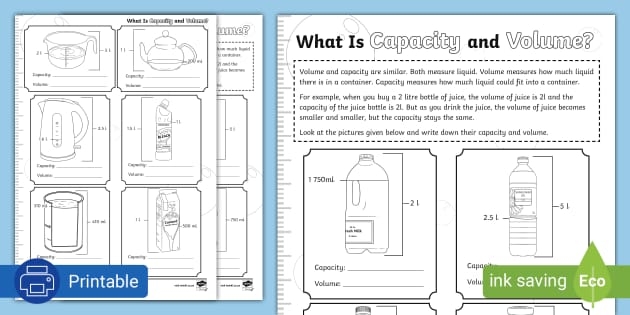
Practice with printable base and volume worksheets reinforces this skill. Working through multiple problems helps you recognize patterns and develop confidence with the calculations. You’ll notice that doubling the height doubles the volume, or doubling the base area doubles the volume. These relationships become clearer through repeated practice.
The base-times-height method applies across geometry and connects to other mathematical concepts. Once you master this approach in fifth grade, you’ll find it useful for measuring storage containers, calculating water tank capacity, or determining how much material fills a space.
Use These Worksheets Today