Integer operations form the foundation of seventh-grade math, and students who struggle with adding and subtracting positive and negative numbers often find themselves lost in later algebra concepts. A straightforward worksheet focused on this skill can make the difference between confusion and confidence.
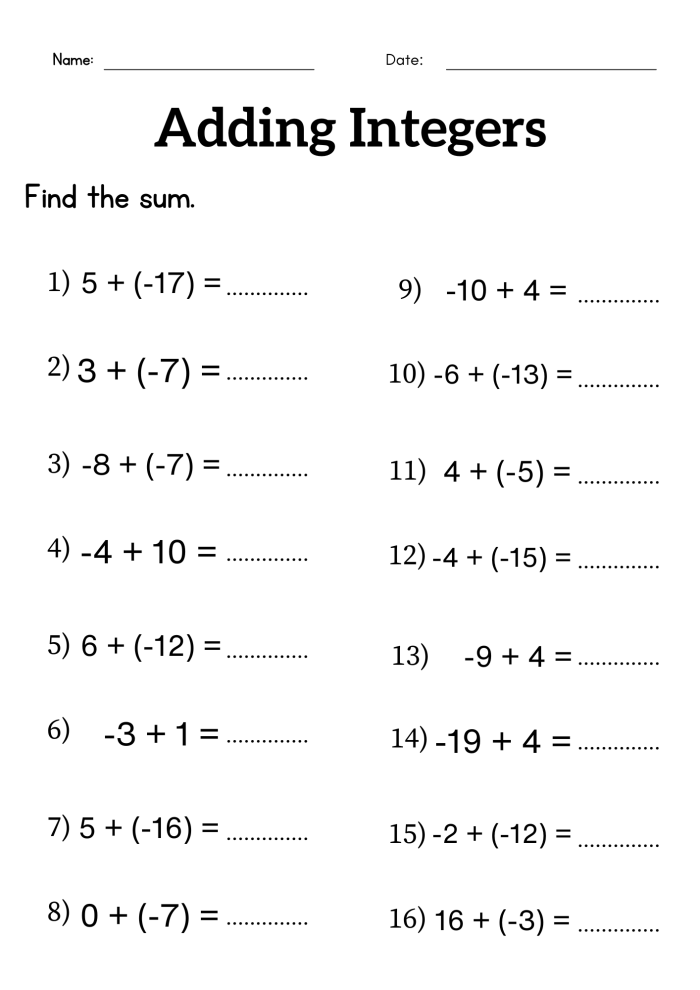
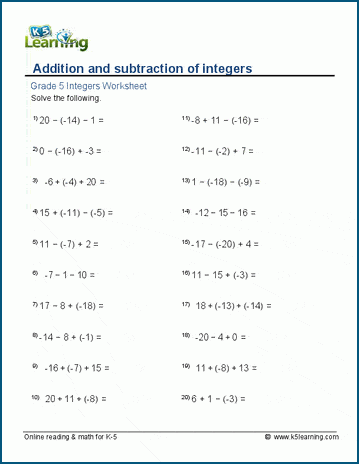
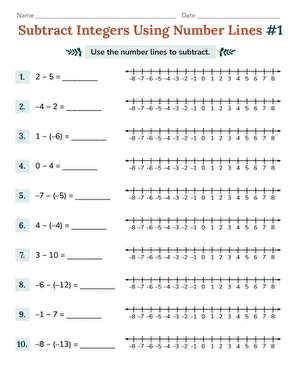
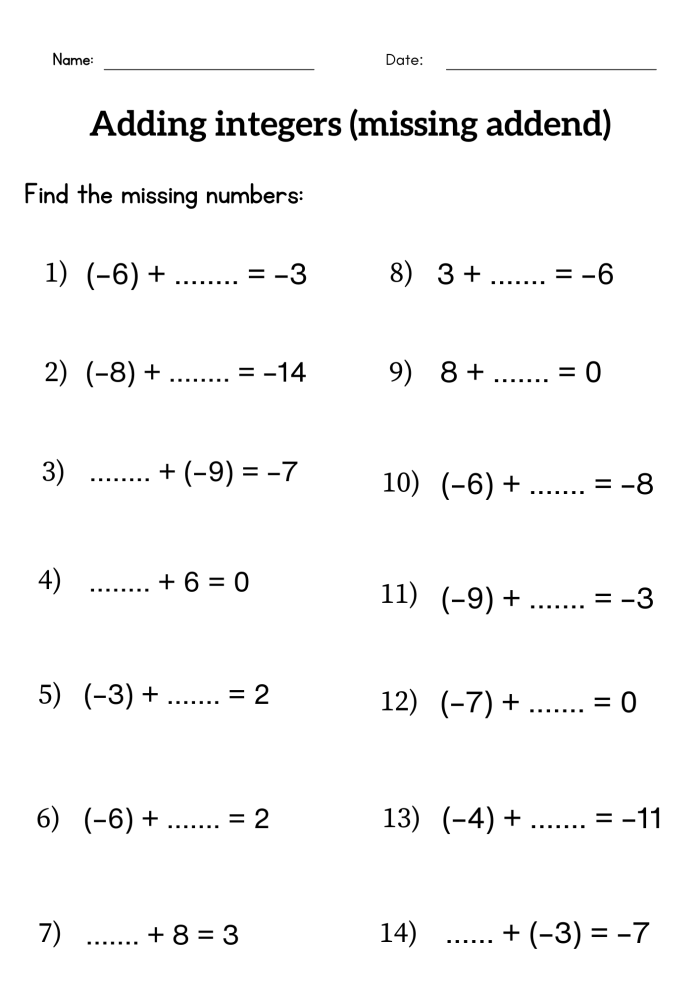
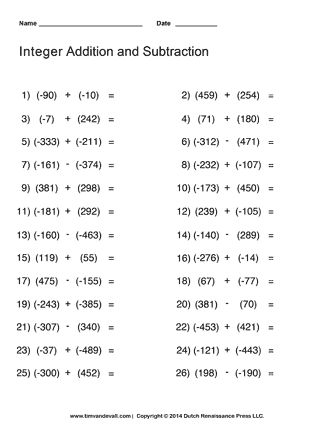
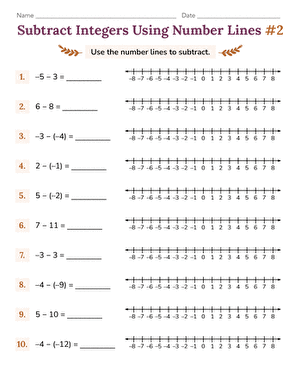
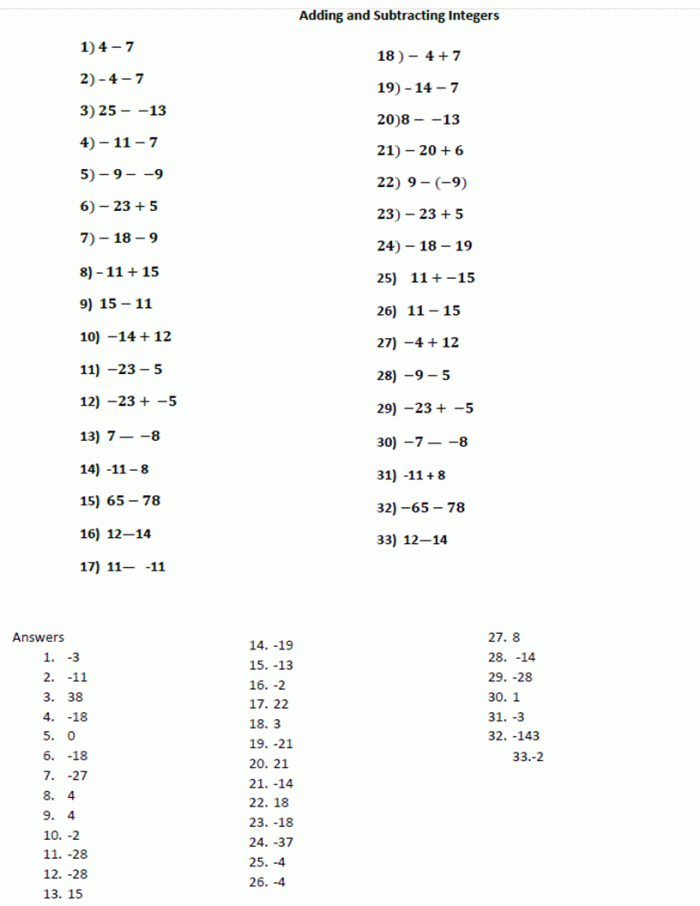
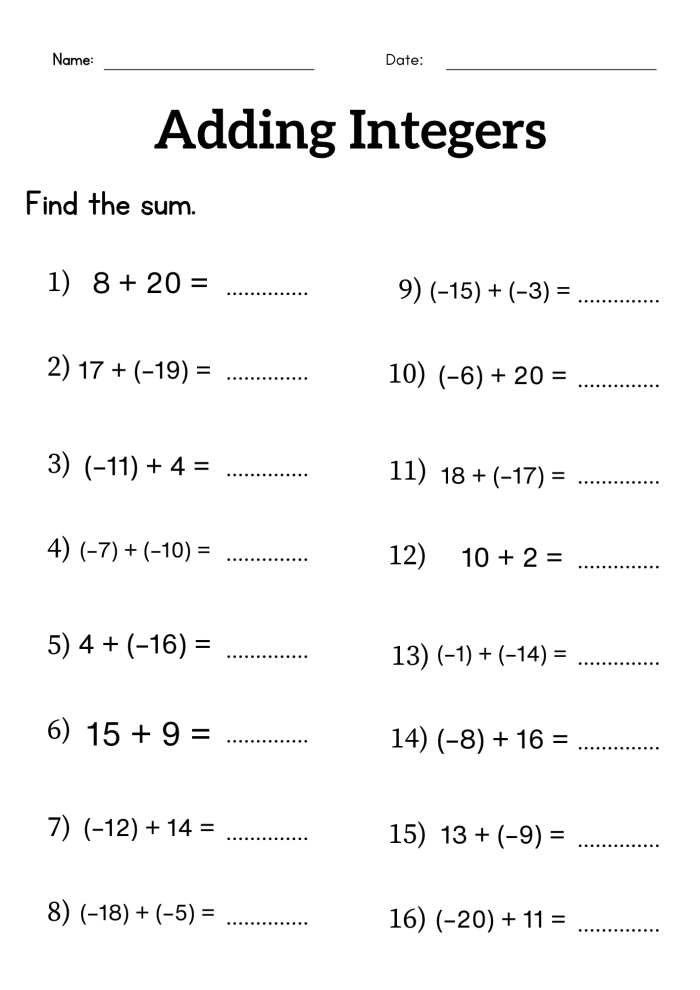
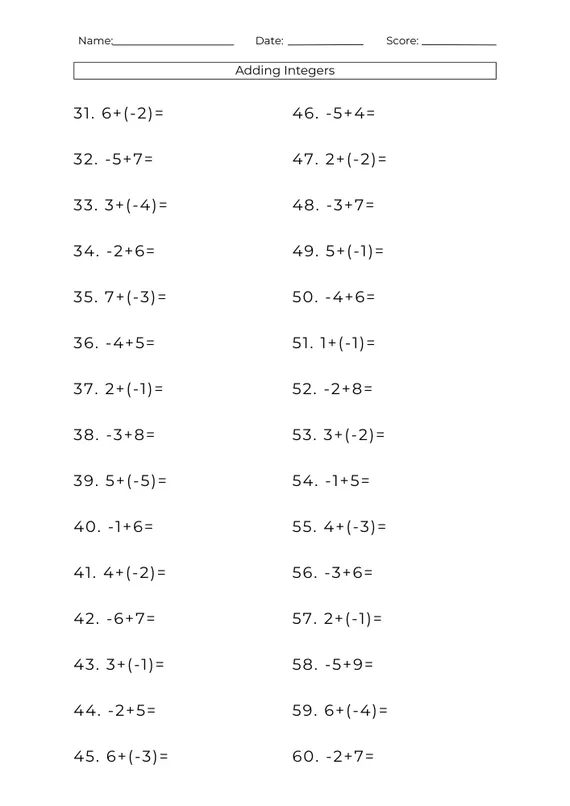
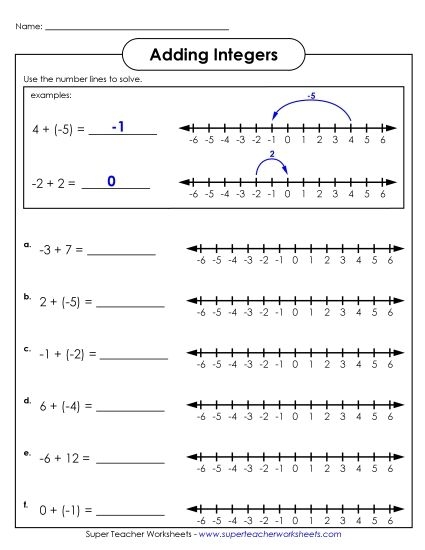
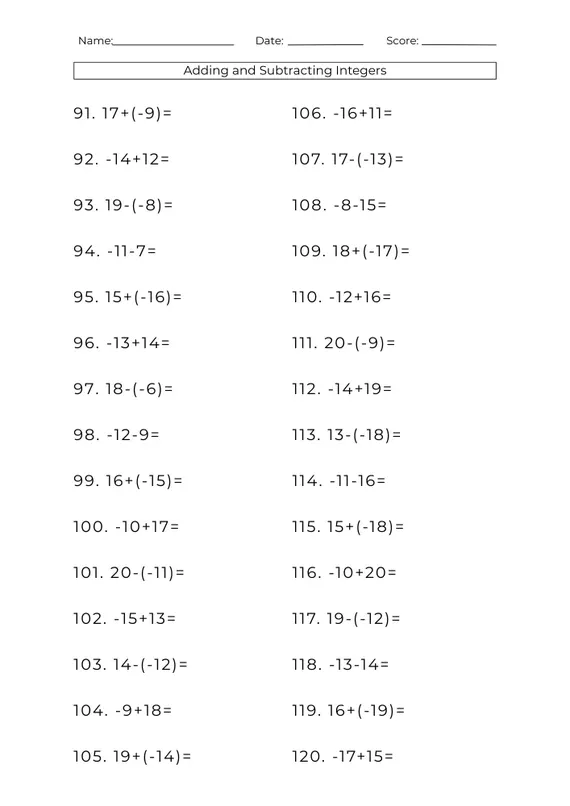
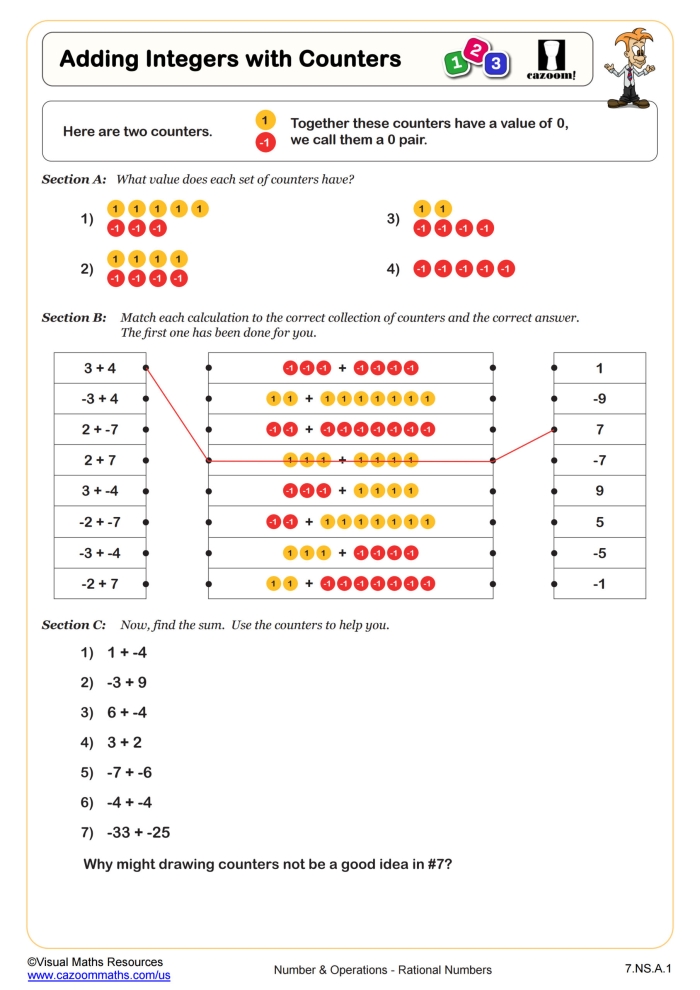
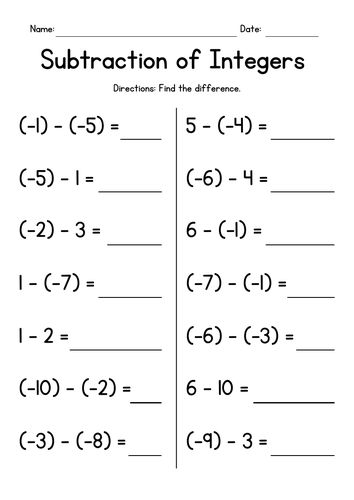
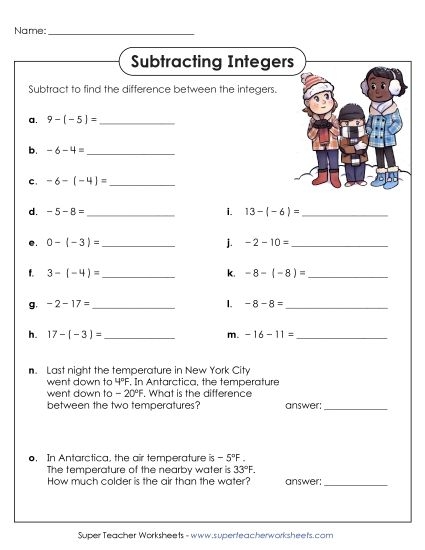
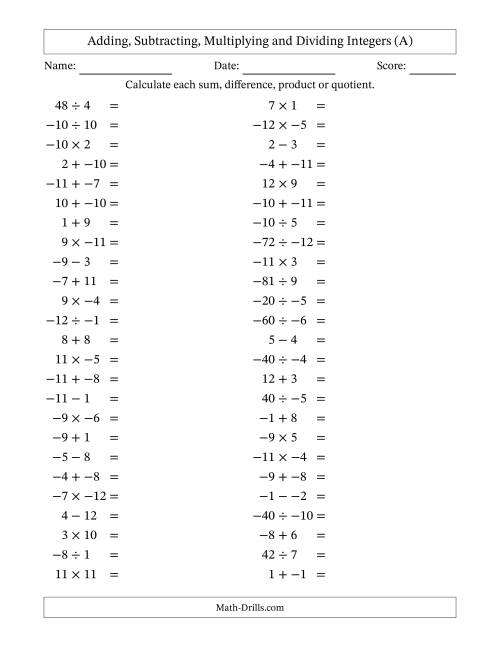
When seventh graders first encounter integers, the abstract nature of negative numbers throws many off balance. A well-designed worksheet breaks this down into manageable chunks, starting with simpler problems like 5 + 3 and gradually introducing negative values. The repetition built into these exercises helps students internalize the rules: adding a negative number means moving left on the number line, while subtracting a negative actually means moving right.
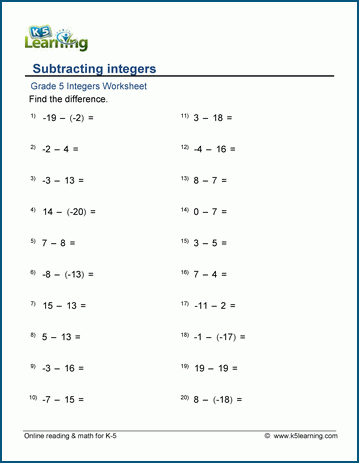
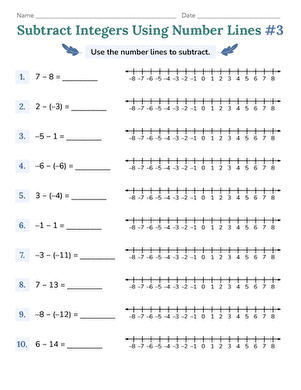
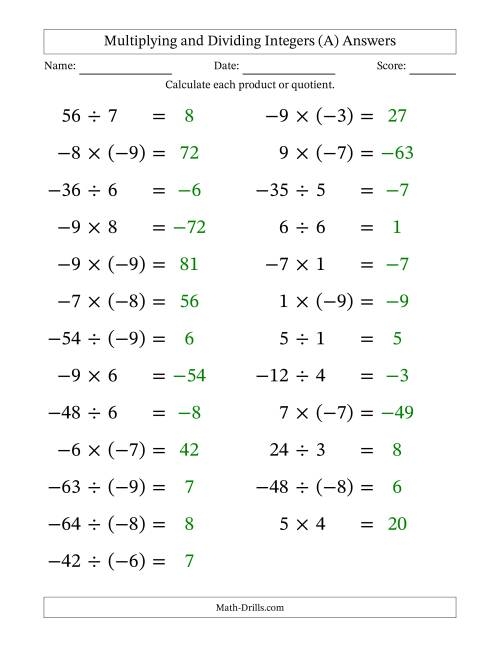
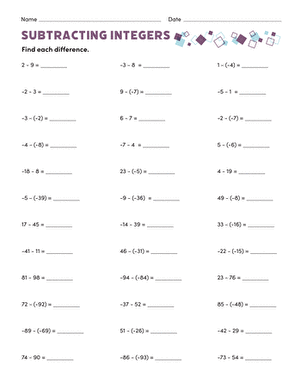
What makes this approach effective is its directness. Rather than overwhelming students with word problems or complex scenarios, a focused worksheet lets them practice the mechanics until the process becomes automatic. This frees up mental energy for more advanced work later. Students might work through problems like -7 + 4 or 6 – (-2), reinforcing the patterns each time.
The beauty of this method lies in its simplicity. Students see the problem, apply the rule they’ve learned, and check their work against an answer key. There’s no ambiguity about what’s being asked. This clarity matters especially for learners who benefit from structured, predictable practice.
Beyond integers themselves, mastering these operations opens doors to related skills. Once students feel solid with adding and subtracting integers, they’re ready to tackle mixed number operations or progress toward solving two-step equations. A strong foundation in numbers and counting at this stage pays dividends throughout the rest of seventh-grade mathematics and beyond.
Download These Worksheets for Practice