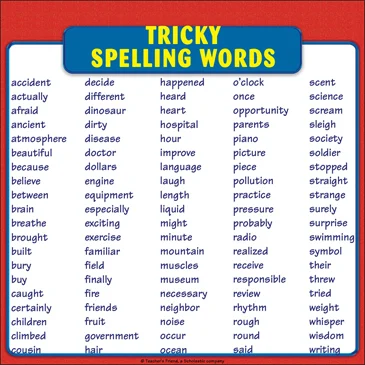
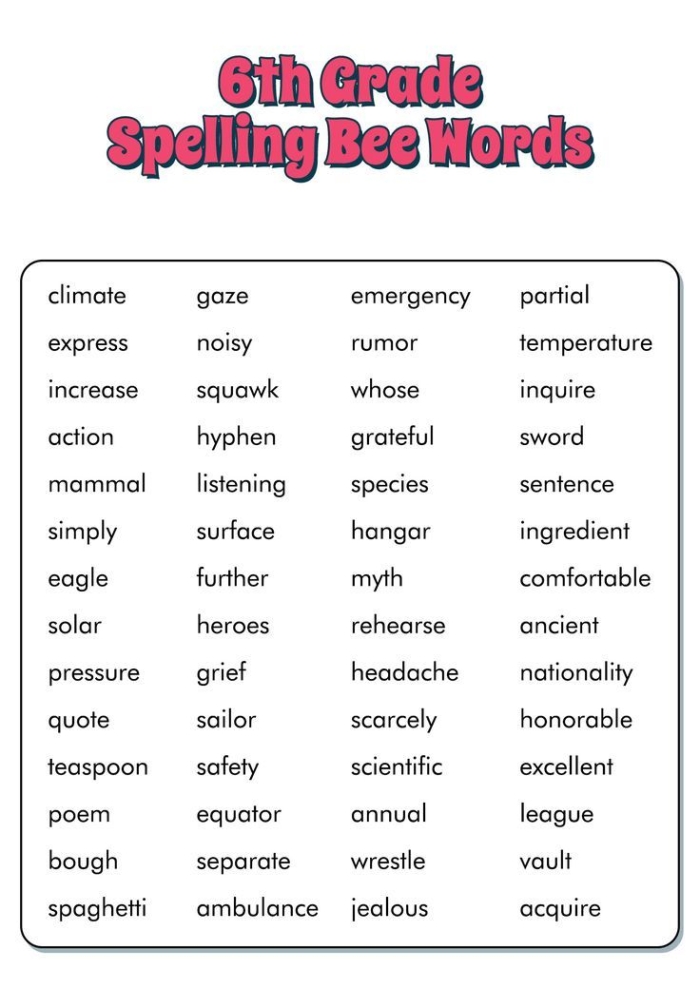
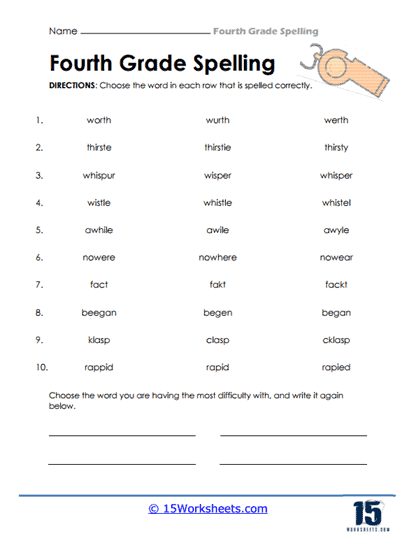
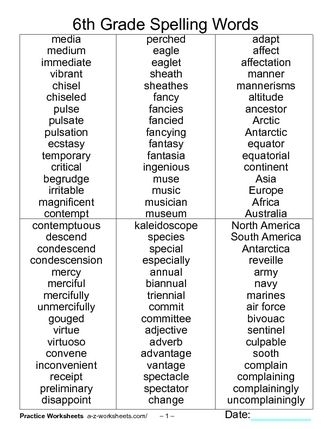
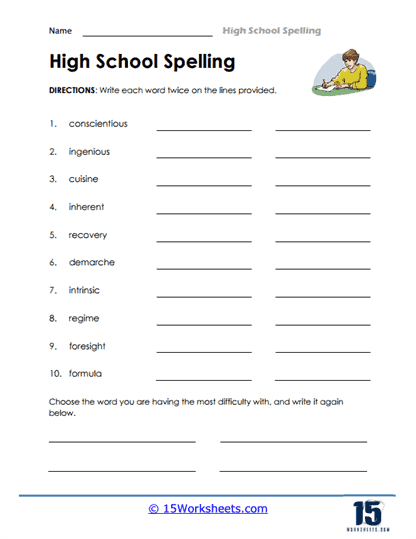
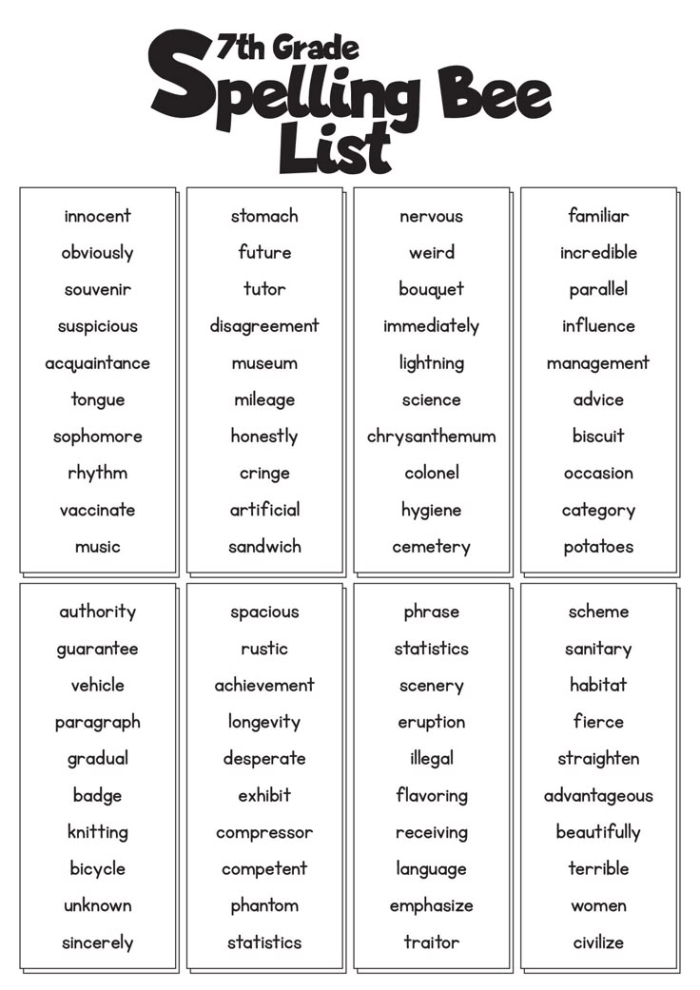
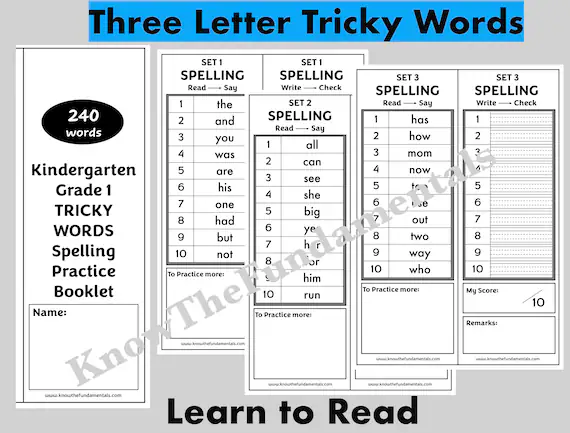
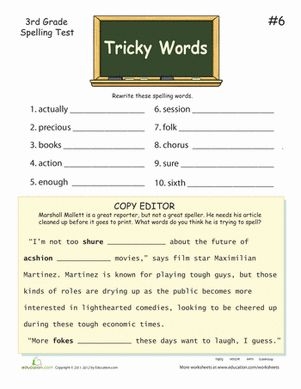
Irregular words trip up most third grade students because they don’t follow standard phonics patterns. Words like “said,” “though,” and “build” refuse to cooperate with the rules children learn in phonics lessons. A simple writing worksheet focused on these tricky words gives students the repetition they need to move these words from their short-term memory into their long-term spelling knowledge.
When children practice writing irregularly spelled words, something shifts in their brain. The physical act of forming letters engages different neural pathways than simply reading or saying the word. Third graders who struggle with phonics rules benefit most from this hands-on approach because it bypasses the need to decode and instead builds automaticity through muscle memory.
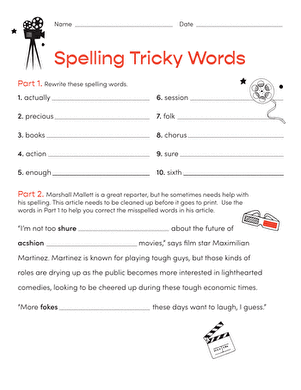
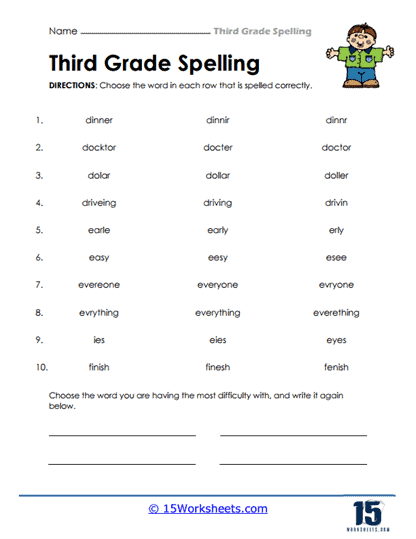
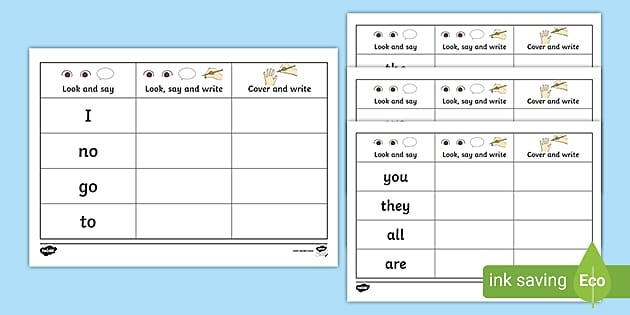
The best worksheets start with a word list, then ask students to write each word multiple times in simple sentences. This format works because it prevents mindless repetition while still providing the practice needed. A worksheet might ask a student to write “because” five times, but each time in a different sentence context. This variation helps the brain recognize the word shape across different situations rather than memorizing it in isolation.
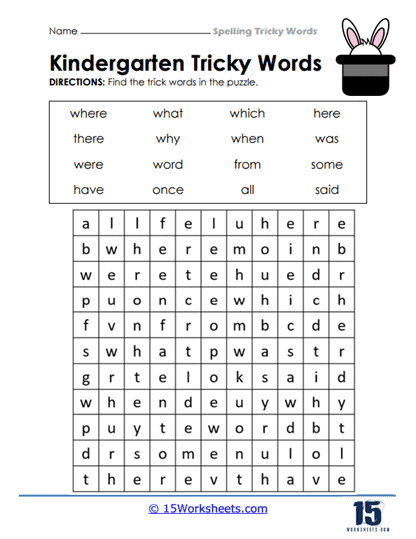
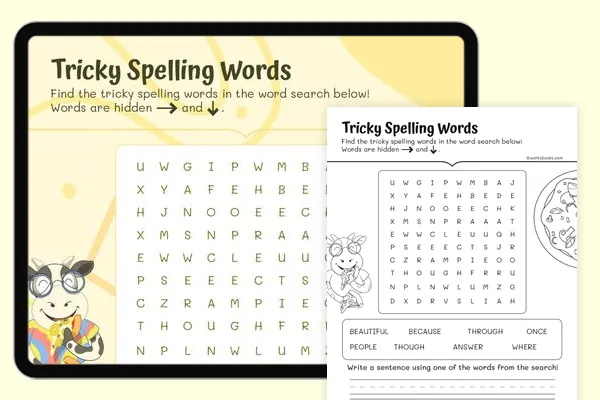
Third grade teachers often pair these worksheets with other resources to reinforce learning. Connecting spelling practice to spelling tricky words activities creates a more complete learning experience. Some teachers also incorporate word patterns in sentences to show how irregular words function within larger contexts.
The key is consistency. Students who practice writing these words two or three times per week show measurable improvement in their spelling accuracy within four to six weeks. The simple format keeps the focus on the words themselves, allowing third graders to build confidence with phonics concepts that initially seemed impossible to master.
Grab These Worksheets Now