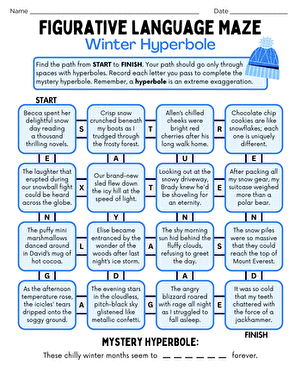
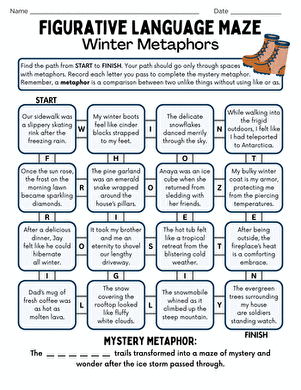
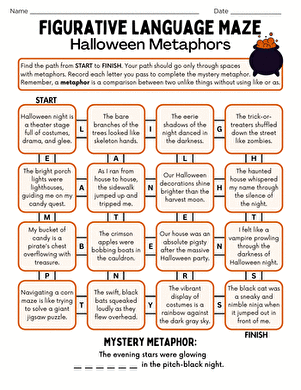
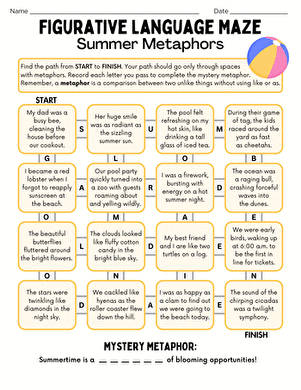
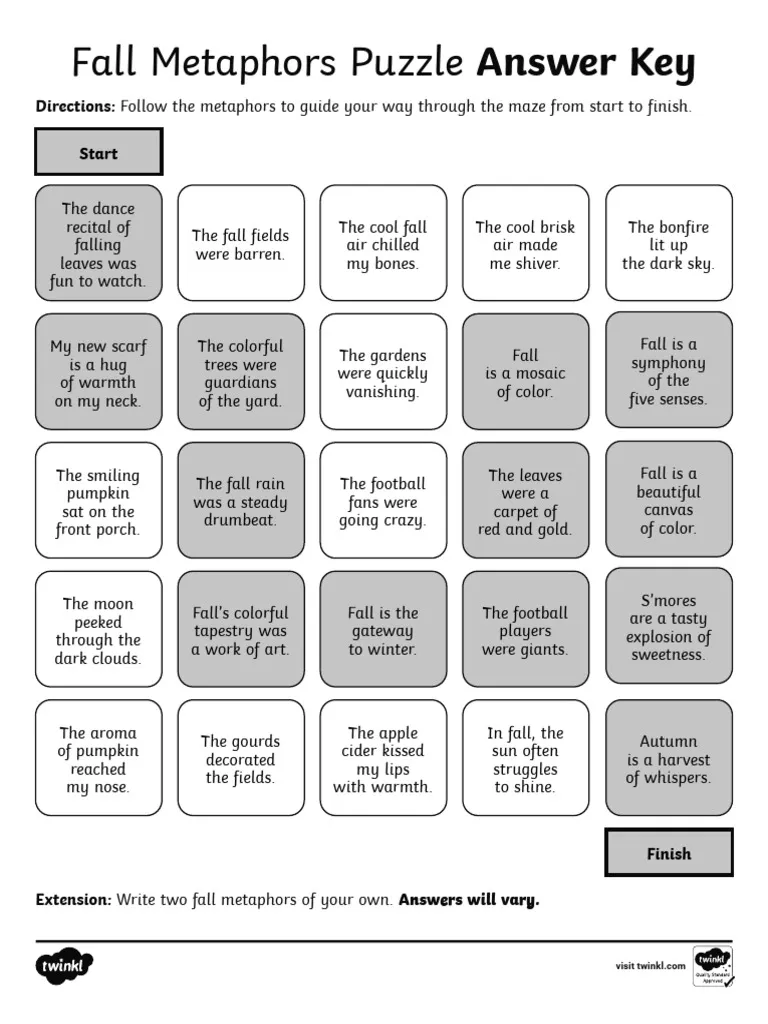
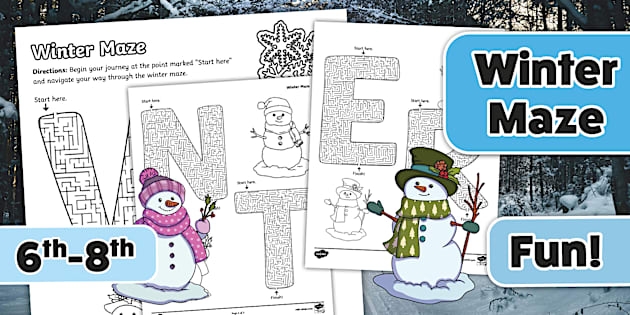
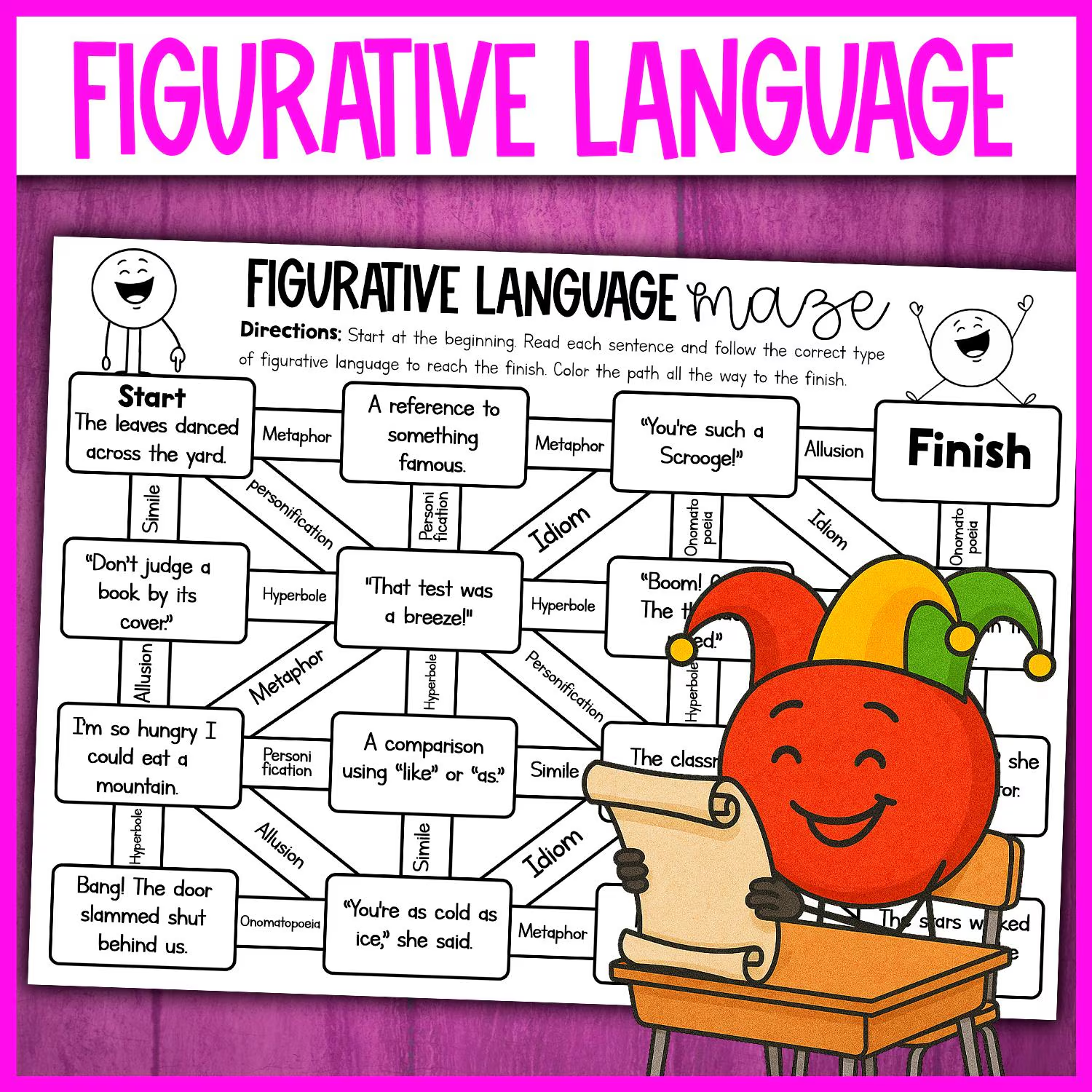
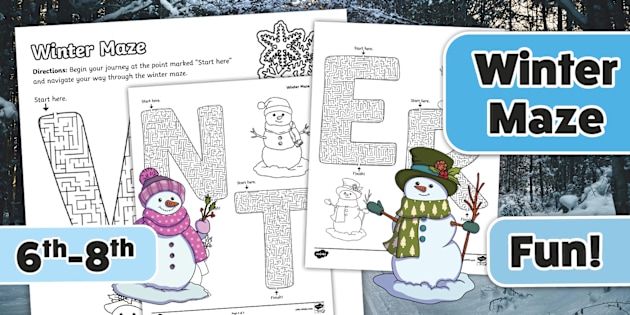
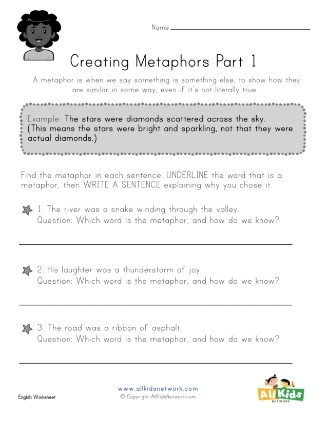
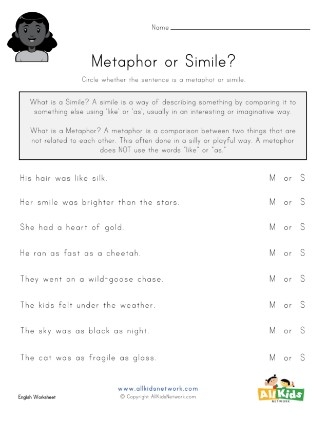
A winter-themed figurative language maze gives fourth grade students a practical way to strengthen their ability to recognize similes, metaphors, and other literary devices while working through an engaging puzzle. Rather than answering questions on a traditional worksheet, students navigate through a maze by correctly identifying which phrases contain figurative language, making the learning process feel more like a game than a lesson.
This approach works because it forces students to slow down and examine each phrase carefully. When a student encounters a sentence like “The snow was as cold as ice,” they must recognize the simile before moving forward in the maze. The winter setting adds a layer of relevance for fourth graders, especially during the colder months when snow and frost are on their minds. The seasonal context makes the examples feel less abstract and more connected to their actual experience.
The maze format also provides immediate feedback. A wrong answer simply leads to a dead end, which prompts students to reconsider their choice without the frustration of a red mark on a page. This trial-and-error process actually strengthens retention because students actively problem-solve rather than passively receive corrections.
Fourth grade reading standards typically require students to identify figurative language as part of understanding how authors create meaning. A figurative language maze addresses this requirement while keeping engagement high. Students working on summarizing with sequence words or other reading comprehension skills benefit from supplementary activities that build their overall literacy toolkit.
For teachers looking to add variety to their reading instruction, these mazes pair well with other fourth grade resources. Combining them with activities focused on prefix recognition or reading comprehension creates a more well-rounded approach to language arts.
Start Practicing with These Worksheets