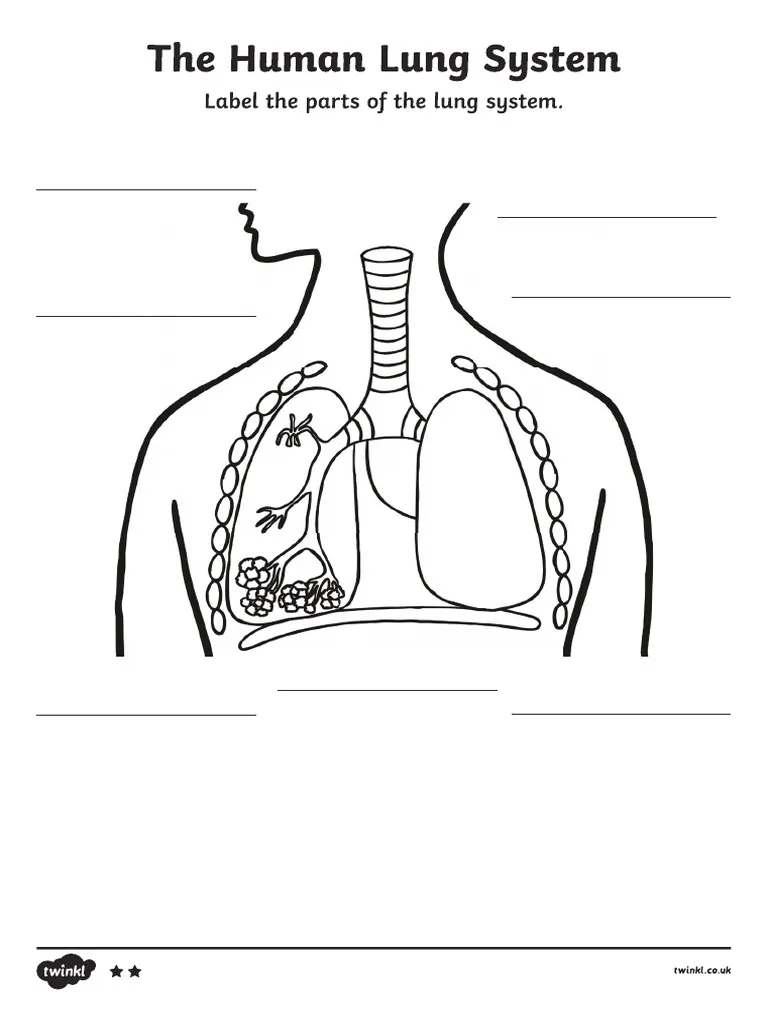
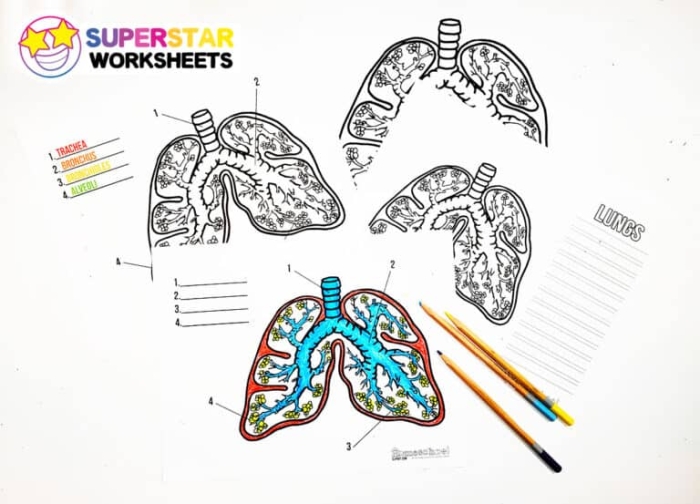
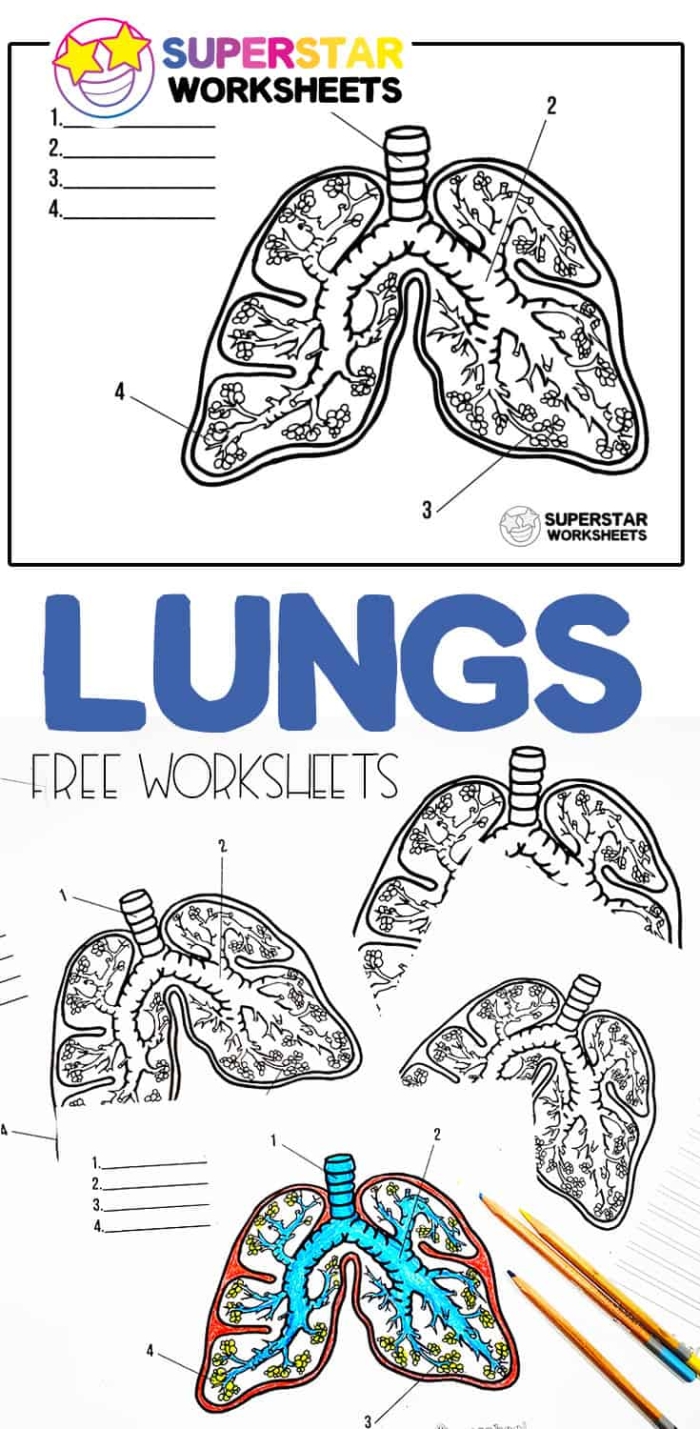
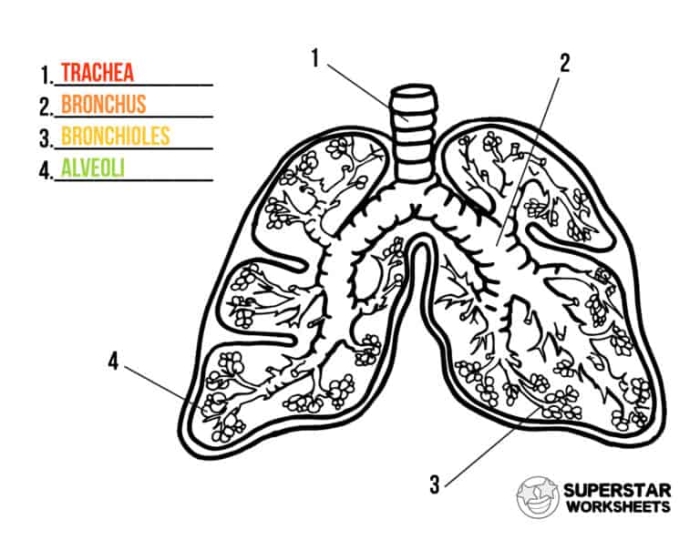
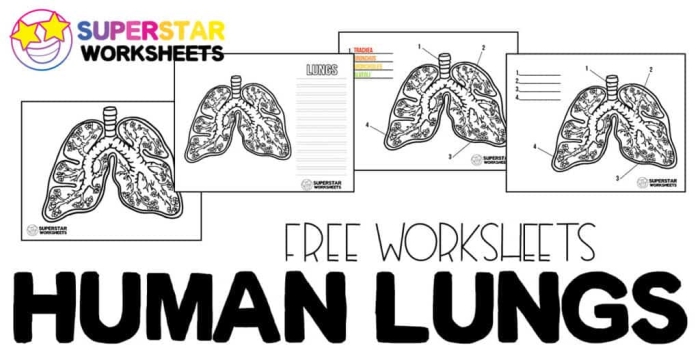
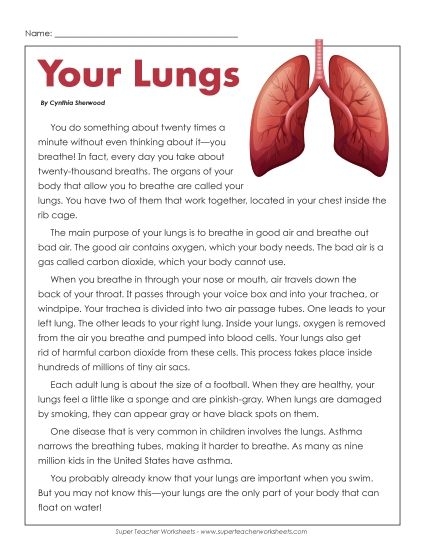
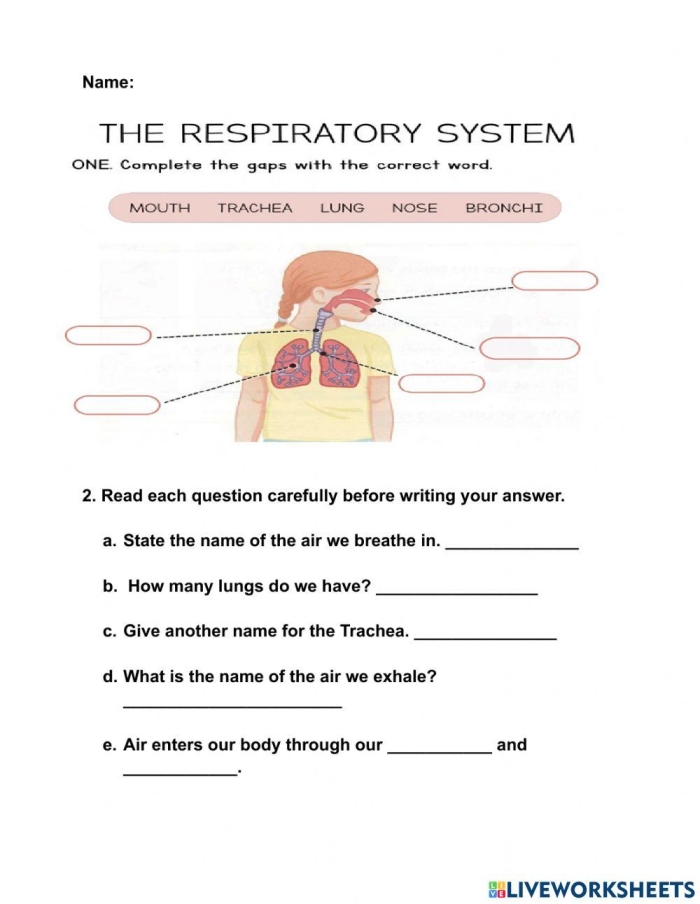
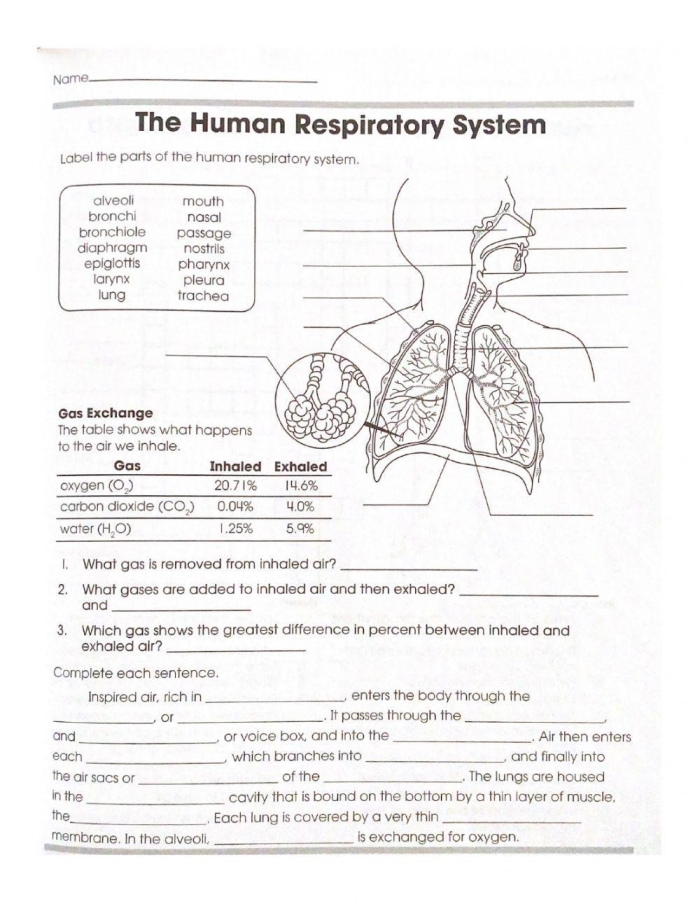
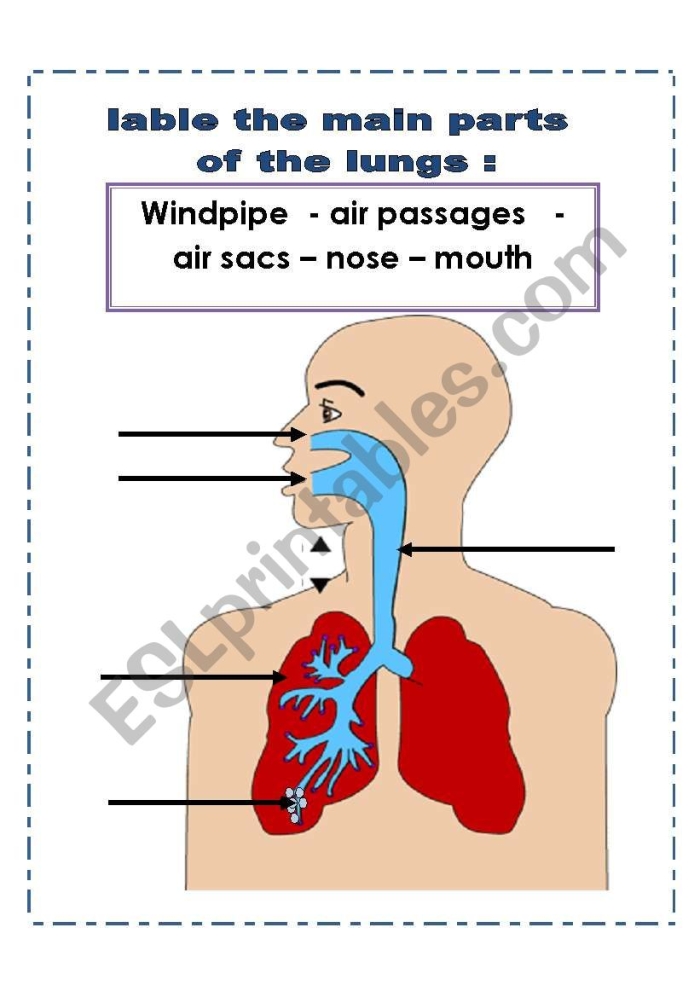
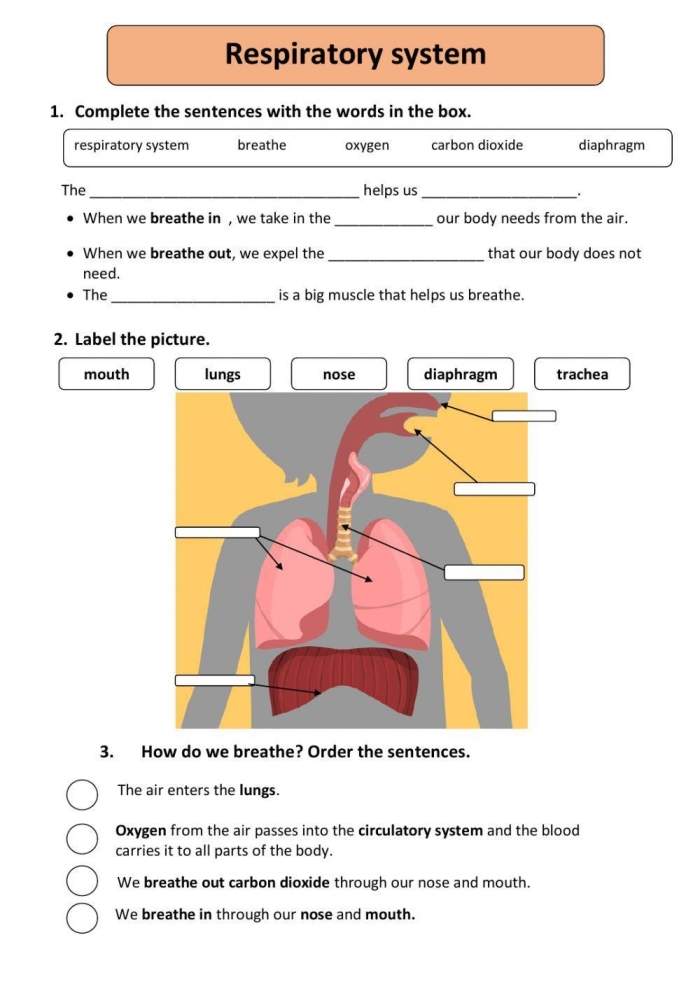
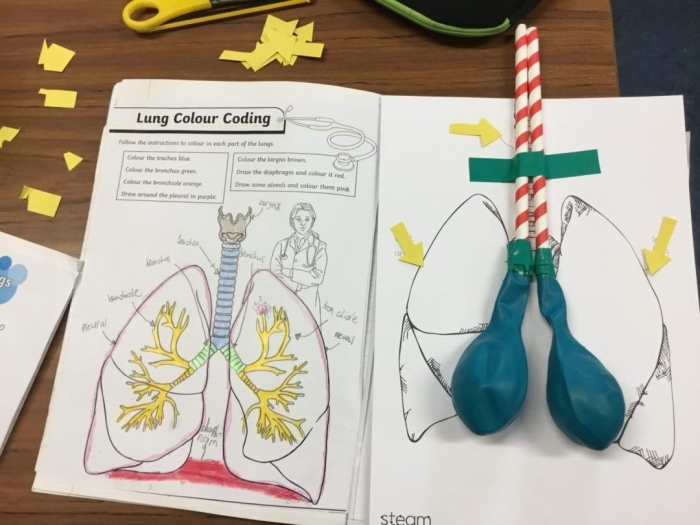
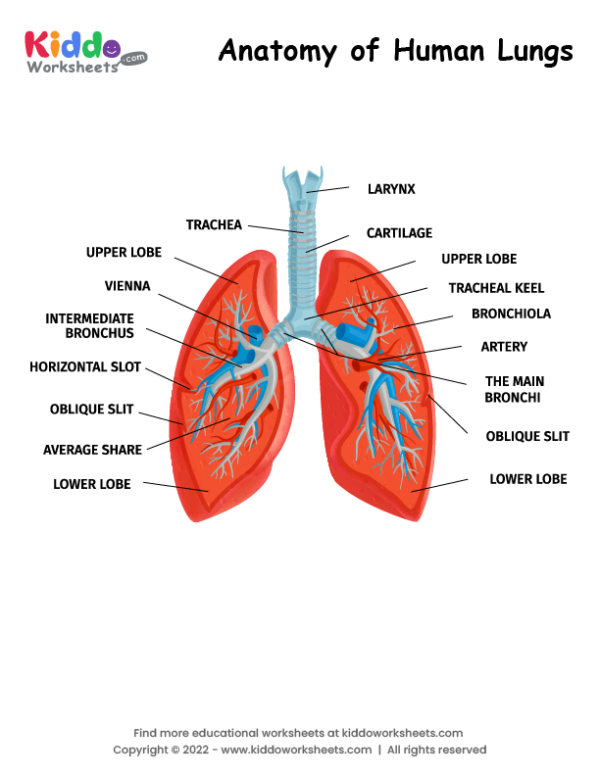
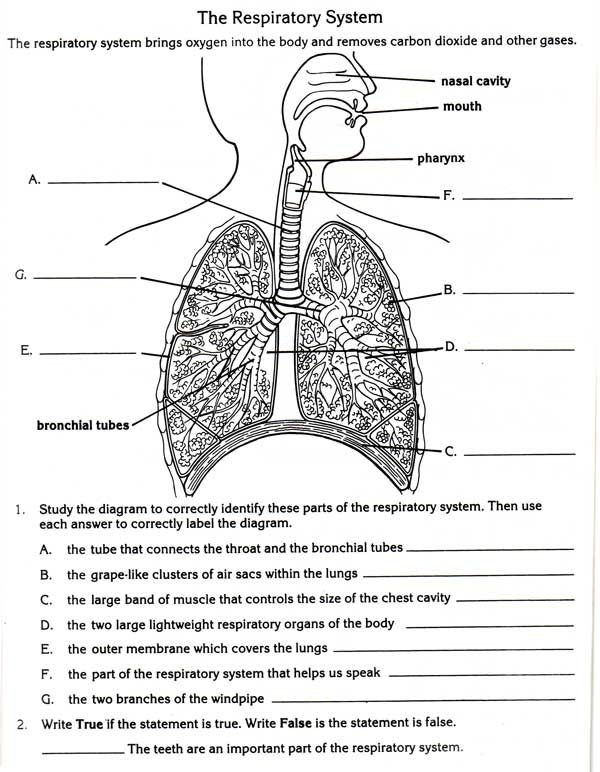
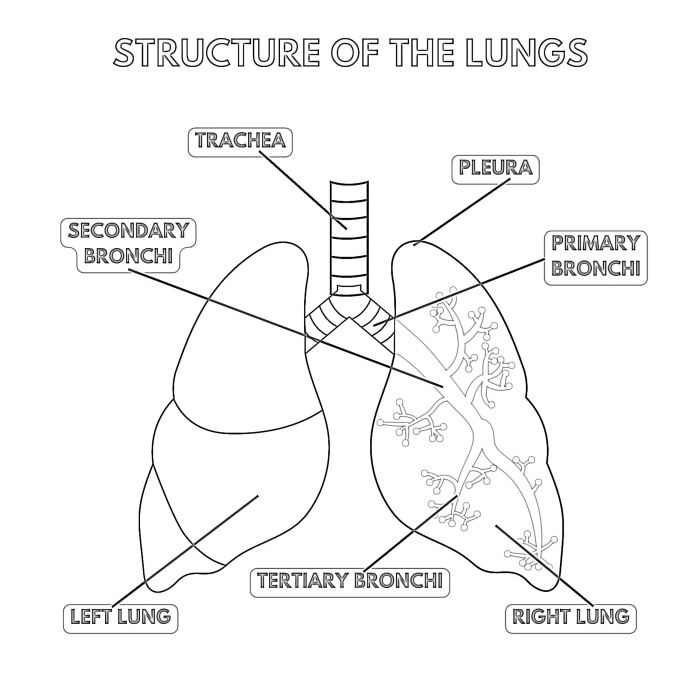
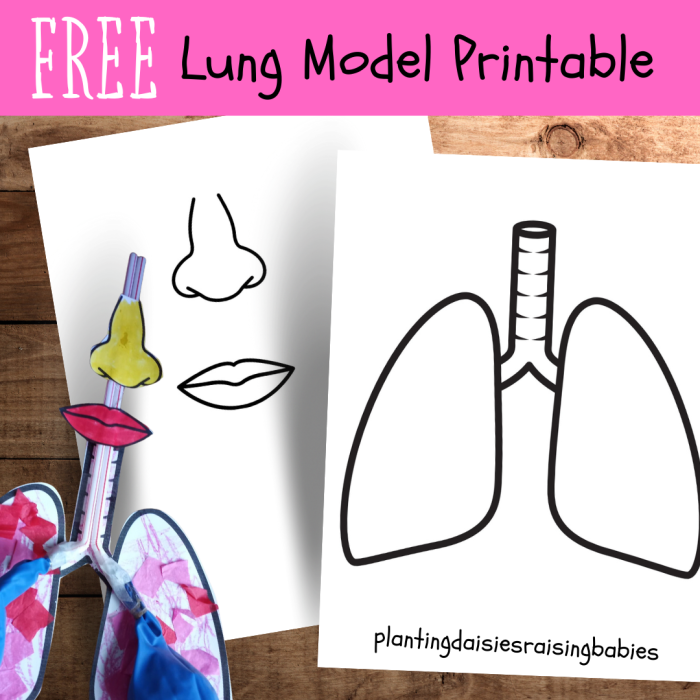
Healthy lungs depend on understanding how they work, and that understanding starts with knowing the parts. When kids learn the names and functions of the trachea, bronchi, alveoli, and diaphragm, they gain real insight into how breathing keeps their bodies running. A labeled diagram showing these components transforms anatomy from abstract concept into something concrete they can visualize and remember.
The alveoli are tiny air sacs where oxygen enters the bloodstream, and they’re the reason lung health matters so much. When these structures stay clear and functional, oxygen flows efficiently to every cell. Damage from smoking, pollution, or infection reduces how well the alveoli can do their job. Fifth grade students learning about the human respiratory system through geometry-based activities can see how the lung’s branching structure follows patterns found in nature, making the lesson stick better than memorization alone.
Word scrambles paired with labeled diagrams create an engaging way to reinforce learning. When students unscramble terms like “bronchioles” or “diaphragm” while looking at where these parts appear on the diagram, they’re building vocabulary and spatial awareness simultaneously. This hands-on approach works especially well for visual learners who need to see the connection between a word and its location on an actual anatomical illustration.
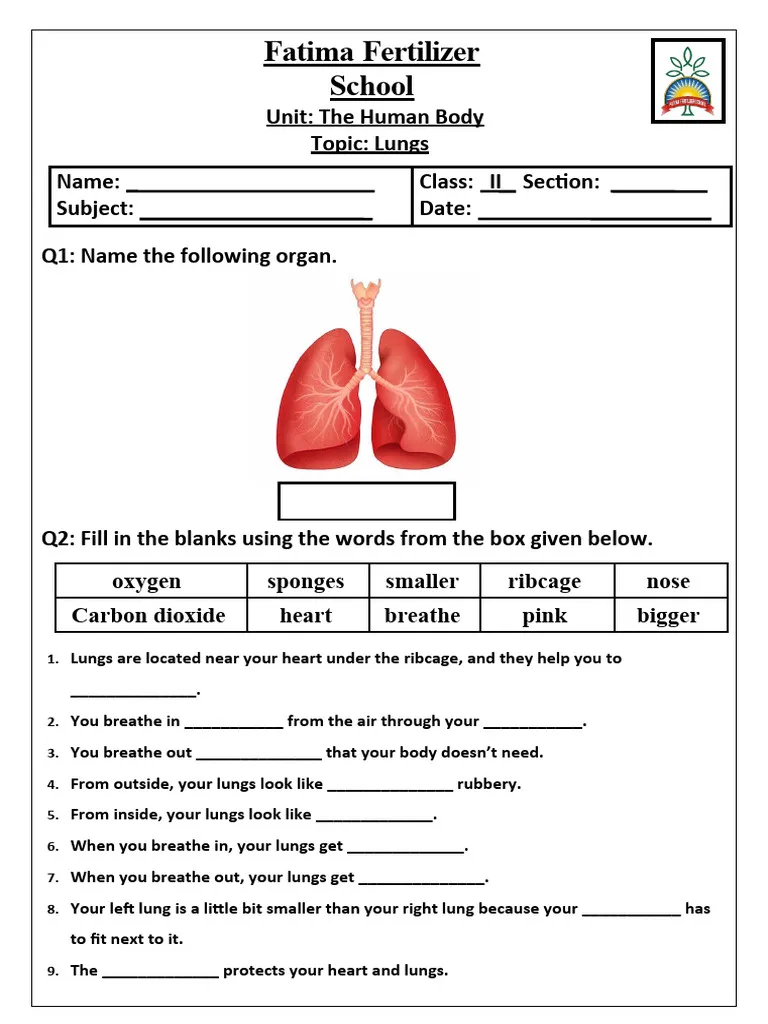
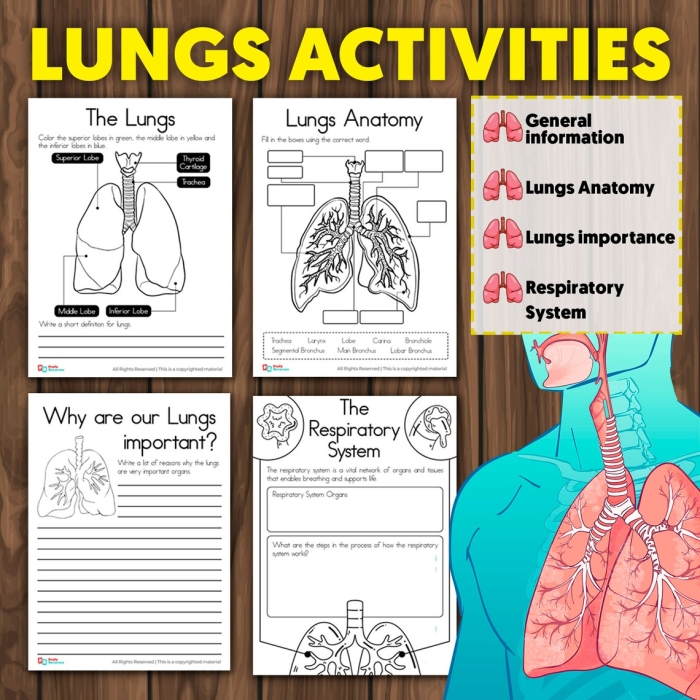
Keeping lungs healthy requires avoiding irritants, staying active, and breathing clean air. Students who understand lung anatomy early develop better habits around respiratory health. Worksheets that combine labeled diagrams with word puzzles make learning about the human lungs engaging rather than tedious. Teachers often find that adding interactive elements like these increases retention significantly compared to traditional textbook reading.
For educators looking to expand respiratory lessons, pairing lung worksheets with other science topics creates richer learning experiences. Connecting biology to human impact and environmental science helps students see how lung health connects to larger ecological systems.
Hands-On Worksheet Activities