The long A sound trips up plenty of first graders, but once kids nail the pattern in words ending like “tray,” the whole vowel system clicks into place. This specific word family opens a door to understanding how letters work together, and it’s one of the most reliable patterns to teach early readers.
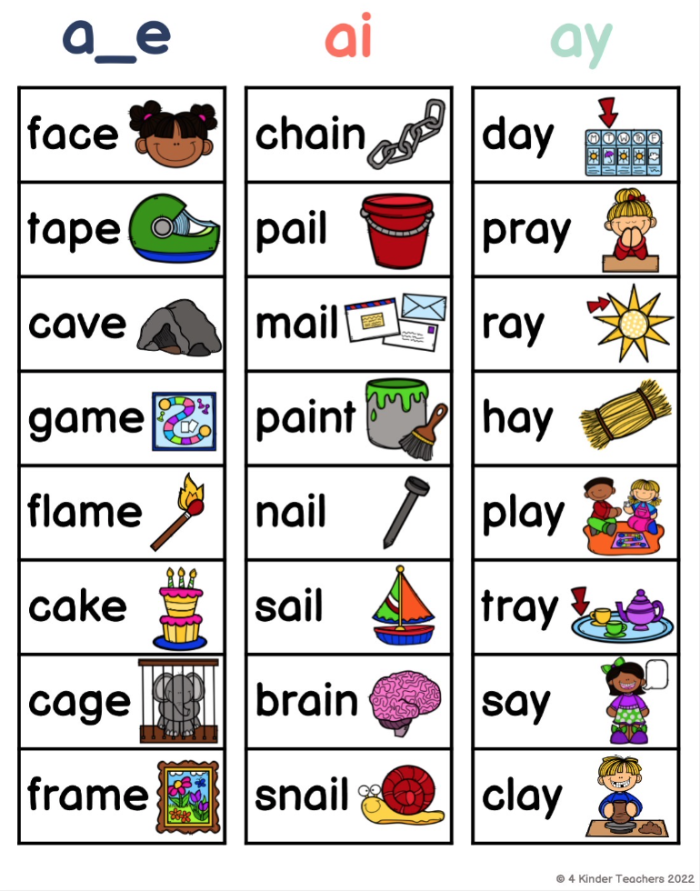
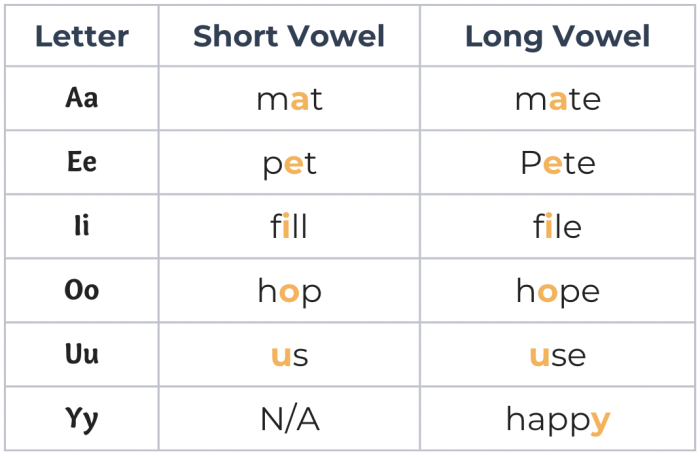
Words ending in the “ay” combination represent one of the clearest examples of the long A sound. When children see “tray,” “play,” “gray,” and “stay,” they’re looking at a predictable pattern where the A says its name rather than the short sound in “cat” or “mat.” This consistency makes it easier for first graders to apply the rule across dozens of new words without memorizing each one individually.
Practice with reading and writing these words serves multiple purposes. When kids read words ending in “ay,” they strengthen their ability to recognize letter combinations and decode unfamiliar words. Writing reinforces the connection between sound and symbol, cementing the pattern in their memory. A first grader who can spell “play” and “clay” has internalized a rule they can transfer to “spray,” “sway,” and “display.”
The history of phonics instruction shows that teaching word families, rather than isolated letters, produces faster results. First grade teachers have relied on this approach for decades because it works. Kids don’t just learn individual words; they develop a system for reading and writing that extends far beyond the classroom.
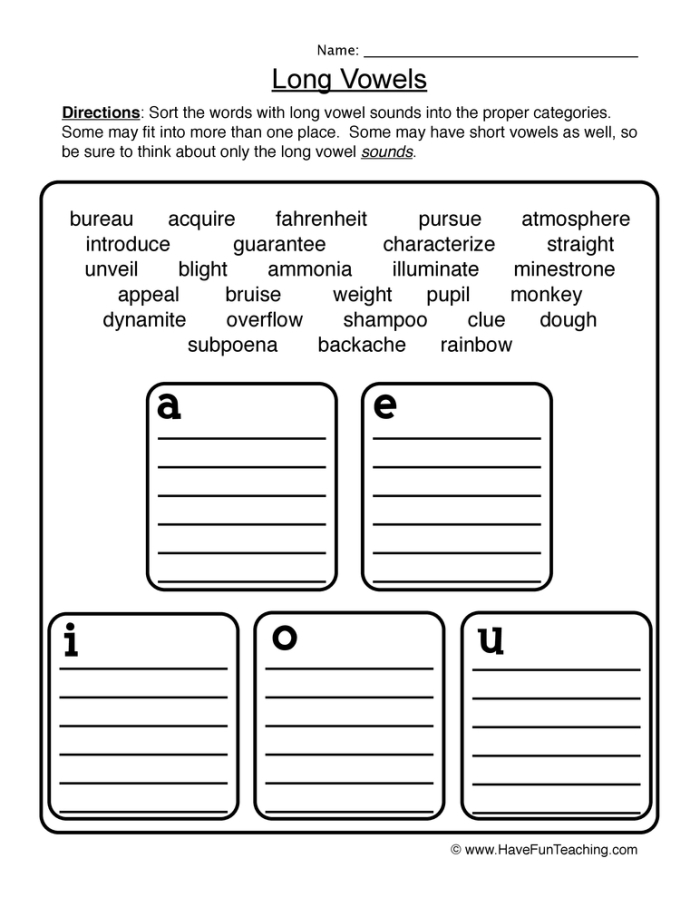
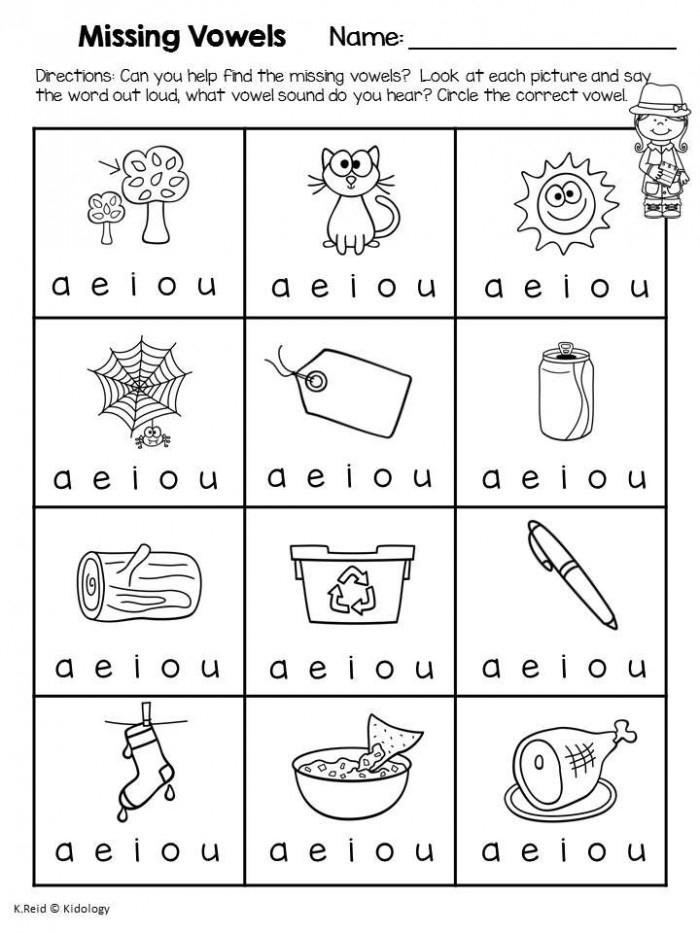
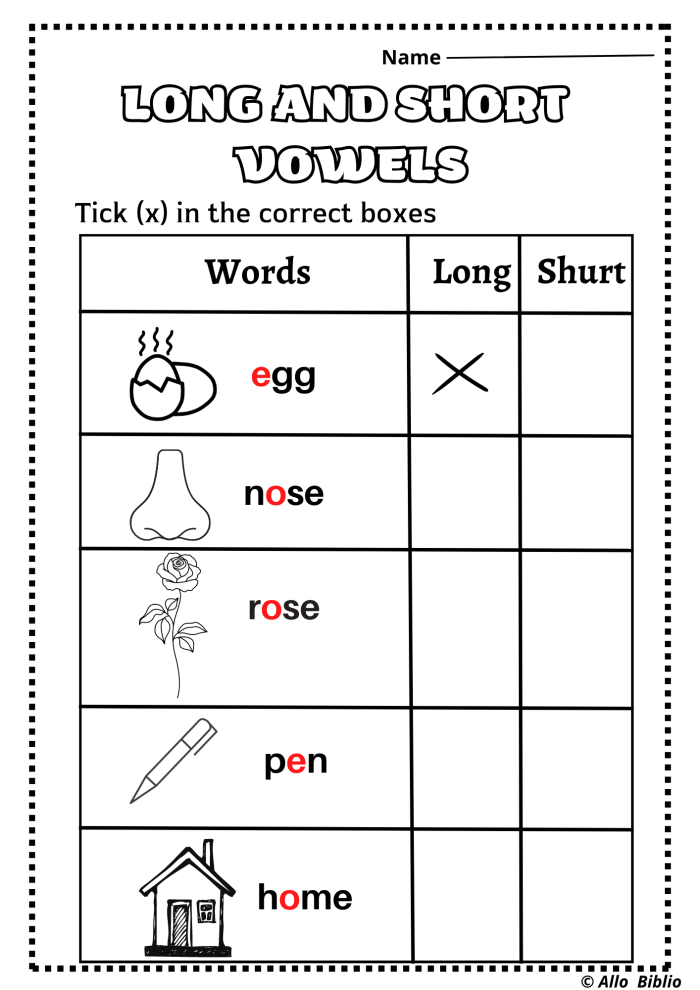
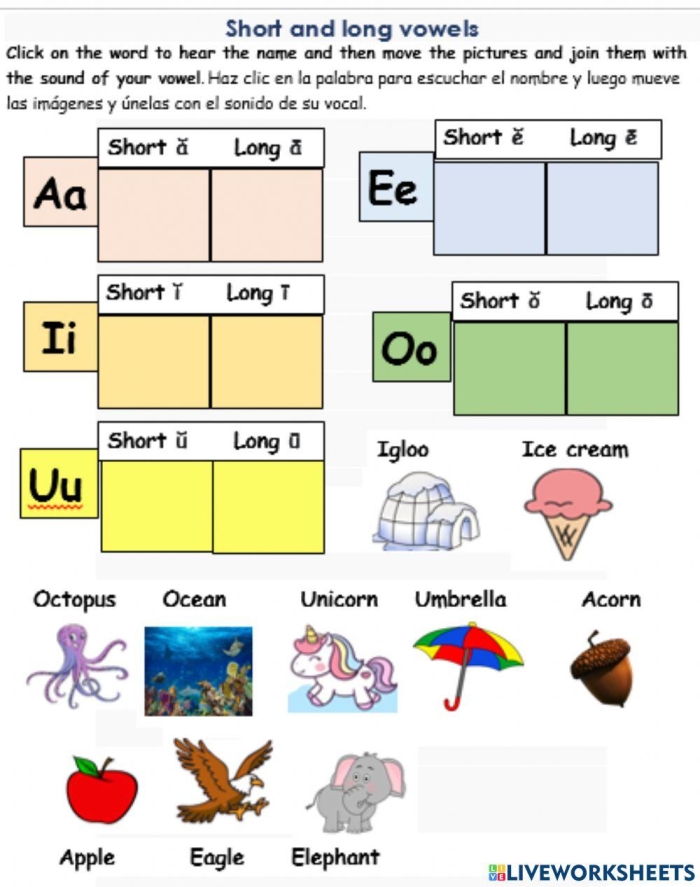
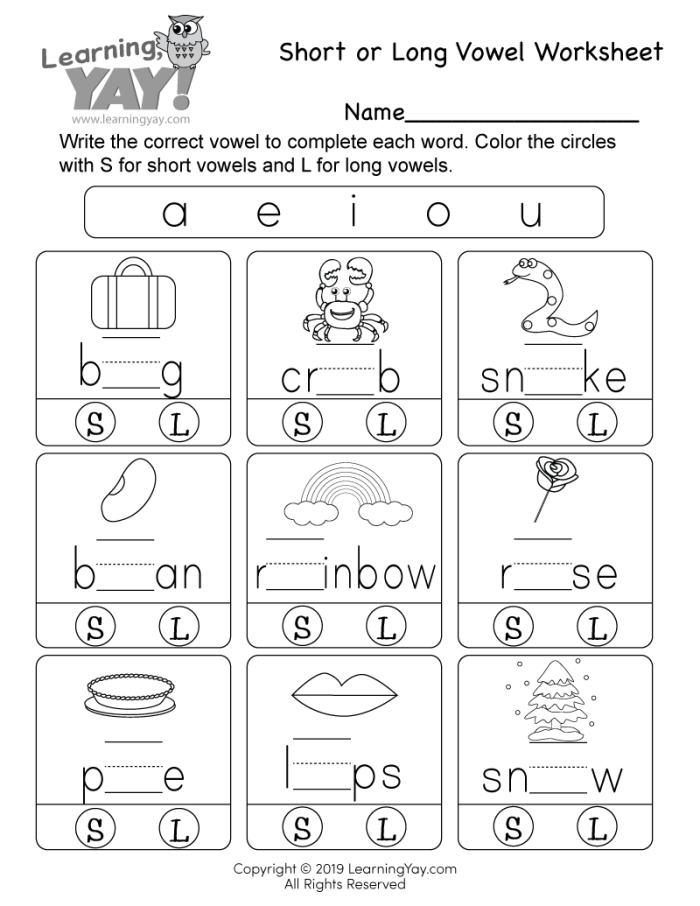
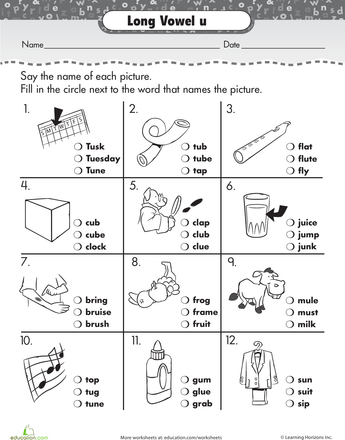
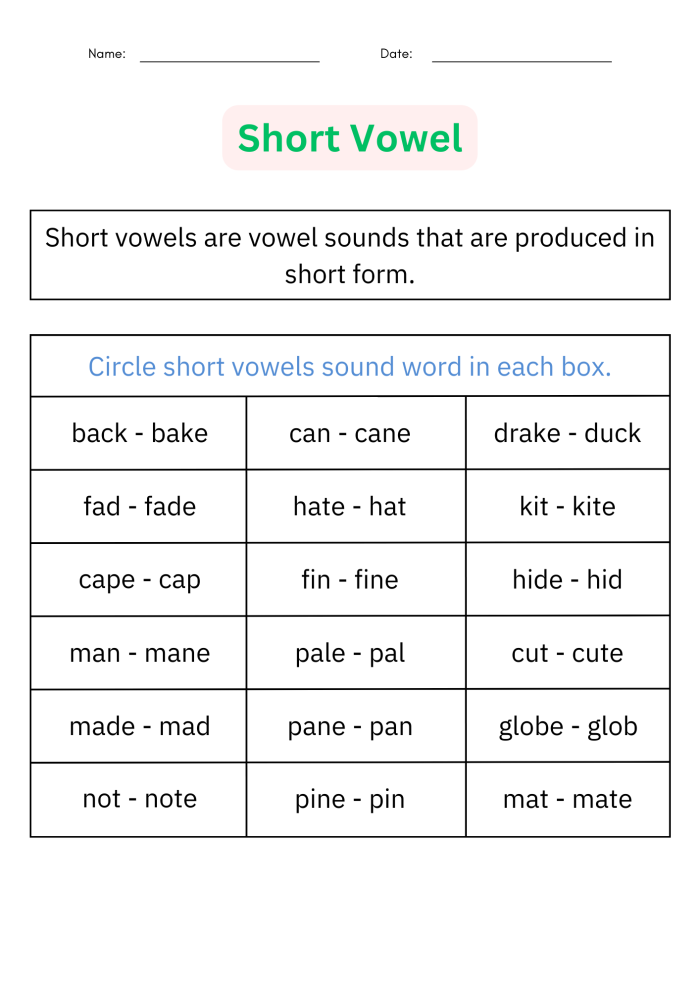
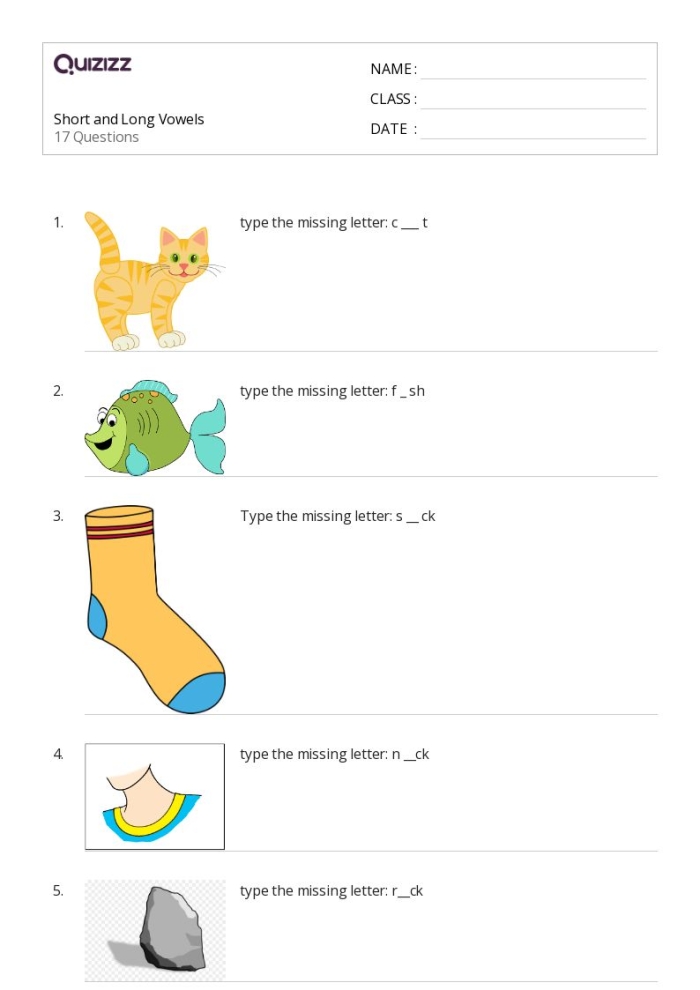
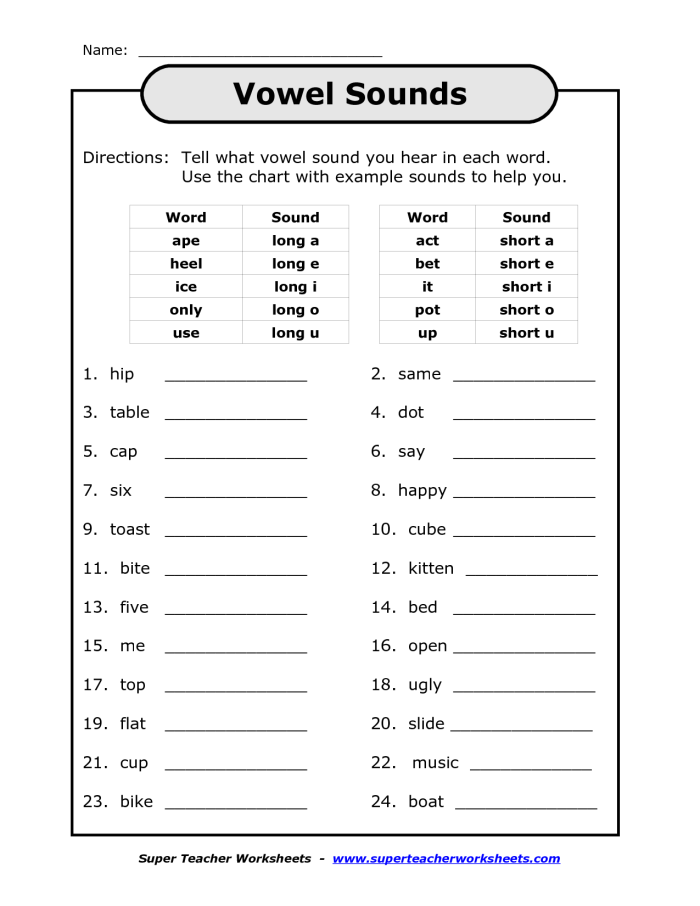
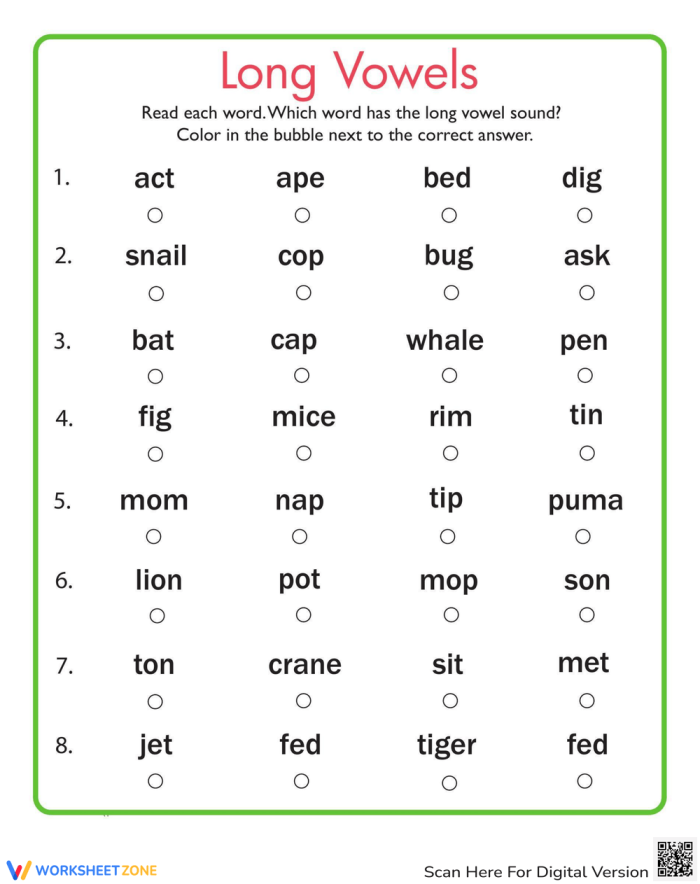
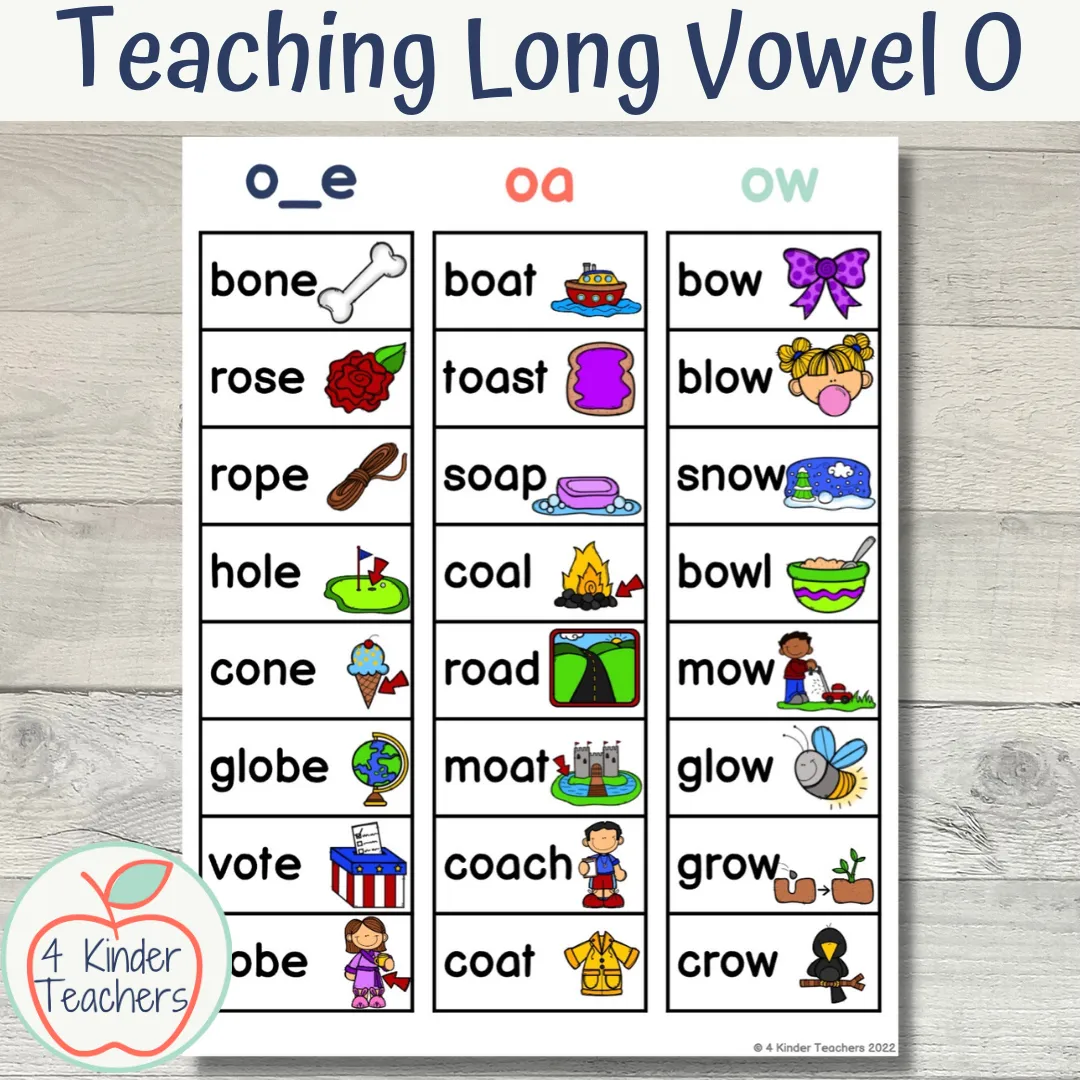
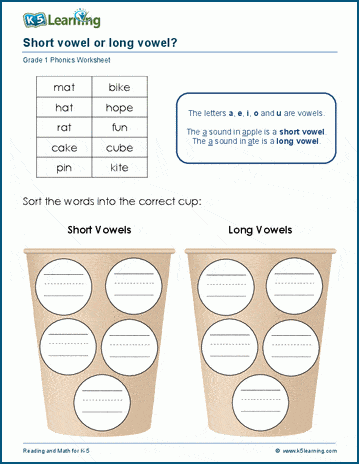
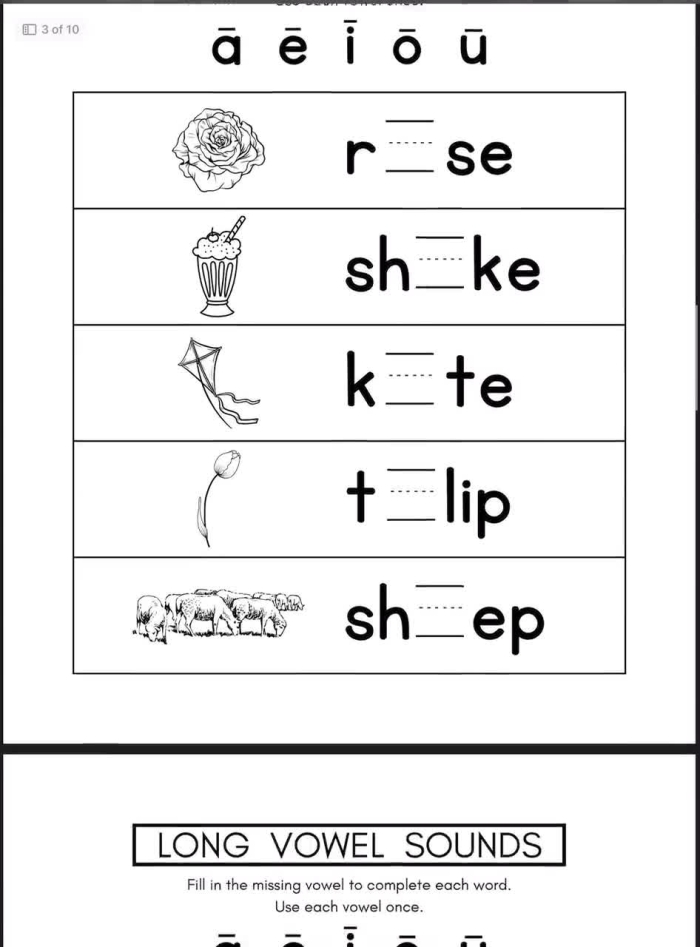
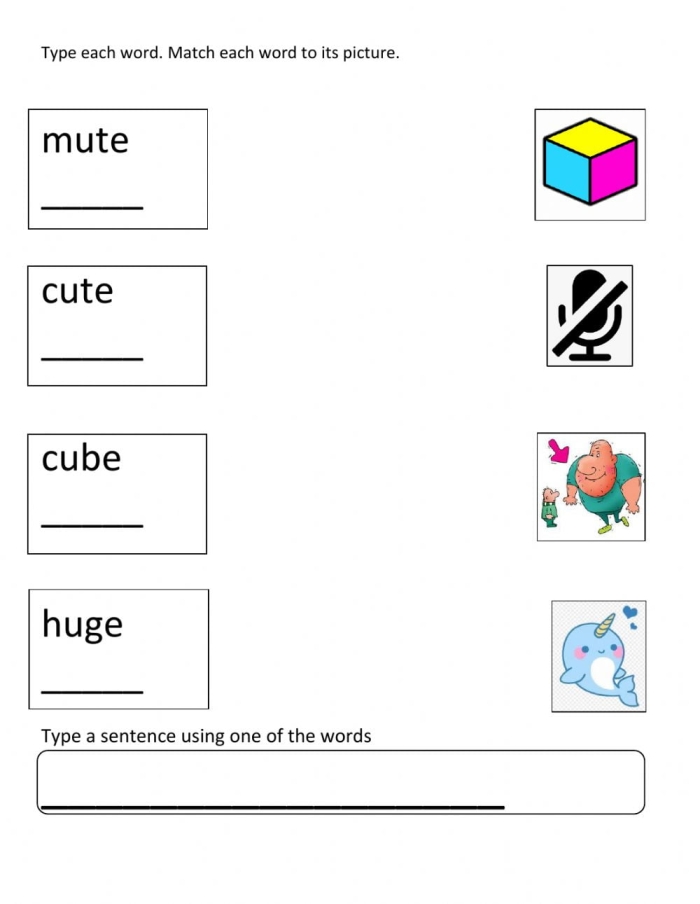
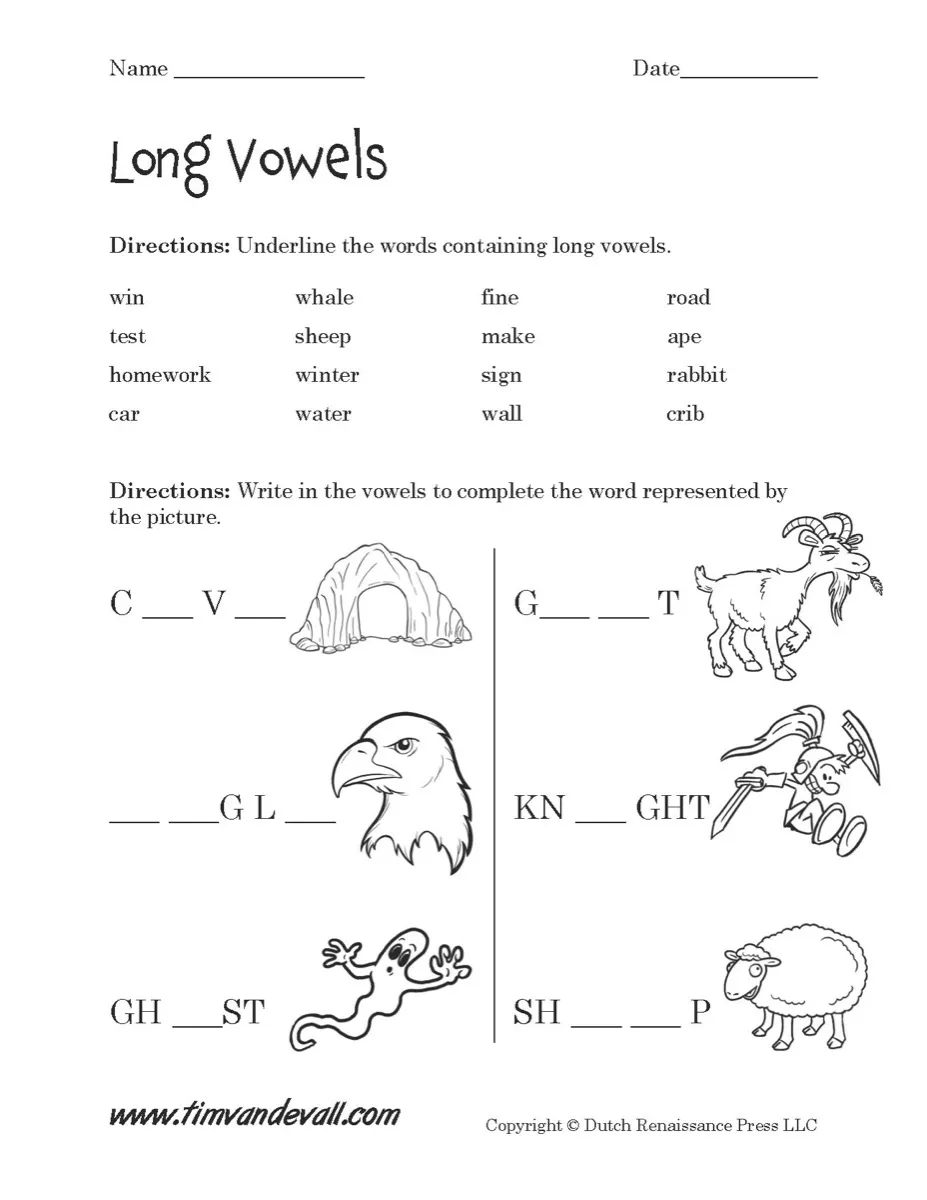
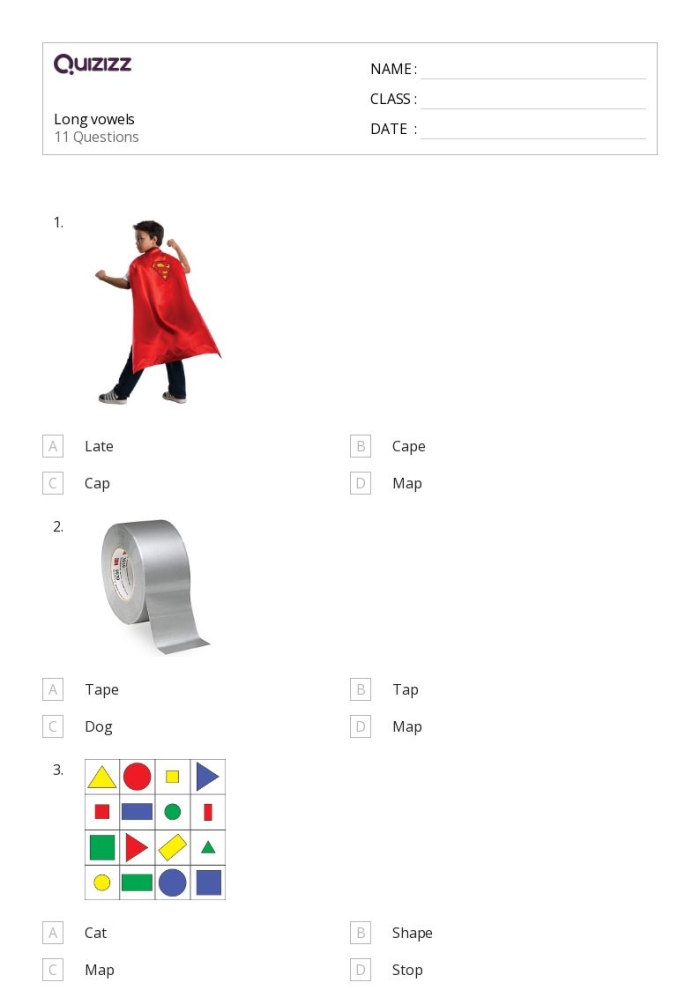
Worksheets focused on this pattern give students the repetition they need. Whether matching words to pictures, filling in missing letters, or writing sentences with “ay” words, these activities build automaticity. This foundation matters because fluent readers can focus on comprehension rather than decoding, which is where real learning happens.
Download These Worksheets for Practice