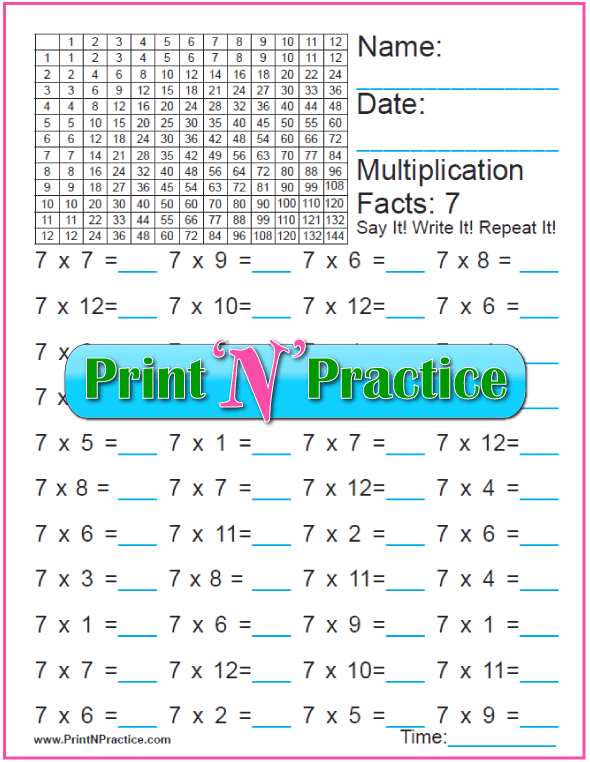
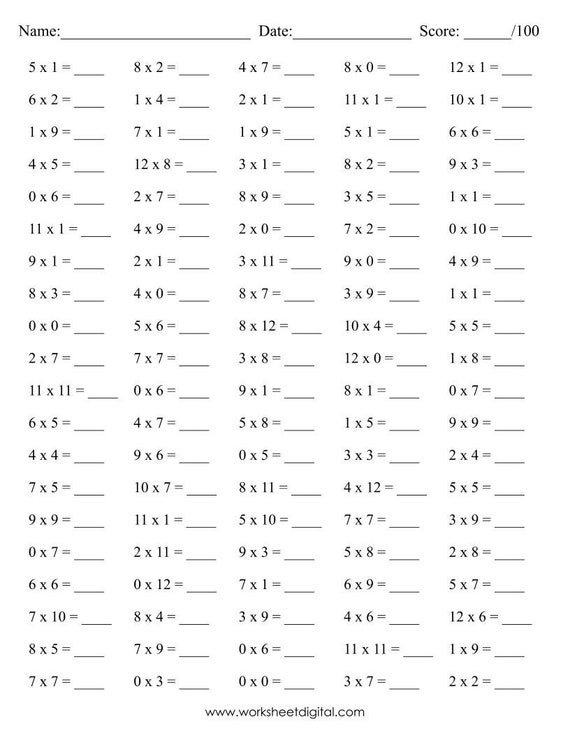
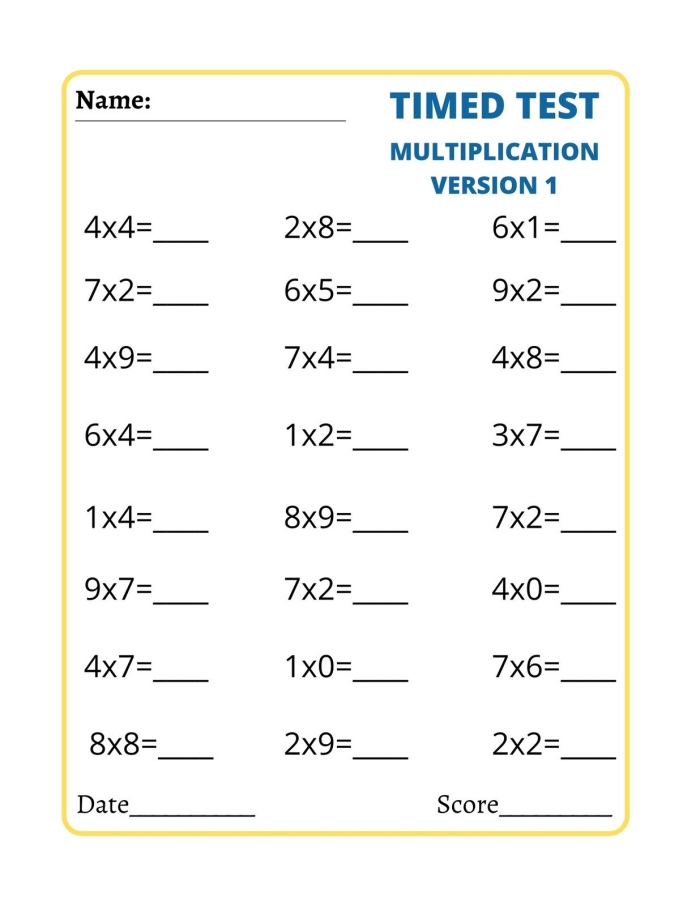
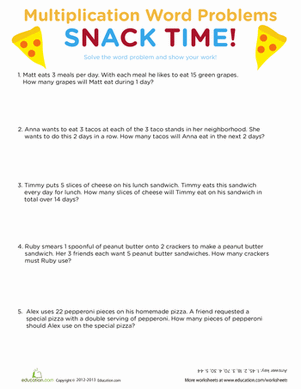
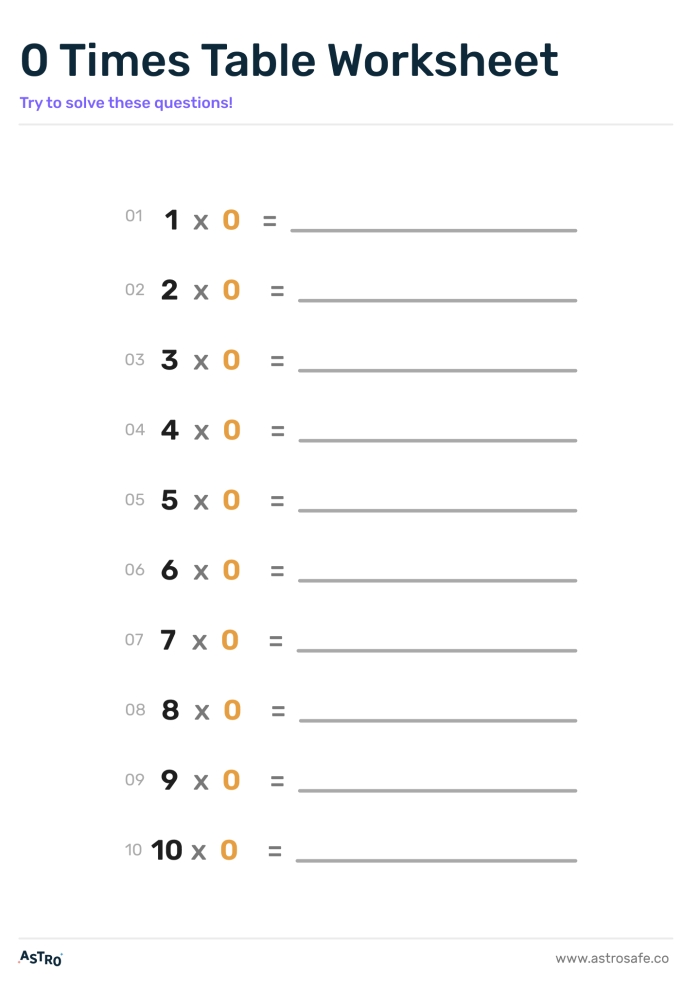
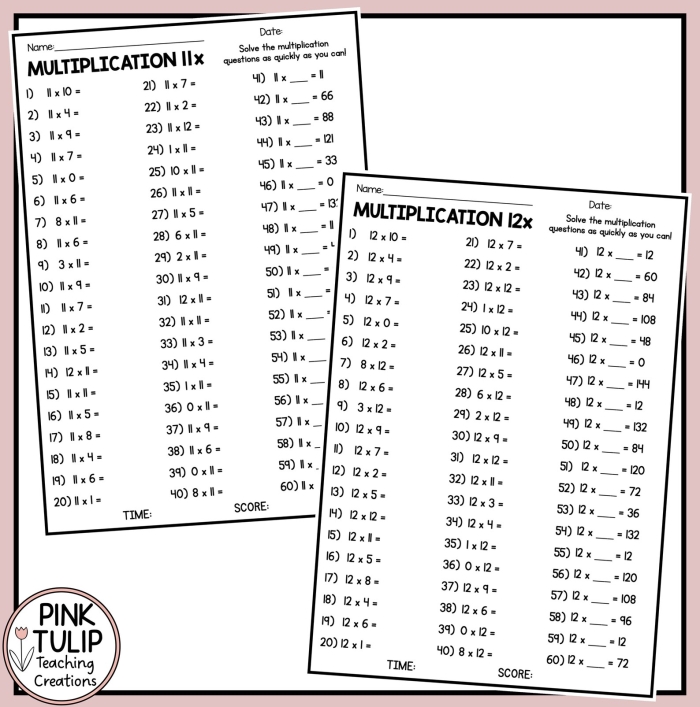
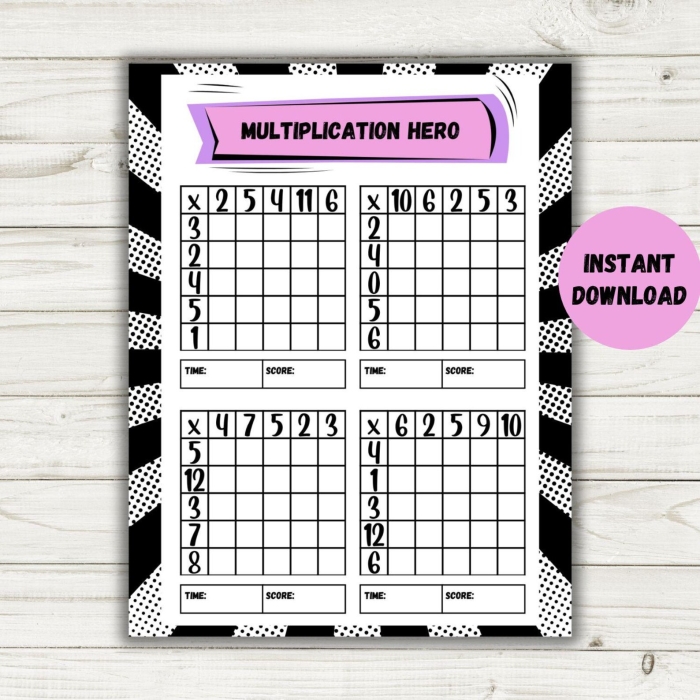
When third grade students encounter multiplication word problems wrapped around relatable scenarios like snack time, something shifts in how they approach math. The combination of context and calculation transforms a dry times table drill into something that actually makes sense.
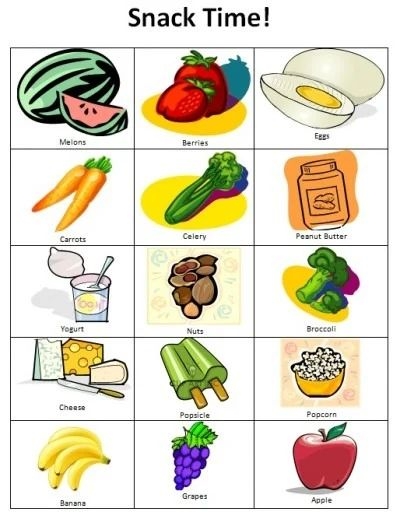
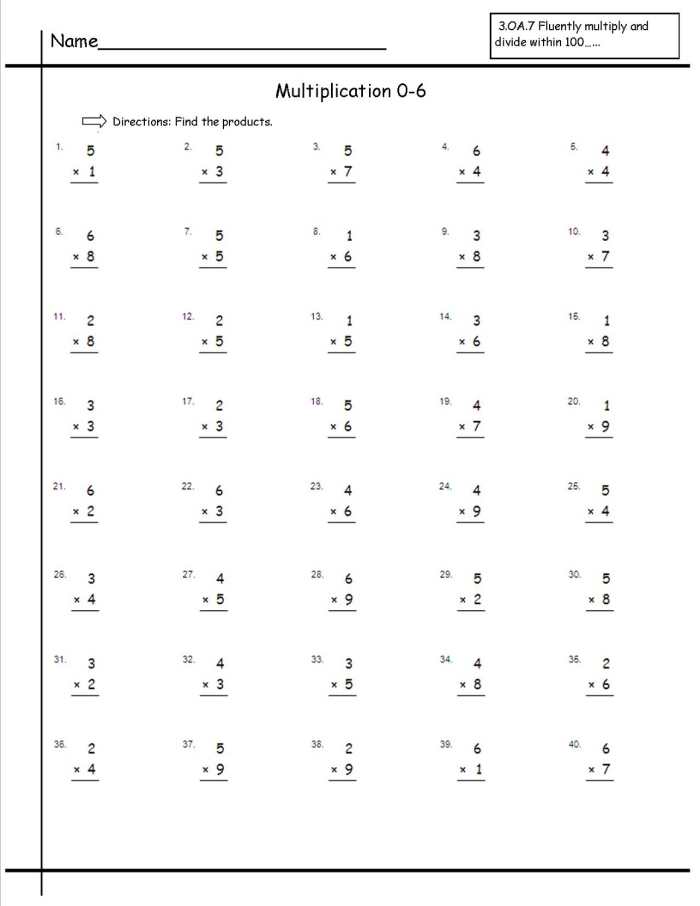
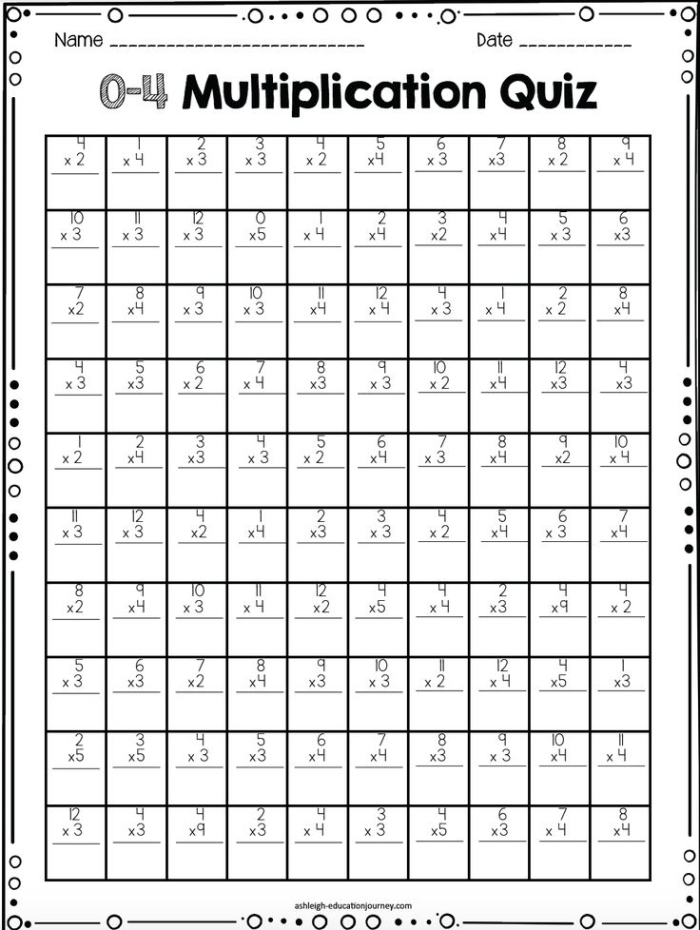
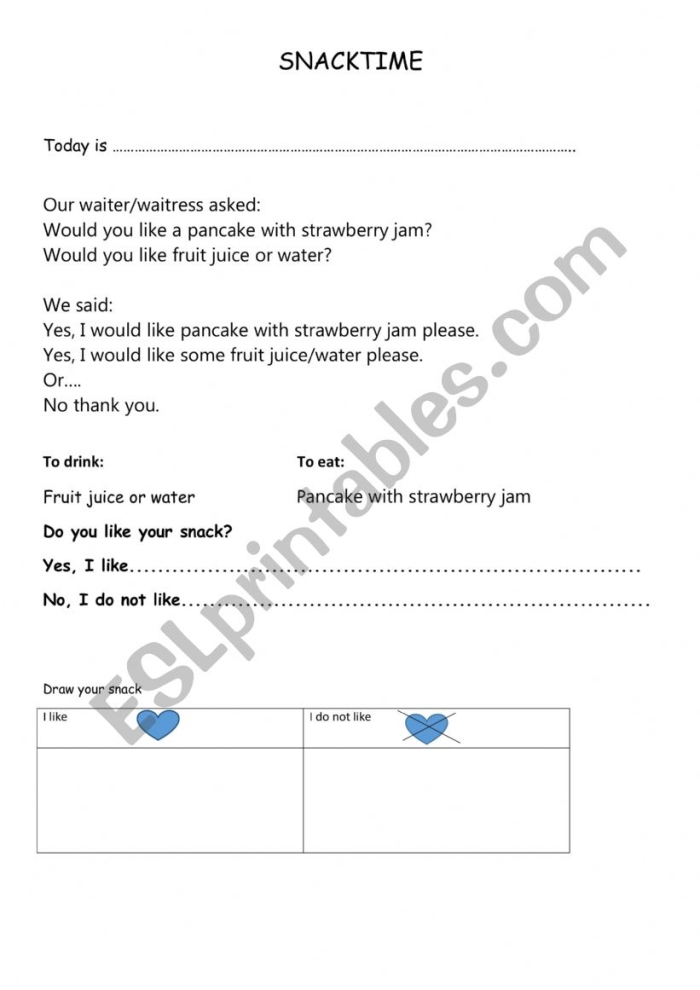
Printable snack time multiplication worksheets tap into a simple truth: kids engage more deeply with problems that connect to their everyday lives. Rather than staring at abstract number pairs, students visualize sharing cookies, dividing fruit among friends, or calculating how many crackers fit in lunch boxes. This concrete foundation helps them understand why multiplication matters before they ever worry about memorizing facts.
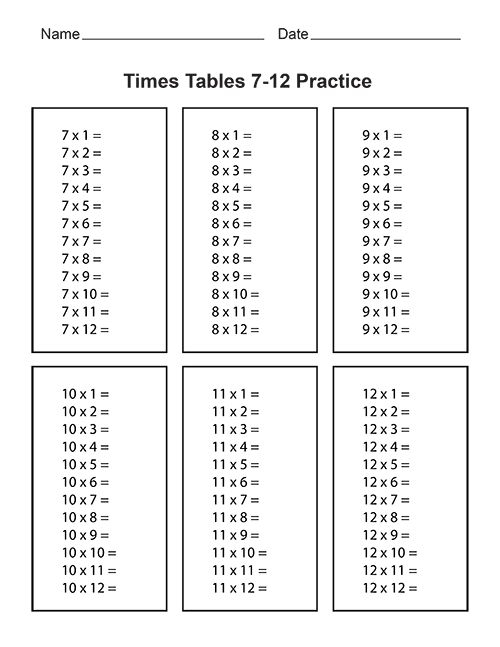
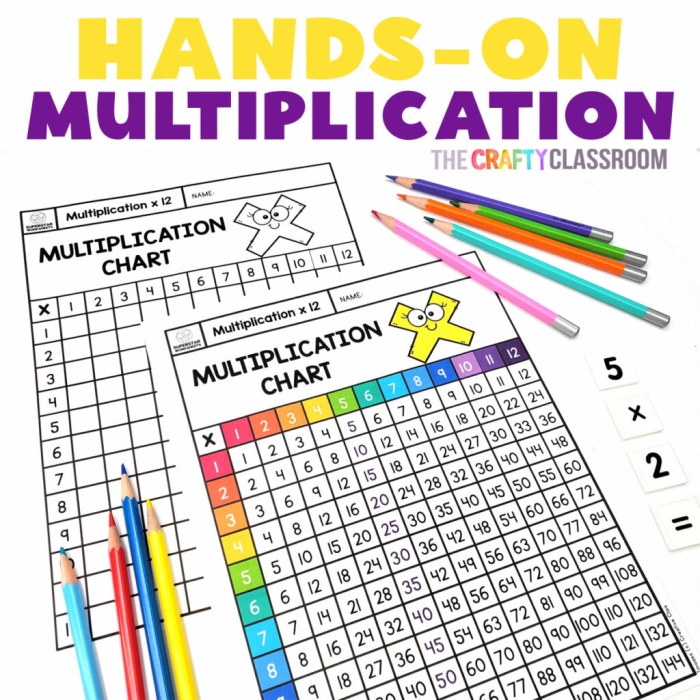
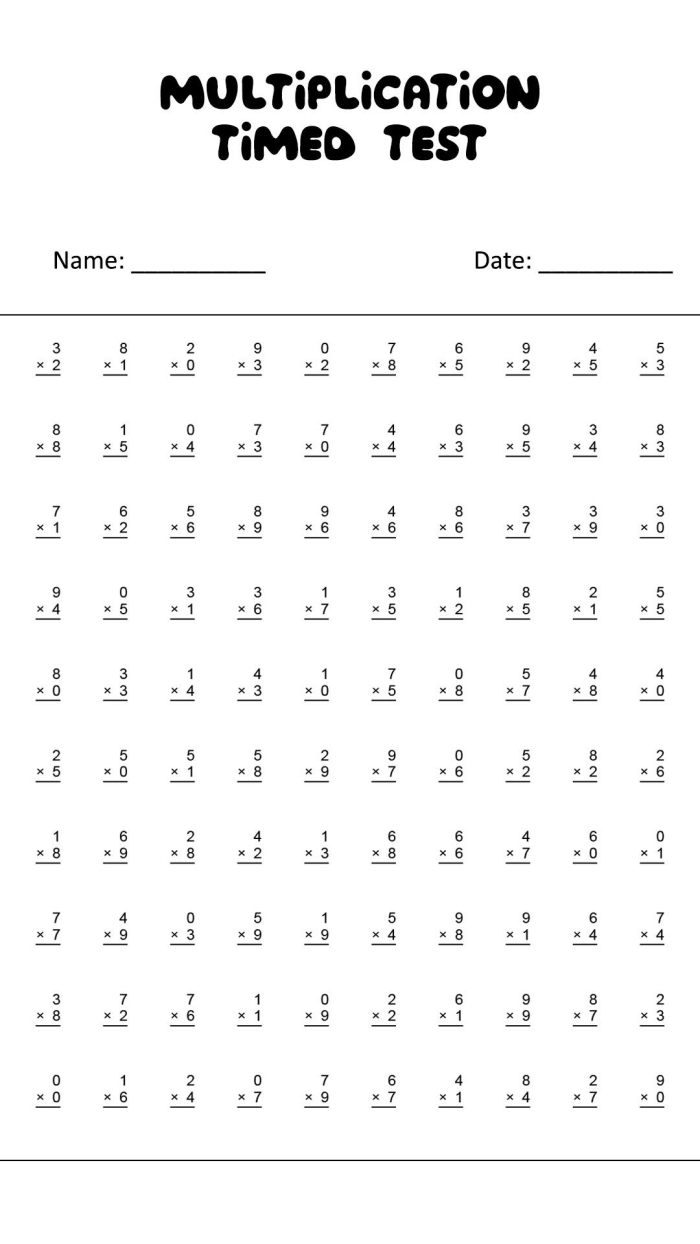
For third grade learners, these worksheets serve multiple purposes simultaneously. They reinforce times tables through repeated practice, but within a narrative framework that prevents the monotony of flash cards. The word problem structure also develops reading comprehension skills, which overlaps naturally with writing instruction when students create their own multiplication scenarios. This cross-curricular approach mirrors how educators increasingly blend math with literacy, similar to how informational reading comprehension worksheets integrate subject matter with language skills.
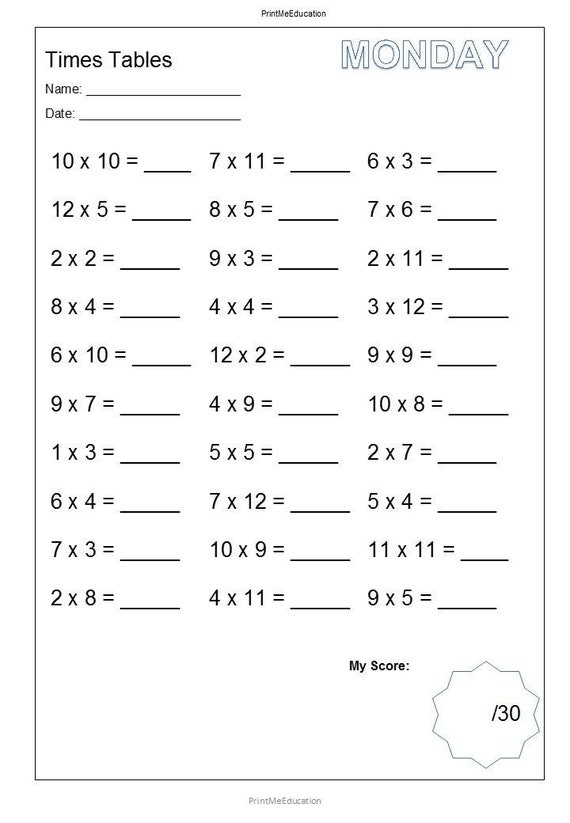
Double-digit multiplication introduces genuine complexity at this level. When a worksheet presents a problem like “If each snack bag contains 12 pretzels and you have 7 bags, how many pretzels total,” students must organize their thinking strategically. They can’t simply count on fingers anymore. They need to break numbers apart, multiply tens and ones separately, then combine results. This conceptual work builds the mental math foundation that carries forward through later grades.
The snack-themed approach also creates natural opportunities for extension activities. Students might calculate costs, compare quantities, or explore ratios with real food scenarios. What begins as basic multiplication practice opens into broader mathematical thinking and problem-solving strategies that feel purposeful rather than forced.
Worksheet Practice Section