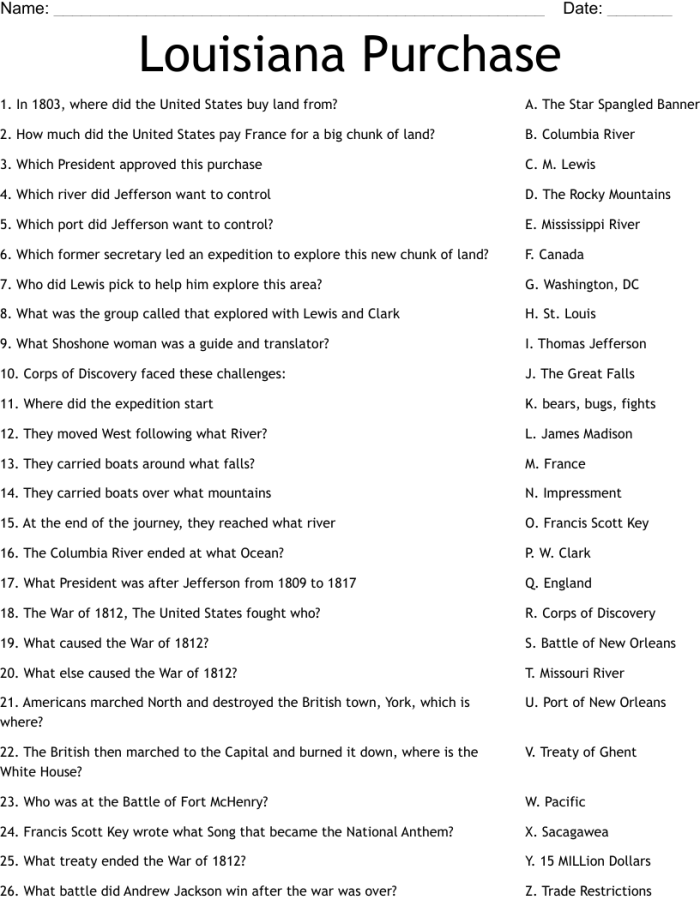
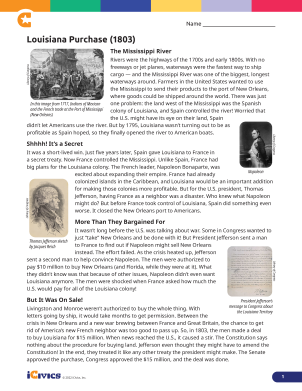
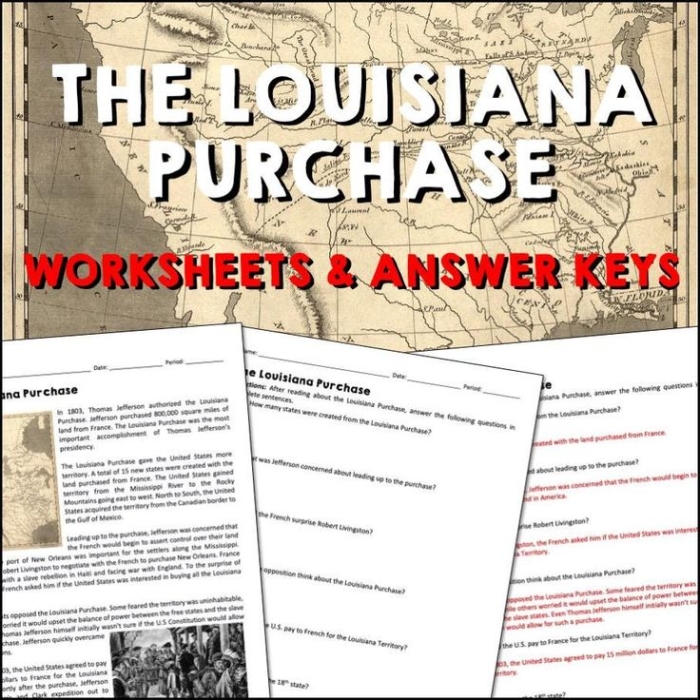
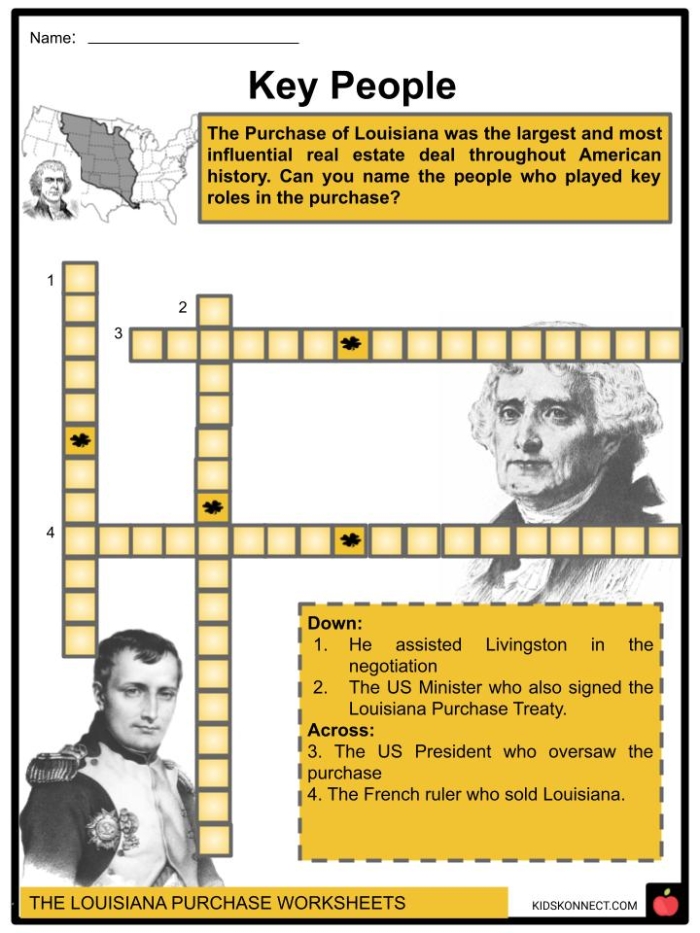
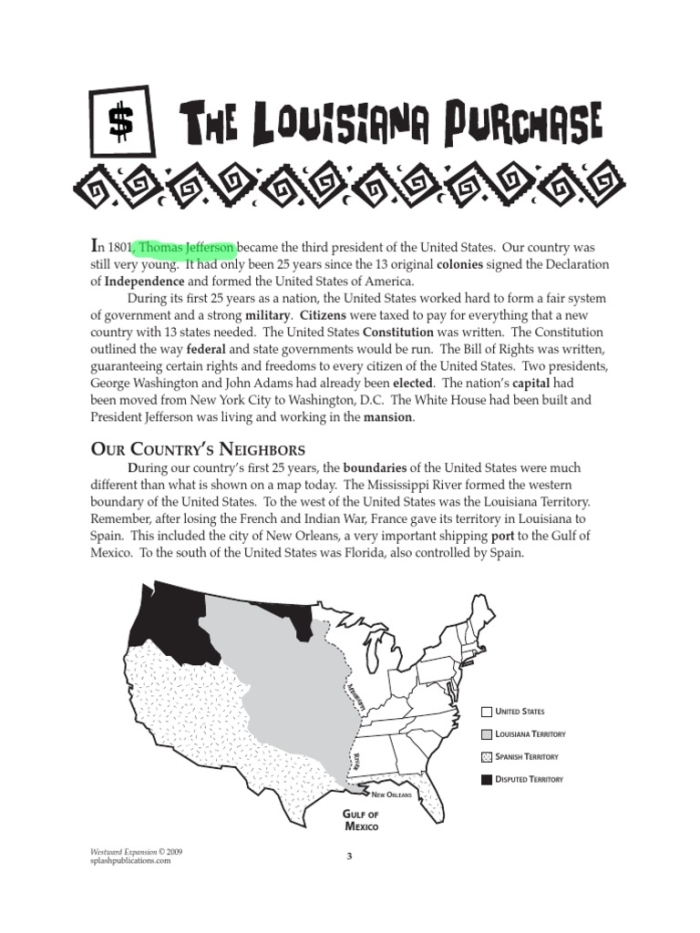
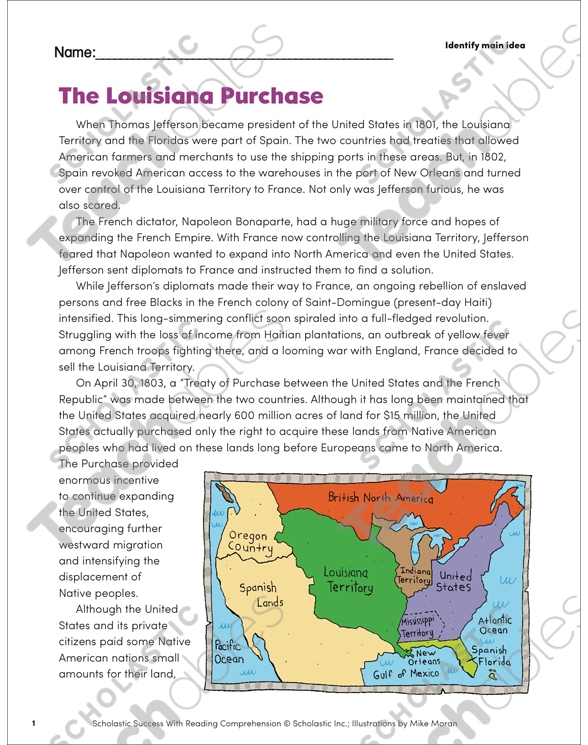
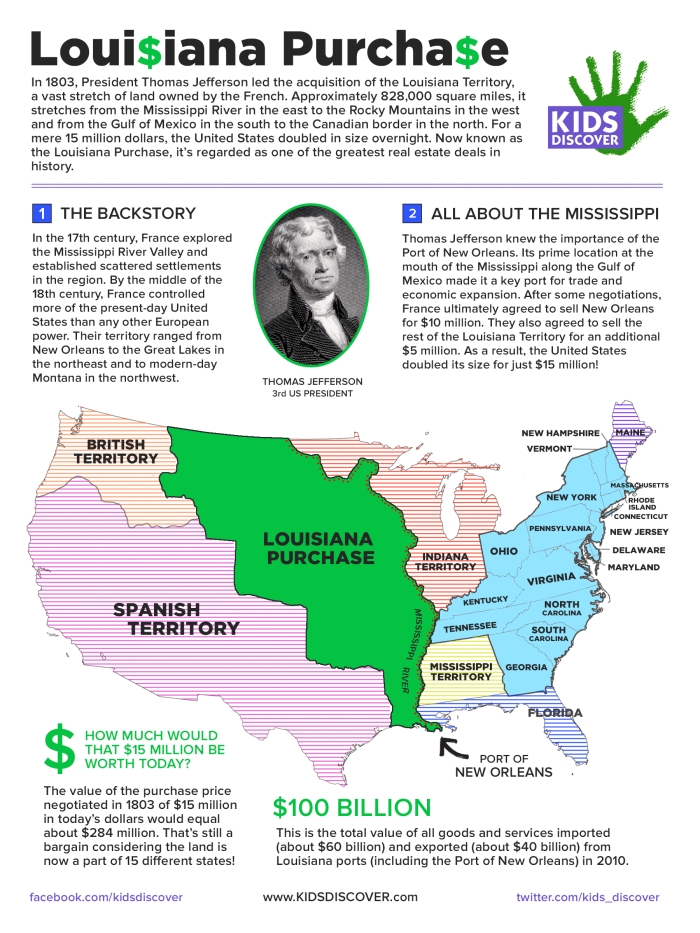
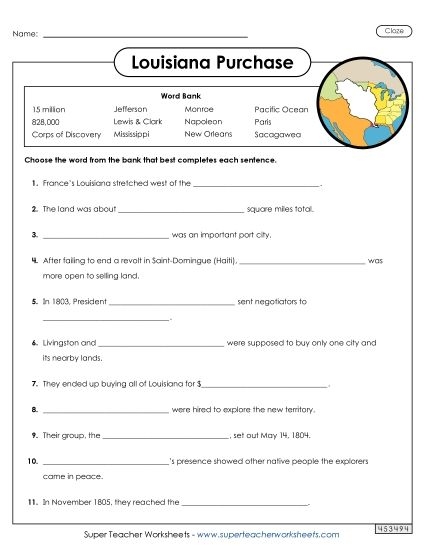
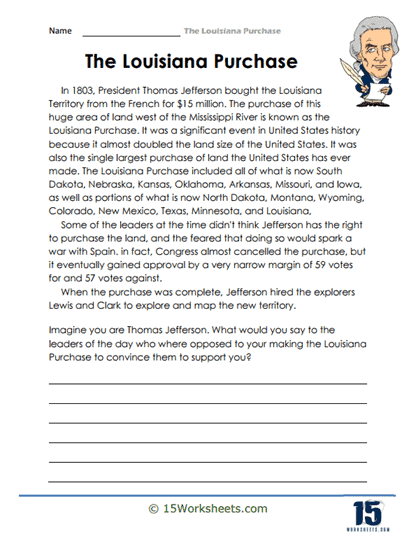
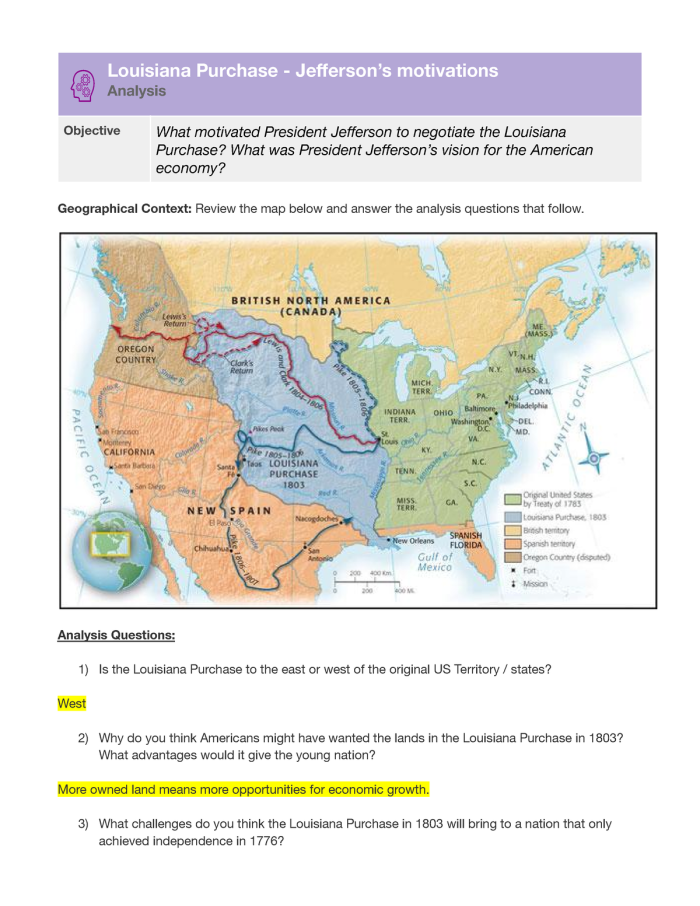
The Louisiana Purchase stands as one of the most pivotal real estate transactions in American history, and it offers fifth graders a perfect entry point into understanding how geography shapes national destiny. When Thomas Jefferson authorized the purchase of roughly 828,000 square miles from France in 1803 for $15 million, he fundamentally altered the course of the young nation. This single event connects directly to map skills, territorial expansion, and the numbers that made it all possible.
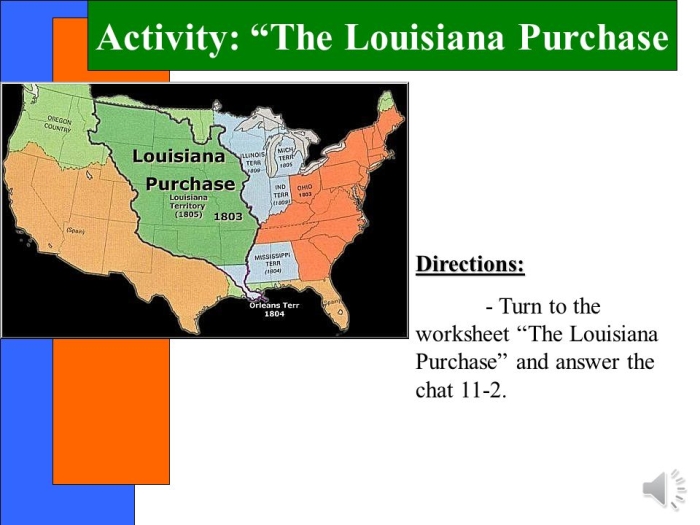
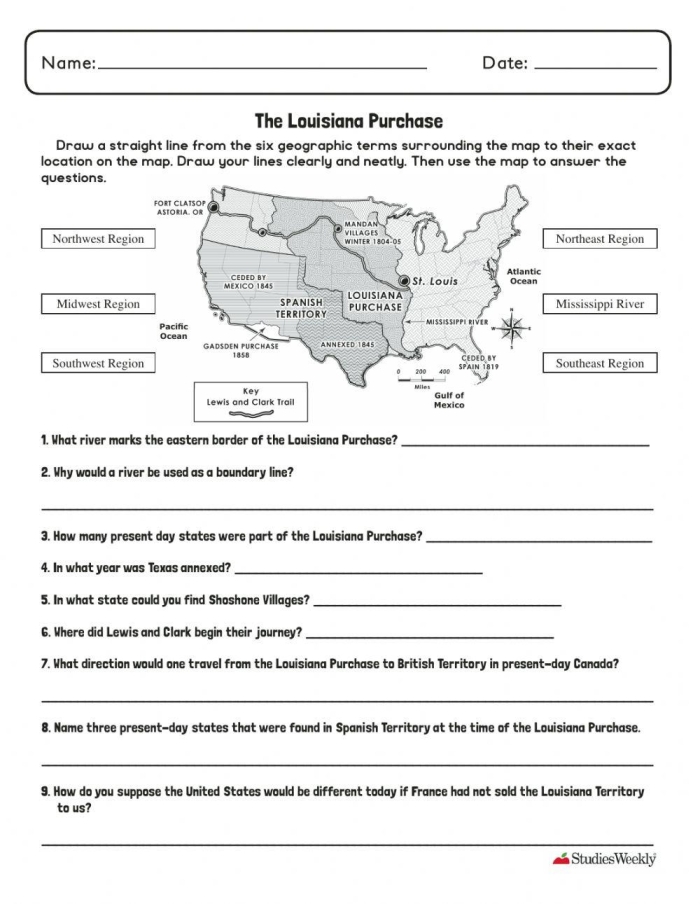
What makes the Louisiana Purchase so effective for teaching is how it weaves together multiple subjects naturally. Students learn that the purchase doubled the nation’s size, requiring them to work with large numbers and geographical concepts simultaneously. They can trace the boundaries of the new territory on maps, understand which states emerged from this land, and grasp why controlling the Mississippi River mattered so much to American commerce and growth.
For fifth graders working through Numbers and Counting activities, the Louisiana Purchase provides real context. Students calculate the cost per acre, compare the territory’s size to existing states, and explore the dimensions of this massive land acquisition. These aren’t abstract math problems but questions rooted in actual historical events.
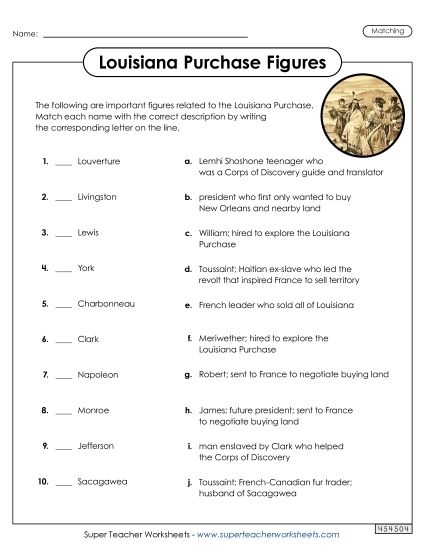
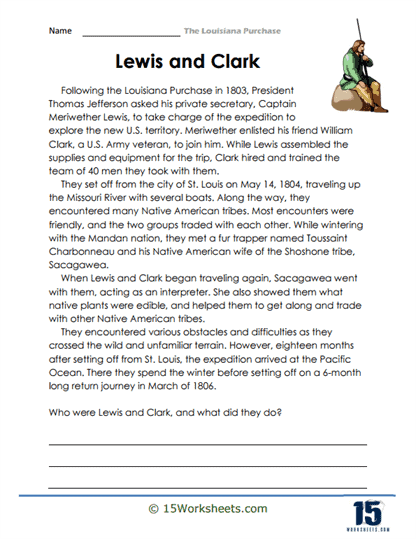
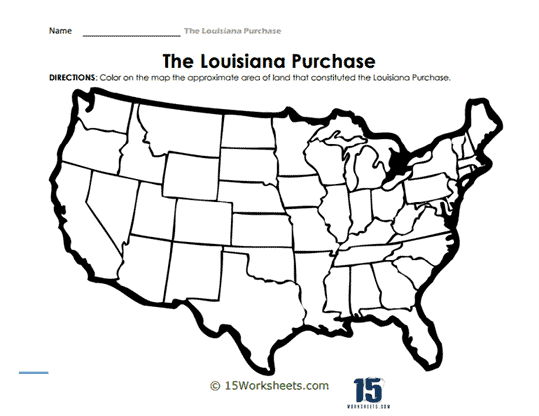
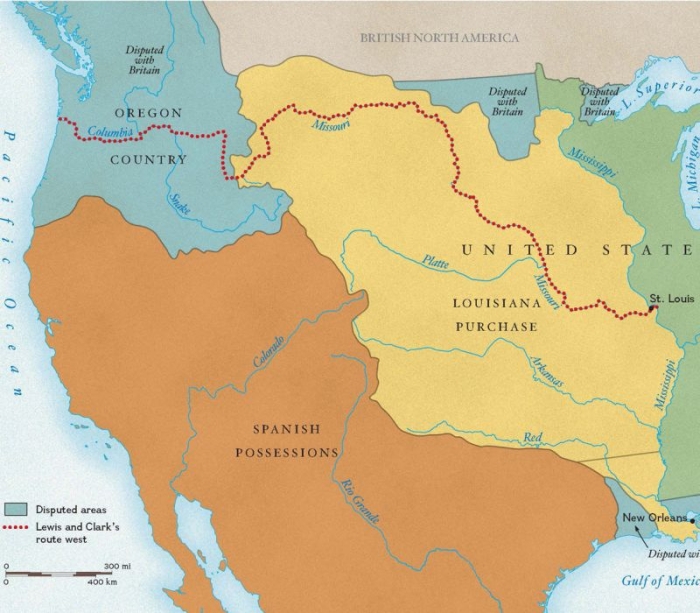
Hands-on activities work best here. Students can mark the original thirteen colonies on one map, then overlay the Louisiana Purchase territory to visualize the expansion. They can research which explorers like Lewis and Clark ventured into these new lands and what they discovered. Creating timelines that show events before and after 1803 helps students understand cause and effect in history.
The beauty of this approach is that geography becomes inseparable from history. Rivers, mountains, and distances all mattered to how America developed. When students understand that the Mississippi River was the economic lifeline of the nation, they grasp why Jefferson considered this purchase essential. History stops being dates to memorize and becomes a story about land, resources, and growth.
Try These Printable Worksheets