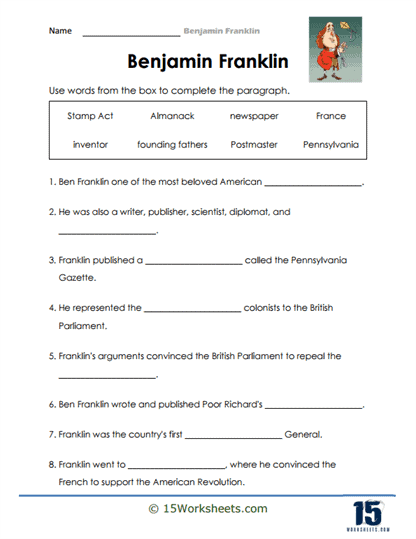
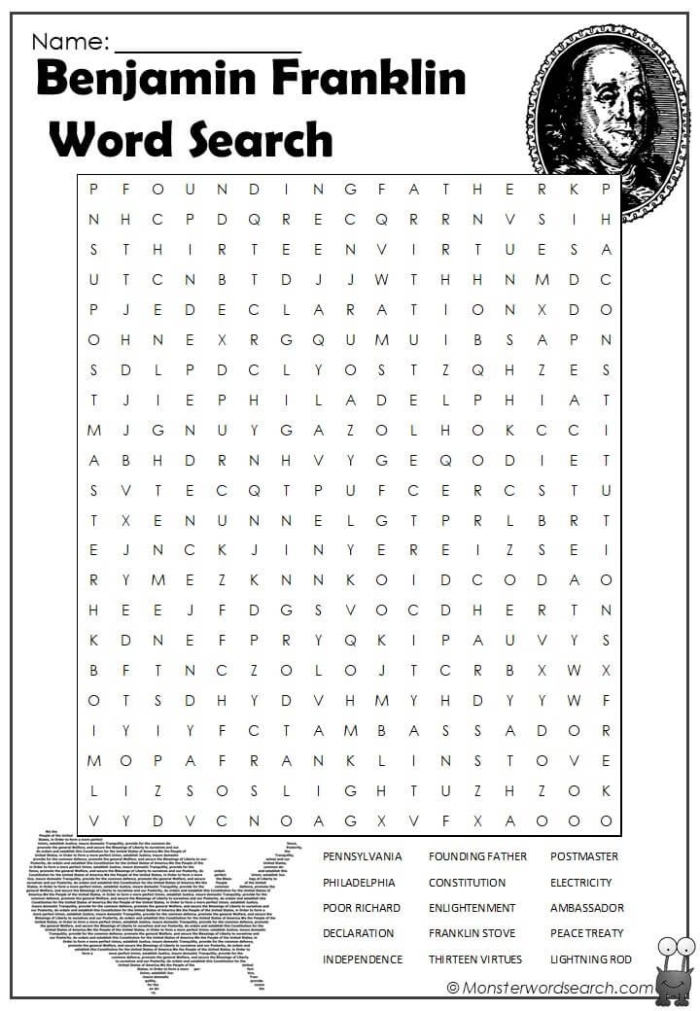
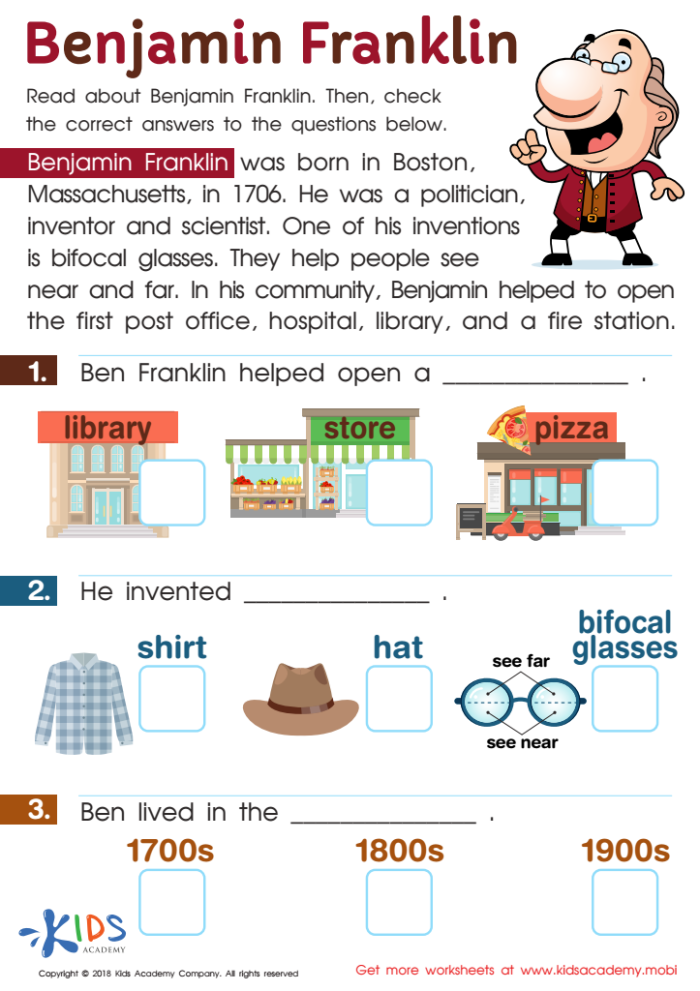
Benjamin Franklin stands out as one of America’s most curious minds, and introducing your second grader to his life opens doors to understanding how one person can shape a nation. Franklin wasn’t just a founding father, he was an inventor, writer, diplomat, and scientist who seemed interested in nearly everything around him.
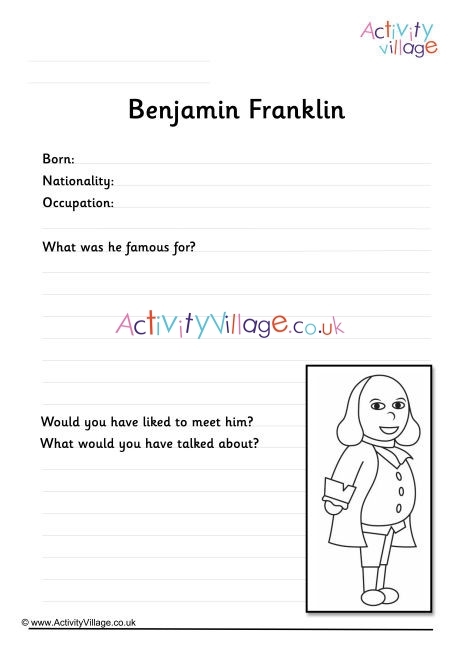
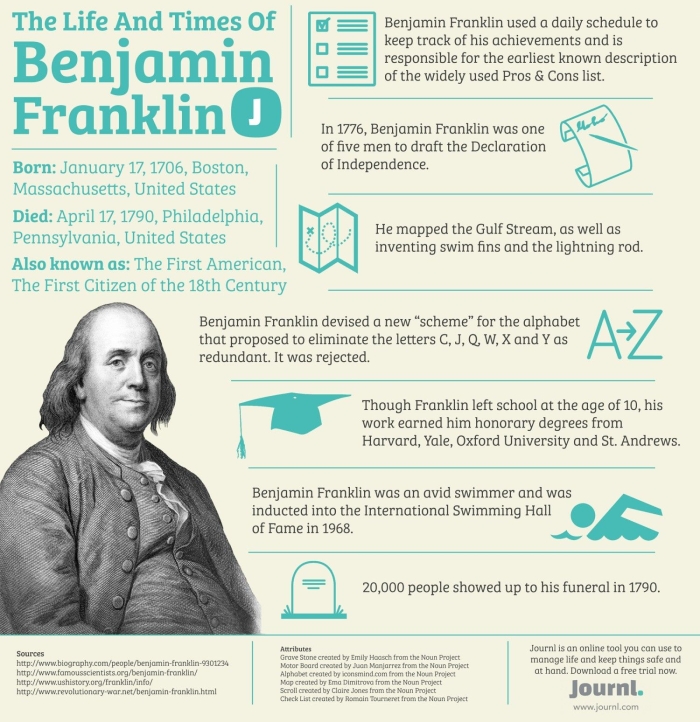
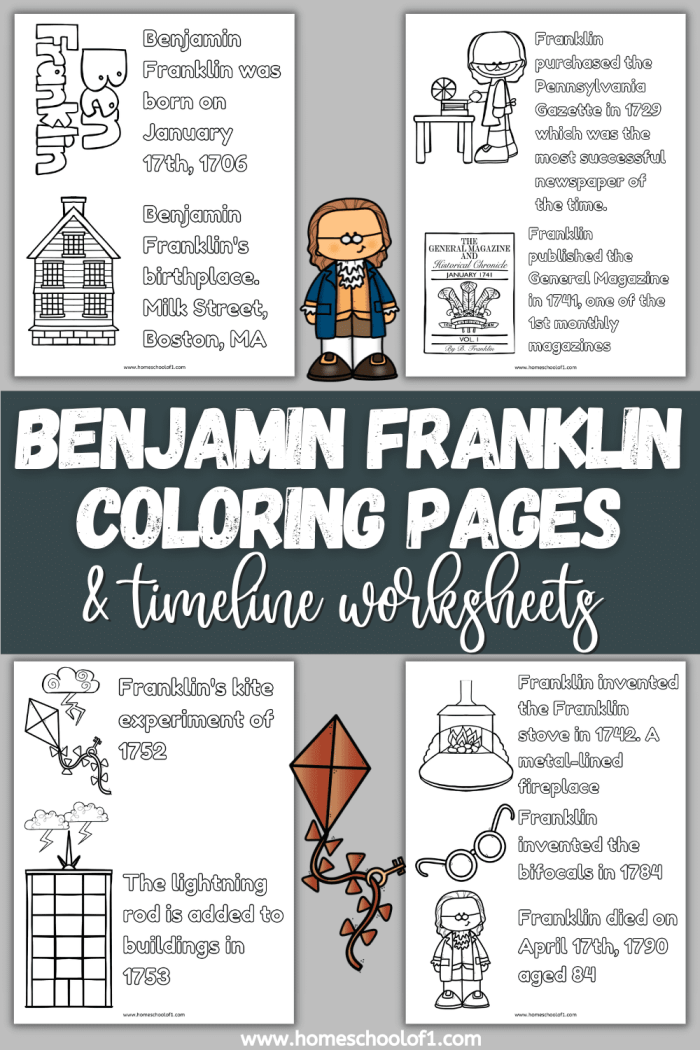
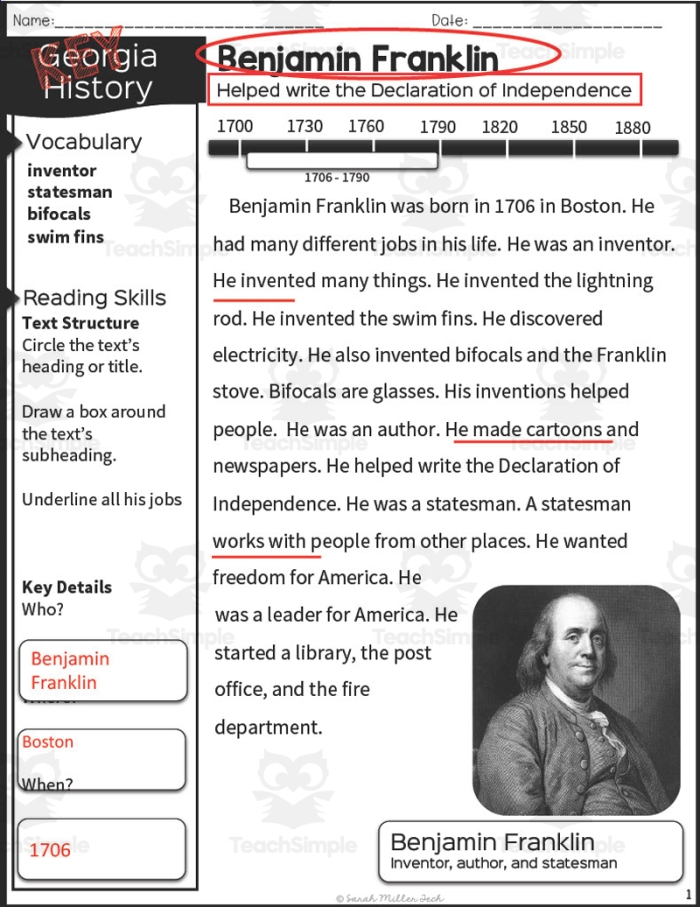
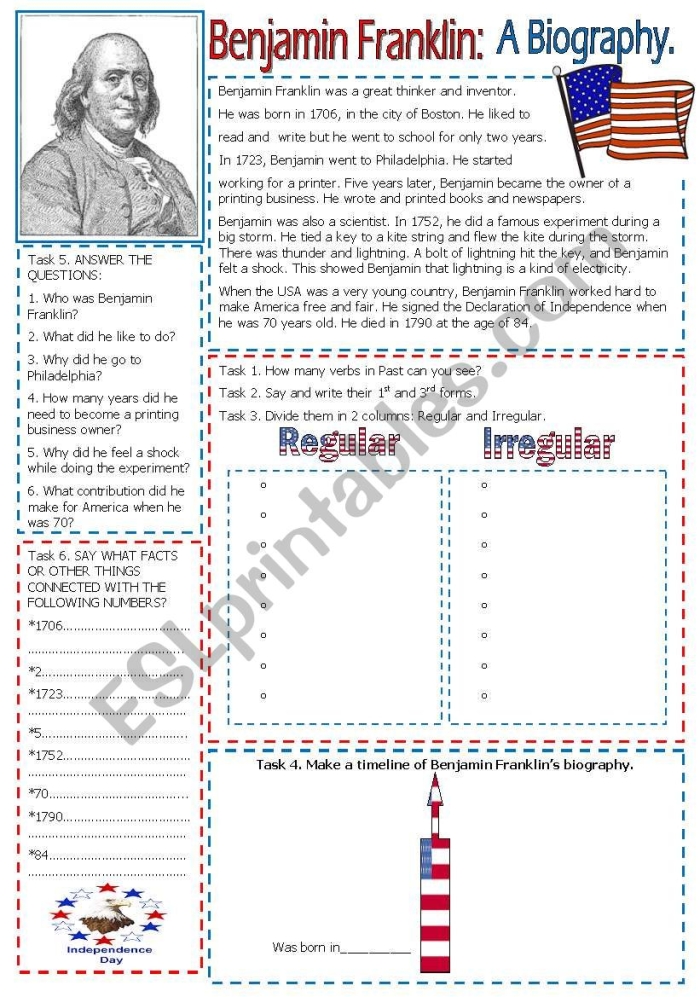
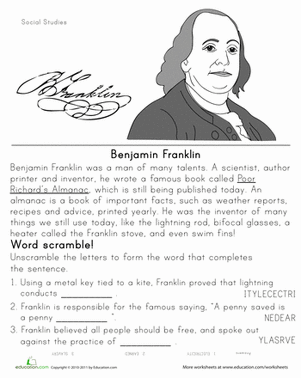
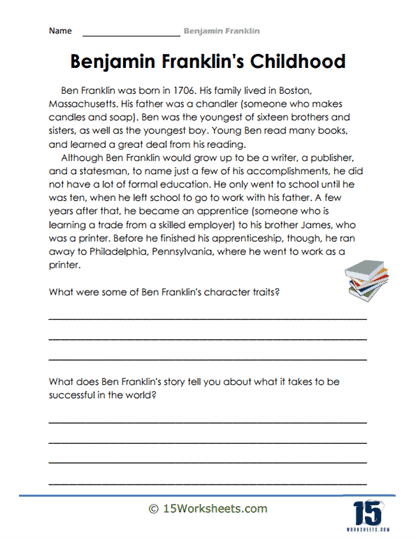
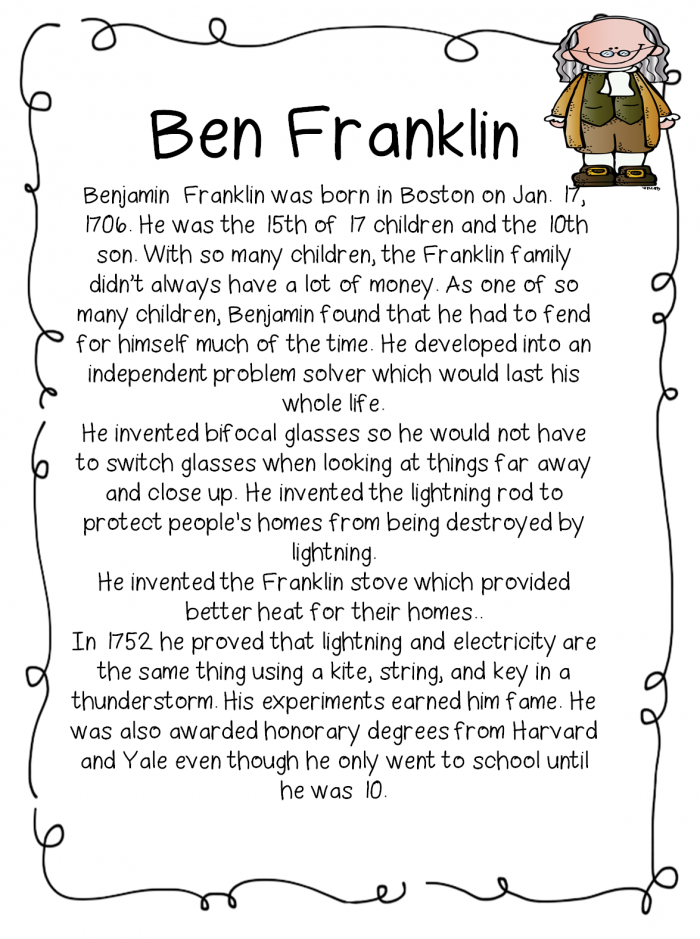
Born in Boston in 1706, Franklin grew up as the youngest son in a large family. His father was a candle maker, but young Benjamin had bigger dreams. He taught himself to read voraciously and eventually became a printer, which gave him access to knowledge and ideas that shaped his thinking. This early curiosity about how things work never left him, even as he grew older and took on more important roles in building the American nation.
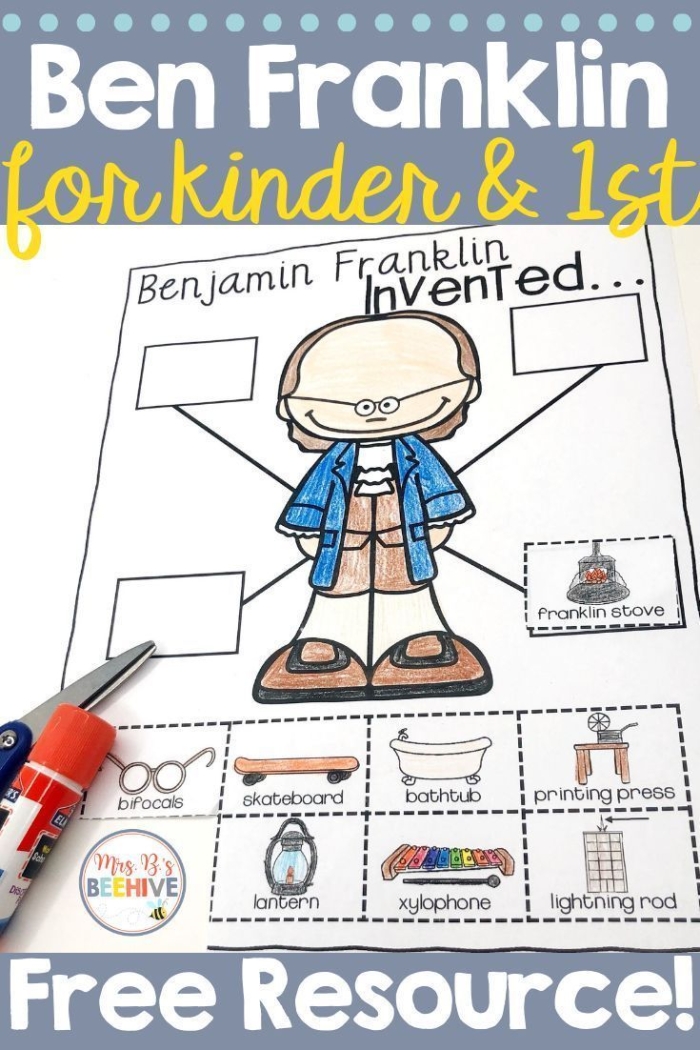
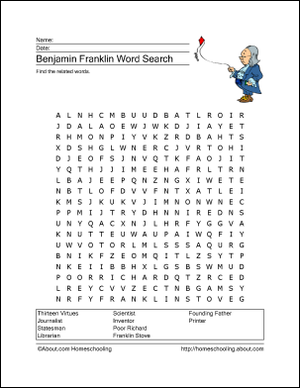
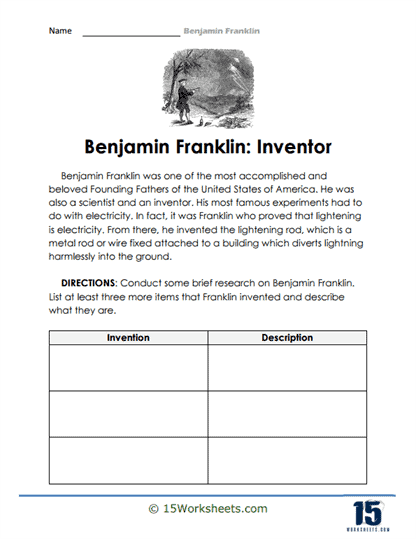
What makes Franklin particularly interesting for young learners is his hands-on approach to discovery. He didn’t just theorize about electricity, he conducted the famous kite experiment during a thunderstorm to prove that lightning was indeed electrical. He invented bifocals because he was tired of switching between two pairs of glasses. He created the lightning rod to protect buildings from fire. These practical solutions to everyday problems show children that innovation comes from paying attention to the world around you.
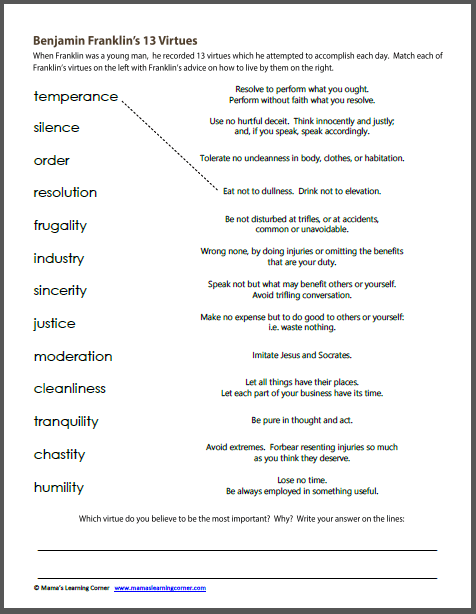
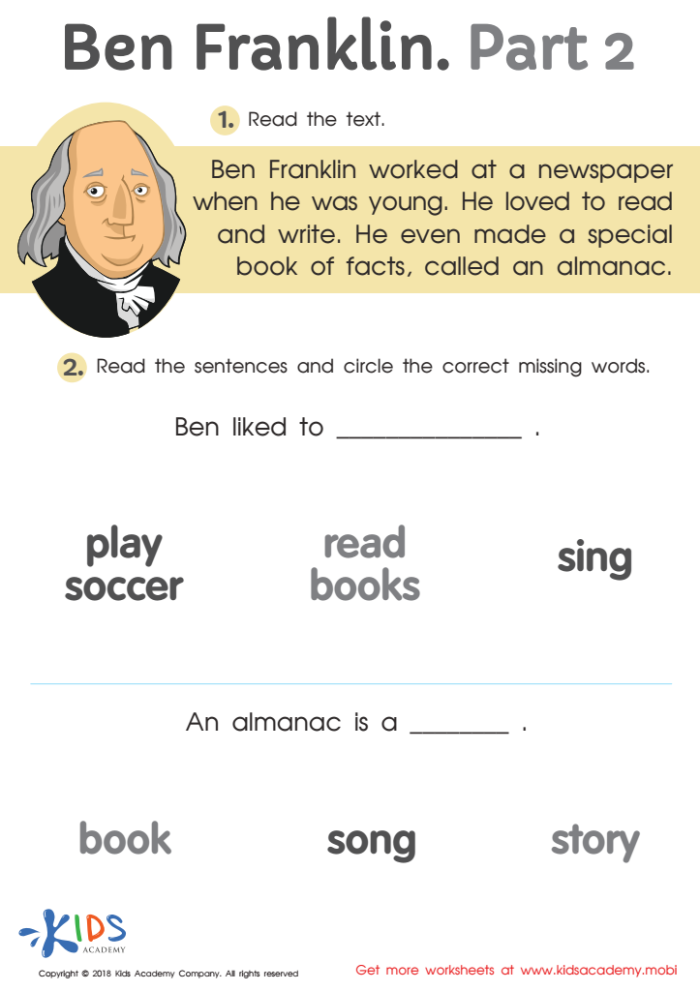
Franklin also believed strongly in self-improvement and education. He started lending libraries so ordinary people could access books, founded schools, and wrote essays encouraging others to develop their skills. For second grade writing activities, exploring Franklin’s life through storytelling helps children understand that famous people were once curious learners just like them.
To deepen your child’s learning, consider using writing exercises that explore different ways to describe actions and feelings, which can help them articulate what they find fascinating about historical figures. You might also explore how understanding measurements and scale connects to Franklin’s practical inventions and designs.
Reading about Benjamin Franklin teaches children that asking questions, experimenting, and staying curious are the real paths to making a difference in the world.
Start Practicing with These Worksheets