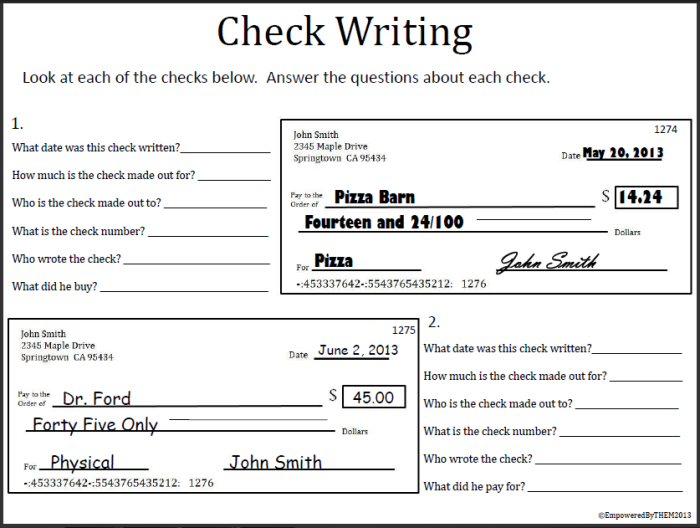
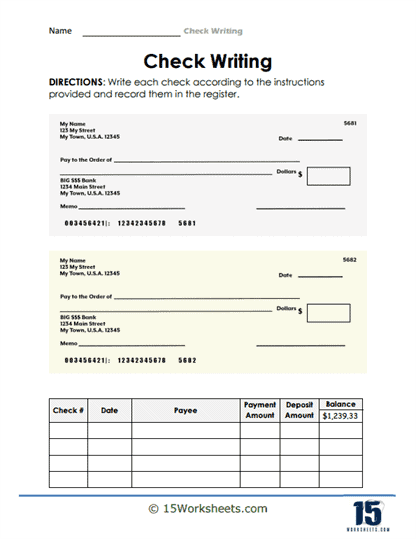
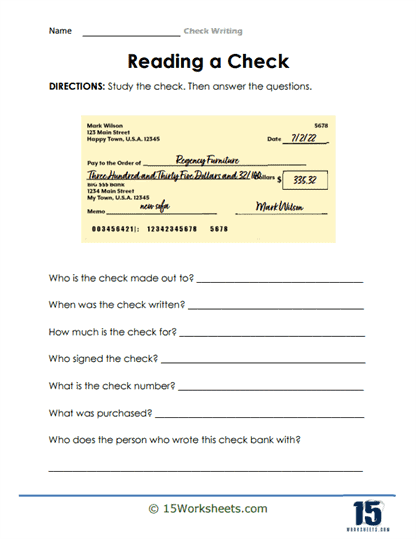
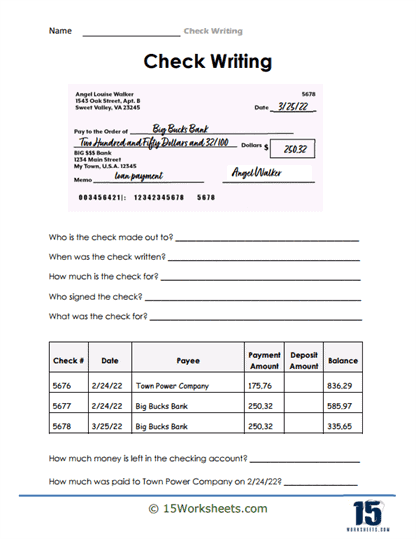
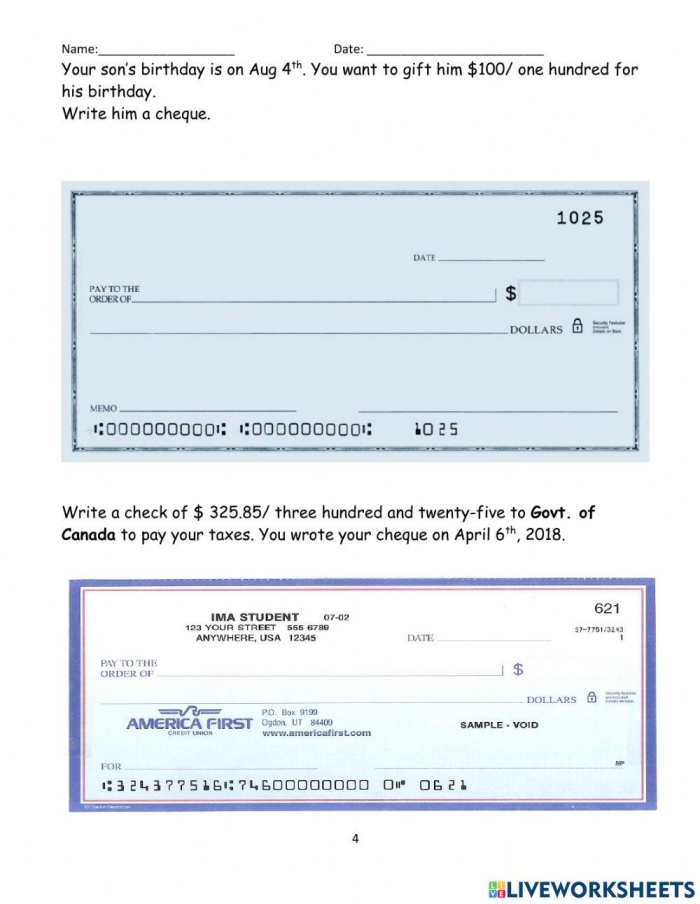
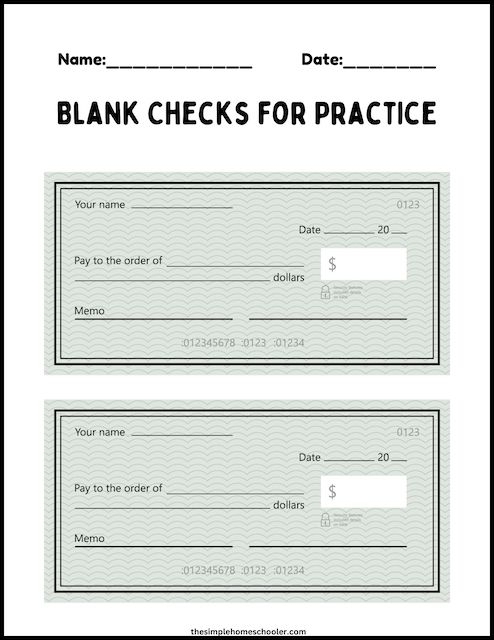
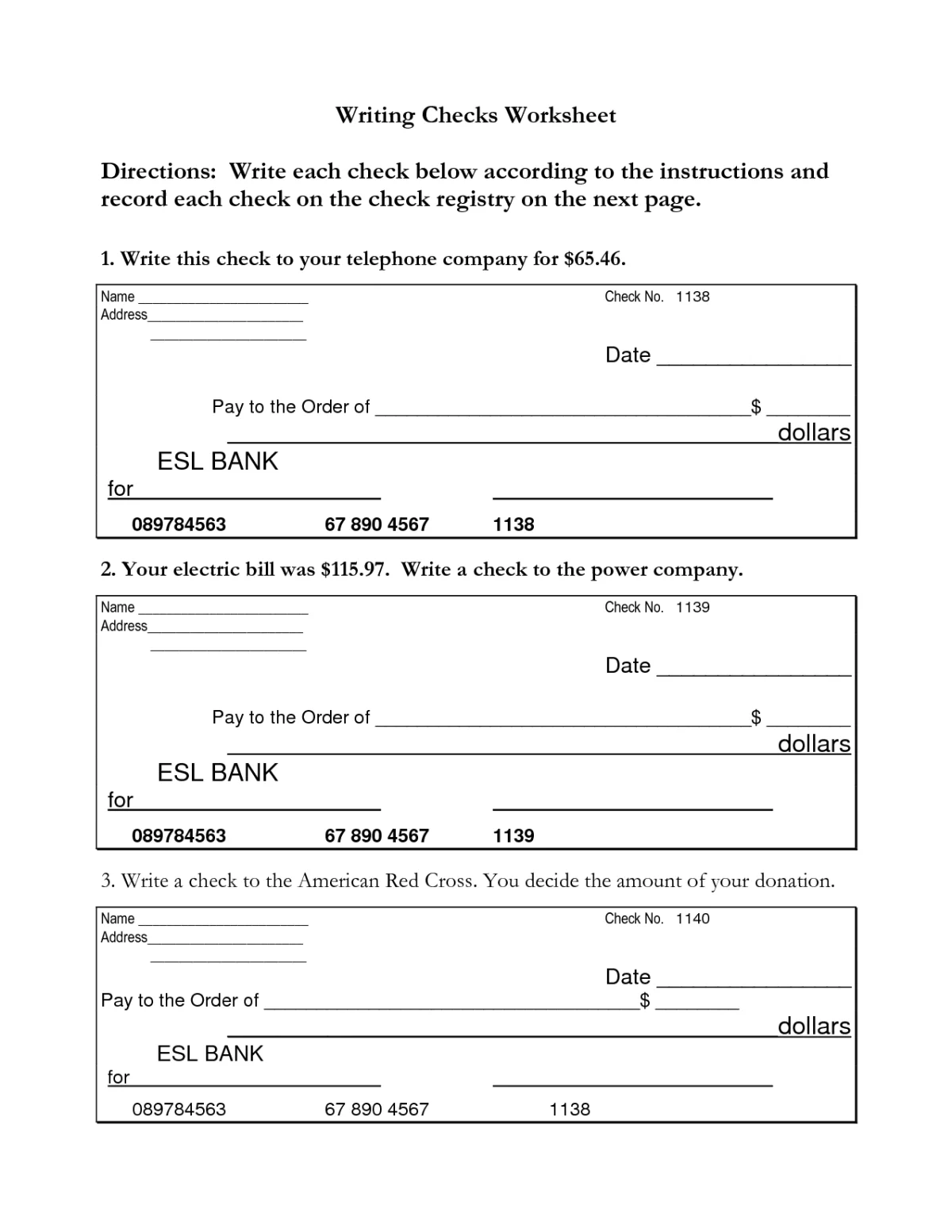
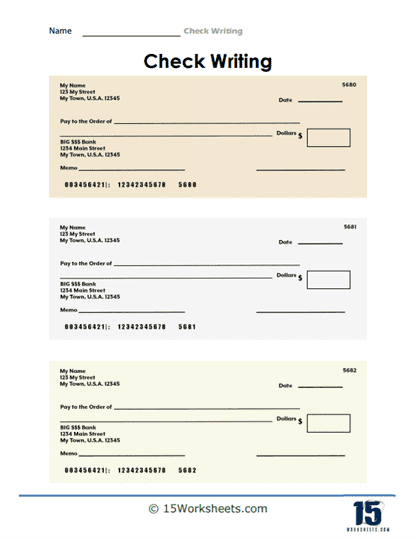
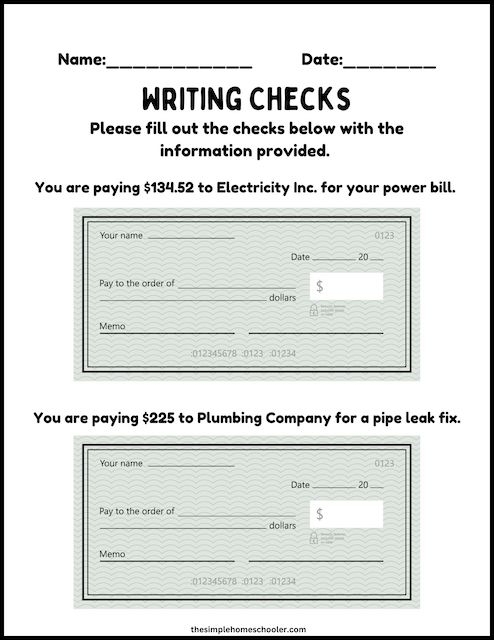
Teaching your tween to write checks might seem outdated in an age of digital payments, but the skill remains surprisingly relevant. Banks still process millions of checks annually, and understanding how they work builds financial literacy that extends far beyond the paper itself. A simple printable worksheet can make this process concrete and manageable for fifth graders learning addition alongside real-world money skills.
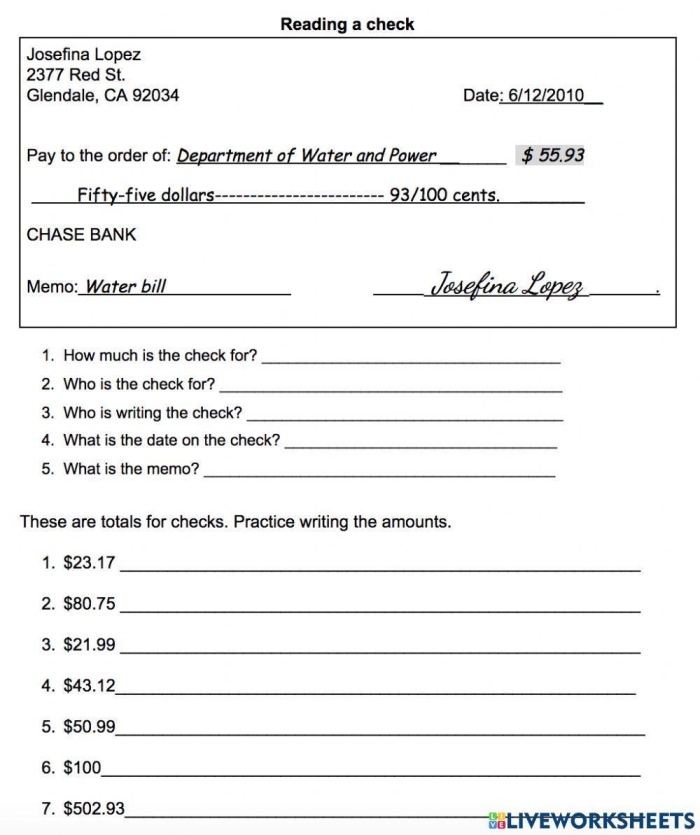
The beauty of a check-writing worksheet is that it combines practical instruction with math practice. When your child fills out the amount box, writes the numerical value, and spells out the dollar amount in words, they’re reinforcing addition concepts while learning a functional skill. This hands-on approach works better than lectures because tweens can see exactly why precision matters: a misplaced decimal or unclear handwriting could cost real money.
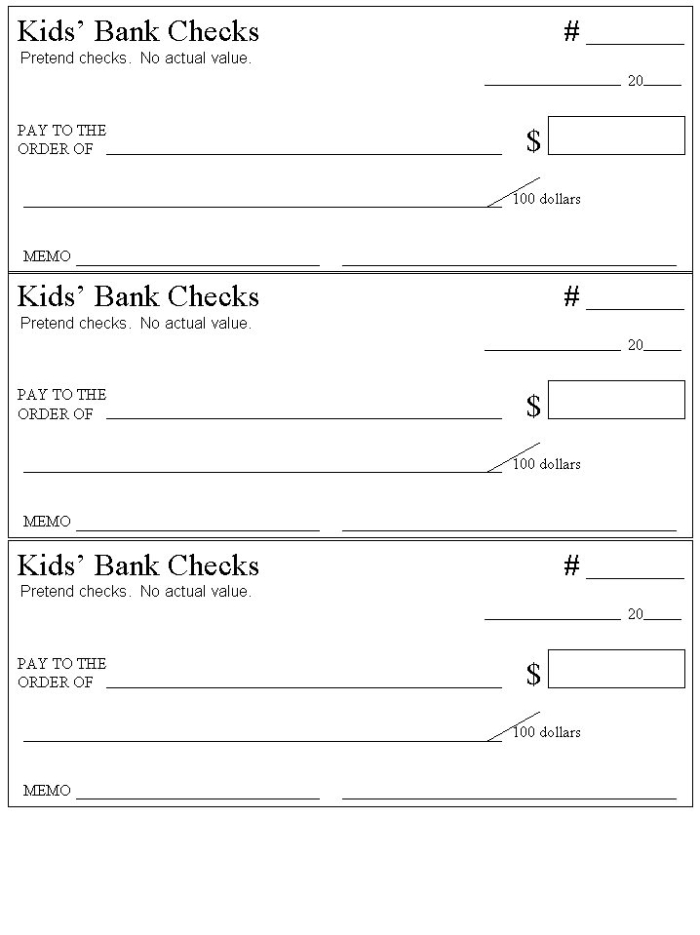
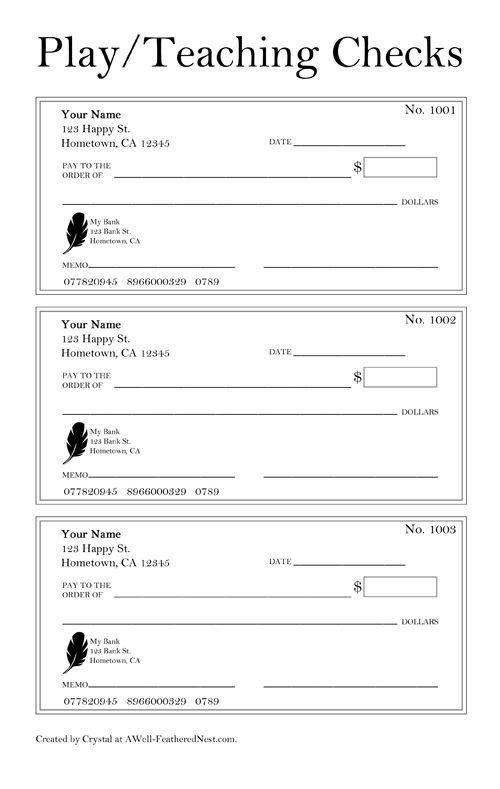
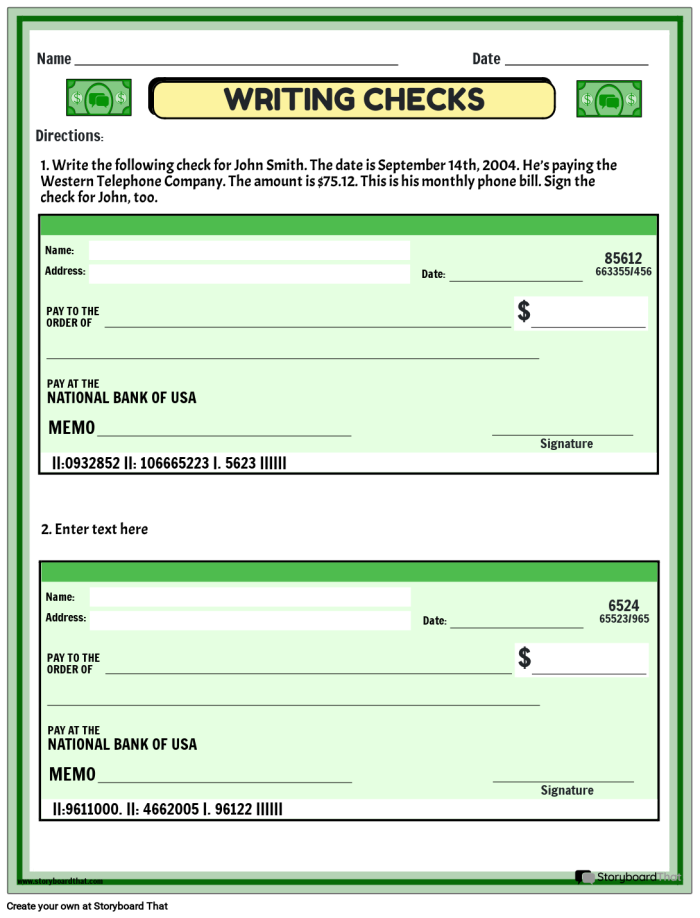
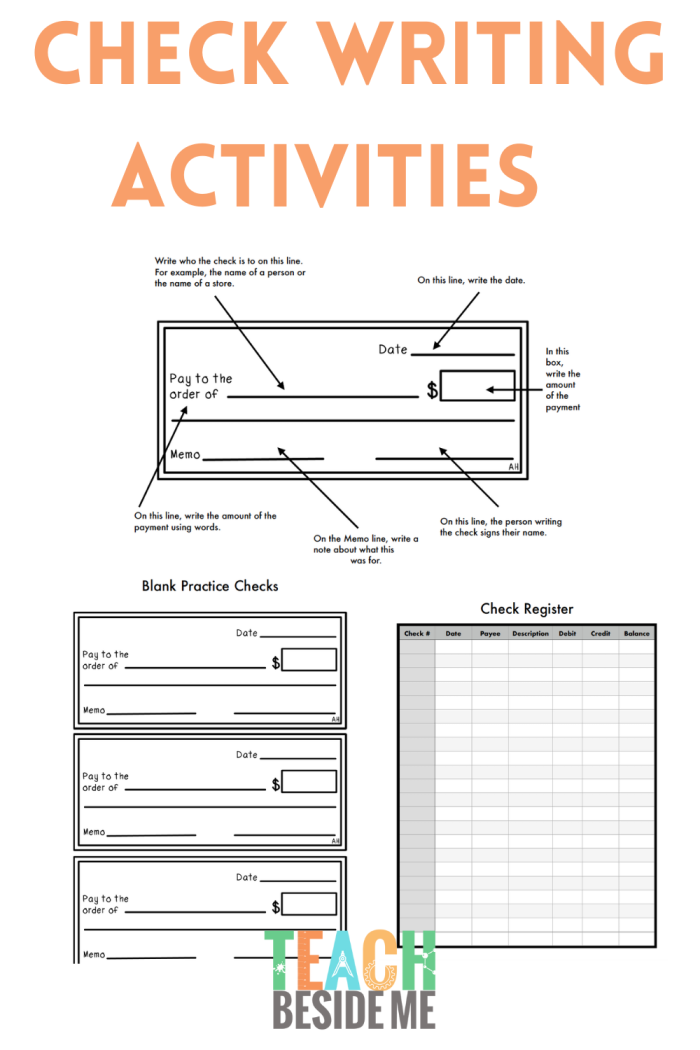
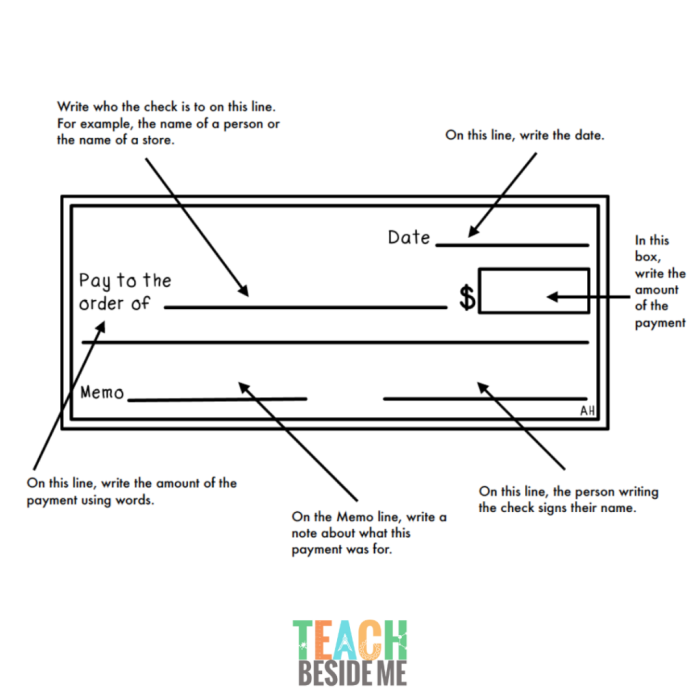
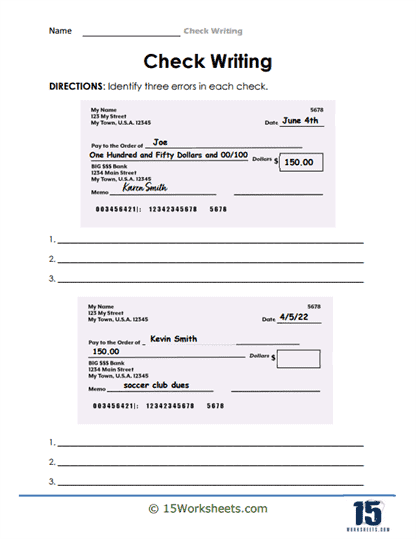
Start by printing multiple copies of the worksheet. This gives your child room to practice without pressure. Walk through the first check together, explaining each field: the date, payee name, amount box, written amount line, and signature line. Point out that the written amount must match the numerical amount exactly, which naturally ties into their understanding of number values and place value.
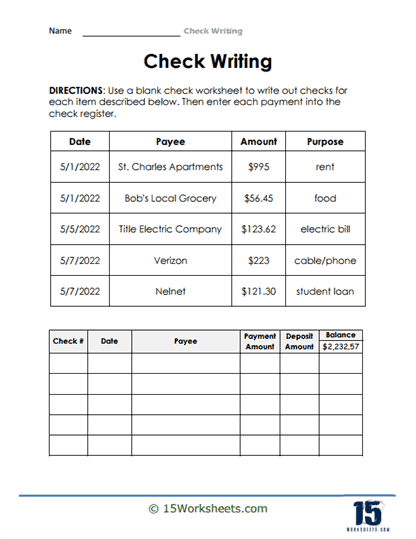
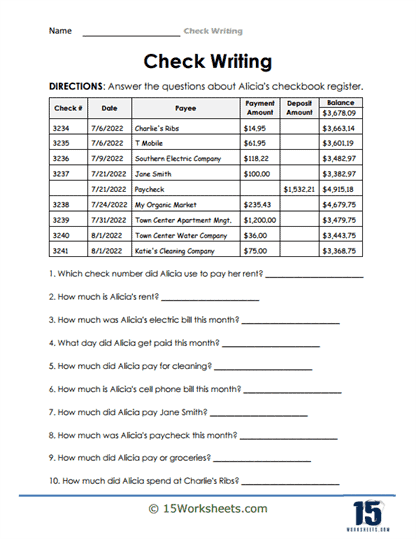
As your child completes several checks, they’ll develop muscle memory for the format. Some worksheets include blank check registers on the back, which lets them track their practice checks like a real checkbook. This dual practice reinforces the connection between writing a check and recording it properly.
The repetition built into printing multiple worksheets serves a purpose. Like working through addition problems in sequence, repeated check-writing practice builds confidence and automaticity. Your tween will move from carefully thinking through each step to completing checks smoothly.
By the time they finish a full practice checkbook, they’ll have internalized the process. That foundation matters, whether they use physical checks occasionally or simply understand the mechanics behind the transactions they’ll encounter throughout their financial lives.
Hands-On Worksheet Activities