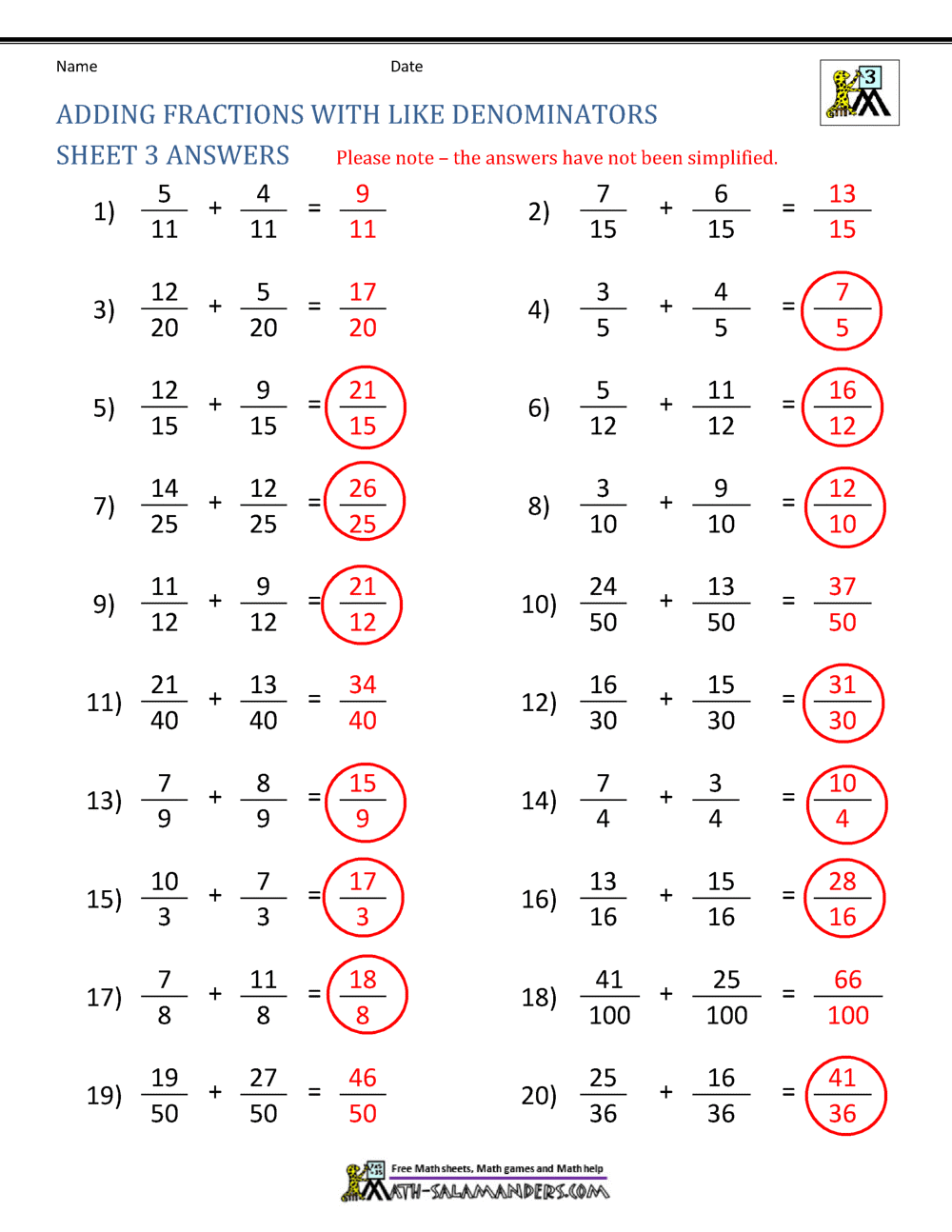
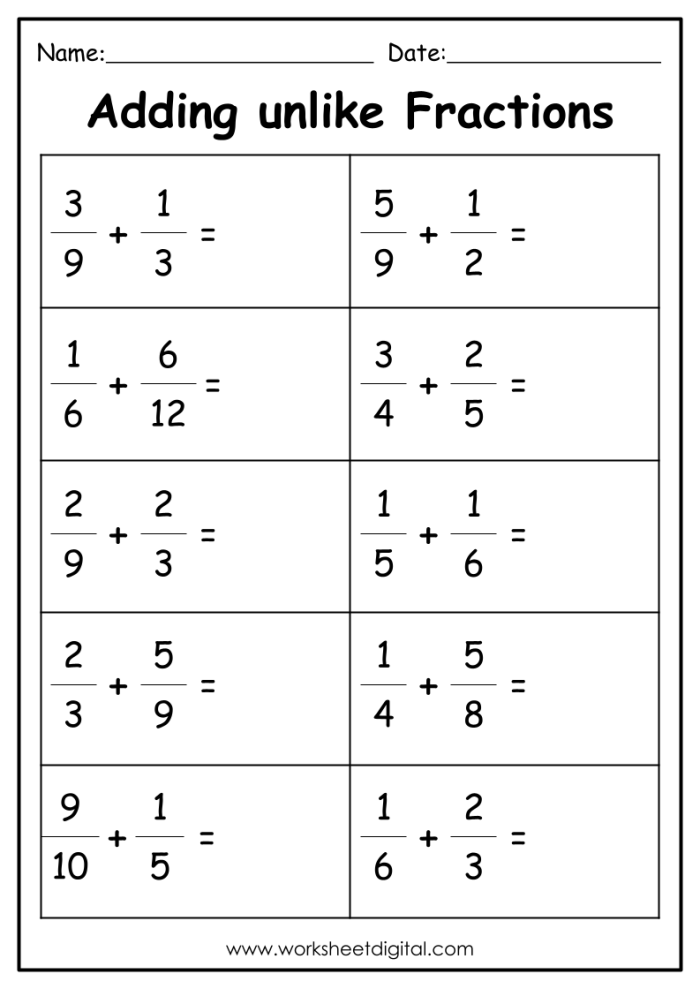
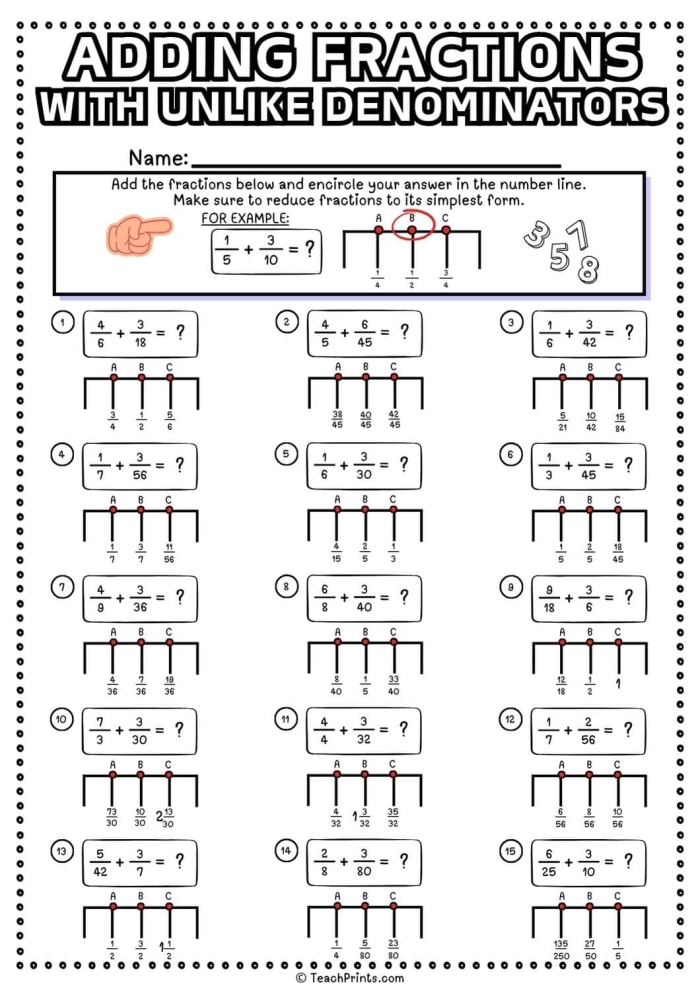
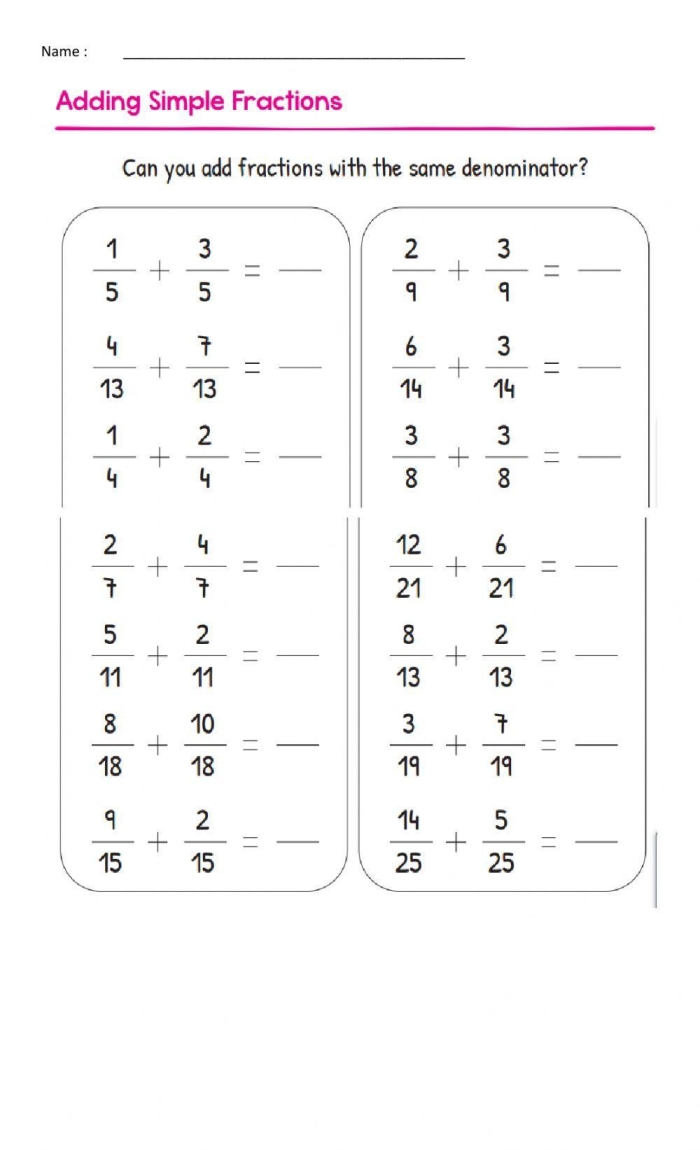
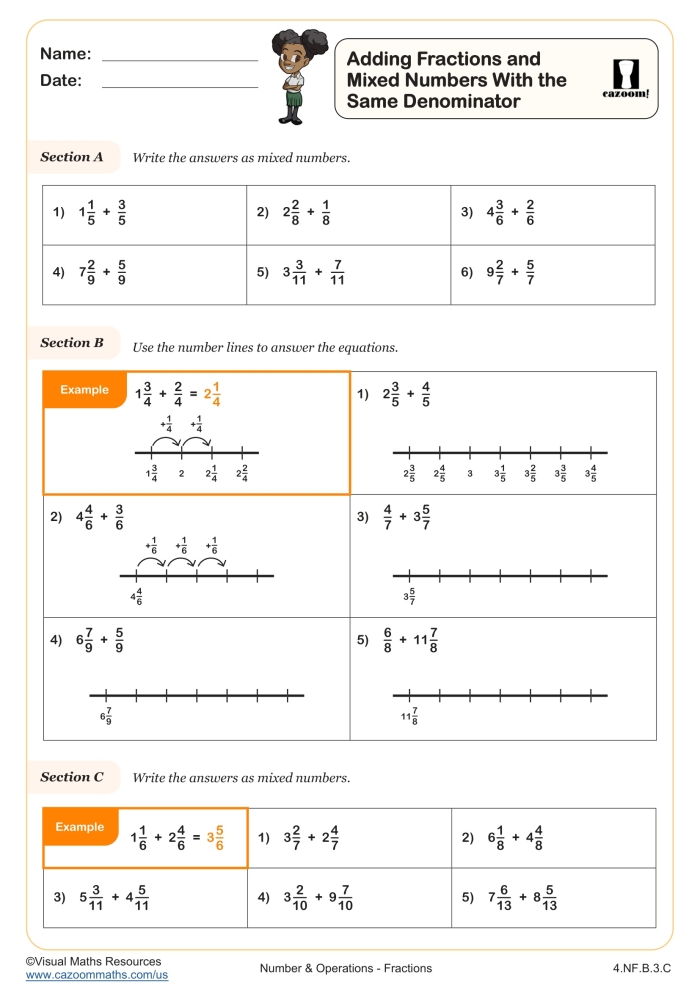
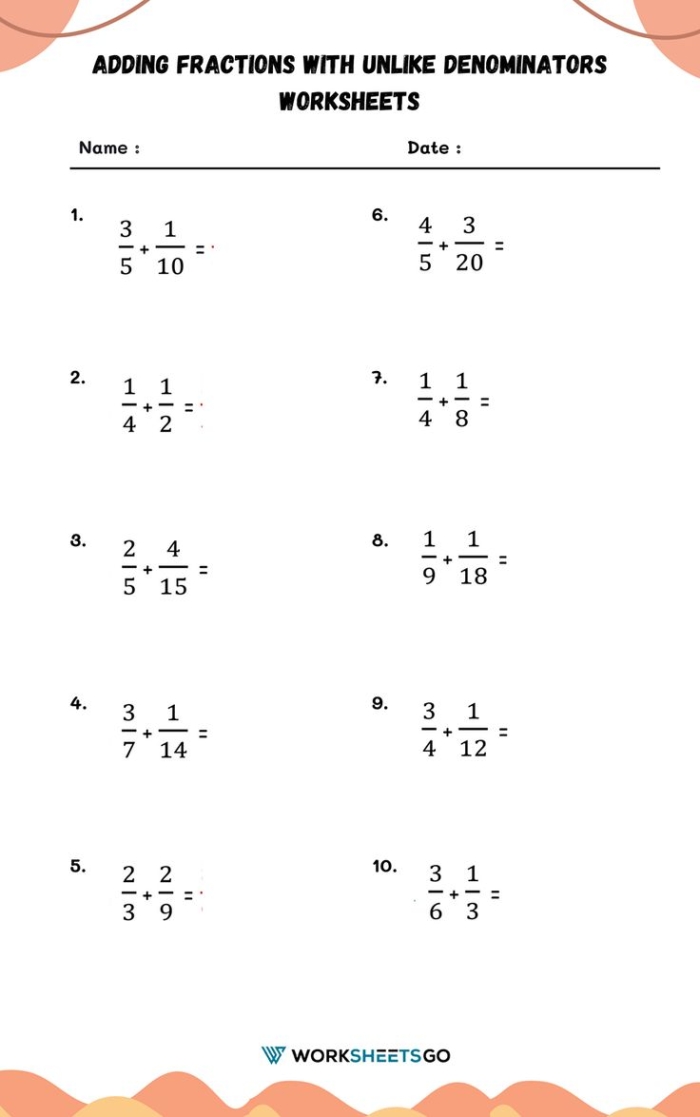
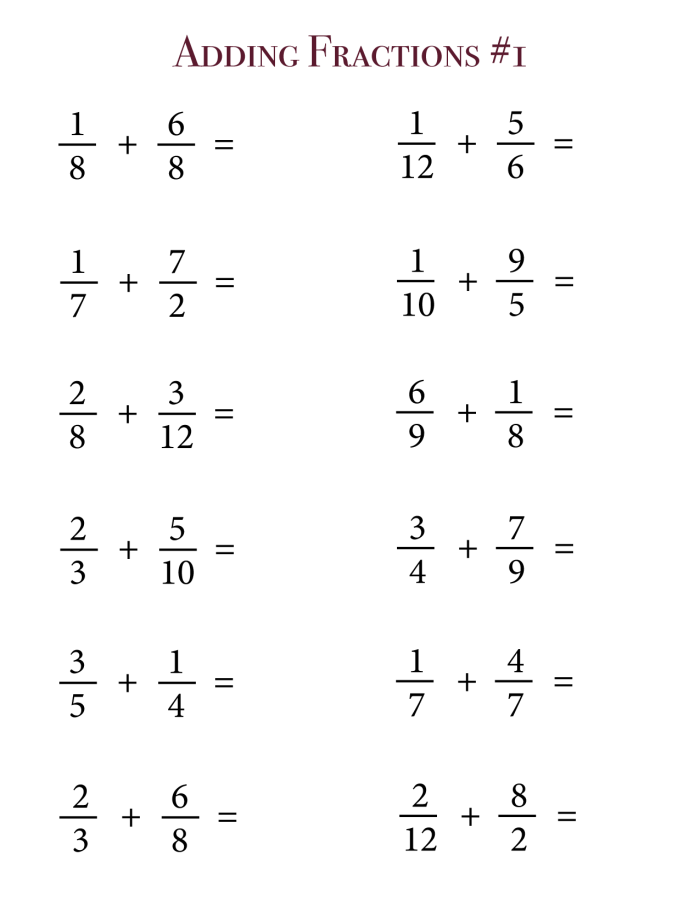
When your fifth grader first encounters fractions, visual models make the concept stick far better than abstract numbers alone. The key to building confidence is starting with the easier version before moving to the harder one: fractions with matching denominators should come first, then gradually introduce those tricky different denominators.
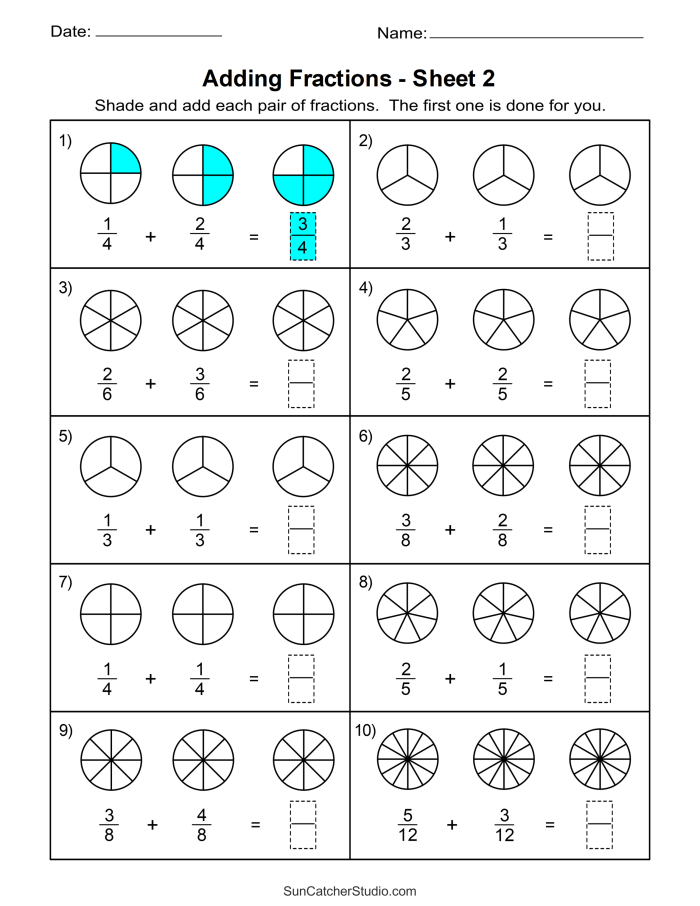
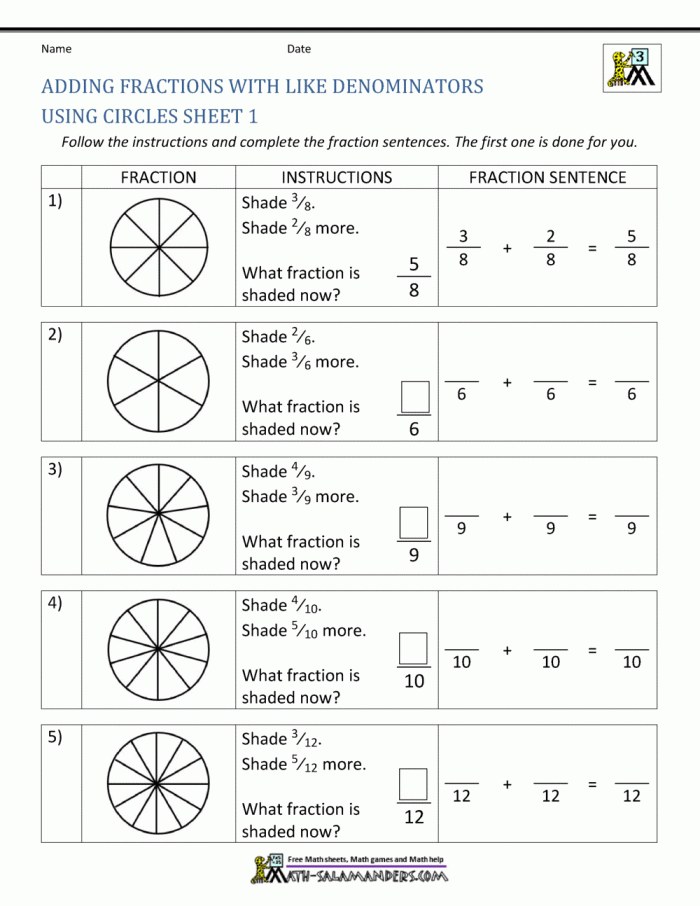
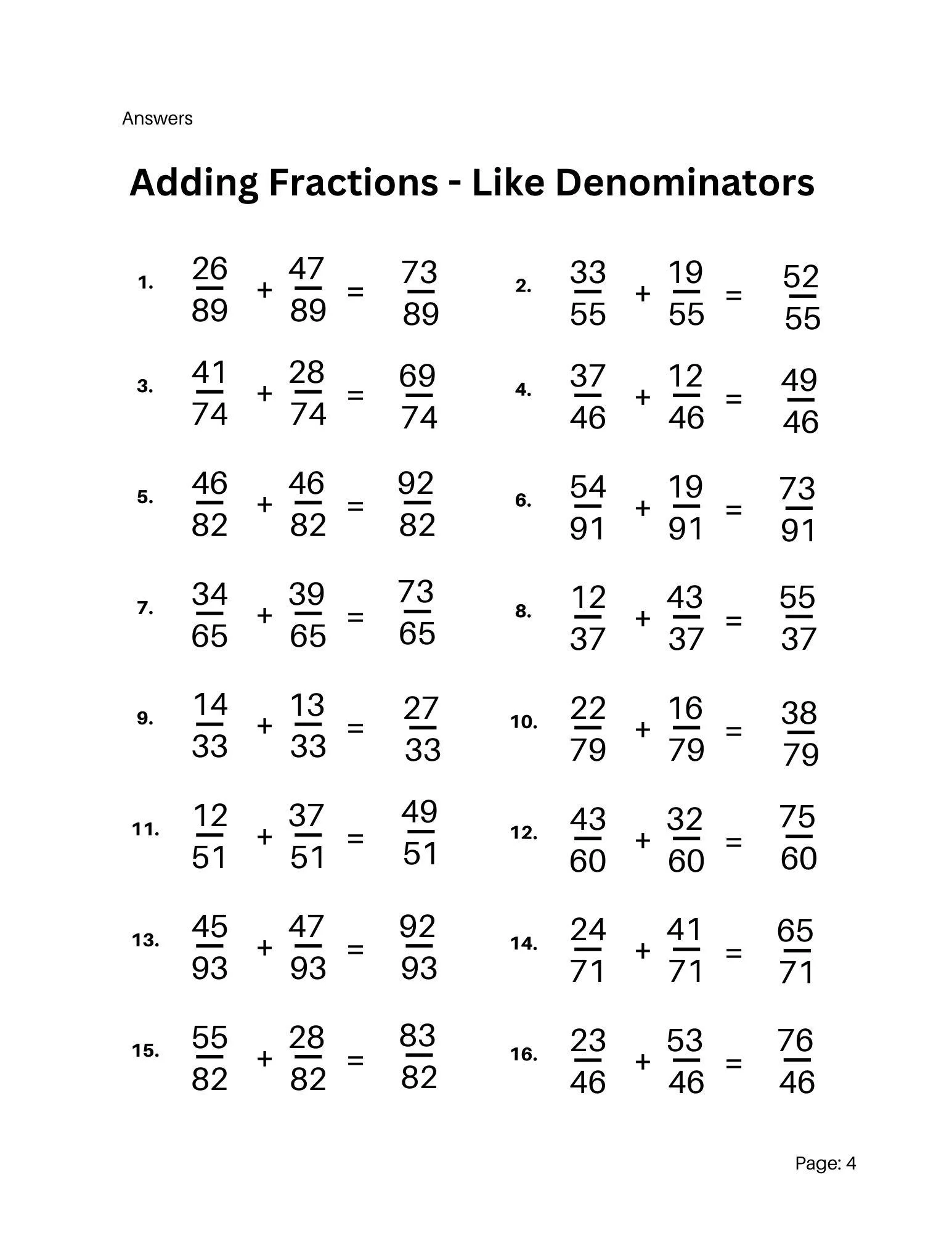
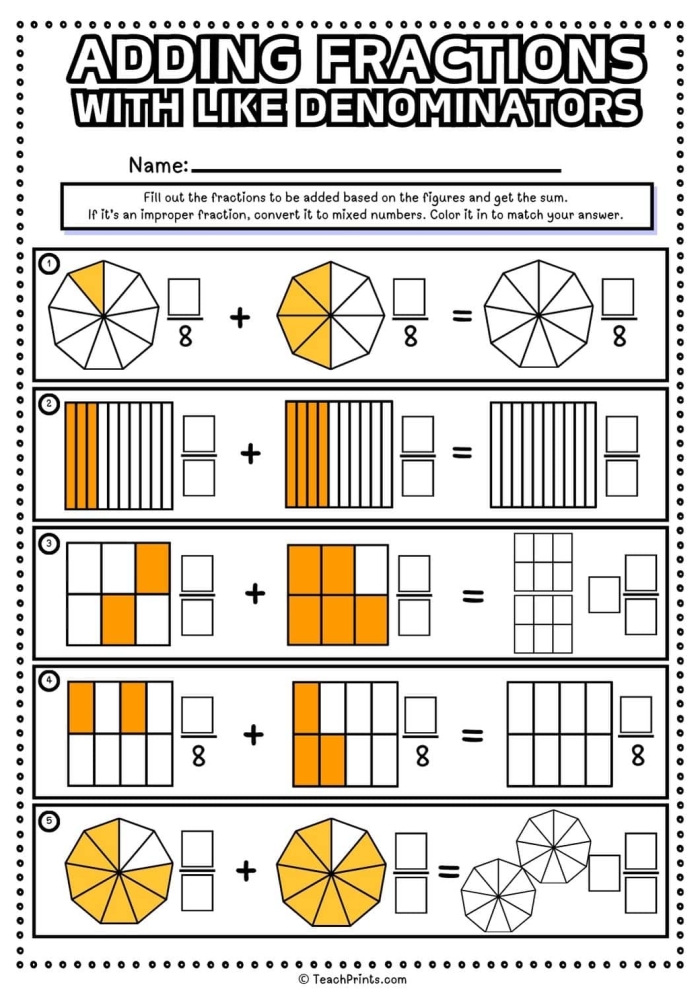
Working with same denominators is where children develop their foundation. When both fractions have the same bottom number, students can literally count the pieces. If you’re adding one-fourth plus two-fourths, your child sees four equal parts in a circle or rectangle, shades one section, then shades two more sections, and counts the total. The denominator stays put because the size of each piece never changes. This simplicity lets kids focus on the addition itself rather than wrestling with multiple concepts at once.
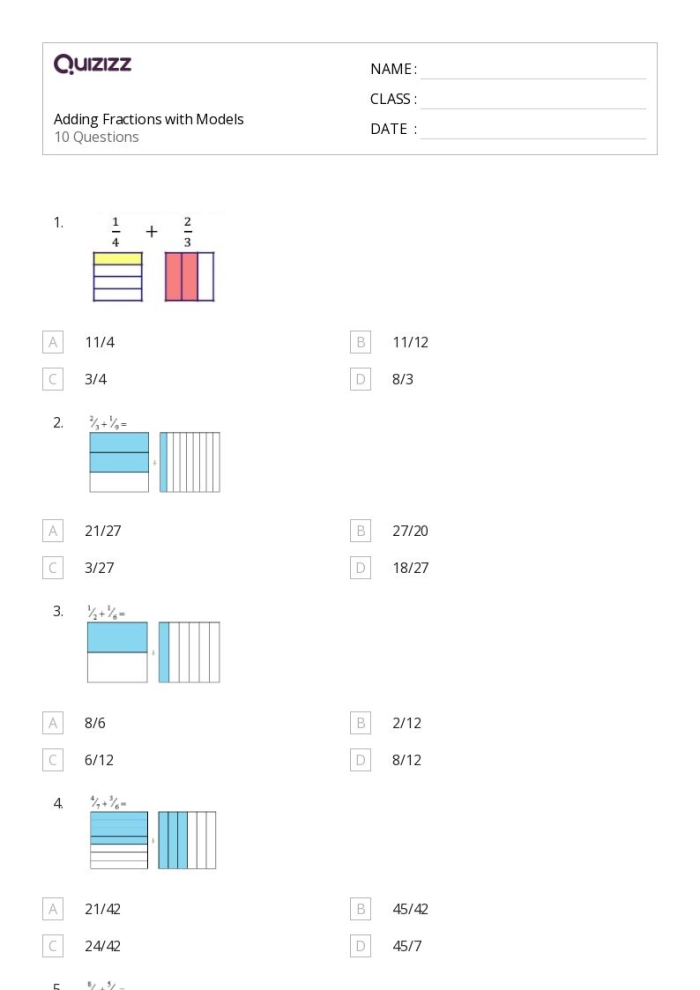
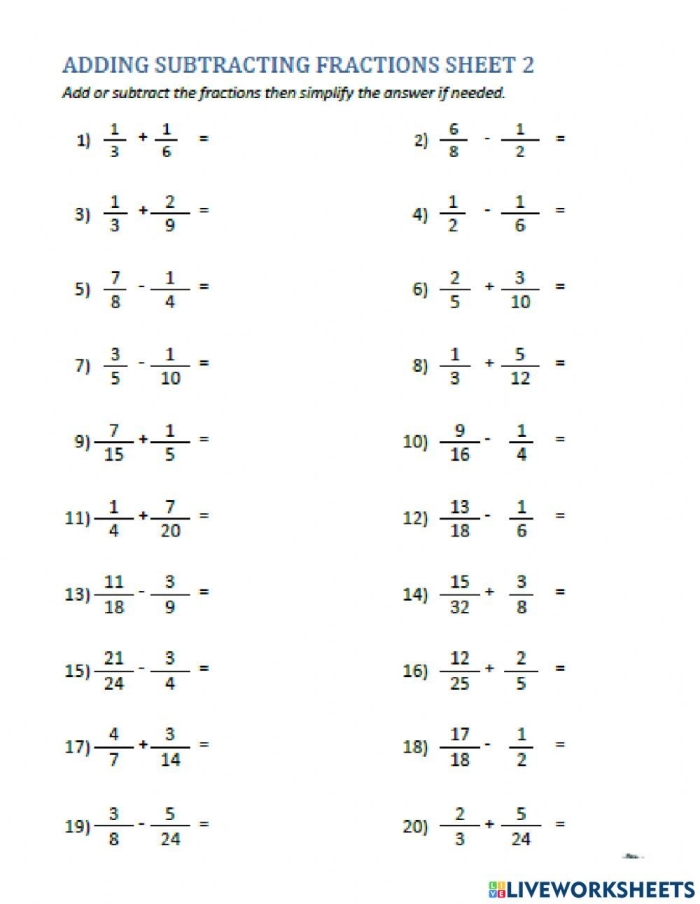
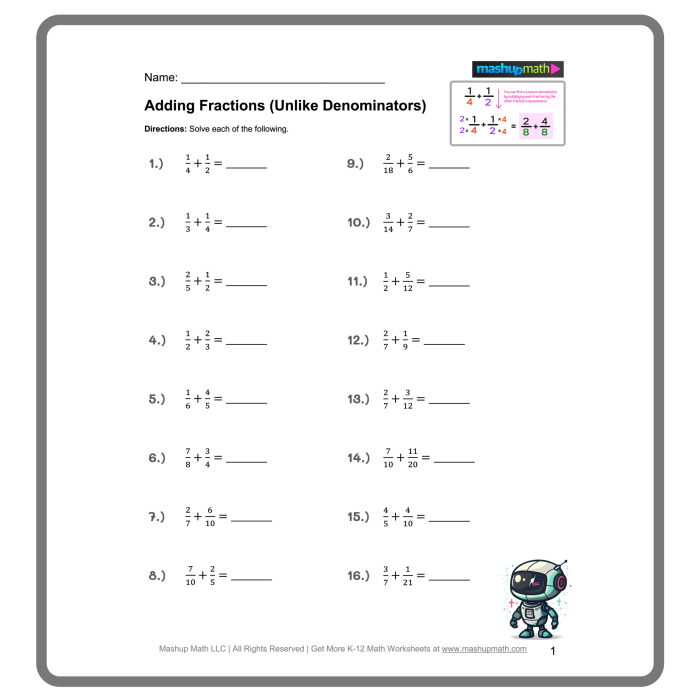
Once your child feels comfortable with that pattern, different denominators introduce a new challenge: the pieces aren’t the same size anymore. Adding one-half plus one-fourth requires understanding that you need to find a common denominator first. Visual models here become essential because they show why you can’t just add the numerators and denominators separately. A picture of a half-circle next to a quarter-circle makes it obvious that these pieces don’t match up.
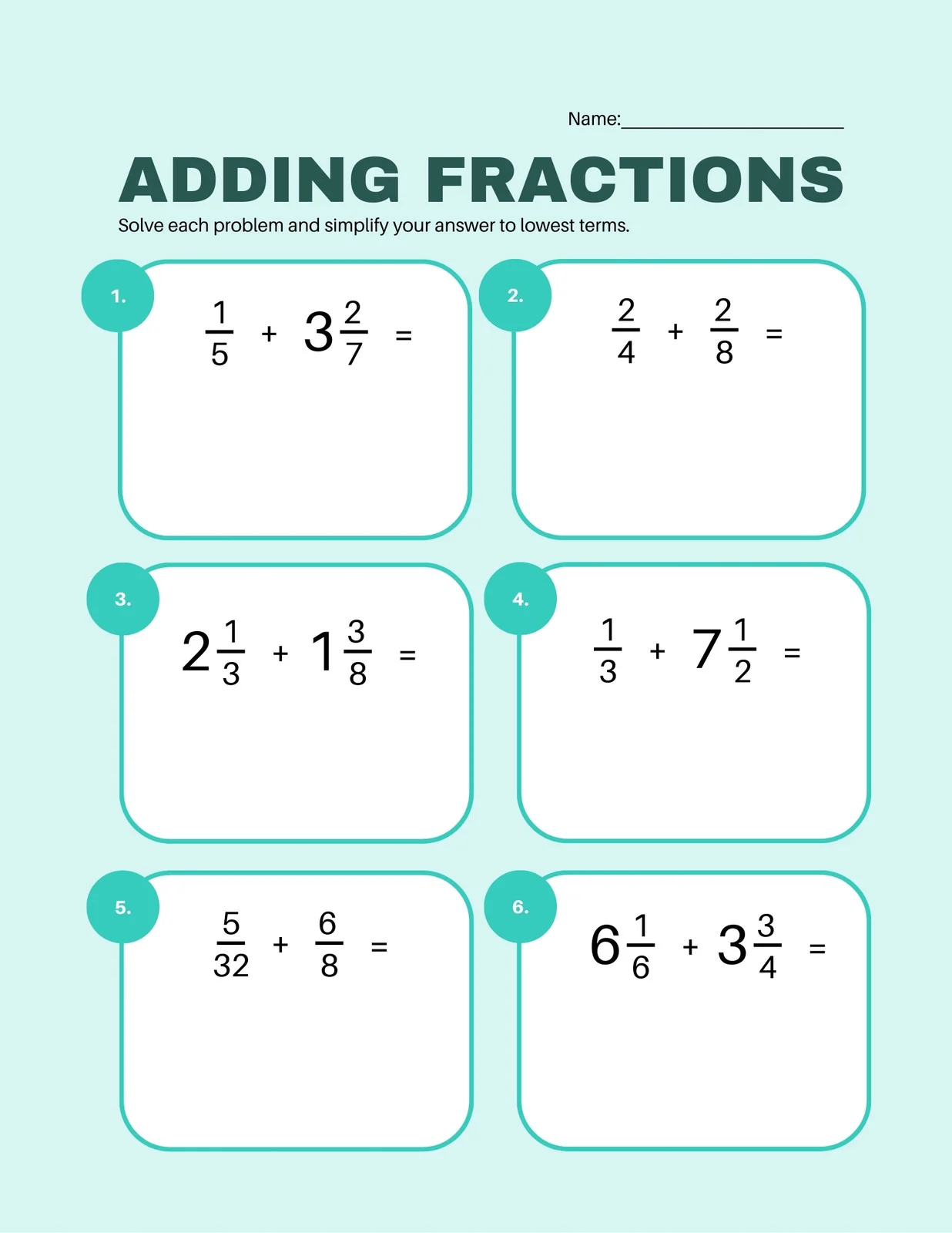
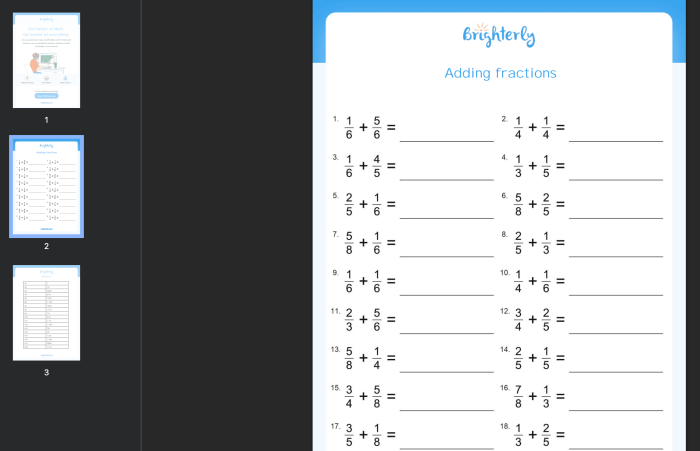
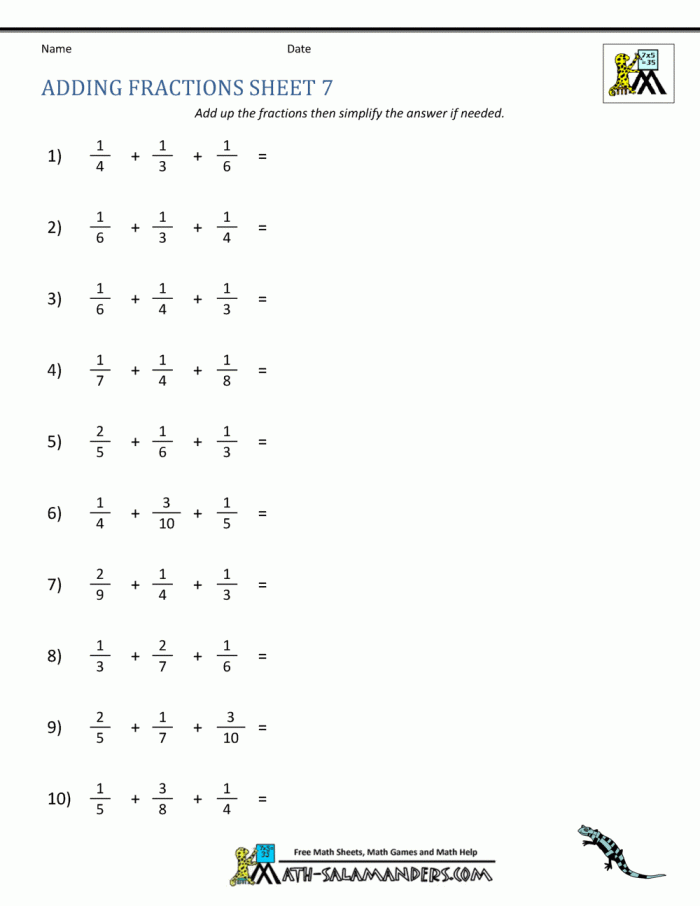
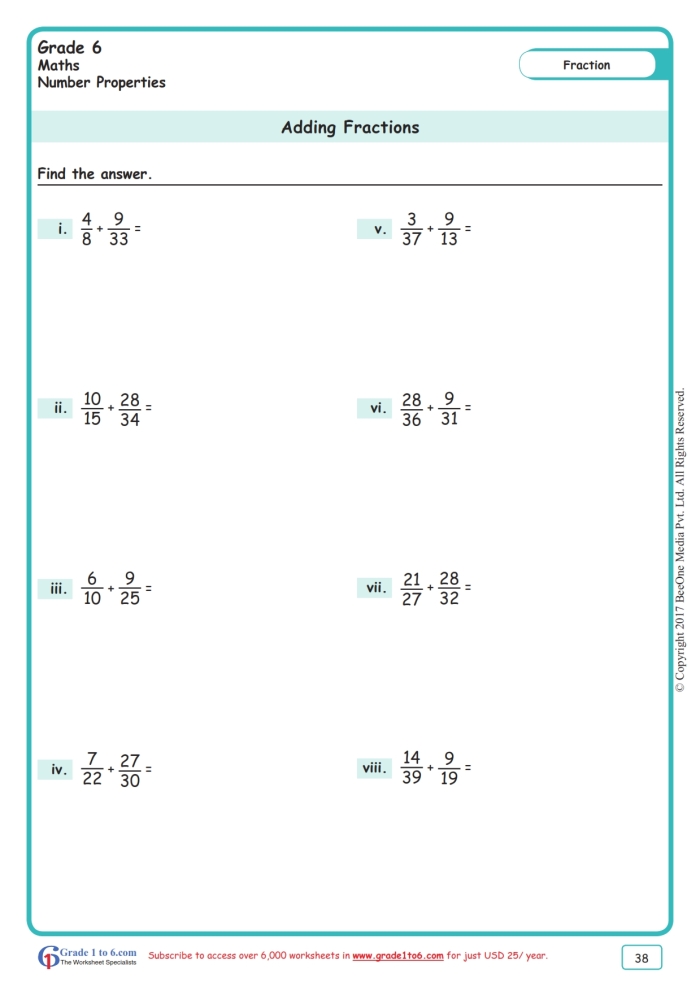
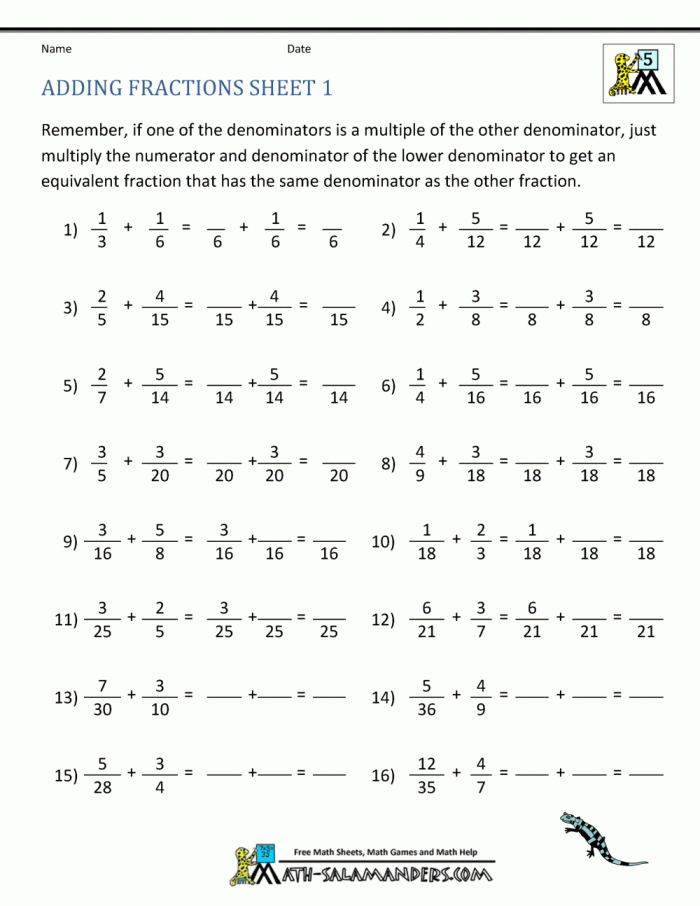
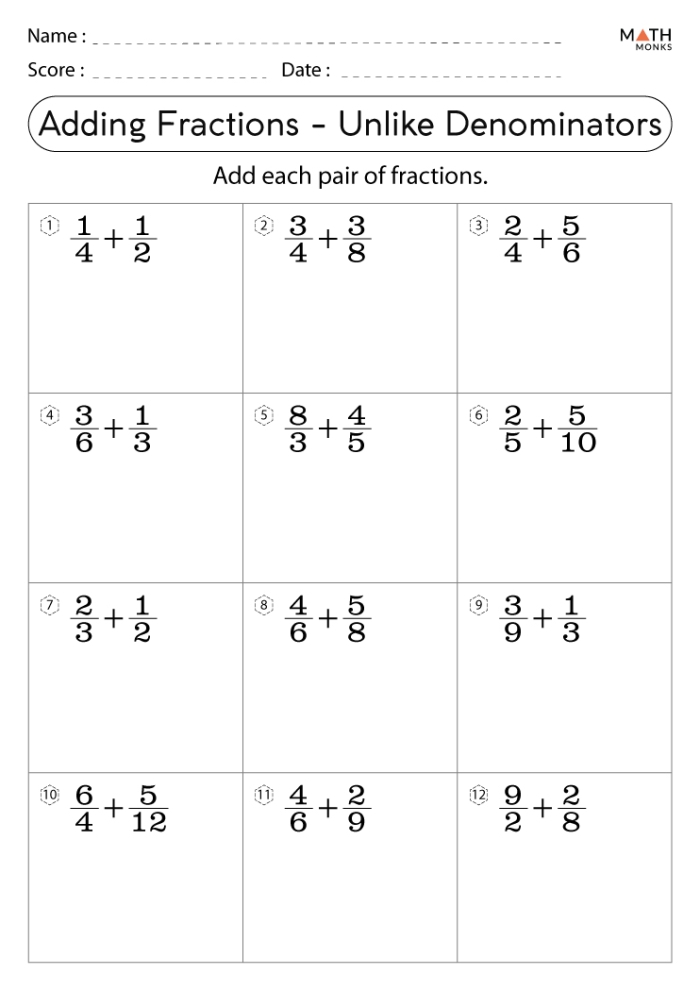
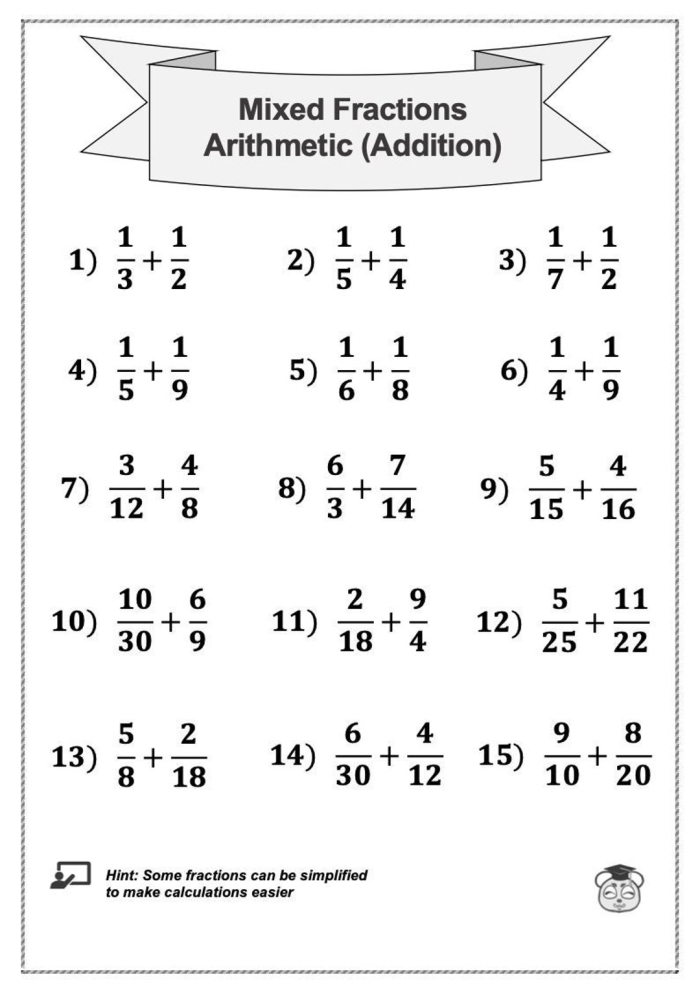
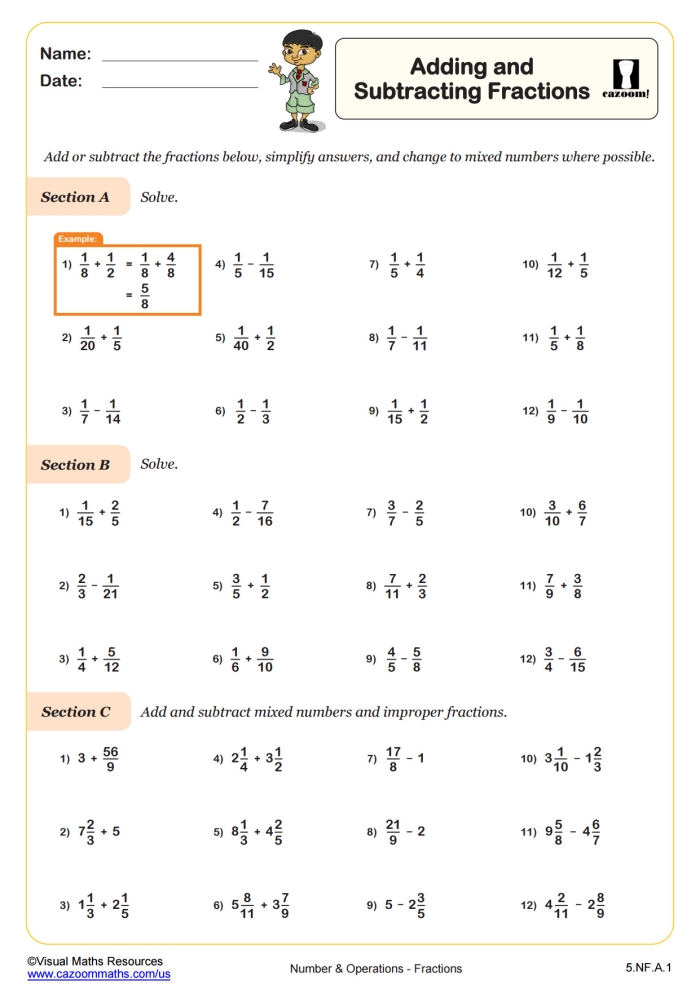
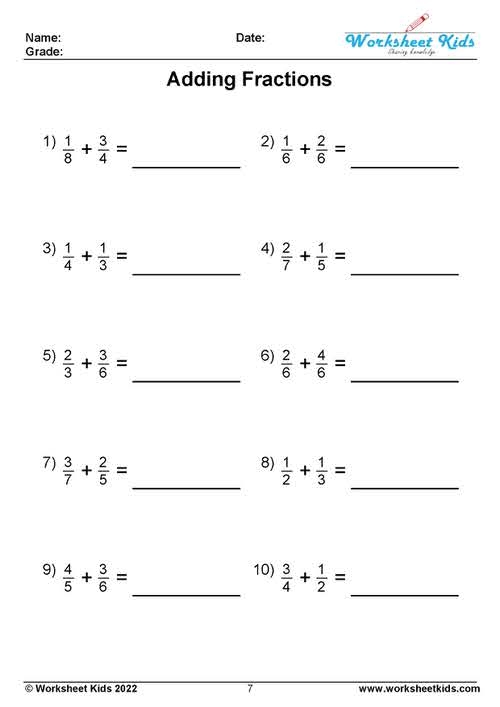
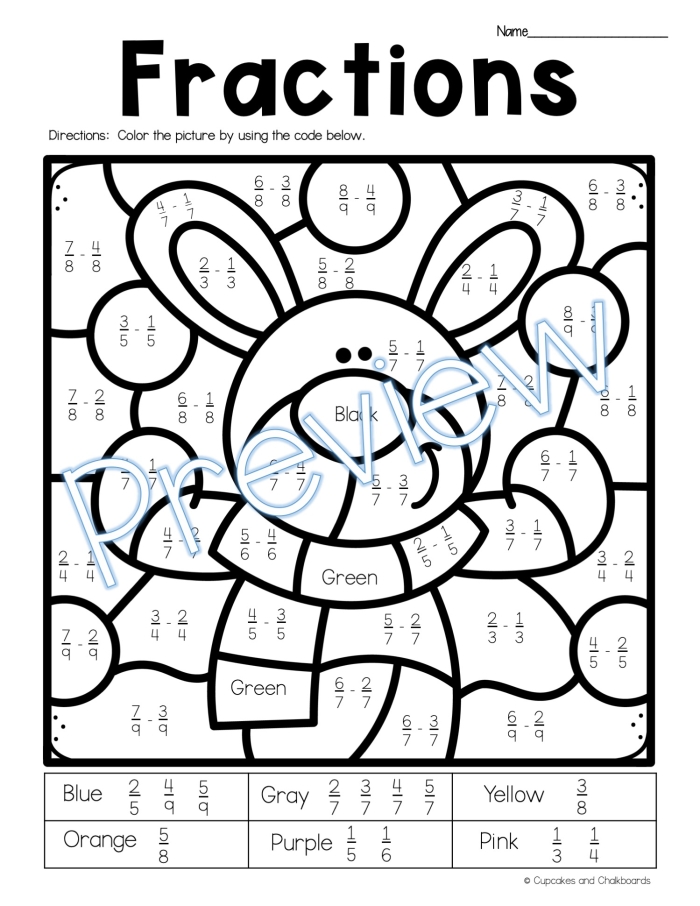
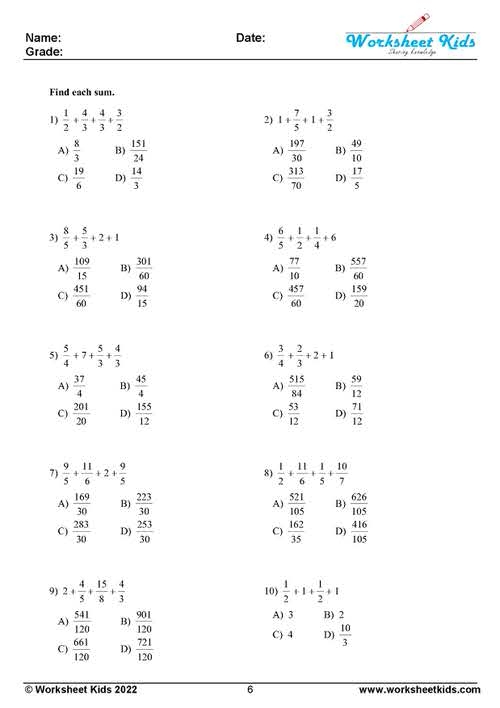
Using printable adding fractions worksheets designed for fifth grade gives your child repeated exposure to both scenarios in one place. These worksheets typically progress from same denominators to different ones, matching how children’s understanding actually develops. Pair visual practice with activities where your child colors in fraction bars or circles, and you’ll see the concept click much faster than with numbers alone.
The progression from simple to complex isn’t just good teaching, it’s how your child’s brain actually learns math. Start where they can succeed, then build from there.
Worksheet Practice Section