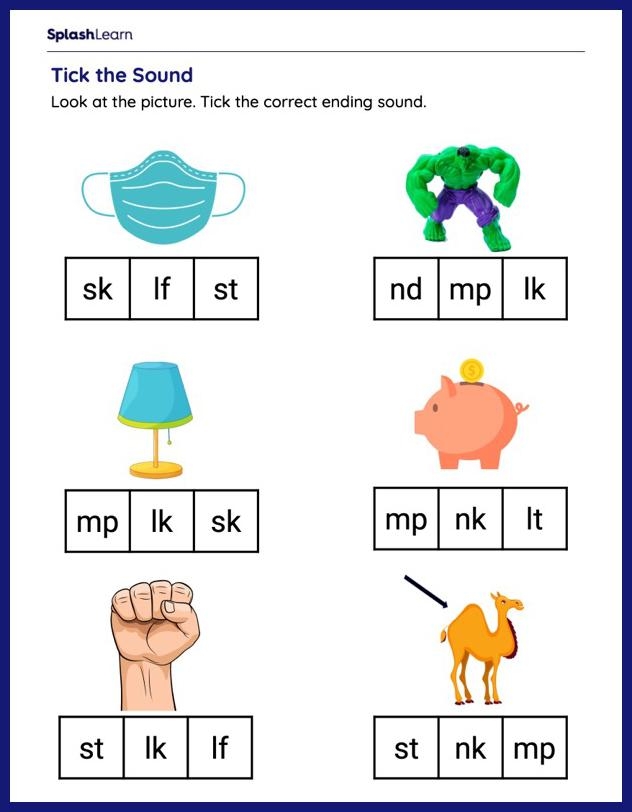
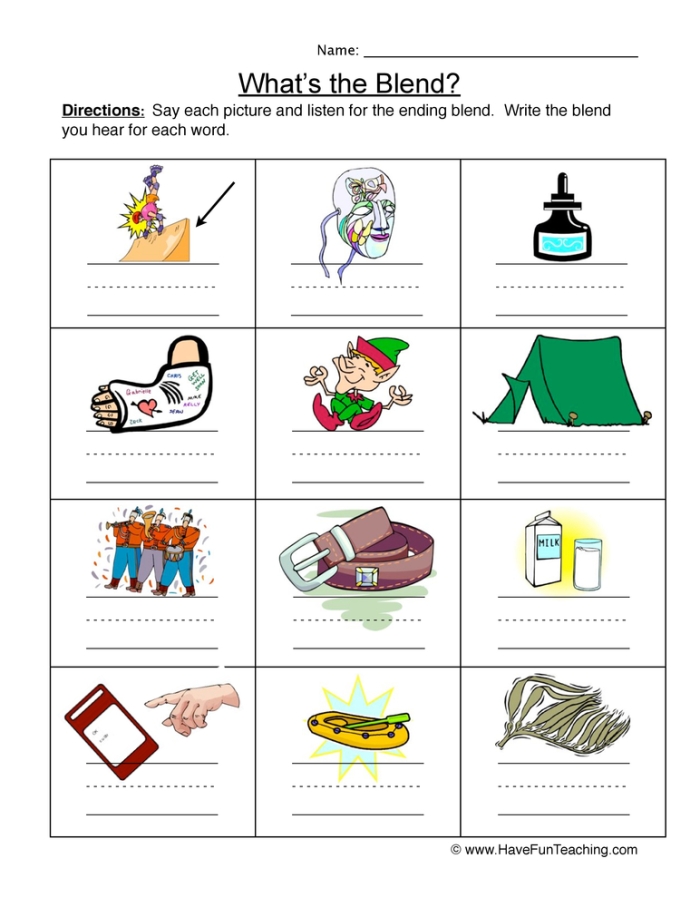
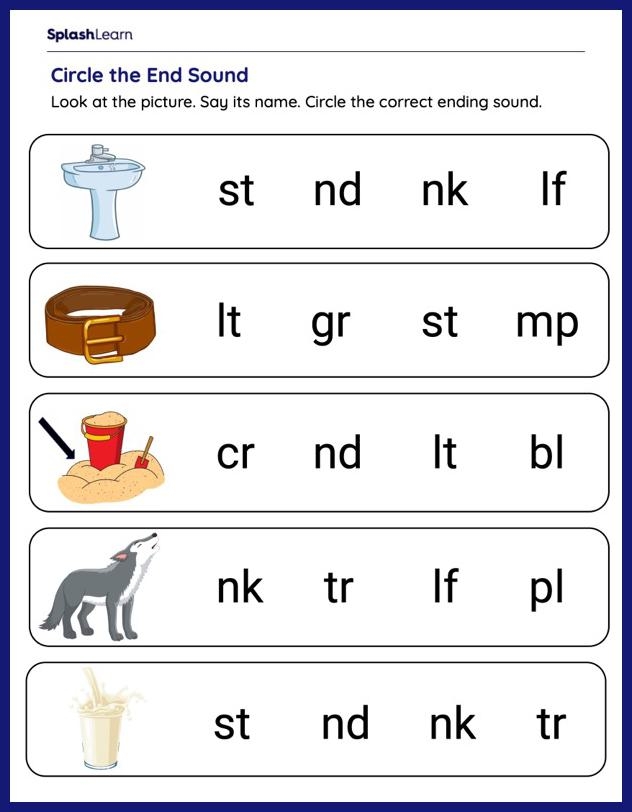
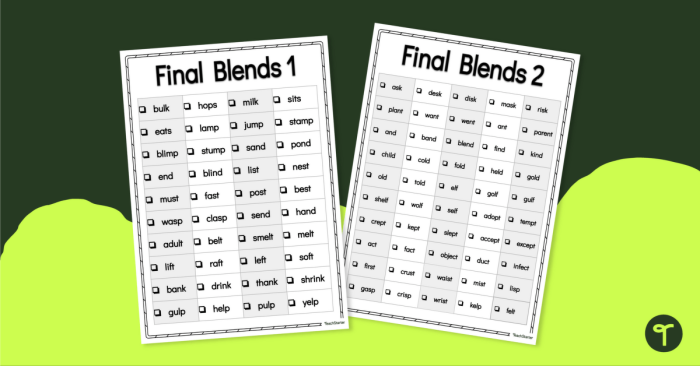
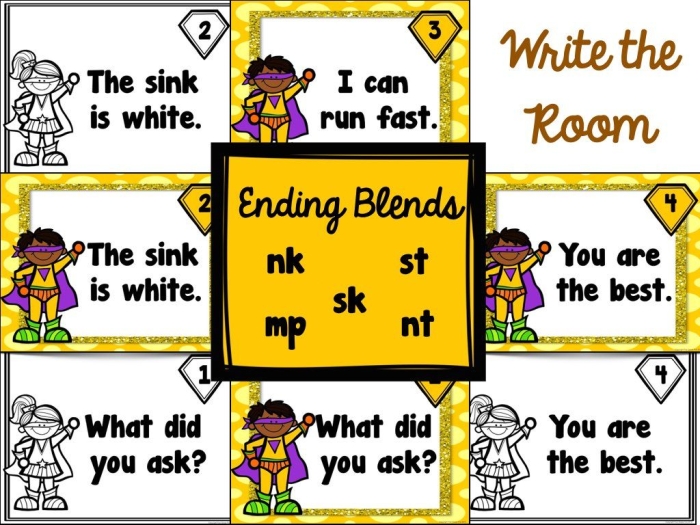
Kindergarteners often encounter challenges when learning to read and write, especially when it comes to recognizing consonant blends that appear at the end of words. Focusing on blends like -mp, -nk, and -ft provides essential practice for young learners to improve their phonics skills. These specific combinations are common in everyday words such as “jump,” “pink,” and “lift,” making them practical targets for early literacy development.
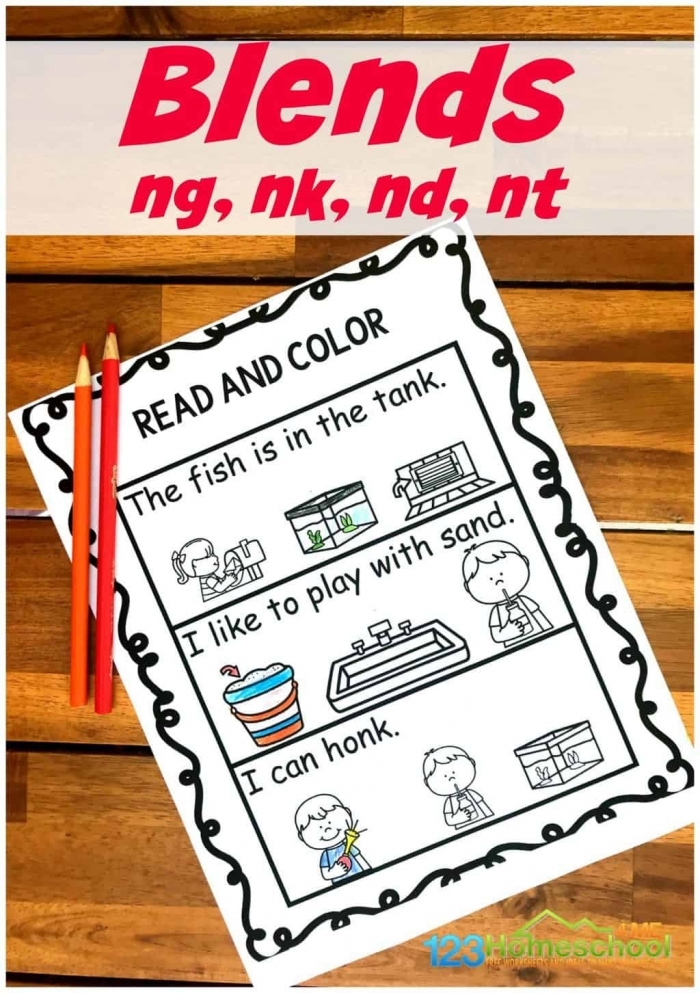
Working on these ending blends helps children understand how sounds combine to form meaningful word parts. For example, the -mp blend combines the sounds of “m” and “p,” which can be tricky because the “p” sound is soft but important for distinguishing words like “jump” from “jum.” Similarly, the -nk blend involves a nasal “n” sound followed by a hard “k,” as in “sink” or “pink,” which often confuses beginners. The -ft blend, found in words like “lift” and “soft,” teaches children how the “f” and “t” sounds work together at the end of words.
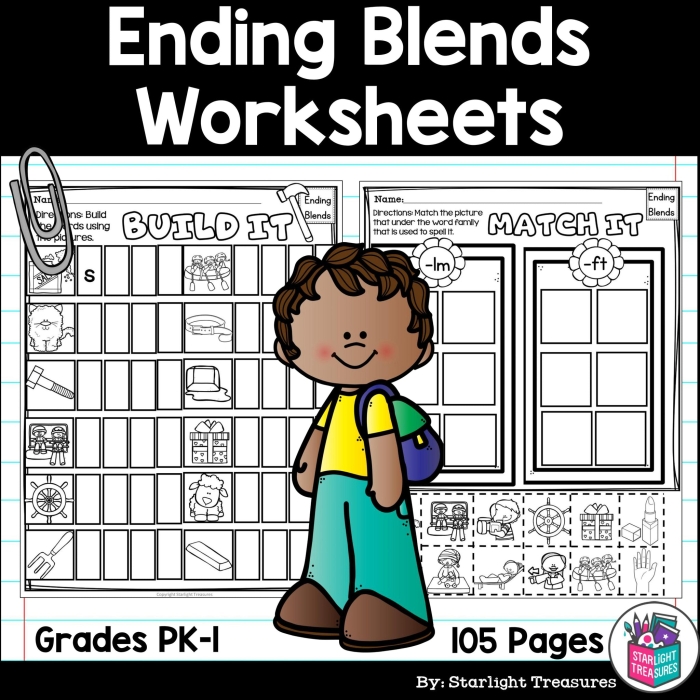
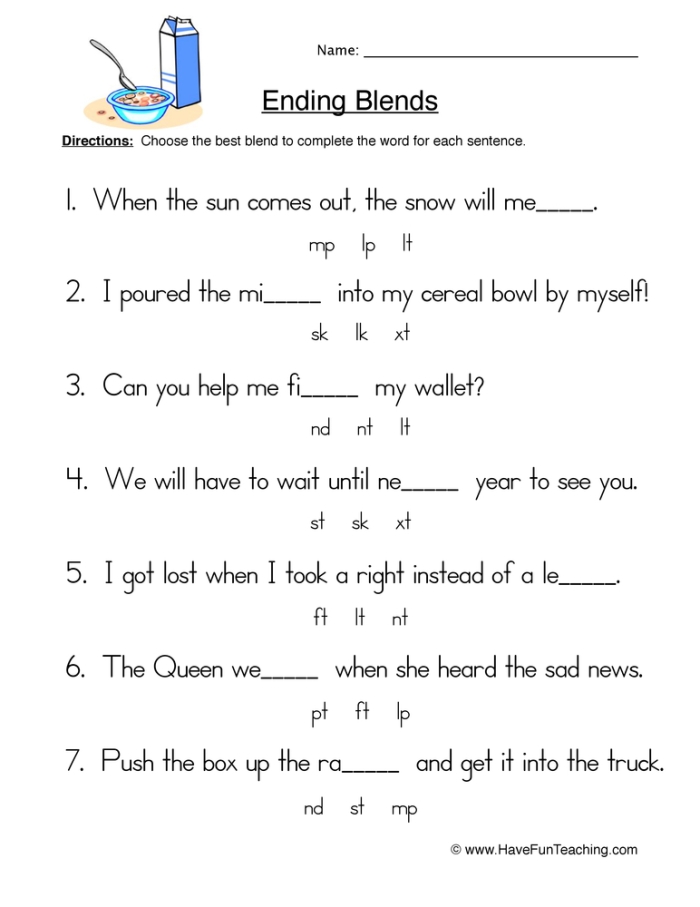
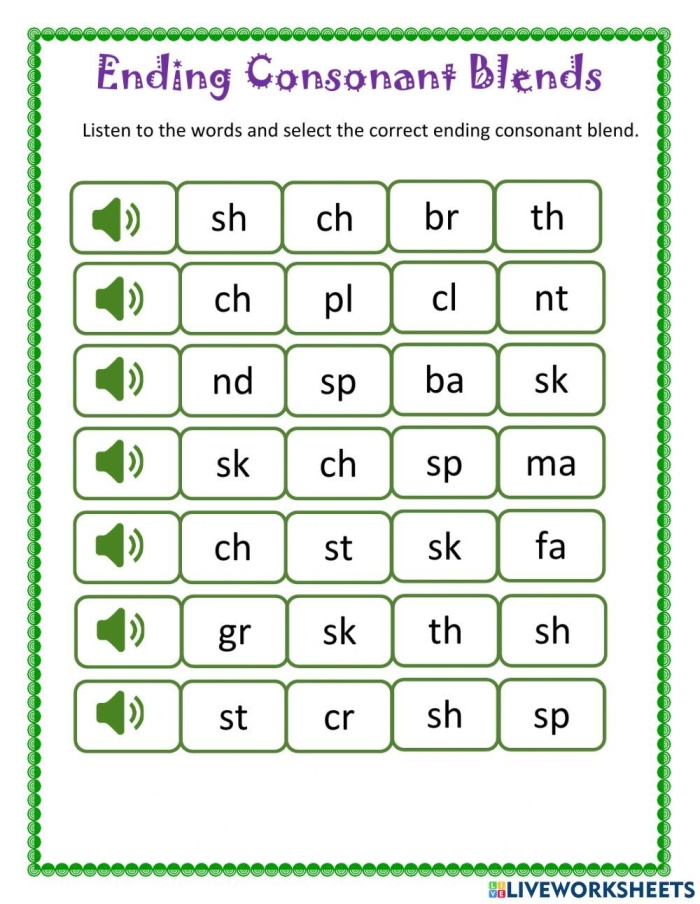
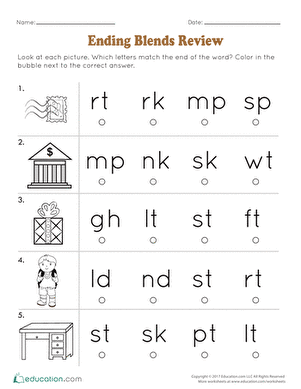
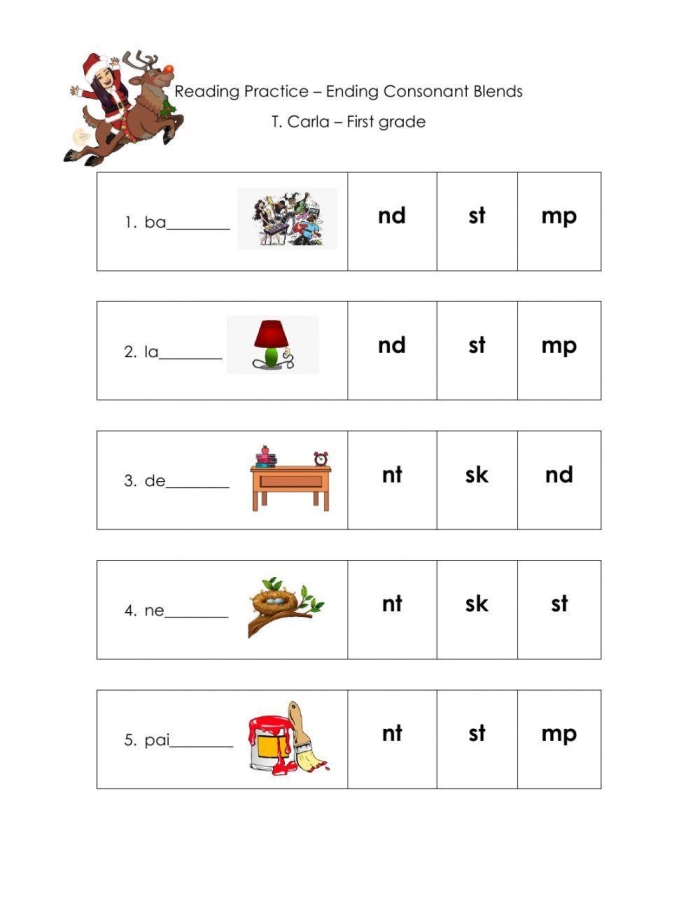
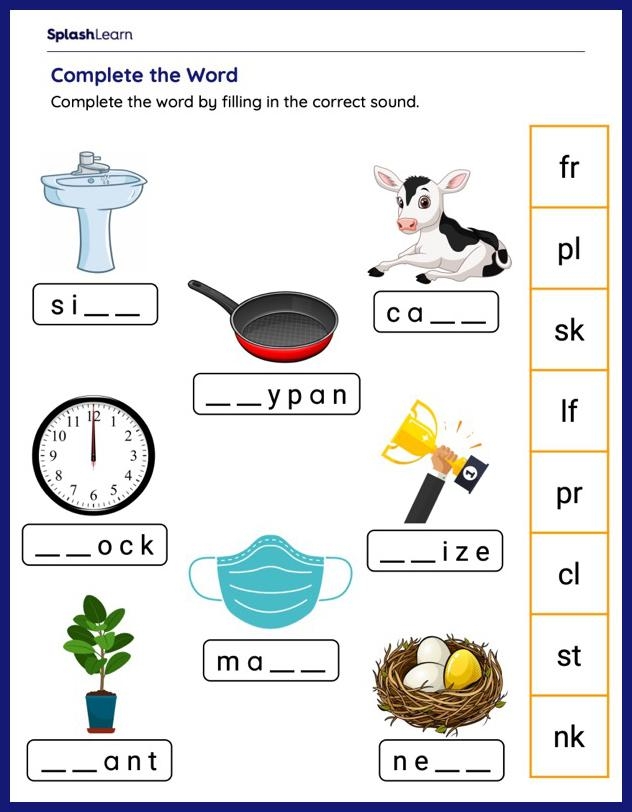
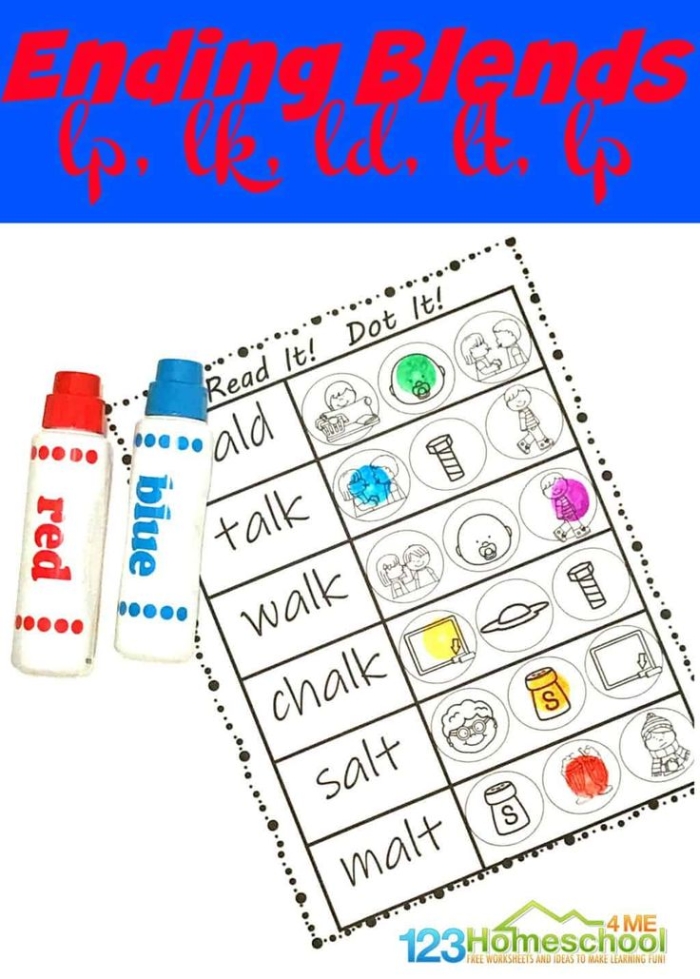
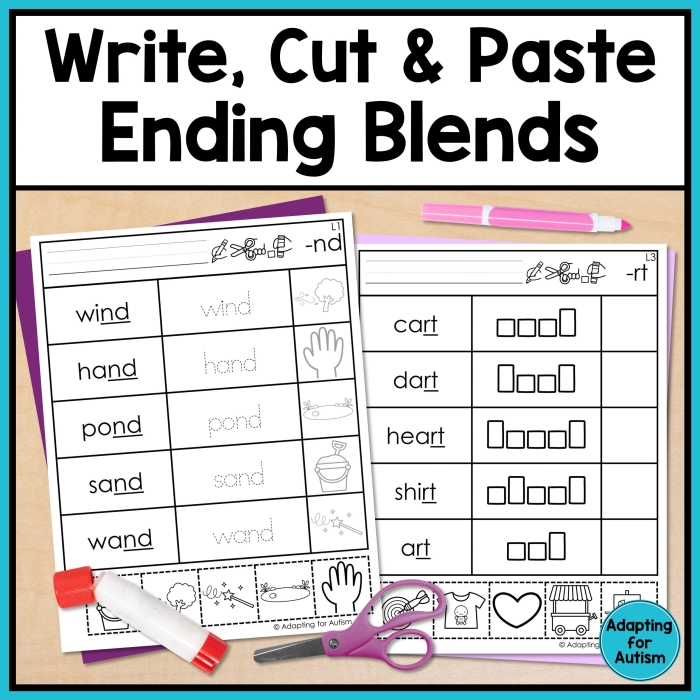
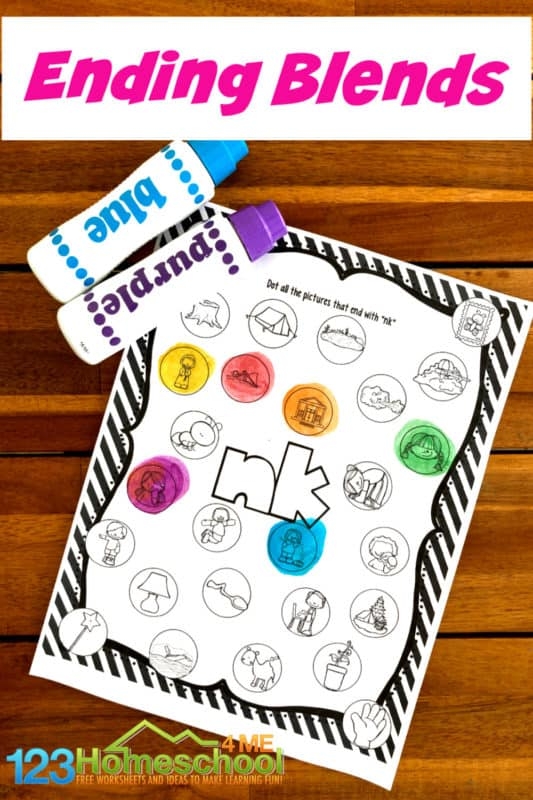
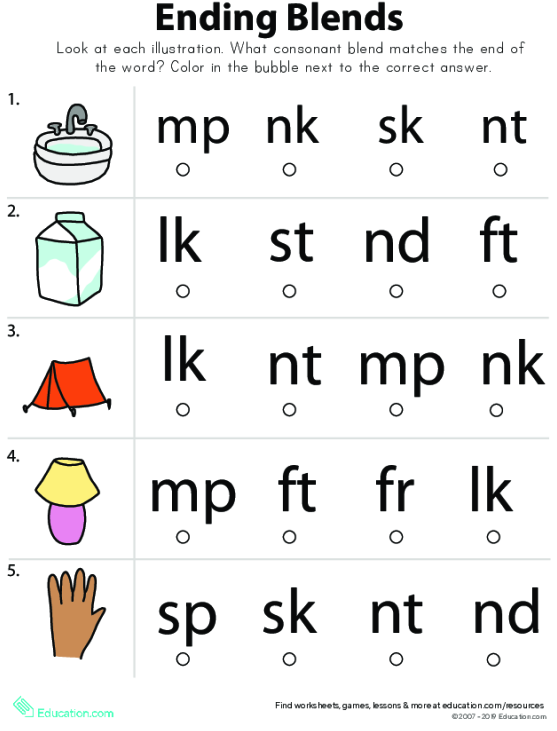
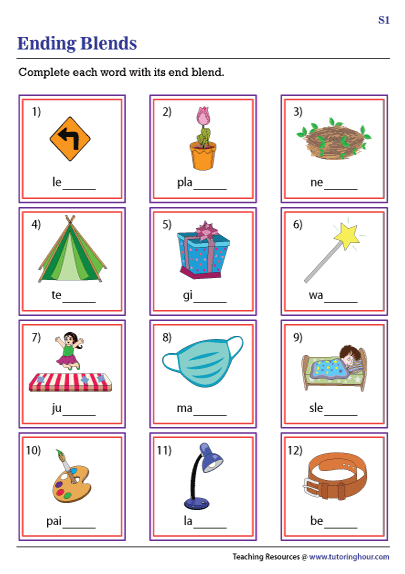
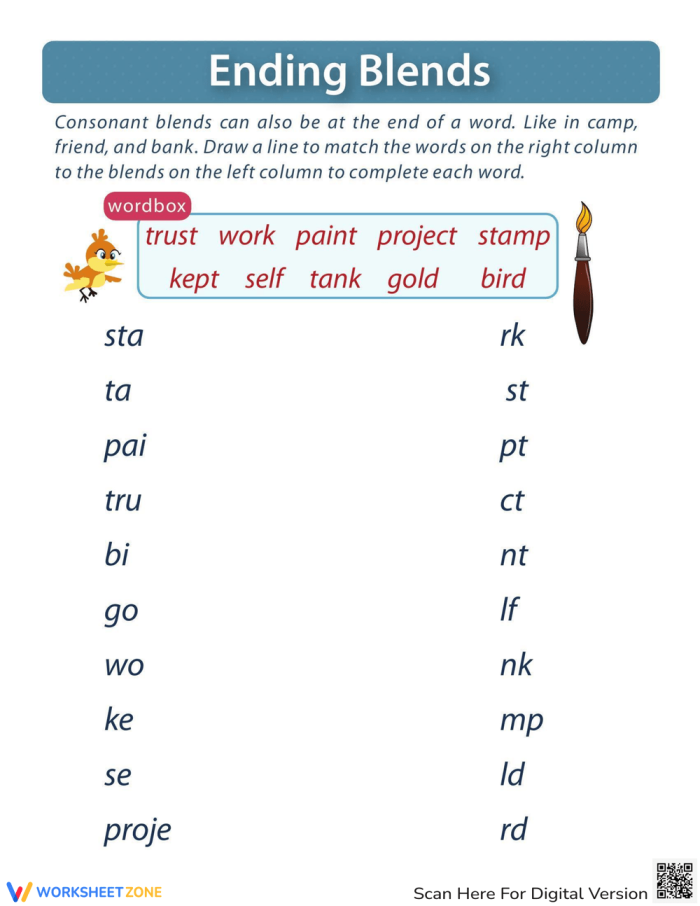
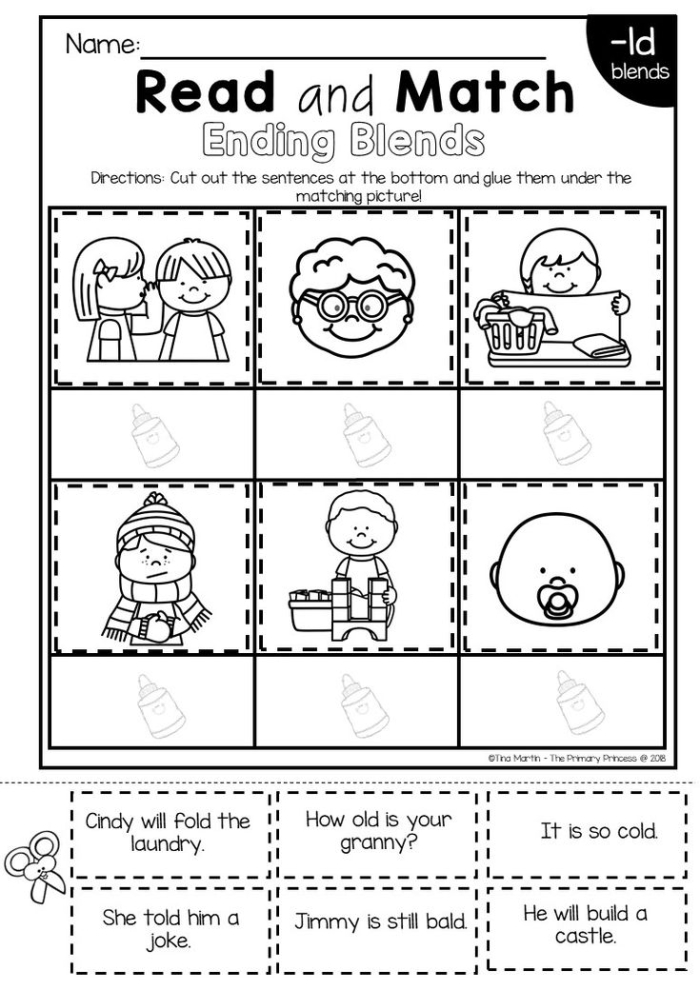
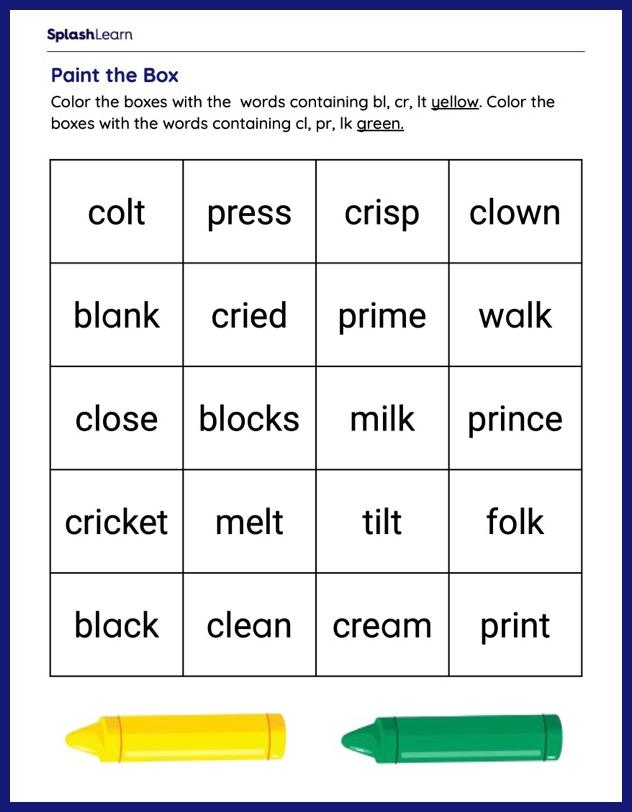
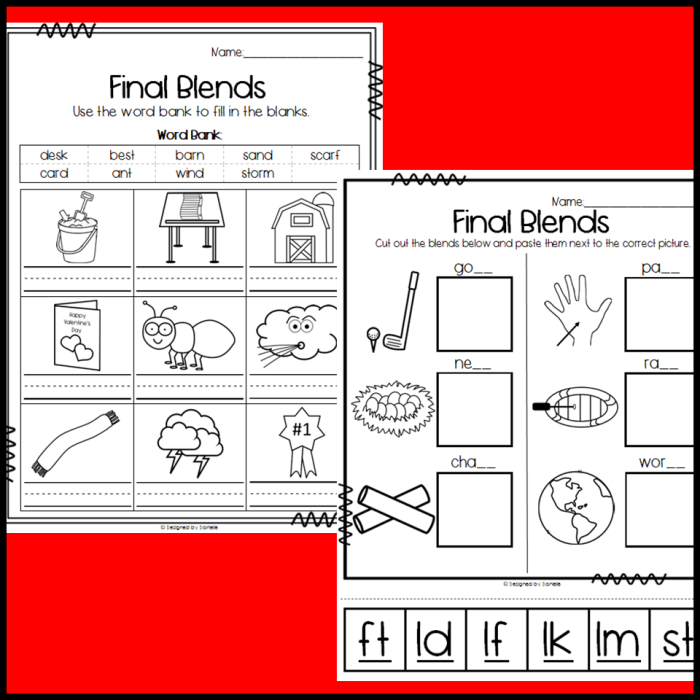
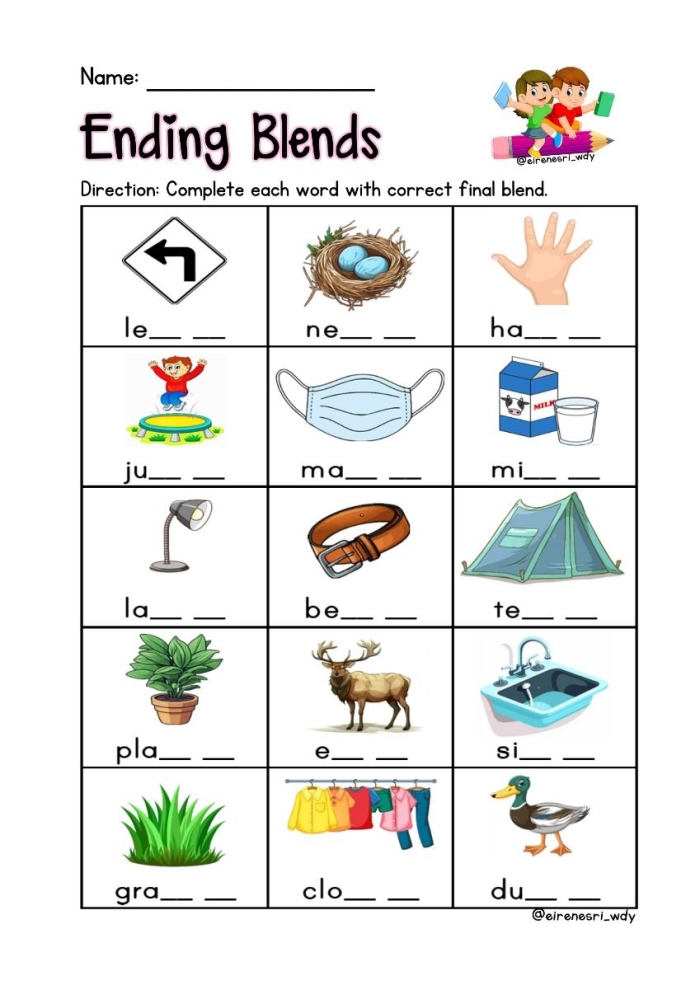
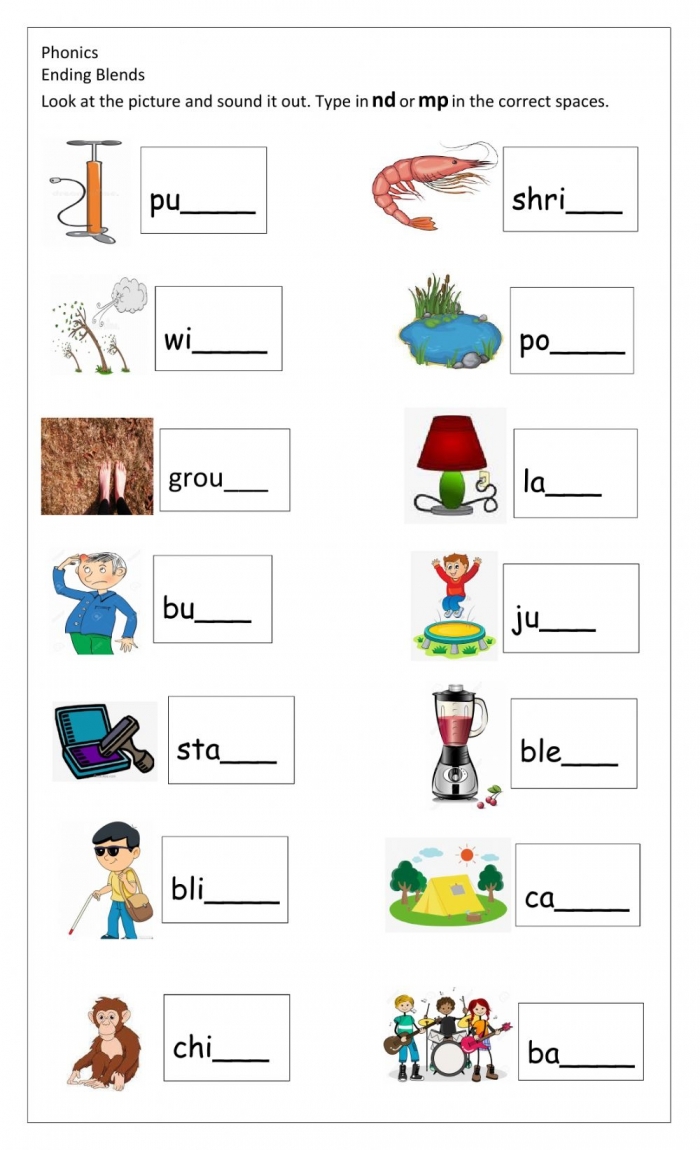
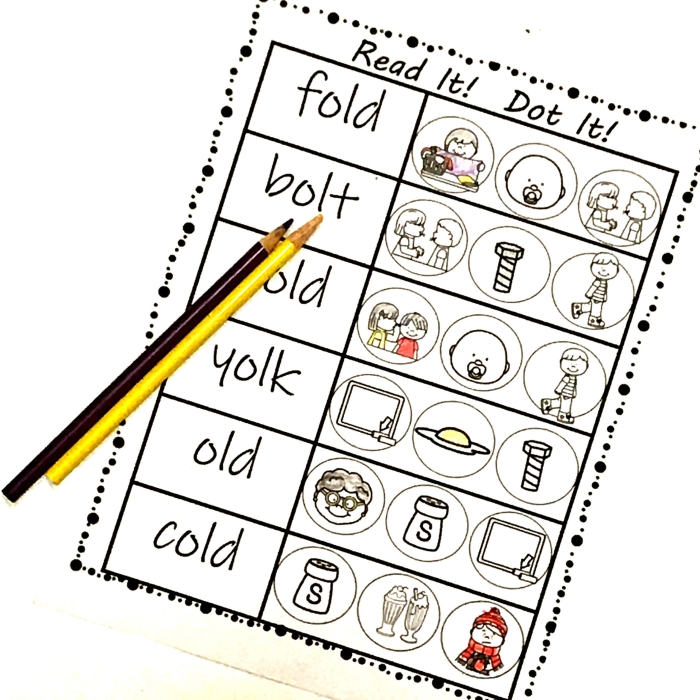
Integrating these blends into kindergarten lessons supports not only reading but also writing and spelling. Printable ending blends review worksheets can provide targeted exercises where children match words, fill in missing letters, or color pictures related to these blends. For instance, activities like the giant pumpkin coloring page can reinforce the -mp blend in a fun, engaging way. This kind of practice strengthens phonemic awareness, which is crucial before children move on to more complex skills like multiplication word problems that involve reading instructions accurately.
Since kindergarten students are still developing fine motor skills, combining phonics with coloring or tracing tasks, such as those found in the tracing numbers and counting sheets, provides a more holistic learning experience. These multi-sensory approaches ensure that children don’t just memorize blends but truly understand their function within words.
By focusing on common ending blends like -mp, -nk, and -ft, educators can offer kindergarteners a solid foundation in phonics. This prepares them for future reading success and supports their overall language development in a way that connects naturally with other subjects, including early multiplication concepts.
Start Practicing with These Worksheets