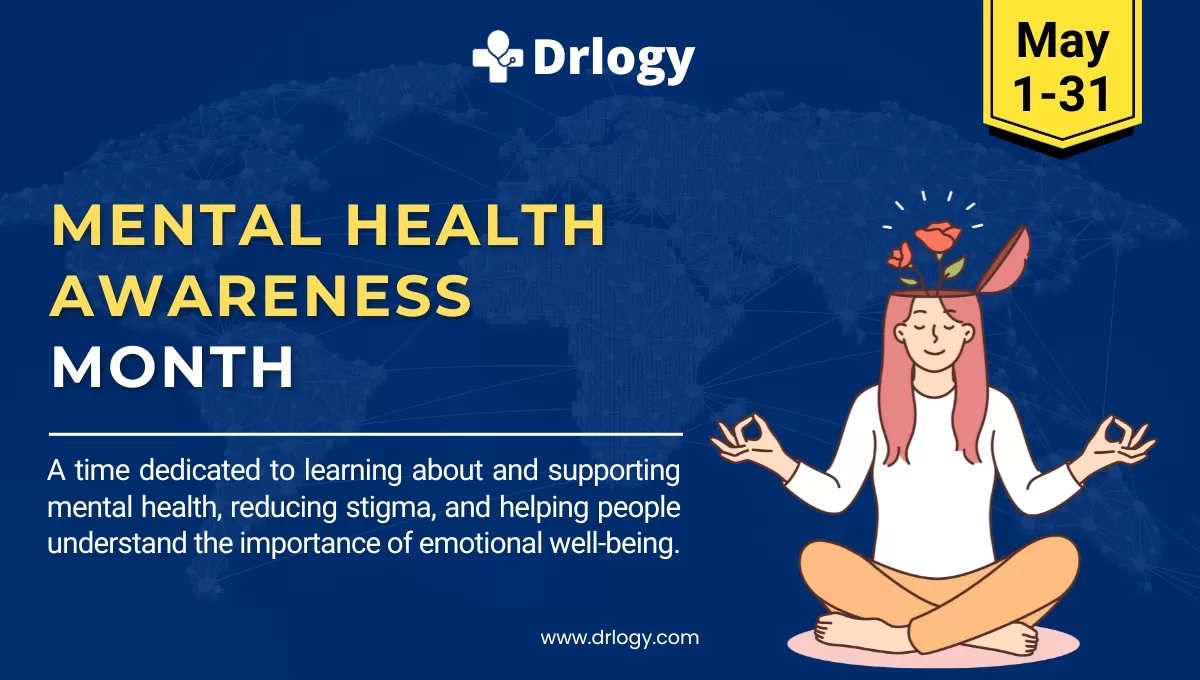
May is widely recognized as Mental Health Awareness Month, a time to promote understanding and reduce the stigma surrounding mental health issues. For sixth grade students, especially those studying Earth and Space Science, incorporating this topic into their curriculum can provide a valuable opportunity to connect personal well-being with broader scientific themes like brain function and environmental influences on health.
In many classrooms, students begin by reading background information that explains why Mental Health Awareness Month exists and what it aims to achieve. This foundation helps them grasp the importance of mental health alongside physical health. For example, learning that nearly one in five children experience a mental health disorder before reaching adulthood highlights why awareness is crucial. This kind of statistic can make the topic more tangible for young learners.
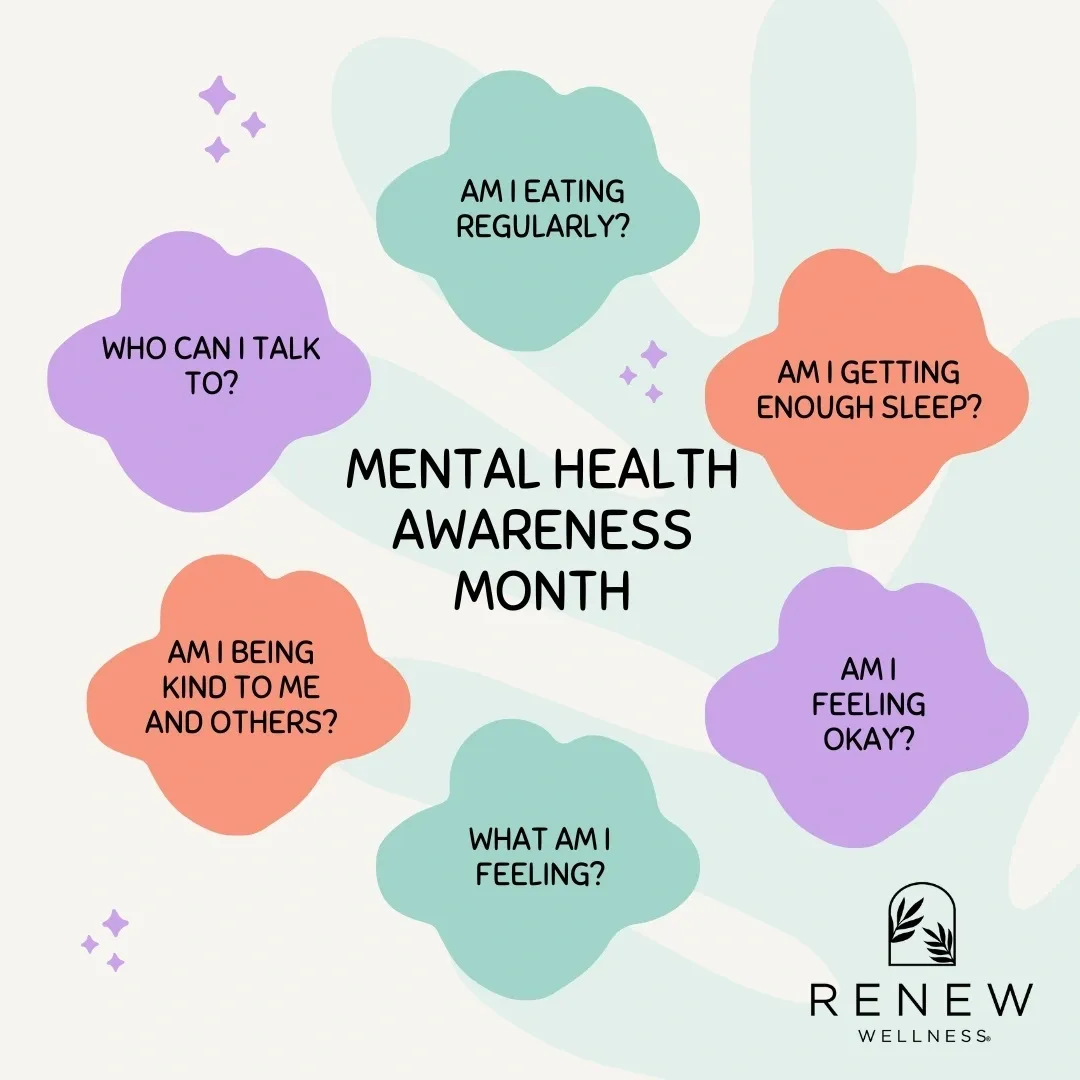
After absorbing this information, students respond to reflective questions designed to encourage thoughtful engagement. These questions might ask them to consider how stress affects their ability to focus during science lessons or how spending time outdoors in nature can improve their mood and cognitive functioning. This approach not only fosters emotional intelligence but also ties nicely into Earth and Space Science concepts, such as the effects of sunlight on the brain’s chemistry.
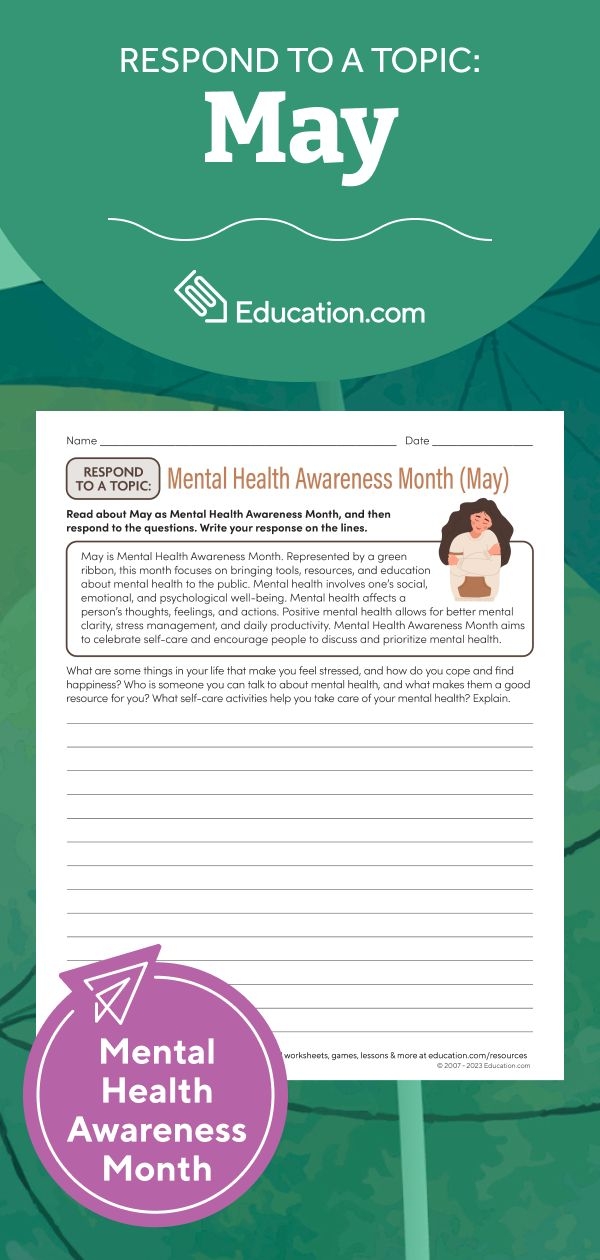
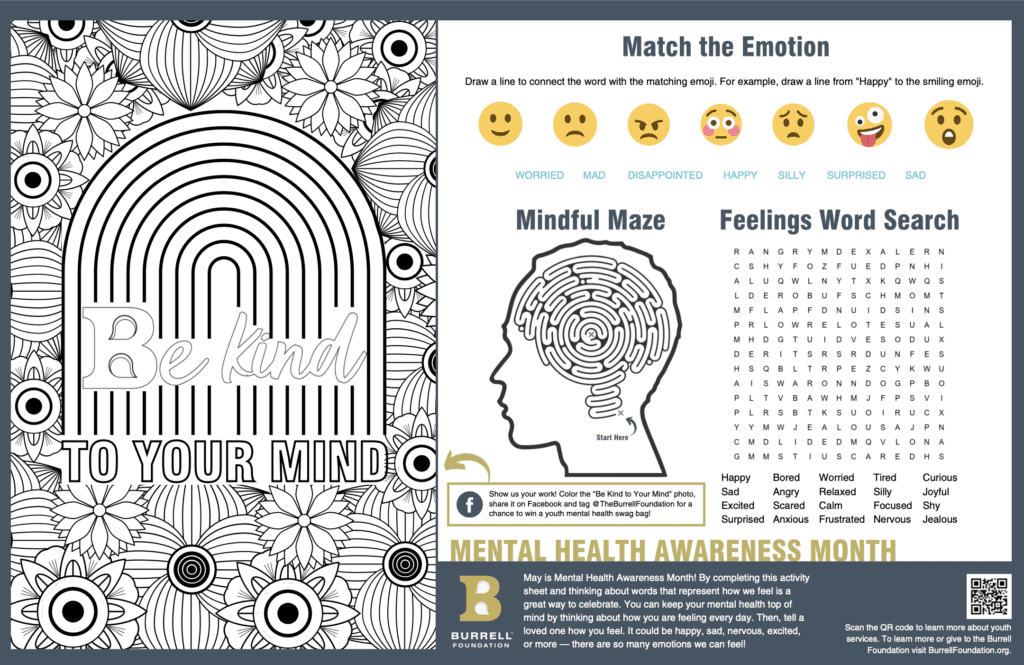
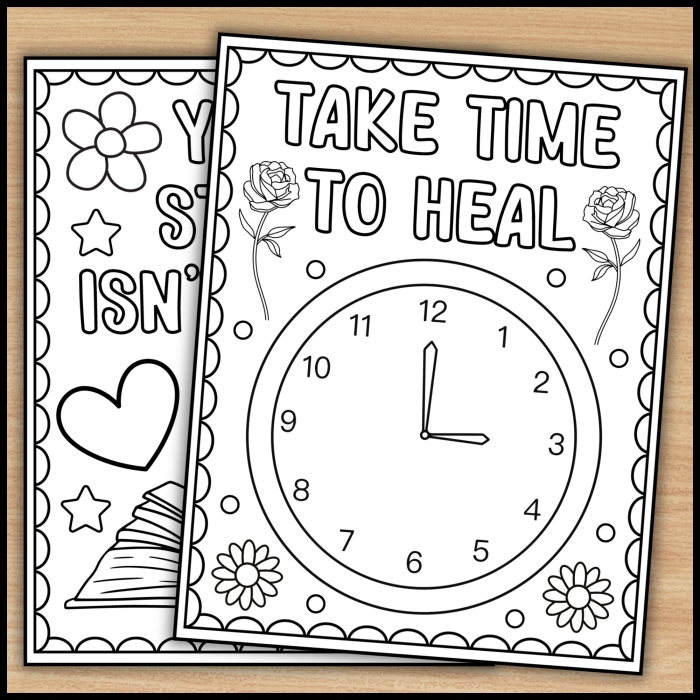
Using a printable respond to a topic: Mental Health Awareness Month (May) worksheet tailored for sixth grade students can make the exercise more interactive and structured. These worksheets often include prompts that encourage students to write about their own experiences or suggest ways to support friends who might be struggling. This reflective practice helps students develop empathy and self-awareness.
Integrating mental health discussions into science lessons also supports a holistic educational experience. For instance, exploring the connection between sleep, brain health, and learning can give students practical advice they can apply daily. Teachers might even link this topic with other subjects, such as using resources from self-care challenges to reinforce healthy habits.
By inviting students to thoughtfully respond to Mental Health Awareness Month topics, educators create a safe space for conversation and reflection. This not only benefits students’ emotional well-being but also enriches their understanding of how mental health fits into the broader picture of science and everyday life.
Start Practicing with These Worksheets