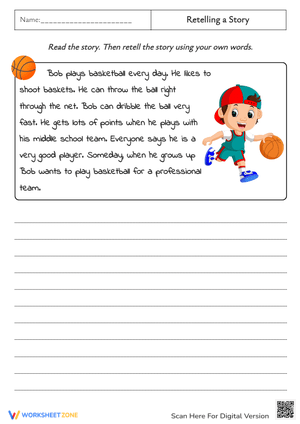
Retelling stories is one of the most powerful ways Pre-K students develop language skills and build confidence as communicators. When children put a familiar tale into their own words and create images to match, something shifts in their understanding. They move from passive listeners to active storytellers, making choices about what matters most in the narrative.
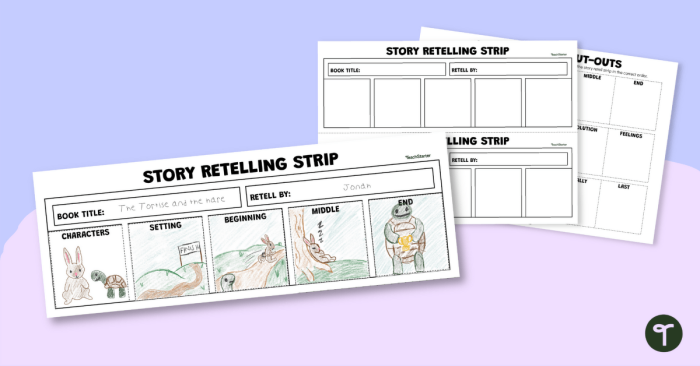
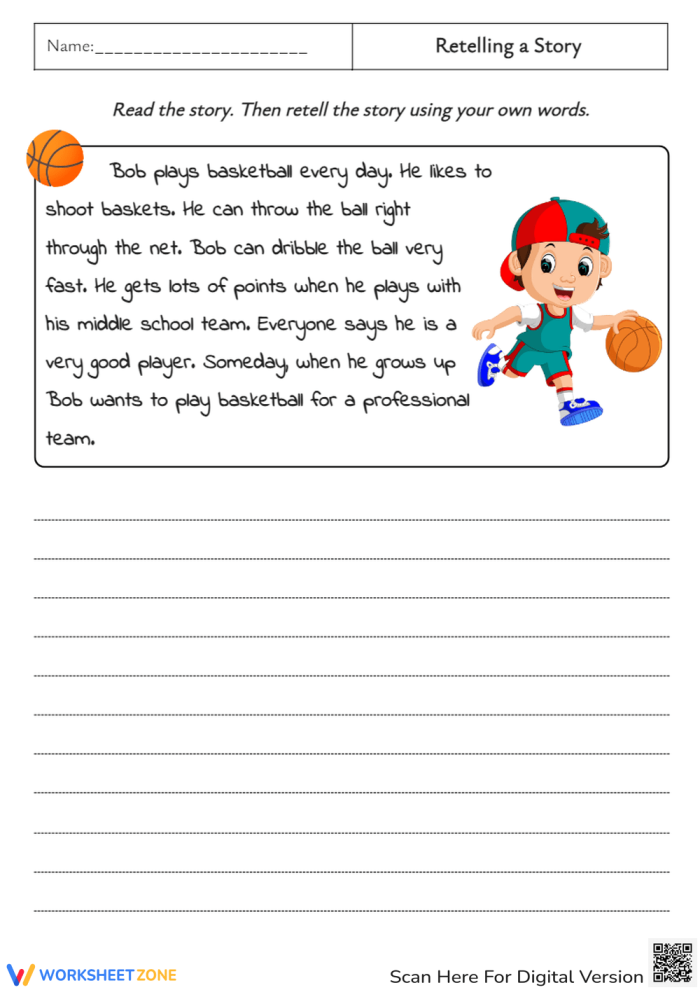
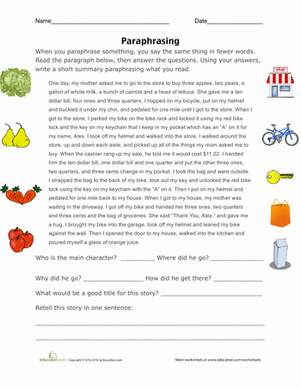
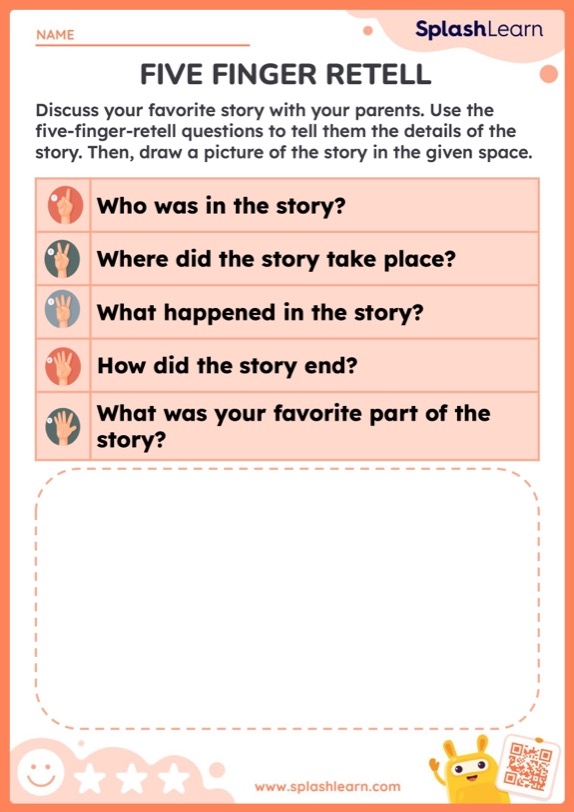
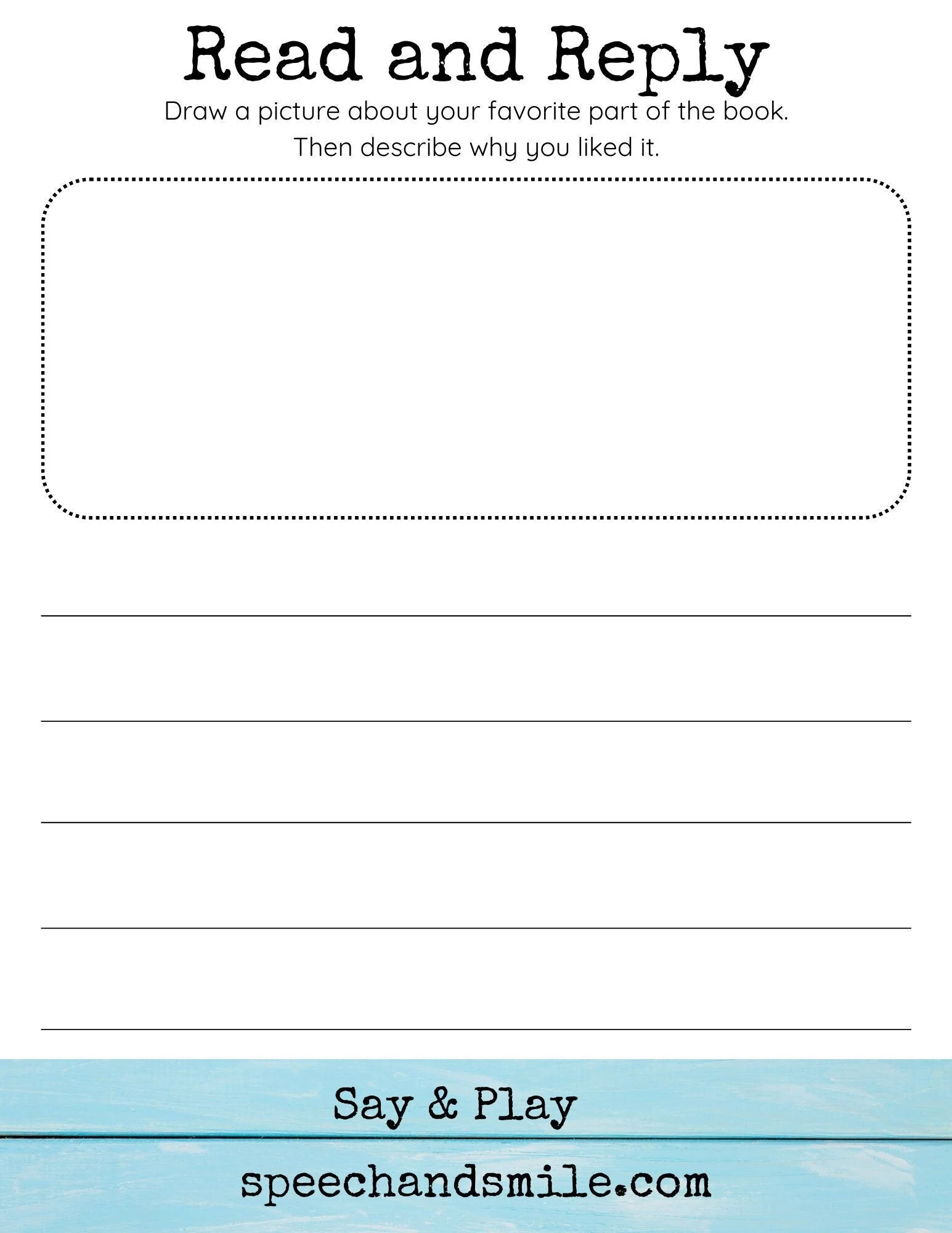
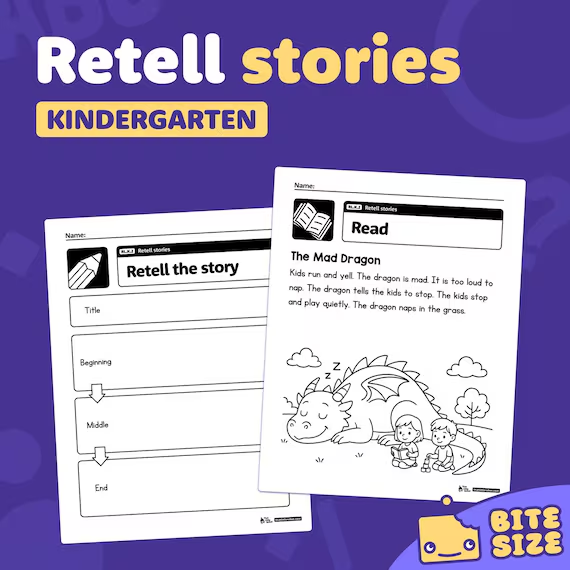
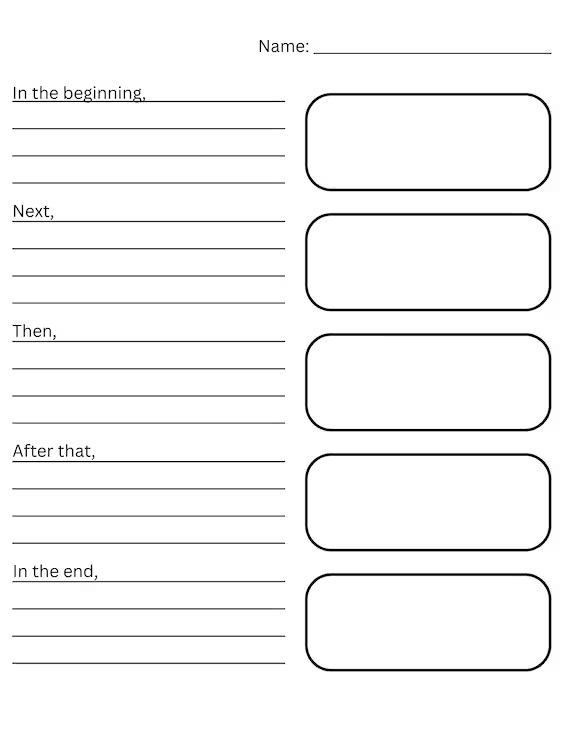
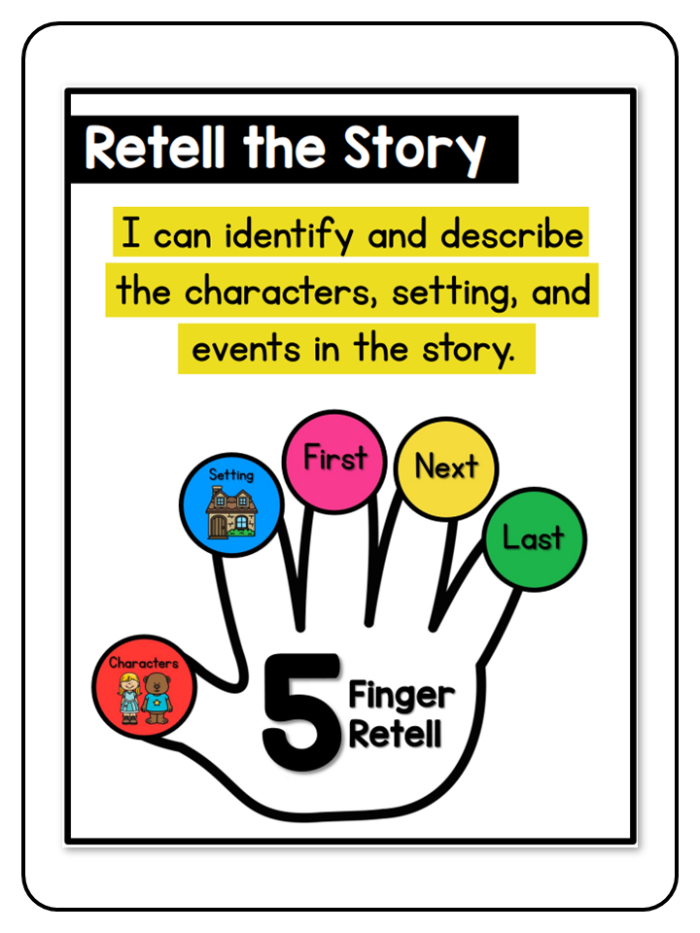
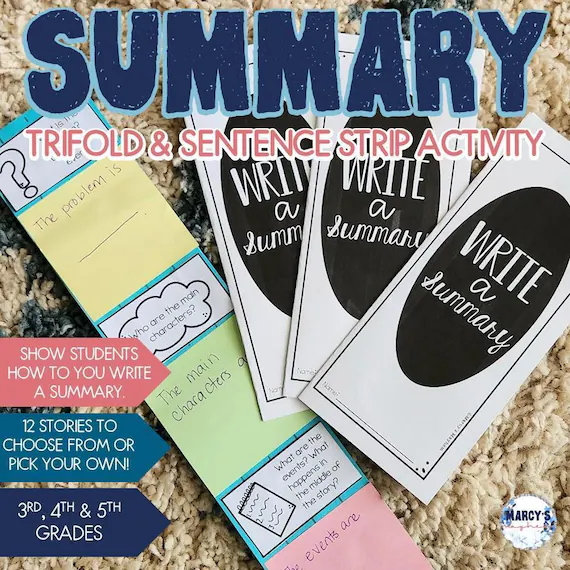
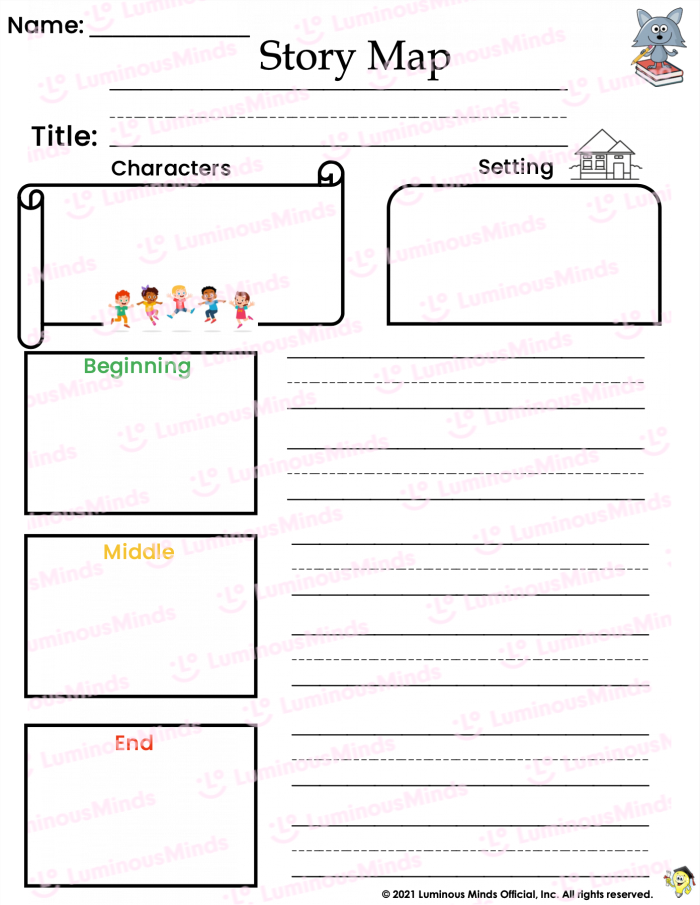
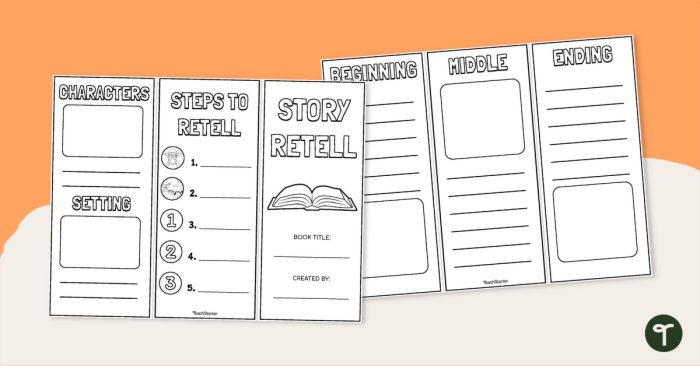
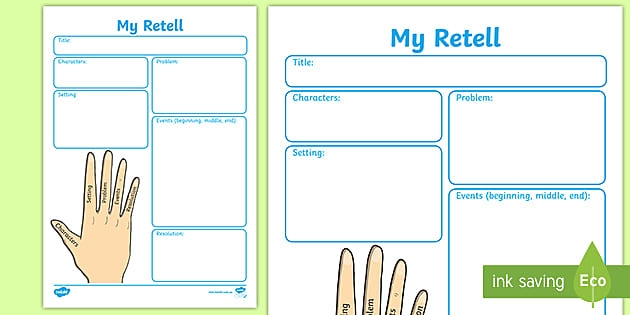
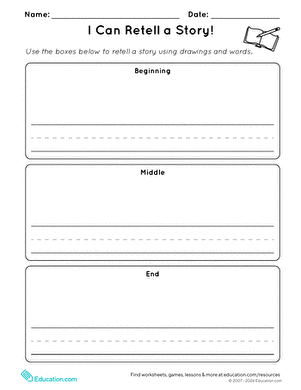
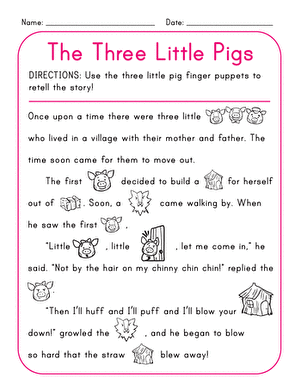
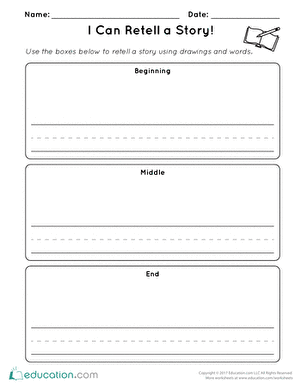
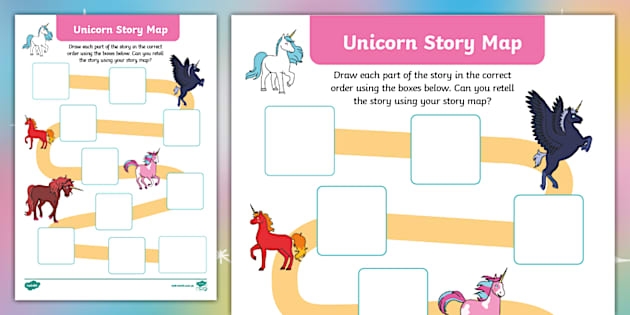
A retelling worksheet gives students a structured space to practice this skill without the pressure of starting from scratch. The format typically includes prompts or sections that guide them through the beginning, middle, and end of a story they know well. Young learners might draw pictures, write simple words, or dictate sentences to an adult. The act of deciding which details to include and which to leave out helps them recognize story structure naturally.
What makes this approach effective is that it honors each child’s unique perspective. Two students retelling the same fairy tale will produce completely different versions based on what caught their attention. One might focus on the character’s feelings while another emphasizes the sequence of events. This variation is valuable, not something to correct.
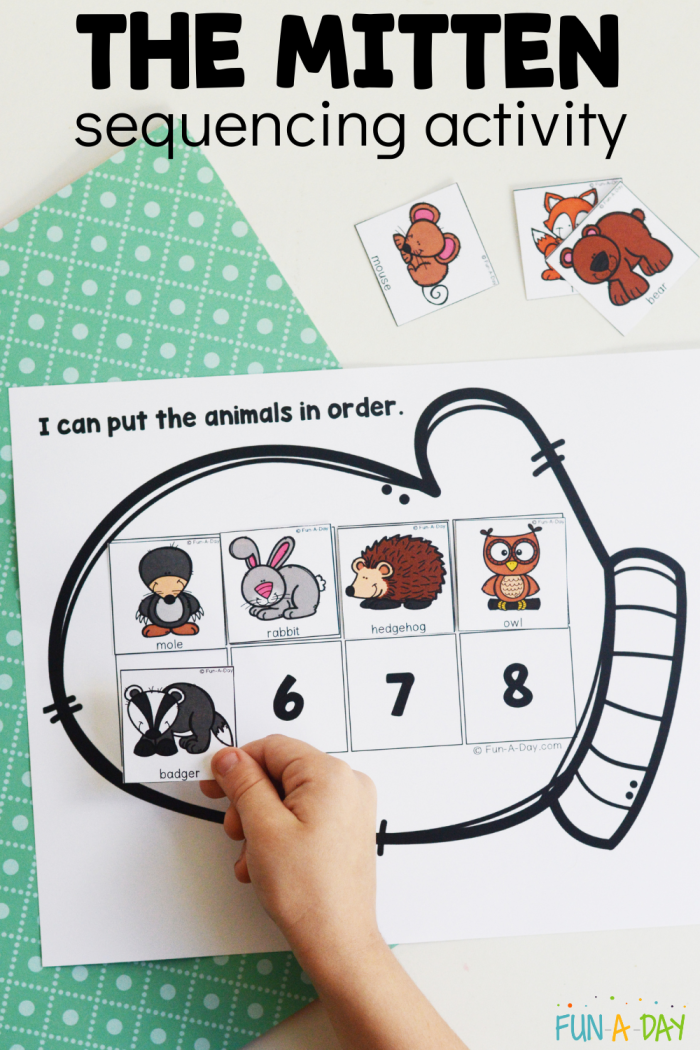
For Pre-K classrooms, pairing retelling activities with other foundational skills creates richer learning experiences. You might combine storytelling practice with visual activities like tracing and coloring exercises or matching activities that develop fine motor control alongside comprehension.
The beauty of a retelling worksheet lies in its simplicity. It requires no special materials beyond paper and basic supplies. Teachers can use it with any story students have heard multiple times, whether from a read-aloud, video, or classroom experience. The worksheet becomes a keepsake that shows growth over time as students’ storytelling abilities develop throughout the year.
Printable Worksheets for Practice