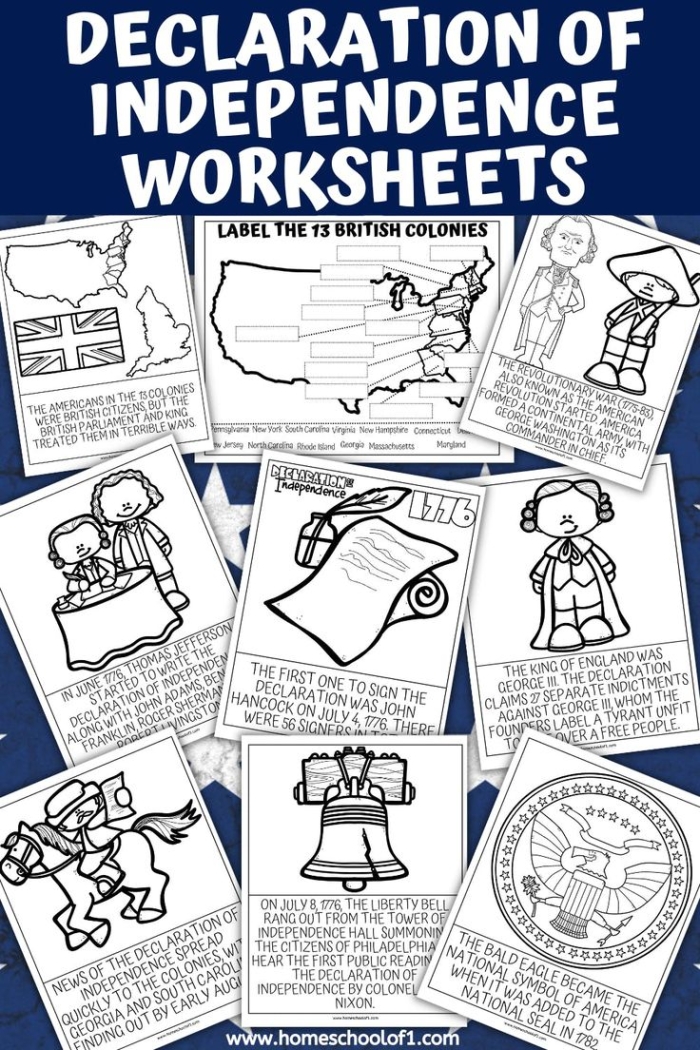
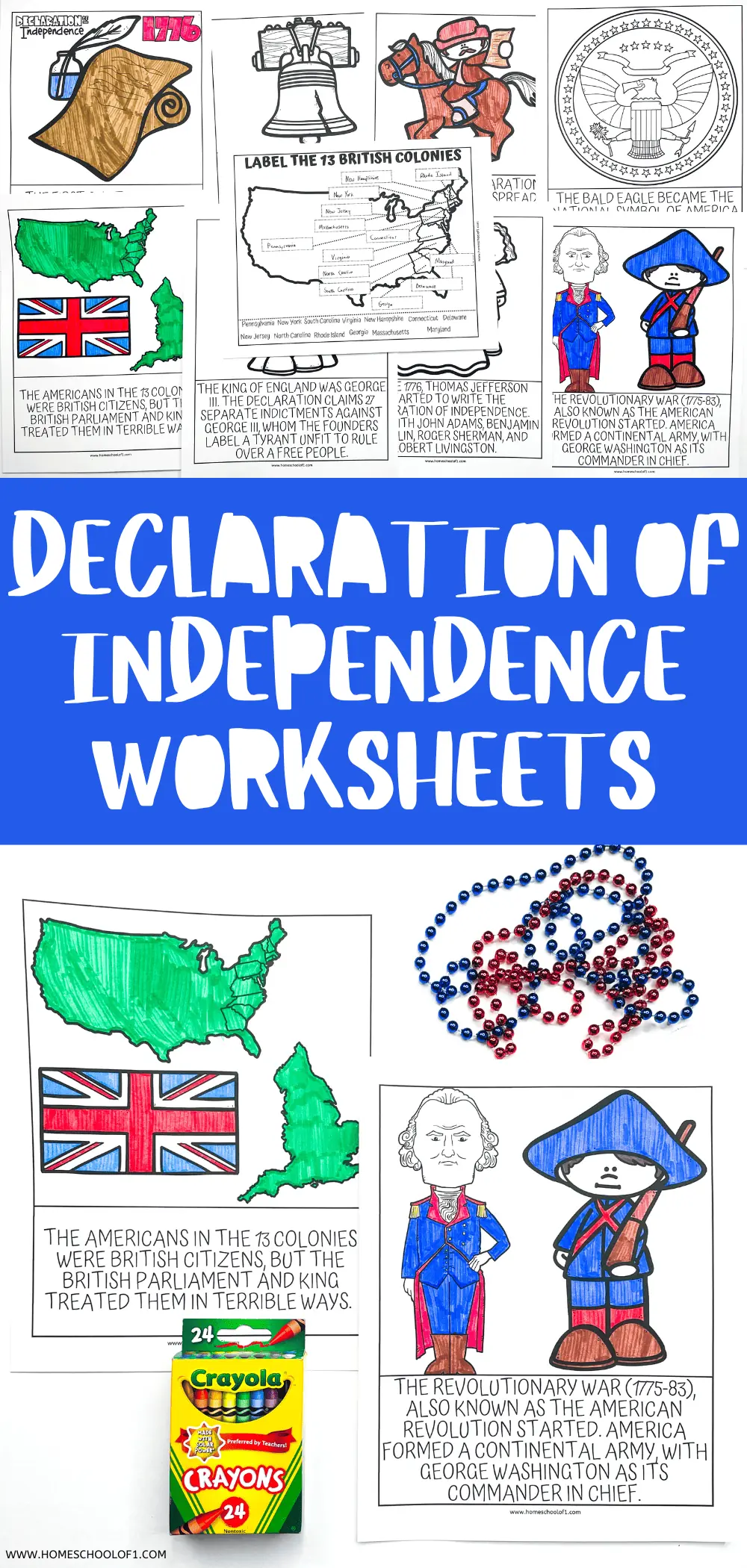
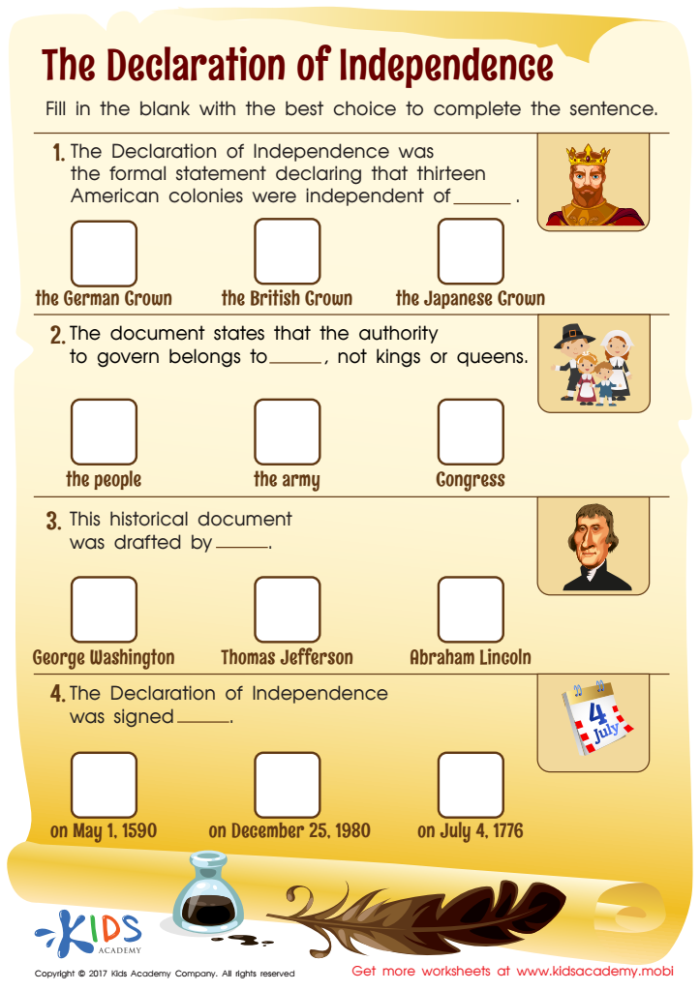
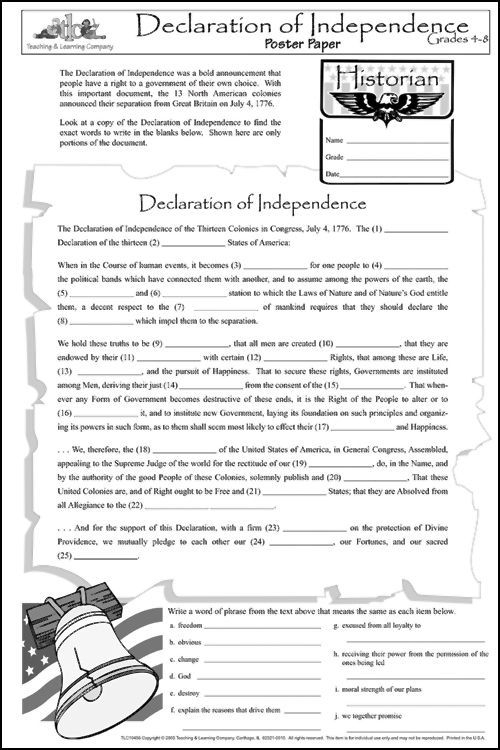
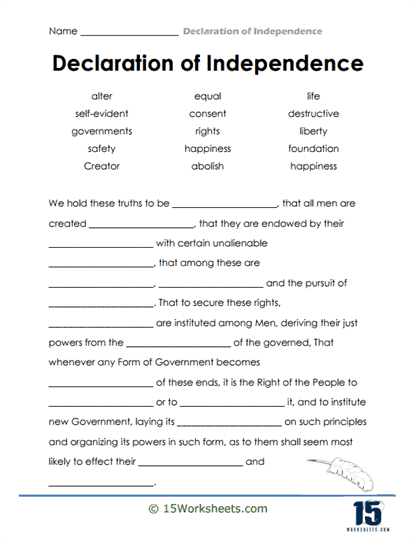
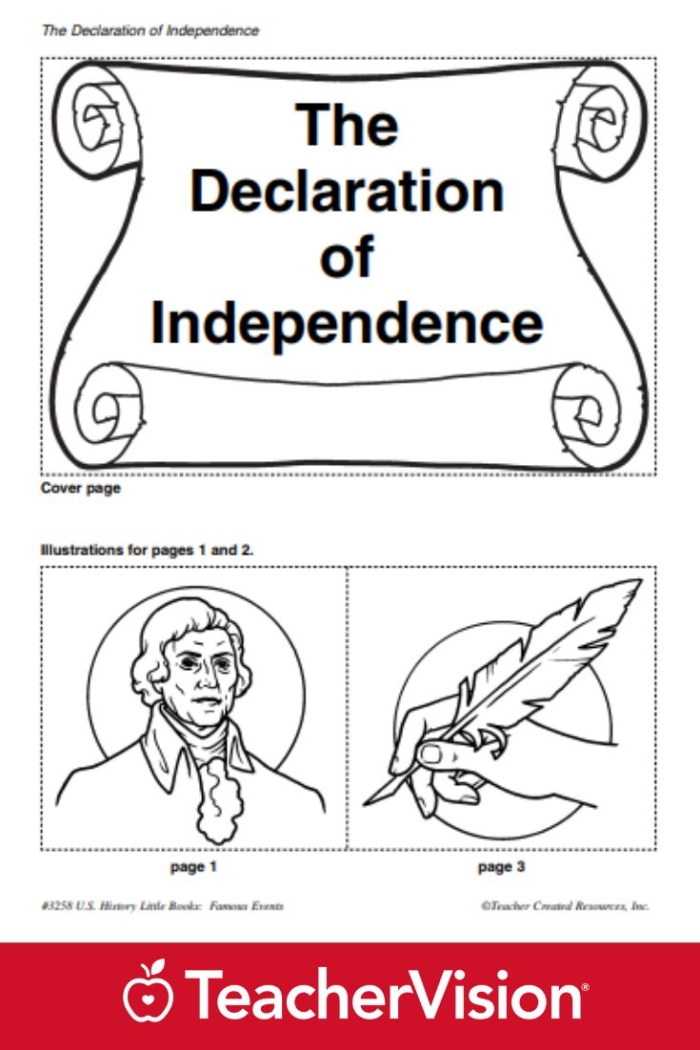
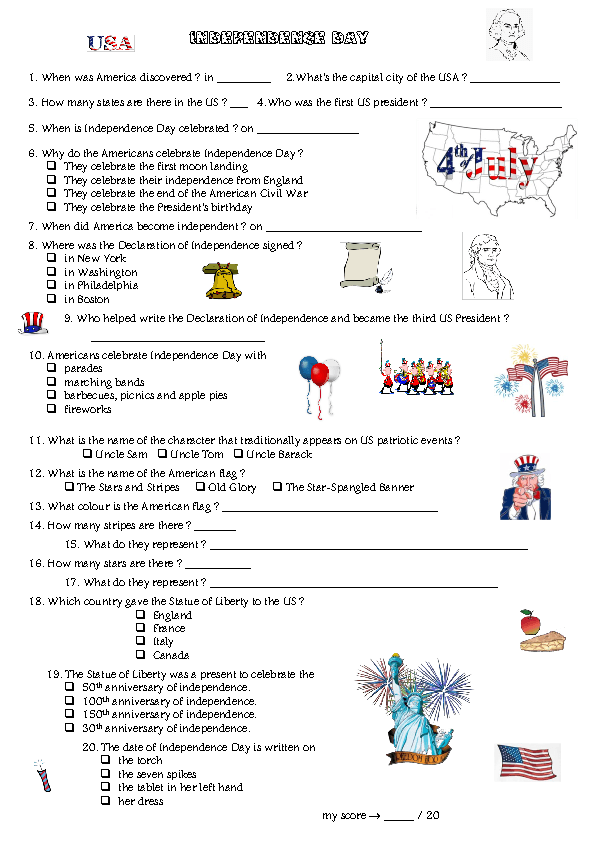
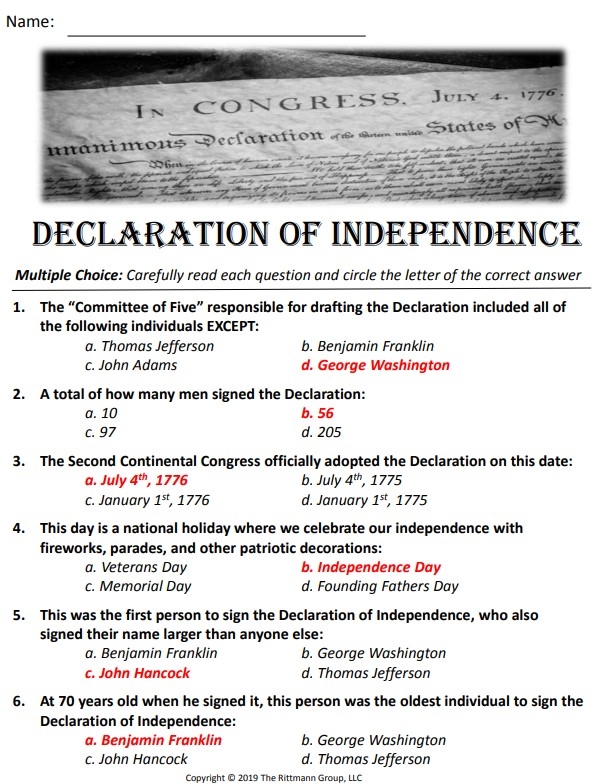
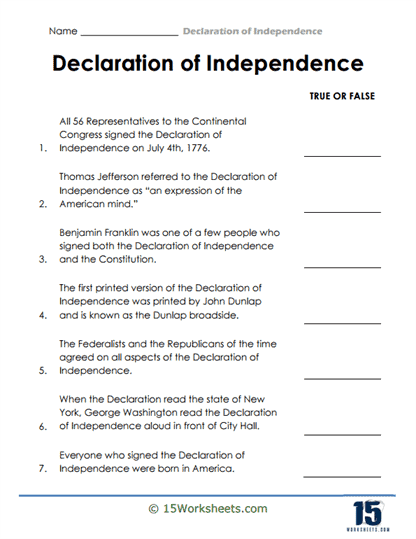
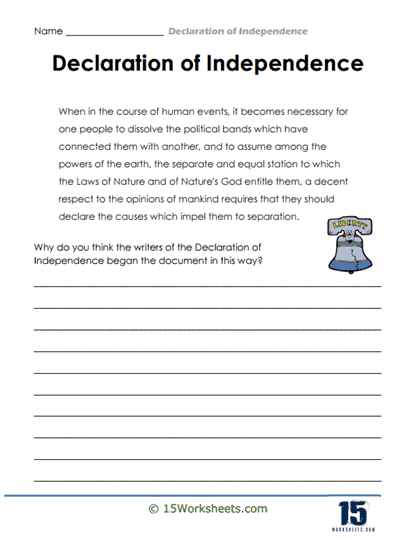
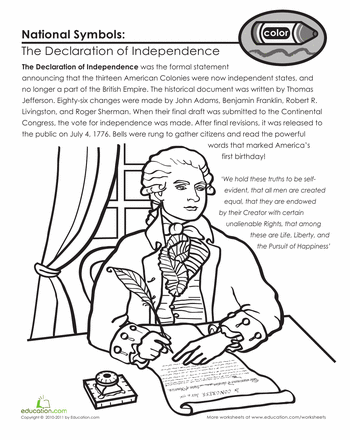
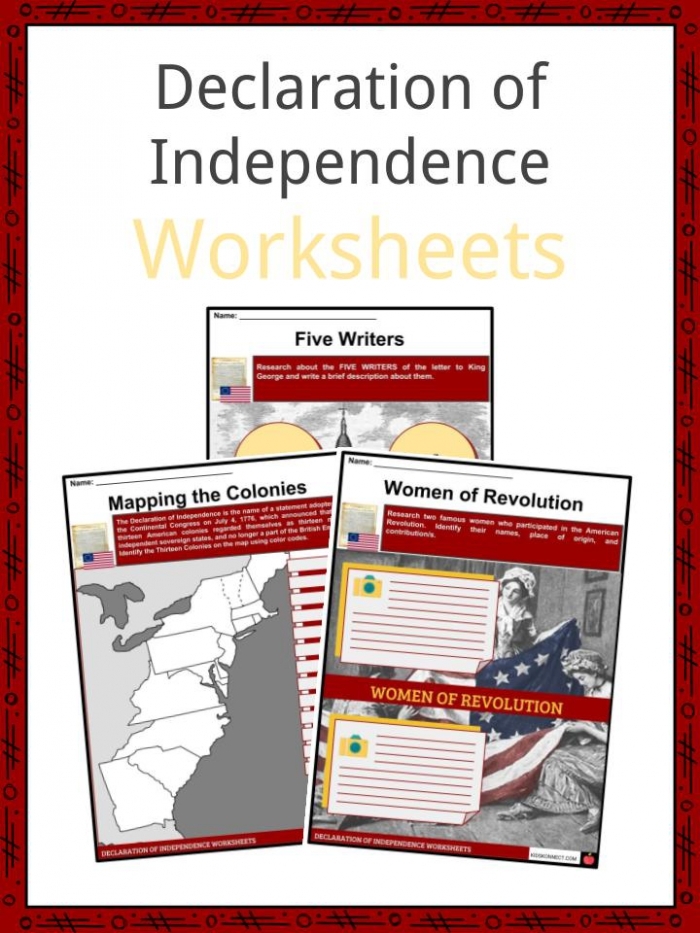
Introducing your second grader to American history can be both fun and meaningful when you use engaging tools like coloring pages focused on National Symbols: The Declaration of Independence. These printable worksheets offer a creative way for children to connect with a key moment in the nation’s story while practicing their reading skills. By coloring images related to the Declaration, kids get a hands-on experience that makes history feel alive rather than distant or dry.
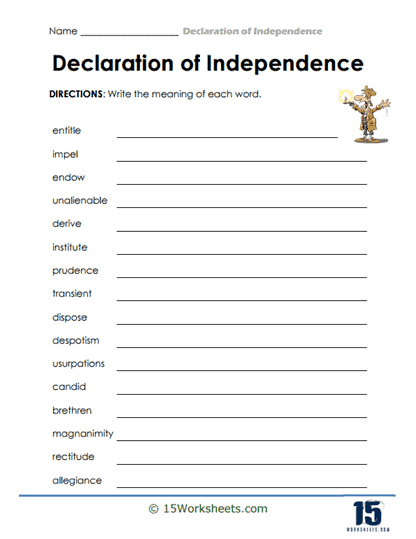
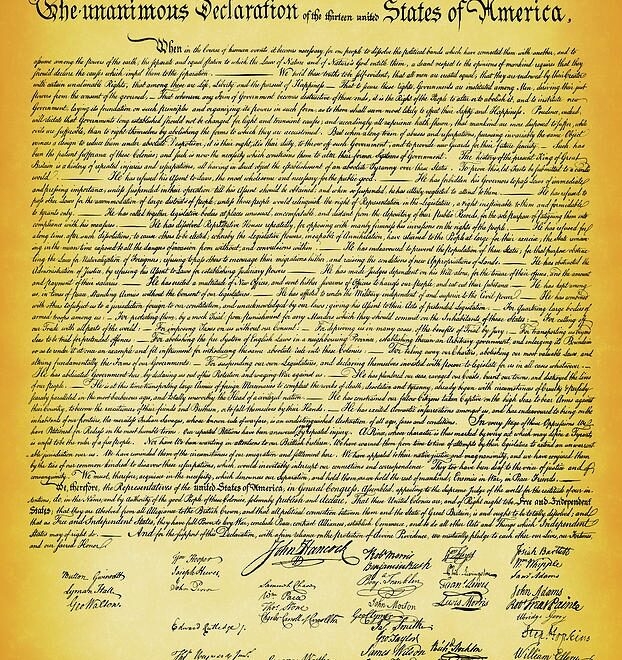
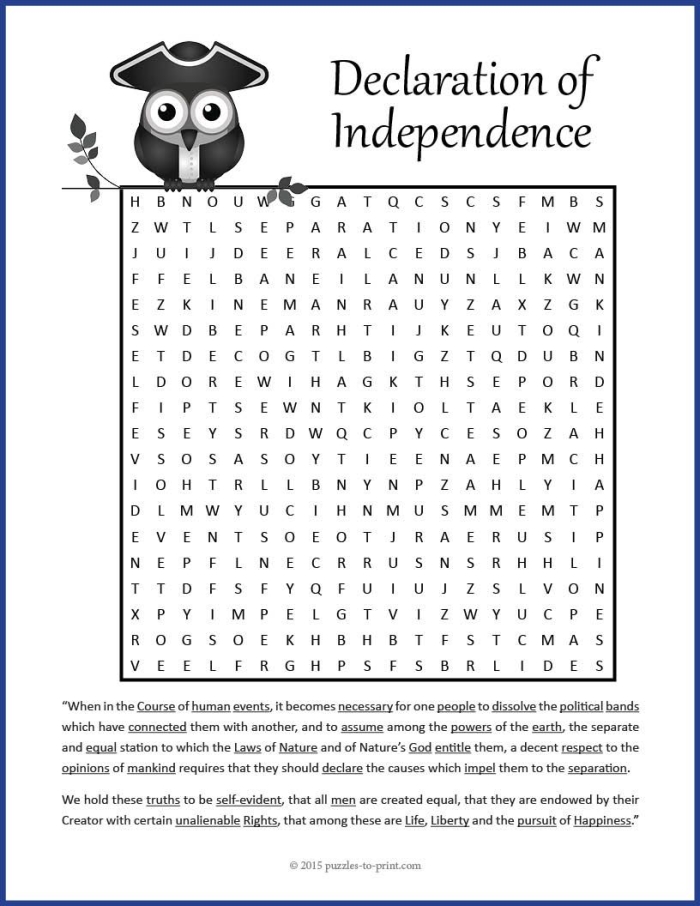
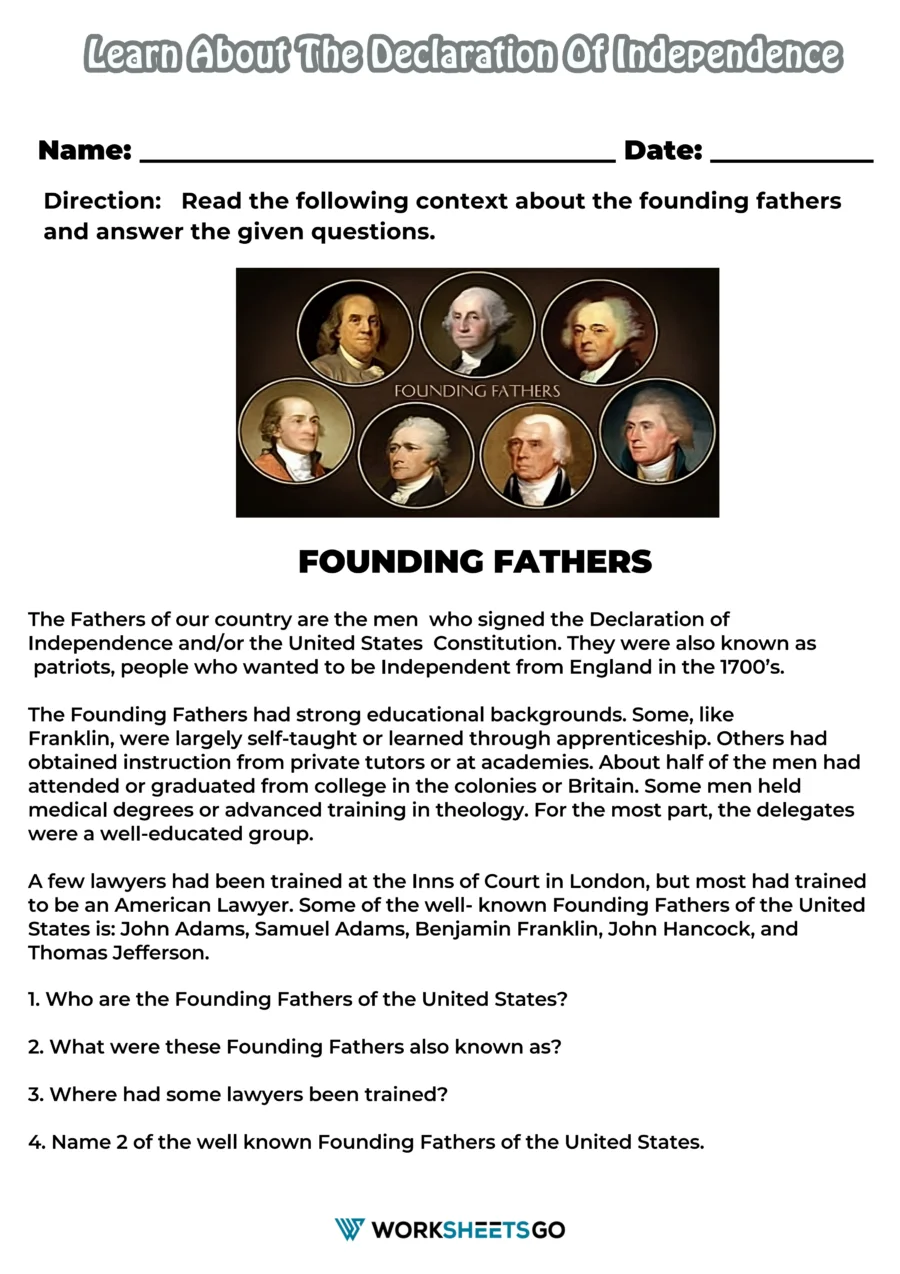
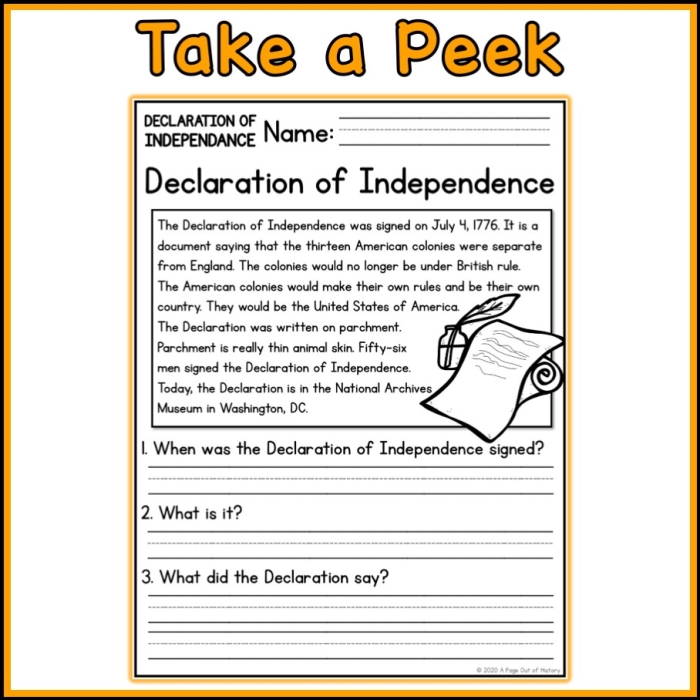
The Declaration of Independence, signed in 1776, marked the birth of the United States as a free nation. These worksheets often include simplified text alongside illustrations that highlight important aspects of this document, such as the signatures of the Founding Fathers or the phrases “Life, Liberty, and the pursuit of Happiness.” This helps young learners recognize not only the words but also the significance behind them. Using these resources supports reading development by introducing new vocabulary in an accessible context, which is ideal for second grade.
Coloring pages centered around National Symbols: The Declaration of Independence also encourage discussions about why this document matters today. Parents and teachers can ask questions like, “Why do you think people wanted to create this declaration?” or “What does freedom mean to you?” This sparks curiosity and critical thinking, building a foundation for deeper learning later on.
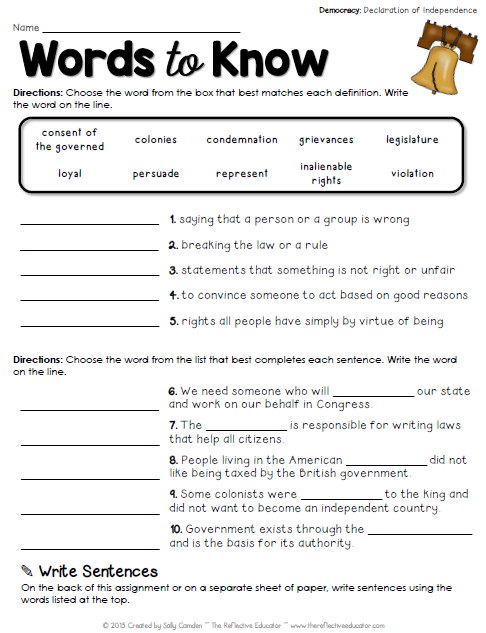
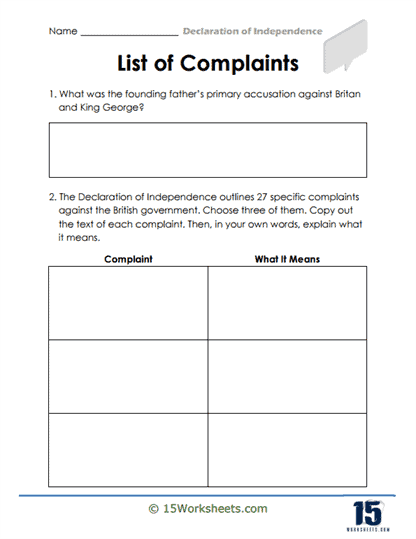
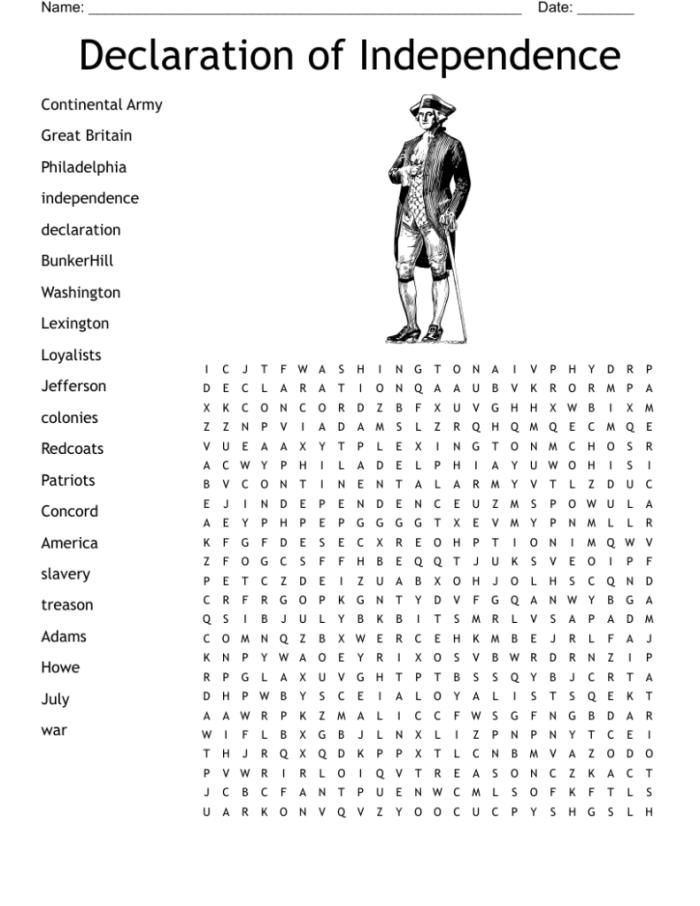
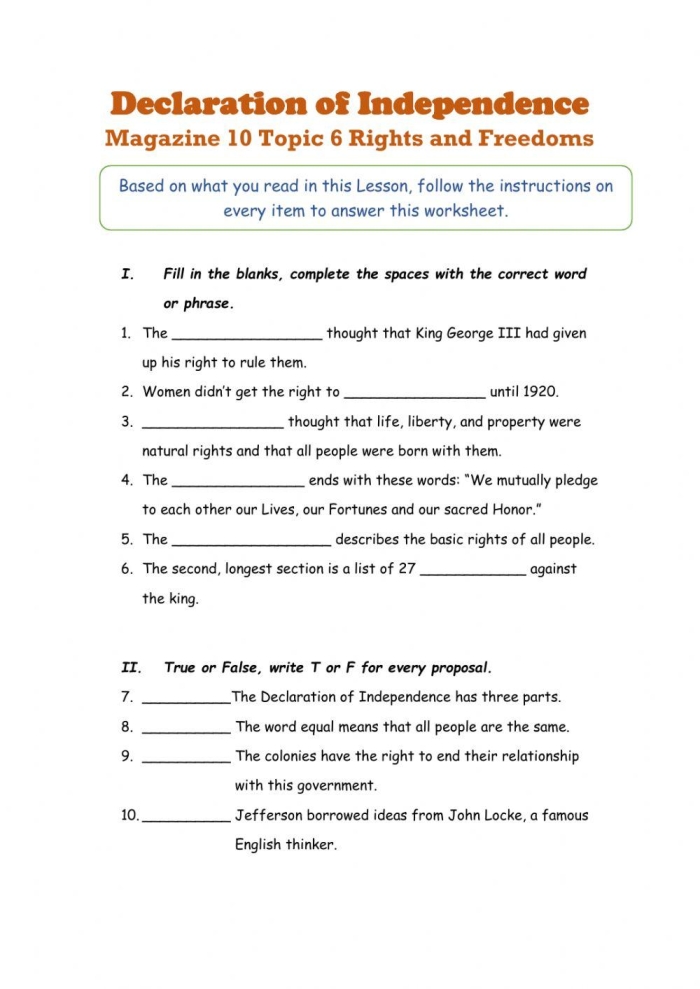
For those looking to expand beyond coloring, integrating related reading exercises can enhance comprehension. For example, pairing these pages with activities like stretch-a-sentence tasks or exploring irregular past tense verbs helps reinforce language skills in a historical setting. You might find resources that combine both reading practice and social studies themes particularly useful, such as worksheets that challenge children to read about historical events while also working on grammar or sentence structure.
Utilizing printable National Symbols: The Declaration of Independence worksheets is a practical way to blend art, history, and reading into one engaging lesson. This approach supports young learners by making heritage tangible and accessible, creating a memorable experience with the nation’s story right at their fingertips.
Use These Worksheets Today