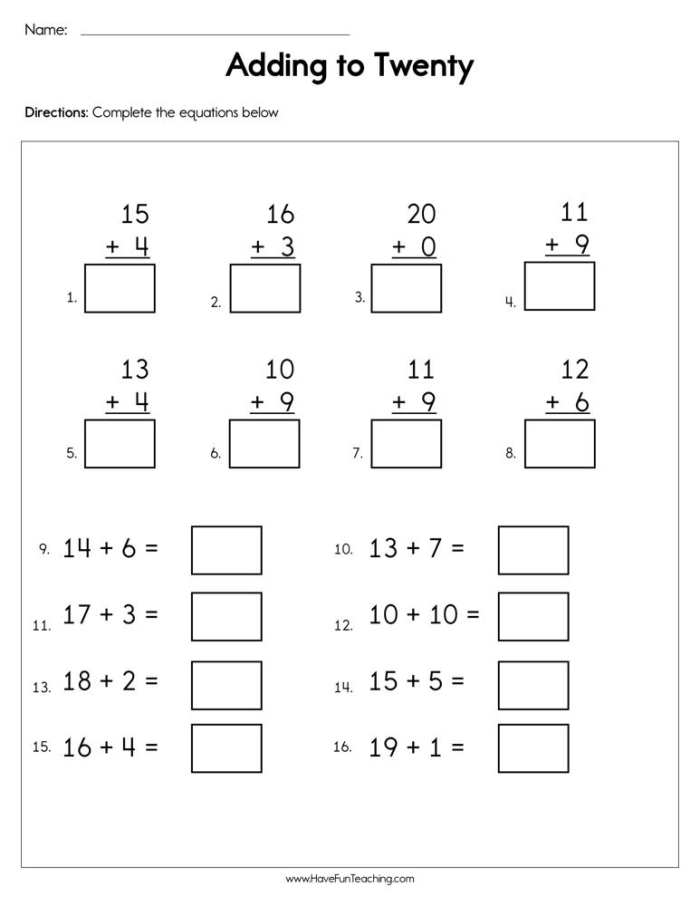
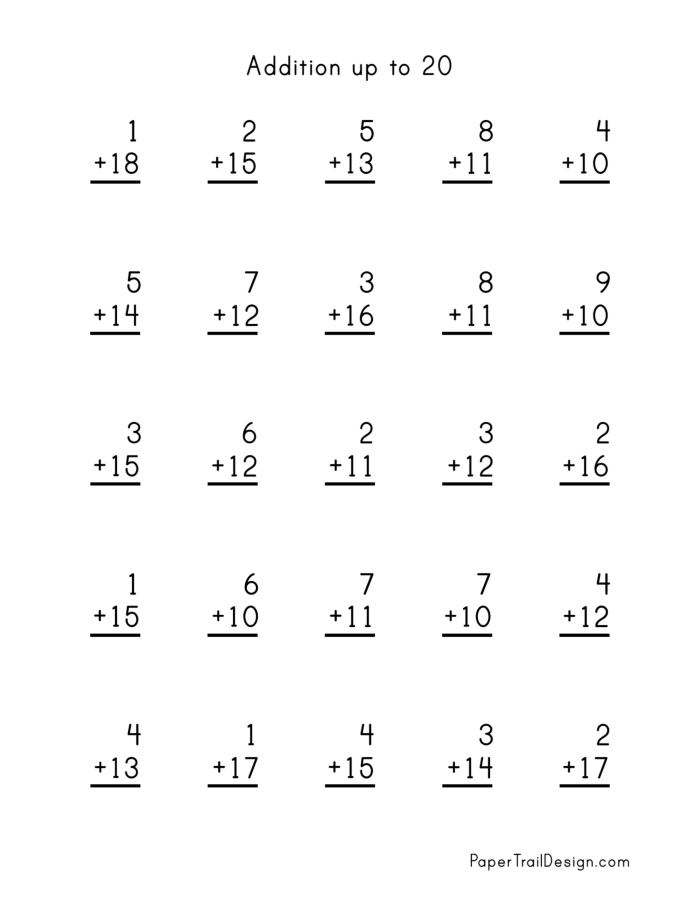
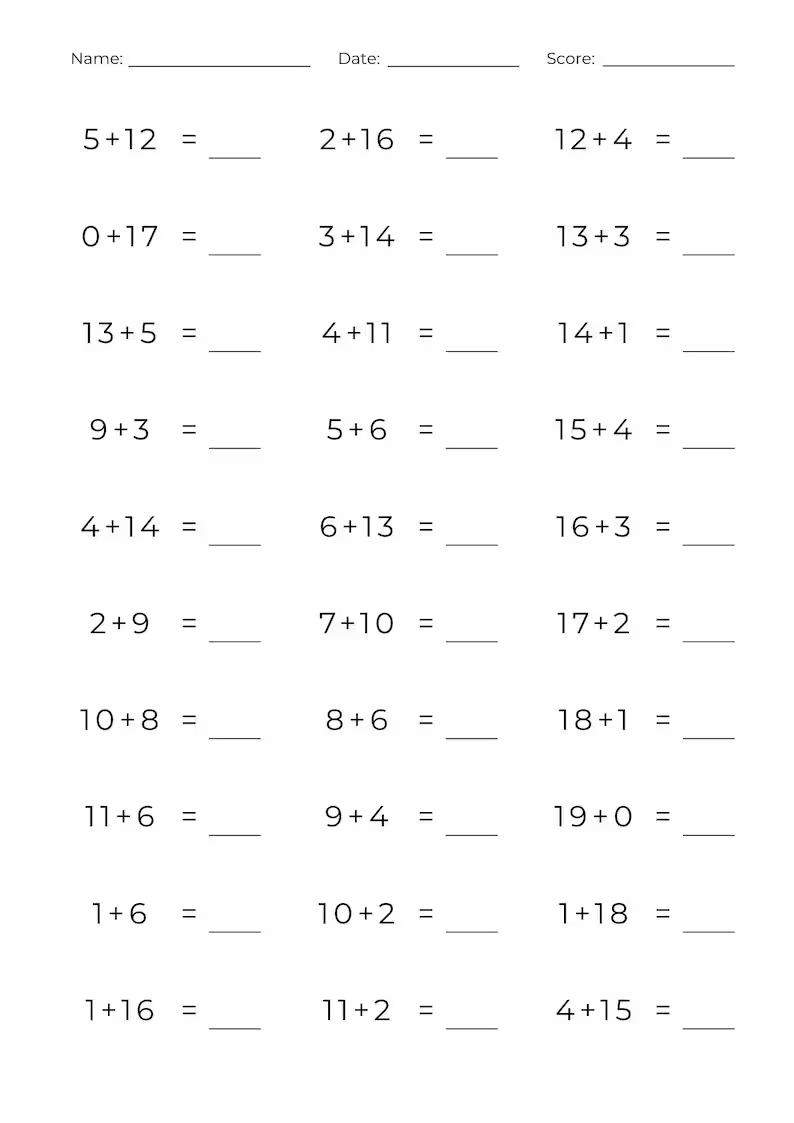
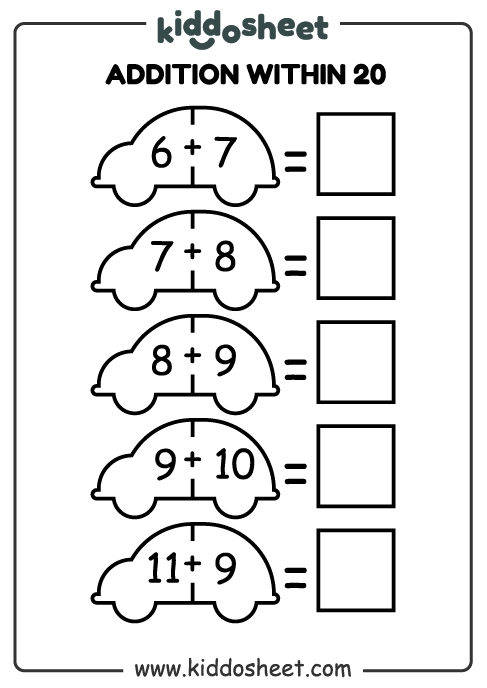
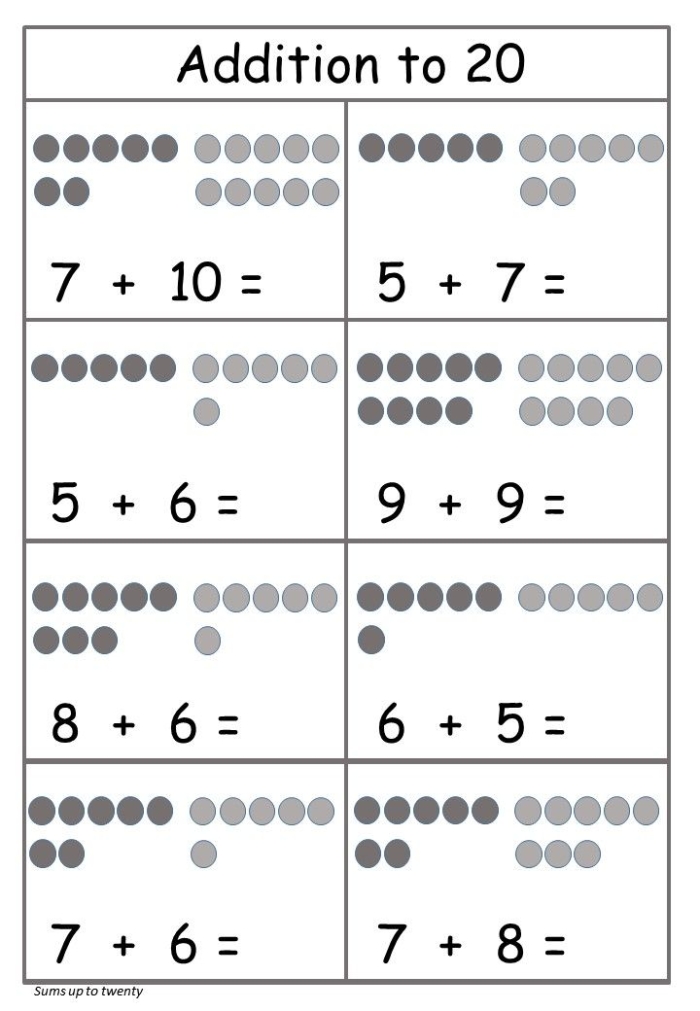
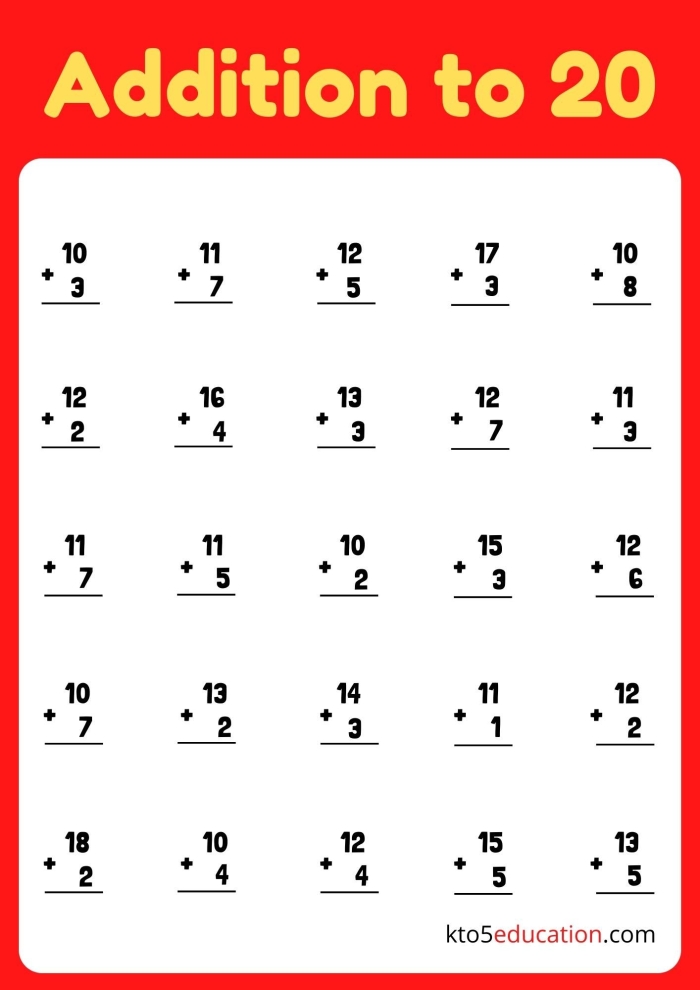
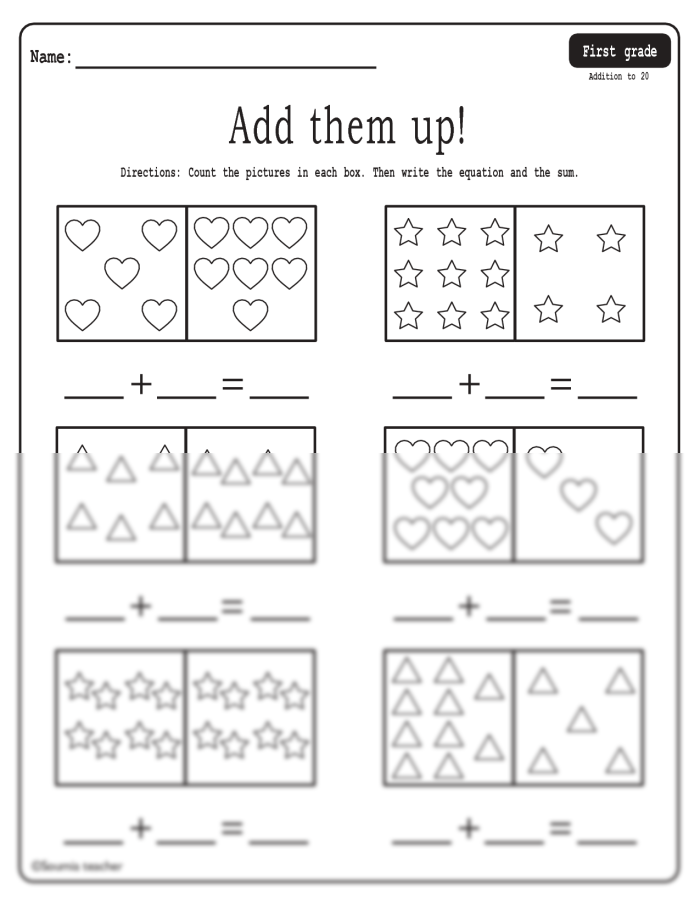
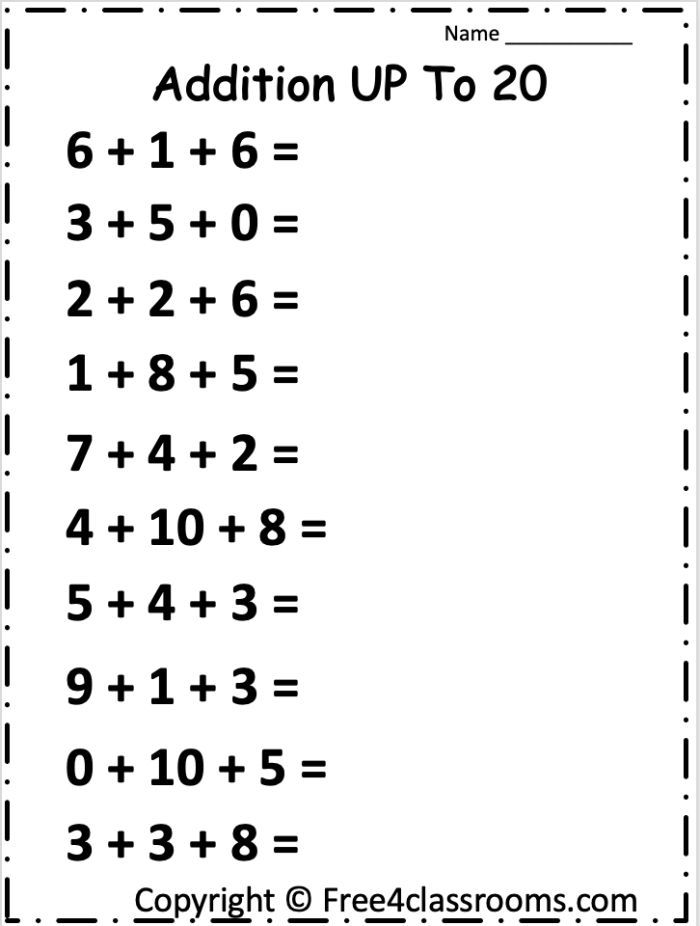
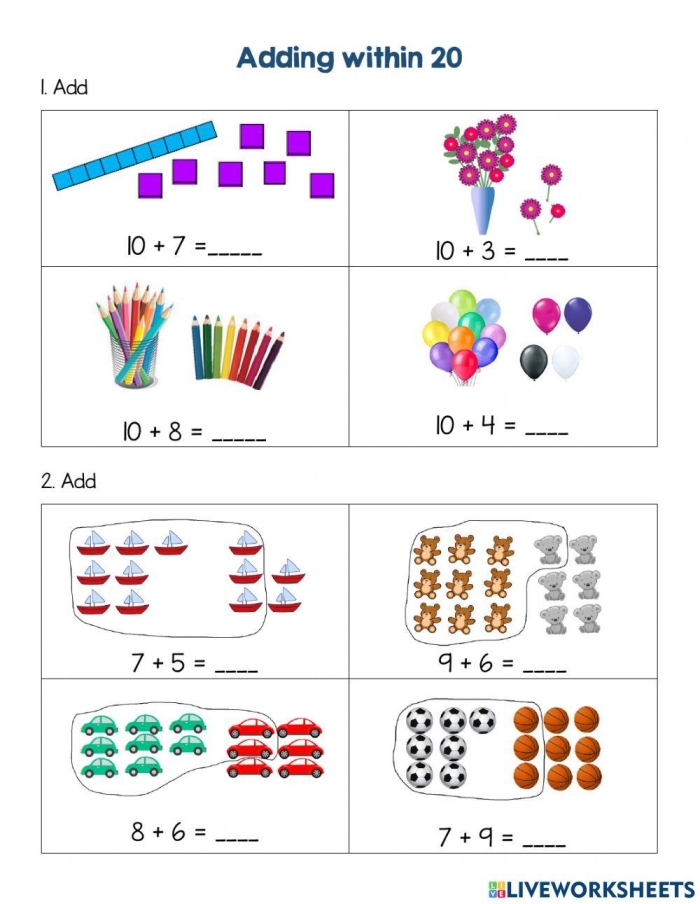
Assessing a first grader’s grasp of addition to 20 is a crucial step in building a strong math foundation. At this stage, students are moving beyond simple counting and beginning to understand how numbers combine. Offering them addition problems within 20 provides a manageable yet meaningful challenge that reflects real-world scenarios they can relate to.
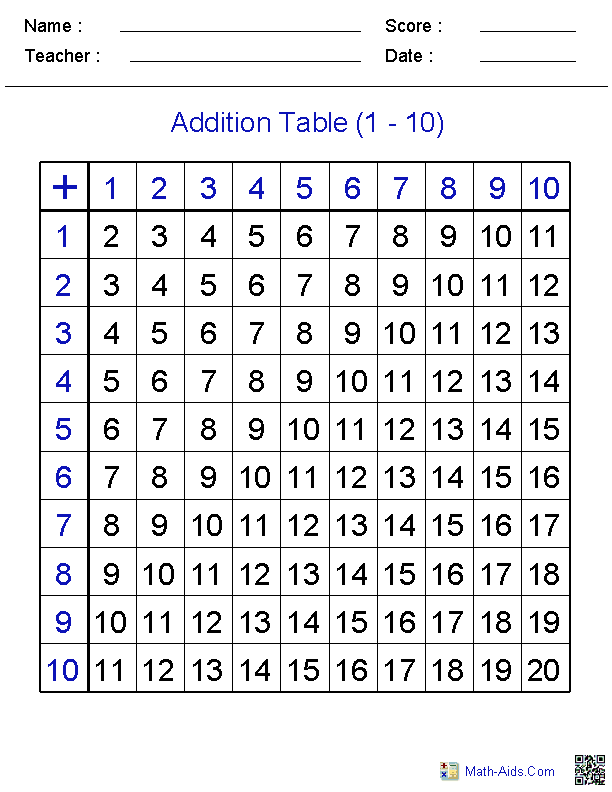
When students solve addition problems up to 20, they practice mental math strategies such as making ten, counting on, and recognizing number pairs. For example, asking “What is 13 plus 6?” encourages them to break the problem down by thinking about how 13 and 7 make 20, so 6 is just one less than 7, leading to the answer 19. This kind of problem-solving strengthens their number sense and prepares them for more complex calculations later on.
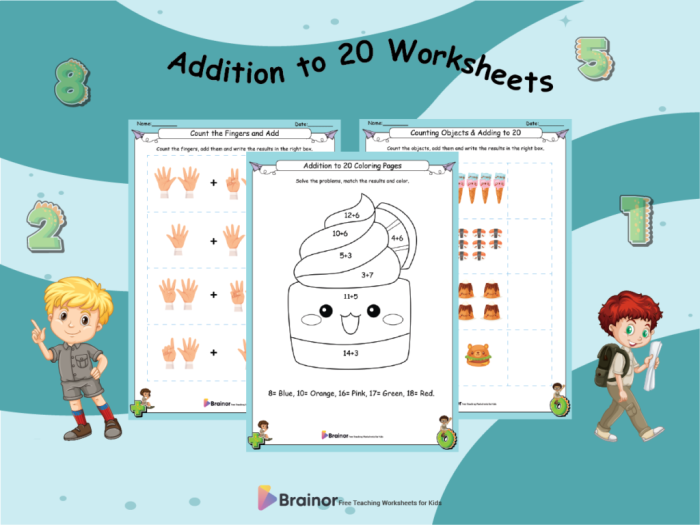
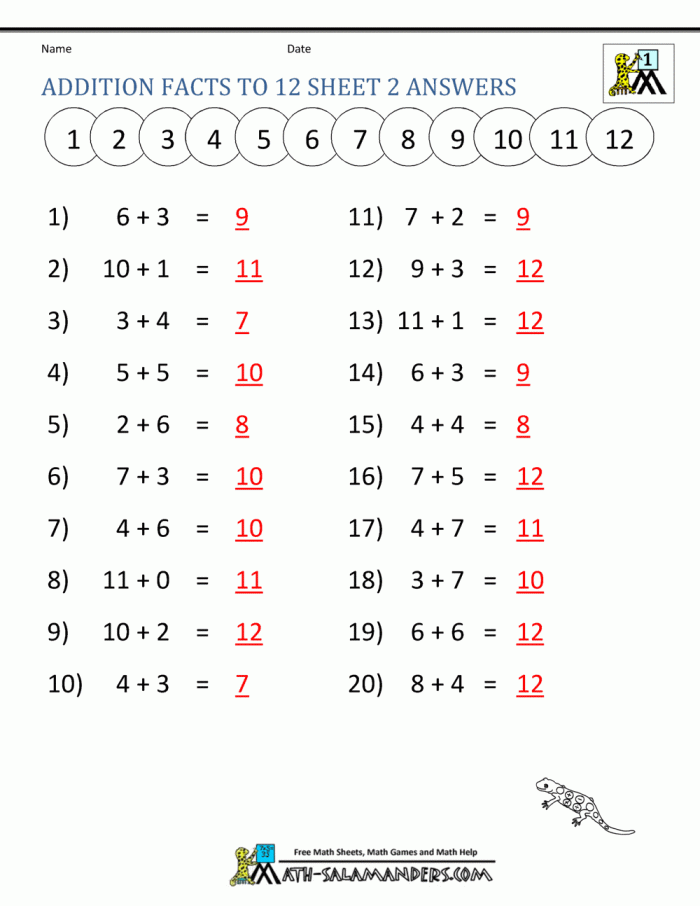
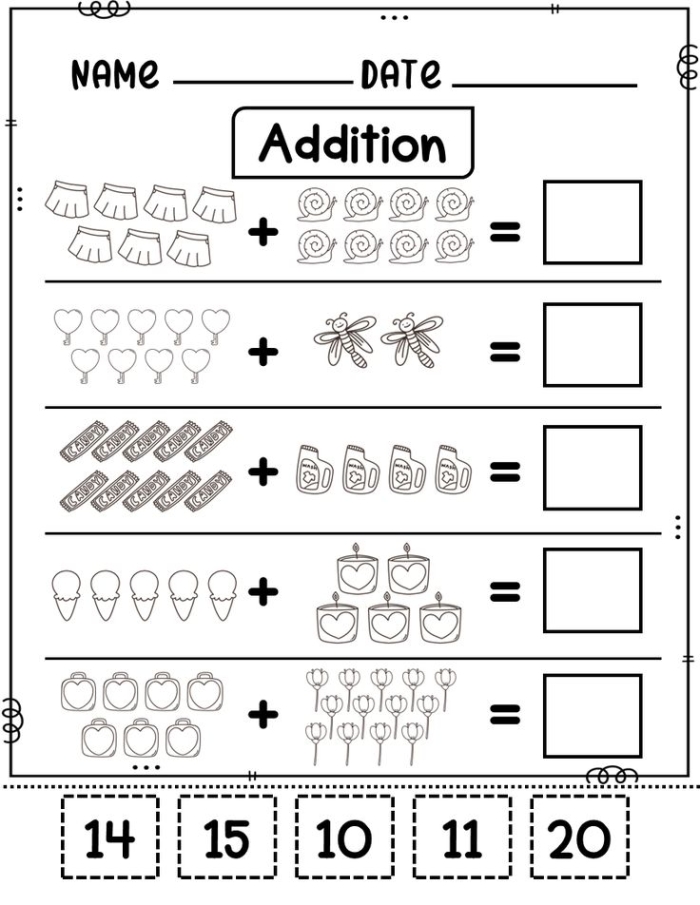
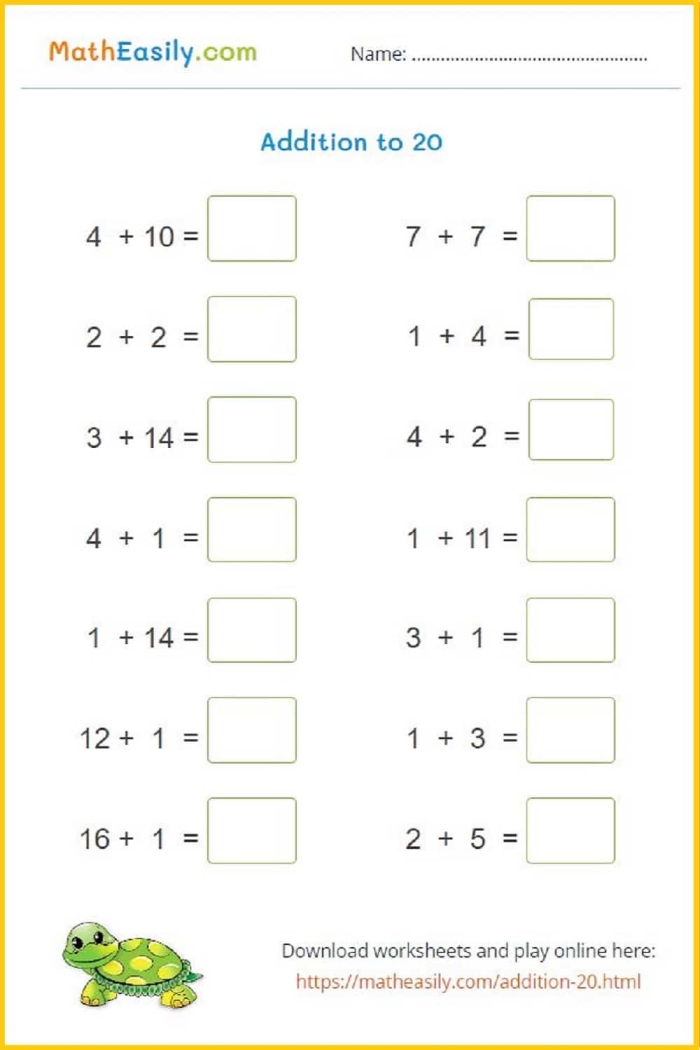
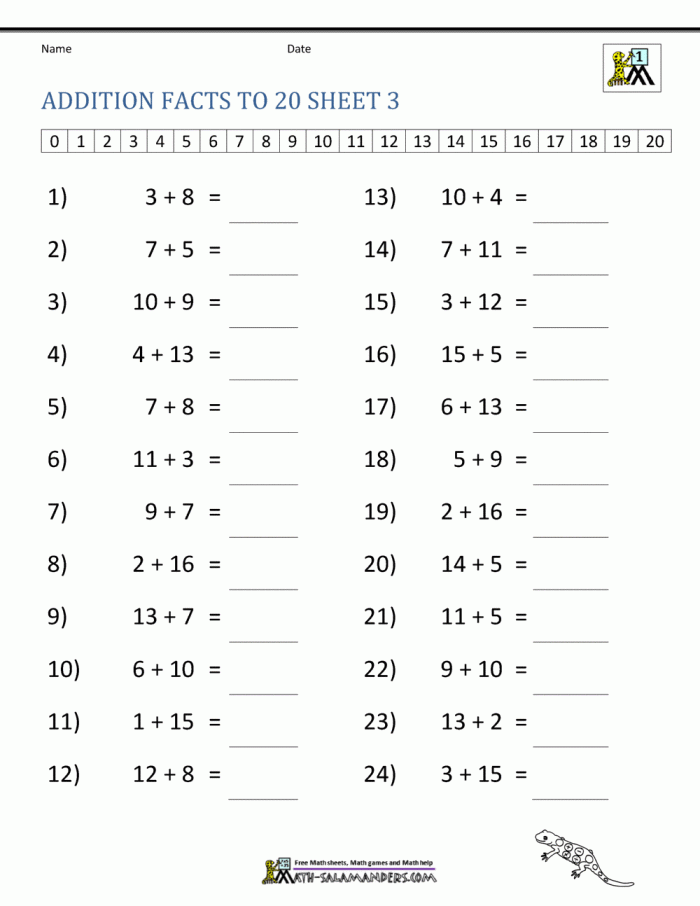
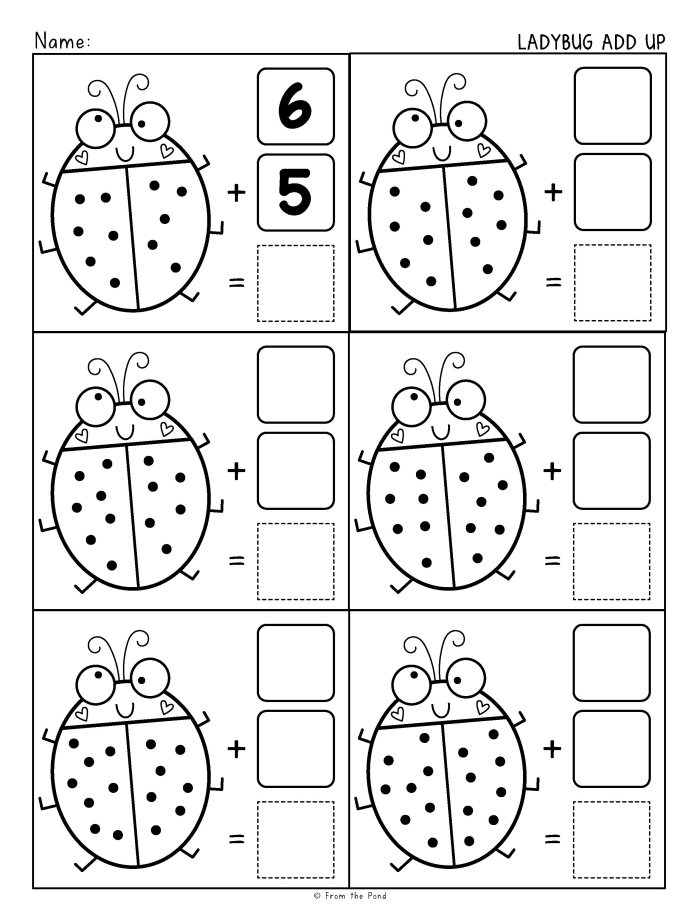
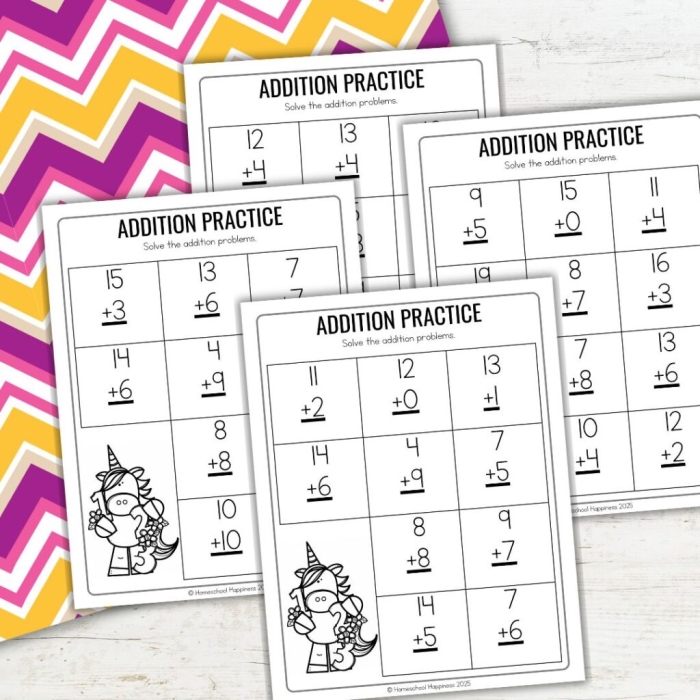
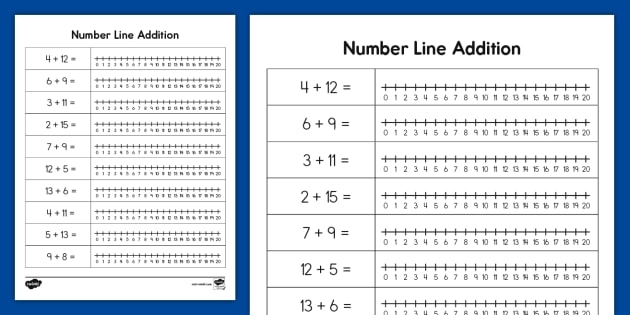
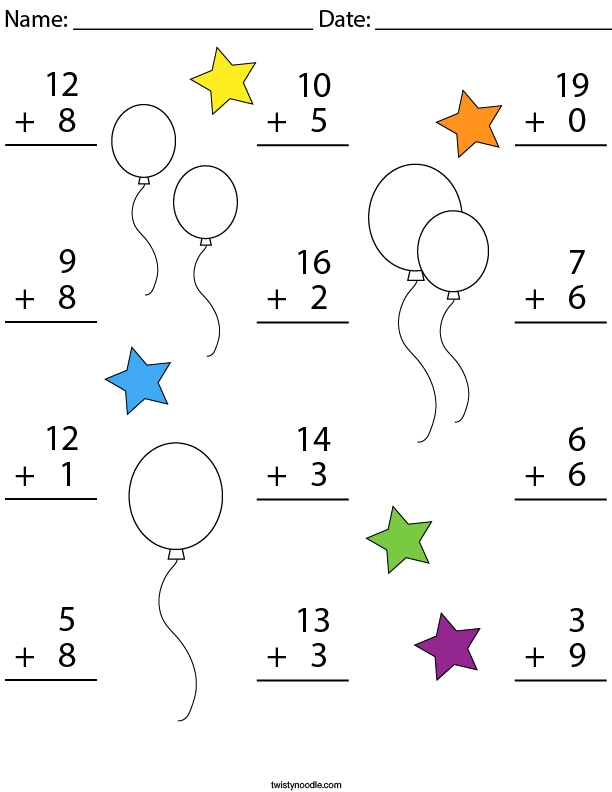
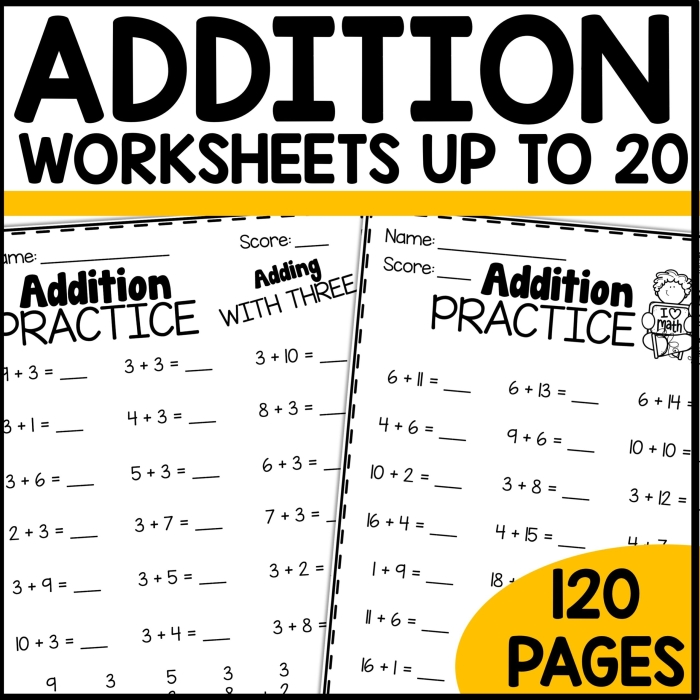
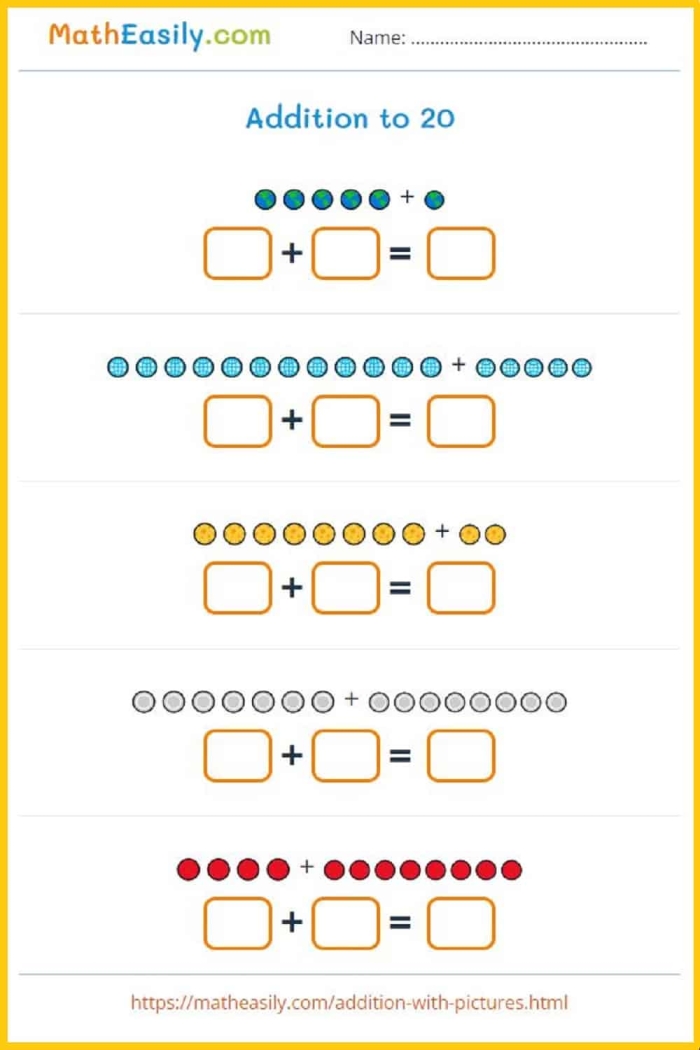
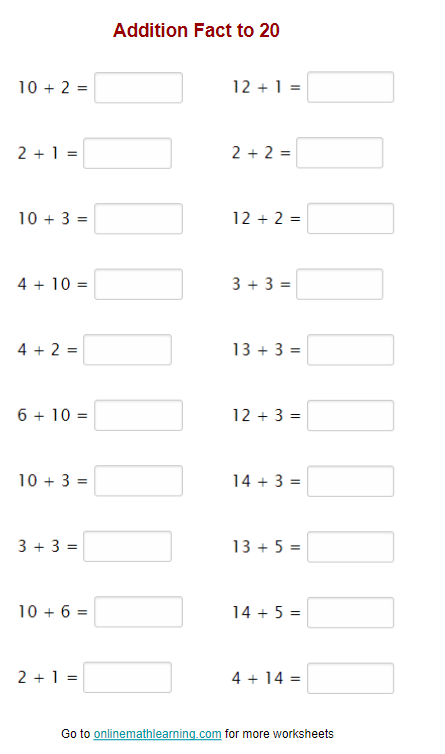
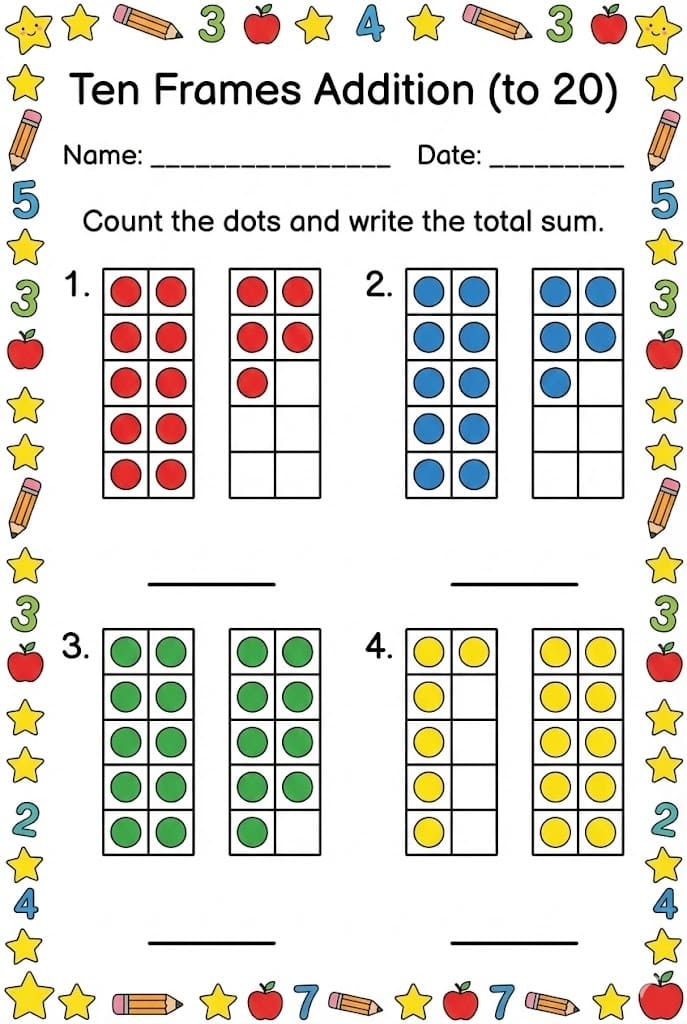
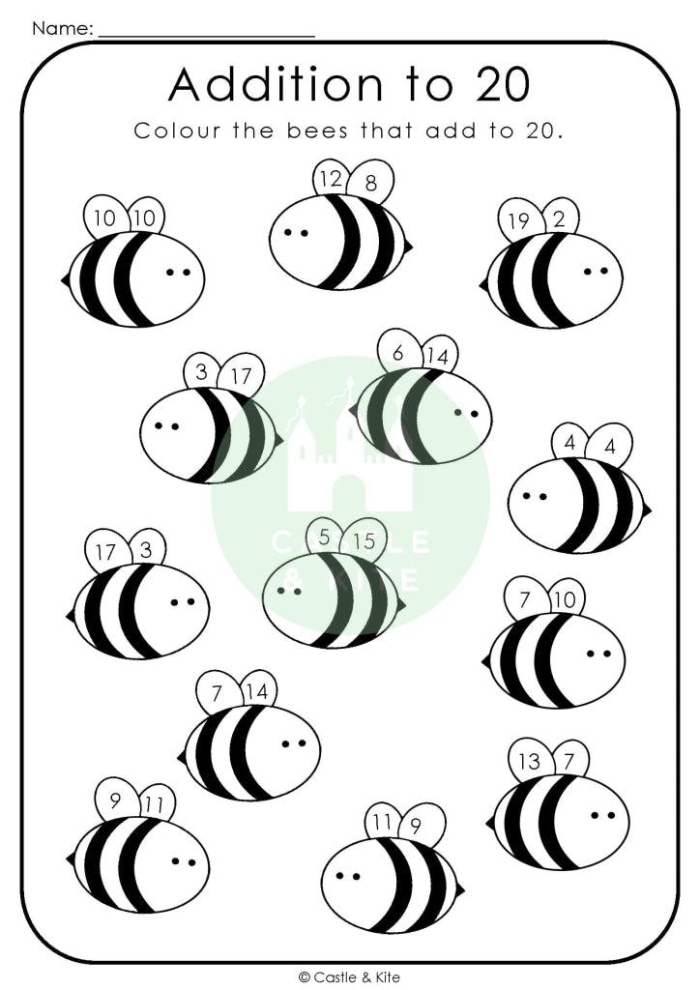
Using printable addition to 20 worksheets tailored for first grade can make this practice both structured and engaging. These worksheets often include a mix of straightforward number sentences and applied problems connected to time and money, helping students see the practical side of addition. For instance, combining coins or adding minutes on a clock are familiar contexts that reinforce math skills while making learning tangible.
Regularly assessing students with problems in this range also helps identify who might need extra support or enrichment. Teachers can observe whether students rely heavily on counting fingers or if they’re beginning to recall addition facts automatically. This insight guides instruction and ensures that every child progresses confidently.
Overall, solving addition problems within 20 is more than just a classroom exercise. It’s a key step in developing fluency, accuracy, and the ability to apply math in everyday situations, especially as students explore concepts related to time and money in first grade.
Start Practicing with These Worksheets