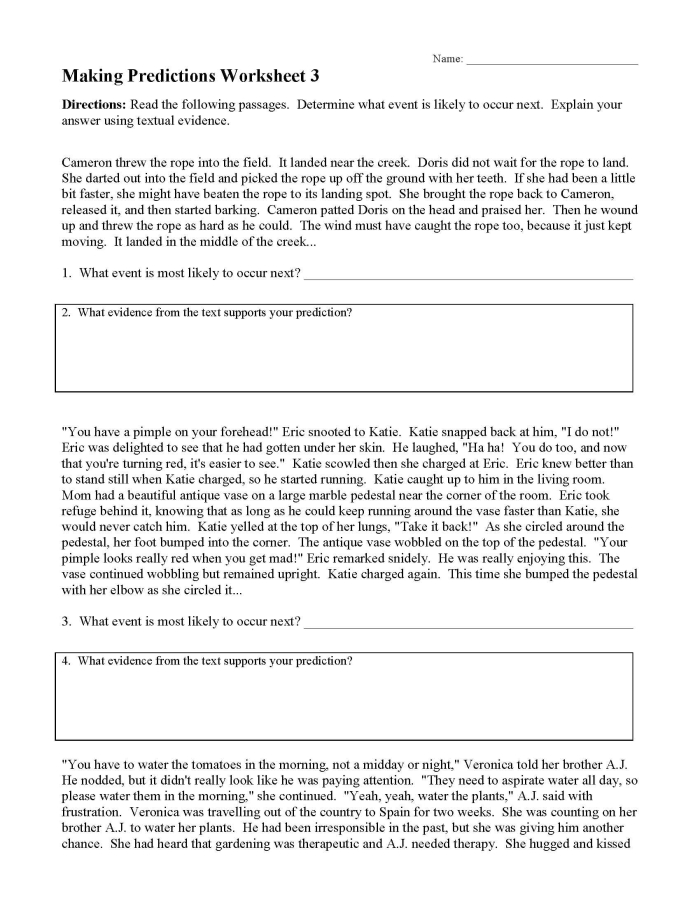
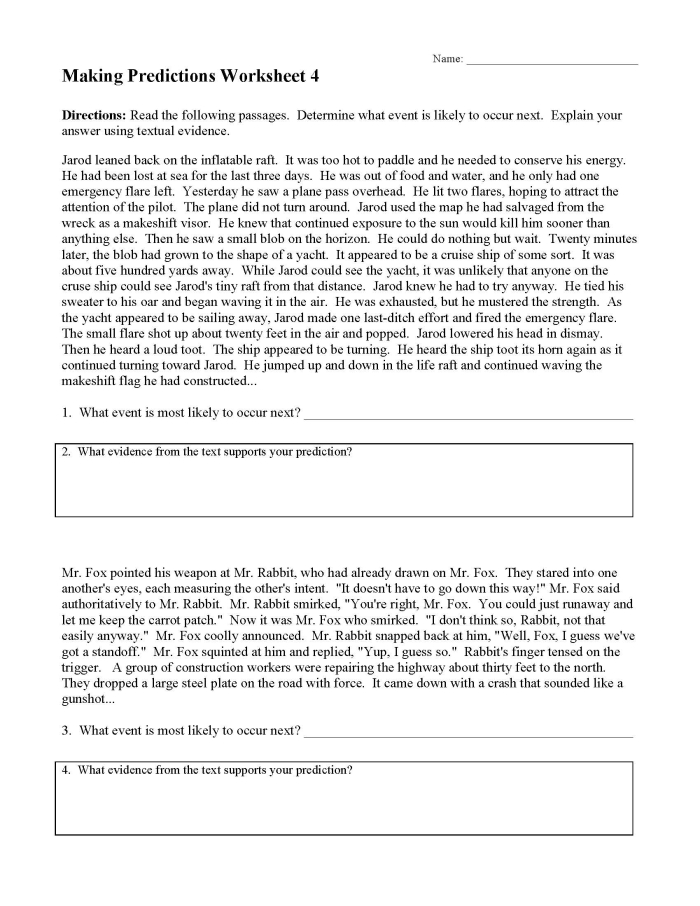
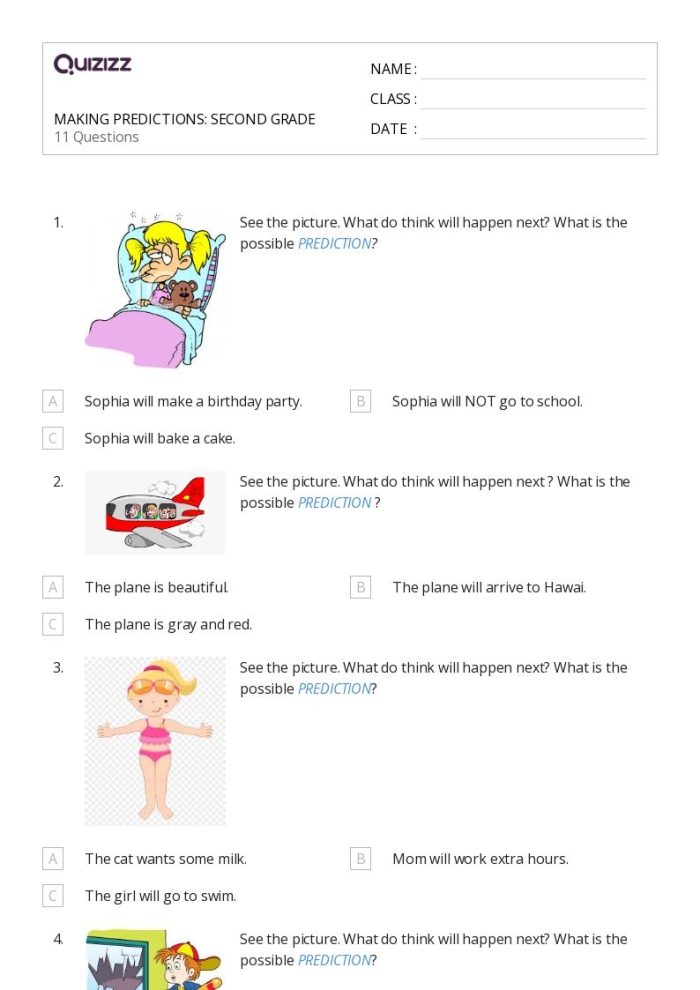
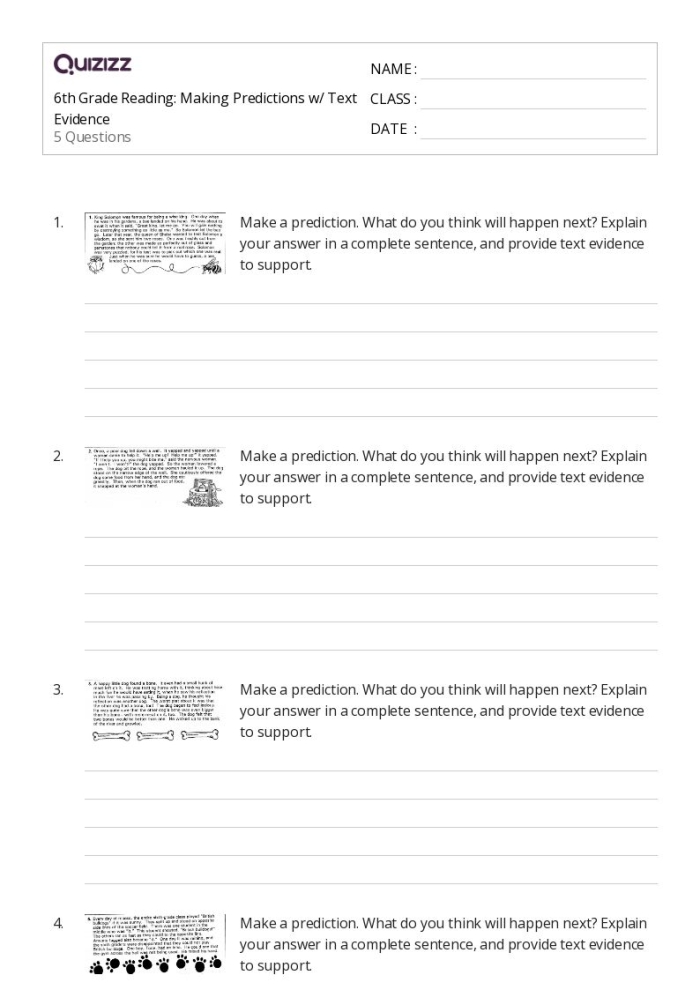
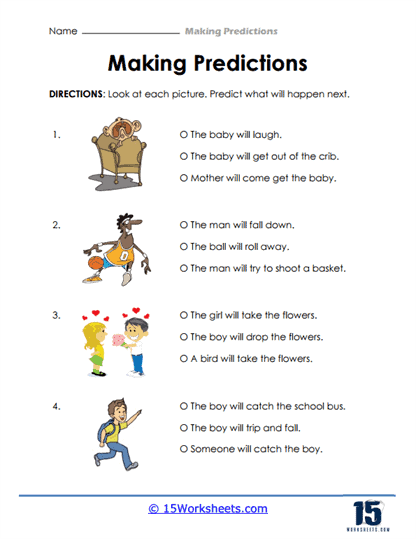
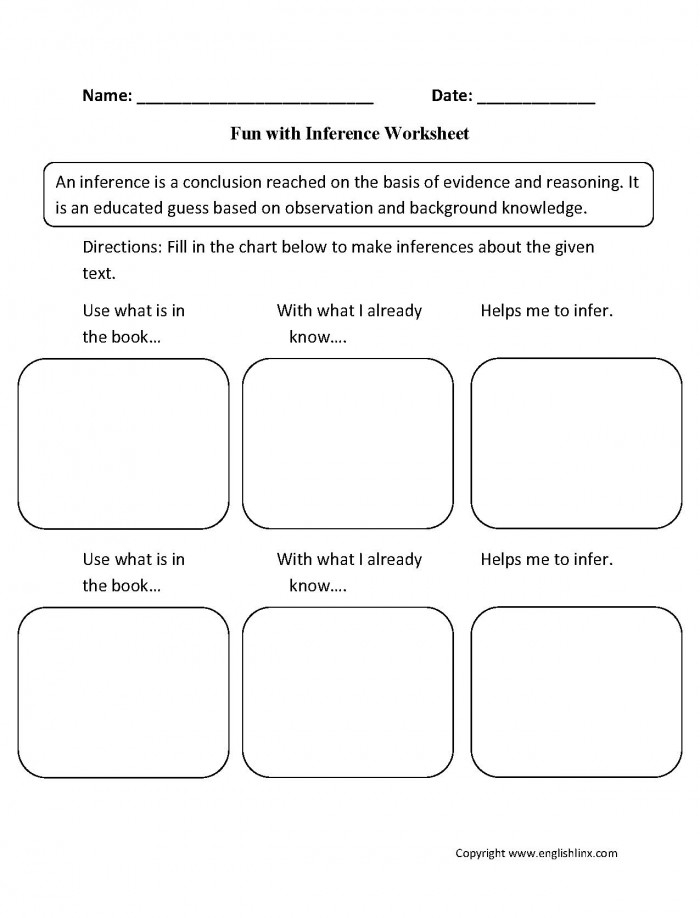
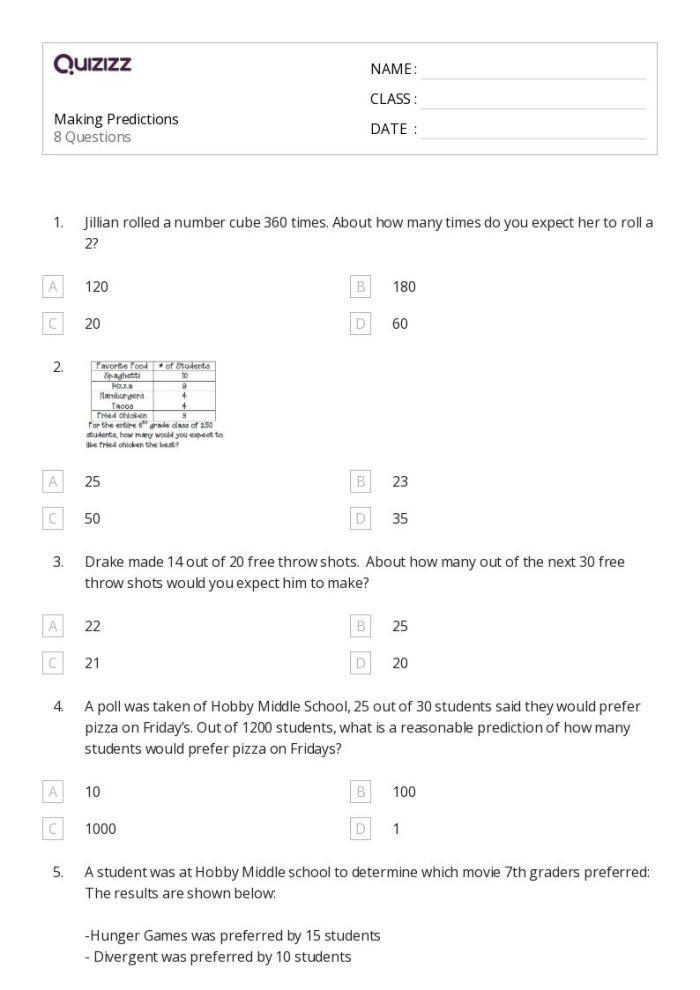
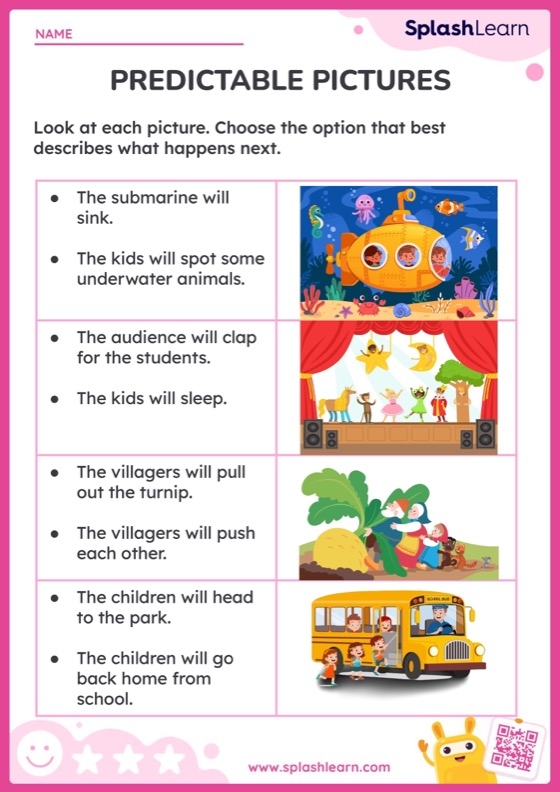
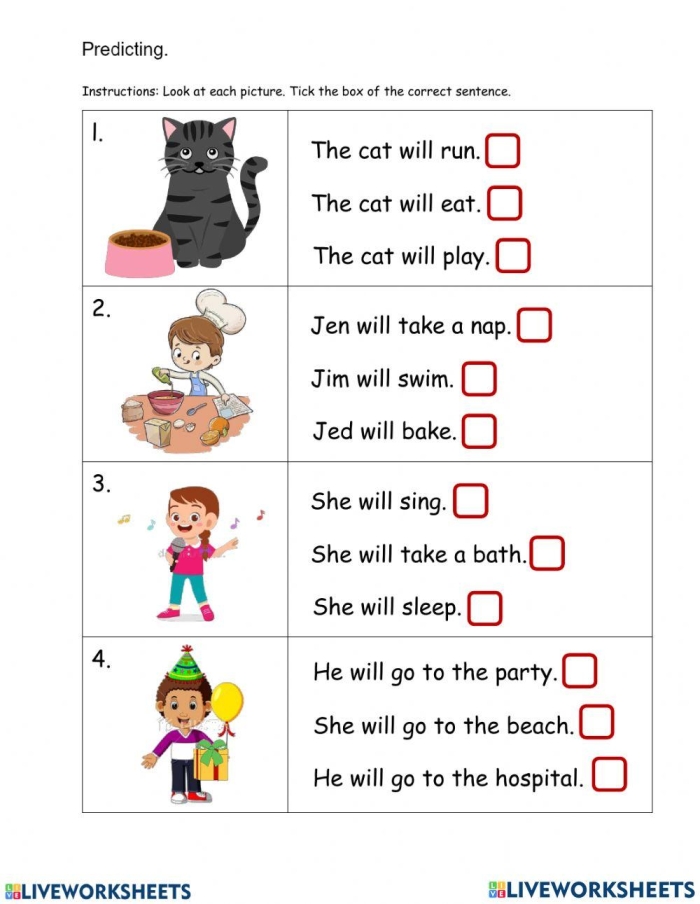
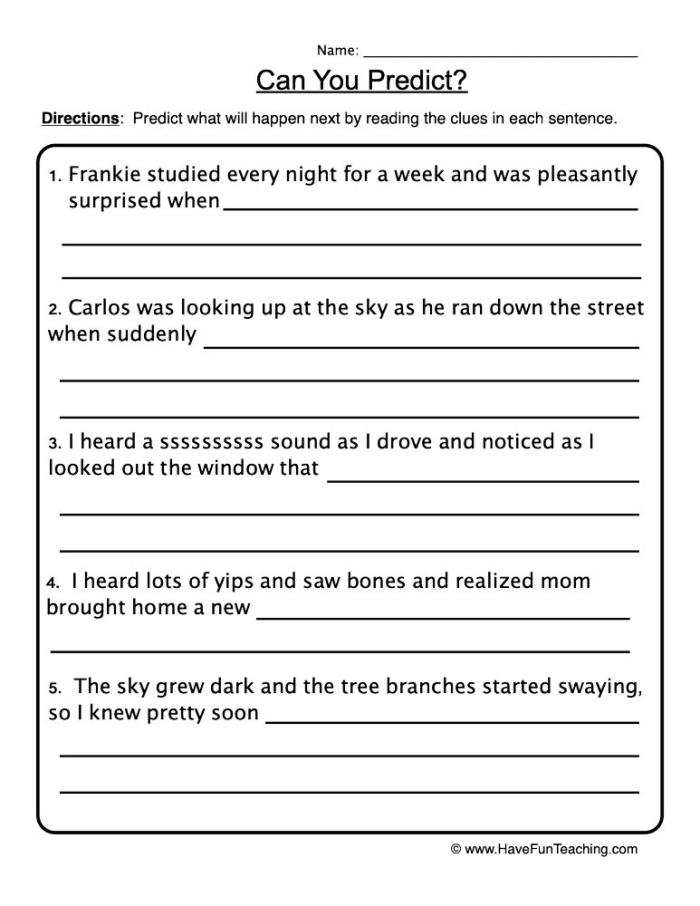
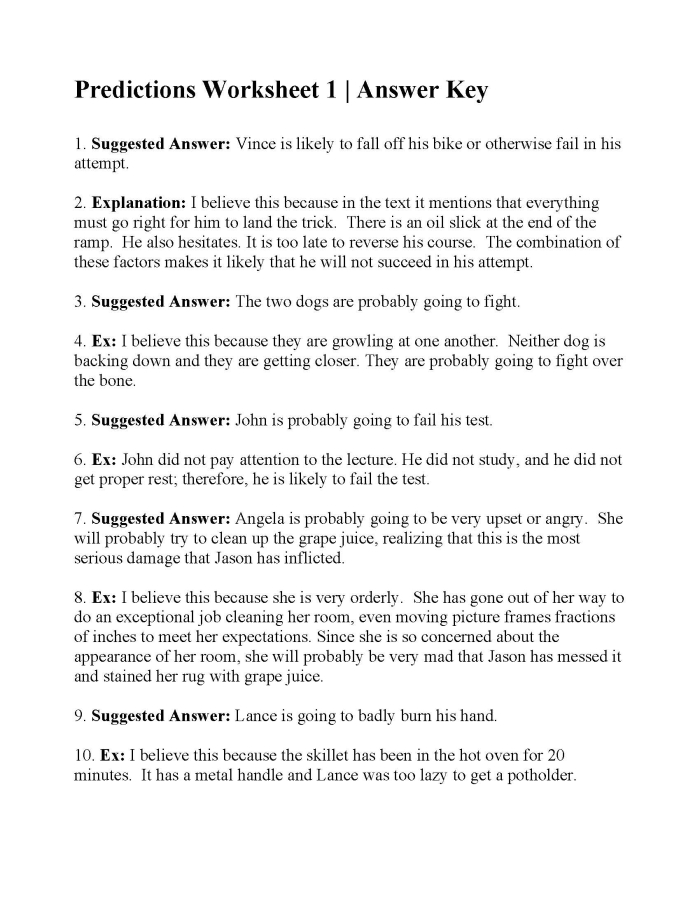
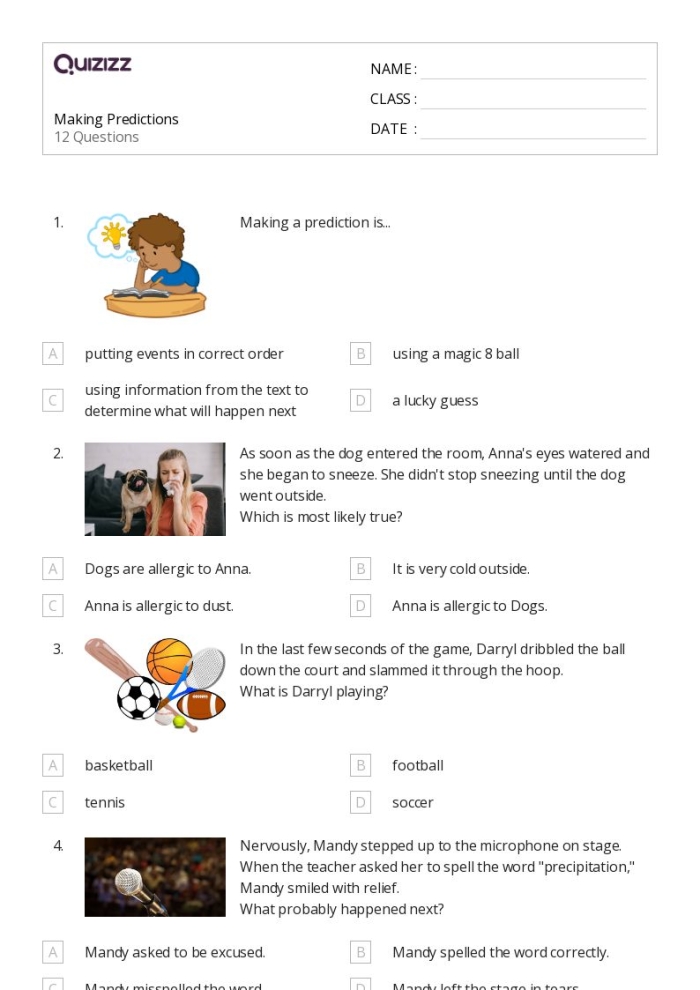
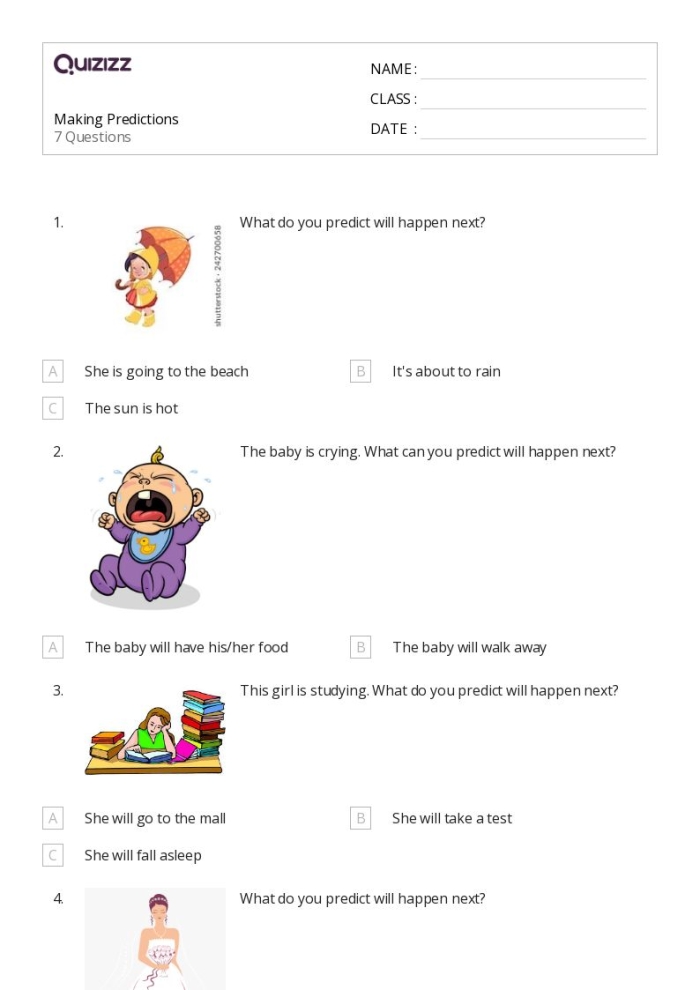
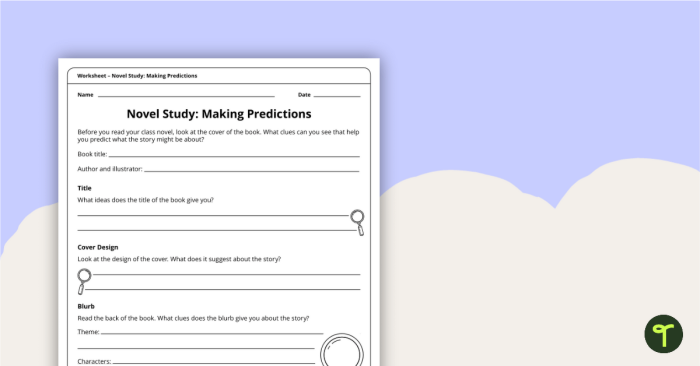
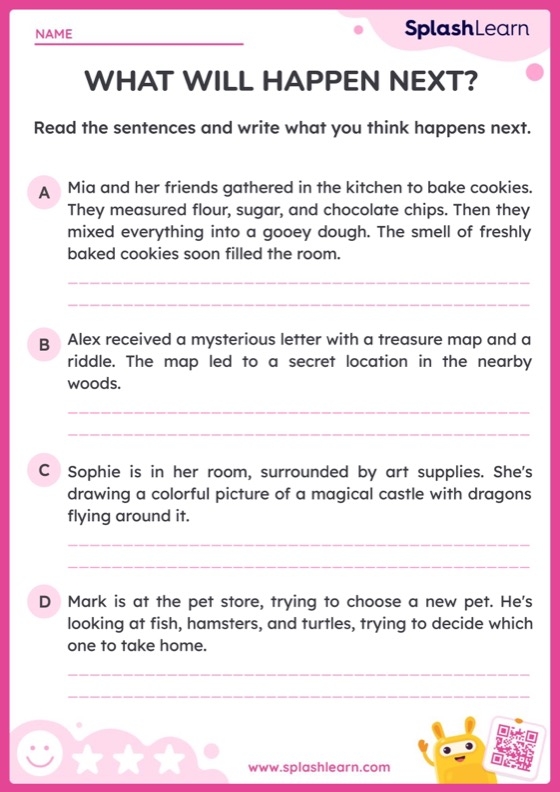
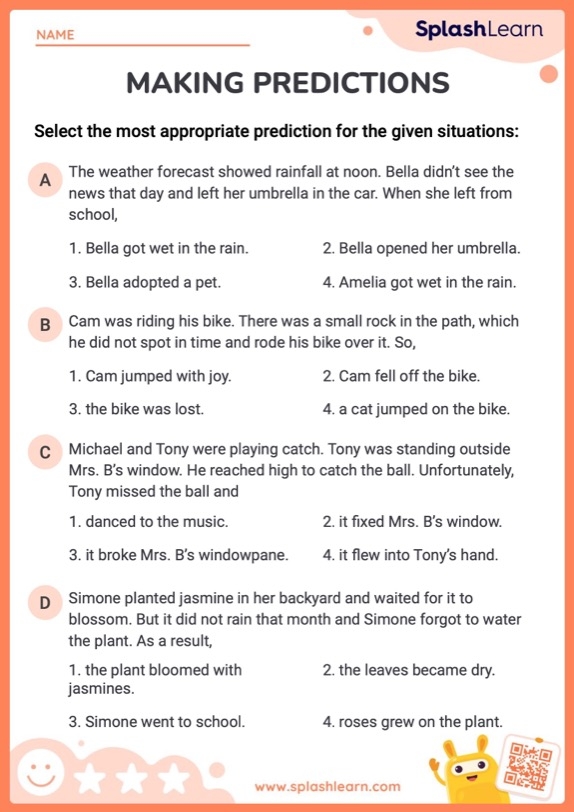
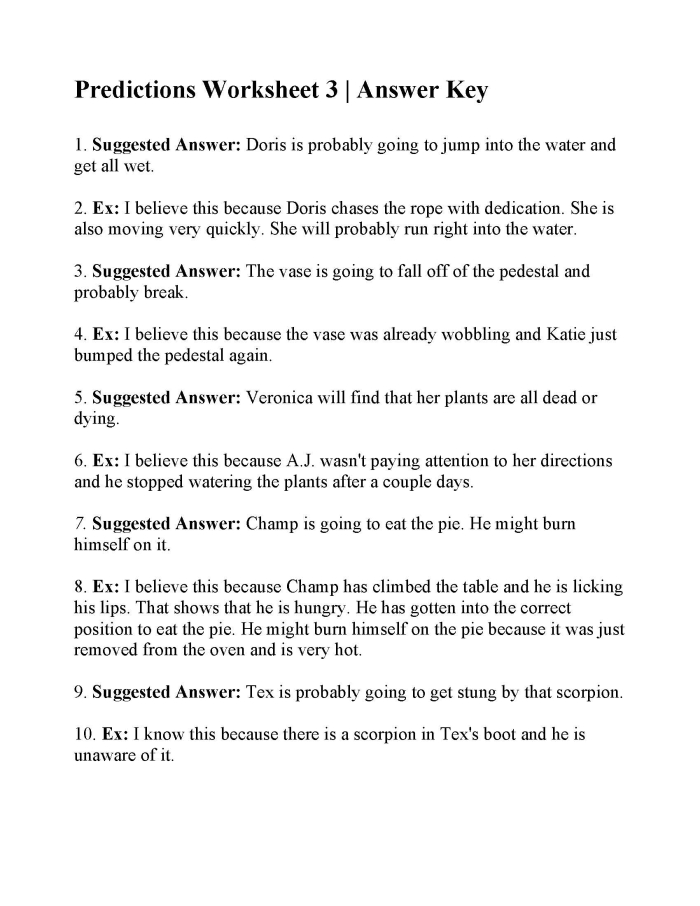
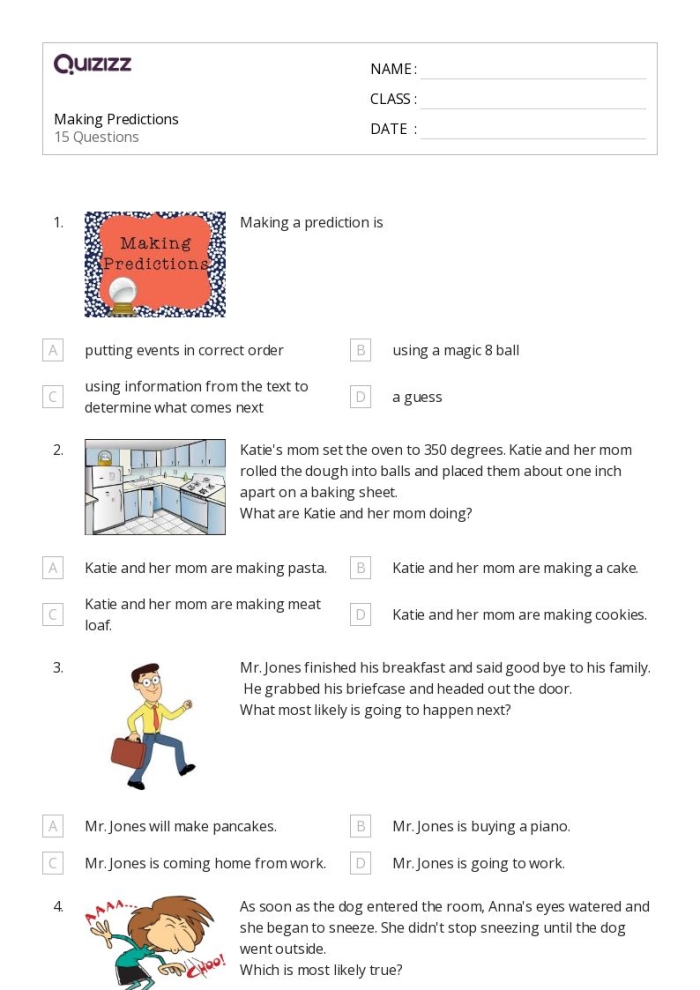
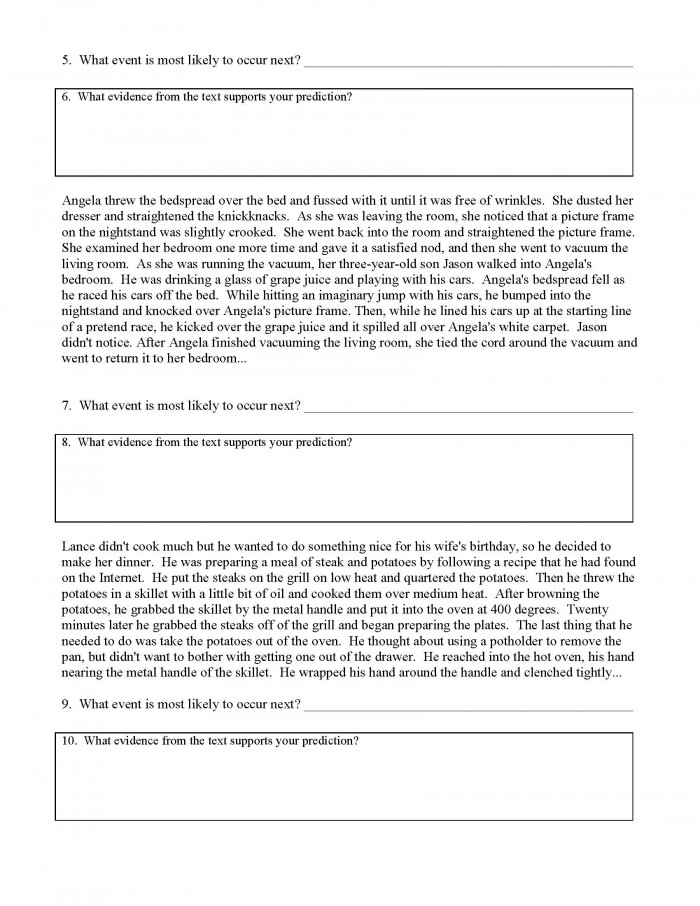
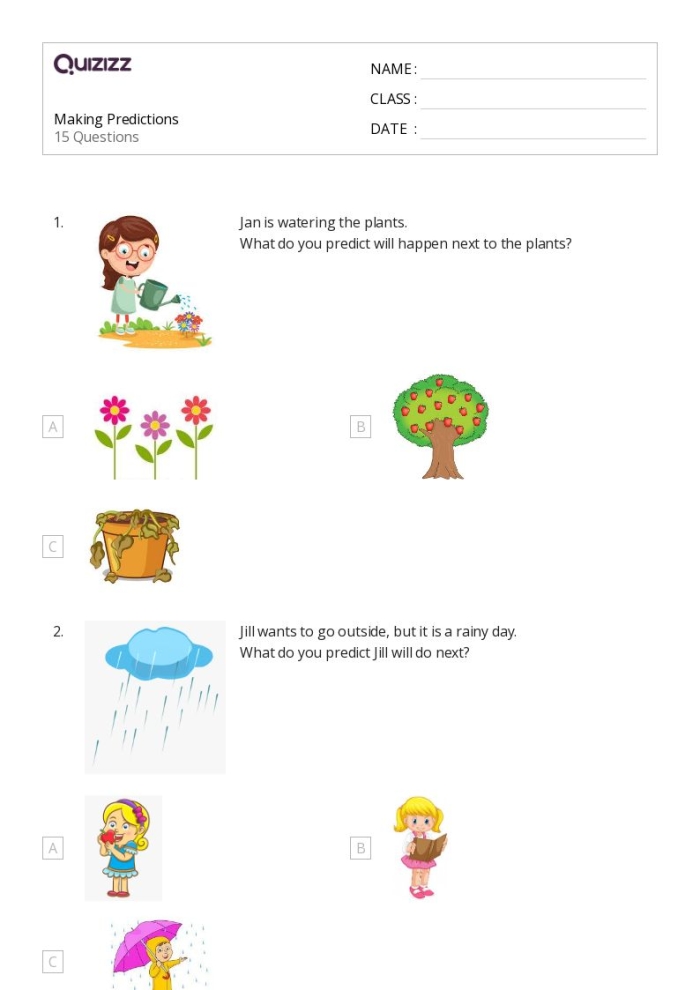
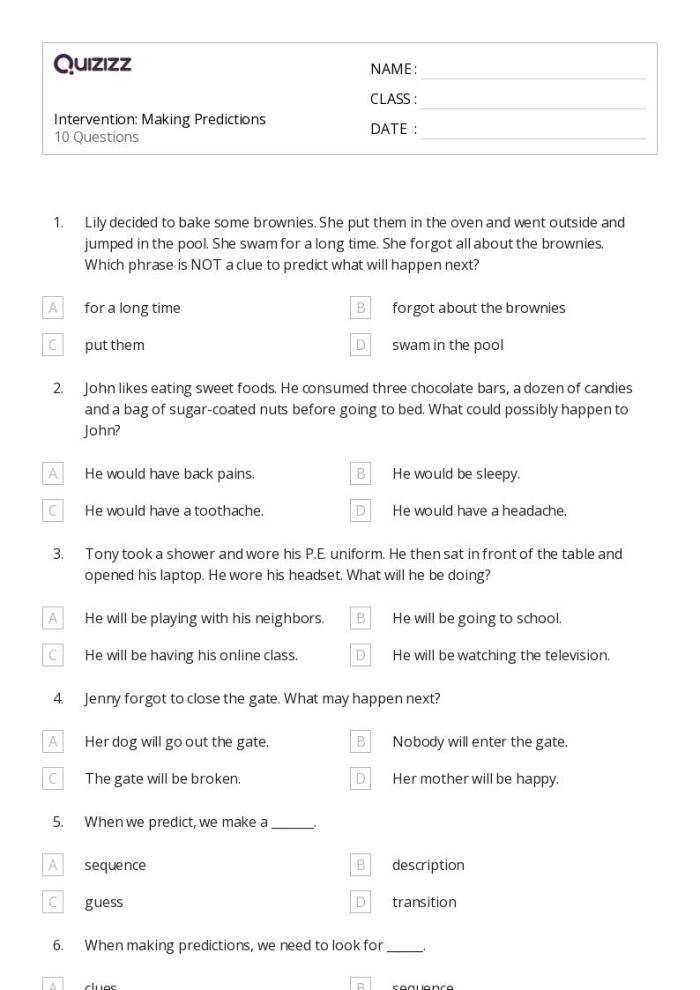
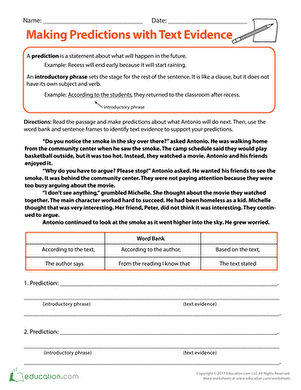
Helping third grade students develop the skill of making predictions with text evidence is essential for building strong reading comprehension. This specific exercise engages students by guiding them through reading a passage carefully, then encouraging them to anticipate what might happen next. Rather than guessing randomly, they learn to support their predictions by citing clear evidence directly from the text. This approach not only sharpens their analytical thinking but also strengthens their ability to justify ideas with concrete details.
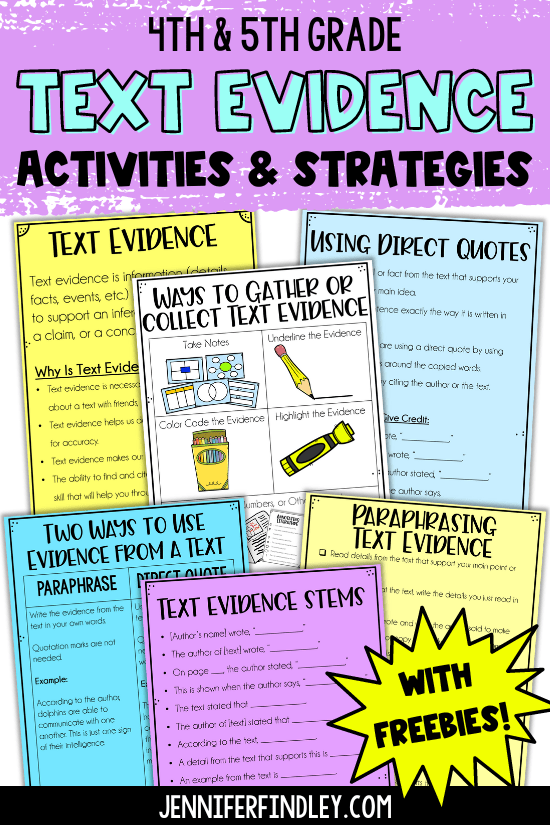
One key feature of this practice is the use of sentence frames combined with introductory phrases. These tools assist students in forming complete, well-structured sentences that clearly link their predictions to the evidence they found. For example, a student might begin with phrases like “I predict that…” or “This suggests that…” before adding the supporting detail. This scaffolding helps children in third grade who are still mastering grammar and mechanics by providing a framework to express their thoughts confidently and correctly.
By focusing on building evidence-based sentences, students become more deliberate readers. They pay attention to specific words and clues within the text, which improves their overall comprehension. This method aligns well with other grammar and mechanics activities, such as practicing comparative adjectives or exploring rhythm in poetry, where attention to detail is crucial. Printable making predictions with text evidence worksheets designed for third grade can reinforce these skills, offering structured practice that fits within a broader language arts curriculum.
For instance, when working on a passage about the moon or multiplication word problems, students can pause to predict outcomes based on the information presented. This active engagement encourages deeper interaction with the material, rather than passive reading. As they advance, using these sentence frames and introductory phrases will become second nature, allowing them to articulate their reasoning clearly across different subjects and texts.
Practice with These Worksheets