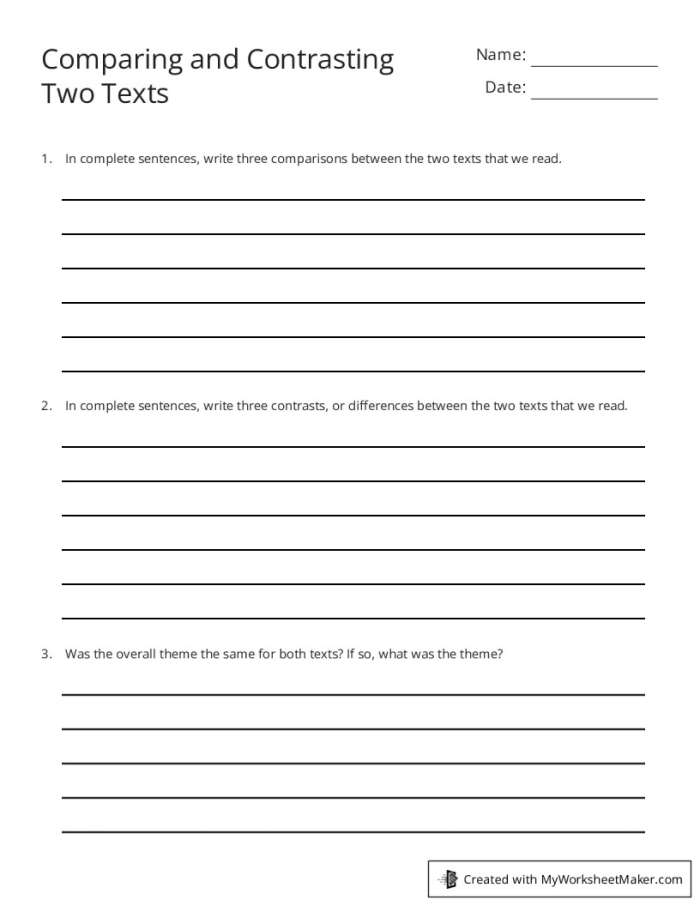
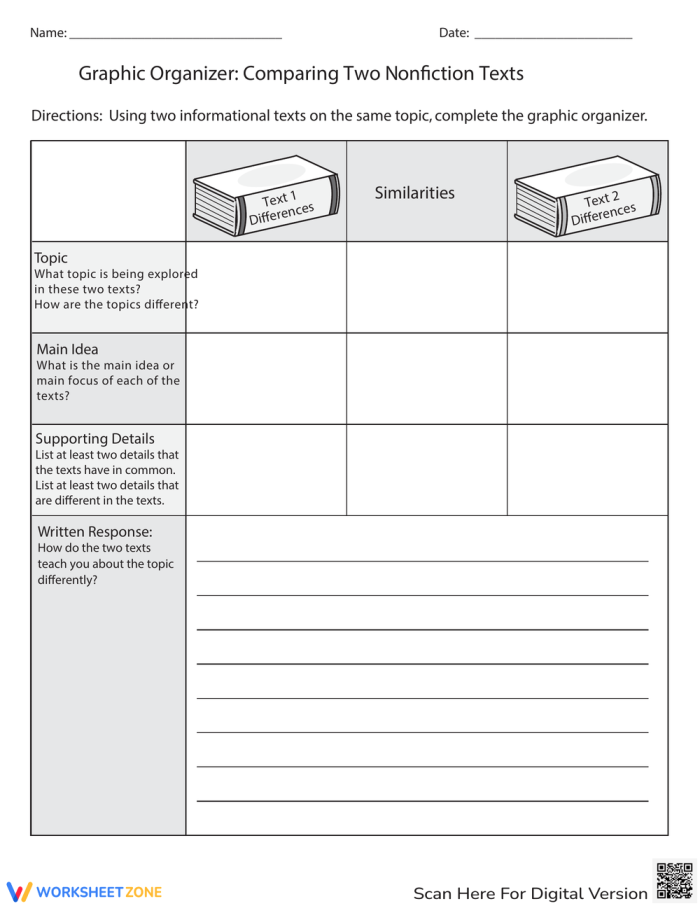
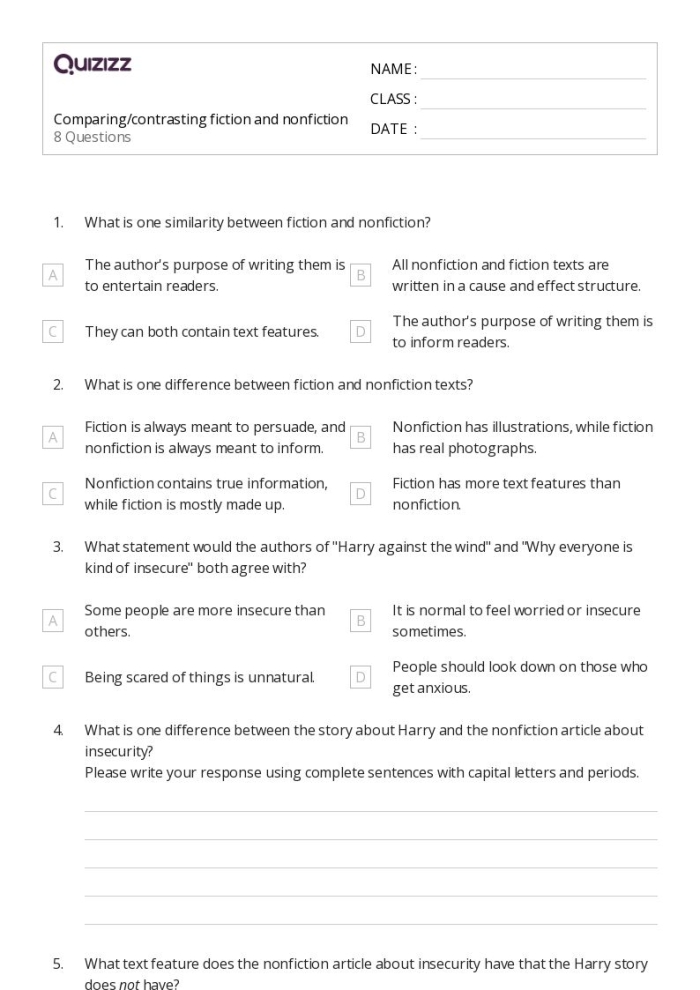
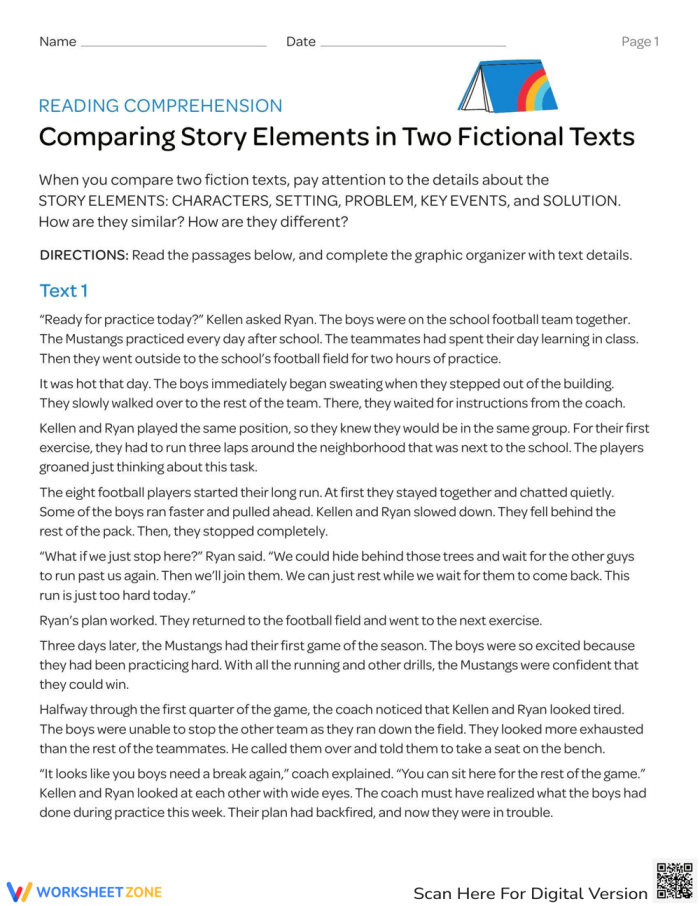
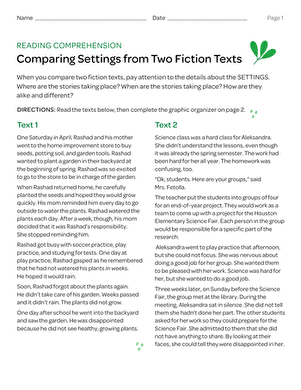
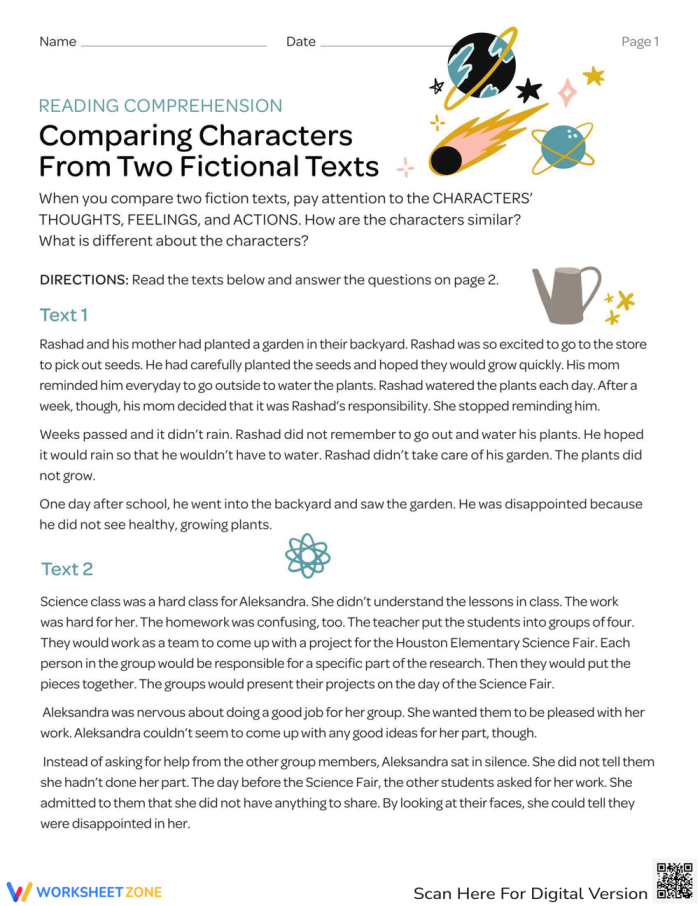
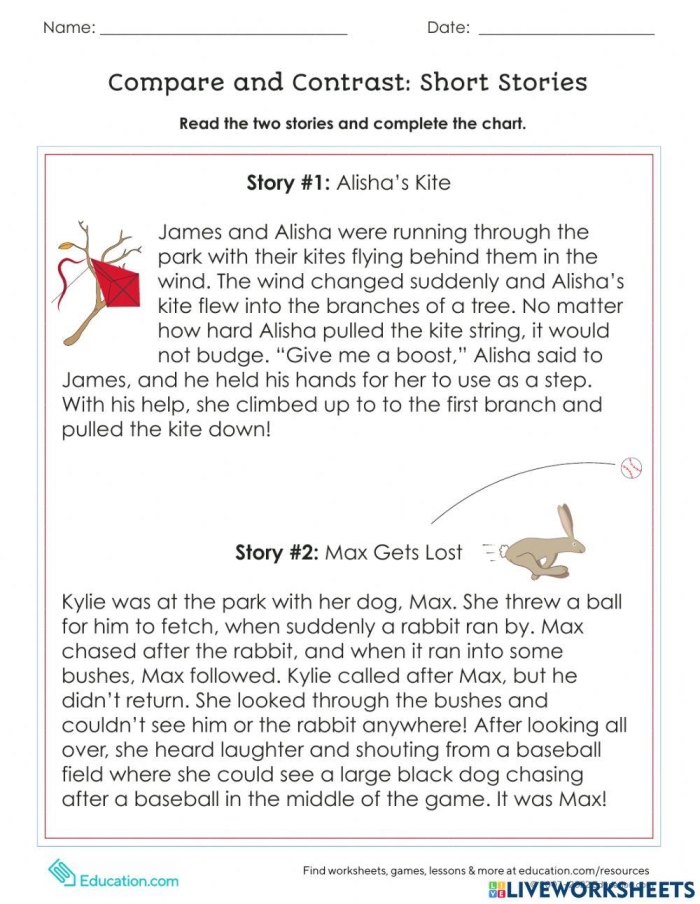
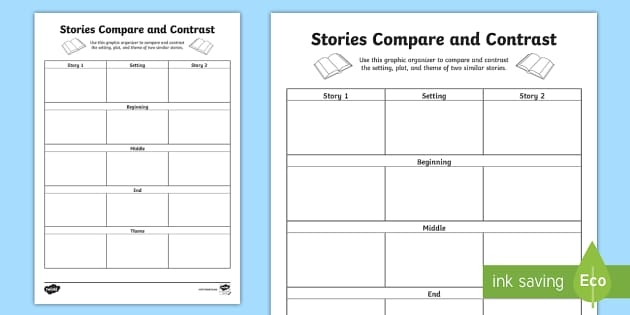
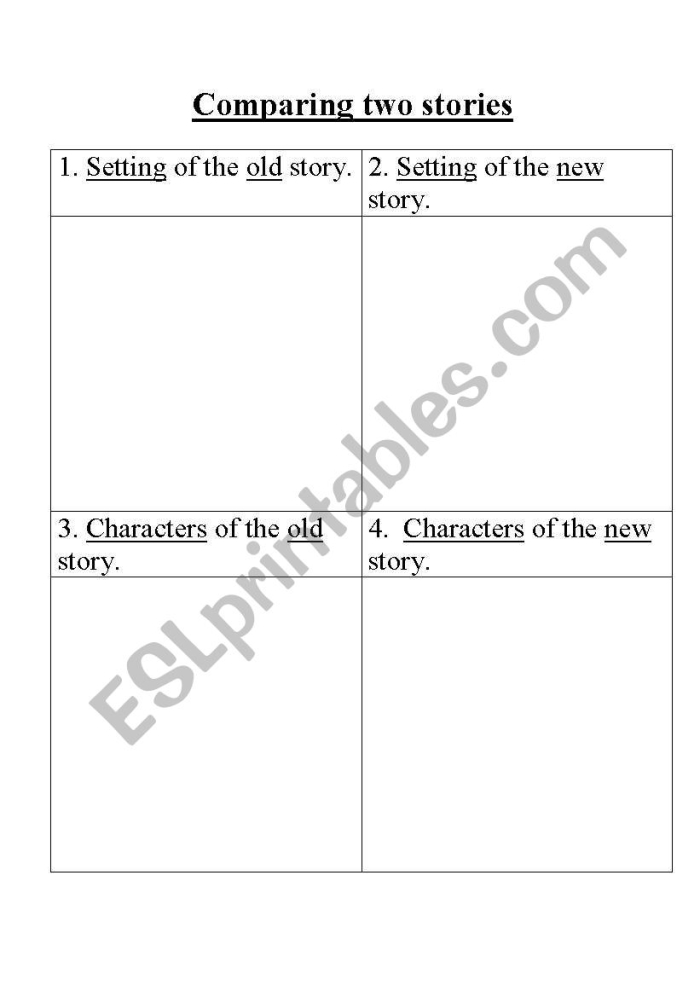
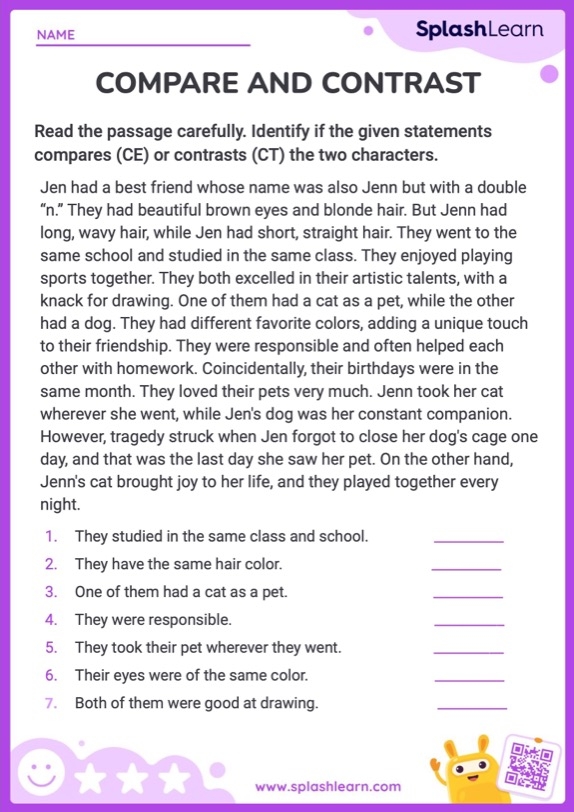
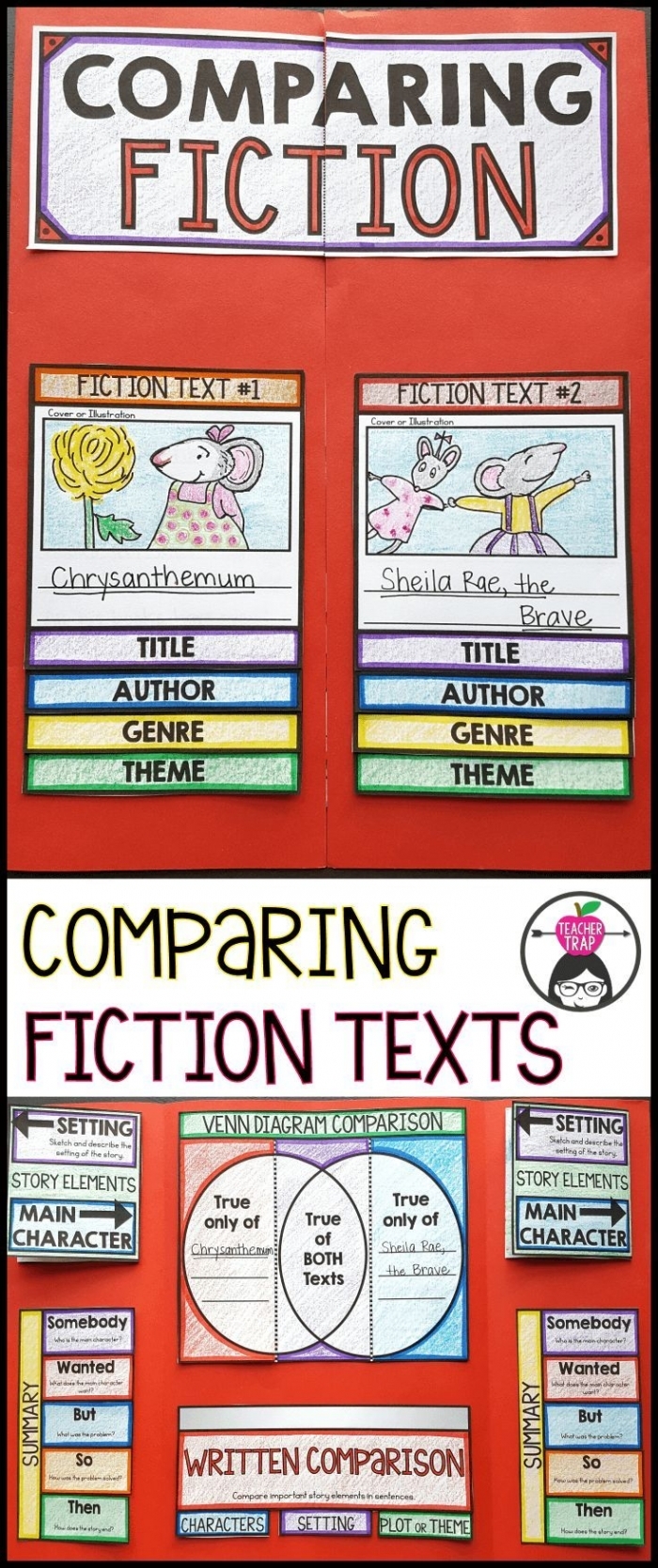
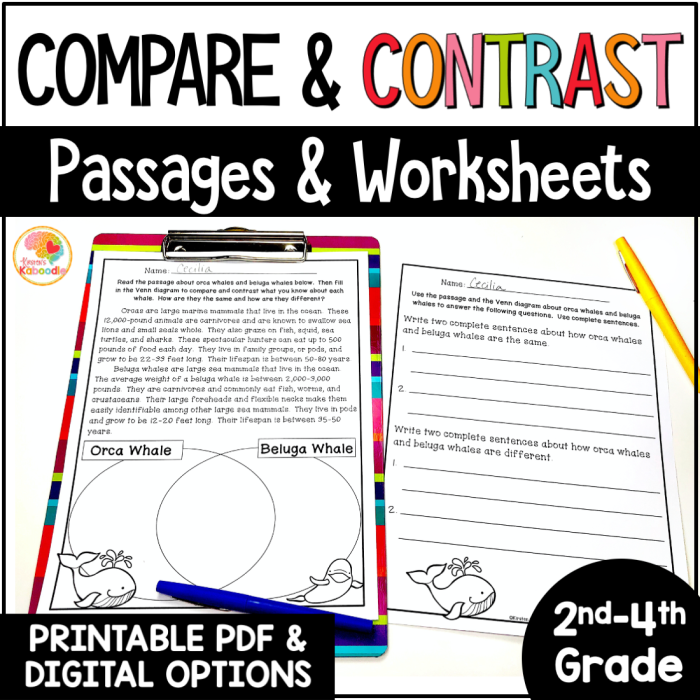
When third grade students compare settings from two fiction texts, they develop a sharper understanding of how authors create different worlds within their stories. This specific reading comprehension worksheet focuses on guiding children to notice the unique details that define each setting, such as the time period, location, weather, and mood. By looking closely at these elements, students learn to identify both similarities and differences, which sharpens their critical thinking and reading skills.
For example, one story might take place in a bustling city during the daytime, while the other unfolds in a quiet village at night. Asking children to compare these settings encourages them to think beyond just the plot and characters, diving deeper into the environment that shapes the narrative. This approach also enhances their vocabulary as they encounter descriptive words related to settings, from “crowded streets” to “rustling leaves.”
Incorporating addition skills into this activity strengthens the learning process by connecting reading comprehension with math. When children count or add details about each setting, they practice math in a context that feels relevant and engaging. This blend of skills supports a more rounded educational experience, aligning well with third grade learning objectives.
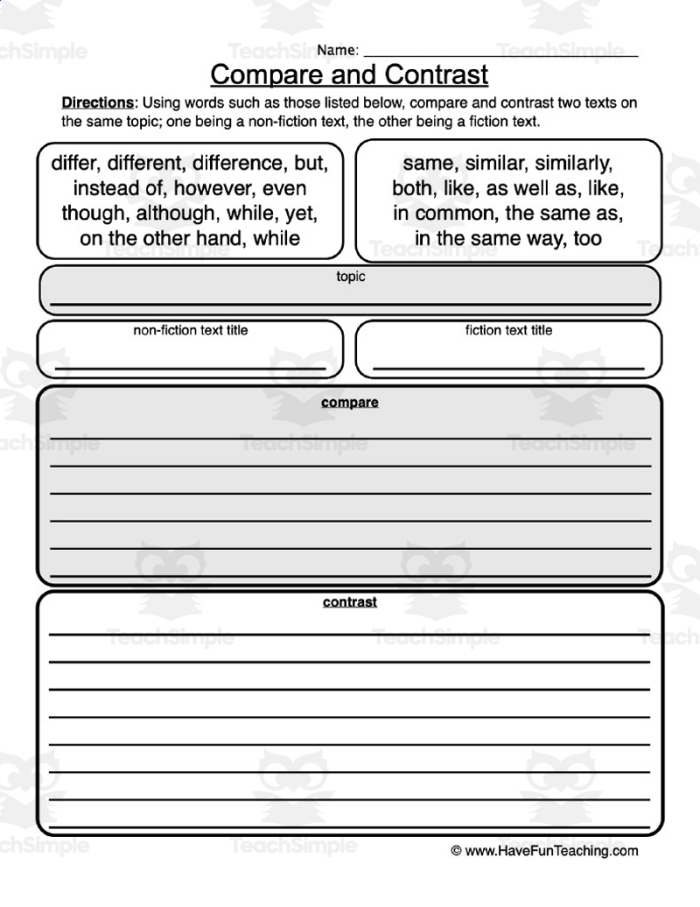
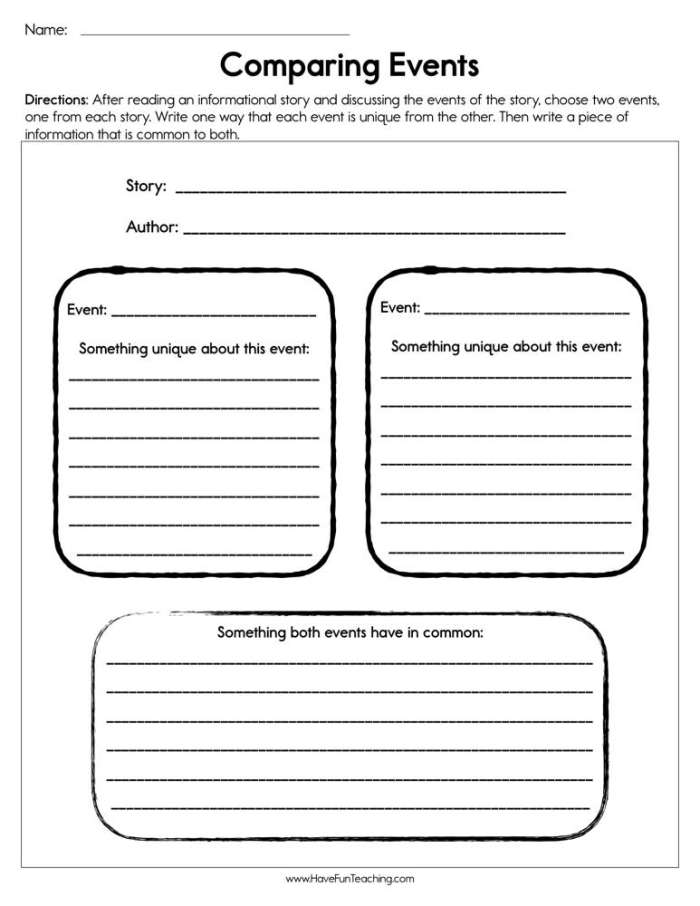
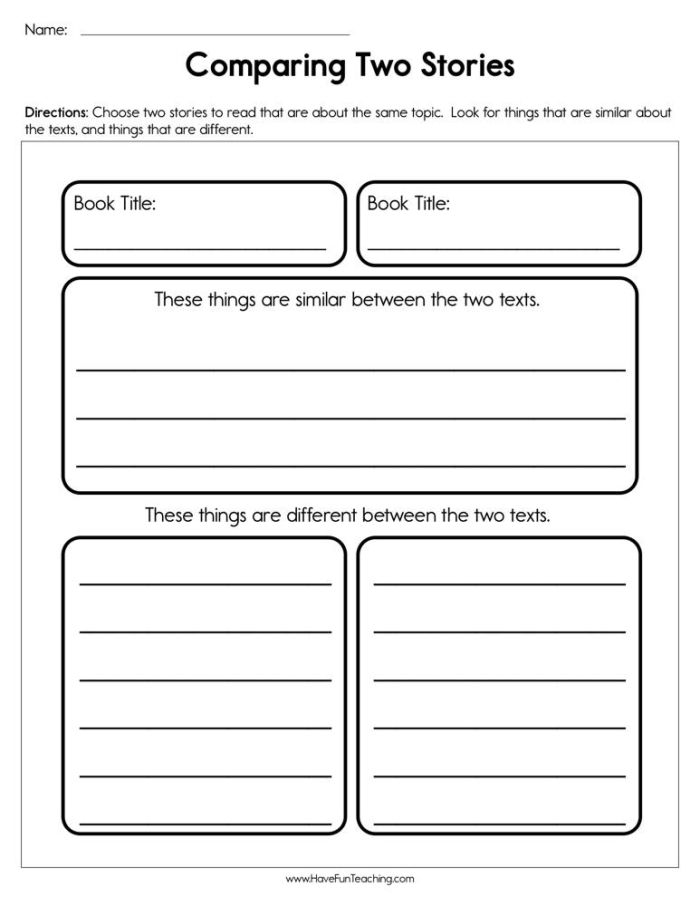
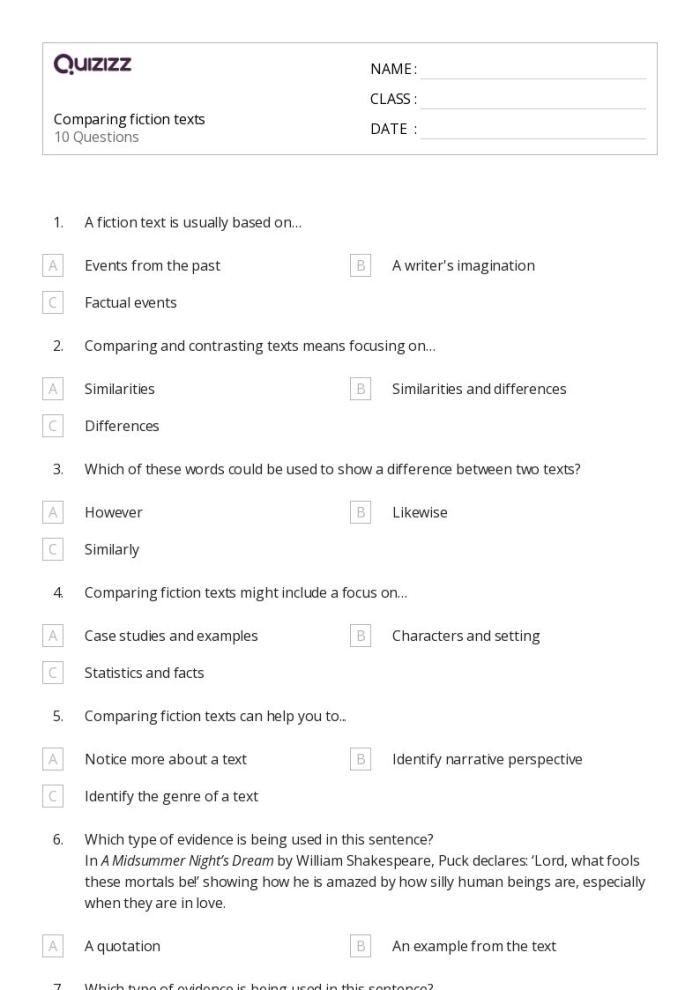
Teachers and parents looking for reliable resources can find printable comparing settings from two fiction texts worksheets that focus on addition and reading comprehension. These worksheets often include exercises where students track information from both texts and then add up elements like the number of characters or objects found in each setting. One useful resource offers guidance on integrating comparing settings from two fiction texts with basic math skills, helping children make connections across subjects.
Overall, this kind of targeted worksheet helps third graders practice careful observation and comparison, essential skills that improve both reading fluency and analytical thinking. By concentrating on setting, students gain a clearer picture of how stories are crafted, which benefits their broader literacy development.
Use These Worksheets Today