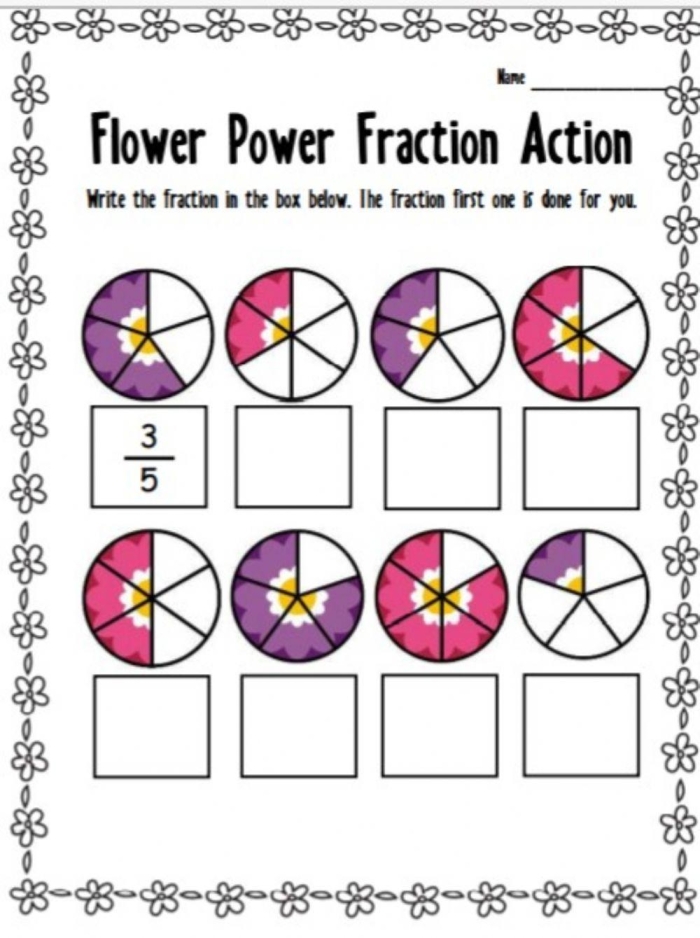
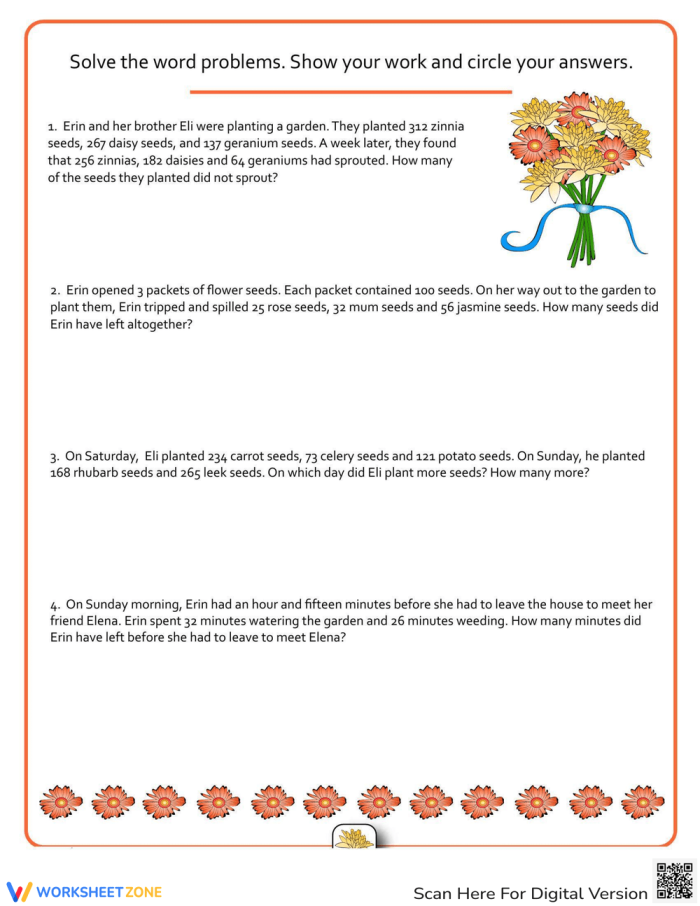
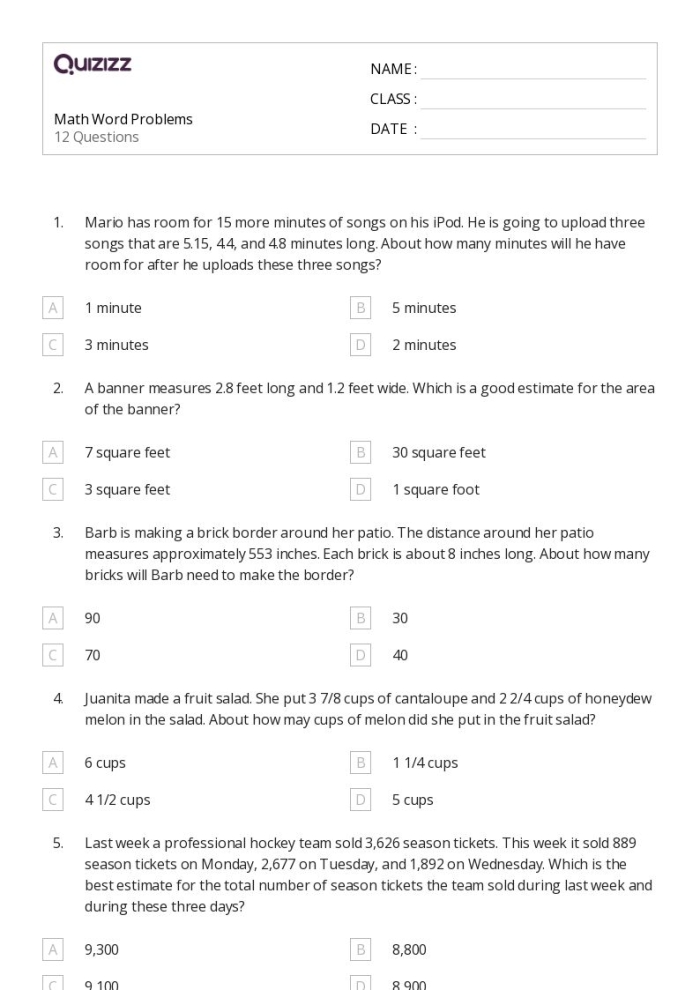
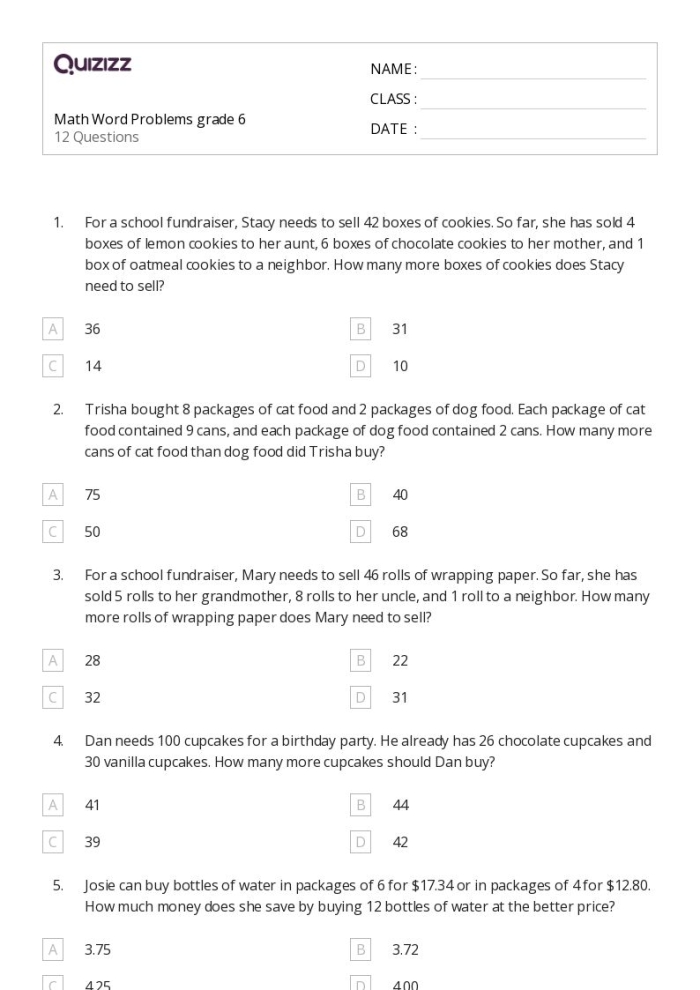
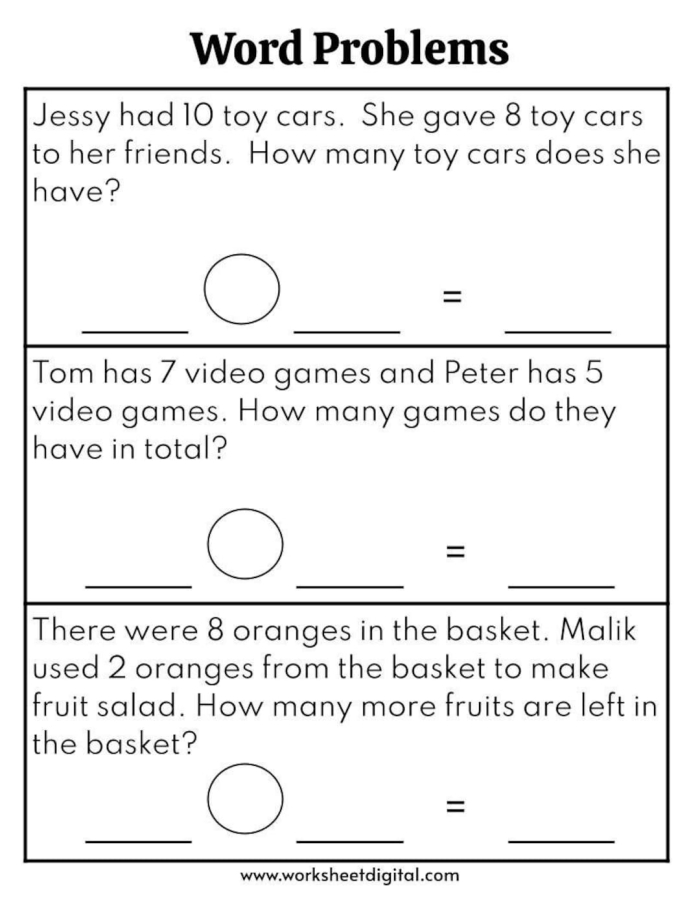
Working through word problems can be a challenge, but when they revolve around a familiar, colorful setting like a flower garden, kids often find the experience more engaging. These flower-themed word problems offer a perfect way to combine math practice with a bit of storytelling, helping fourth grade students sharpen their addition, subtraction, and reasoning skills. Instead of abstract numbers, children assist Erin and Eli as they tend to their garden, making the math feel practical and relatable.
For example, one problem might ask: “Erin planted 24 tulips and 17 daisies. How many flowers did she plant in total?” This simple addition question encourages students to visualize the garden while performing the calculation. Another might involve subtraction, such as: “Eli picked 12 roses, but 5 wilted and had to be removed. How many roses are left?” These scenarios require kids to think critically about what the problem is asking, rather than just plugging in numbers.
One advantage of using these printable word problems is that they integrate phonics skills naturally. Since the problems are written with clear, age-appropriate language, children practice reading comprehension alongside math. This dual focus supports learners who are developing both their numerical and language abilities, which is especially helpful in fourth grade when expectations rise in both subjects.
Teachers and parents looking for resources will find these exercises particularly useful because they reinforce multiple skills at once. For those interested, exploring related materials such as phonics worksheets that cover sentence structures or prepositional phrases can further enhance a child’s reading and writing, complementing the math work. For instance, reviewing a set of word problems with a flower focus can be paired with exercises on sentence construction to deepen understanding.
Using garden-themed word problems also encourages kids to apply reasoning beyond basic calculations. They learn to interpret the story, identify what operations to use, and check if their answers make sense in context. This kind of problem-solving mirrors real-life situations and builds confidence. Plus, seeing math in action outside of textbooks makes the subject more approachable and fun.
Boost Skills with These Worksheets