Understanding how word parts come together to form meaning can transform the way fourth graders approach reading and writing. When students learn to recognize prefixes, suffixes, and root words, they gain tools that help them complete sentences more accurately and confidently. This skill is essential not only for grammar but also for expanding vocabulary within the Community and Culture curriculum.
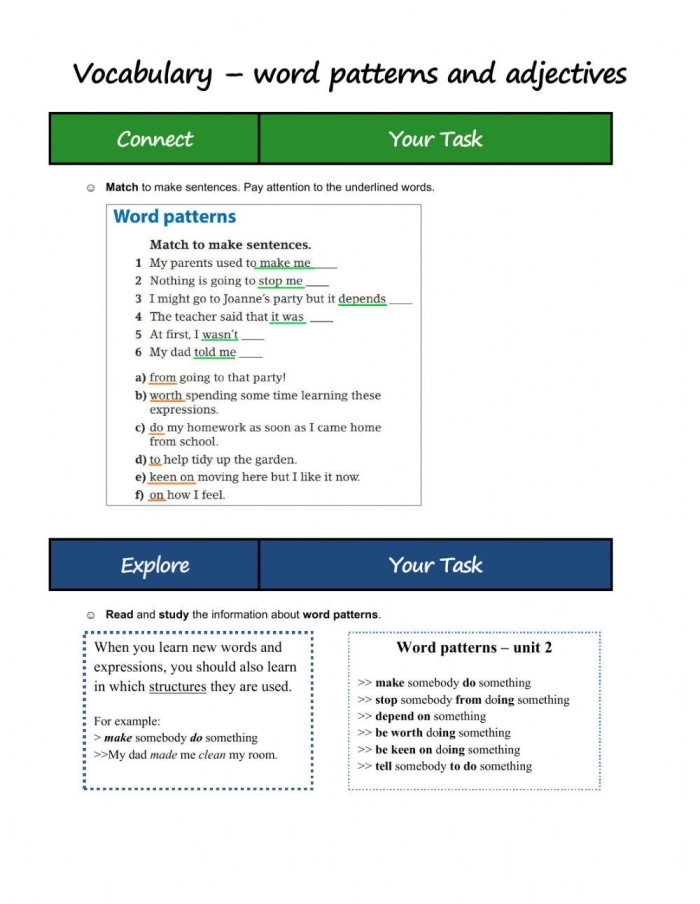
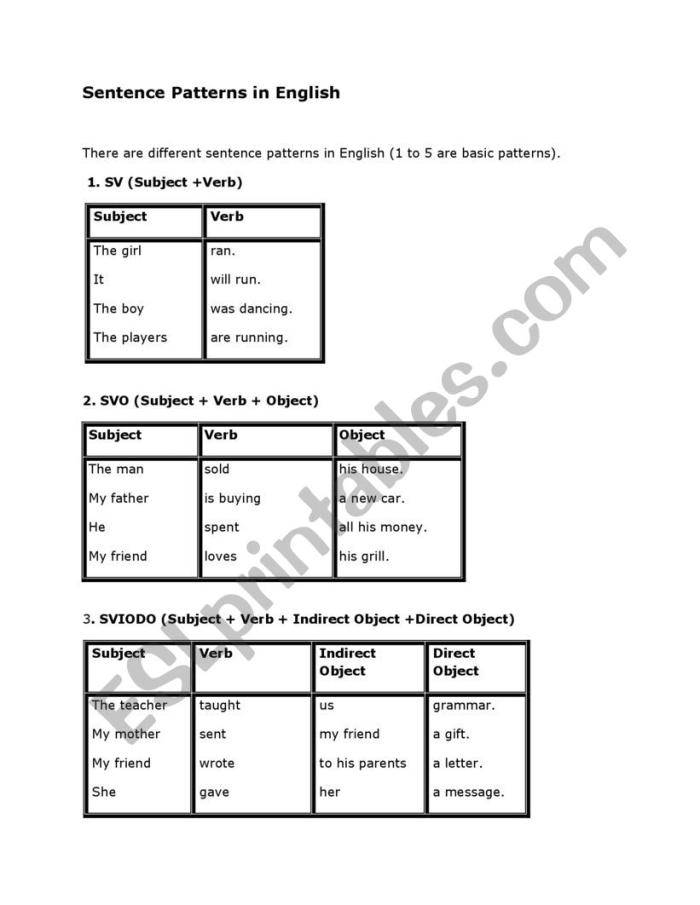
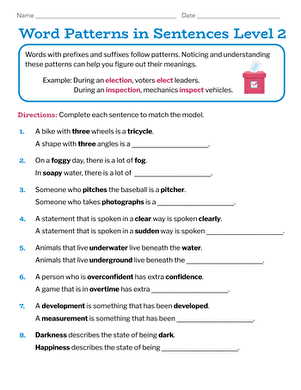
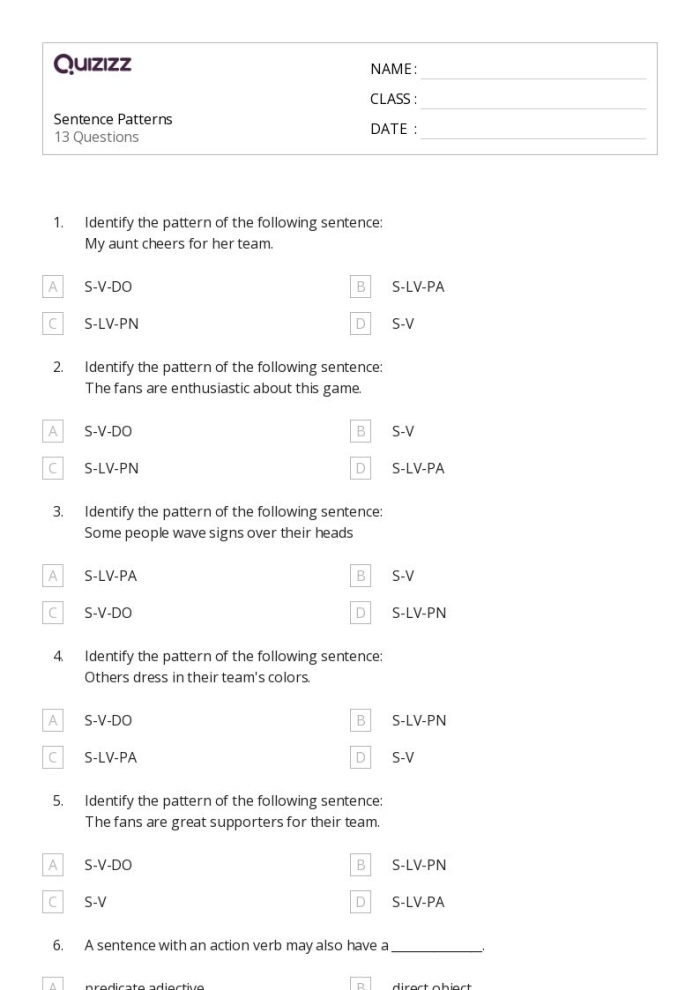
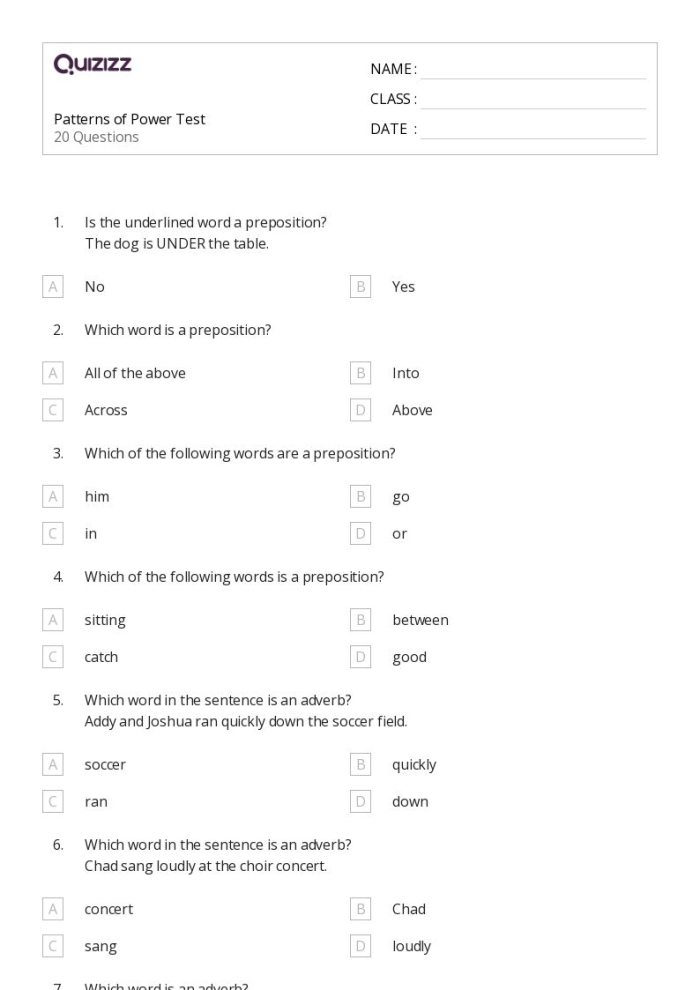
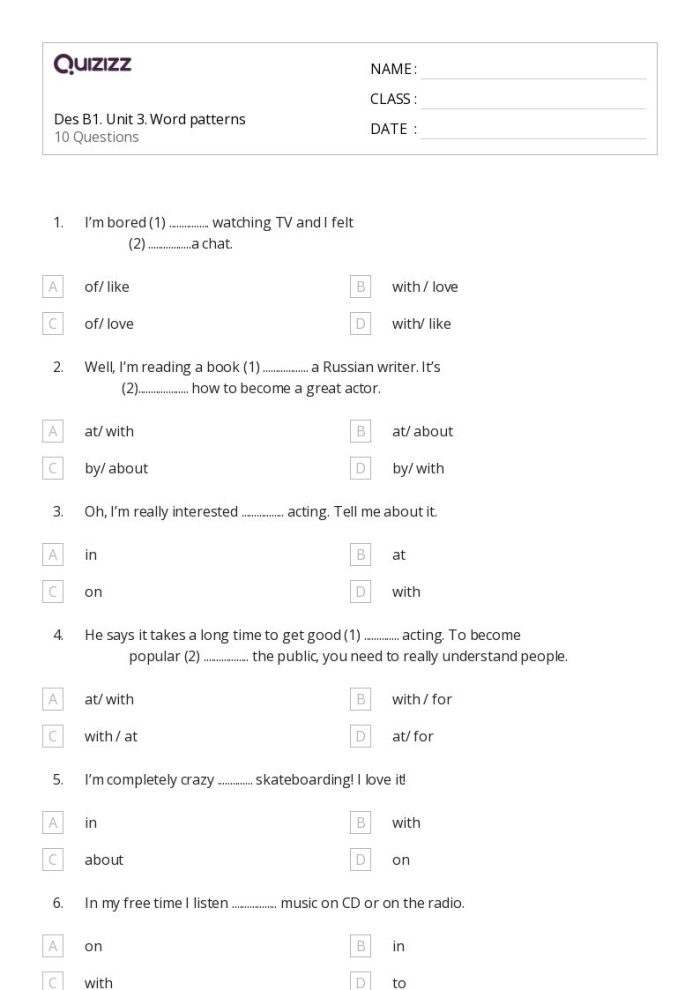
Take, for example, a worksheet designed around Word Patterns in Sentences Level 2. It guides students to use their knowledge of word parts to fill in blanks, choosing the right form of words based on context clues. This method encourages active thinking: rather than guessing, students analyze each word’s components to predict its correct use.
One practical benefit of this approach is its lasting impact on reading comprehension. When children understand that the prefix “un-” usually means “not” or the suffix “-ful” means “full of,” they can decode unfamiliar words on their own. This reduces frustration and builds independence in learning. For example, recognizing that “helpful” comes from the root word “help” plus “-ful” makes it easier to grasp the sentence’s intended meaning.
Printable word patterns in sentences worksheets like these also fit naturally into a broader fourth grade Community and Culture study. Incorporating vocabulary related to different communities or cultural practices offers contextual clues that reinforce meaning. Pairing this with grammar worksheets focused on conjunctions, such as those found on this page, supports well-rounded language development.
These exercises are more than busy work; they develop critical thinking skills that help students form clearer sentences and communicate effectively. By routinely practicing with worksheets that emphasize word parts, students build a foundation that supports all aspects of literacy, making learning both engaging and meaningful.
Download These Worksheets for Practice