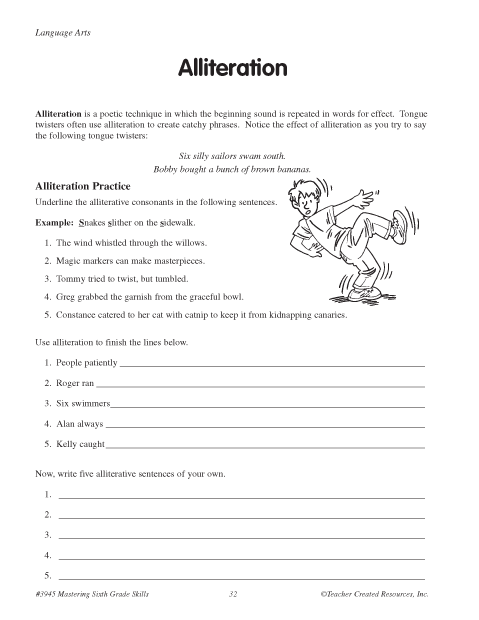
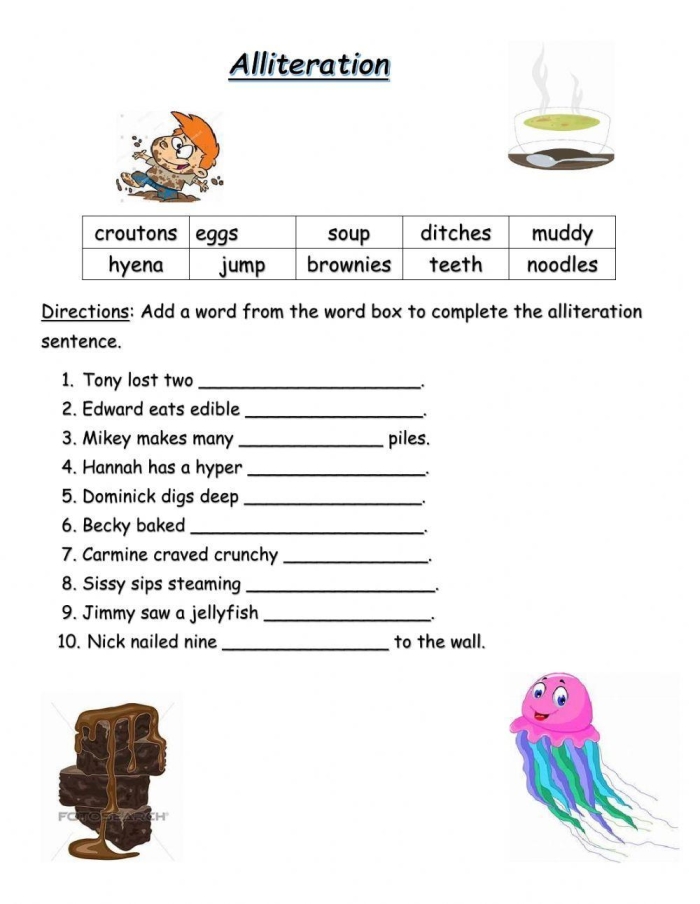
Ernest Lawrence Thayer’s “Casey at the Bat” is packed with sound repetition that makes it perfect for teaching alliteration to third grade writers. Most people remember this poem for its dramatic ending, but the real fun happens when you slow down and listen to how the words actually sound when read aloud.
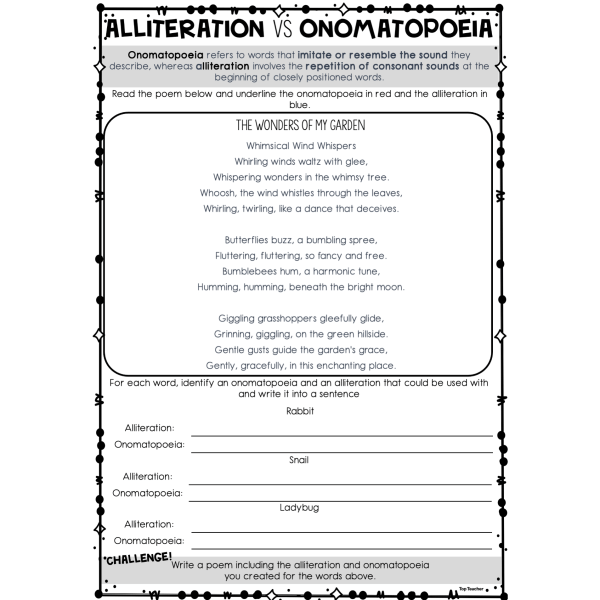
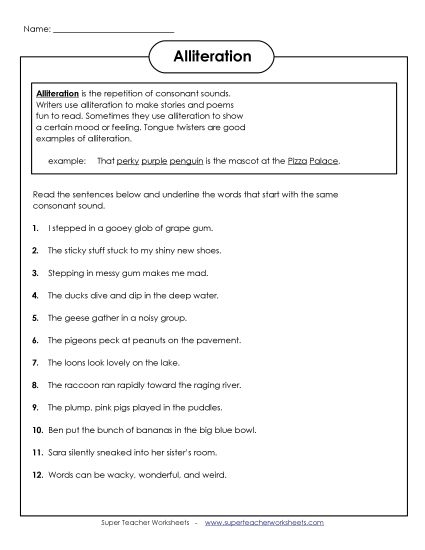
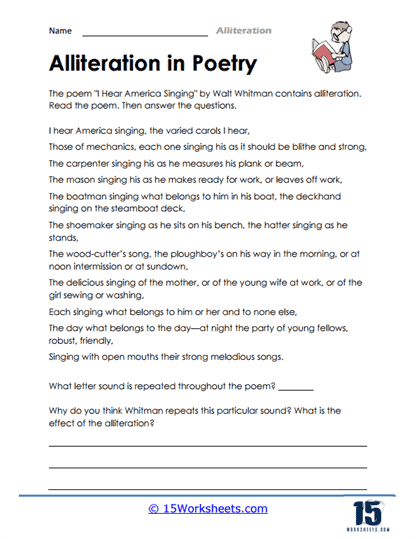
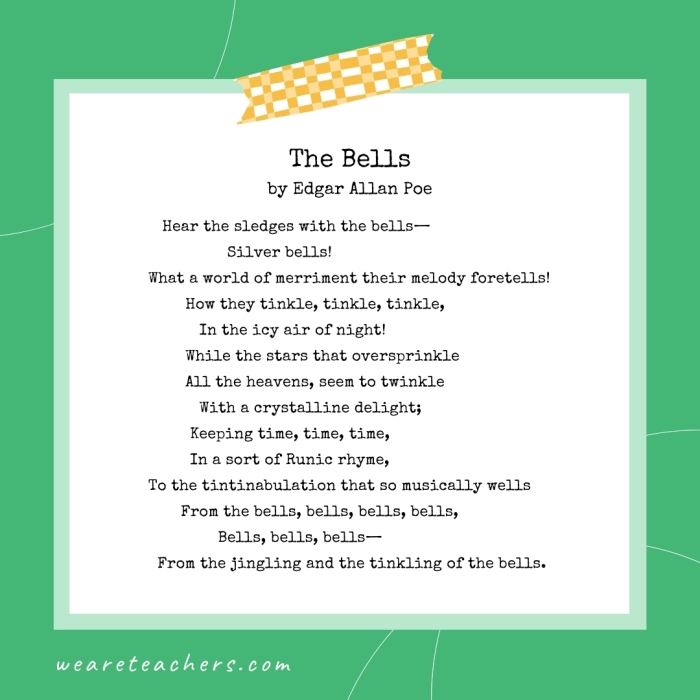
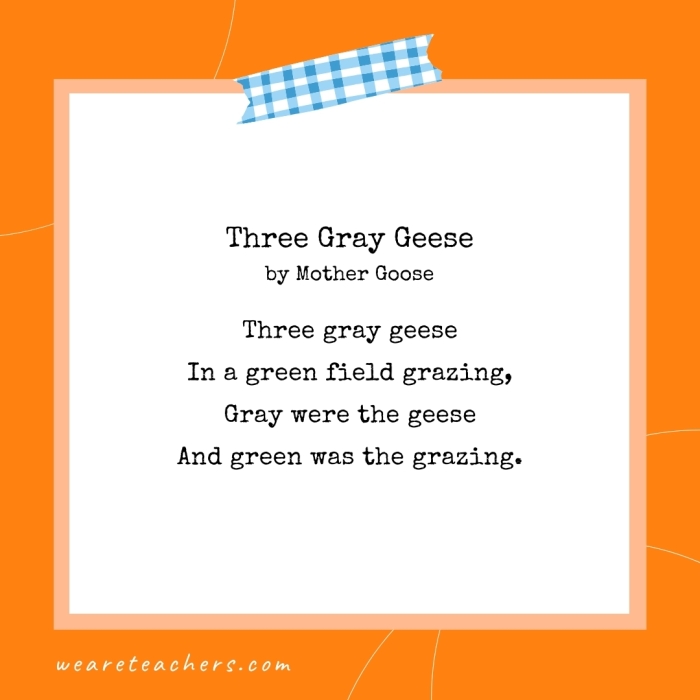
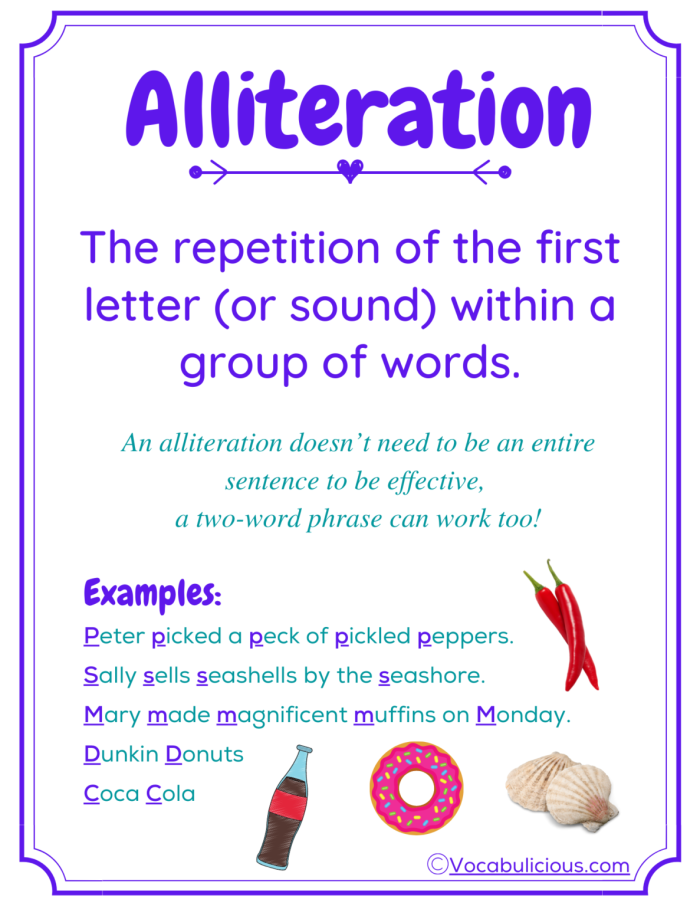
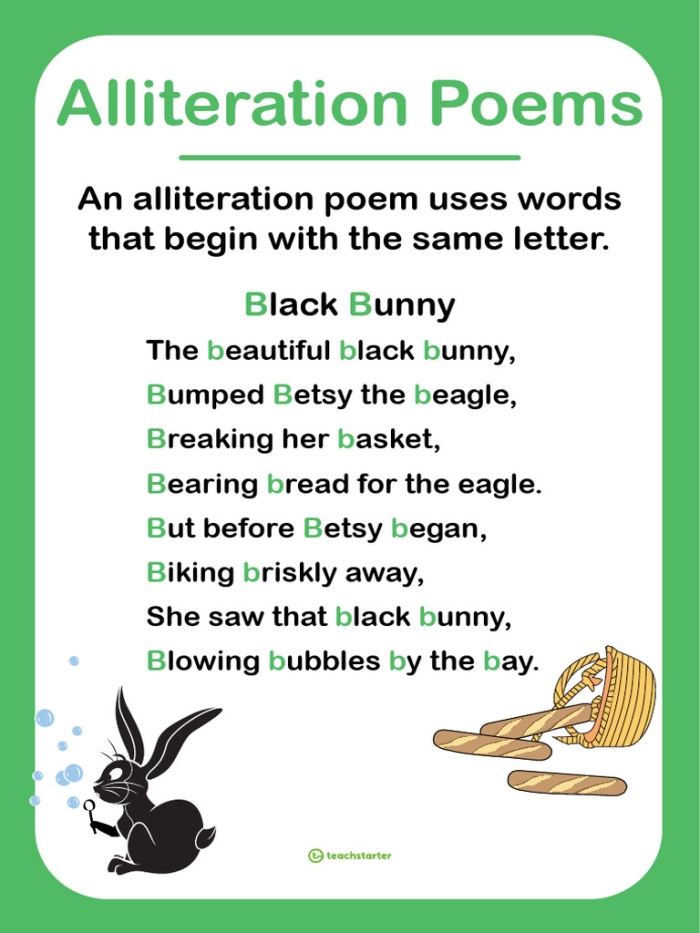
Alliteration occurs when words in sequence start with the same sound, and Thayer uses this technique throughout the poem to create rhythm and emphasis. Consider the opening lines: “The outlook wasn’t brilliant for the Mudville Nine that day.” The repeated “b” sound in “brilliant” and the “m” sound in “Mudville” and “Nine” give these lines a bouncy, almost musical quality. When you read them out loud, your mouth naturally emphasizes these sounds, which helps the meaning stick in your memory.
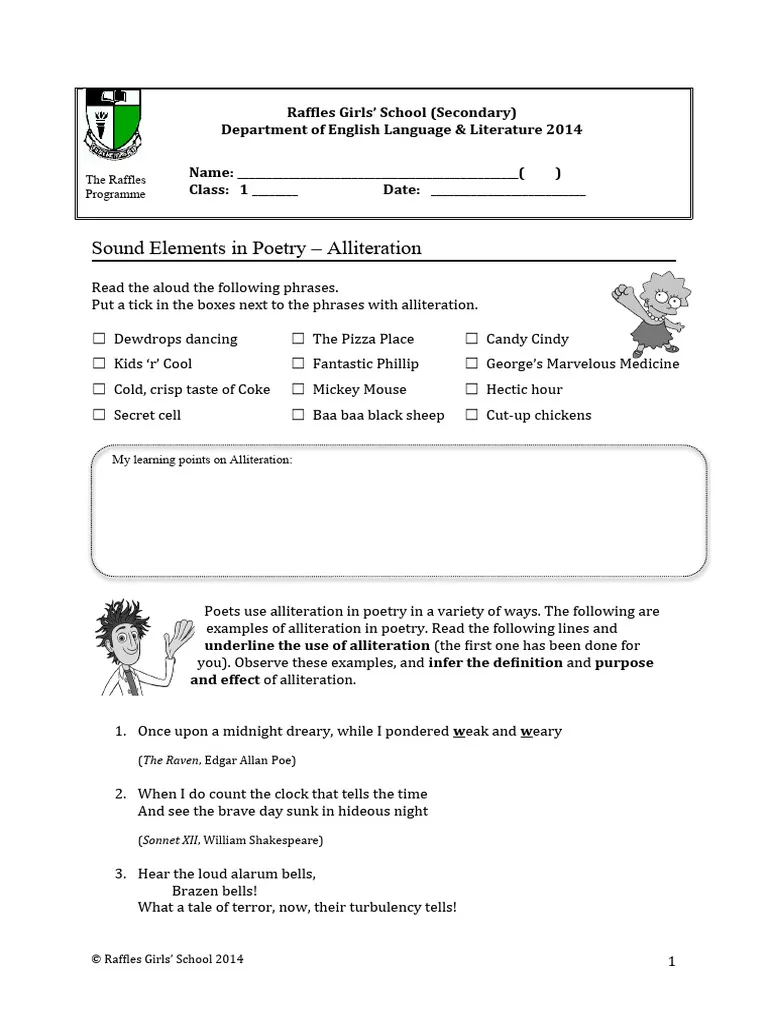
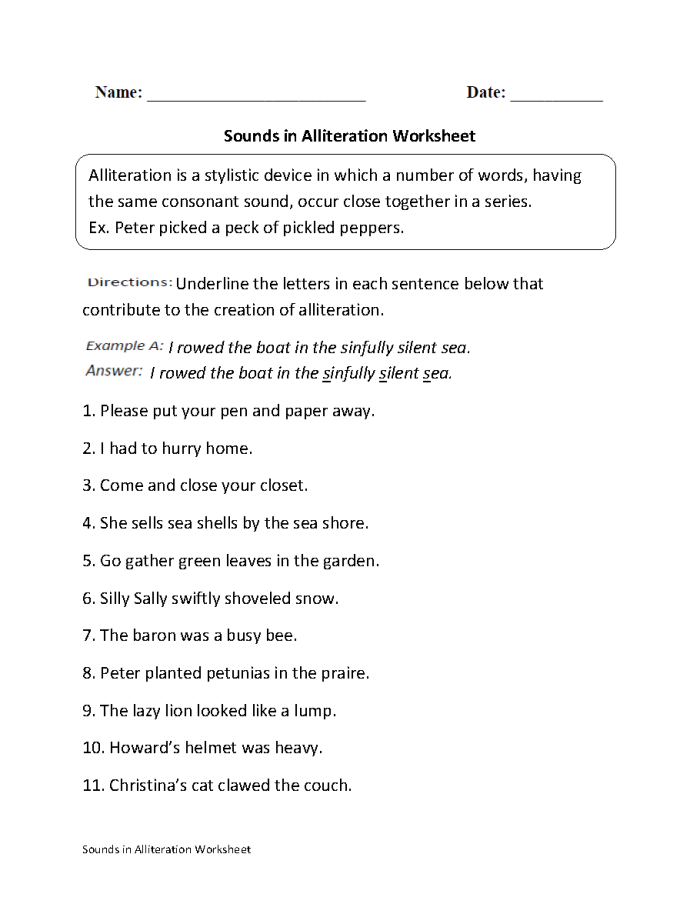
Third grade students benefit from this hands-on approach because they can actually hear alliteration rather than just read about it. Ask them to underline or circle words that share the same starting sound. They’ll spot phrases like “Casey at the Bat” itself, where the hard “c” and “b” sounds create a punchy effect. Another strong example appears in “the air was thick with dust,” where the repeated “d” sound makes the scene feel heavy and tense.
The beauty of using springtime poetry like this is that students connect sound patterns to real emotions and images. The alliteration doesn’t exist just for decoration, it serves the story. When you teach writing skills through this lens, students understand that word choice matters beyond just spelling and grammar.
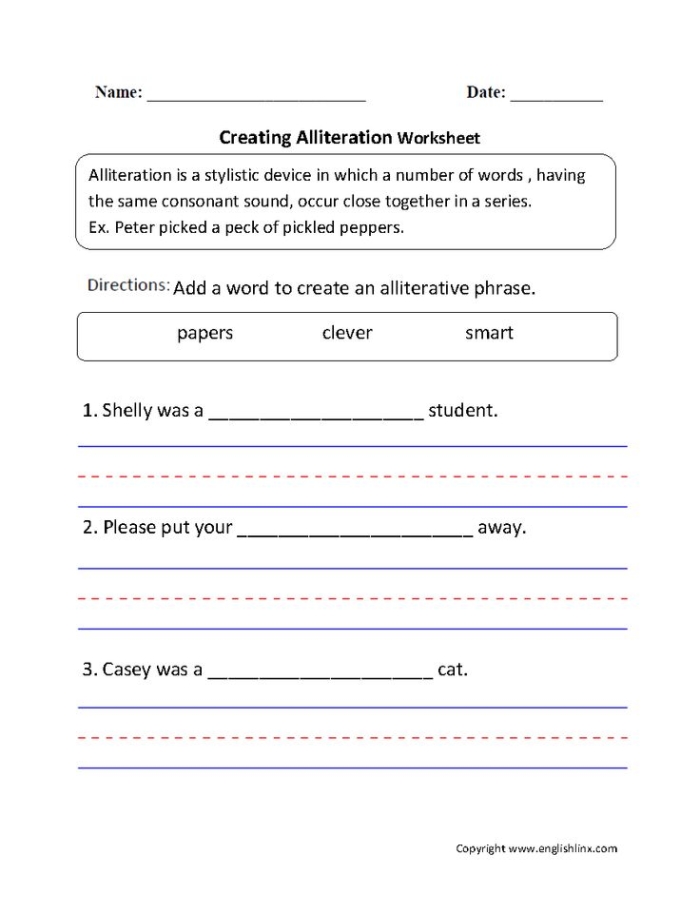
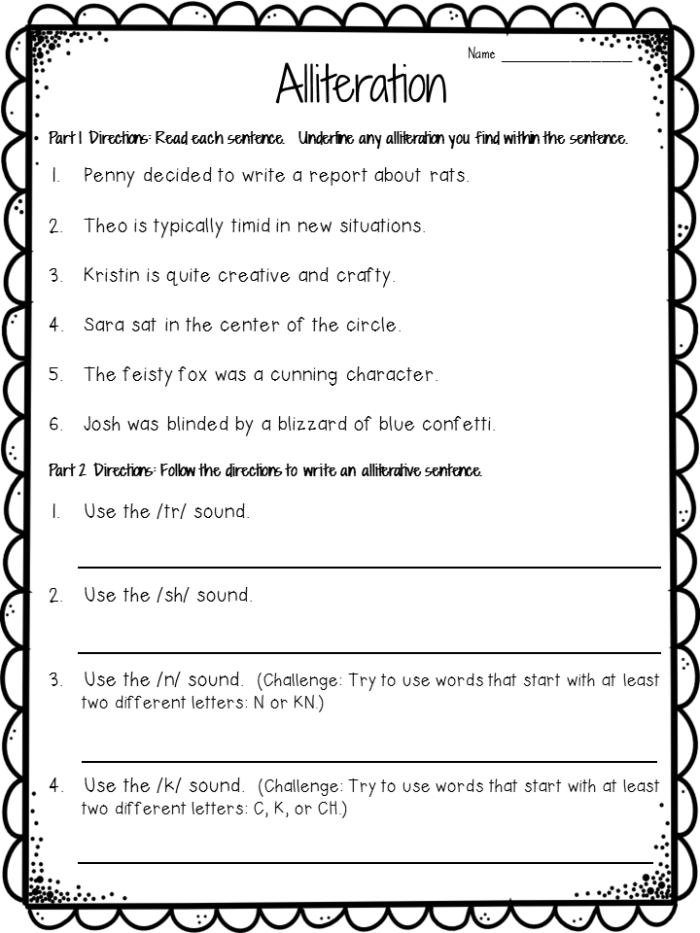
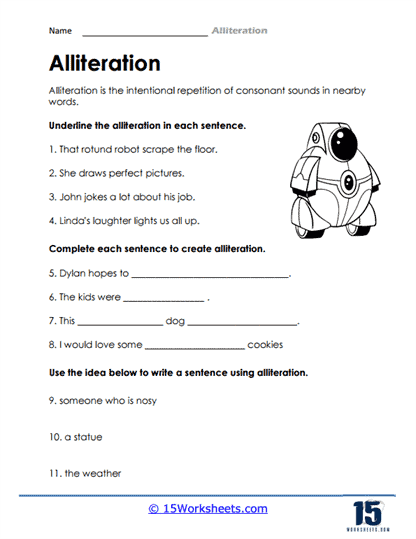
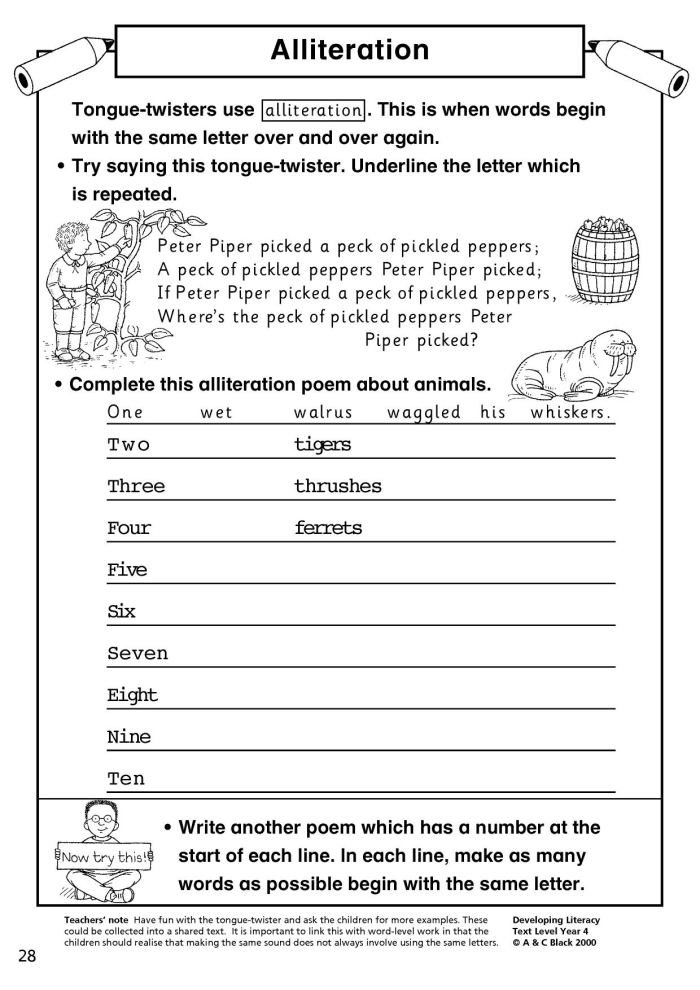
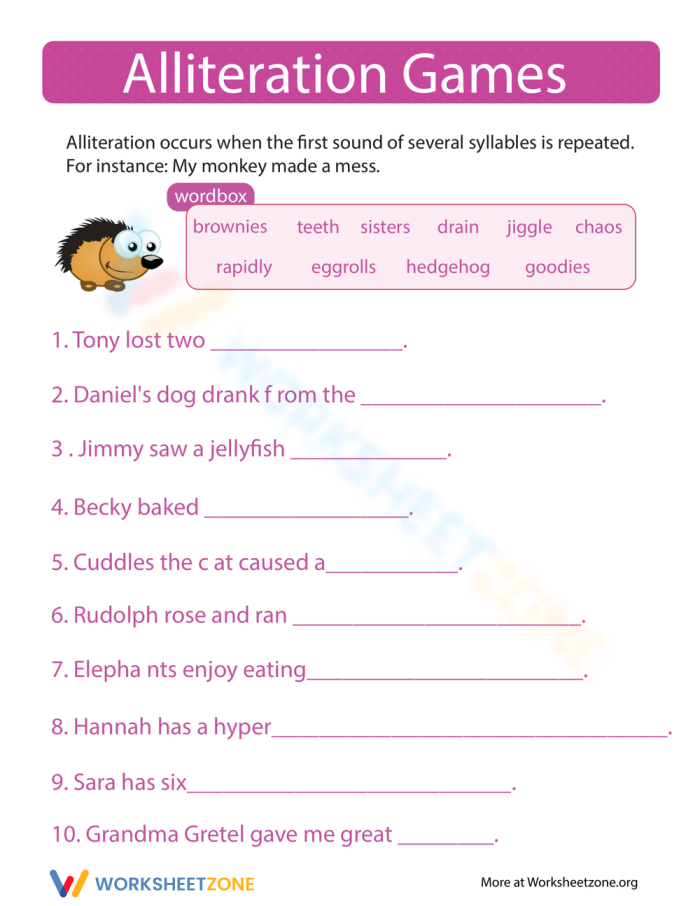
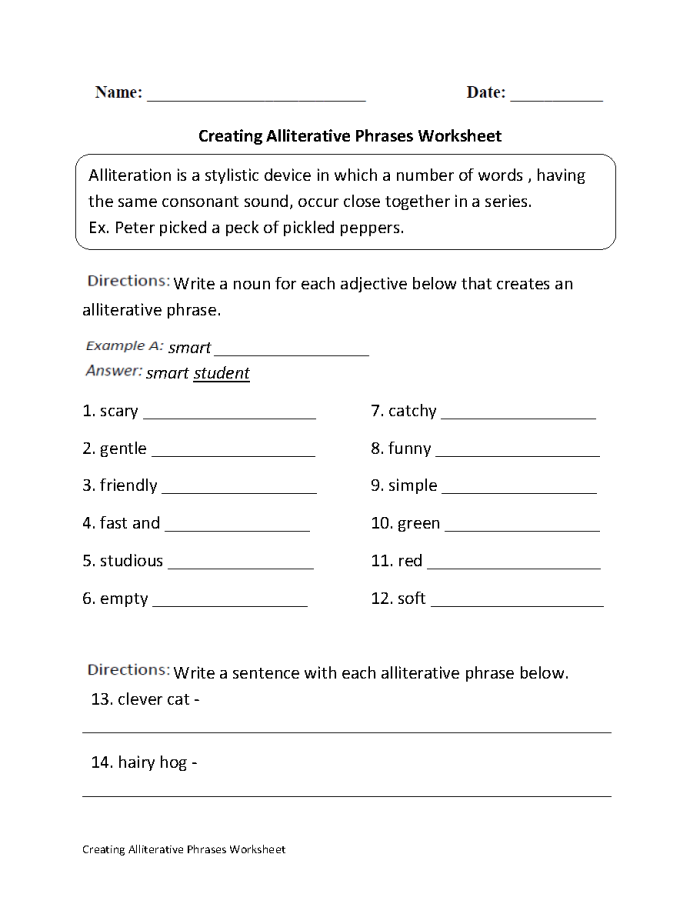
Have your third graders create their own alliterative sentences about spring or sports. This activity helps them internalize how repeated sounds work in writing, and they’ll start noticing alliteration everywhere they read.
Boost Skills with These Worksheets