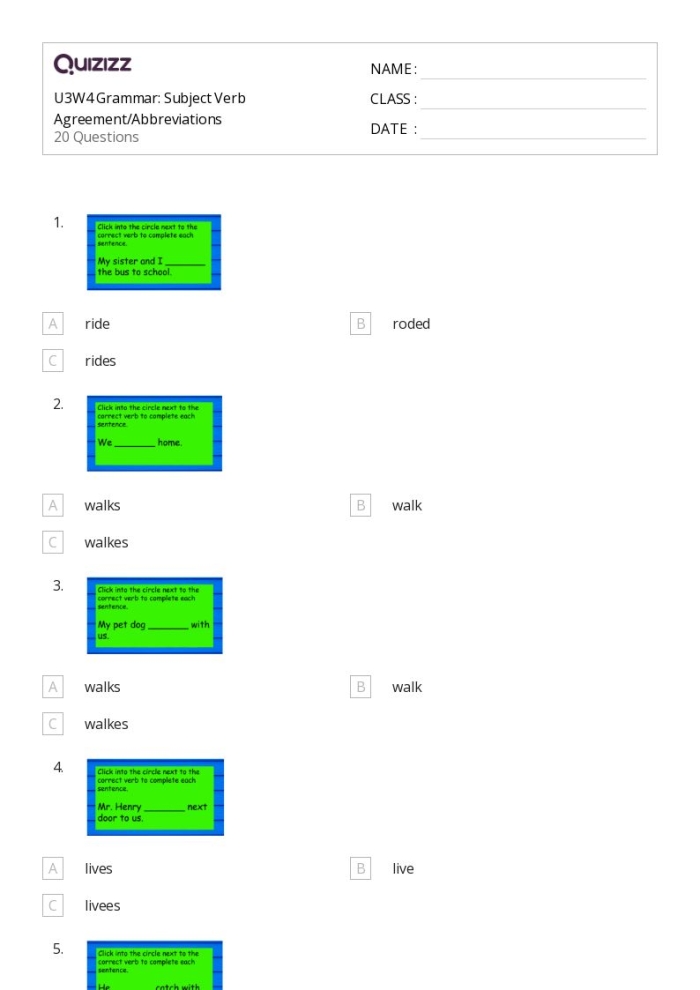
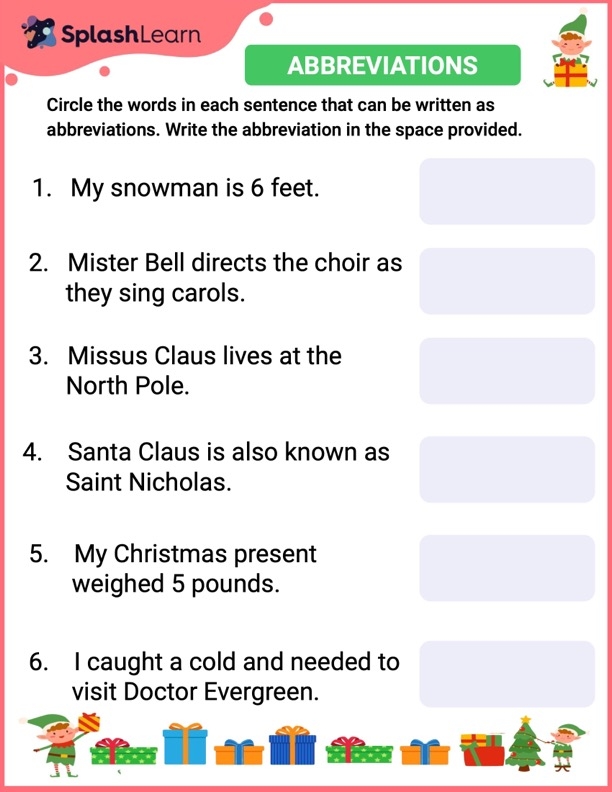
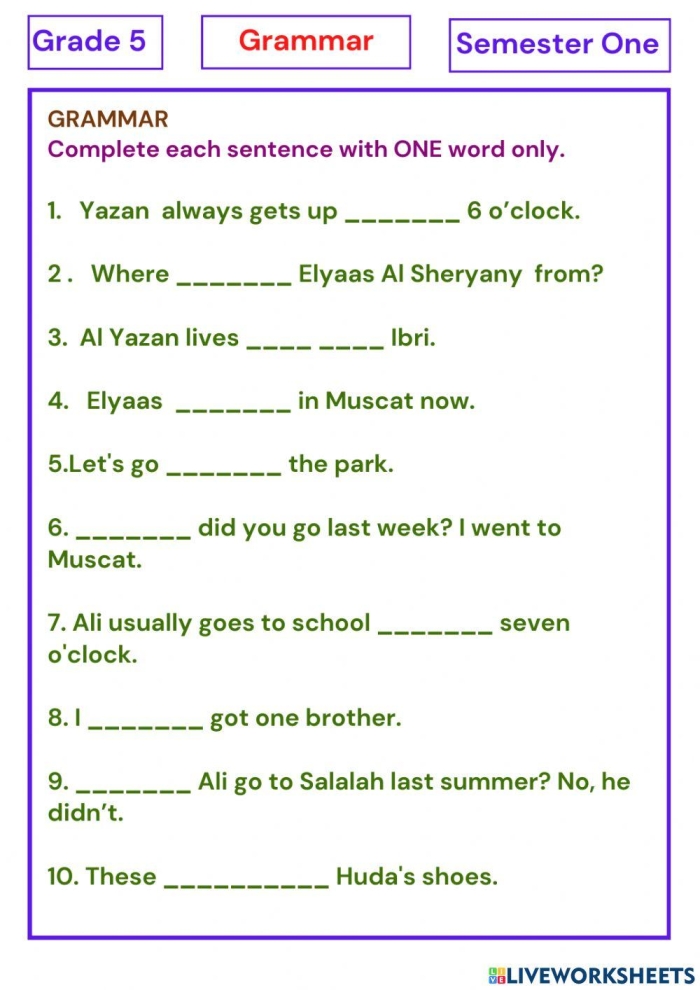
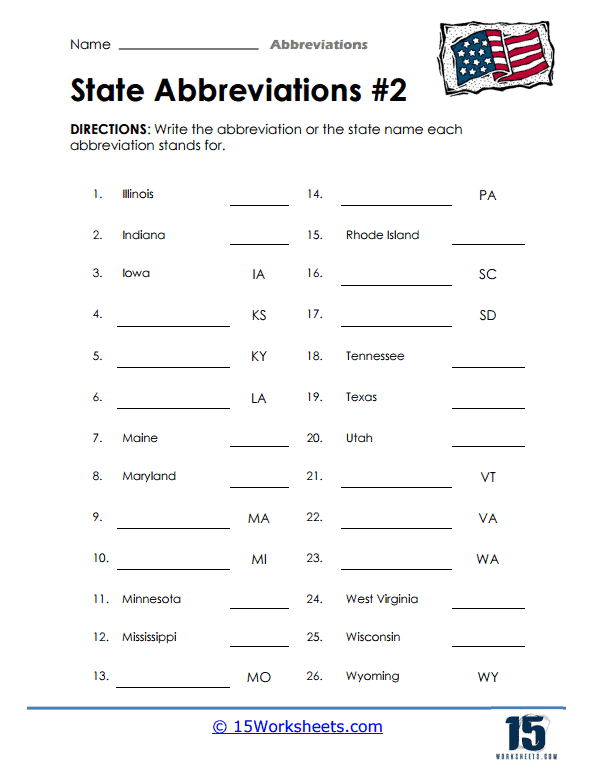
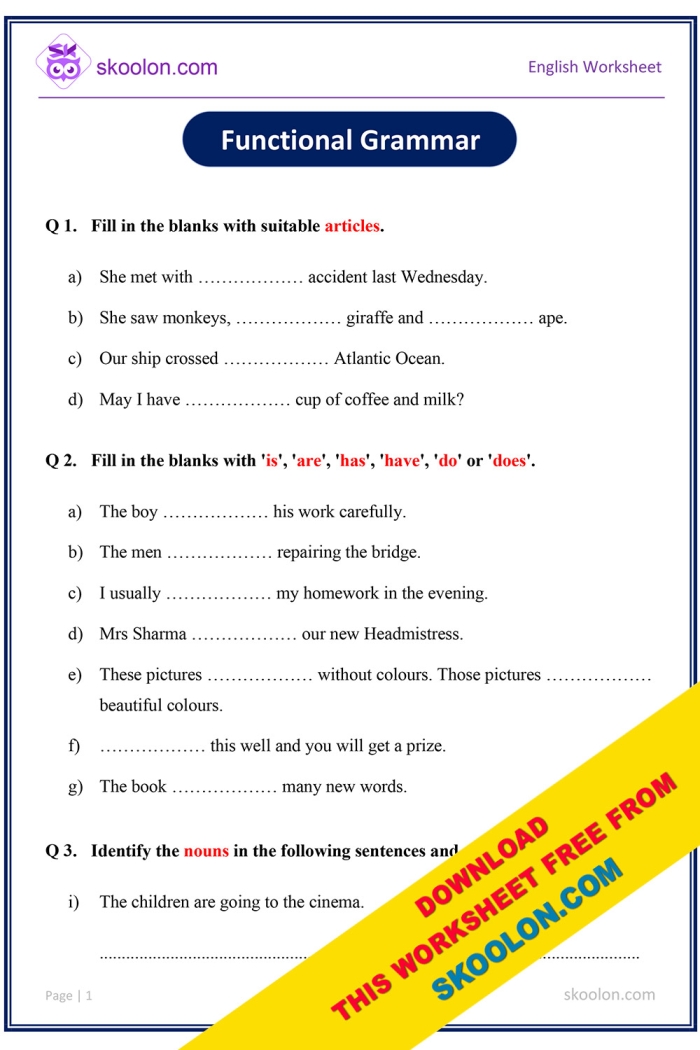
Third graders often struggle with abbreviations because they see them scattered throughout everyday writing without understanding the rules behind them. This resource tackles that problem head-on by giving students a structured way to recognize and use common abbreviations in their own sentences.
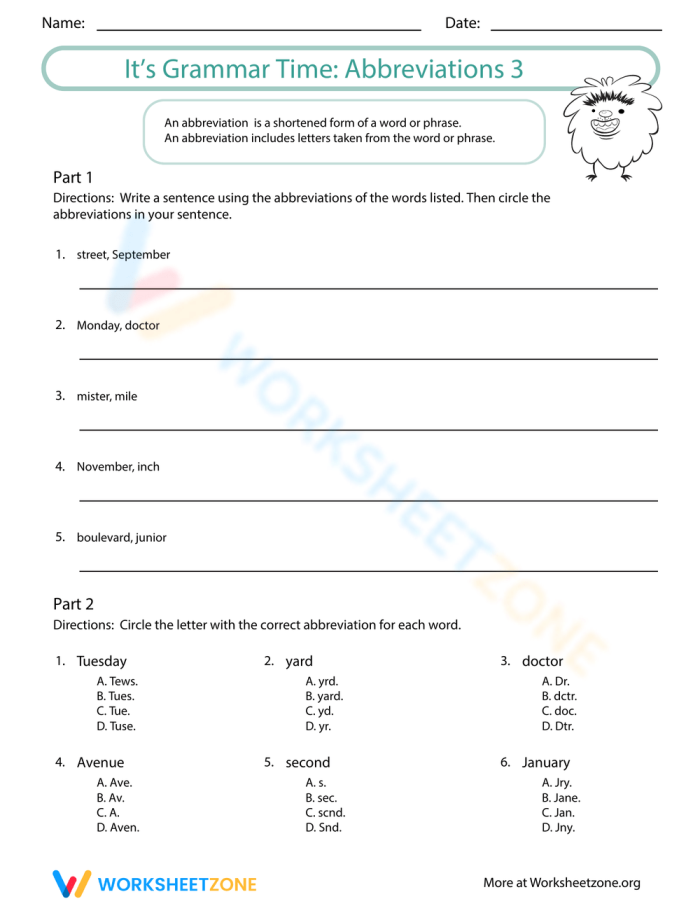
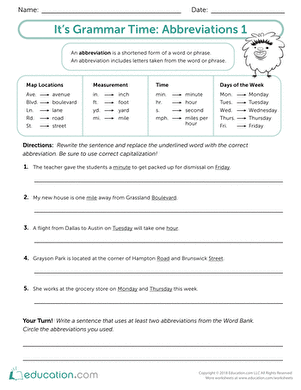
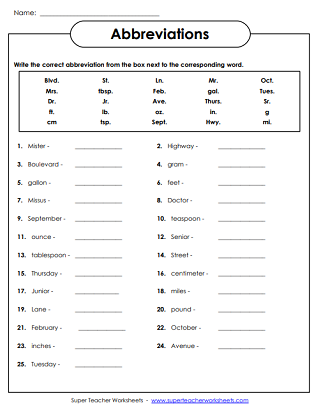
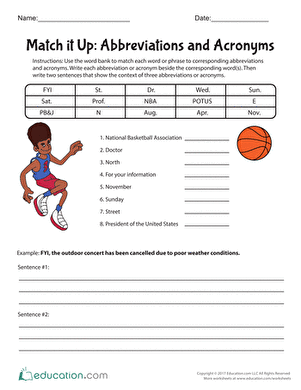
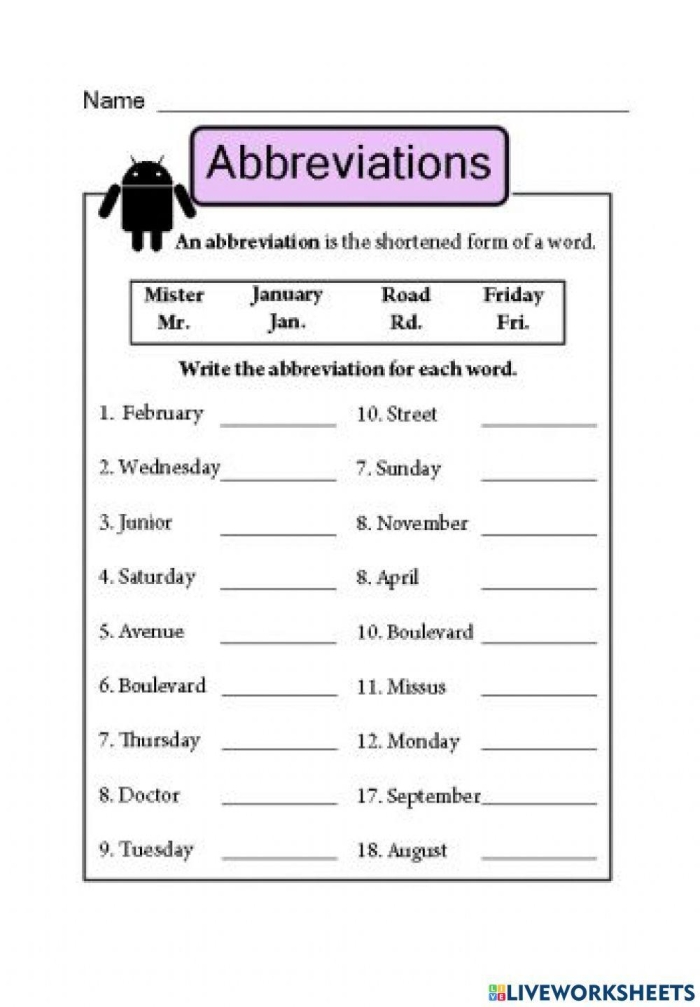
The activity works by having students rewrite sentences using a provided word bank of abbreviations. Instead of memorizing lists, they encounter abbreviations in context, which helps them understand when and why these shortened forms appear in real writing. This approach aligns with how third graders actually learn best, through practice with immediate feedback rather than abstract rules.
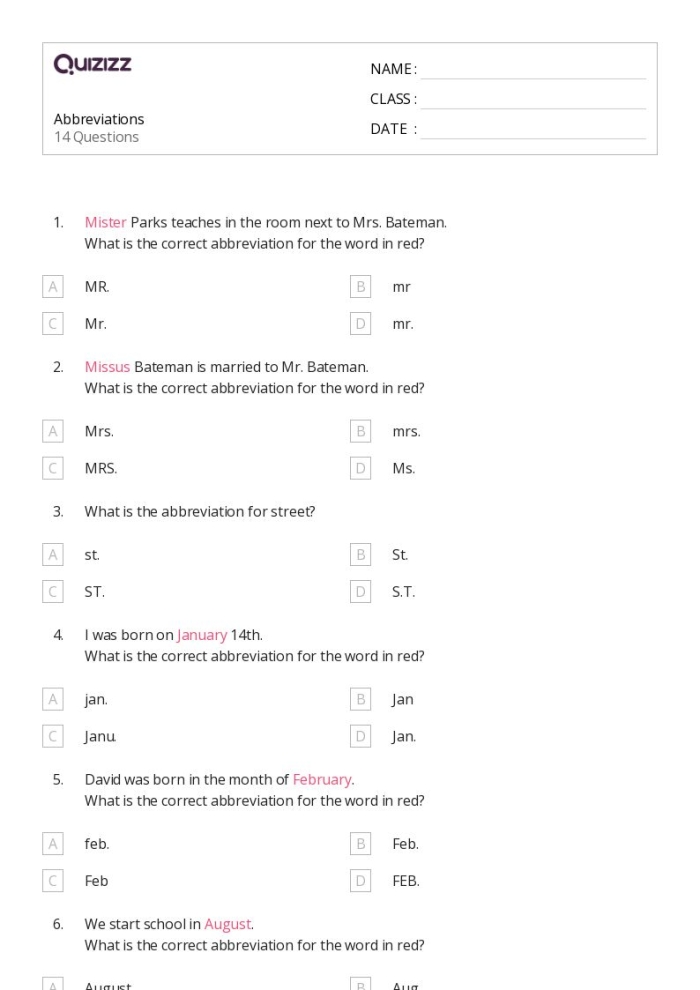
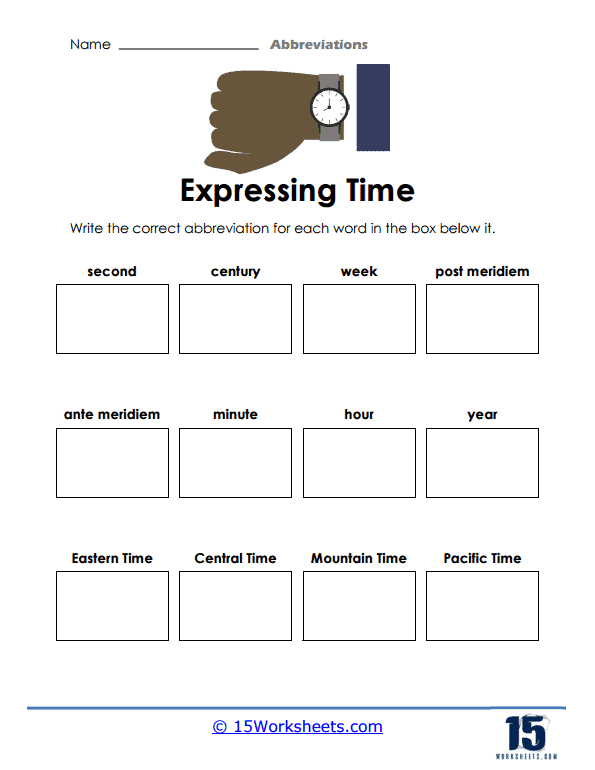
What makes this resource practical is its simplicity. The word bank removes the guesswork that can frustrate young learners. Students focus on the task of substitution and sentence rewriting rather than trying to recall which abbreviations exist. Common abbreviations like Mr., Mrs., Dr., and days of the week appear in sentences that feel natural to third graders.
The physical science connection matters too. When teaching third grade, you’re often balancing multiple subject areas in a limited time frame. This grammar activity can fit into your language arts block without requiring separate materials or complicated setup. It’s the kind of resource that works equally well as independent practice, partner work, or guided instruction.
If your third graders need additional grammar reinforcement, you might also explore resources like argument writing organizers for fourth grade to see how grammar skills build across grade levels. For younger students just starting with foundational skills, kindergarten worksheets with winter themes offer similar scaffolded approaches to learning.
This resource delivers exactly what third grade teachers need: focused practice on a specific skill without excessive complexity or busy work.
Practice with These Worksheets