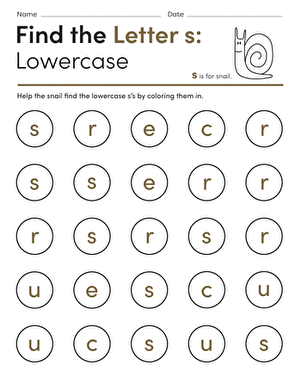
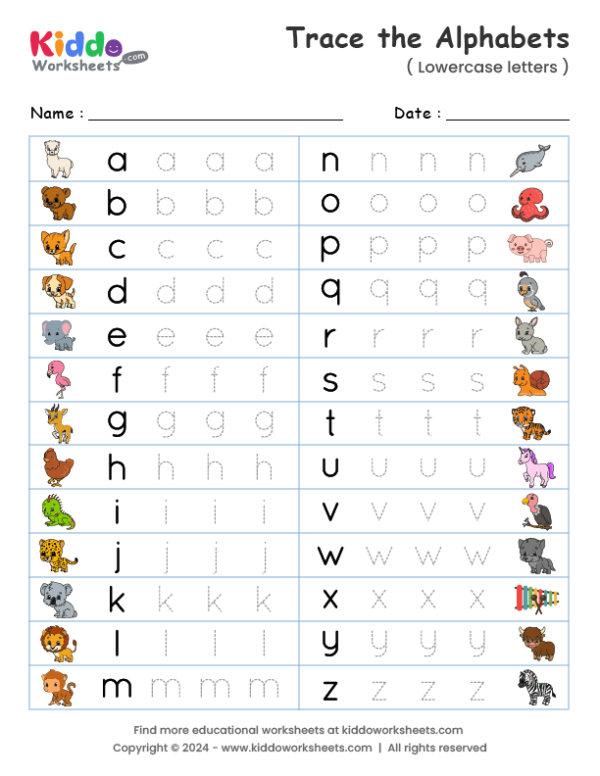
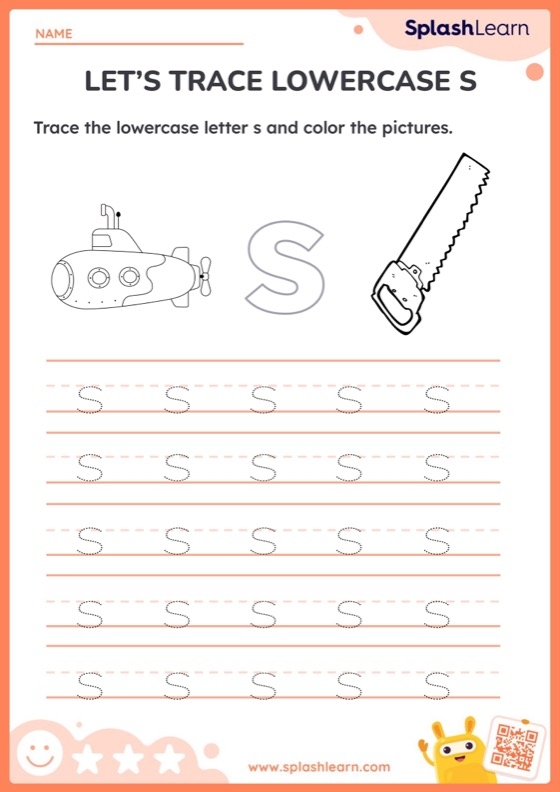
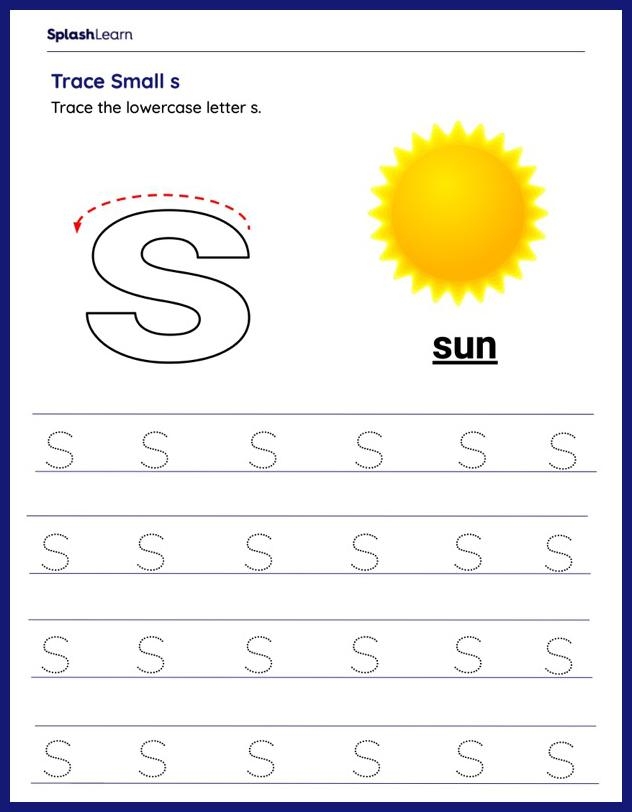
When a snail slides across a worksheet searching for hidden letters, something important happens in a young learner’s brain. The child isn’t just playing a game, they’re building the foundation for reading and writing. This simple activity of finding lowercase s’s teaches letter recognition in a way that feels like an adventure rather than a lesson.
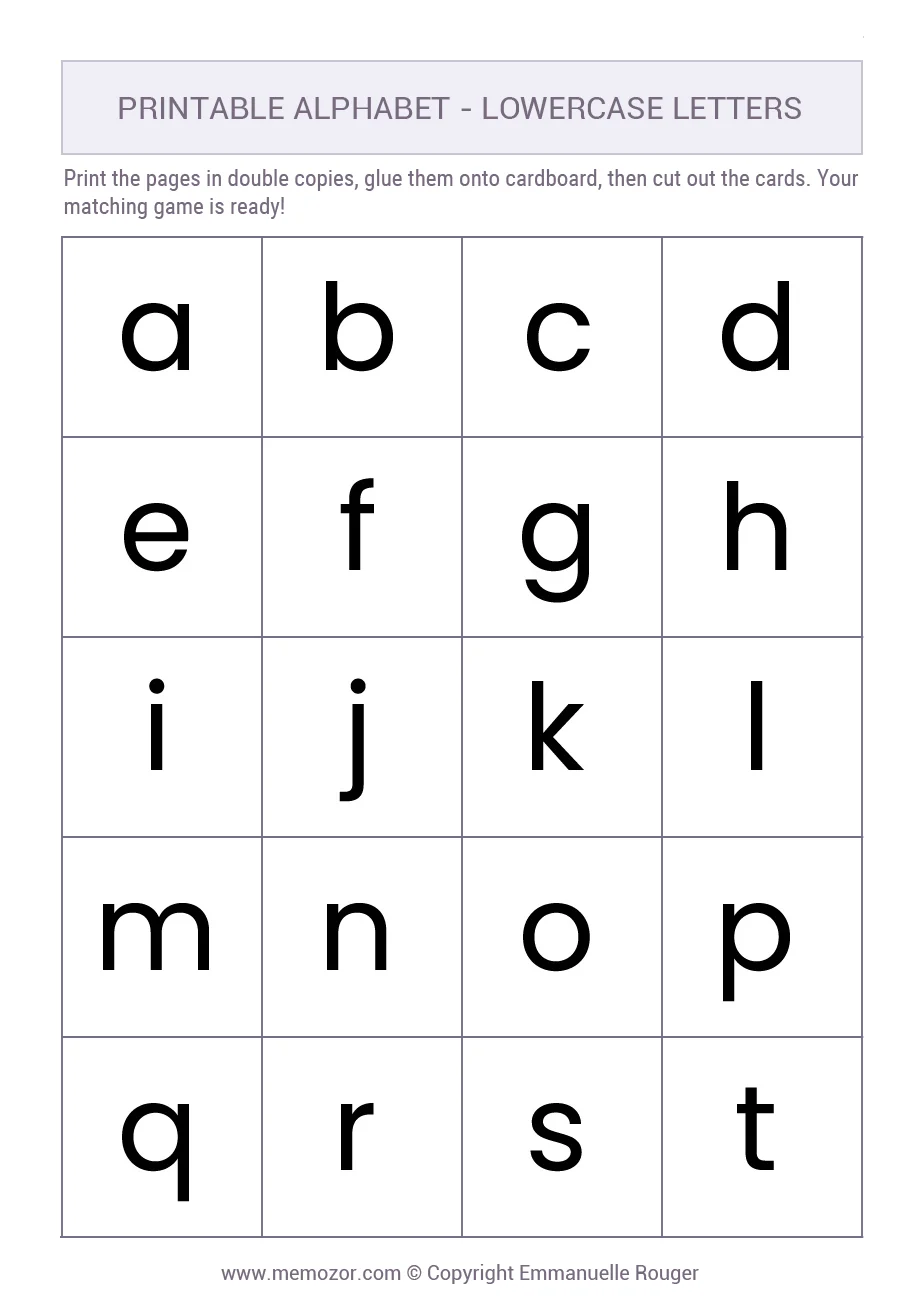
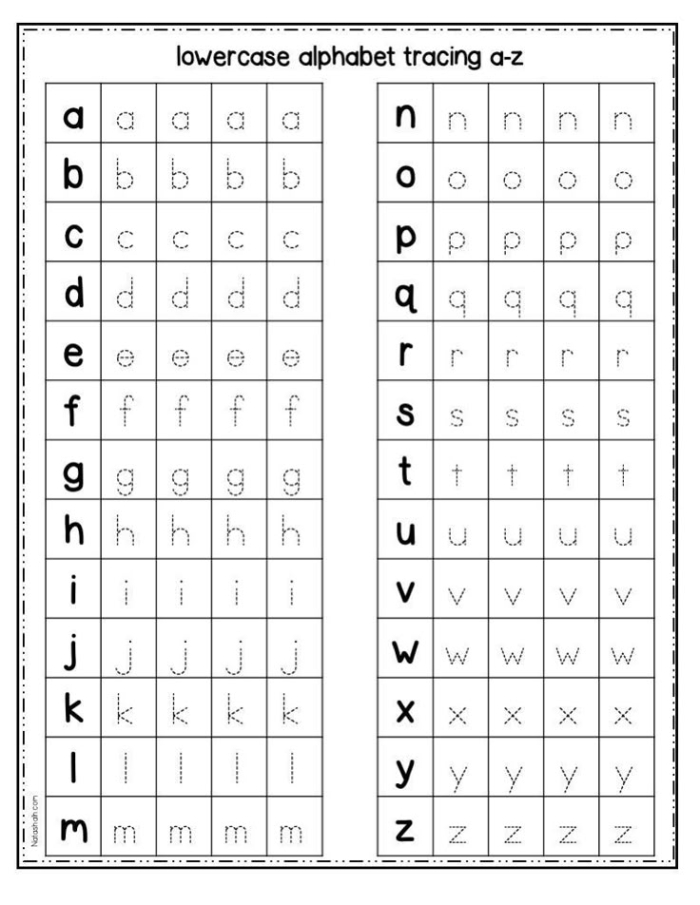
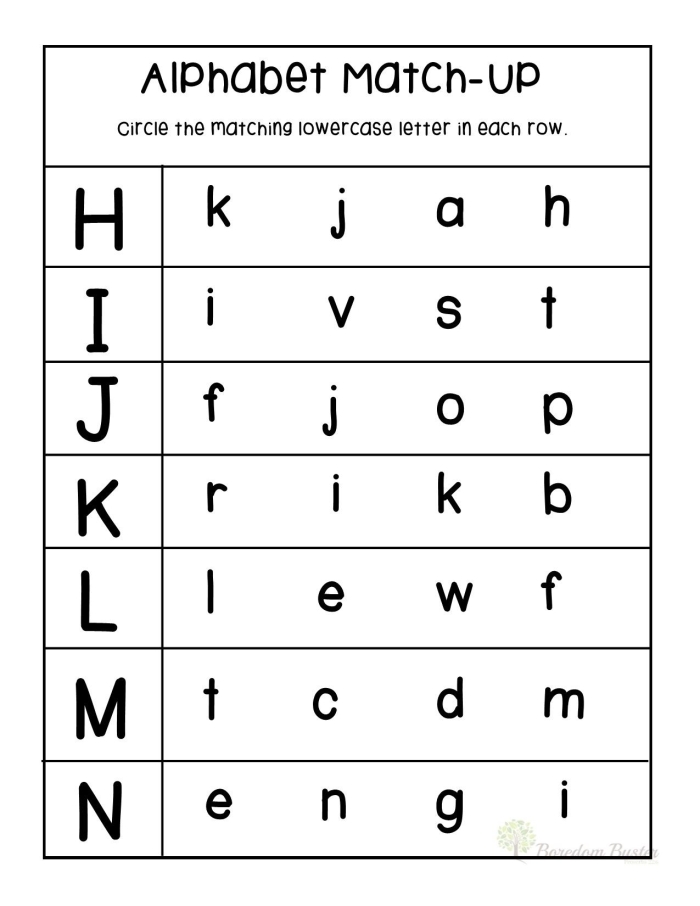
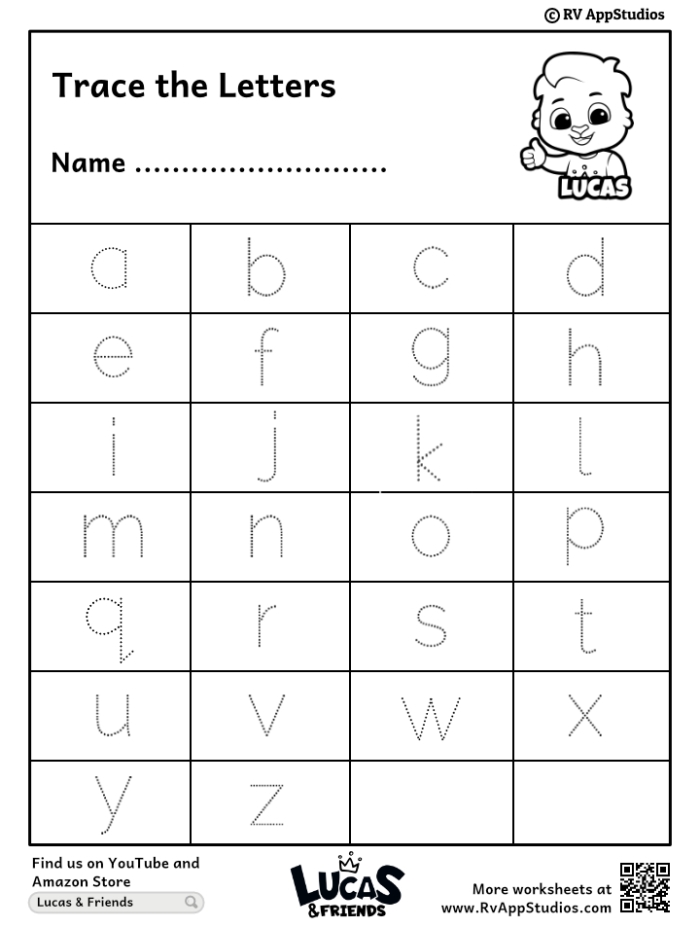
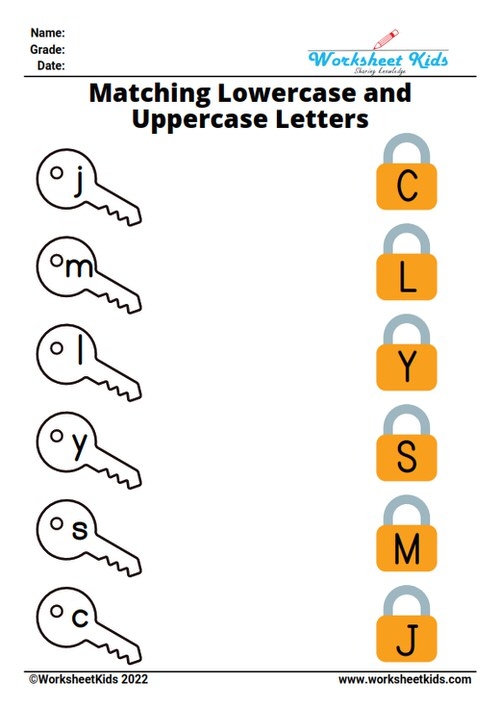
Letter recognition forms the bedrock of early literacy. Before Pre-K students can sound out words or understand phonics, they need to identify individual letters quickly and confidently. The lowercase s presents a particular challenge because its curved shape differs noticeably from uppercase S, and children must learn to recognize both forms as the same letter. A snail-themed worksheet transforms this repetitive practice into a narrative experience where the learner becomes a helper on a mission.
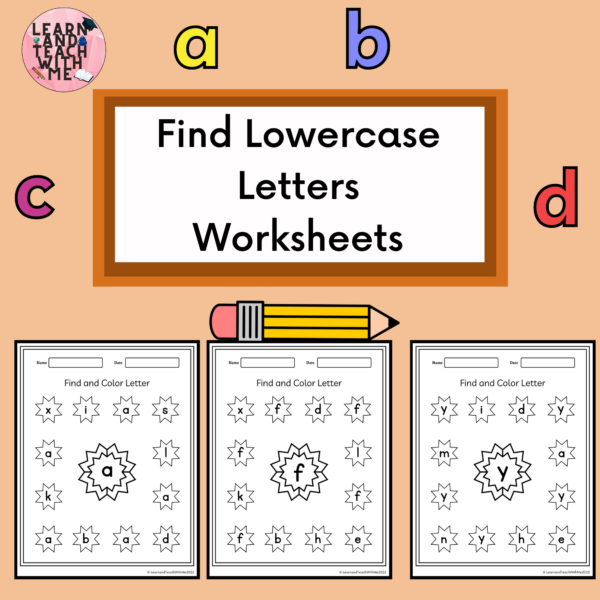
The visual search element keeps attention focused. As children scan a page looking for every lowercase s, they’re practicing sustained attention while their eyes and brain work together to distinguish the target letter from others nearby. This type of focused practice builds automaticity, meaning students eventually recognize letters without conscious effort.
Pre-K curricula increasingly recognize that playful contexts enhance learning retention. When children find the letter s while helping a character, they create positive associations with the learning task itself. This approach works alongside other phonics activities like sound-off phonics exercises and beginning sounds practice with f and m, building a complete picture of letter knowledge.
Teachers and parents notice that children who engage with letter-finding activities develop confidence in their ability to read. Each discovered letter feels like a small victory. Over time, these victories accumulate into genuine literacy skills that support everything that follows in a child’s educational journey.
Start Practicing with These Worksheets