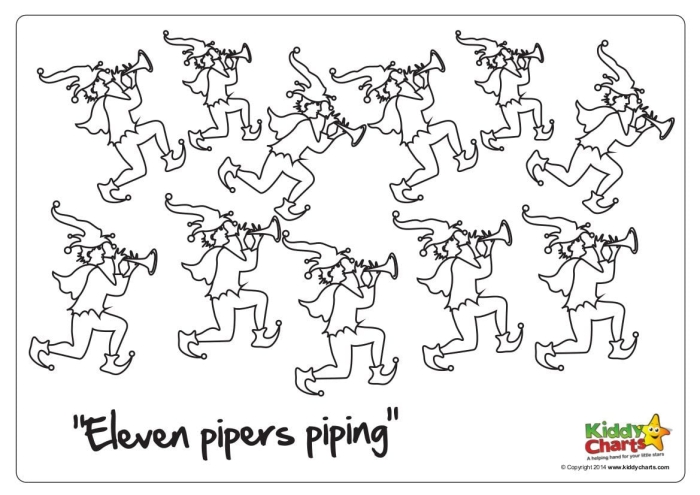
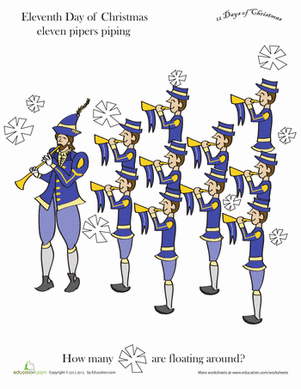
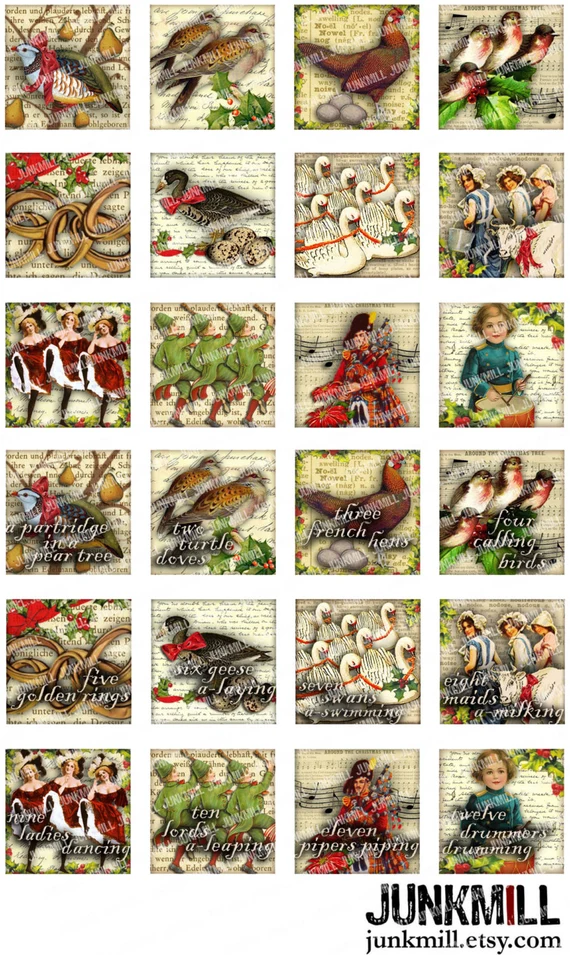
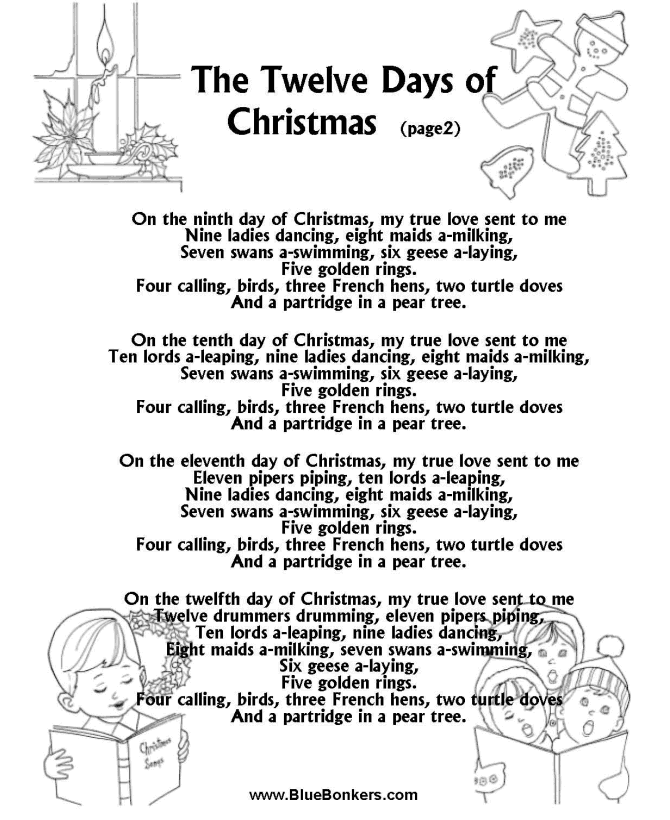
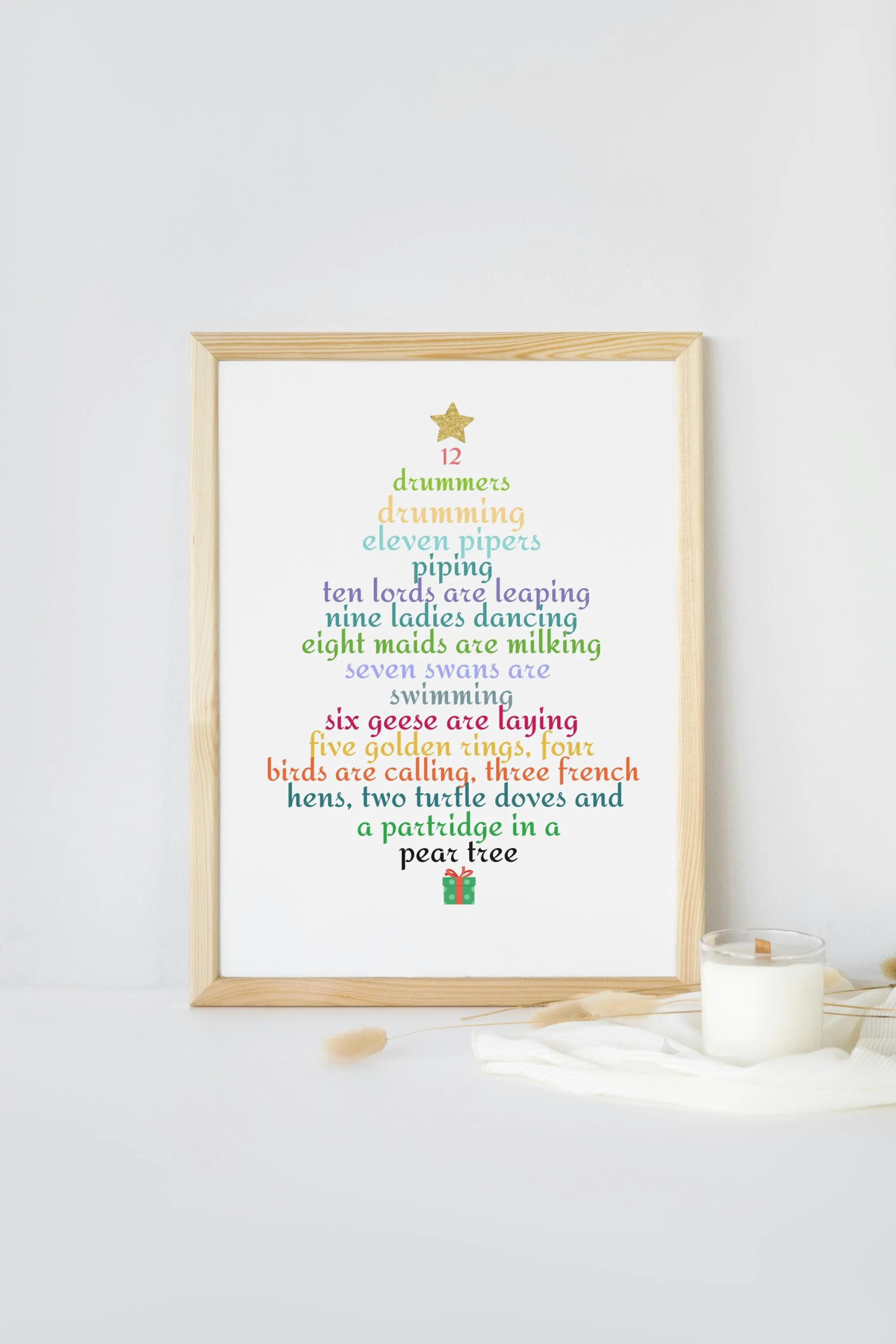
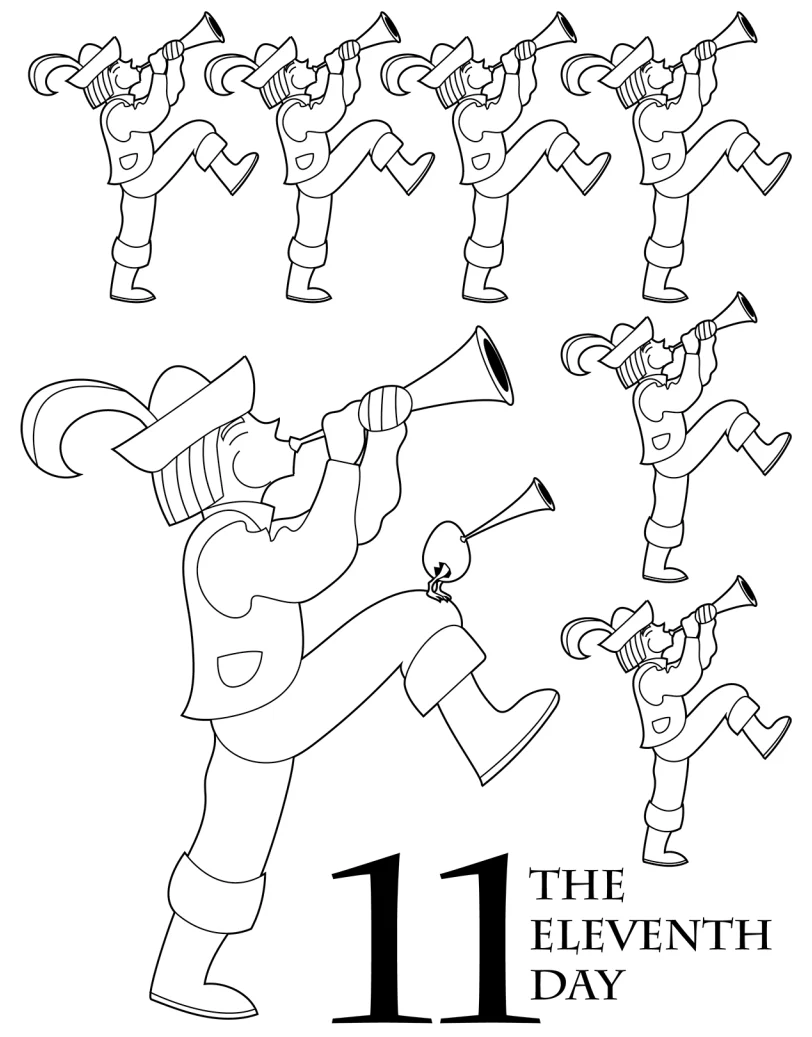
Eleven pipers piping marched down the snow-covered street yesterday, their bagpipes wailing cheerfully despite the bitter cold that turned their breath to mist. I watched from the sidewalk as they moved in formation, their kilts swaying with each step, and immediately noticed something magical happening: snowflakes were falling steadily, landing on their shoulders, hats, and instruments faster than they could brush them away.
This annual tradition brings genuine joy to our neighborhood, and the pipers seem unbothered by the freezing temperature. Their music carries that unmistakable Scottish sound that feels both festive and timeless. What struck me most was how children gathered around them, mesmerized not just by the music but by the visual spectacle of eleven musicians performing in perfect synchronization.
Counting the snowflakes became an unexpected challenge. As they fell, I tried to track them landing on the pipers’ heads and instruments, but the accumulation happened too quickly. Within minutes, several pipers wore a light dusting of white across their caps. The snowfall wasn’t heavy enough to obscure visibility, but it was consistent and thick enough to create that perfect Christmas card moment.
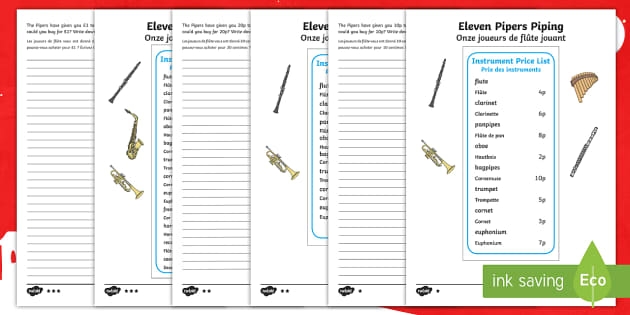
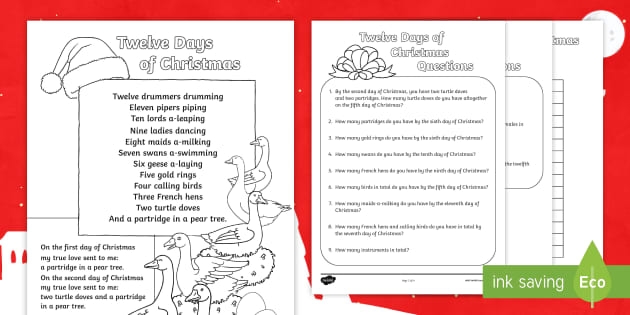
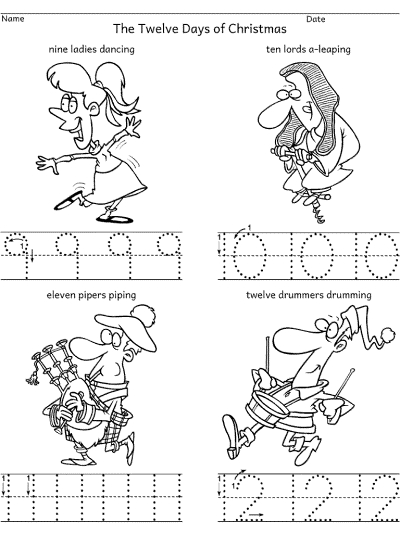
For younger children learning to count and recognize numbers, this scene offers a wonderful teaching opportunity. Pre-K students can practice their number skills by counting the pipers themselves, then attempting to estimate snowflakes. Teachers might use activities like rhyming knowledge exercises to connect the pipers’ music with language learning, or incorporate letter recognition activities based on winter themes.
The pipers stayed for about thirty minutes, and by the end, their instruments glistened with accumulated snow. As they packed up and headed home, I realized that counting snowflakes might be impossible, but the memory of eleven pipers spreading Christmas cheer in the chilly weather is something we’ll all count as a gift.
Try These Printable Worksheets