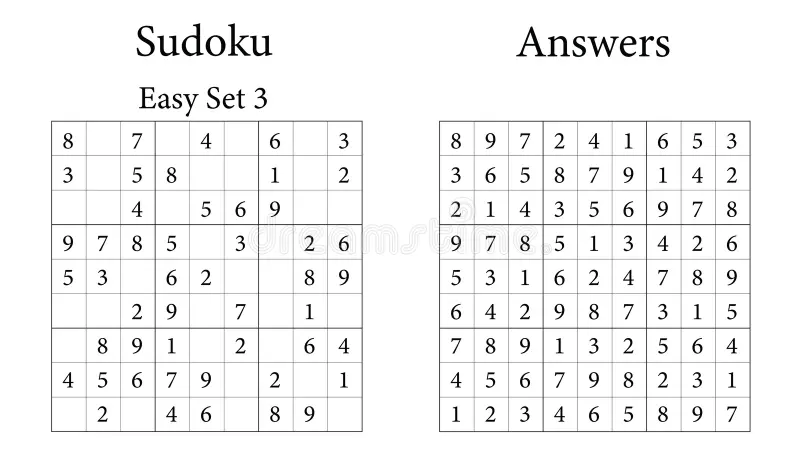
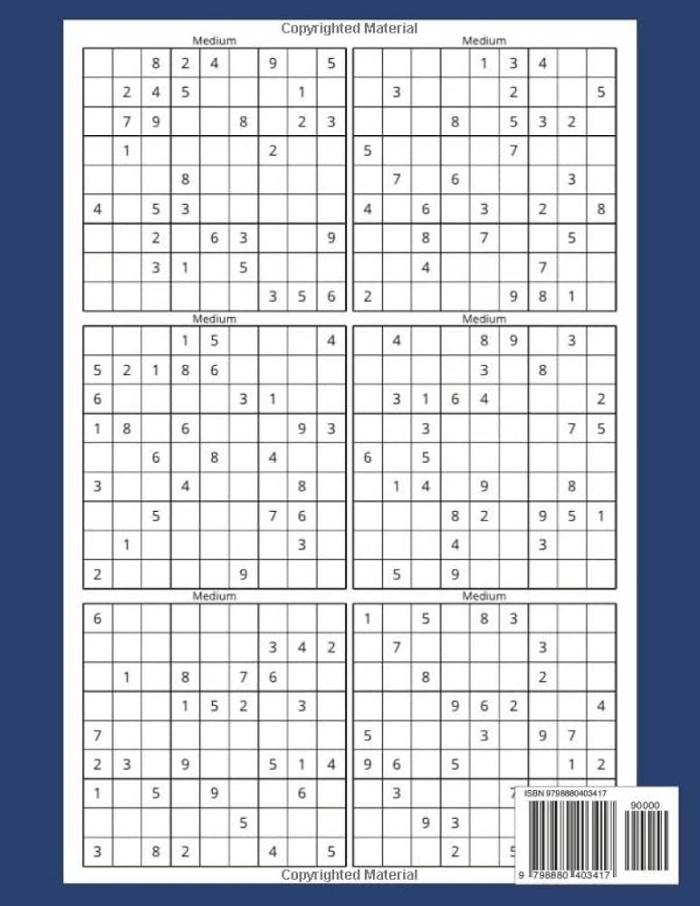
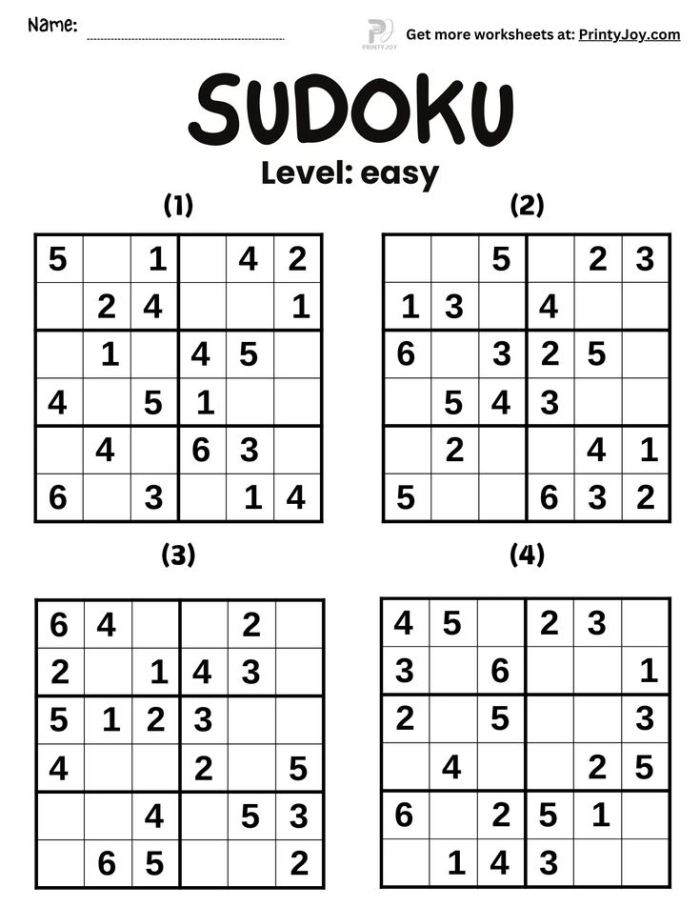
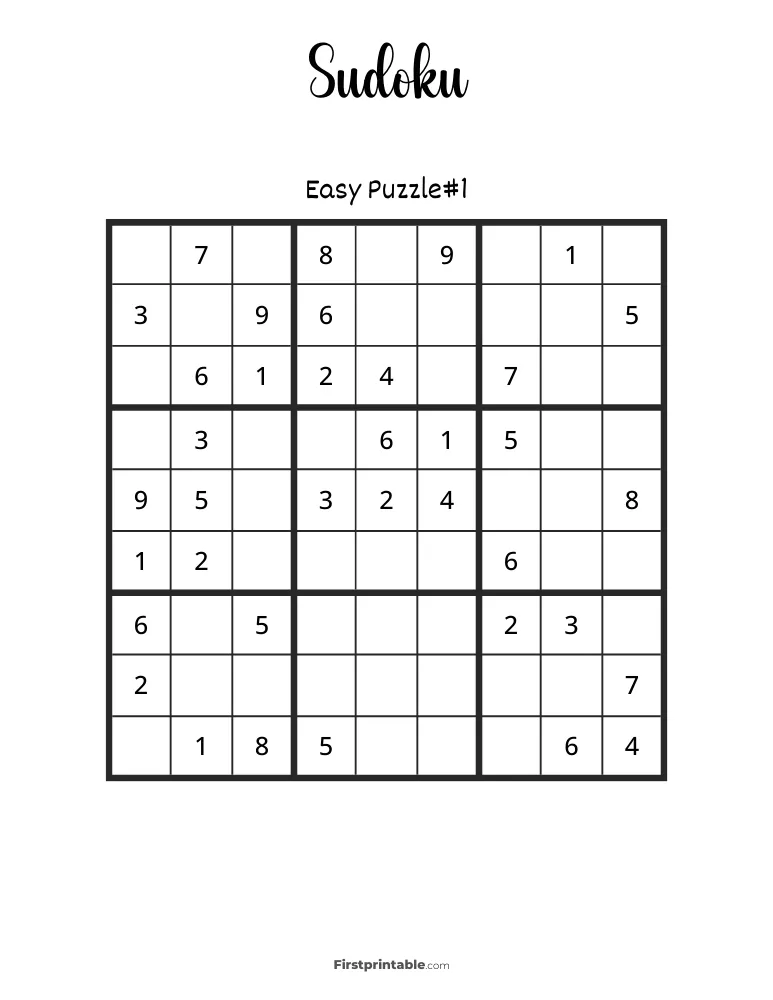
Sudoku puzzles aren’t just for adults hunched over newspapers. When you introduce your second grader to Sudoku, you’re handing them a tool that quietly builds critical thinking while they have fun arranging numbers. The beauty of Sudoku at this level is that it forces kids to think ahead, test their logic, and learn from mistakes without feeling like traditional homework.
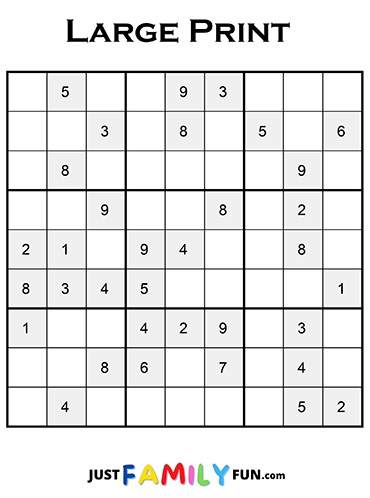
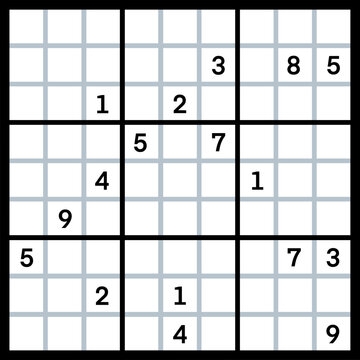
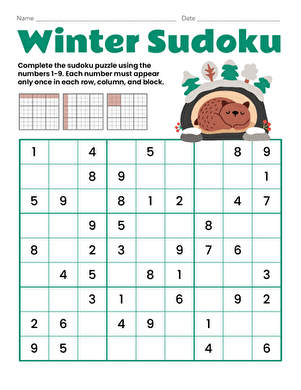
The core appeal is straightforward: your child fills in a grid so that each row, column, and box contains the numbers 1 through 9 without repetition. Sounds simple, but the process demands focus and patience. Kids quickly realize they can’t just guess. They have to examine what numbers are already placed, eliminate possibilities, and work through the puzzle systematically. This type of reasoning transfers directly to math class and problem-solving across subjects.
Beyond logic, Sudoku builds number recognition and sequencing skills that are essential for Fourth Grade math standards. Your child becomes more familiar with how numbers relate to each other and develops confidence handling numerical sequences. They learn that mistakes aren’t failures but clues to try a different approach.
For students who enjoy puzzles, Sudoku offers a natural stepping stone from simpler activities. If your child has worked through logic problems before, Sudoku feels like a natural progression. You might pair it with other number-based challenges like exploring logic problem worksheets to keep their analytical skills sharp.
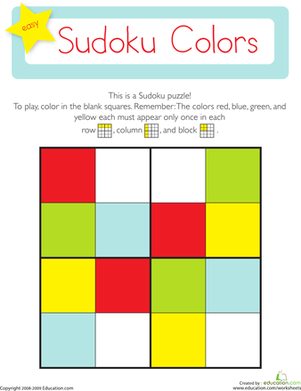
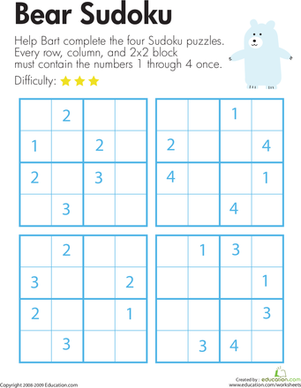
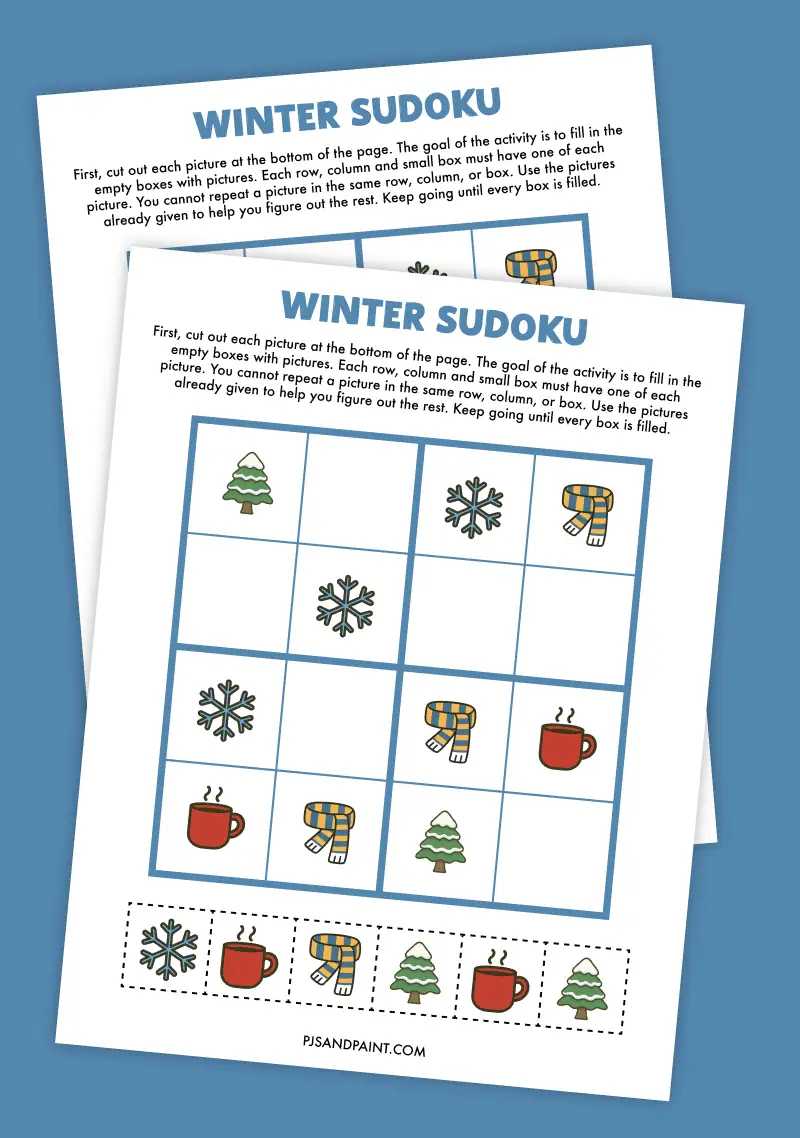
Start with smaller grids or partially filled puzzles so your second grader doesn’t feel overwhelmed. The goal is to build confidence and let them experience that satisfying moment when the final number clicks into place. That’s when they’ll ask for more.
Printable Worksheets for Practice