Understanding place value is a crucial foundation for first graders as they begin to explore addition and subtraction. When students grasp how numbers are composed of tens and ones, they can easily add or subtract 10. This skill not only simplifies calculations but also builds their confidence in working with numbers.
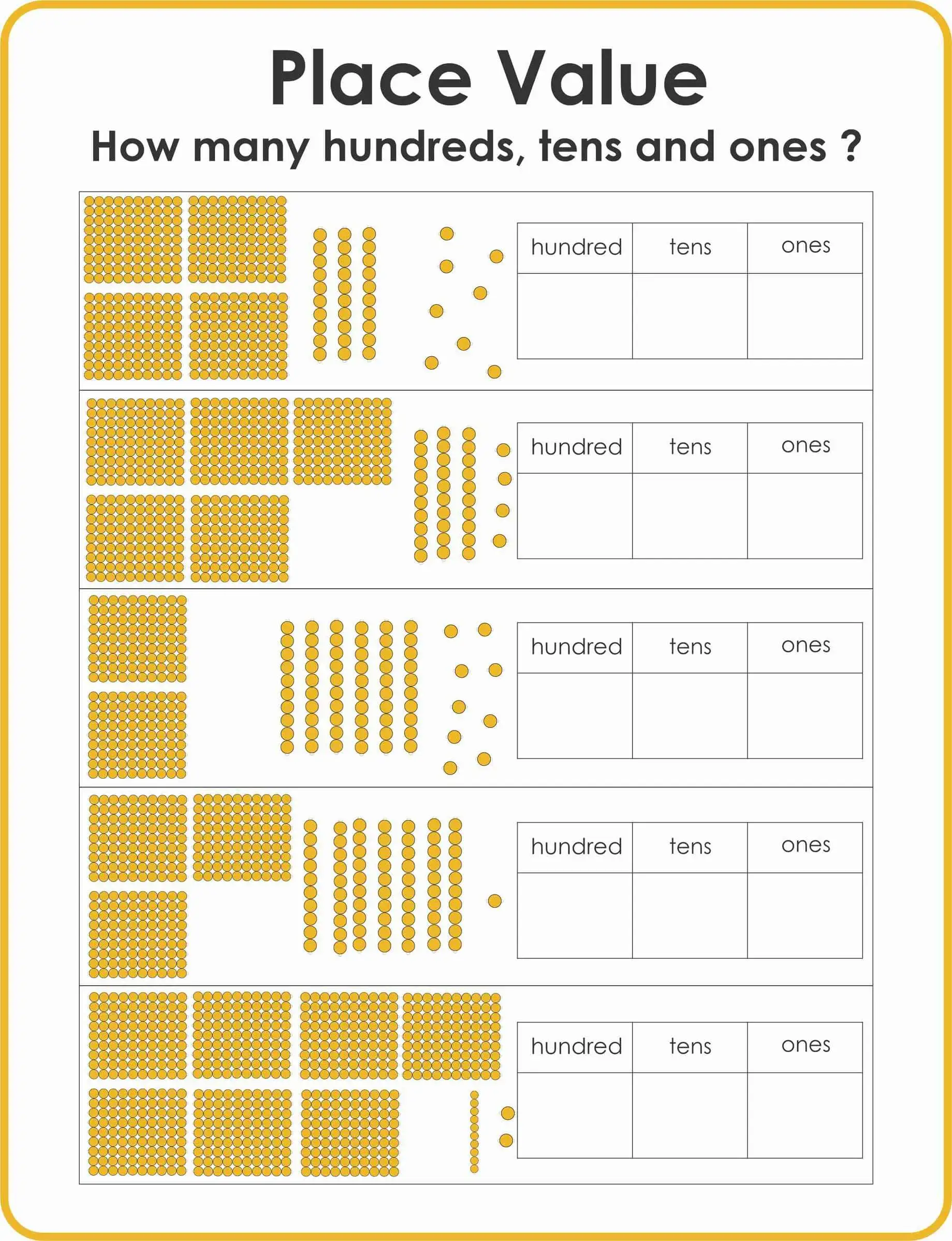
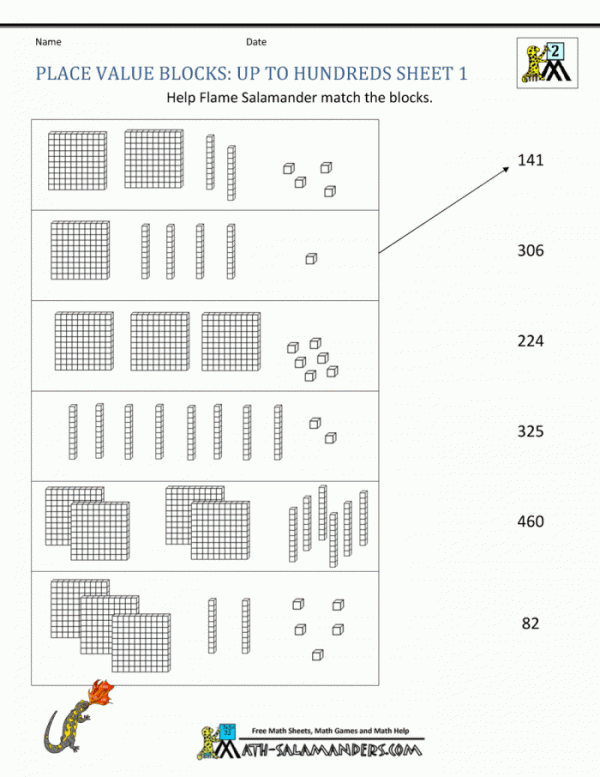
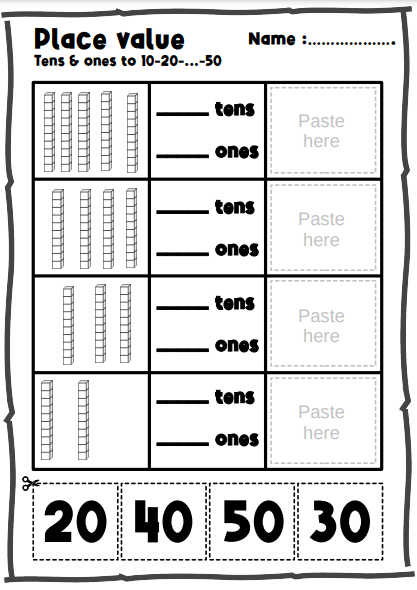
To help students master this concept, start with tangible examples. For instance, take the number 24. Explain that it consists of two tens (20) and four ones (4). When adding 10, students can visualize that adding one more ten will result in 34. Conversely, subtracting 10 from 24 will lead them back to 14. Using manipulatives like blocks or counters can make this process more engaging, allowing students to physically move pieces to see the changes.
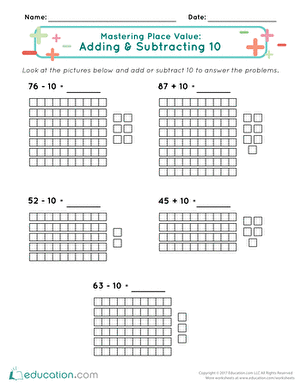
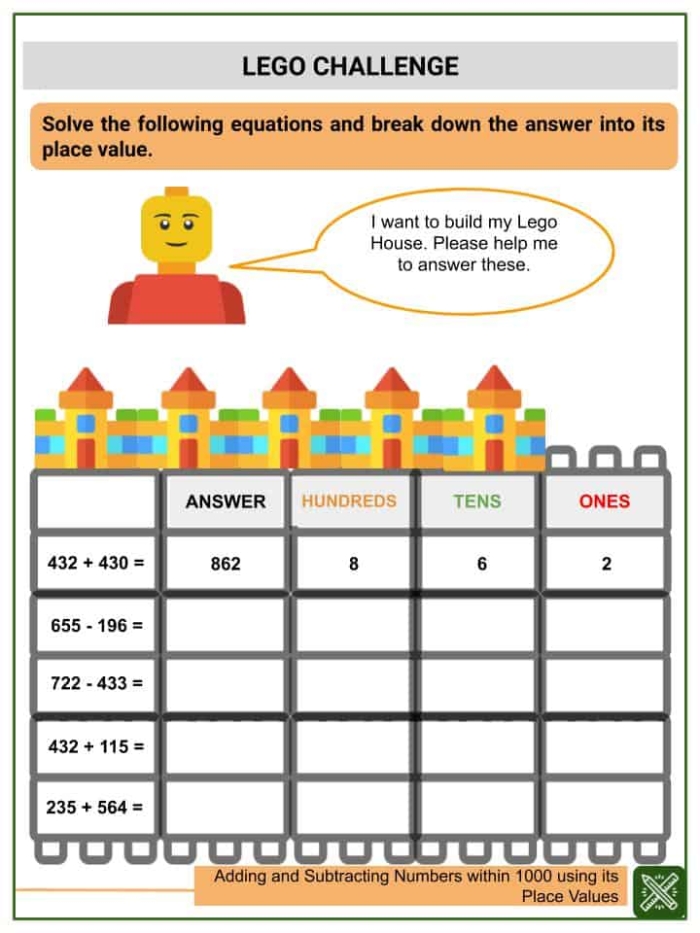
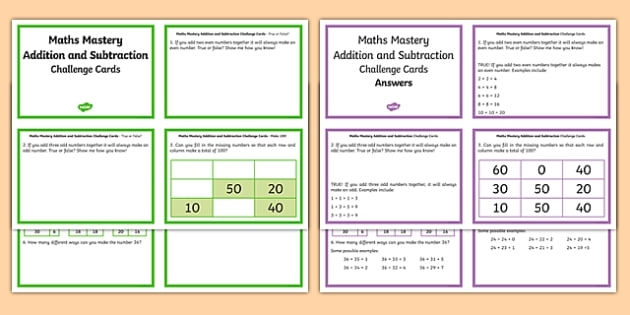
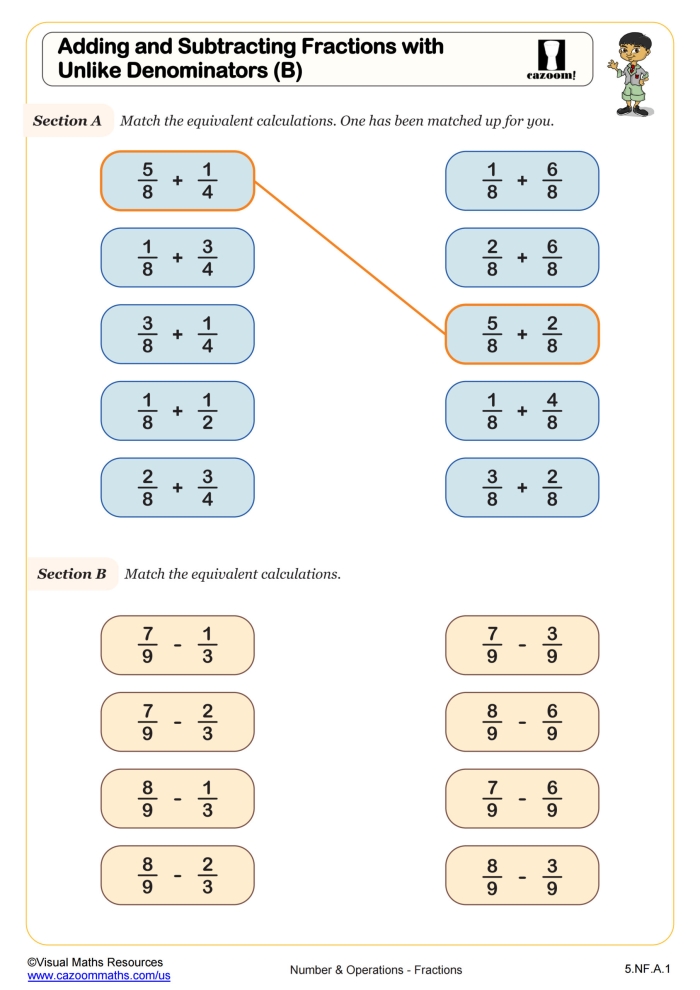
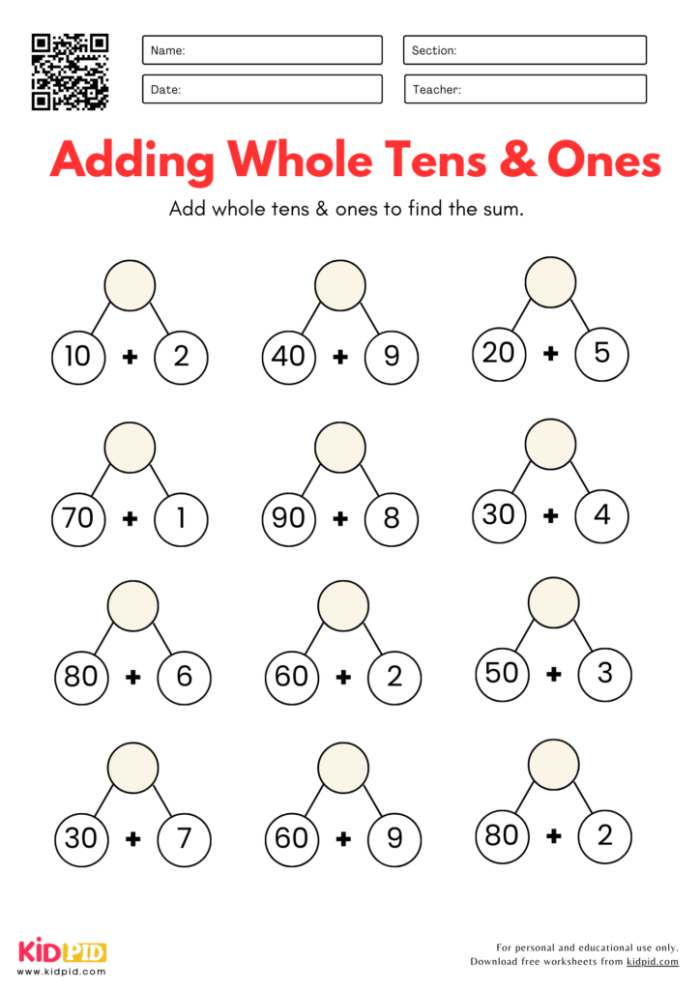
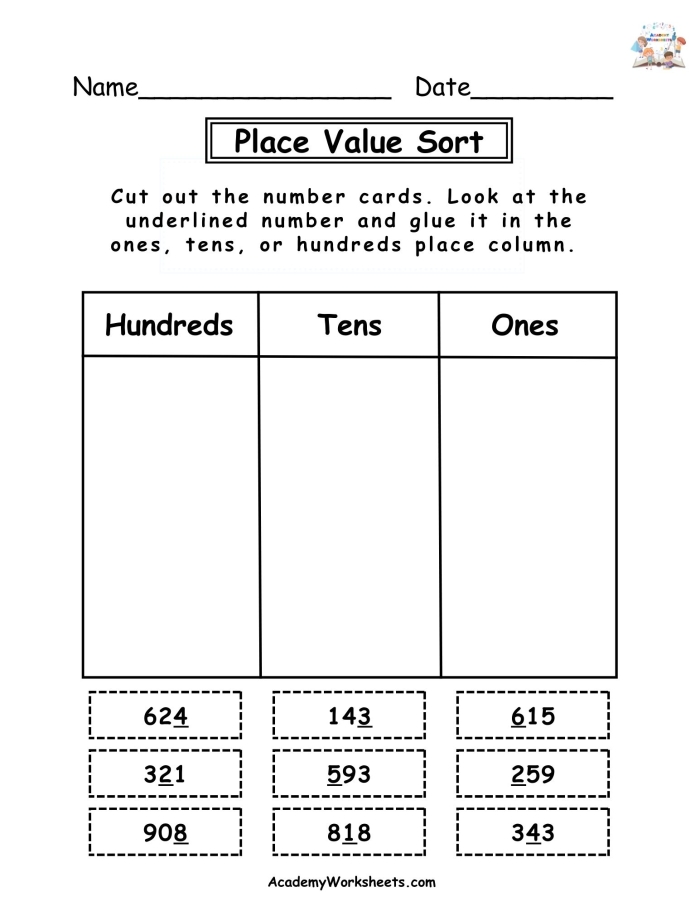
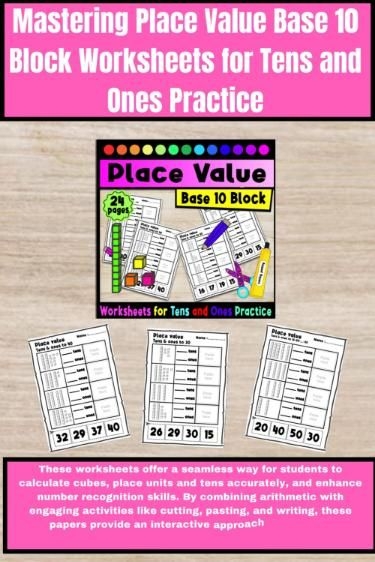
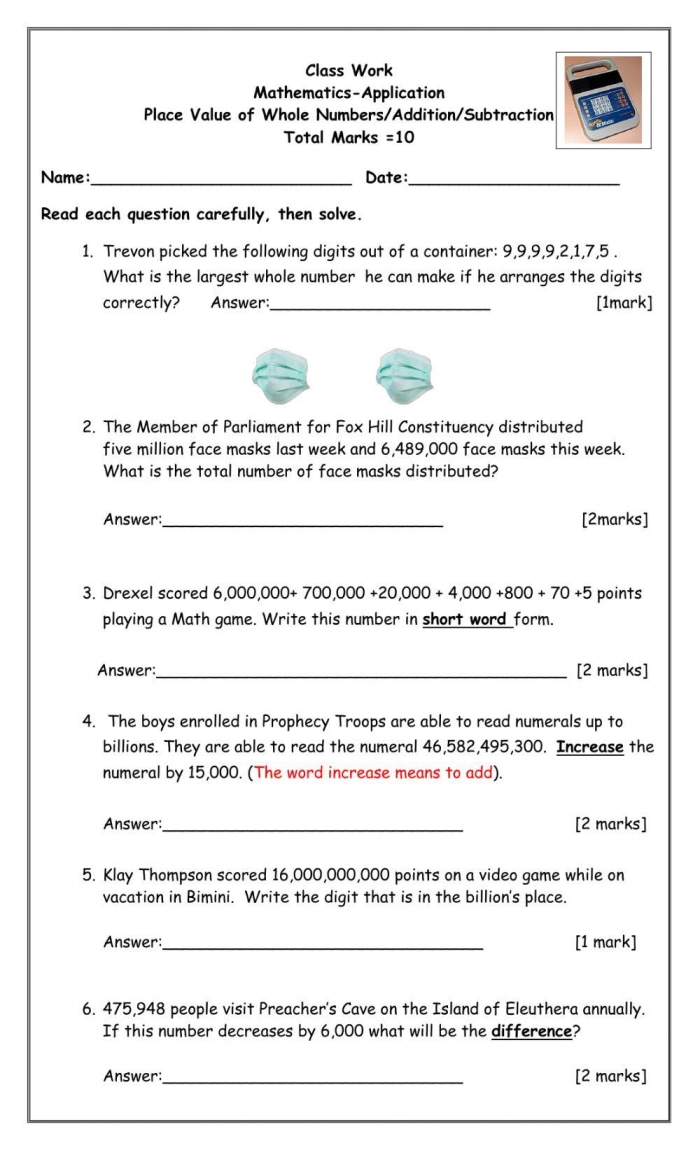
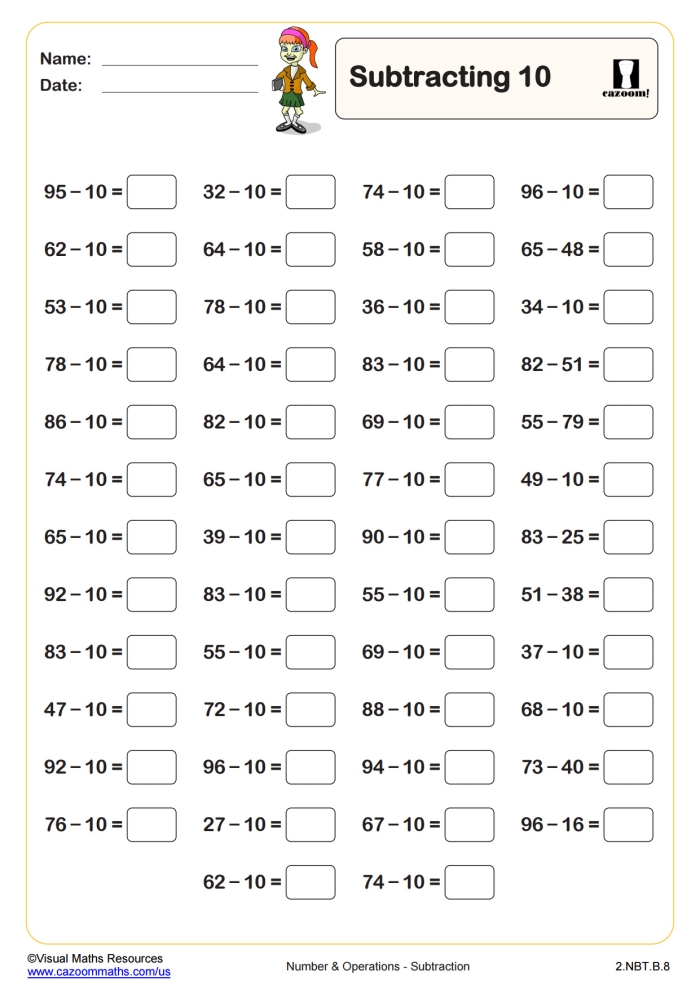
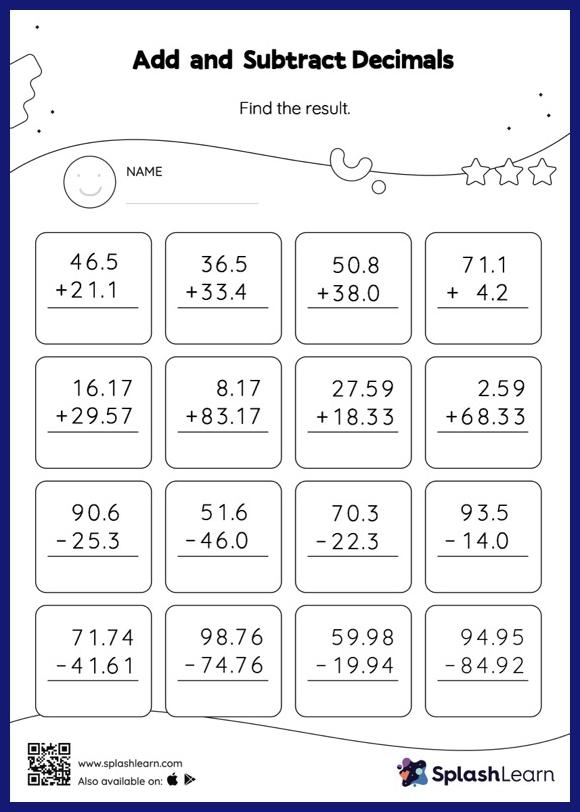
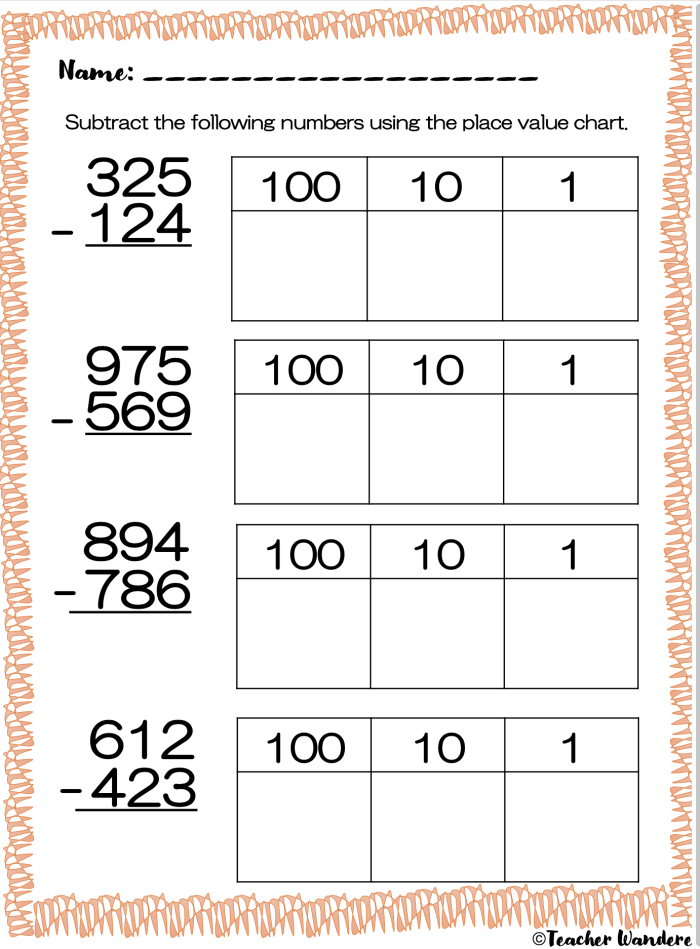
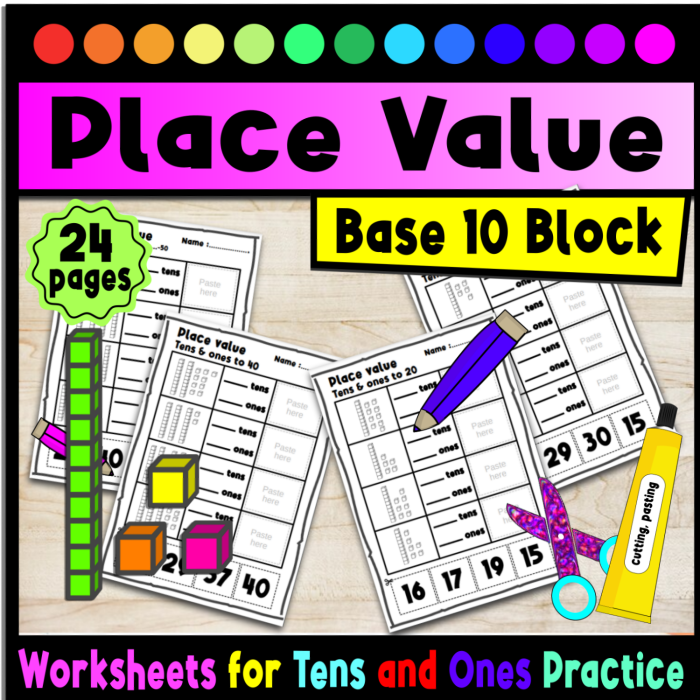
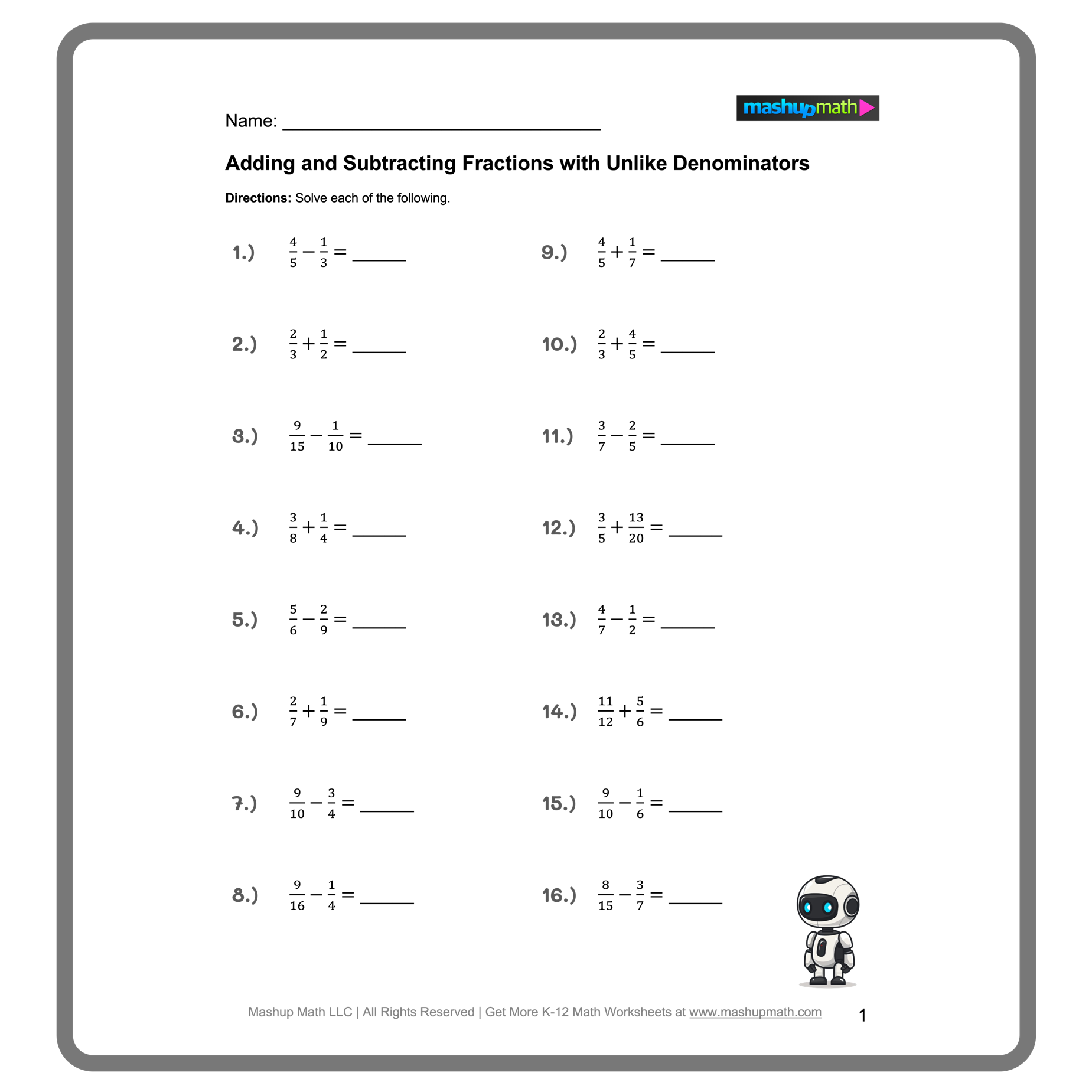
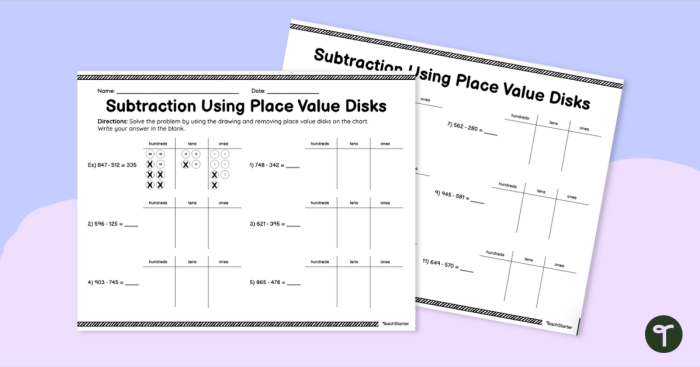
Practical exercises can reinforce these ideas. You can create simple worksheets that challenge students to add or subtract 10 from various numbers. Printable resources, such as those available through Mastering Place Value: Adding & Subtracting 10 Worksheets, offer great ways for students to practice this skill in a fun and interactive manner.
Incorporating games can also enhance their learning experience. For example, a number line game where students hop forward or backward by tens can make the lesson more dynamic. This kinesthetic approach helps solidify their understanding of how adding or subtracting 10 affects the overall value of a number.
By emphasizing the connection between tens and ones, first graders will not only learn to add and subtract 10 but will also develop a robust understanding of place value that will serve them well in future math endeavors. Engaging them with varied activities and worksheets will ensure they have fun while mastering these essential skills.
Download These Worksheets for Practice