Have you ever wondered how the human body functions? The heart, a remarkable organ, plays a crucial role in keeping us alive. It pumps blood throughout the body, delivering oxygen and nutrients to every cell while removing waste products. Understanding how the heart works can enhance our appreciation for this vital part of human anatomy.
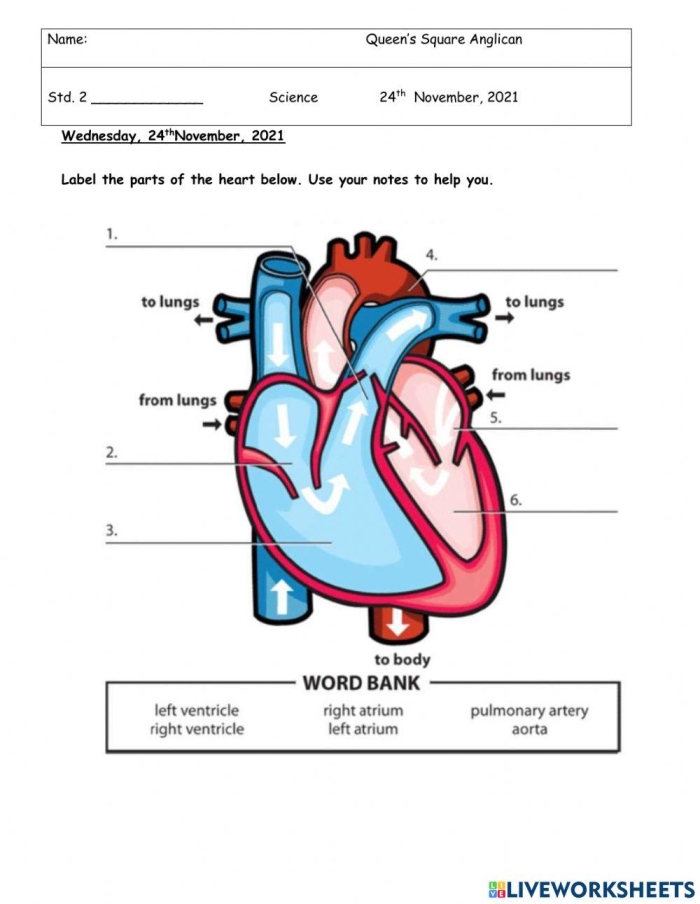
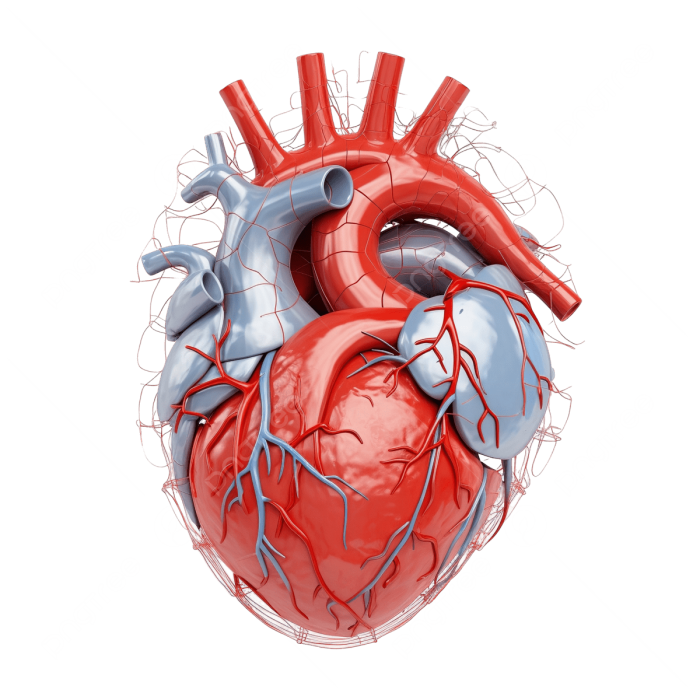
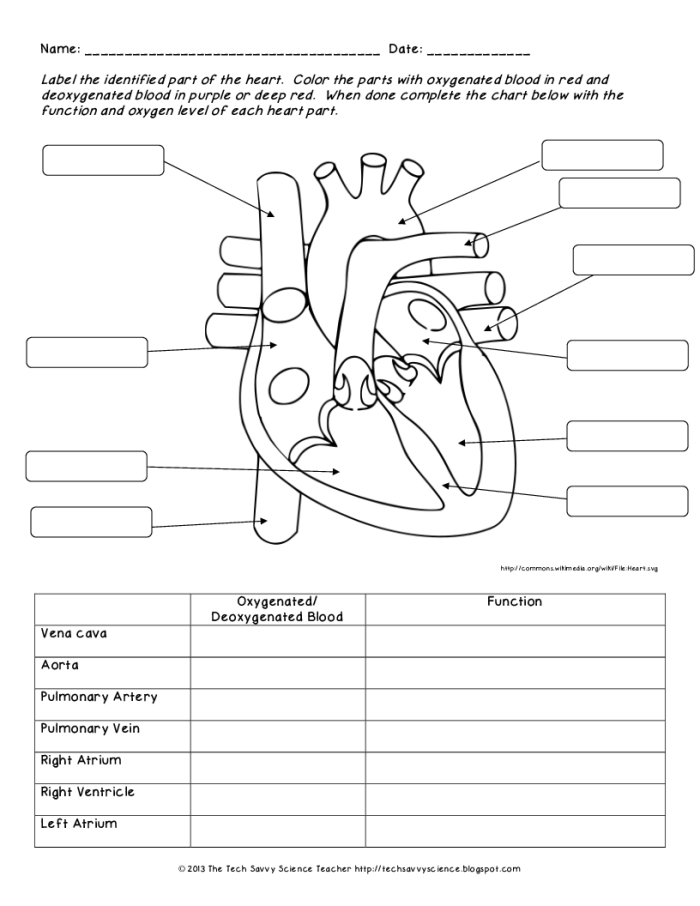
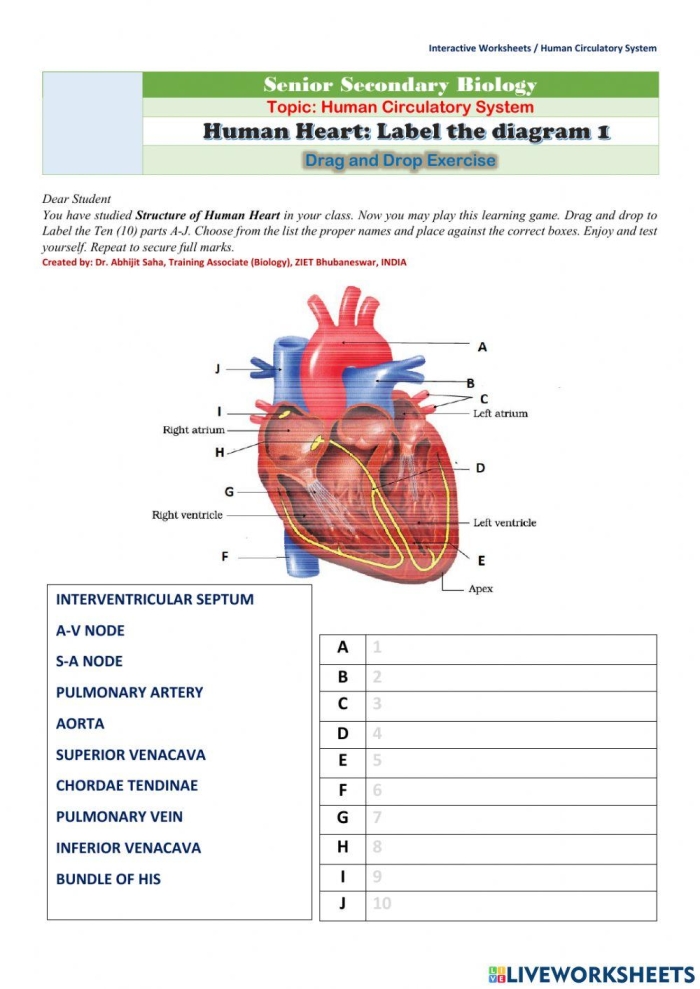
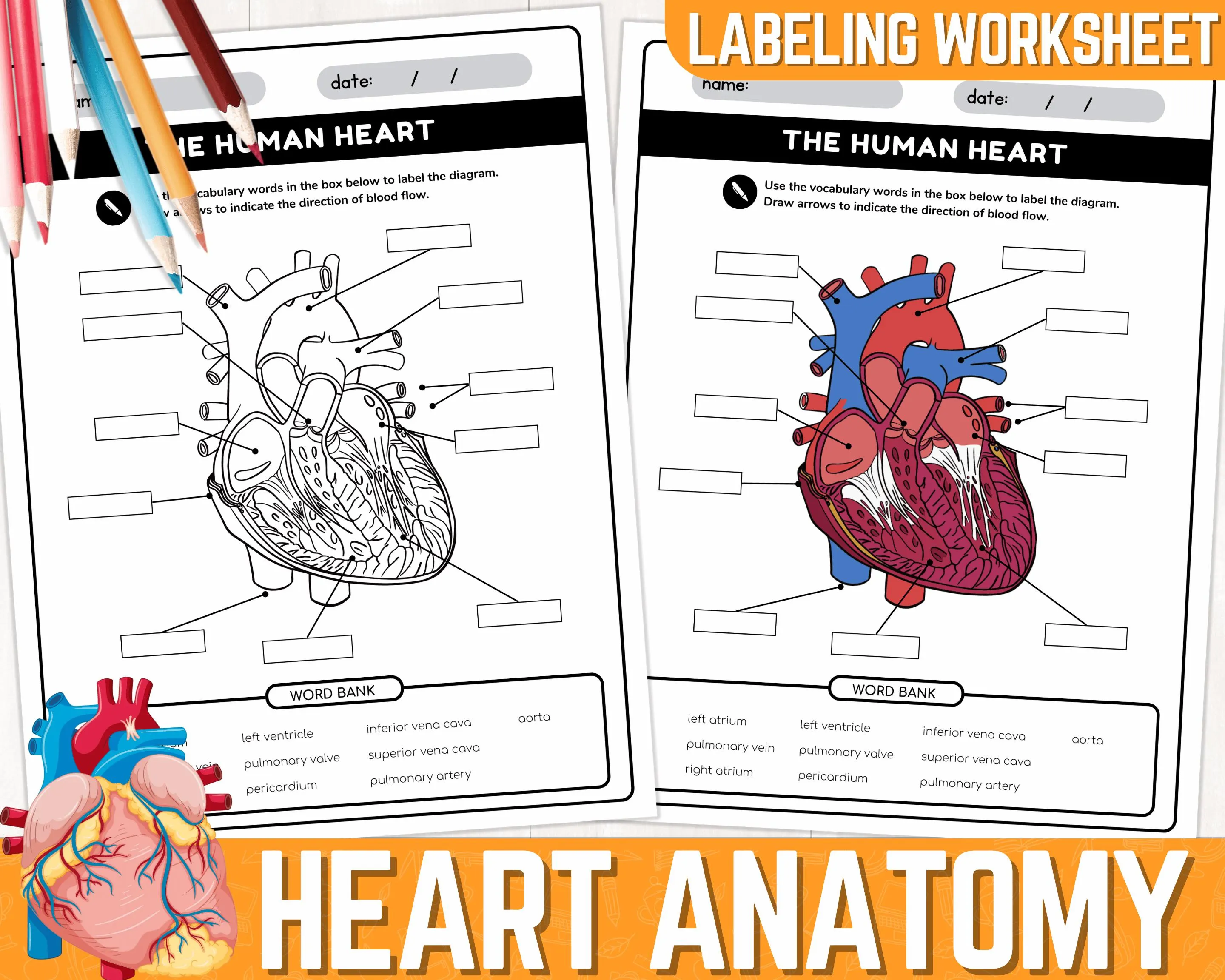
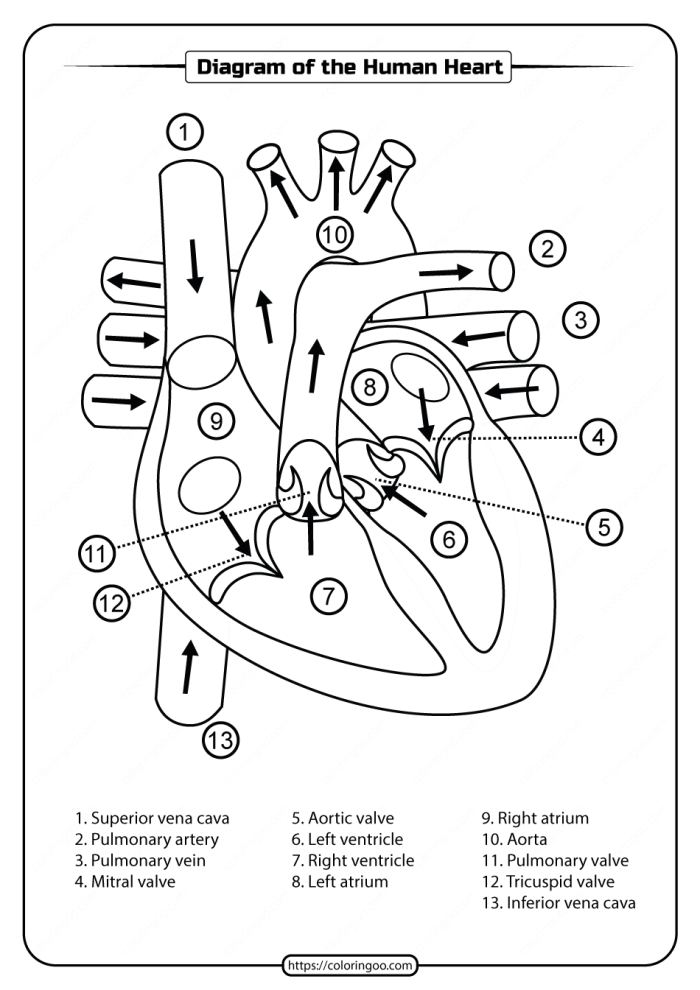
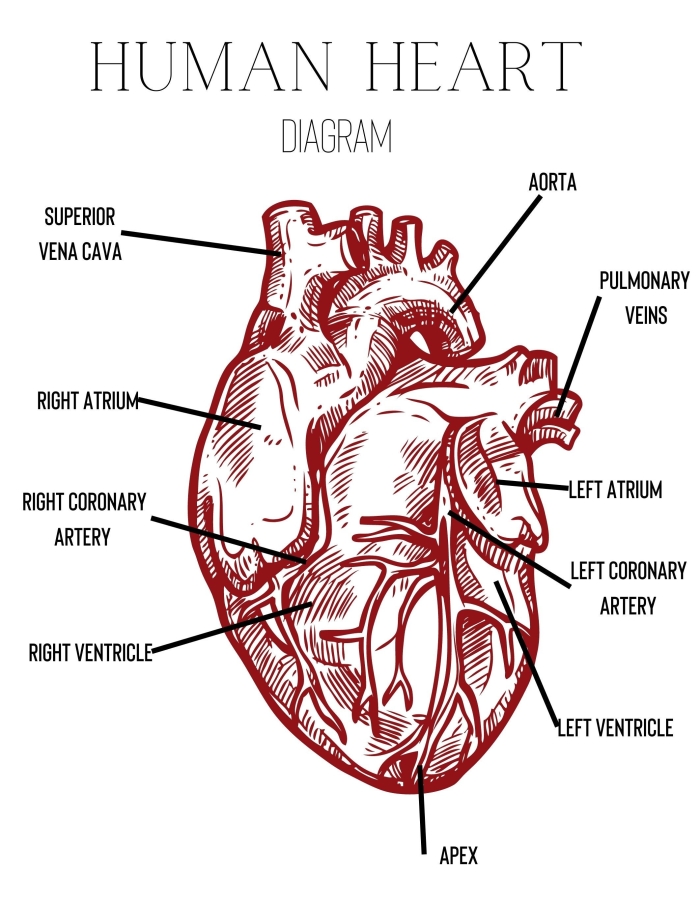
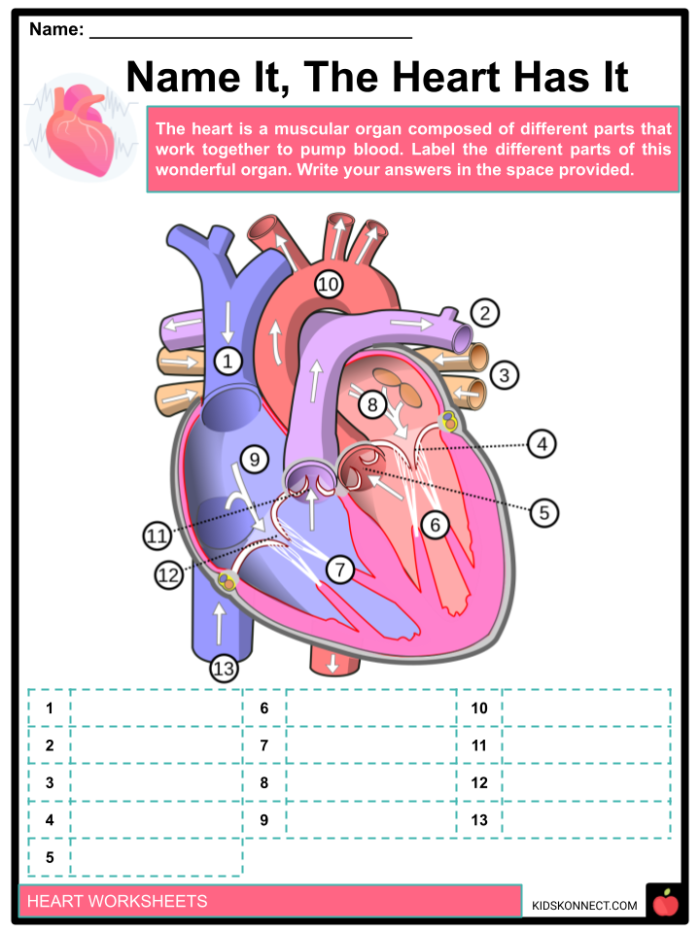
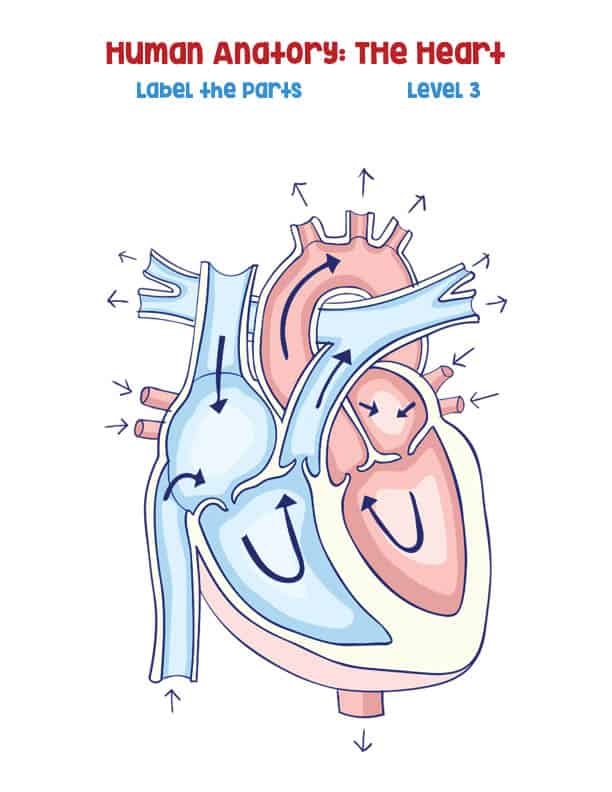
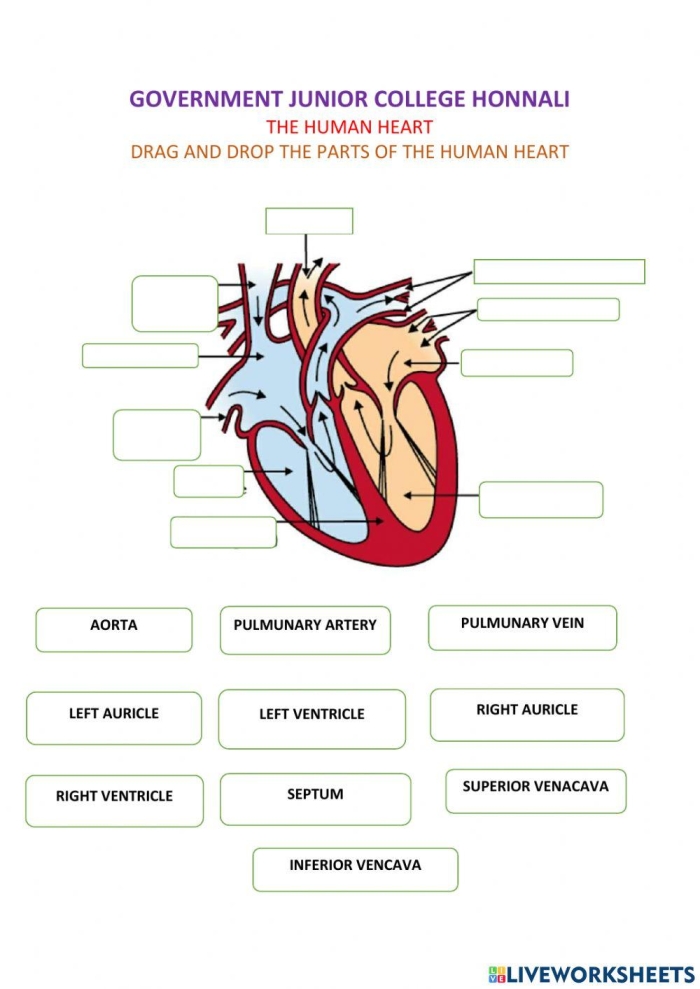
The heart is a muscular organ, roughly the size of a fist, located slightly left of center in the chest. Its primary function is to act as a pump, and it does this through a series of rhythmic contractions. Blood flows from the body into the right atrium, moves to the right ventricle, and is then pumped to the lungs for oxygenation. Once oxygen-rich, this blood returns to the left atrium, moves to the left ventricle, and is finally distributed to the rest of the body.
One interesting fact about the heart is that it beats about 100,000 times a day, pumping roughly 2,000 gallons of blood. This relentless operation is essential for sustaining life and highlights the heart’s efficiency and resilience. Additionally, the heart has its own electrical system that regulates its rhythm, allowing it to respond to the body’s needs, whether during rest or vigorous activity.
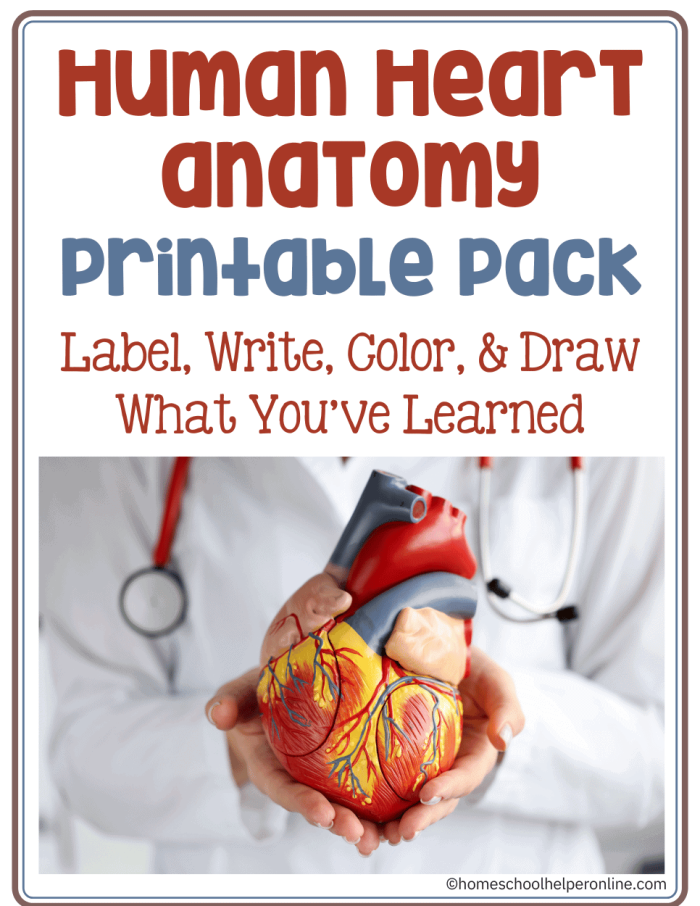
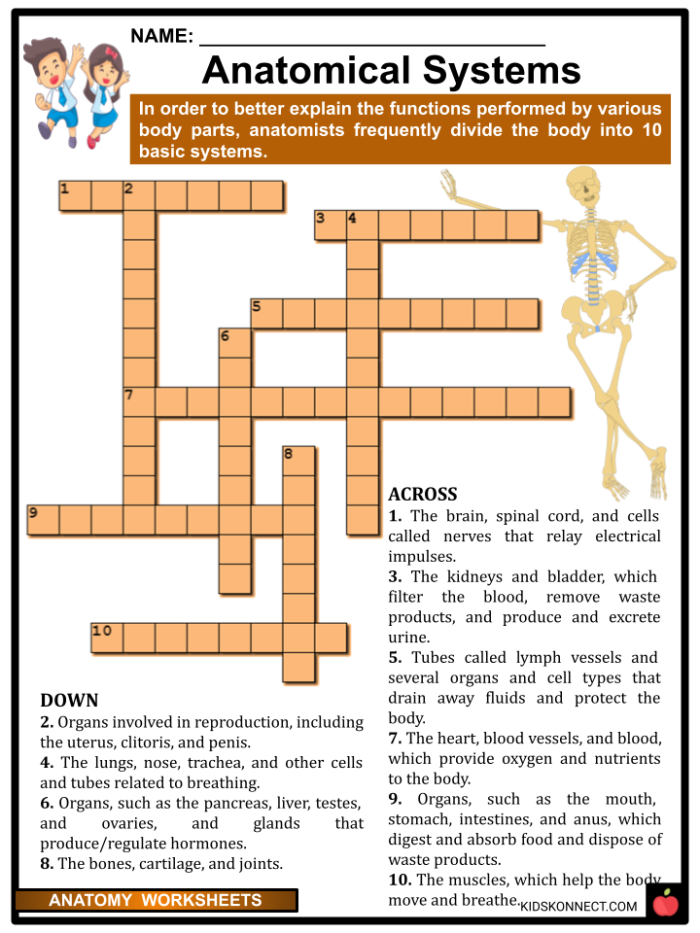
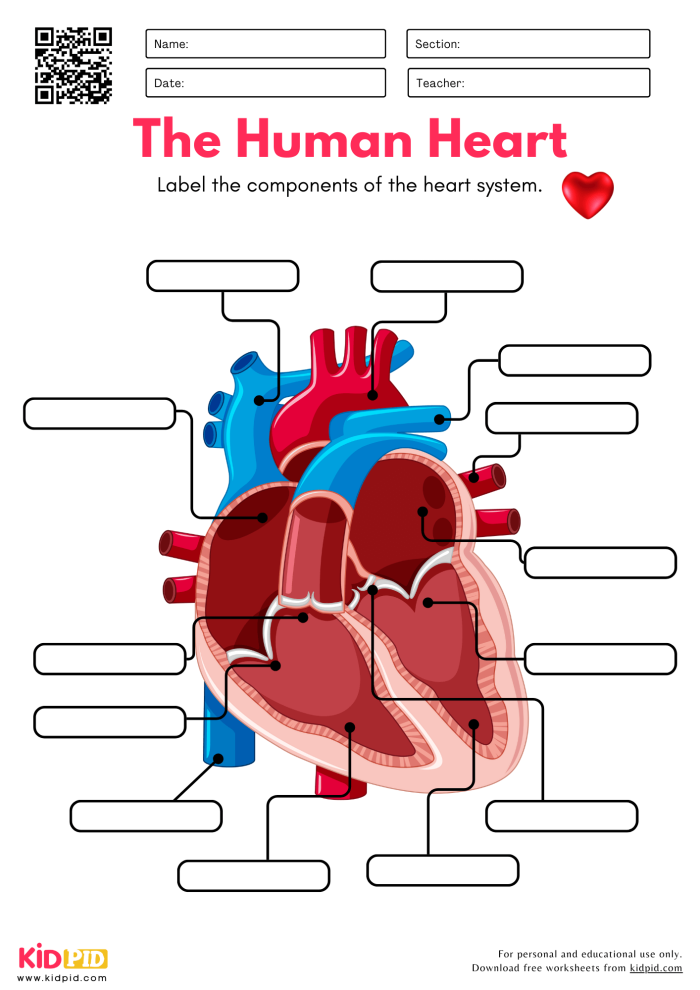
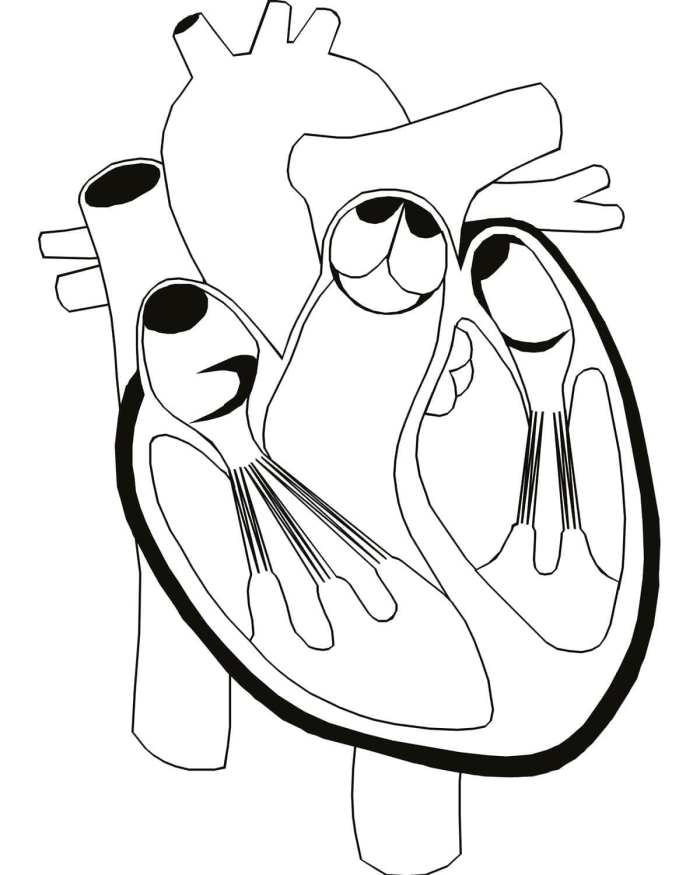
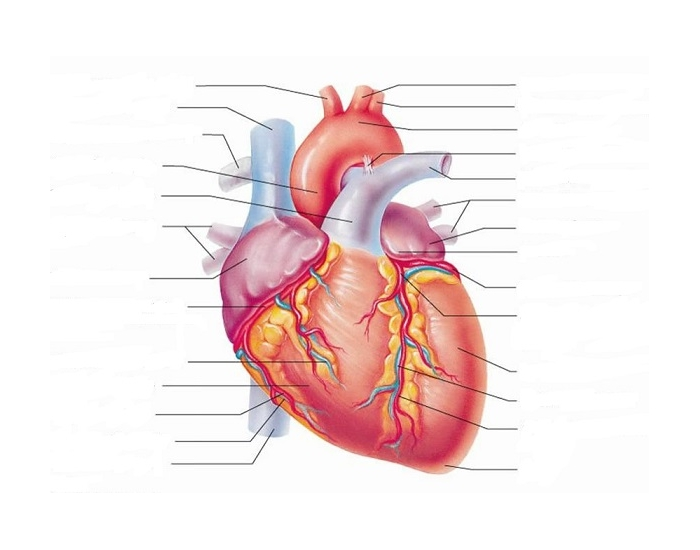
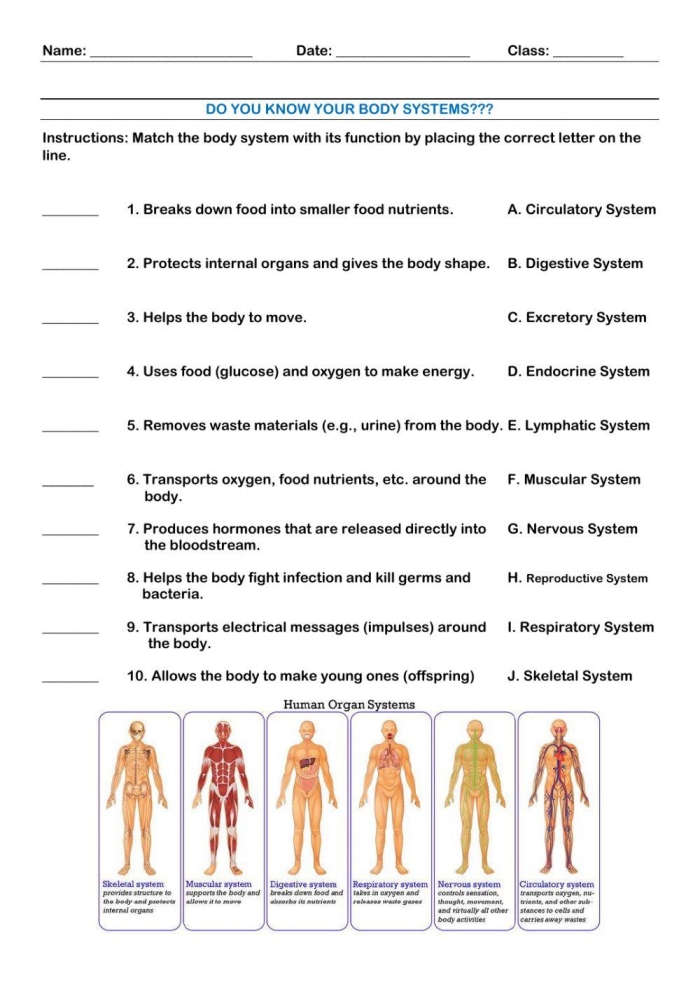
For fifth graders exploring life science, understanding the heart can be both exciting and educational. Engaging worksheets, such as those found in the Printable Human Anatomy: Heart Worksheets, can provide a hands-on approach to learning about this organ. These resources can help students visualize the heart’s structure and function while reinforcing key concepts.
As you learn more about the human body, consider exploring other fascinating life science topics. For instance, the ocean animals or the effects of weather can also offer insights into how different systems and organisms function. The heart is just one piece of the intricate puzzle of human anatomy, and studying it opens the door to many other exciting discoveries.
Practice with These Worksheets