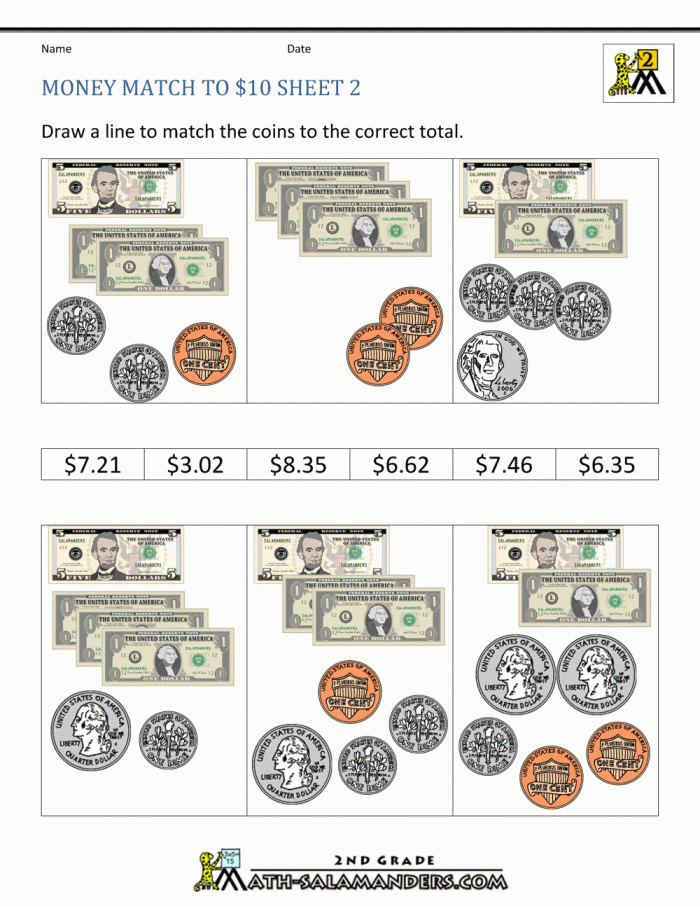
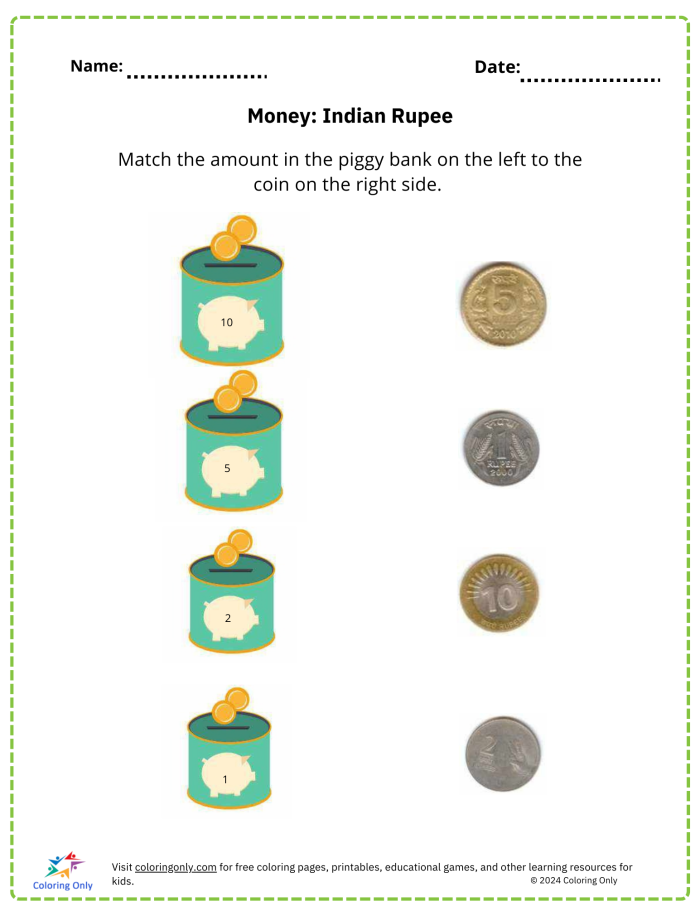
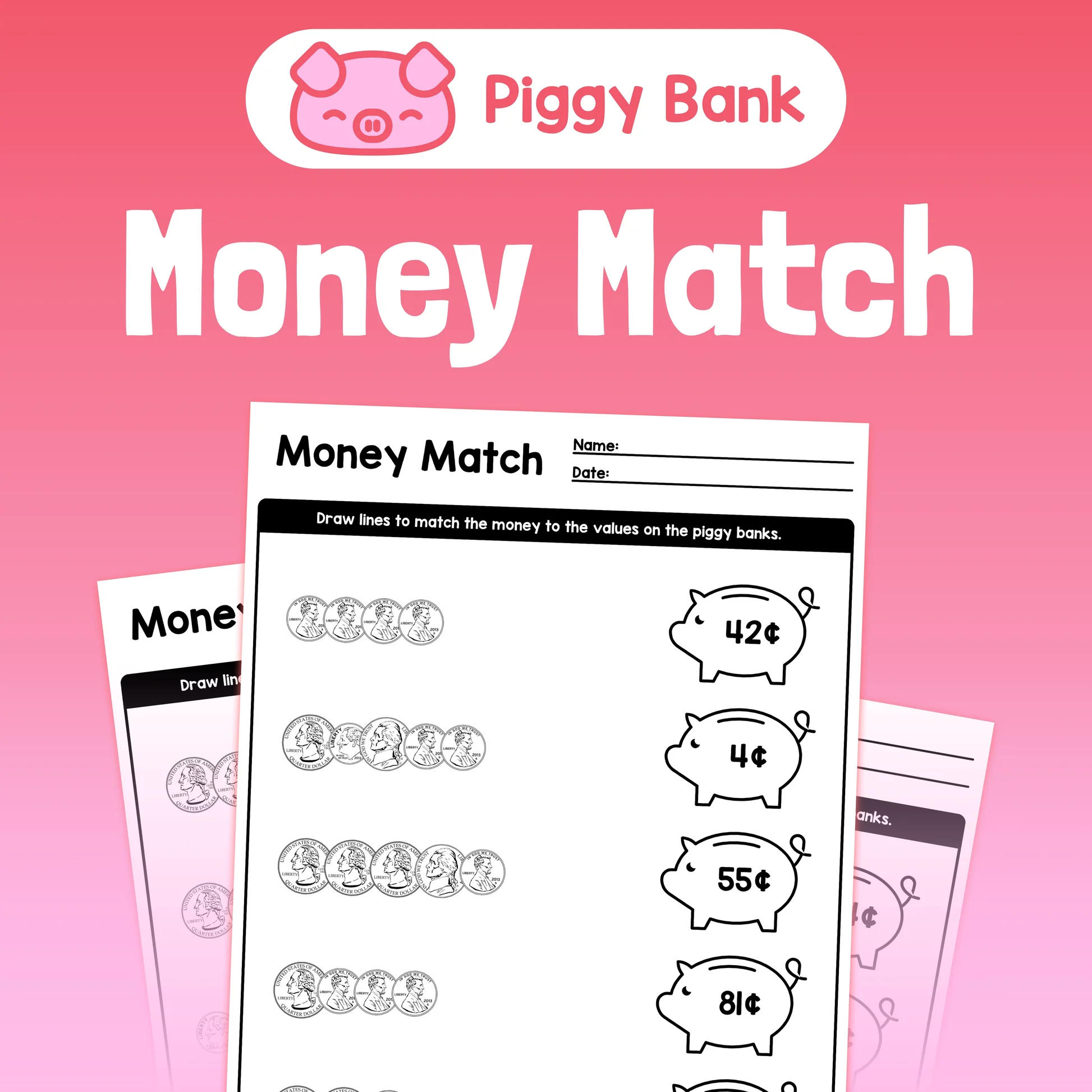
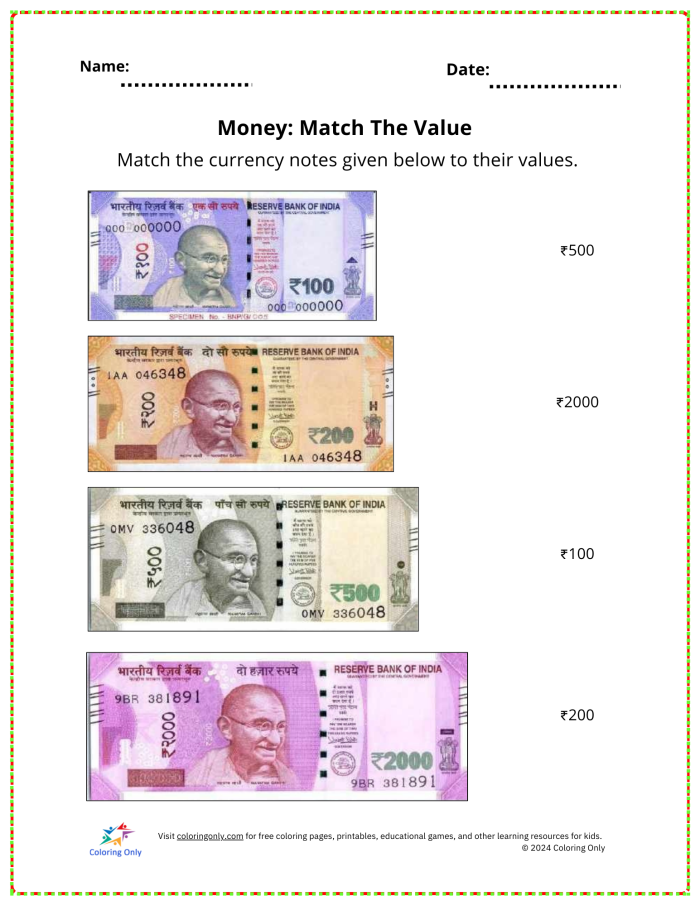
Second graders often approach learning with a sense of curiosity and enthusiasm, especially when it involves something as tangible as money. In a typical classroom setting, these young learners engage in practical activities that hone their financial literacy skills. One particularly engaging exercise is figuring out how much money is in each piggy bank. This task not only reinforces their understanding of numbers but also introduces them to basic concepts of addition and subtraction.
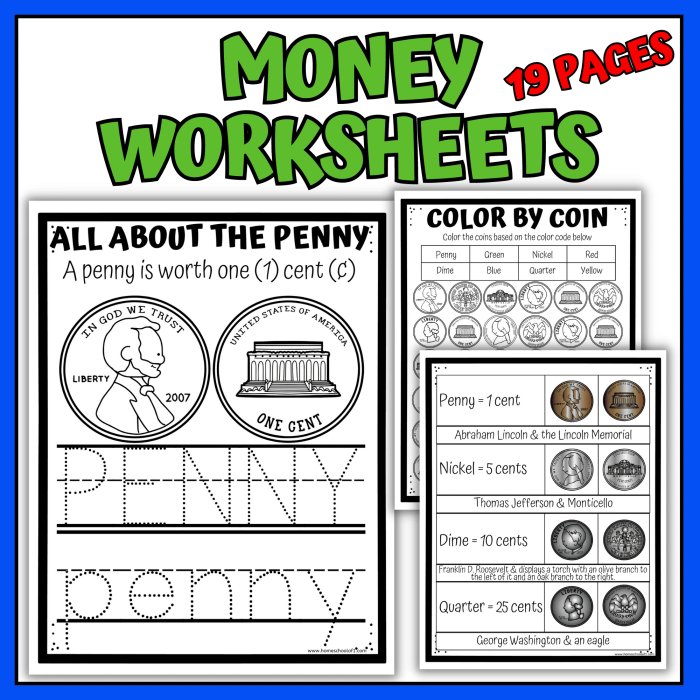
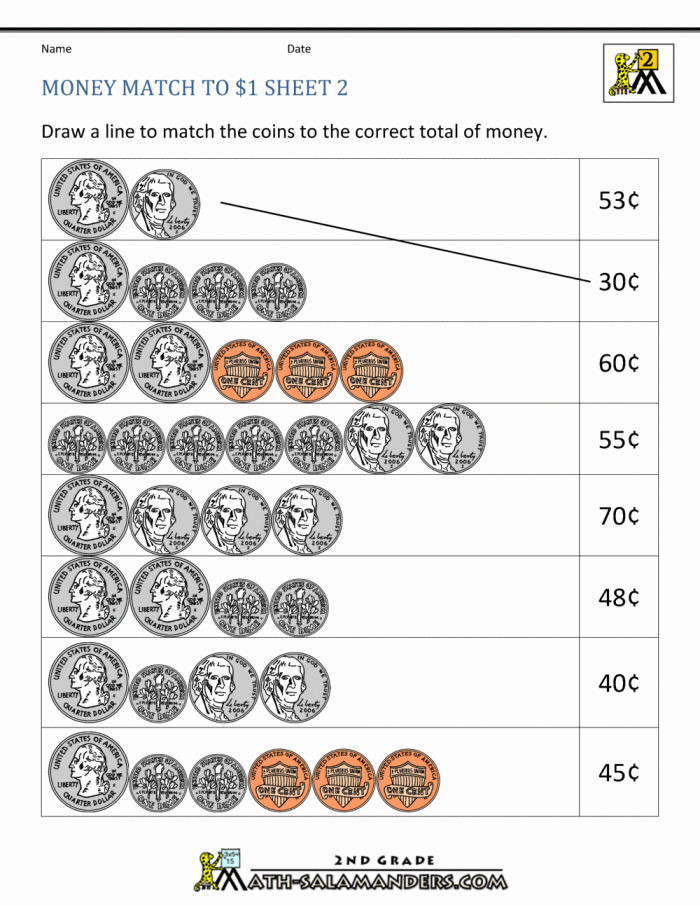
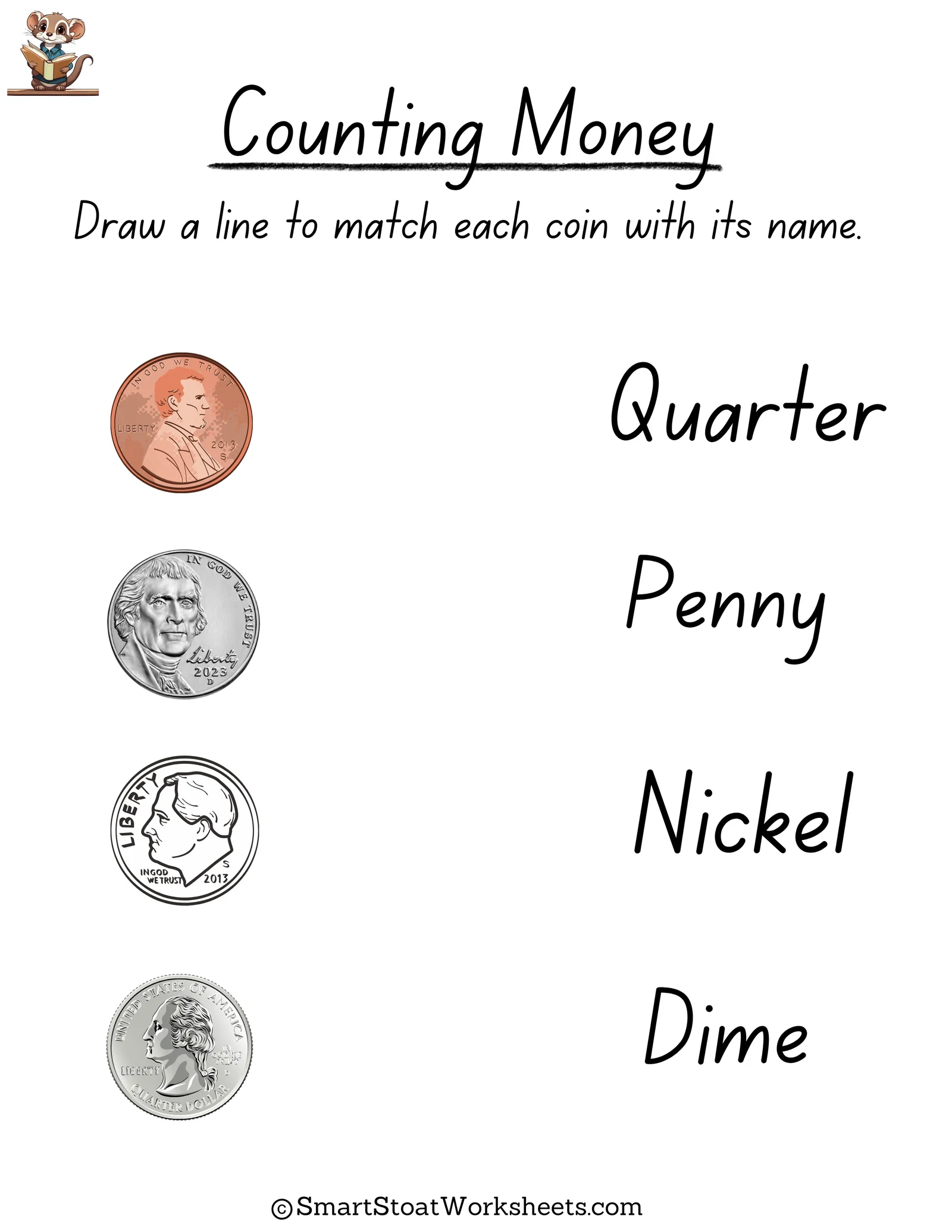
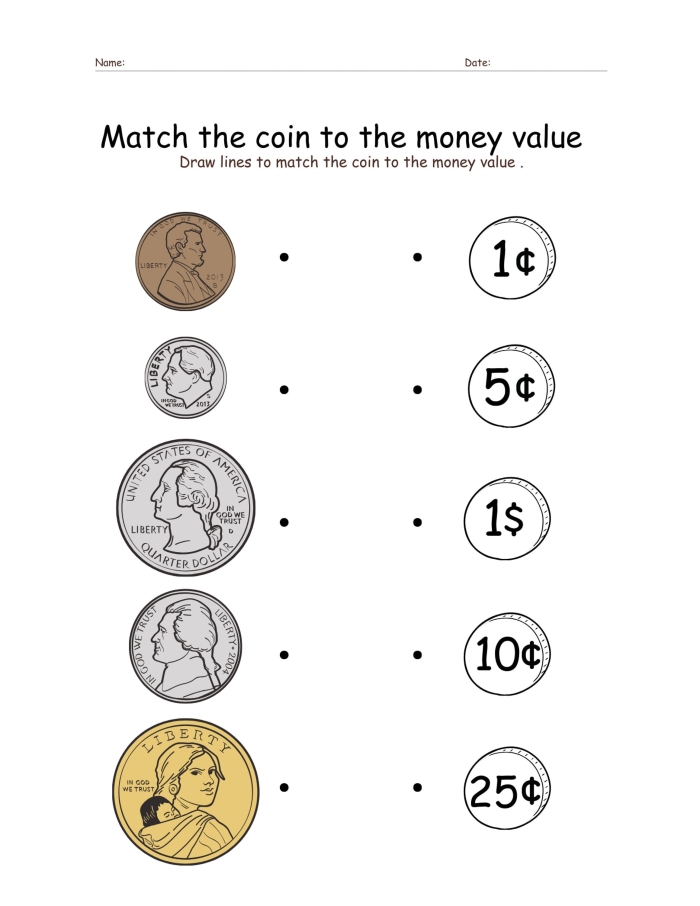
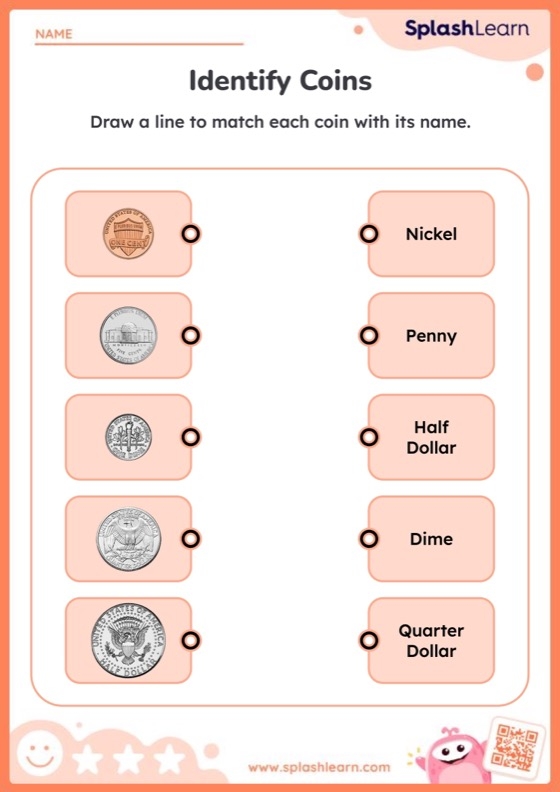
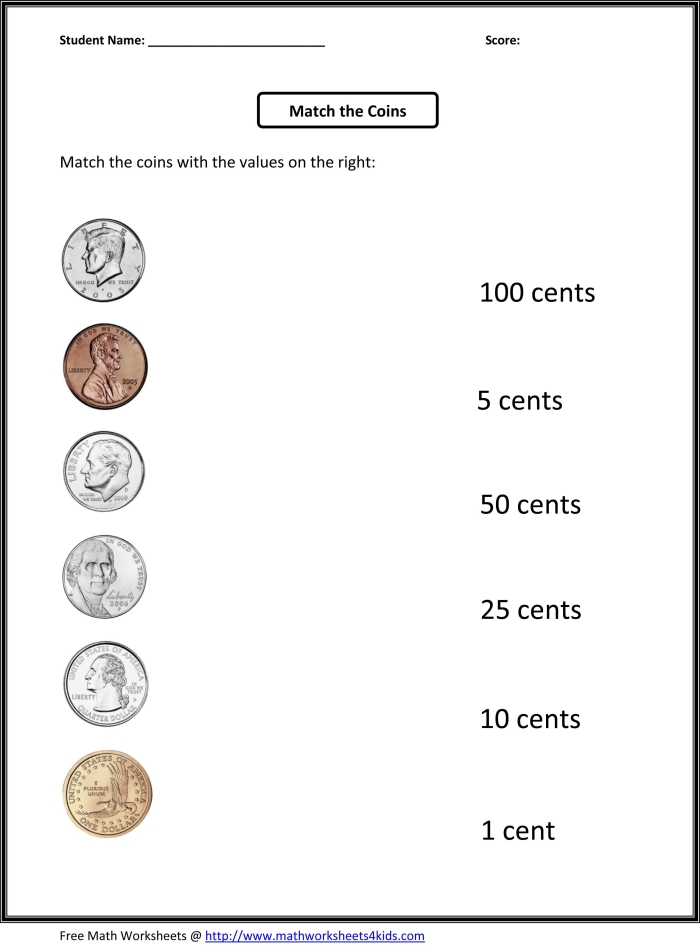
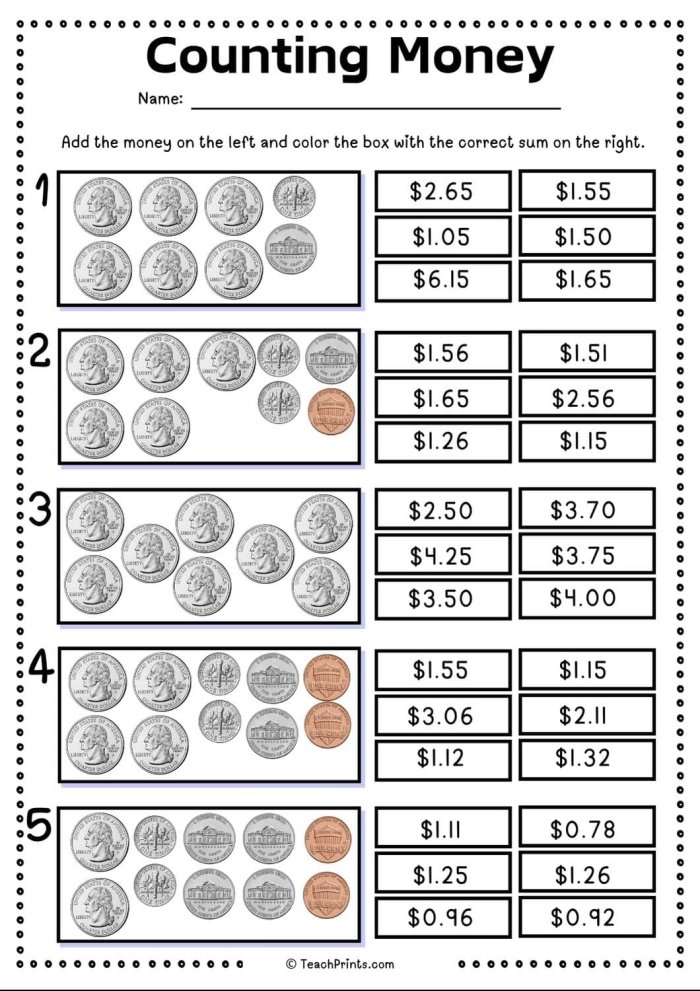
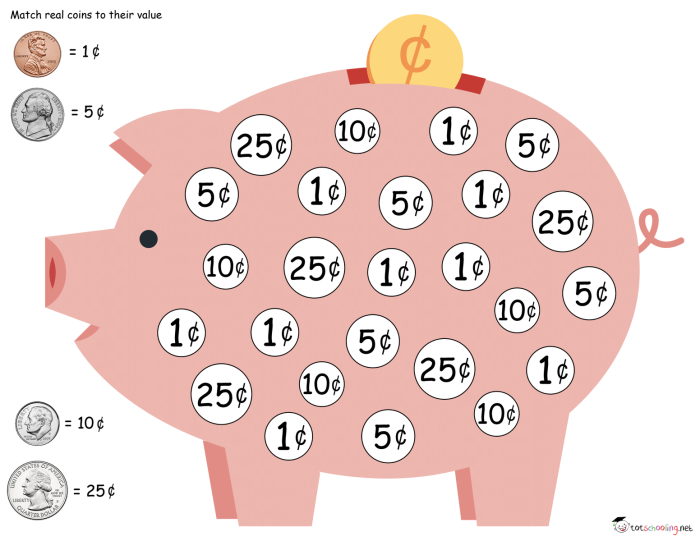
As students gather around their colorful piggy banks, they begin counting coins—nickels, dimes, and quarters. This hands-on activity allows them to explore different ways to combine coins and understand their values. For instance, they might realize that two dimes and three nickels equals thirty cents, an important step in mastering money management. Such exercises are essential in helping children learn about addition in a real-world context, aligning perfectly with second-grade math standards.
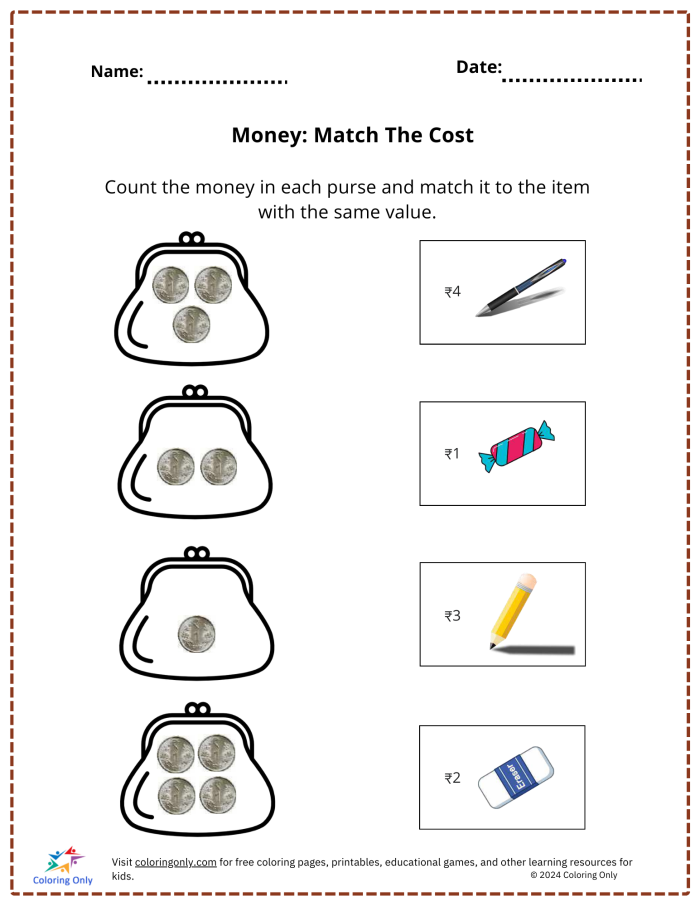
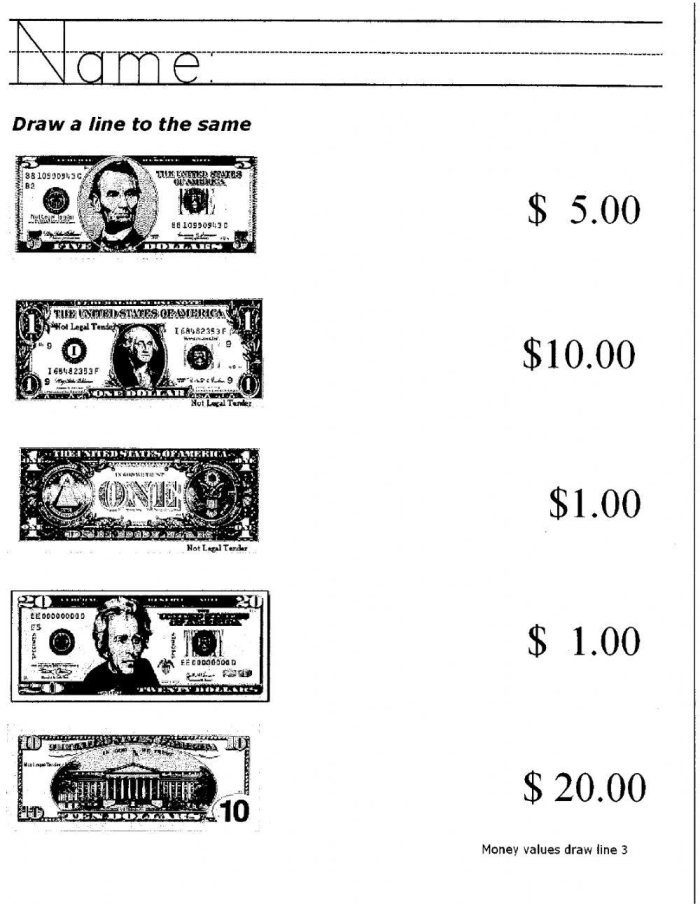
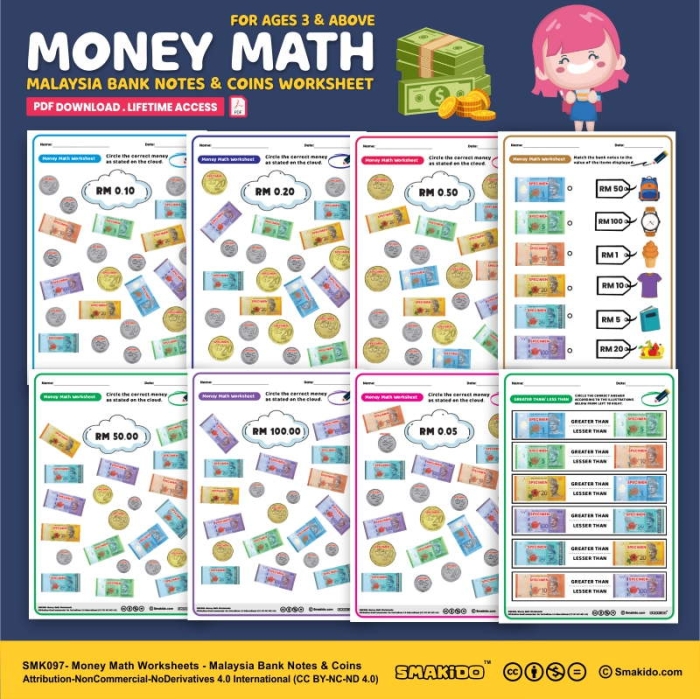
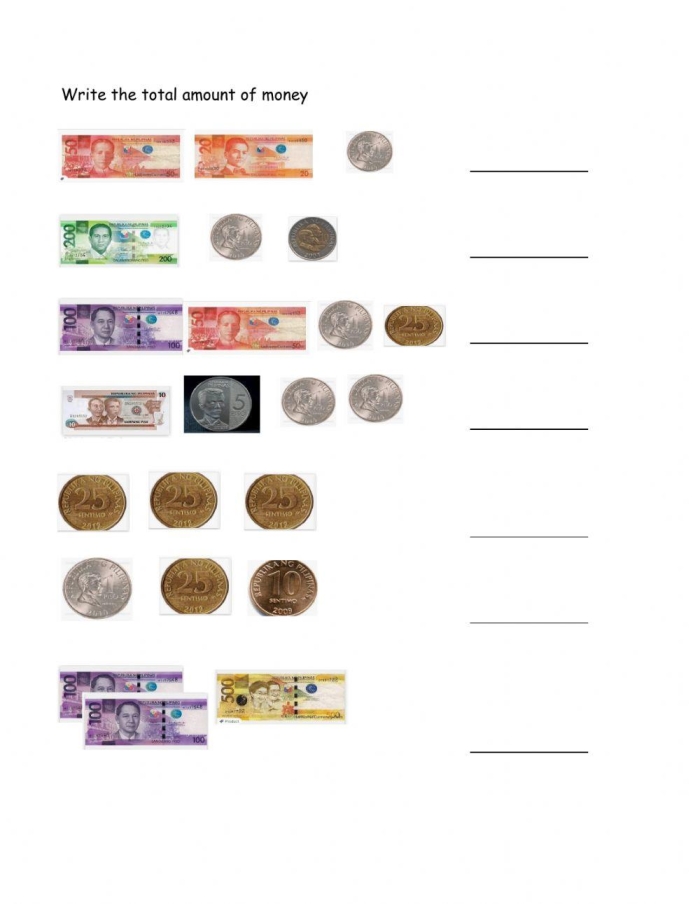
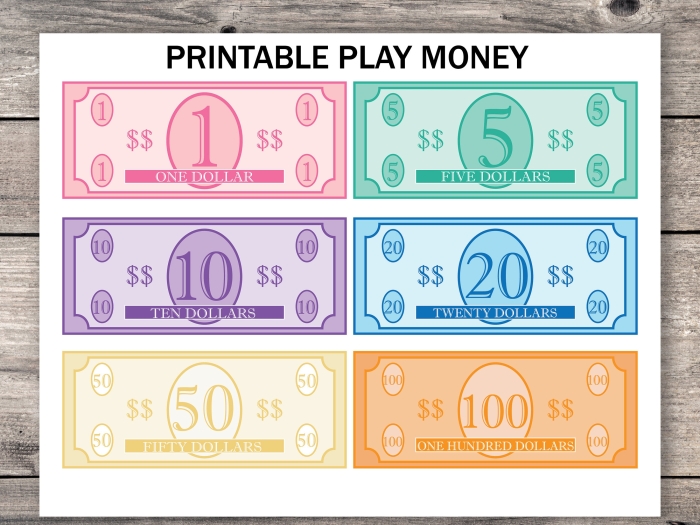
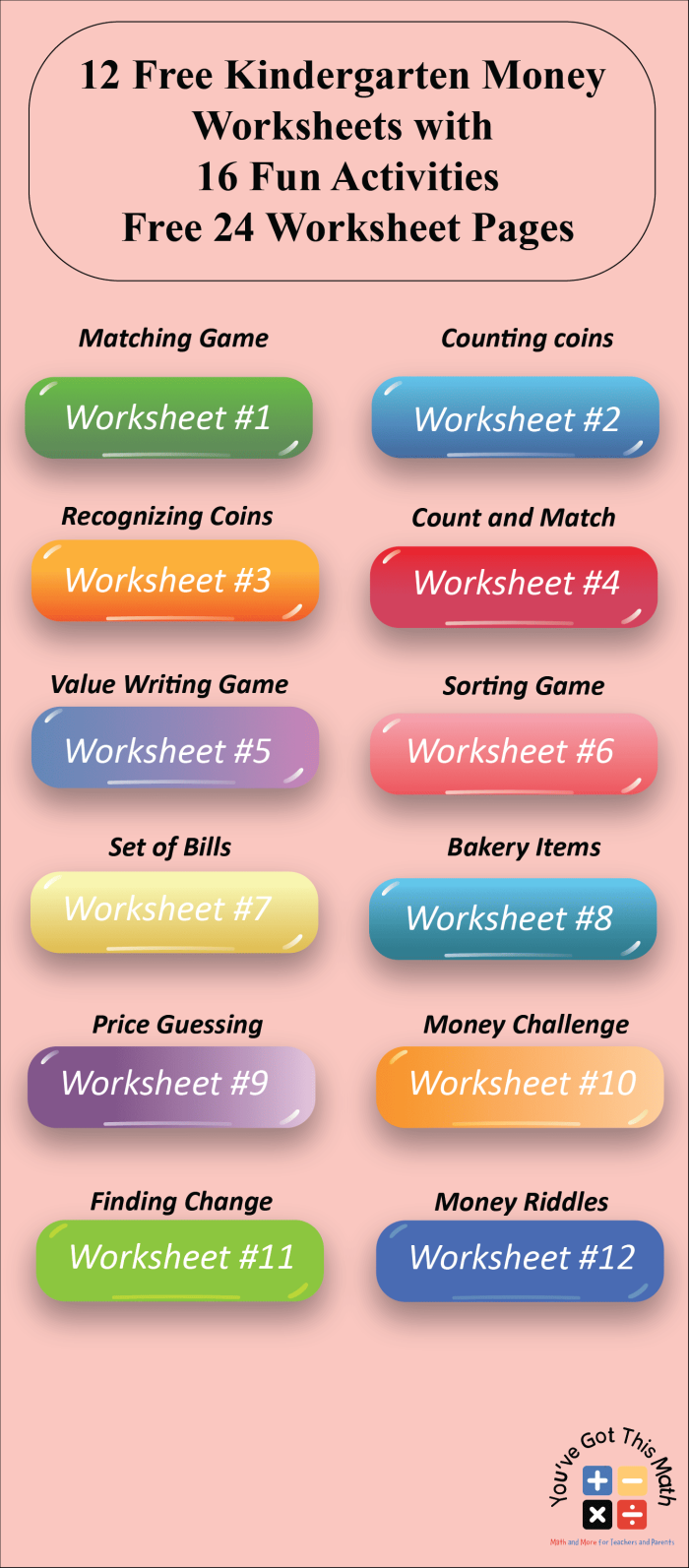
To further enhance their understanding, teachers can incorporate resources like printable worksheets related to money and addition. These materials often include fun themes that resonate with students, making learning enjoyable. For example, a worksheet might present a scenario where students need to calculate the total amount of money after a day of earning allowances or completing chores.
Through these engaging activities, second graders not only learn to count and add but also develop critical thinking skills as they strategize how to best combine their coins. Whether they’re learning through physical interactions with their piggy banks or utilizing worksheets that incorporate geometry concepts, the foundation they build now will serve them well in more complex financial topics in the future. It’s exciting to witness their growth as they navigate the world of money, enhancing both their math skills and confidence.
Start Practicing with These Worksheets