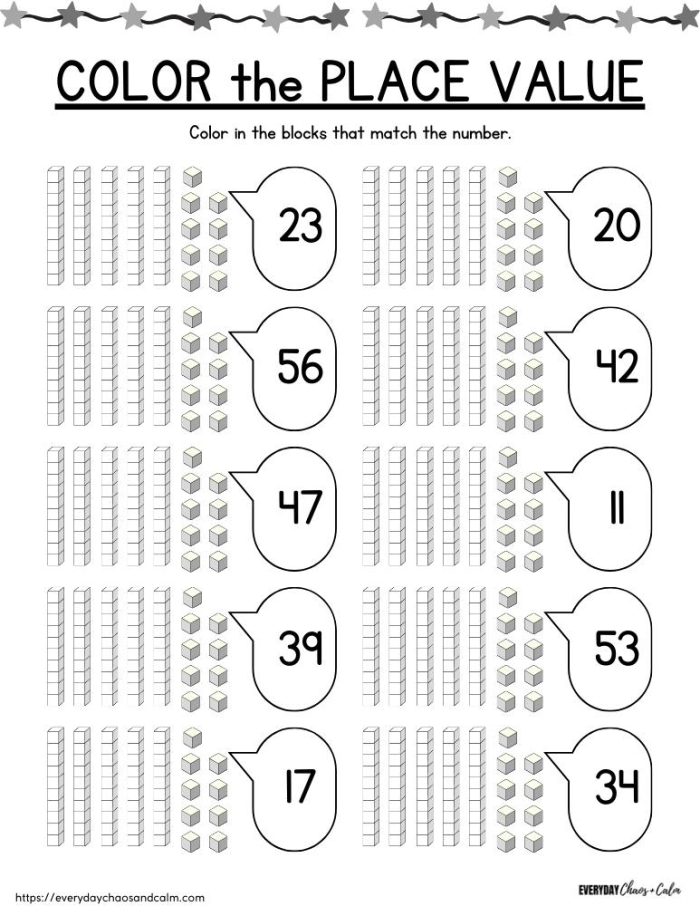
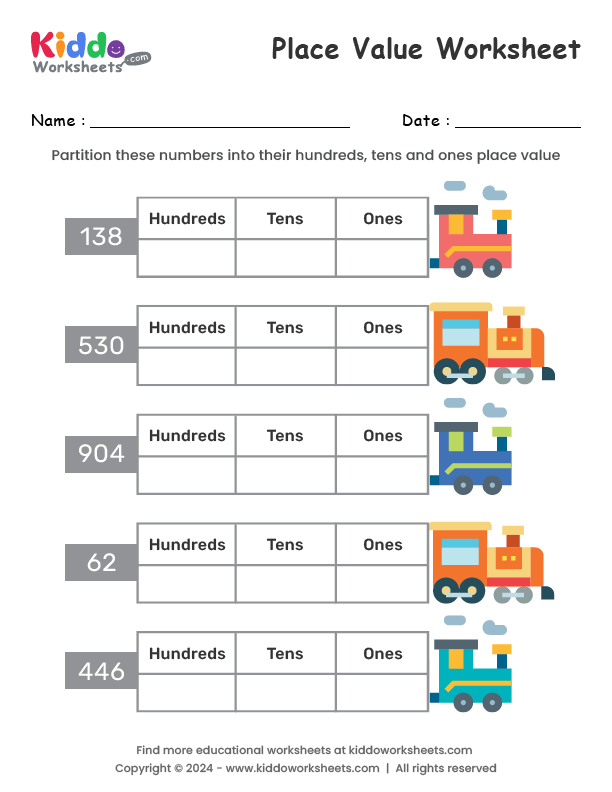
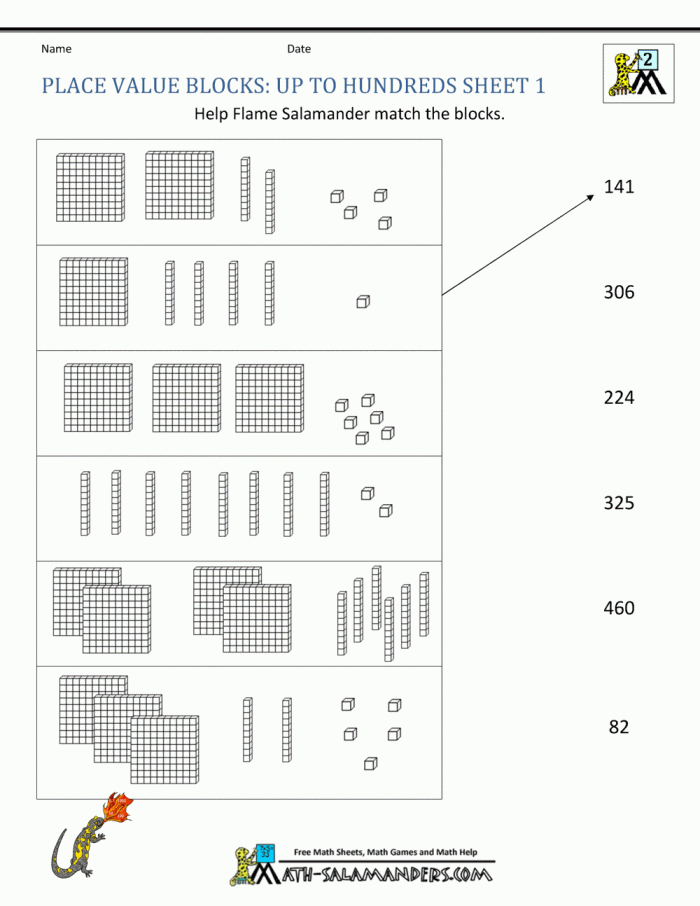
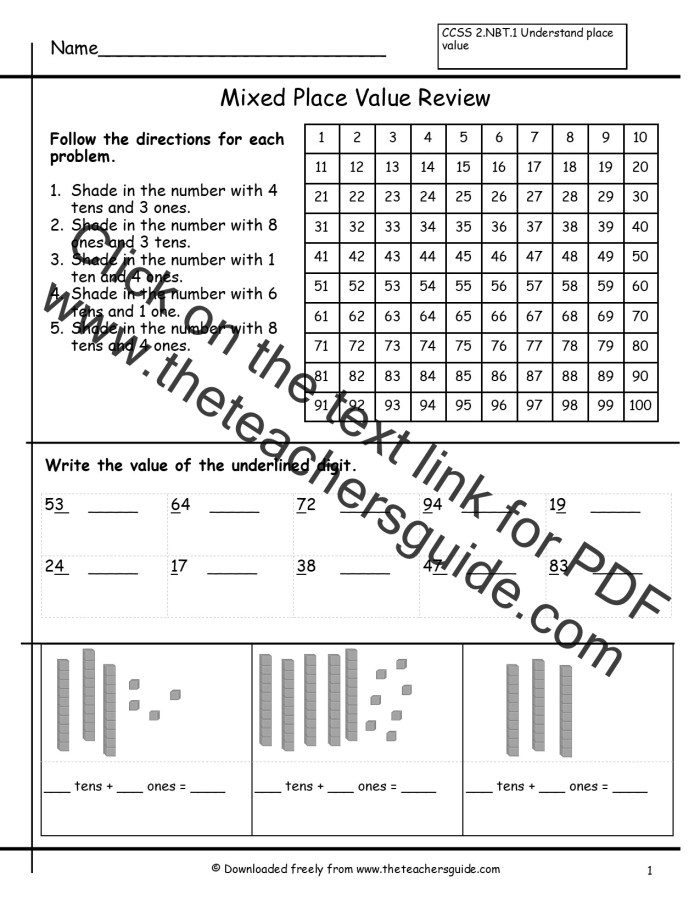
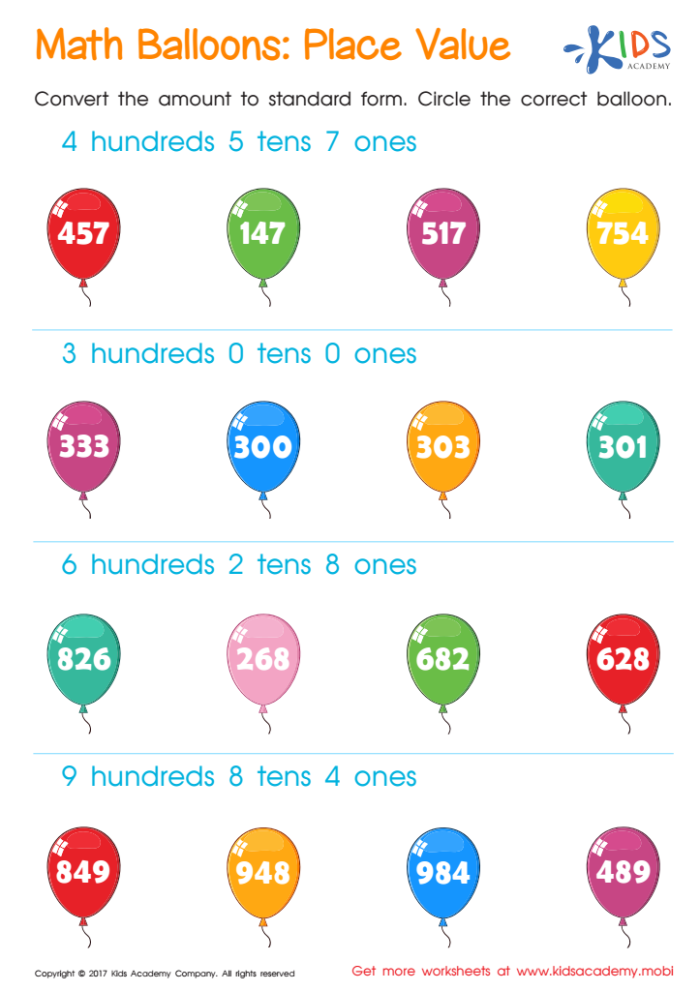
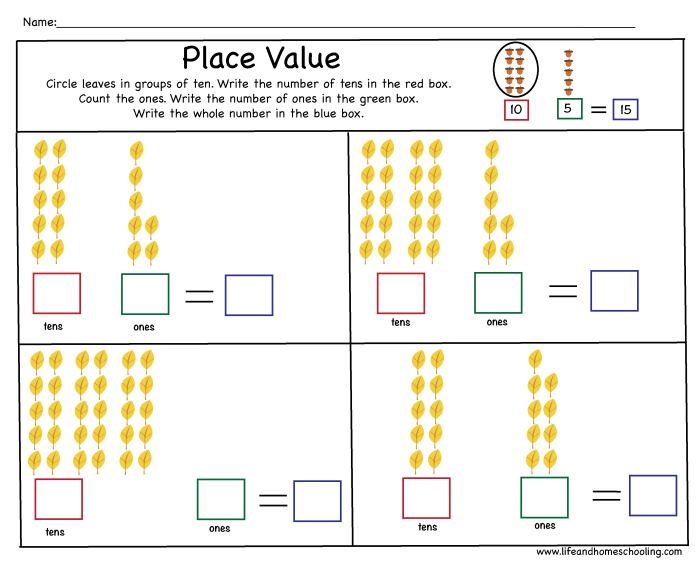
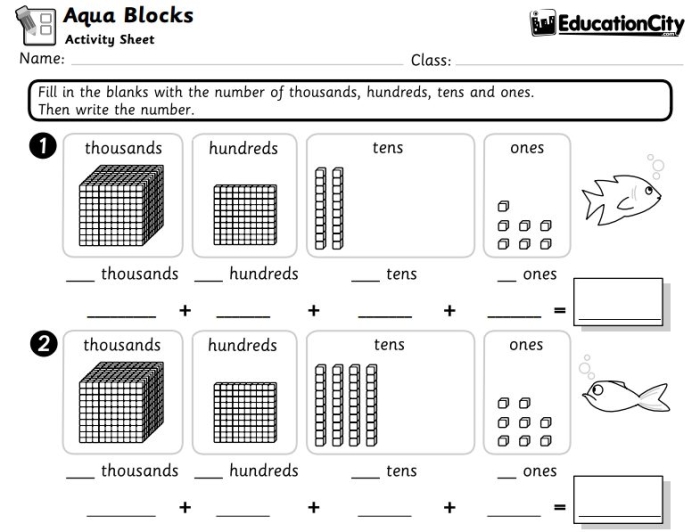
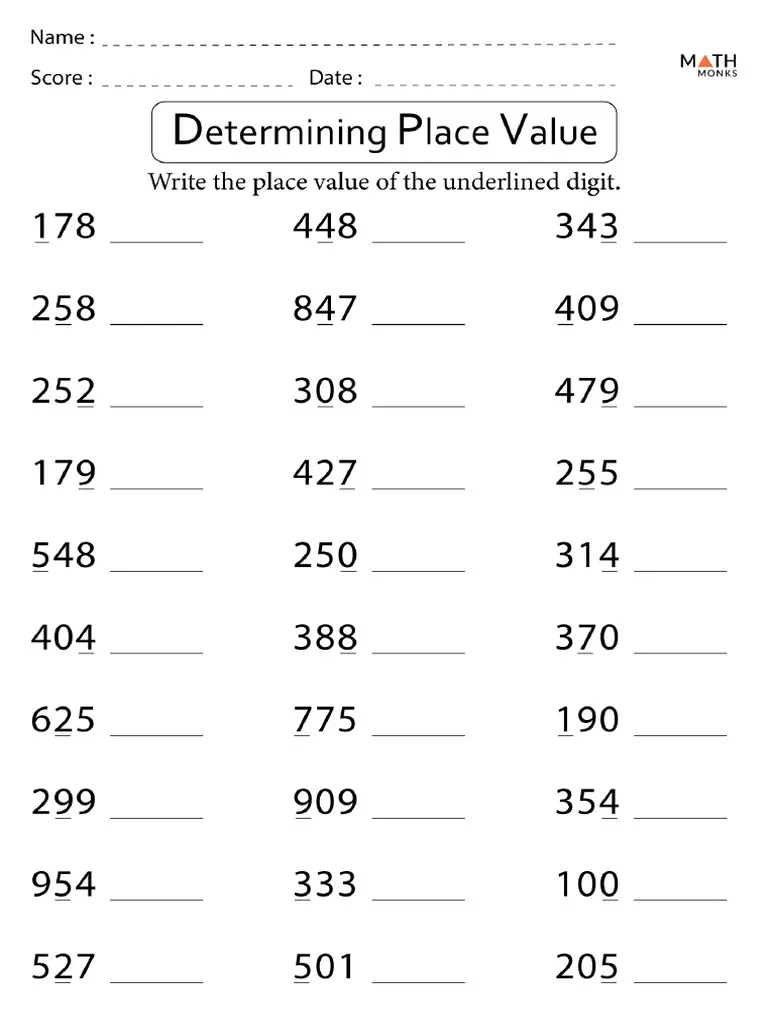
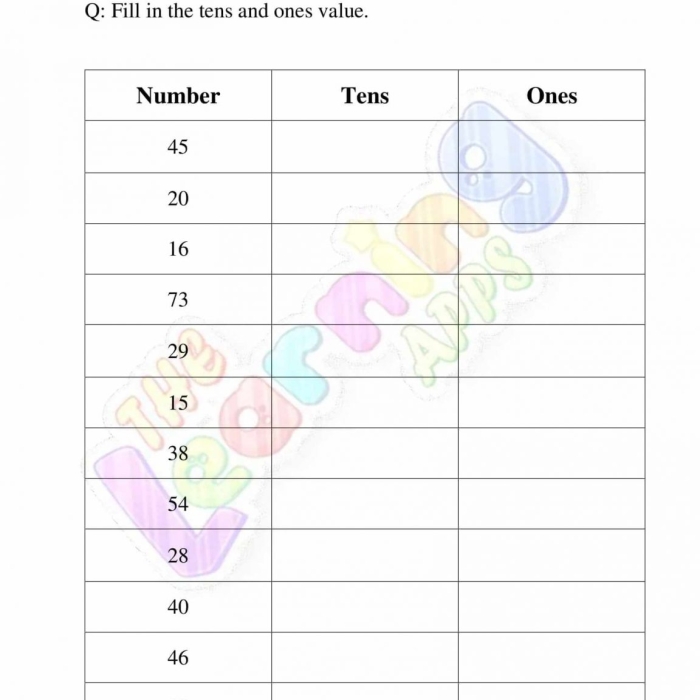
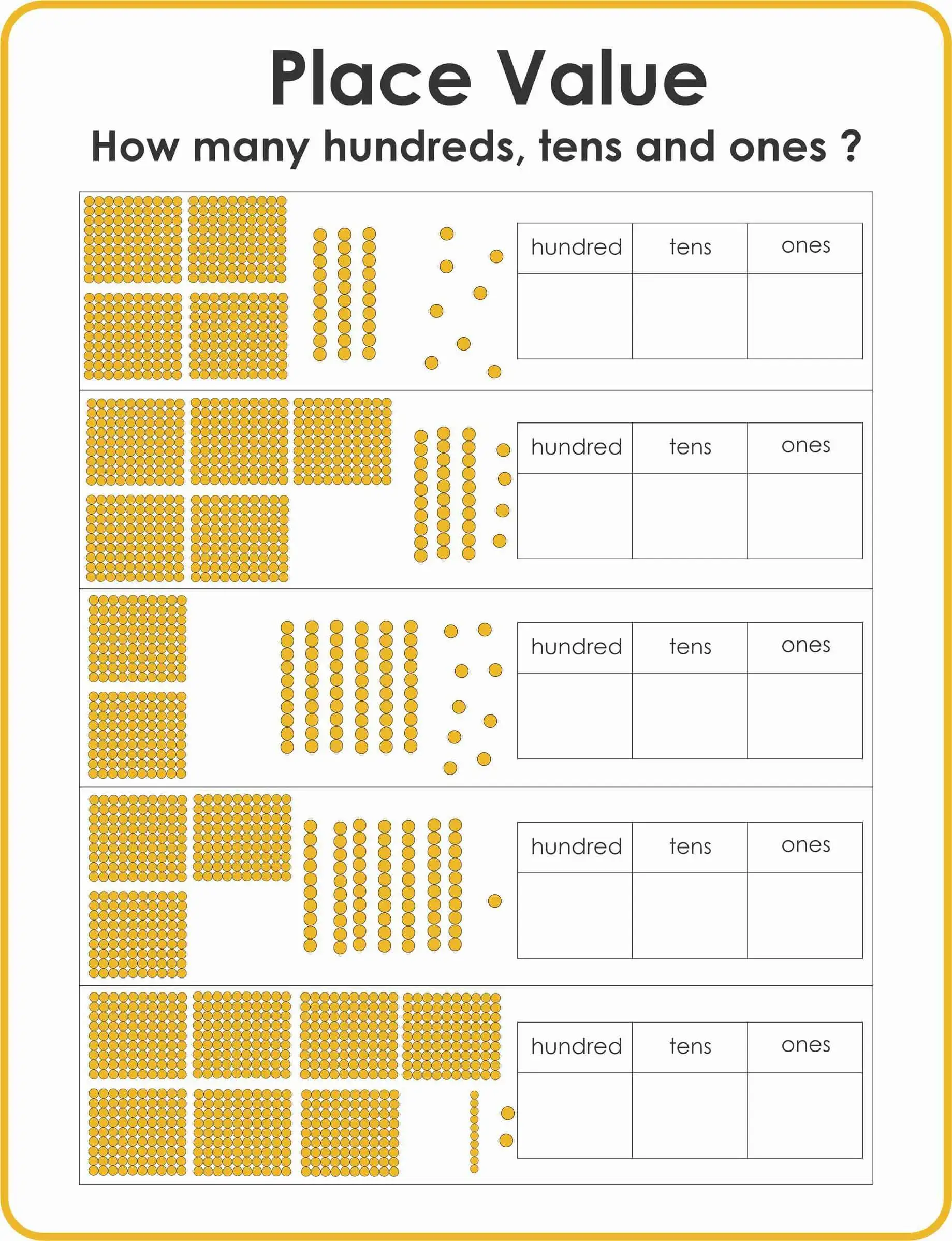
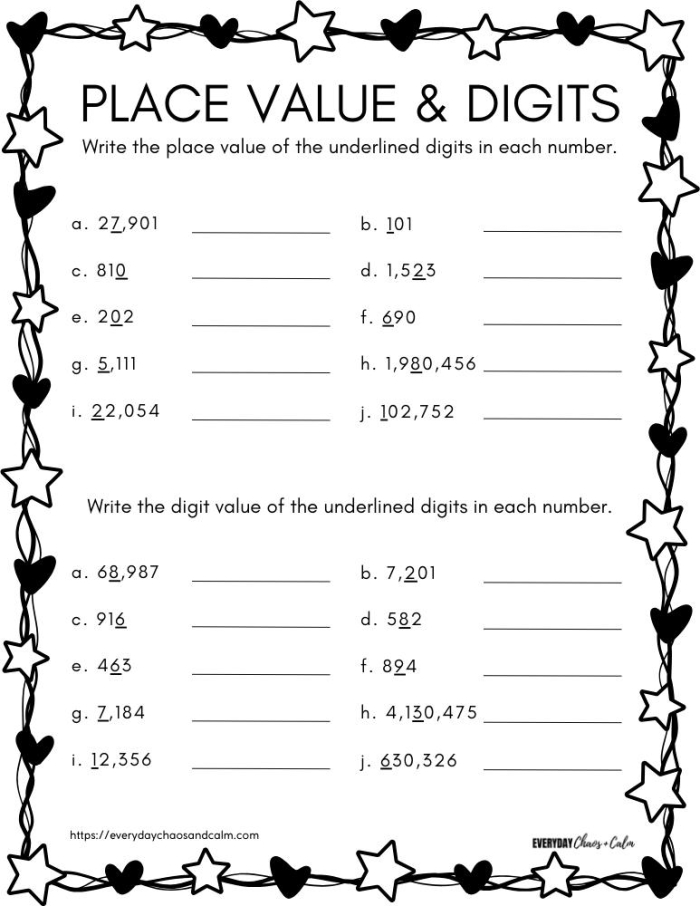
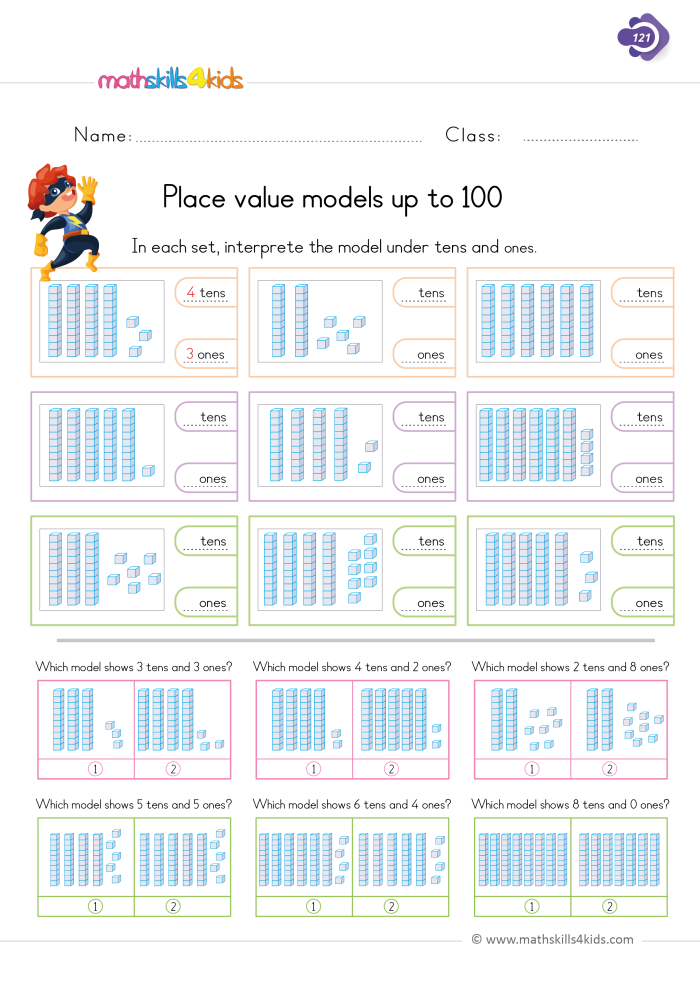
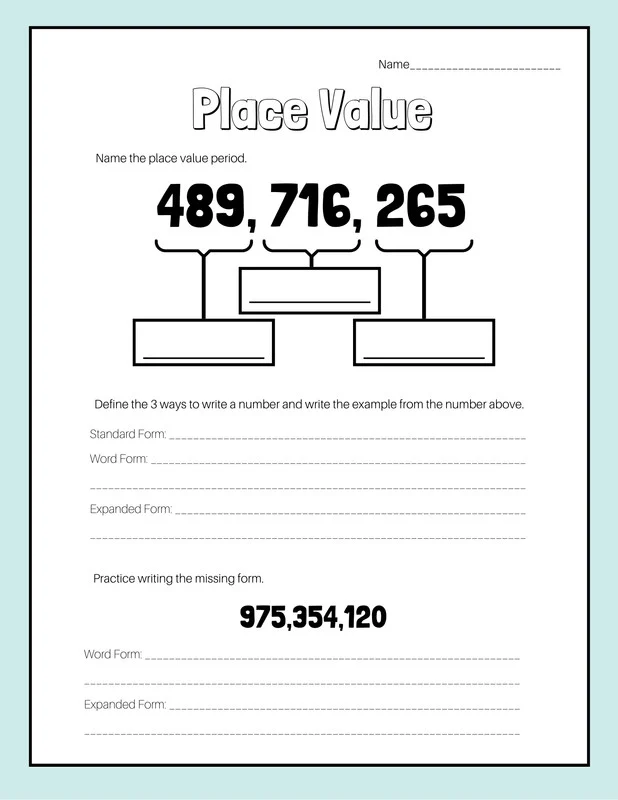
Understanding place value is a crucial building block for first graders as they develop their math skills. A simple yet effective exercise for young learners involves identifying the place value of each digit in two-digit numbers. In this engaging activity, kids examine numbers like 23 or 47, determining which digit resides in the tens column and which is in the ones column.
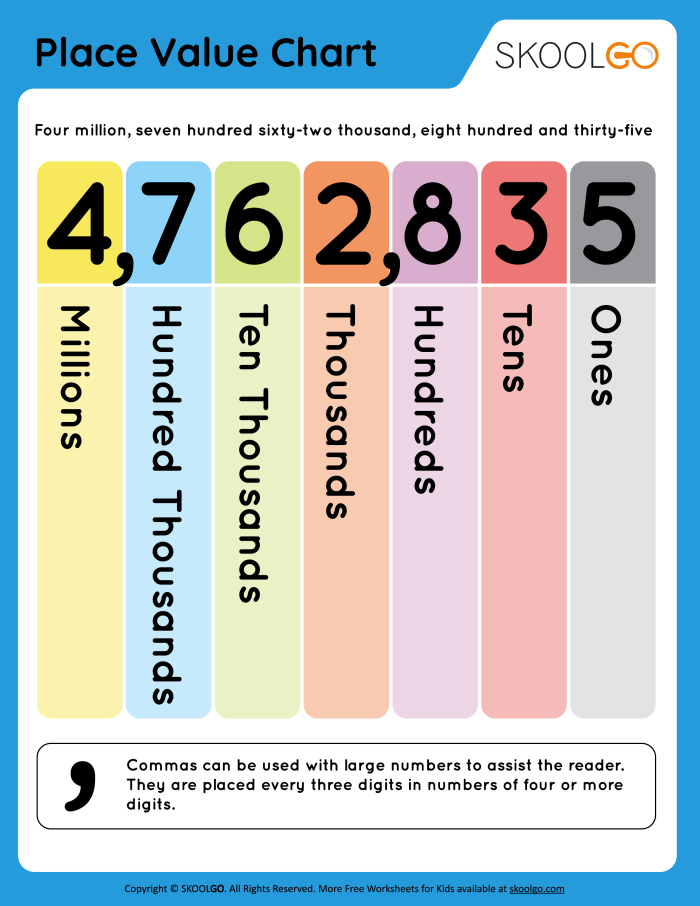
This process helps students grasp the concept that the position of a digit affects its value. For instance, in the number 34, the 3 is not just three; it represents thirty. Similarly, the 4 stands for four. This foundational understanding aids in their ability to perform more complex arithmetic later on.
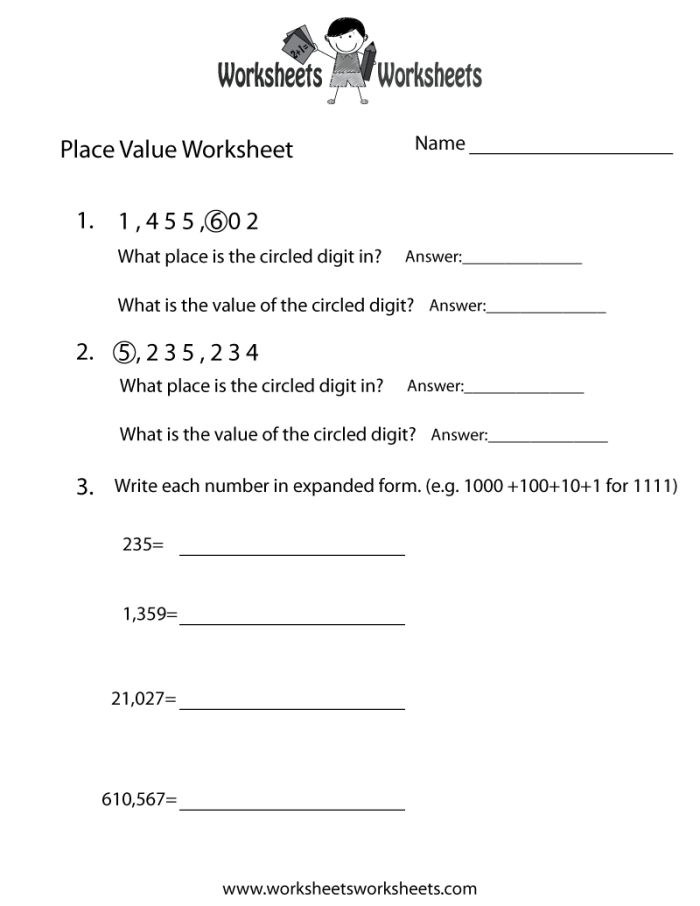
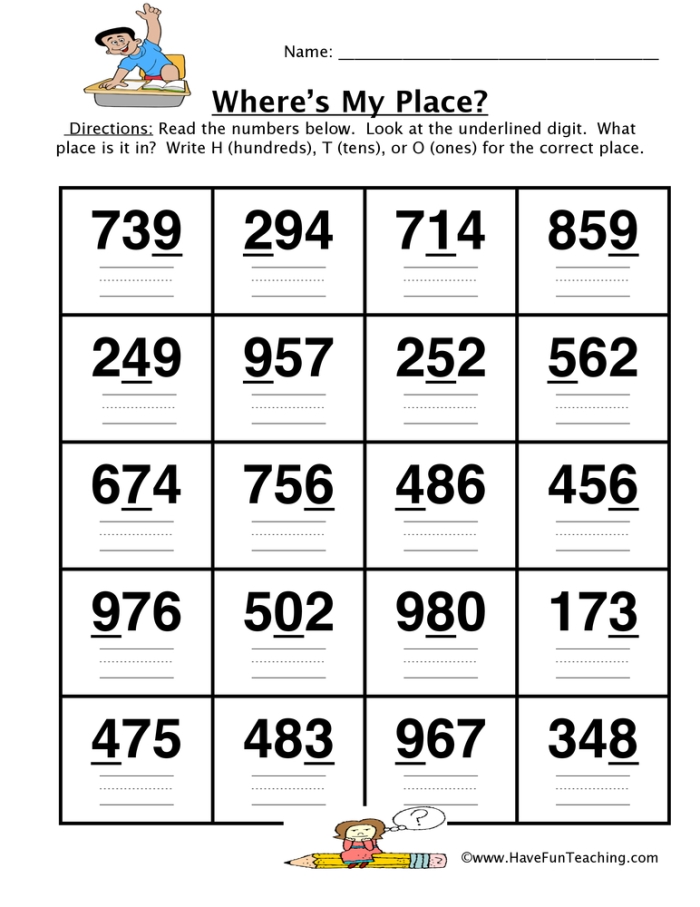
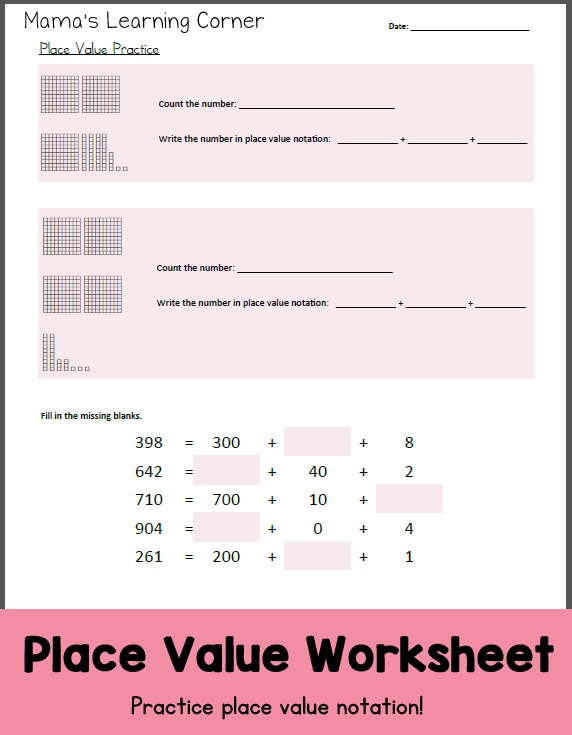
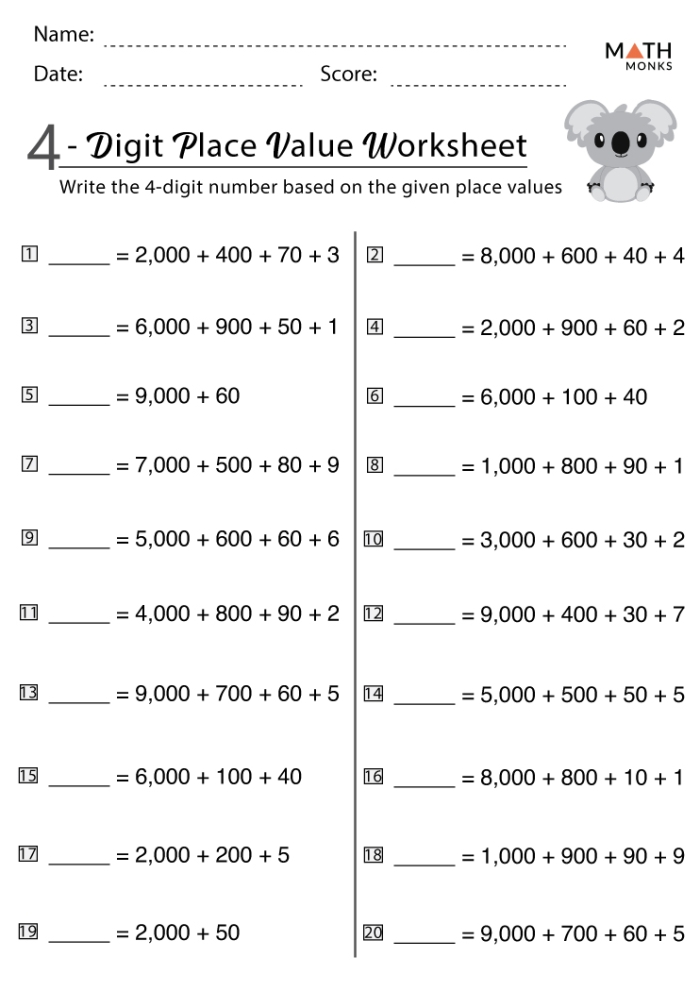
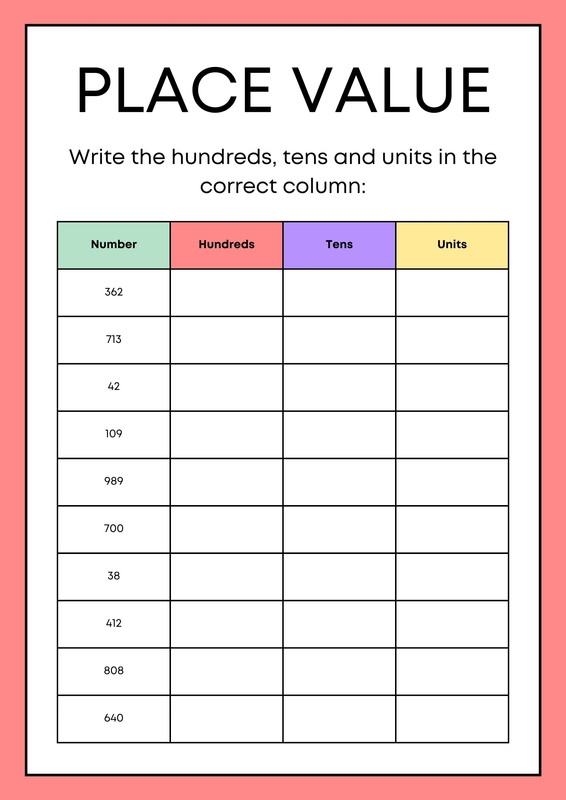
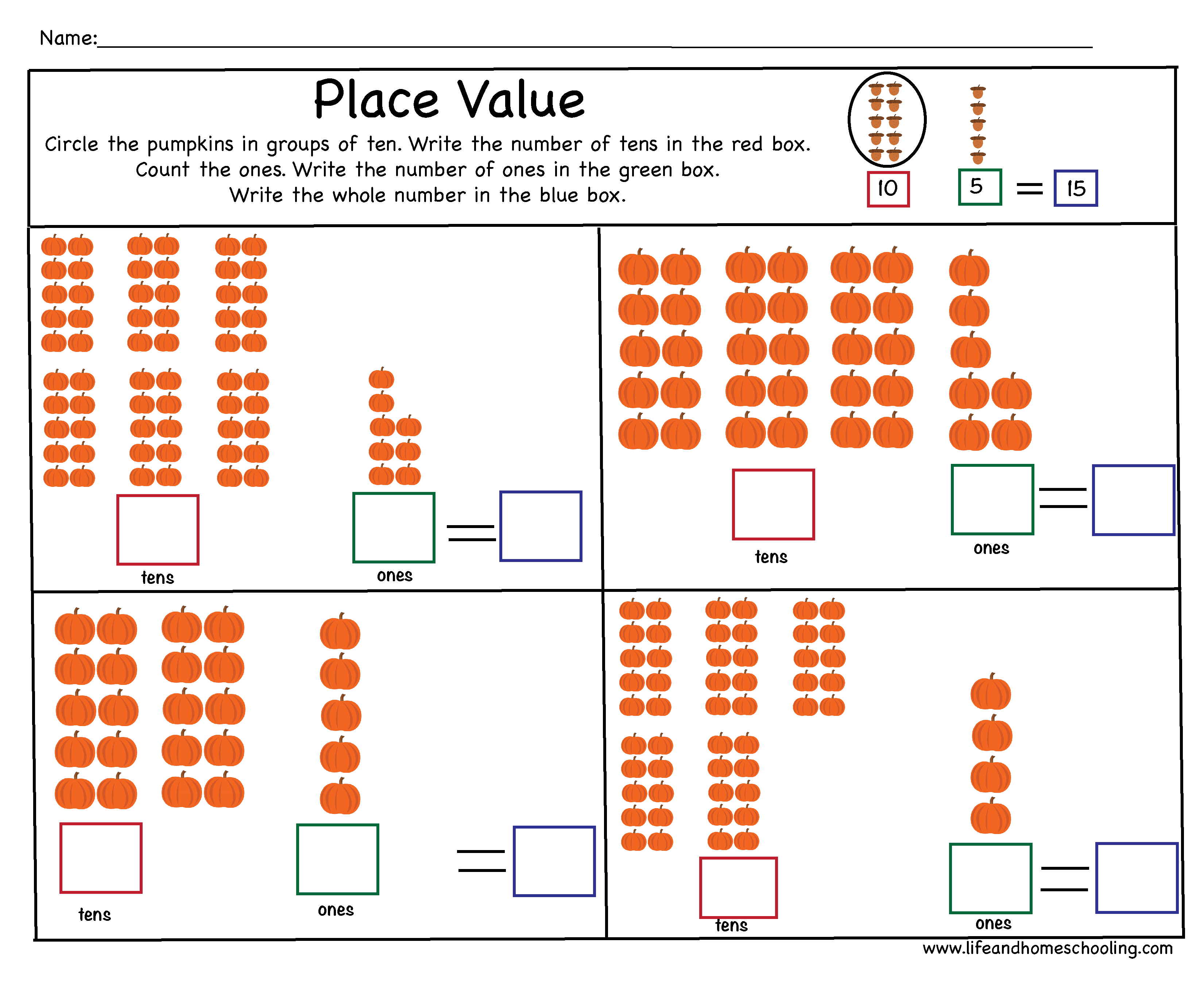
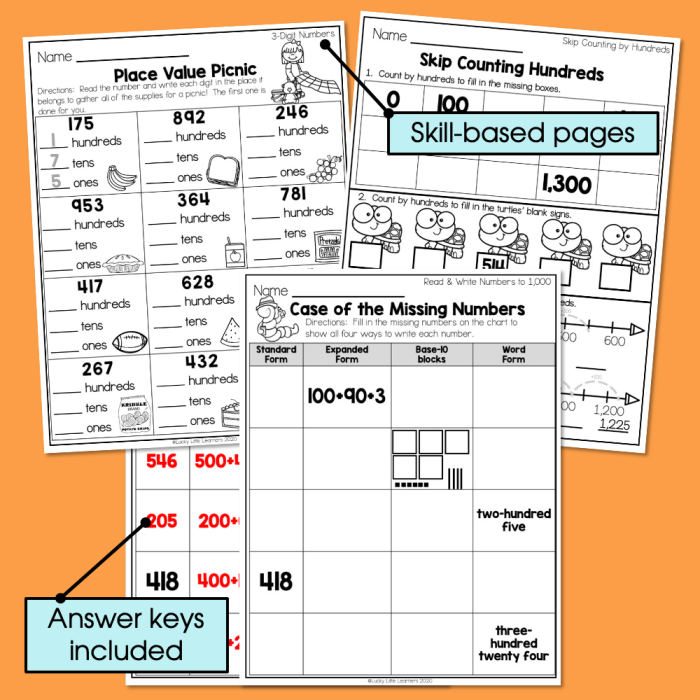
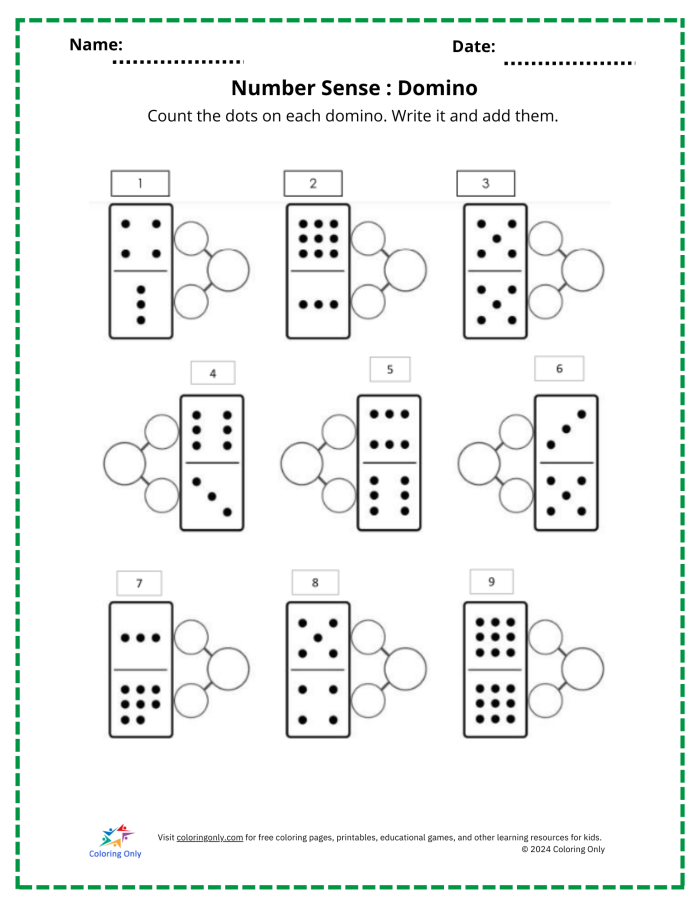
Worksheets designed for this purpose, such as Lacy’s Place Value, provide a structured way for children to practice. Each worksheet presents a series of two-digit numbers, encouraging students to write each digit in the appropriate column. This method reinforces their learning through repetition and helps solidify their understanding of how numbers are constructed.
Moreover, integrating these exercises into daily learning can benefit students greatly. When children can confidently identify place values, they become more prepared for addition and subtraction tasks that involve larger numbers. For example, they’ll find it easier to add 23 and 45 when they understand that they can break the numbers down by their place values.
Using resources like printable worksheets can make this learning process enjoyable and effective. Activities that connect math with phonics, such as those found in the adding two phonics worksheets, provide a comprehensive approach to learning. As first graders engage with these materials, they not only enhance their math skills but also enjoy the journey of learning itself.
Start Practicing with These Worksheets