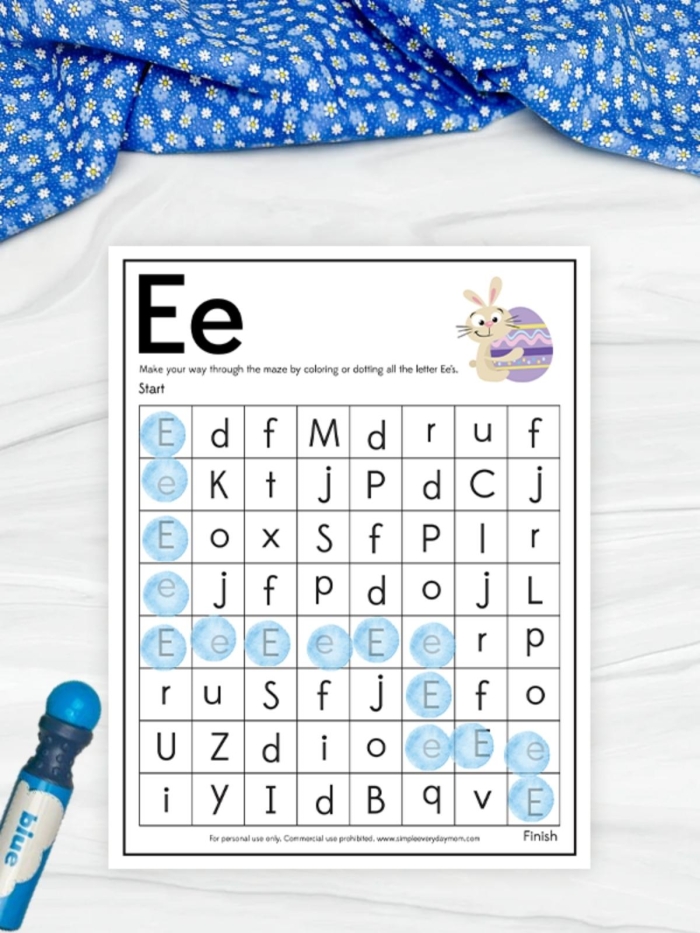
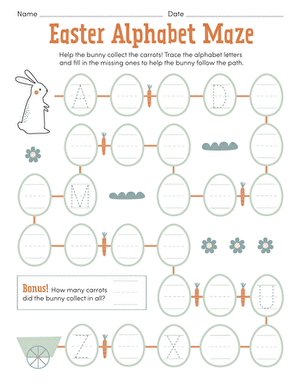
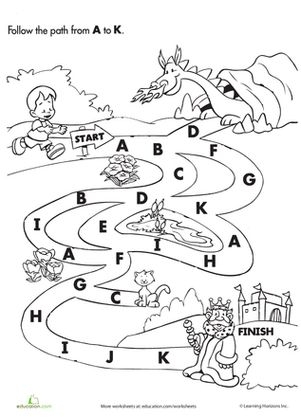
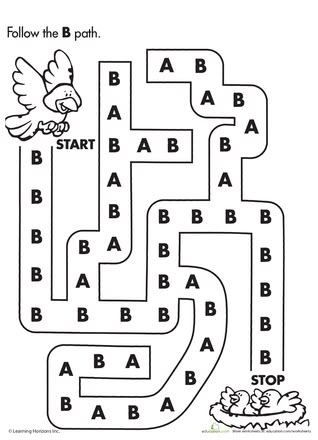
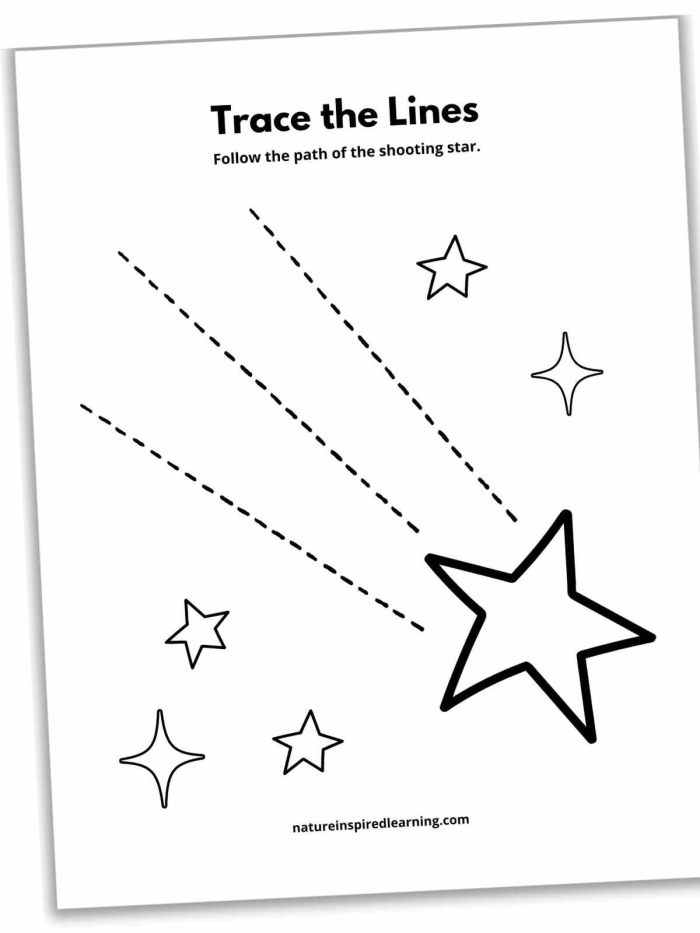
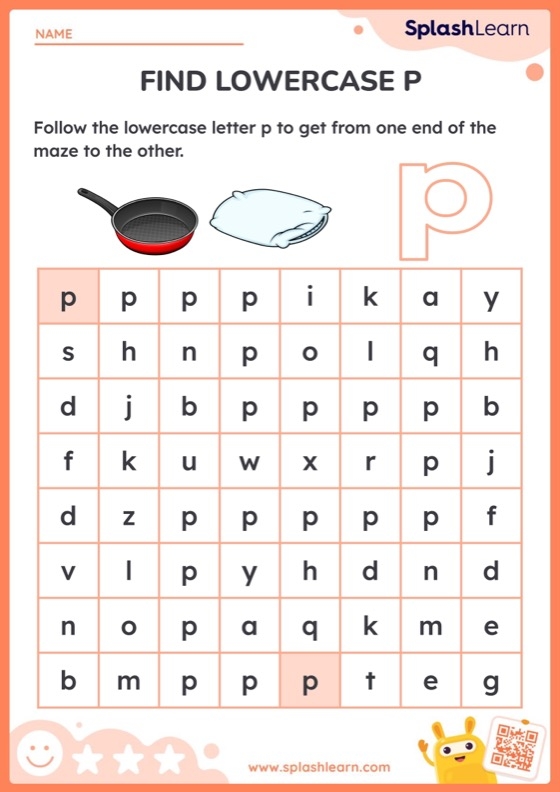
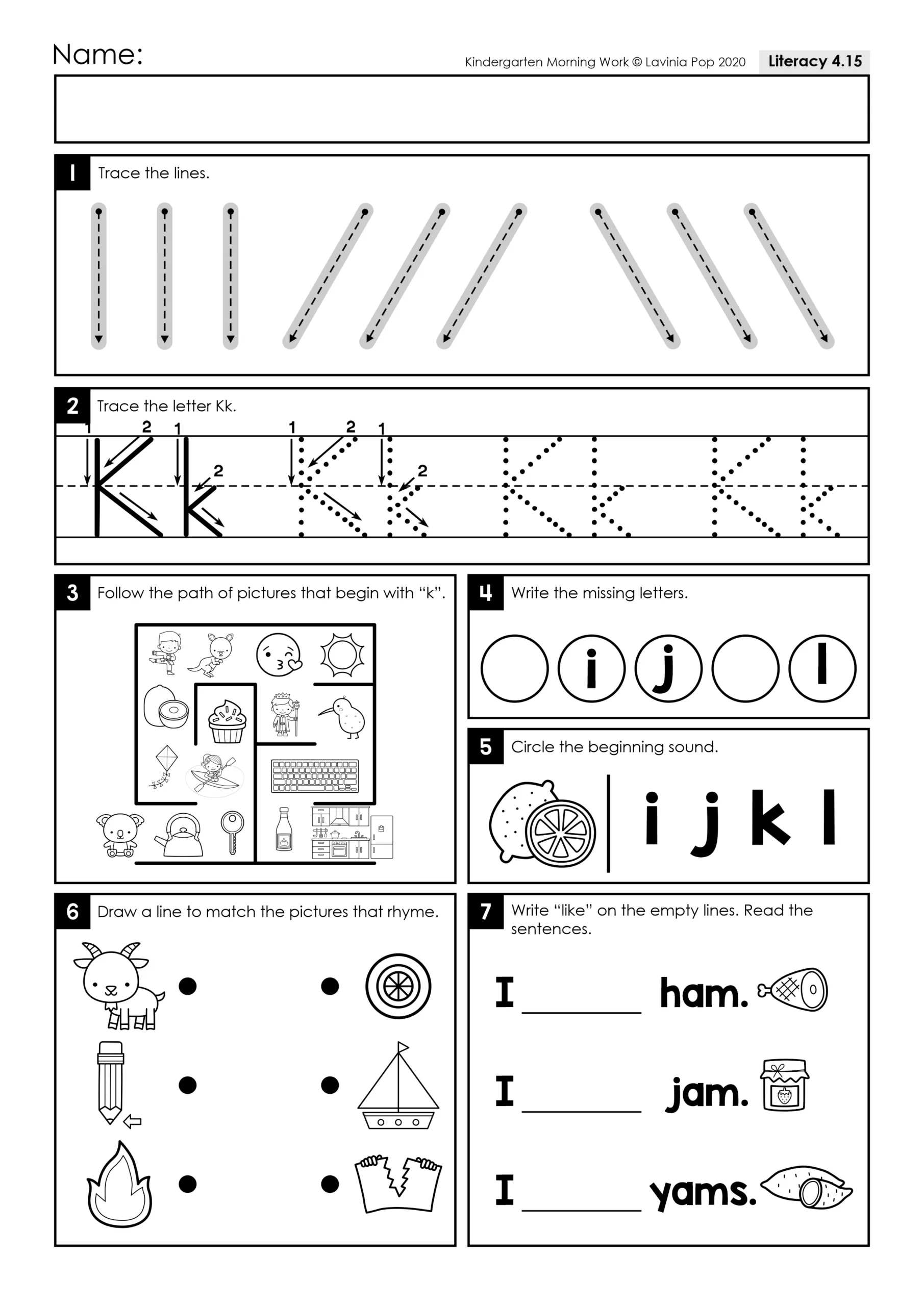
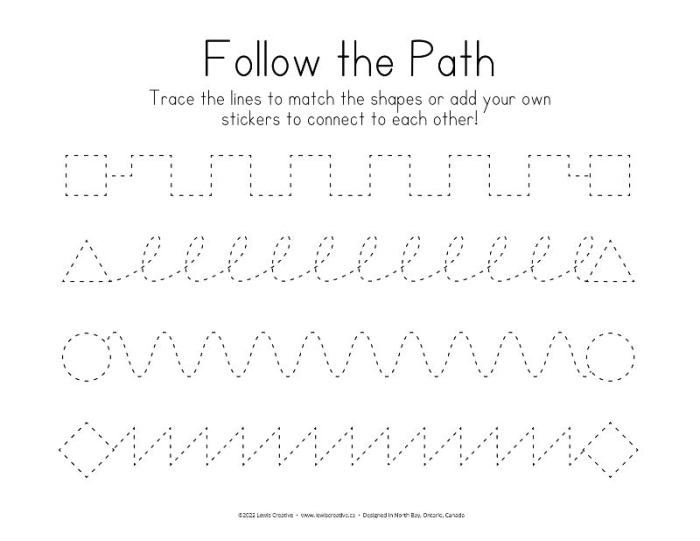
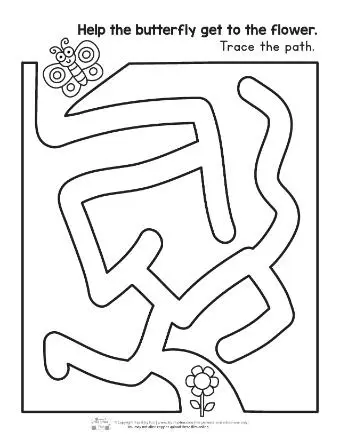
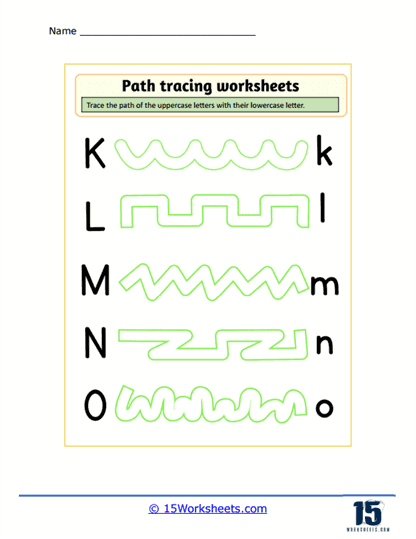
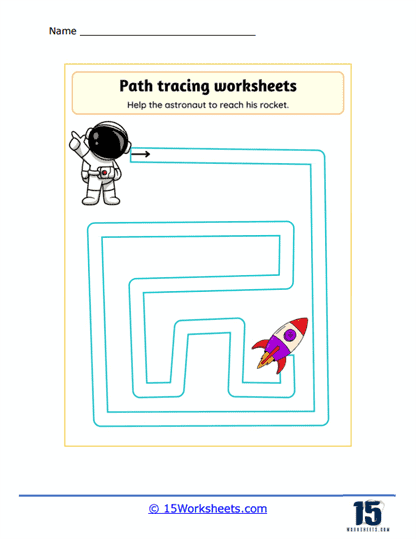
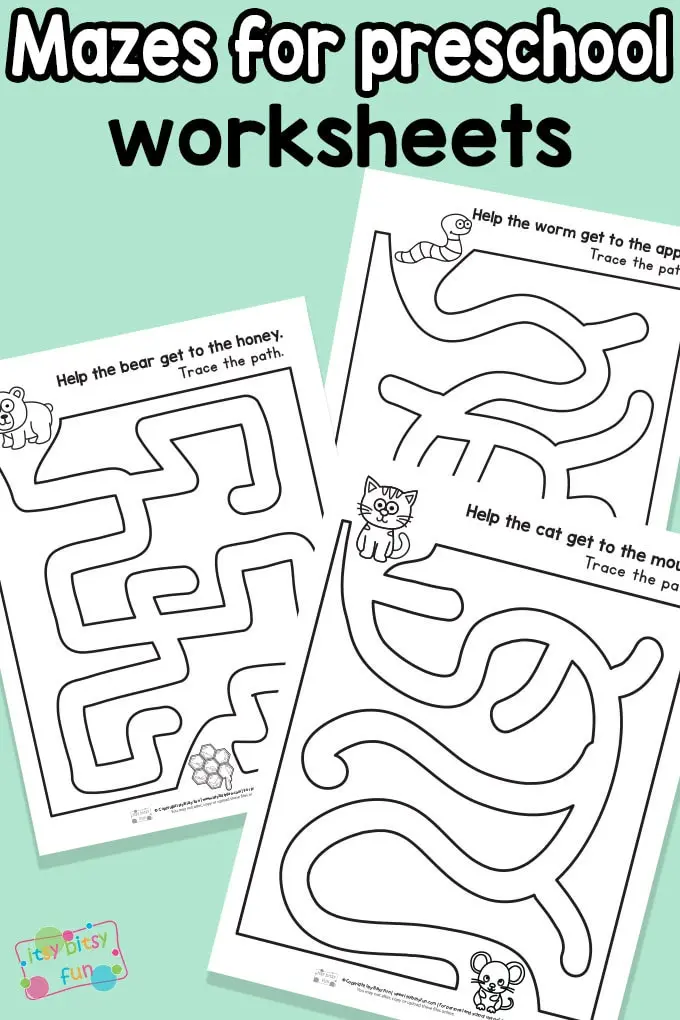
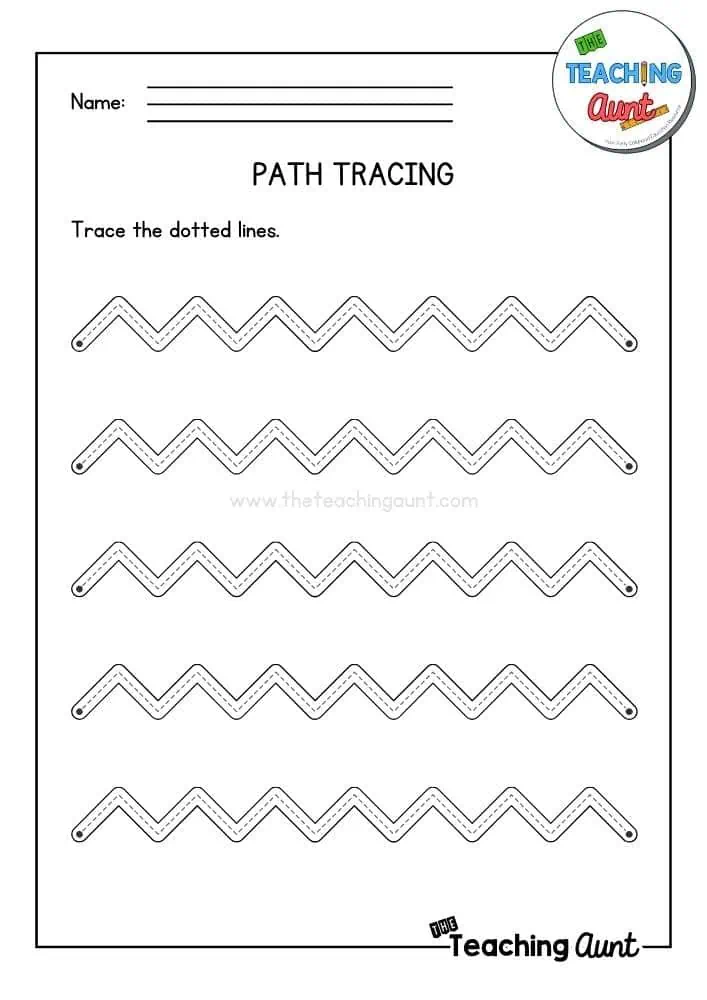
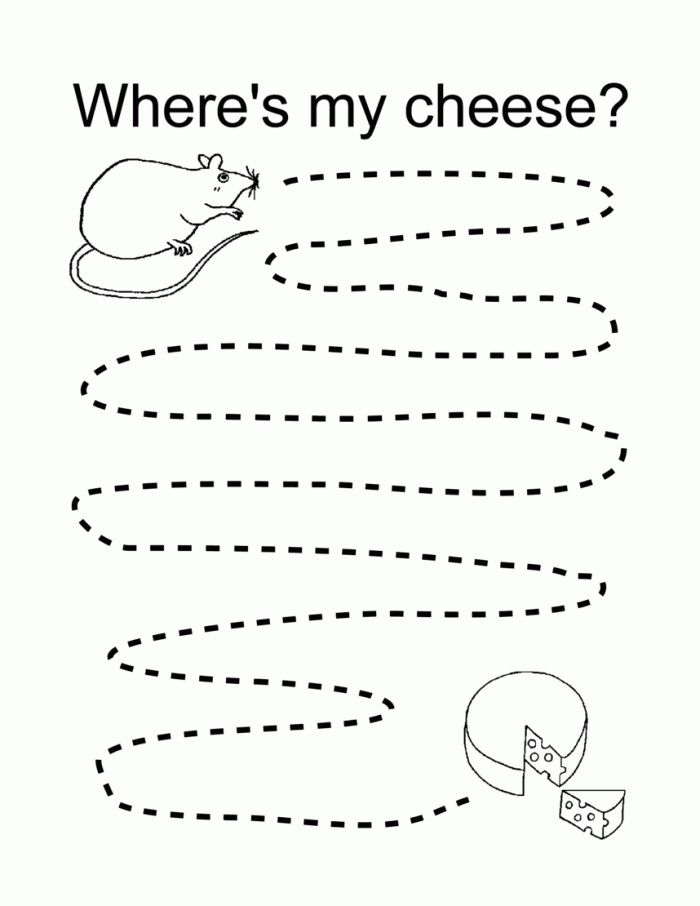
Tracing a path from A to K gives your kindergartener something concrete to do while absorbing letter shapes. This isn’t passive learning, it’s active engagement with the alphabet. Your child’s hand moves, her eyes follow, and her brain registers each letter in sequence. That combination sticks.
The mechanics are straightforward. Kids start at point A and draw or trace their way through the alphabet in order, connecting letters as they go. Along the way, they’re not just moving a pencil, they’re building letter recognition without the pressure of formal instruction. The path itself becomes a visual anchor that helps them remember what comes next.
What makes this approach effective is repetition without monotony. When you follow the A to K path on a worksheet, your child encounters each letter multiple times across different sessions, but the activity feels like play rather than drill work. They’re following a route, completing a mission, not memorizing flashcards.
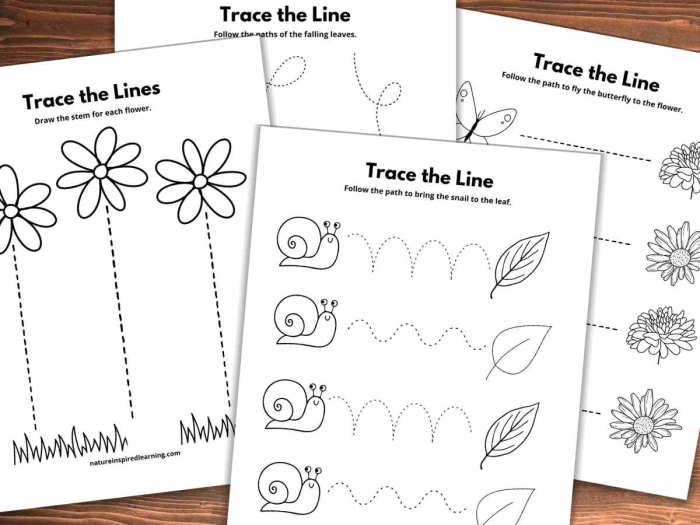
Fine motor skills develop naturally during this process too. The act of tracing strengthens hand control and finger dexterity, which kindergarteners need for writing. You get letter recognition and pencil grip improvement in one activity.
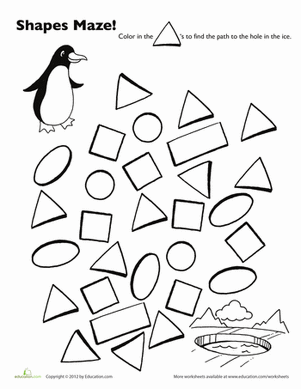
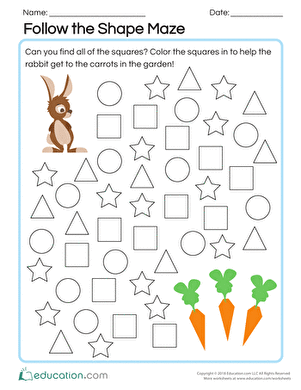
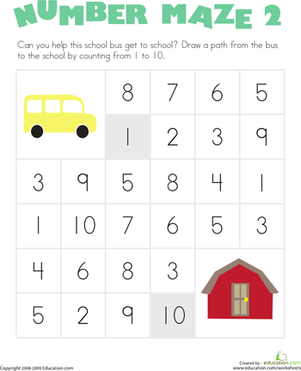
If your child finishes the basic path work and wants more challenge, you can layer in additional activities. Pairing path tracing with word family activities keeps momentum going. Or try worksheets that ask kids to count shapes alongside letter work, combining multiple skills in one session.
The path method works because it gives structure without feeling rigid. Your kindergartener knows where to start and where to finish. That clarity helps them focus on the letters themselves rather than worrying about what comes next.
Boost Skills with These Worksheets