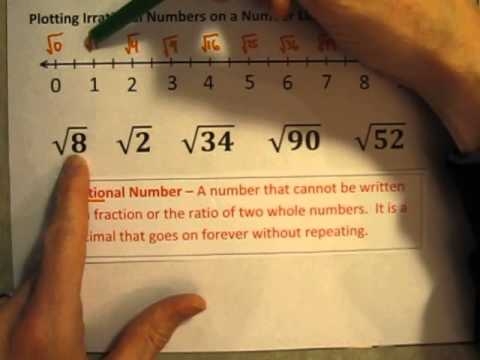
Understanding irrational numbers can be a challenge for eighth graders, but approximating them on number lines provides an effective way to grasp this concept. When students visualize irrational numbers, they can better appreciate their placement within the continuum of real numbers. This skill is crucial not only for mastering math but also for enhancing logical reasoning.
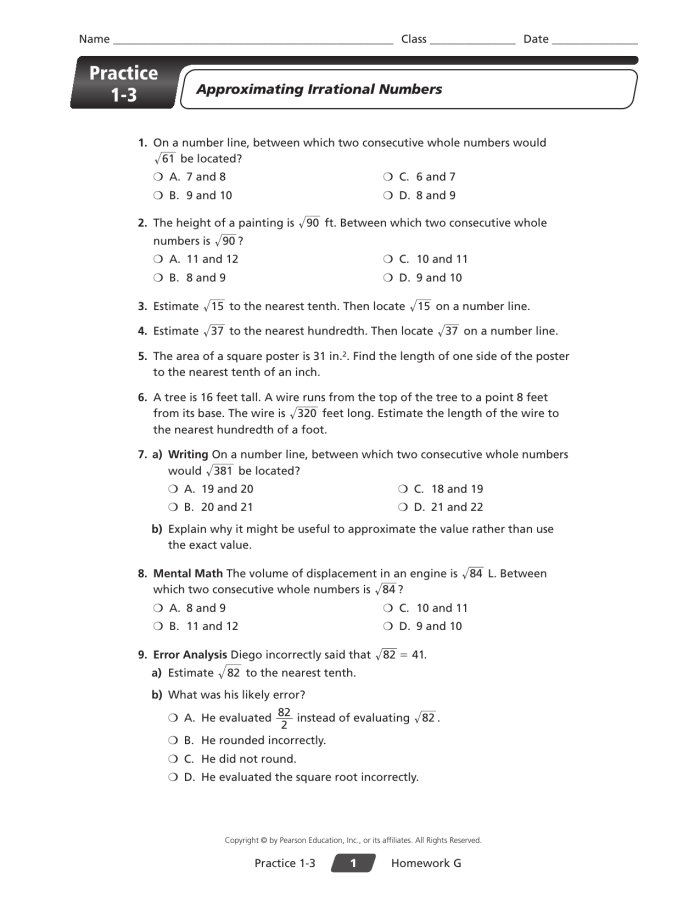
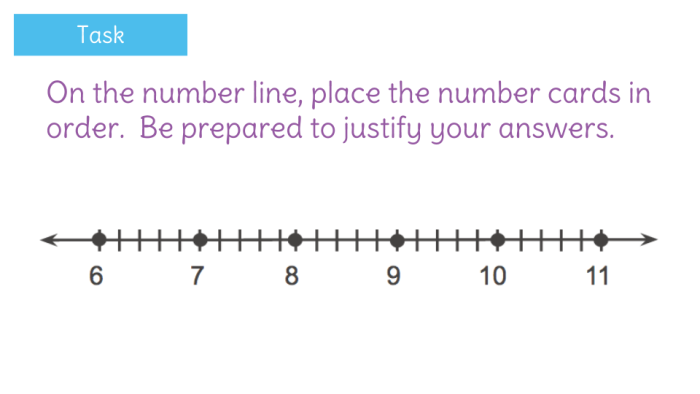
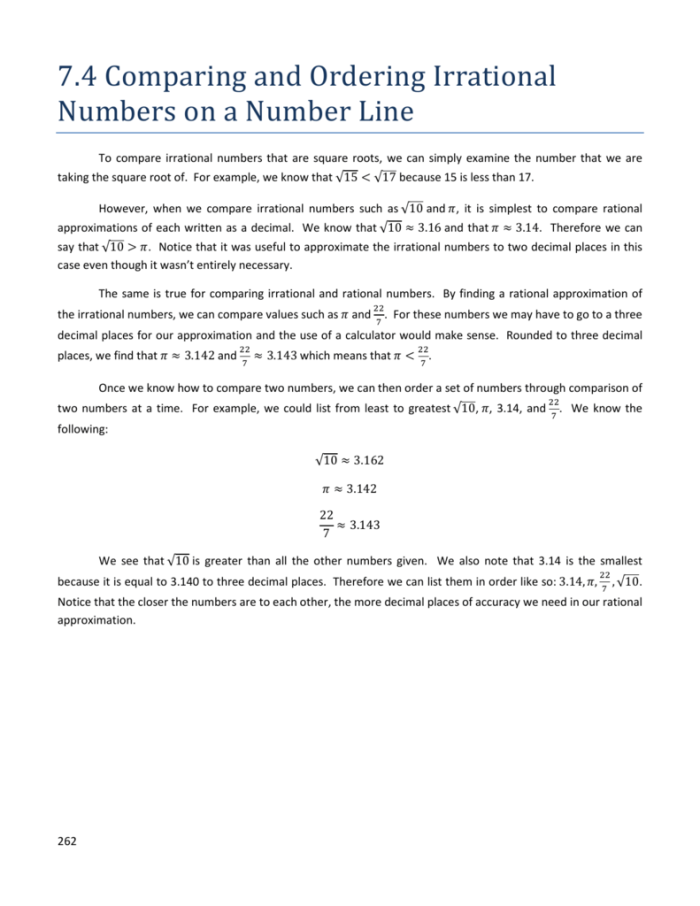
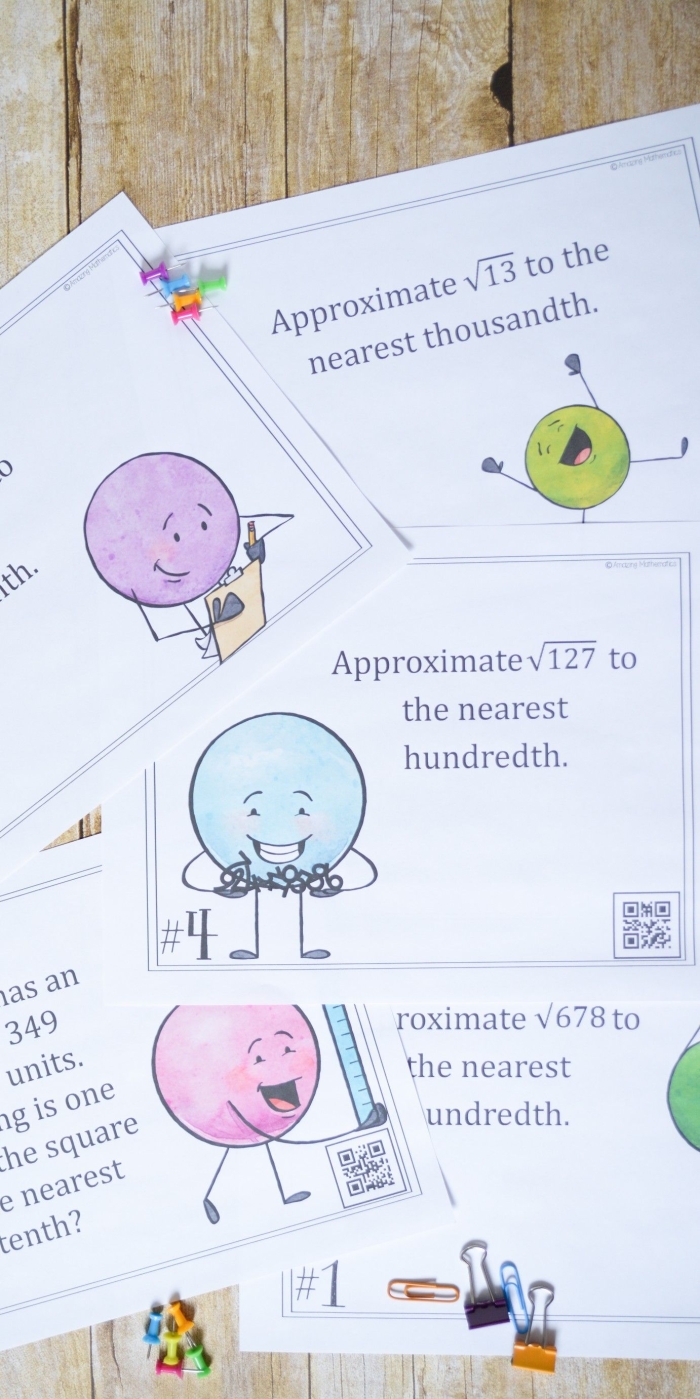
To practice approximating irrational numbers, students can use worksheets designed specifically for this purpose. For instance, by placing numbers like √2 or π on a number line, learners can see how these irrational values fit between whole numbers. This exercise reinforces their comprehension of the number line as a tool for representing all kinds of numbers, including those that cannot be expressed as simple fractions.
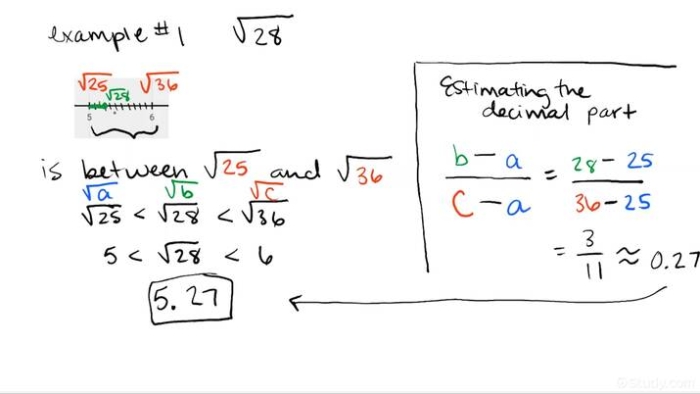
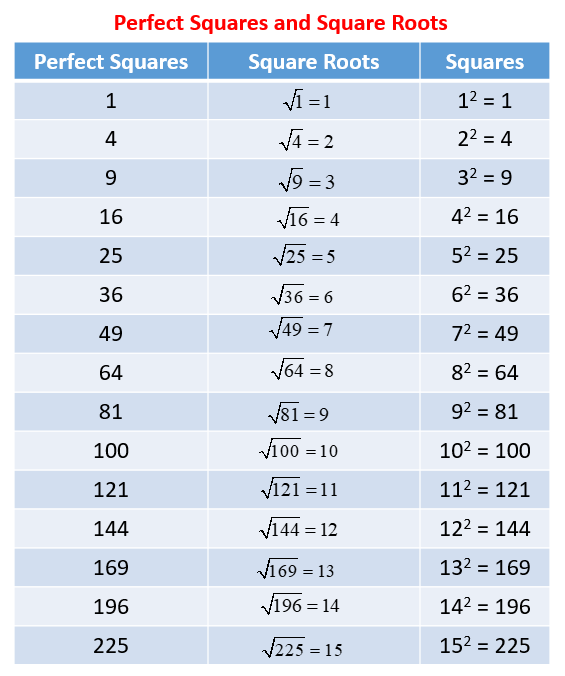
The hands-on experience of working with number lines allows students to develop a stronger intuition for the size and scope of irrational numbers. For example, when students locate √3 between 1.7 and 1.8, they are not just guessing; they are applying logical reasoning based on their understanding of squares and roots. Such exercises help bridge the gap between abstract concepts and tangible understanding.
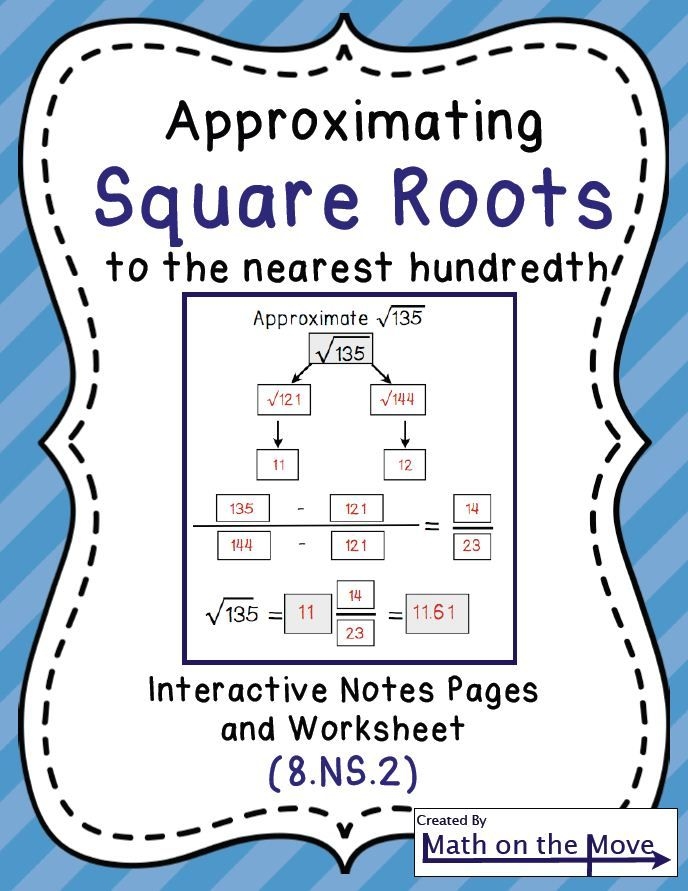
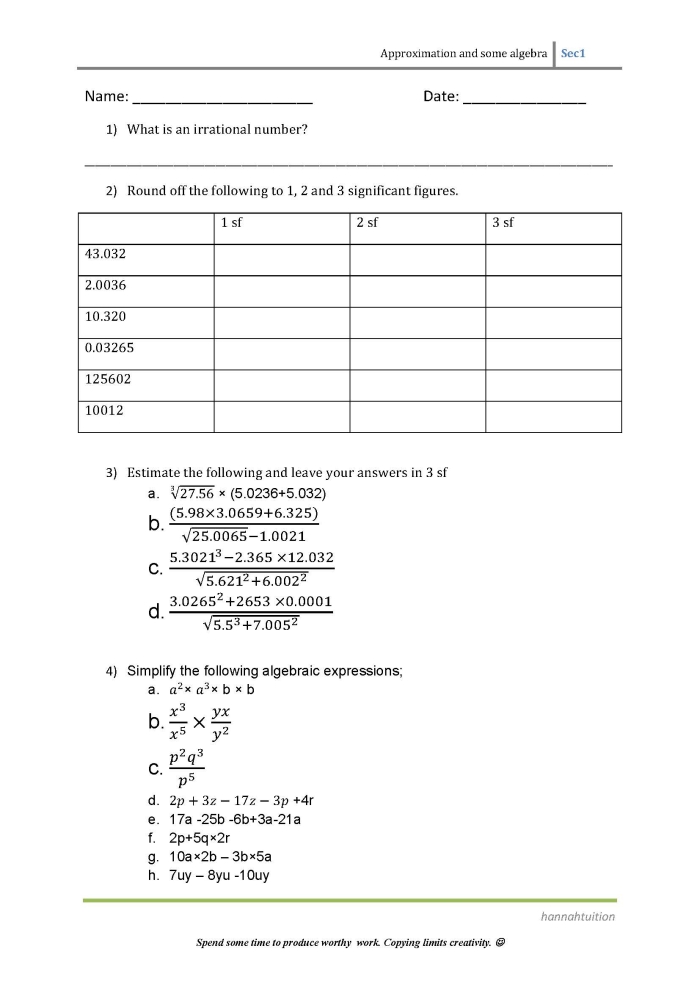
Incorporating number line exercises into the eighth-grade math curriculum can have significant benefits. Students not only get to practice essential skills but also engage with the material in a way that promotes retention. Worksheets that focus on approximating irrational numbers are beneficial resources, as they provide structured practice. For additional math practice, you can explore resources like transformations on the coordinate plane or finding slope from two points.
By engaging with these concepts through worksheets, eighth graders can enhance their understanding of irrational numbers and improve their overall math skills. This foundational knowledge is essential not only for future math classes but also for real-world applications where estimation and approximation are key.
Grab These Worksheets Now