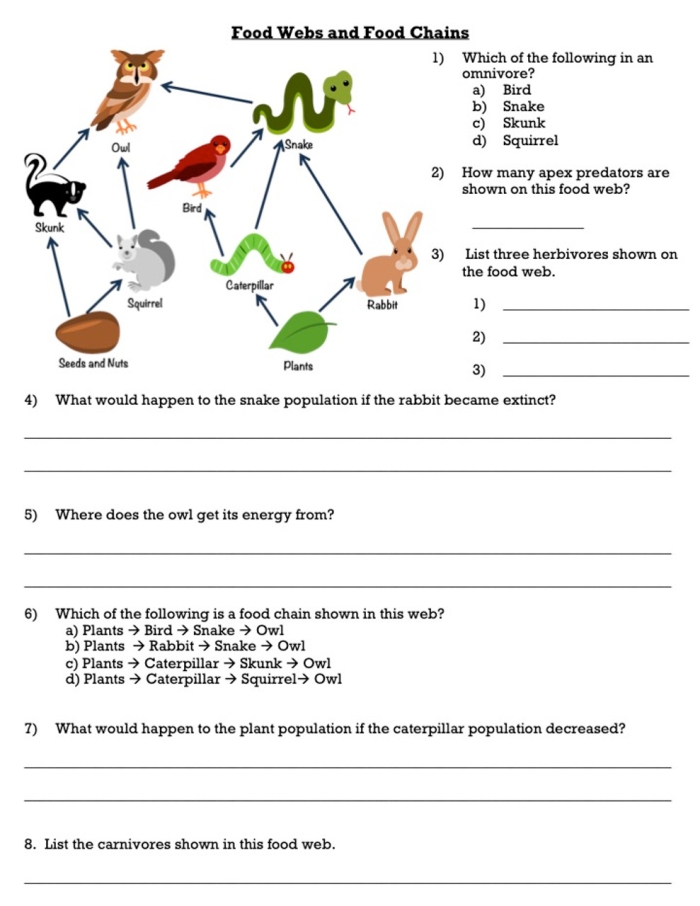
Understanding food webs is essential for young learners as they explore the intricate relationships within ecosystems. This packet of worksheets serves as a gentle introduction to this critical life science concept, perfectly tailored for fourth-grade students. By engaging with these materials, children can begin to grasp how various organisms interact and depend on each other for survival.
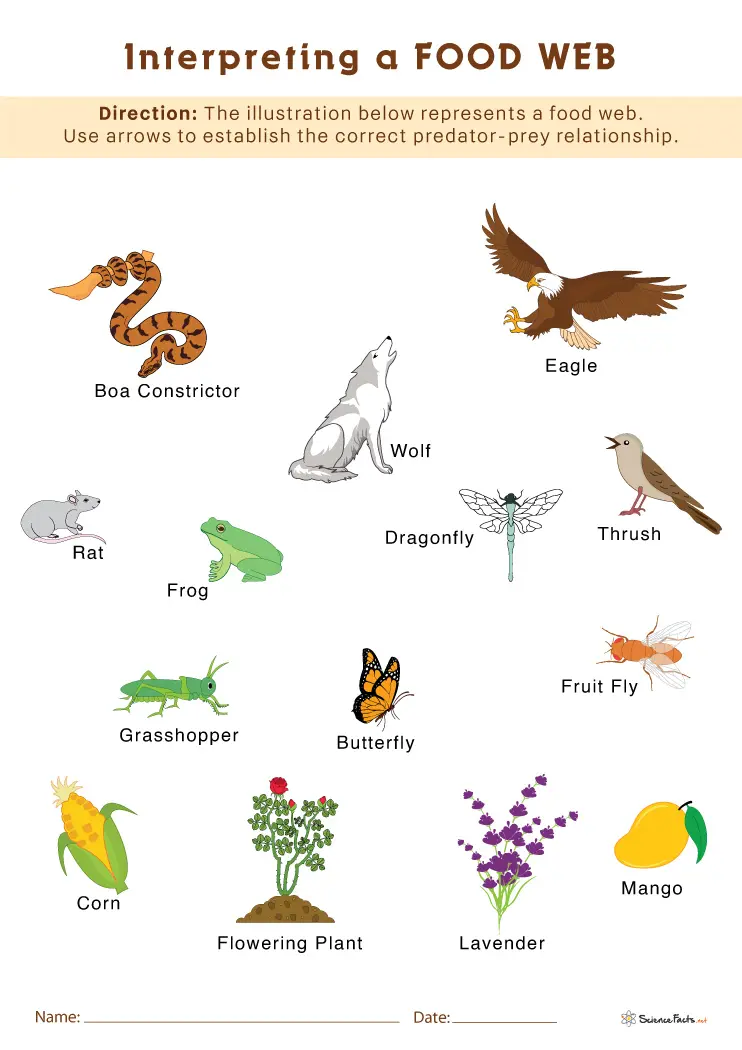
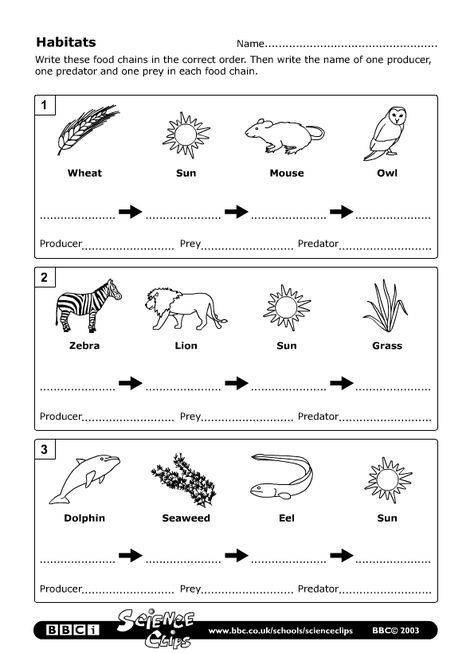
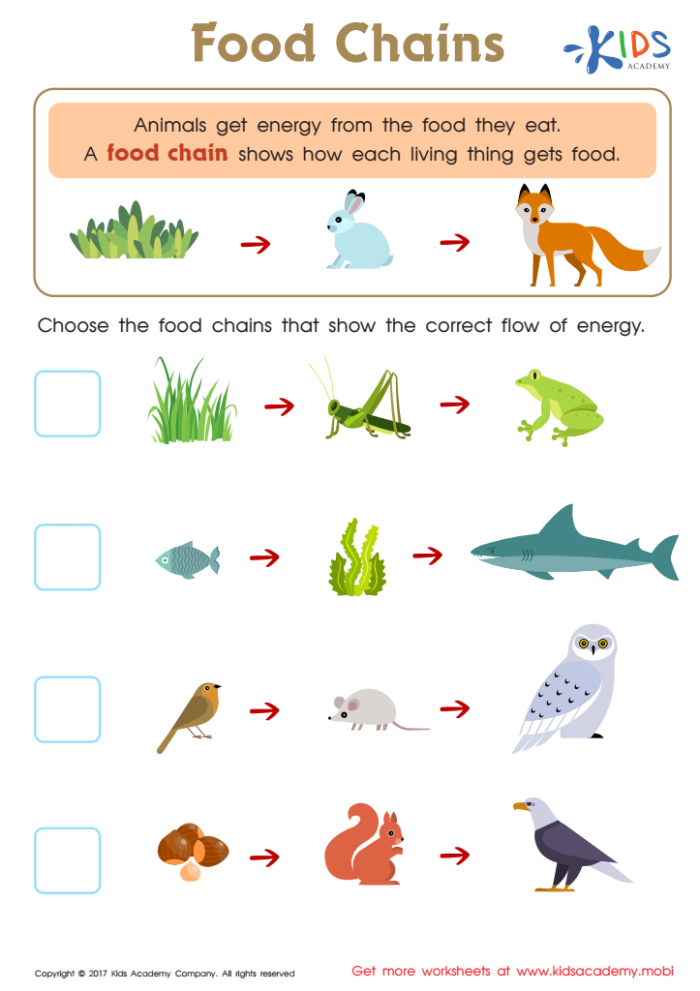
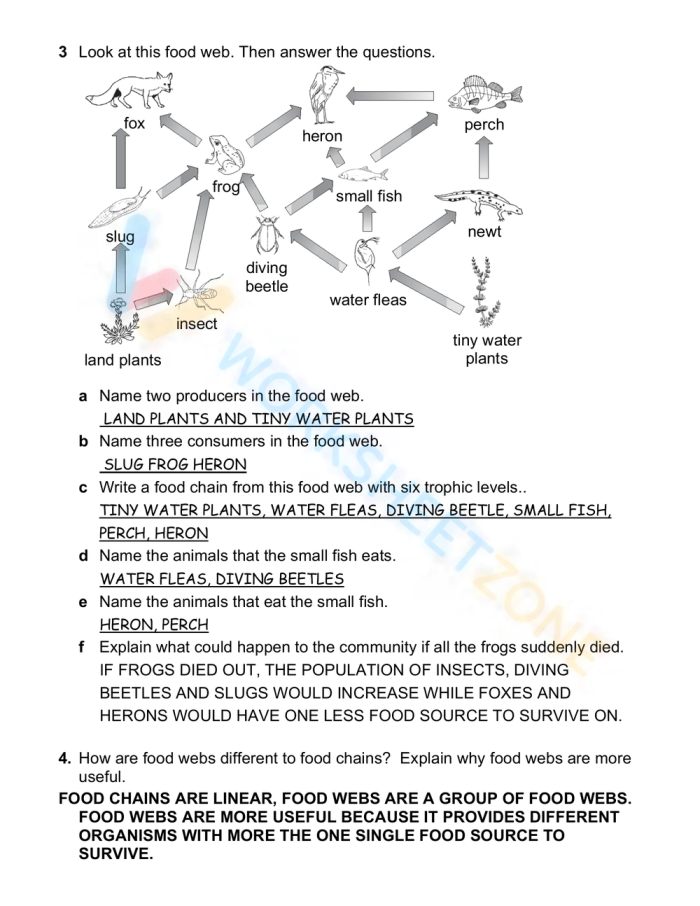
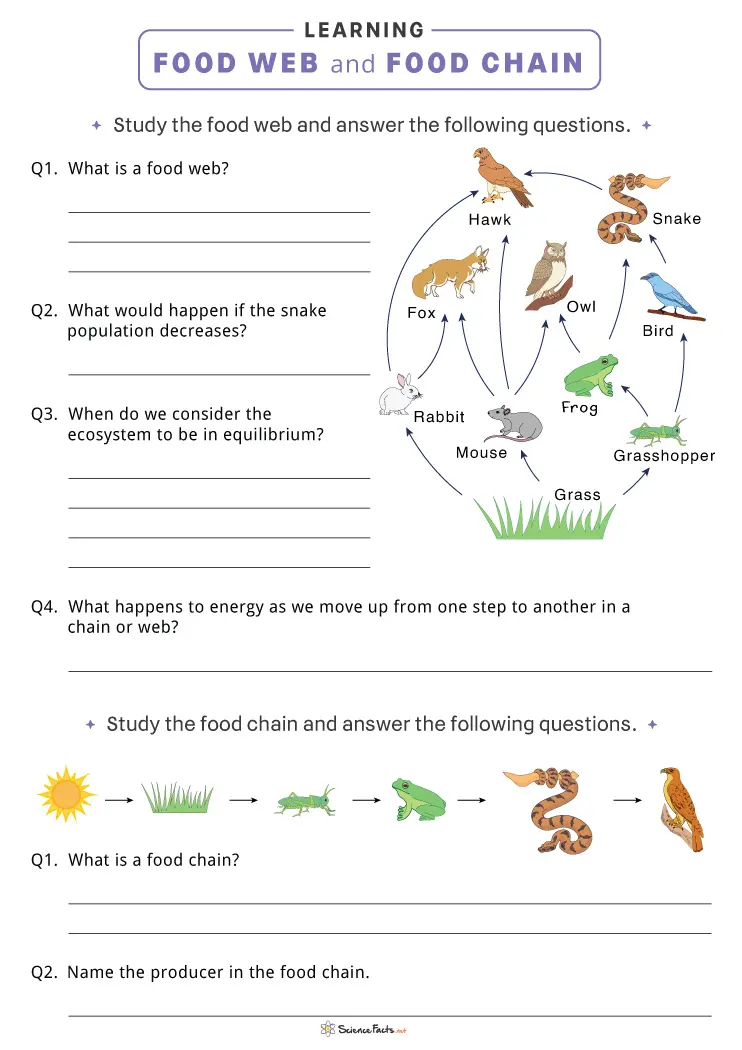
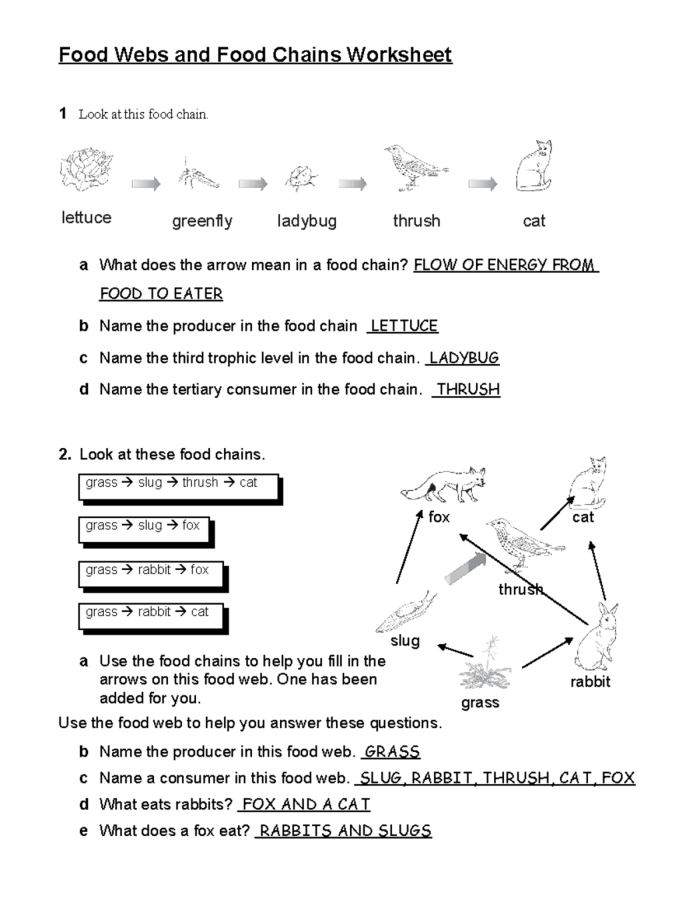
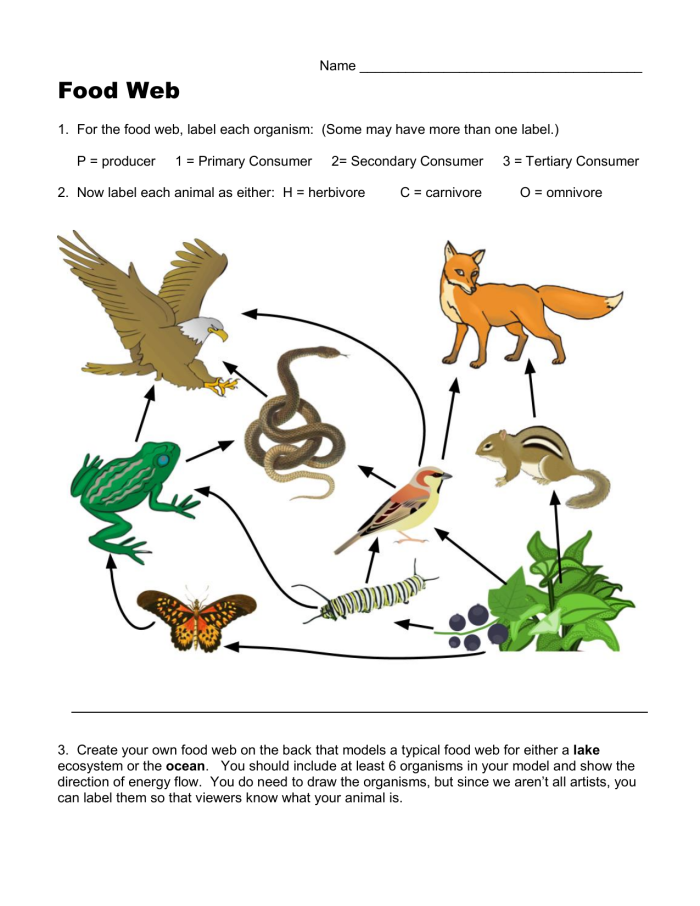
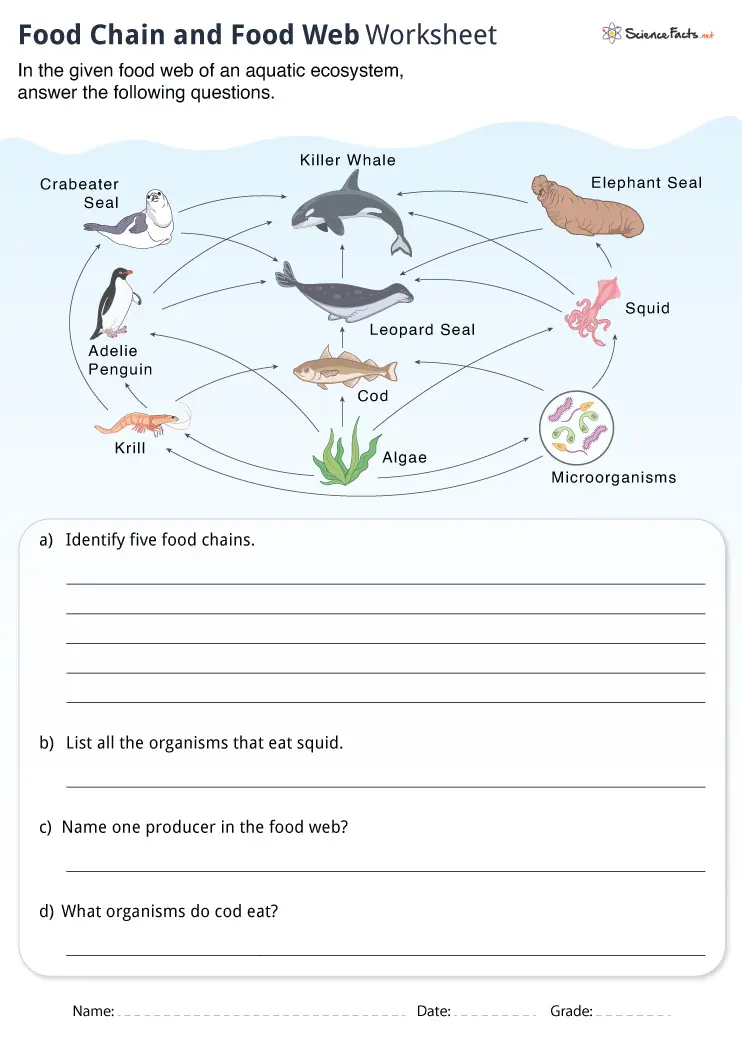
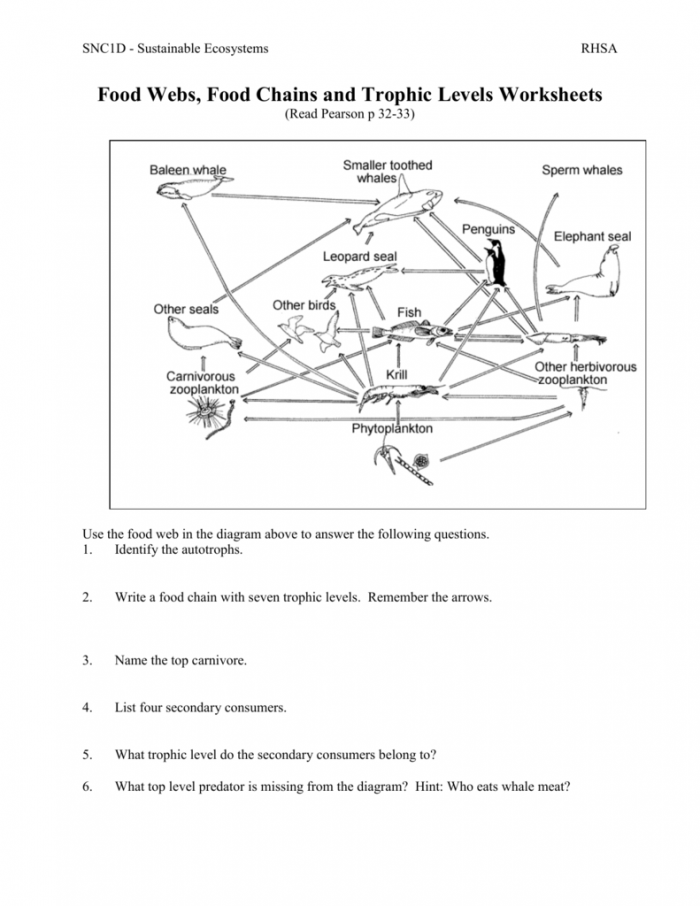
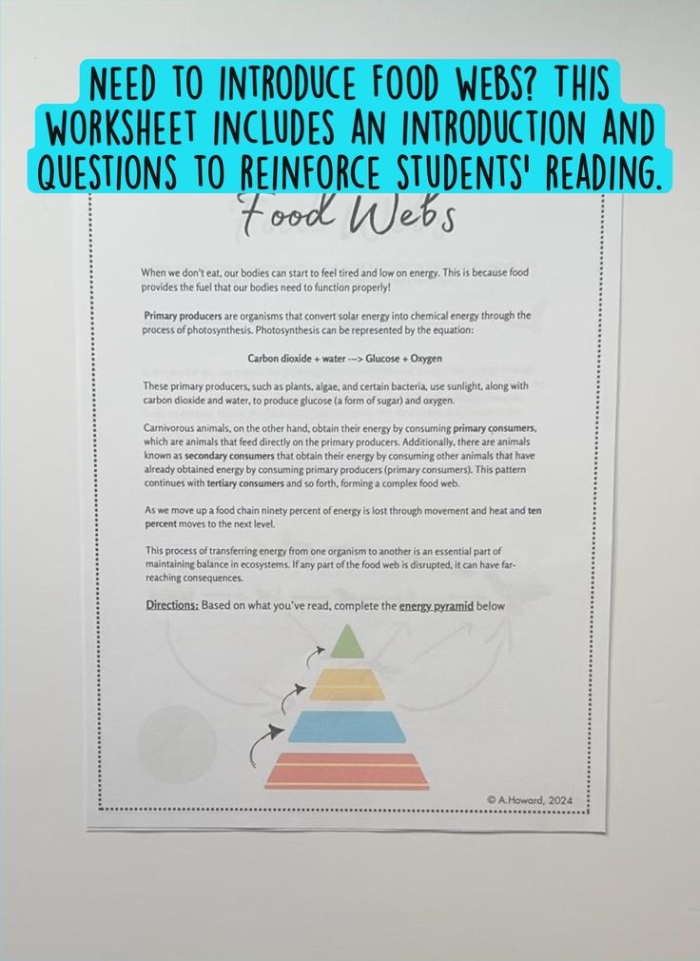
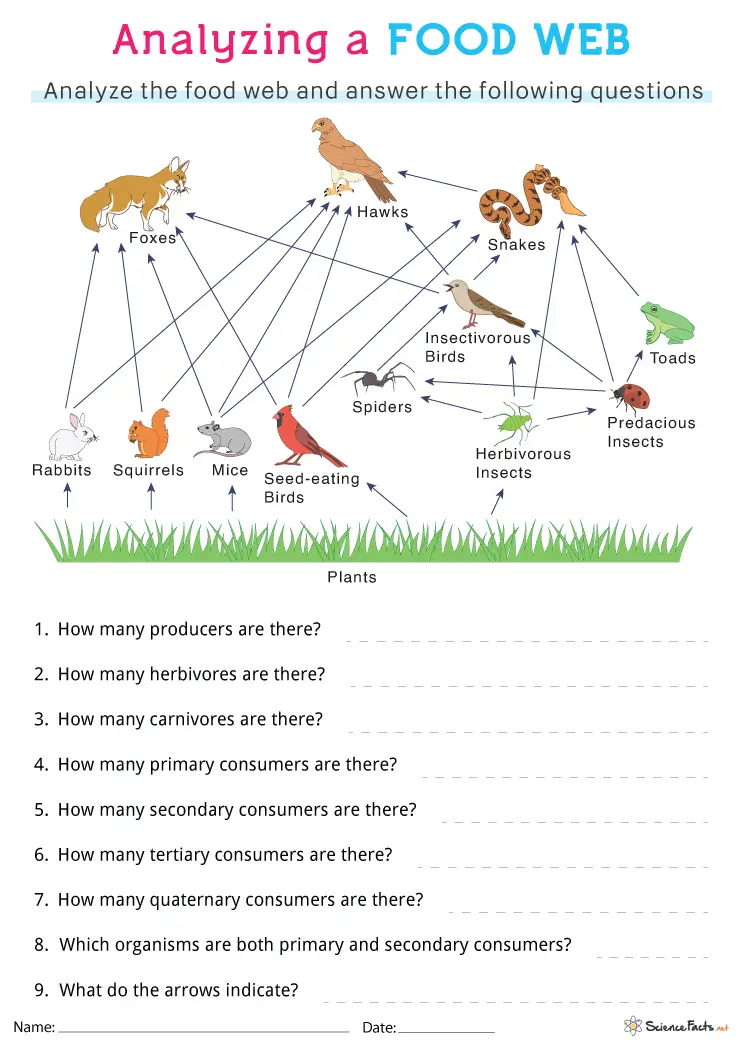
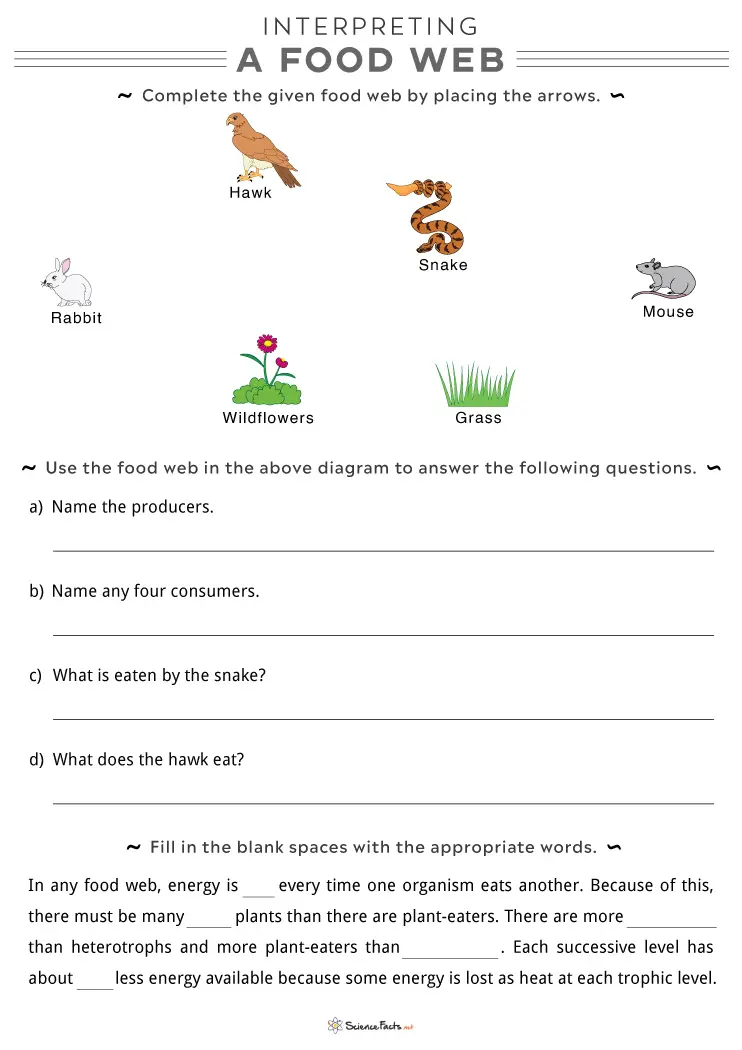
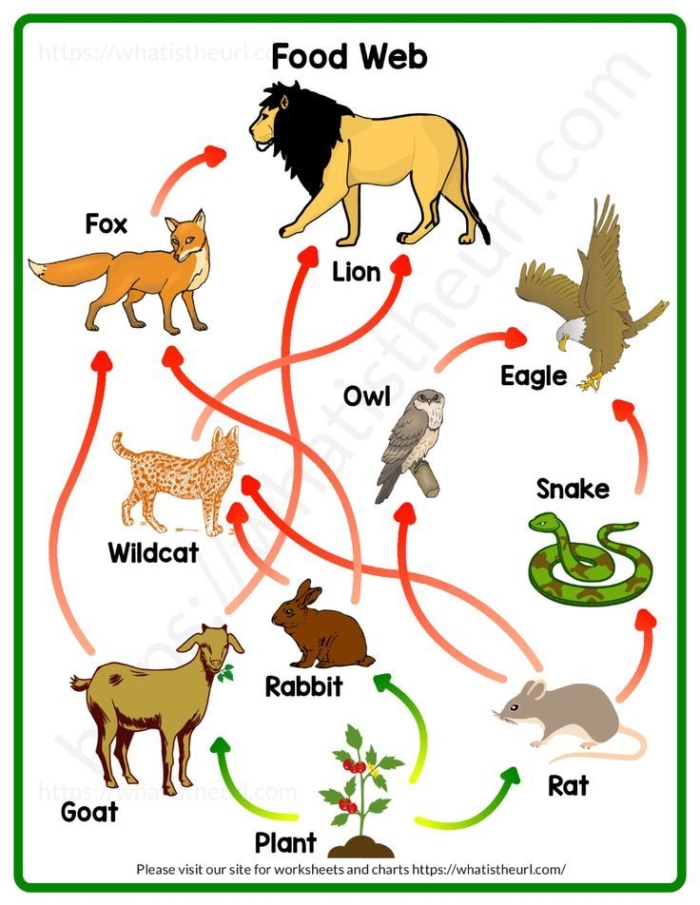
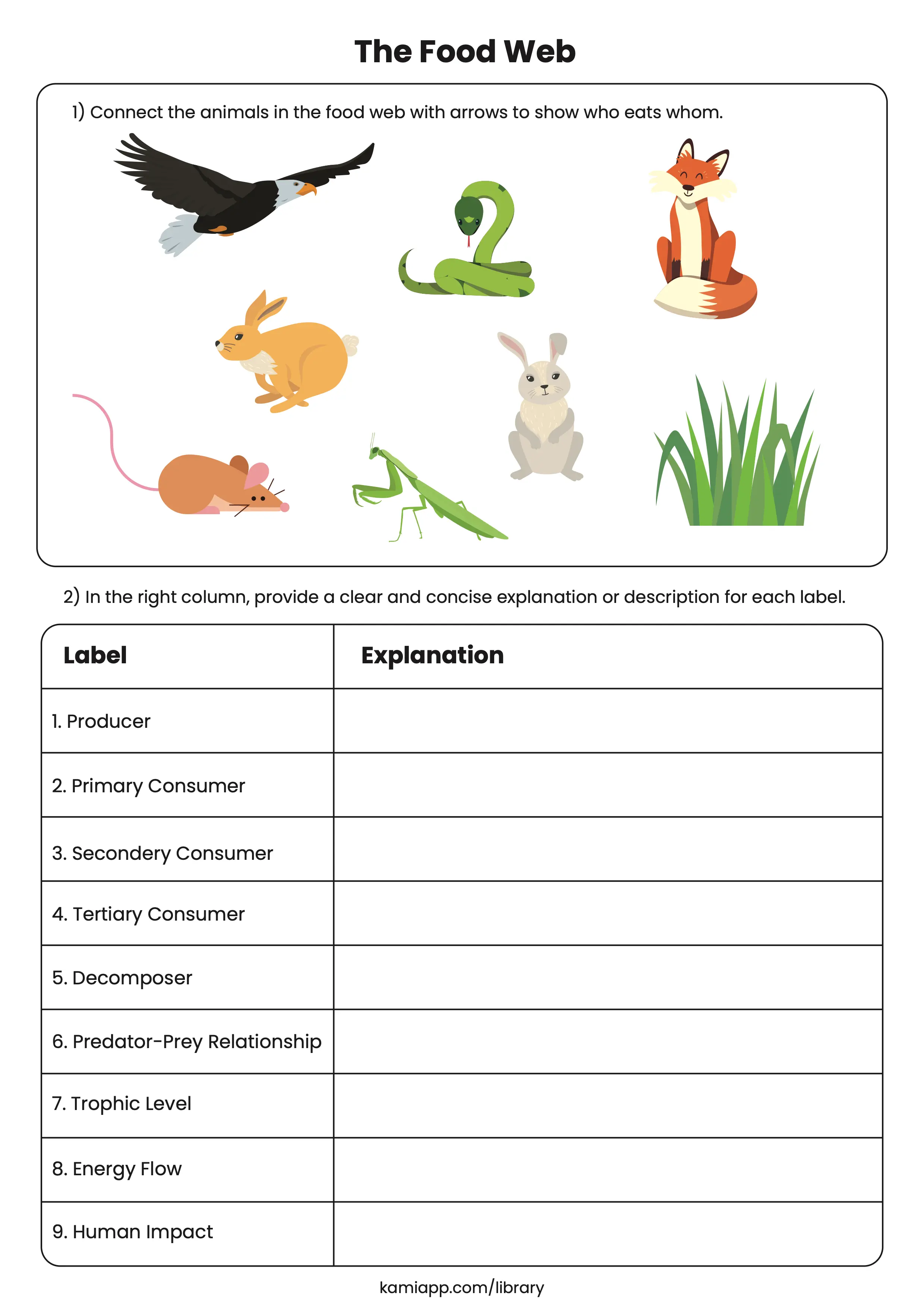
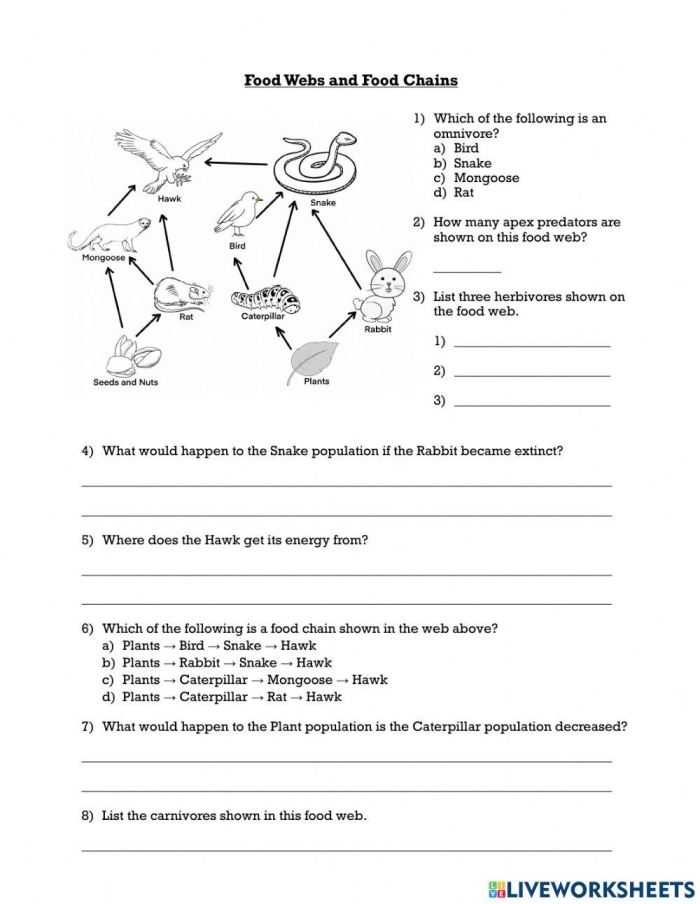
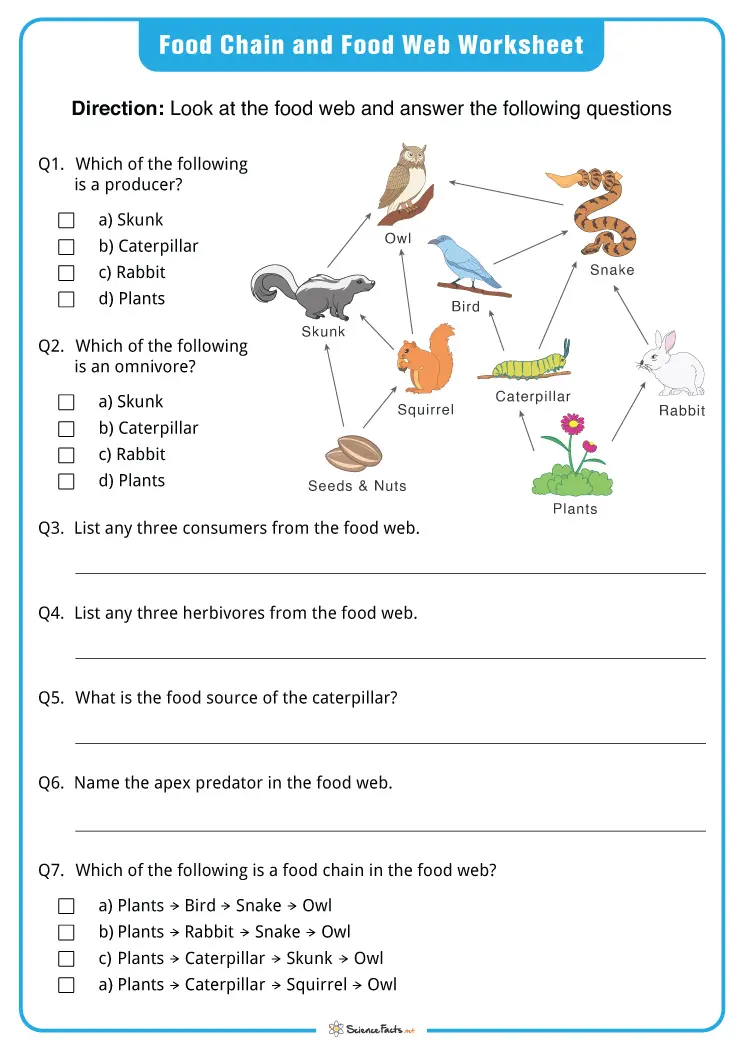
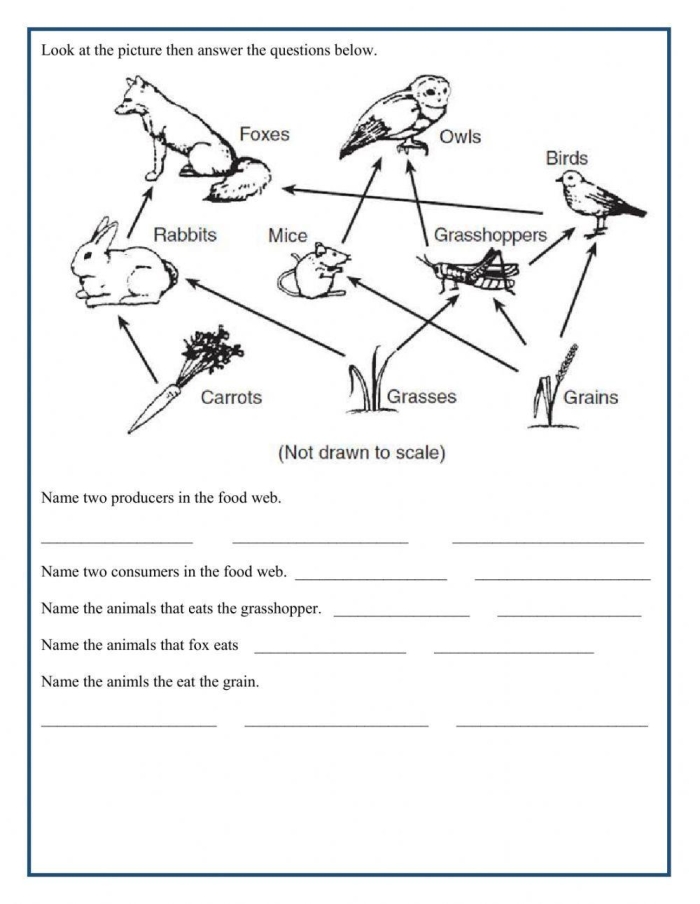
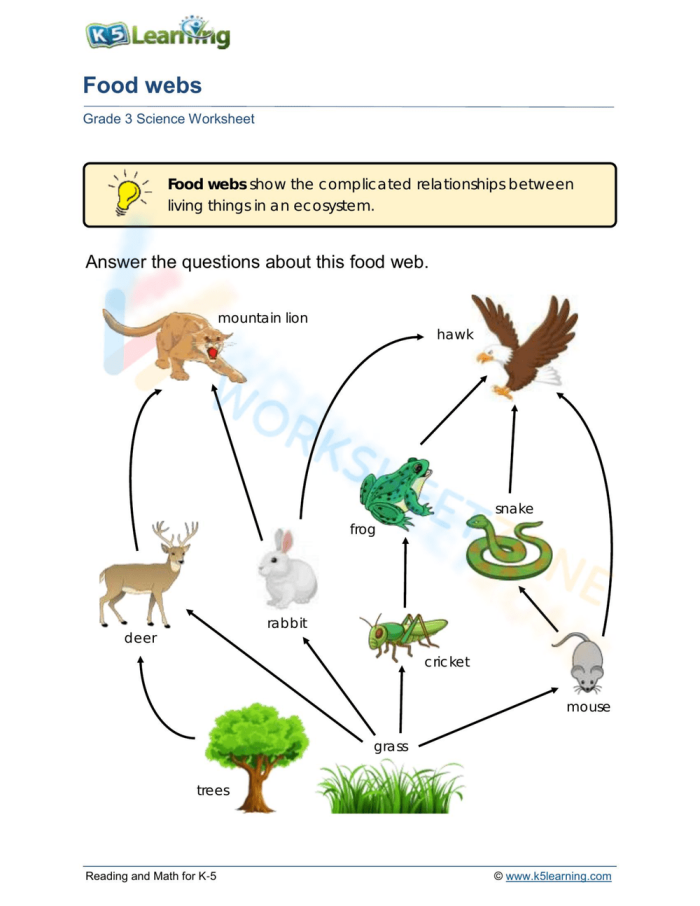
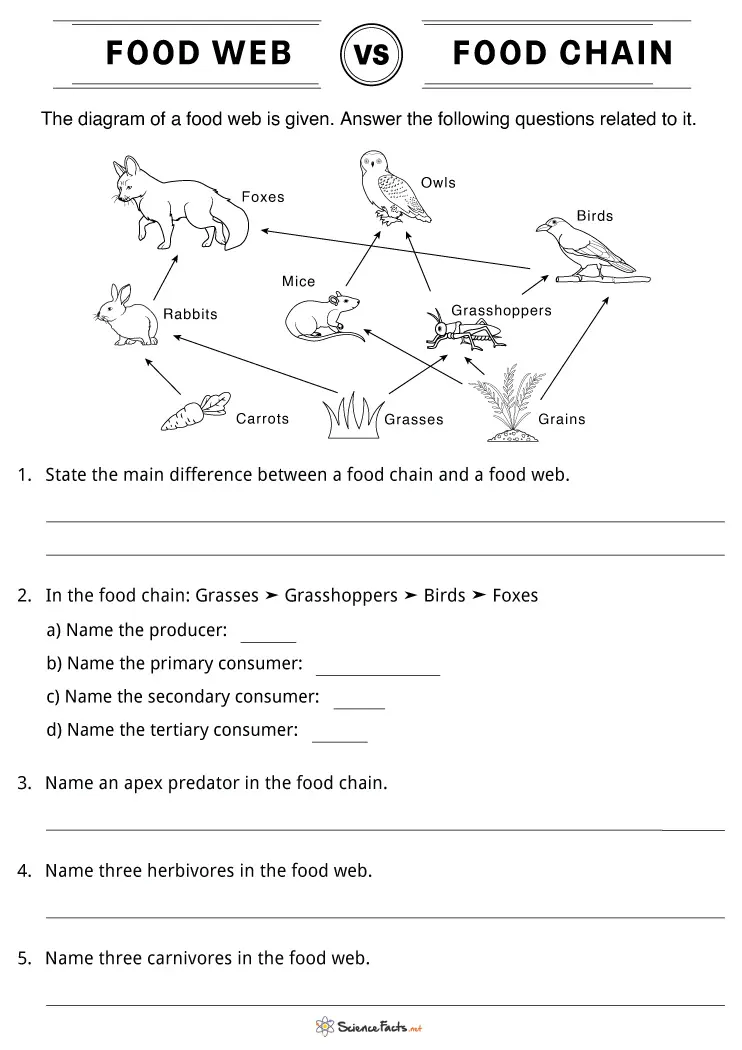
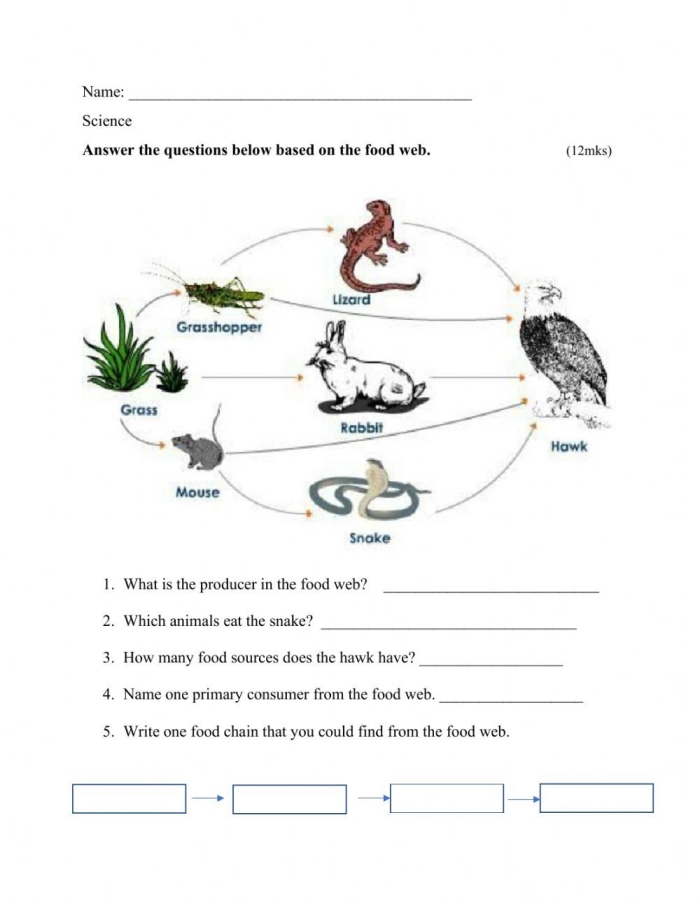
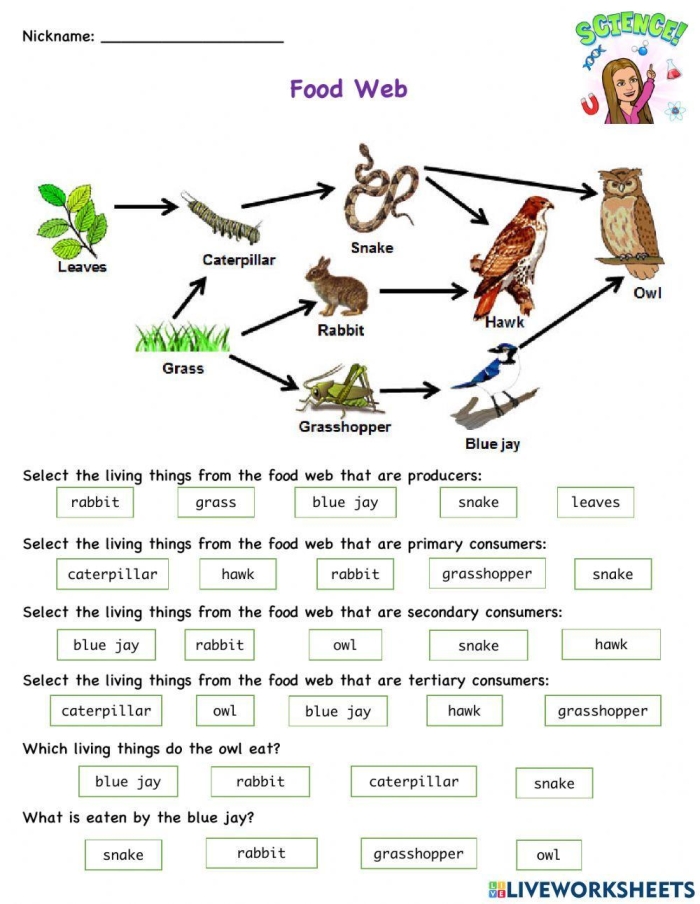
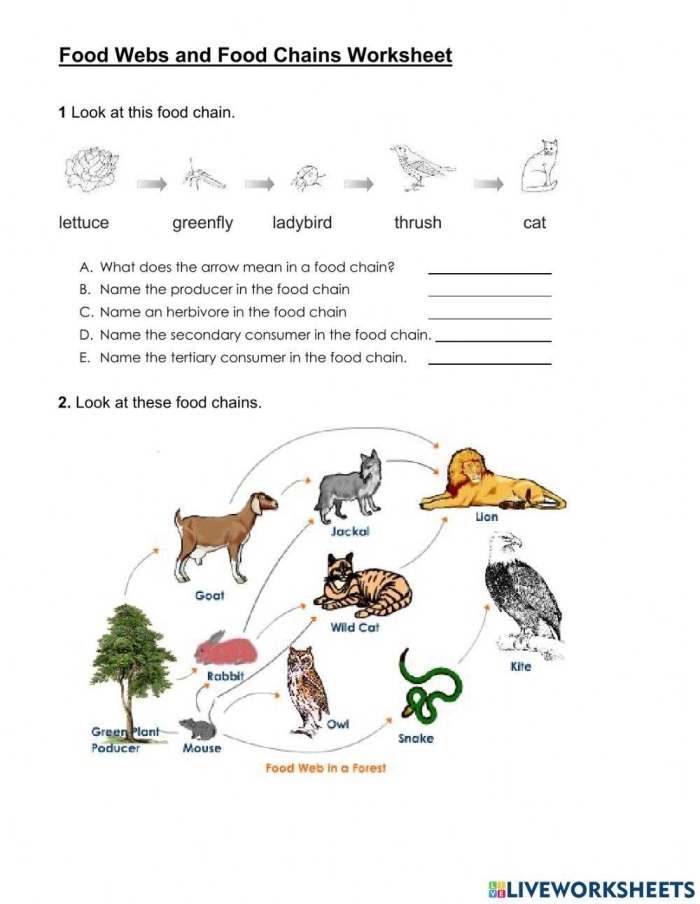
Food webs illustrate the complex feeding relationships among different species in an ecosystem. For example, a simple food web might include plants, herbivores like rabbits, and predators such as foxes. Recognizing these connections helps students appreciate the balance of nature and the importance of each organism within it. The worksheets guide children through identifying producers, consumers, and decomposers, providing a foundational understanding of how energy flows in an ecosystem.
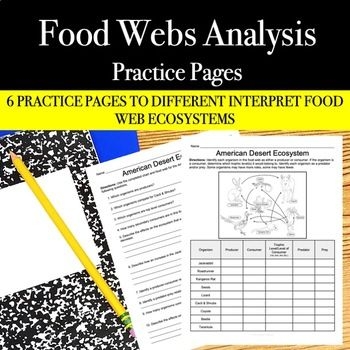
One exciting aspect of these worksheets is that they incorporate visual elements alongside written explanations. Students can draw their own food webs, labeling each component, which reinforces their comprehension through creativity. This hands-on approach not only makes learning enjoyable but also memorable. By using diagrams to represent food webs, children can see firsthand how energy moves from one organism to another, solidifying their understanding of this concept.
Moreover, these printable worksheets can be easily integrated into classroom discussions or used for home study. For instance, after completing the food web activities, educators can encourage students to explore related topics, such as different ecosystems or the role of specific animals within a food web. This can lead to engaging discussions about biodiversity and conservation efforts.
As students dive deeper into these worksheets, they may also find connections to other subjects, such as mathematics, when calculating the populations of different species or understanding area calculations related to habitats. For example, worksheets like the Practice Finding Area: Victor the Vacuum can complement their understanding of space in ecosystems.
Incorporating food webs into the fourth-grade reading curriculum not only enriches students’ knowledge of life sciences but also enhances their critical thinking and analytical skills. By using these worksheets, teachers can foster a deeper appreciation for nature and the delicate balance that sustains life on our planet.
Worksheet Practice Section