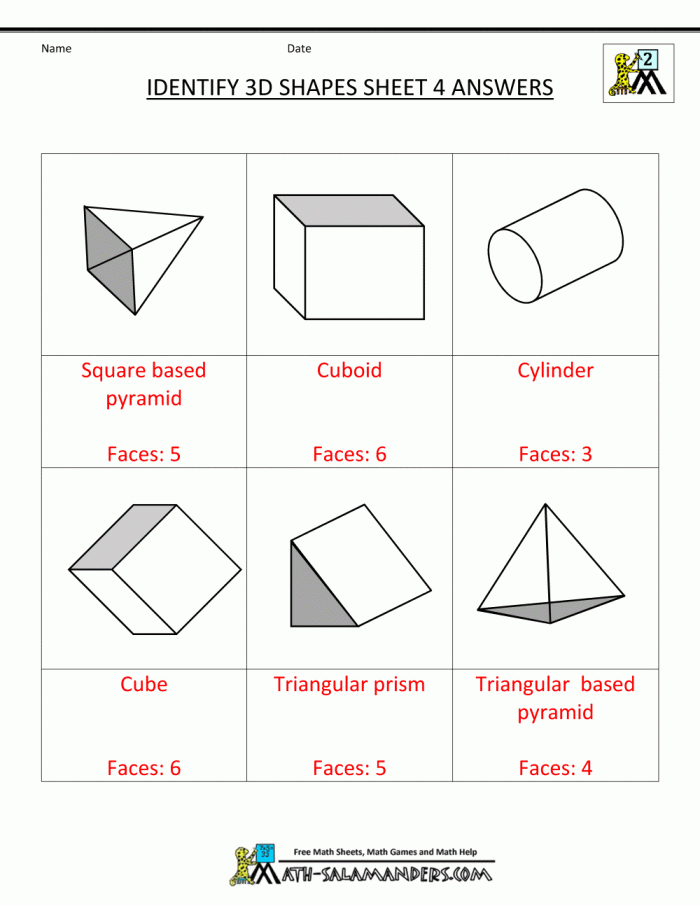
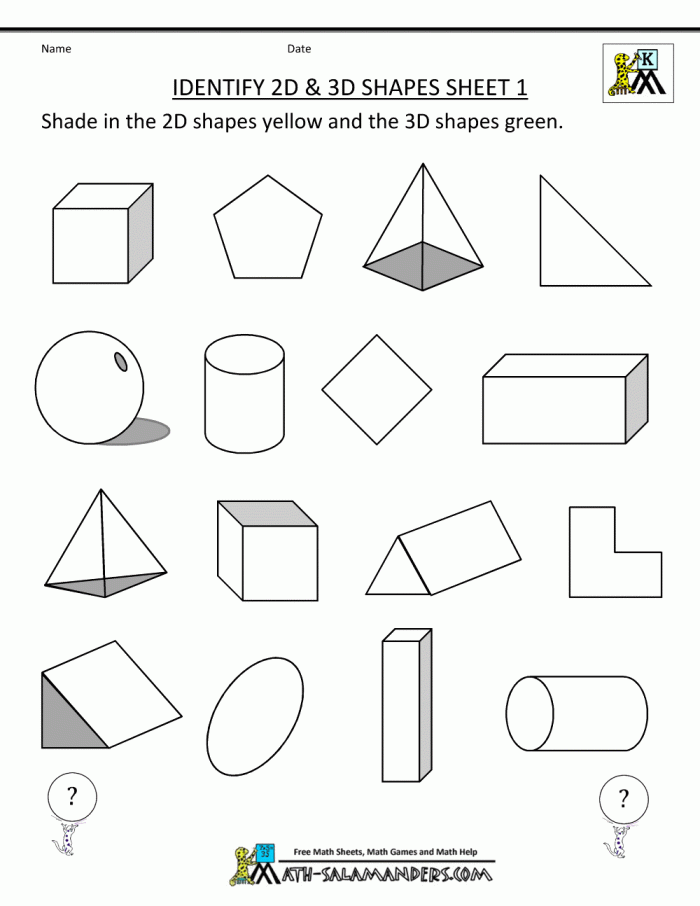
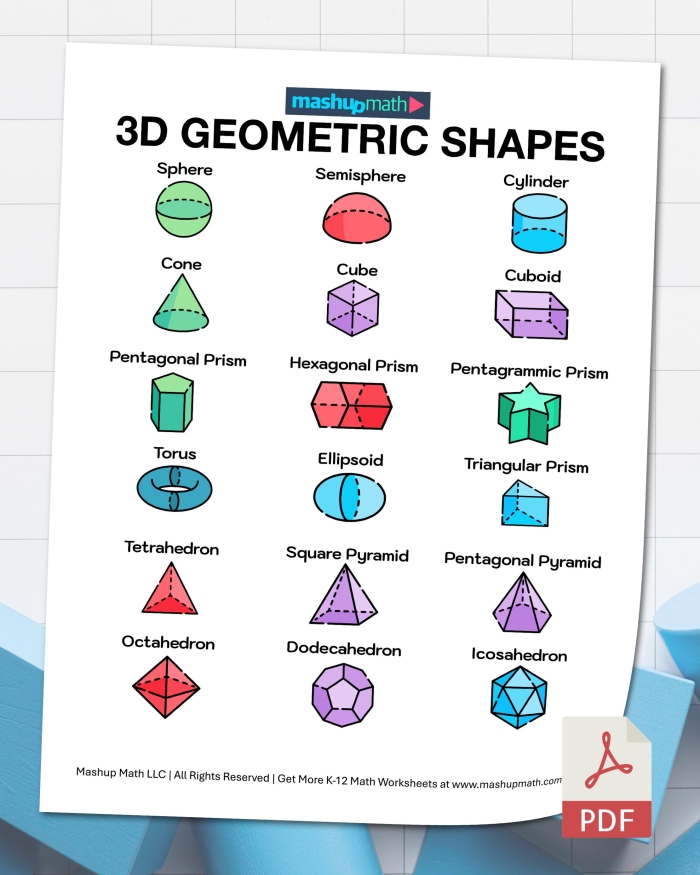
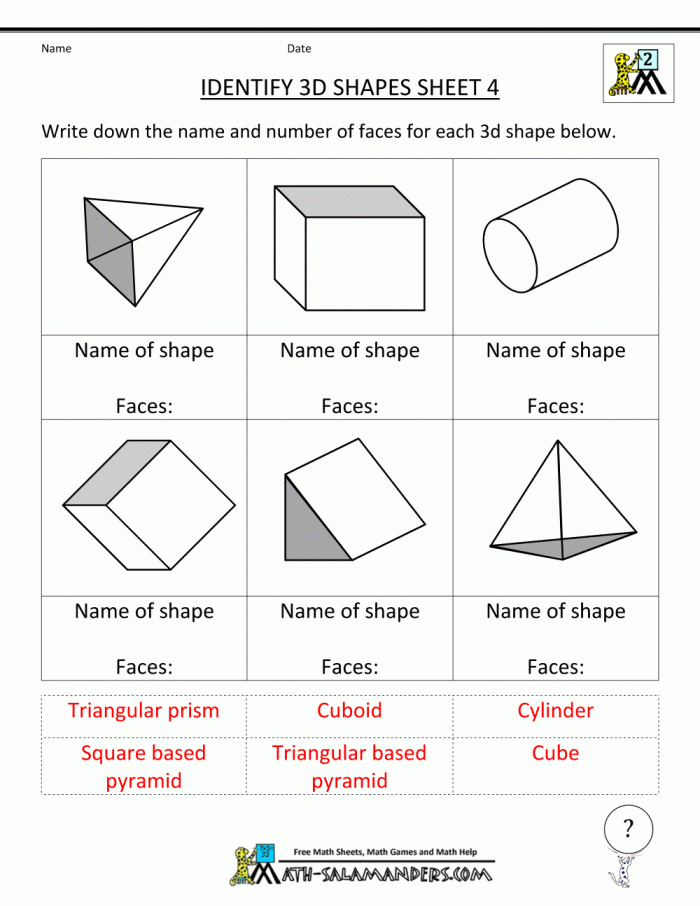
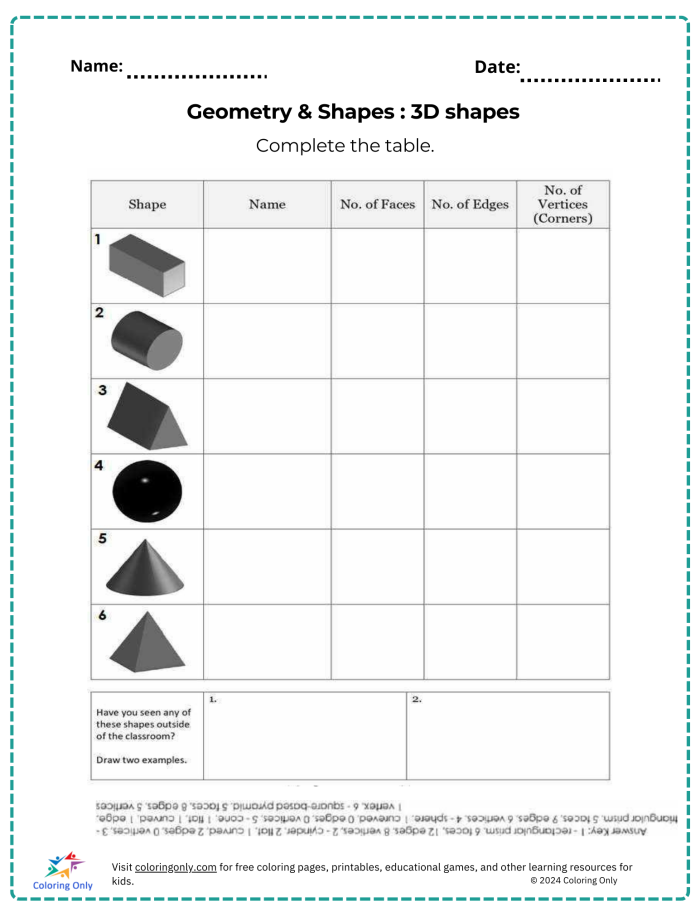
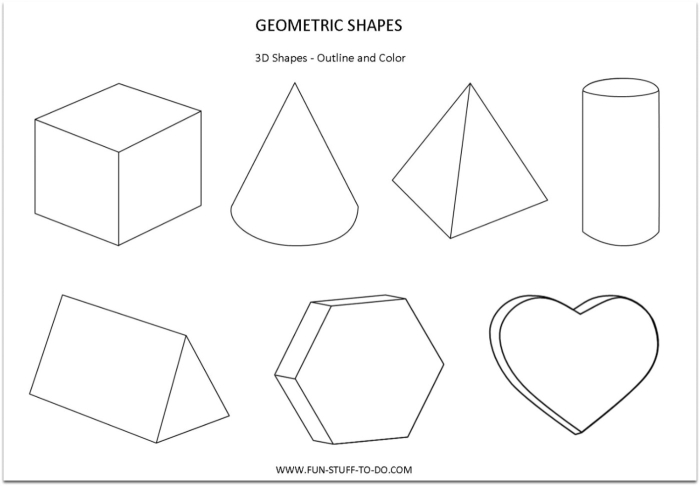
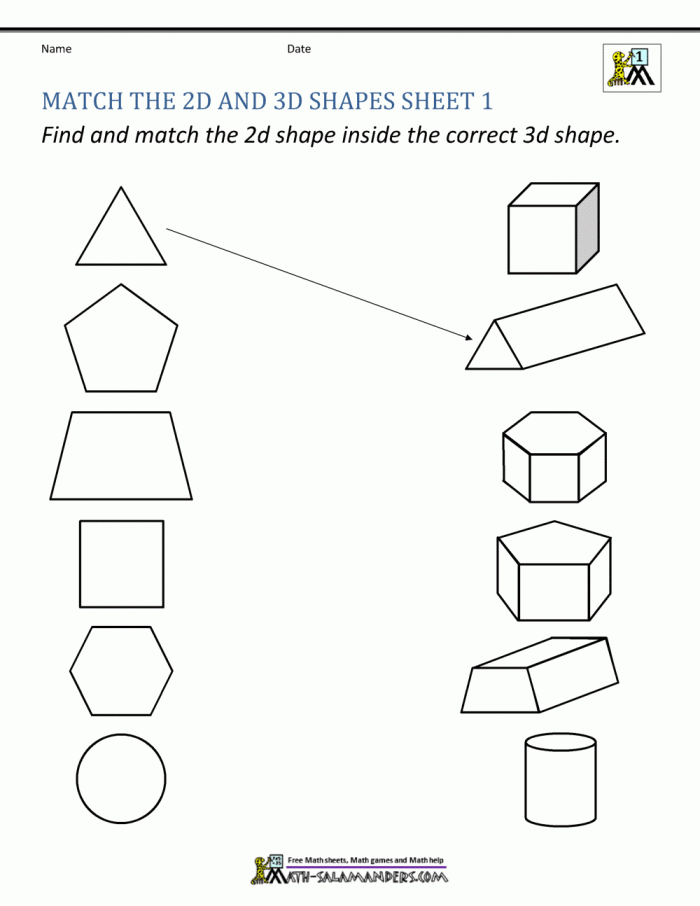
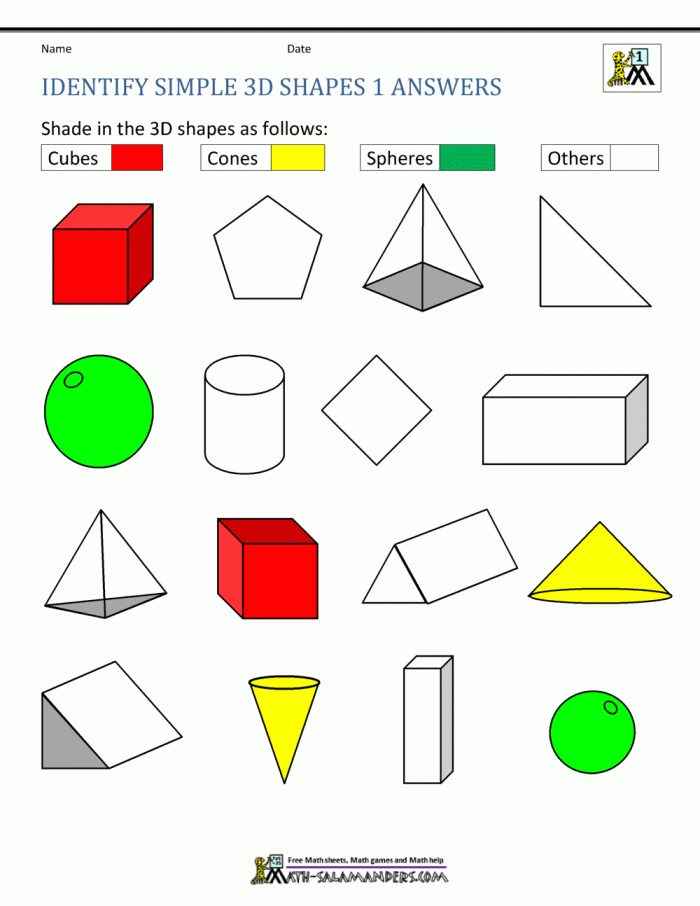
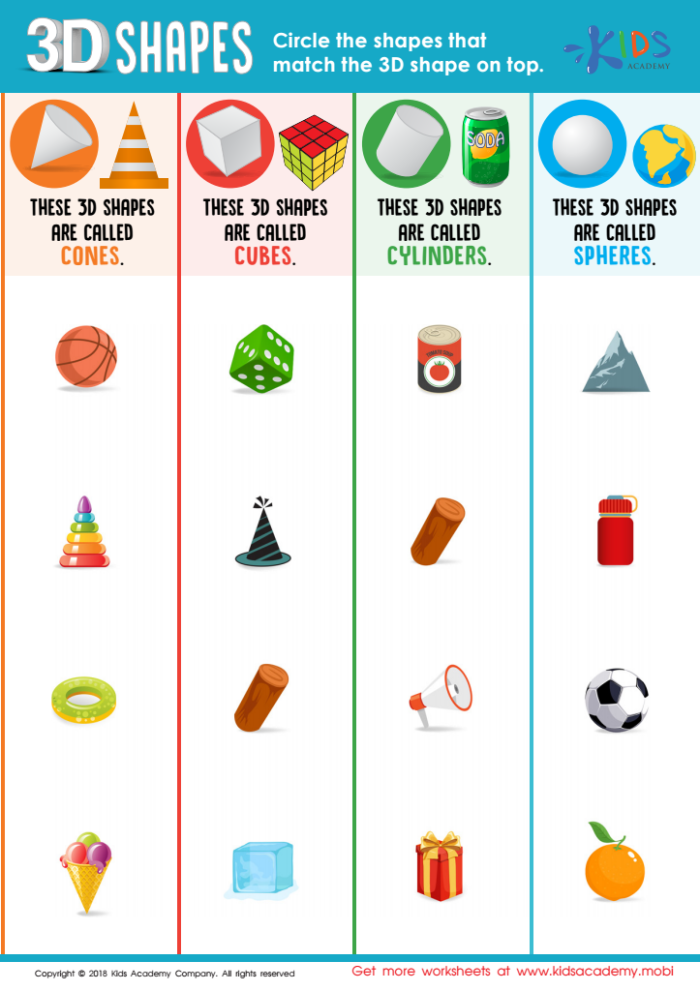
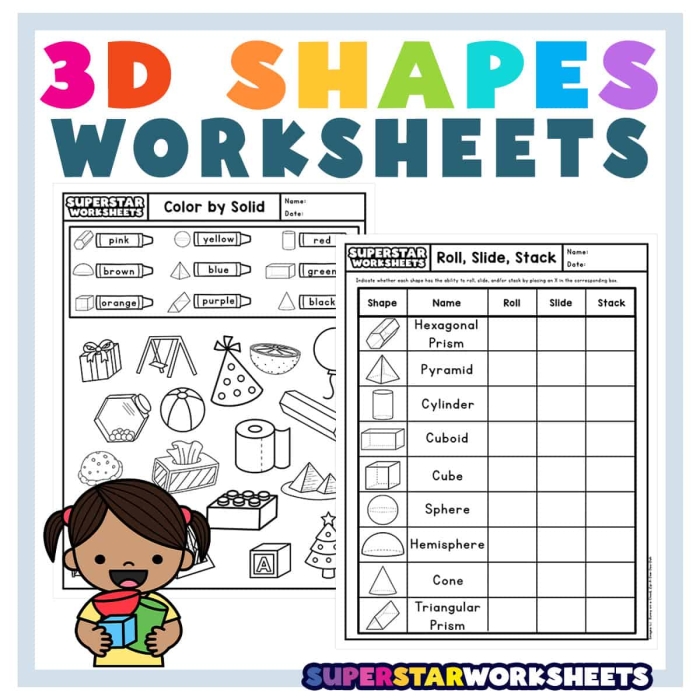
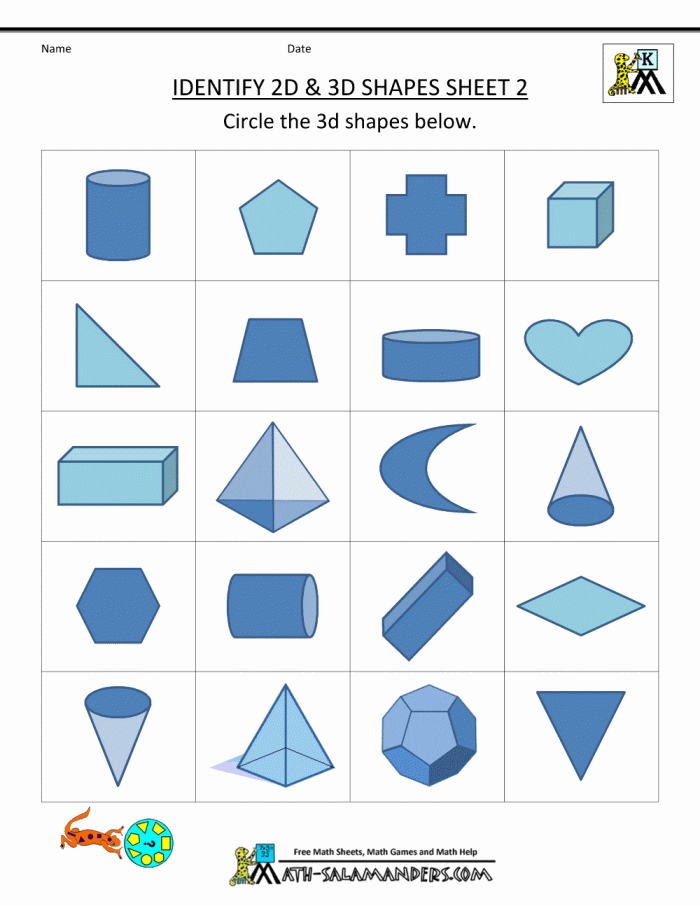
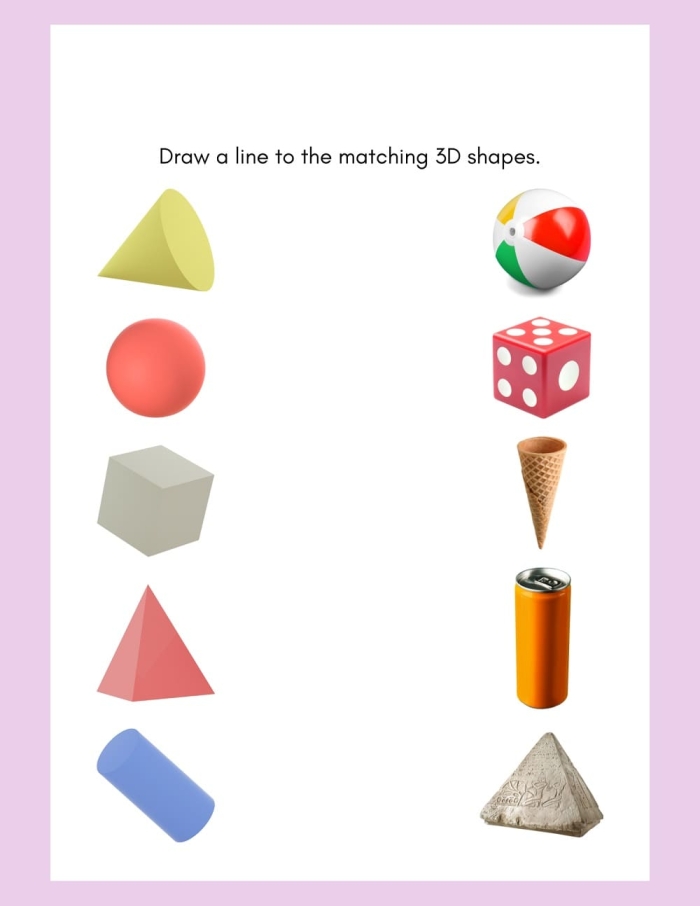
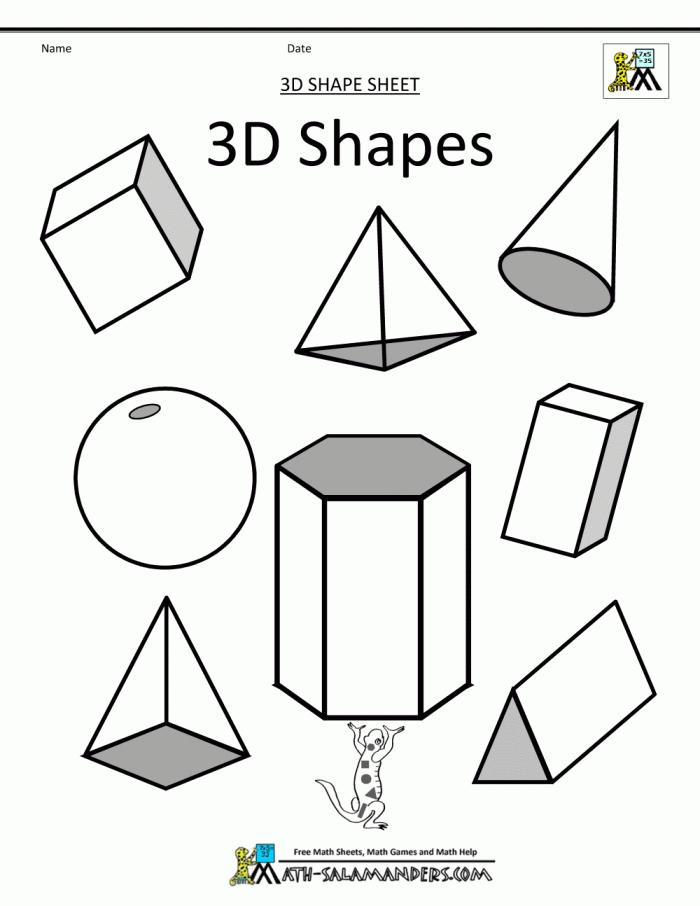
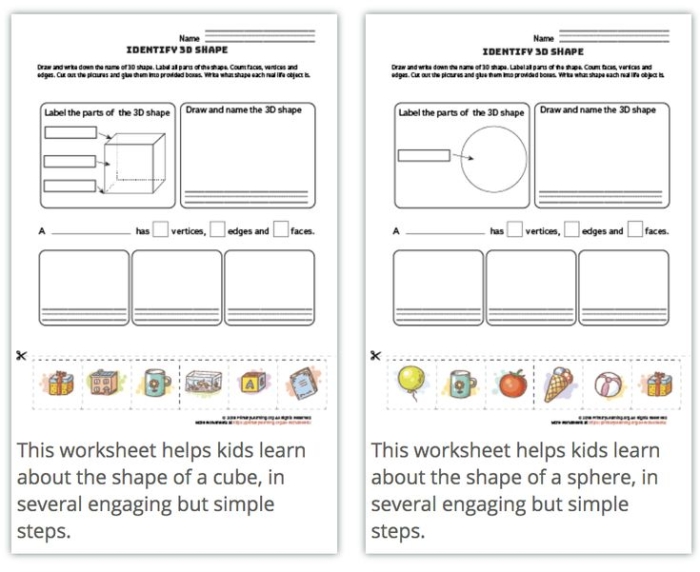
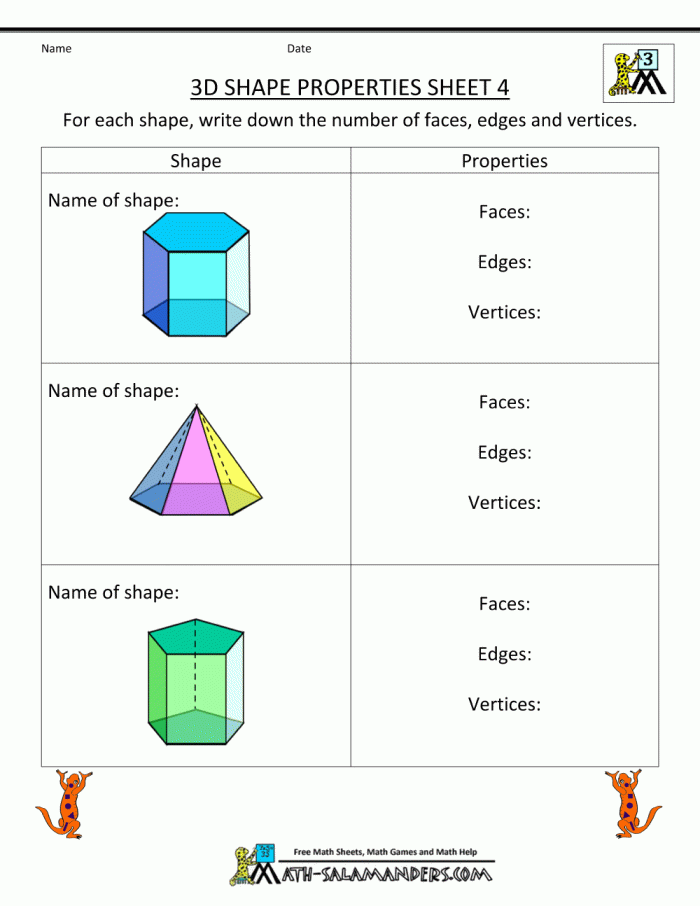
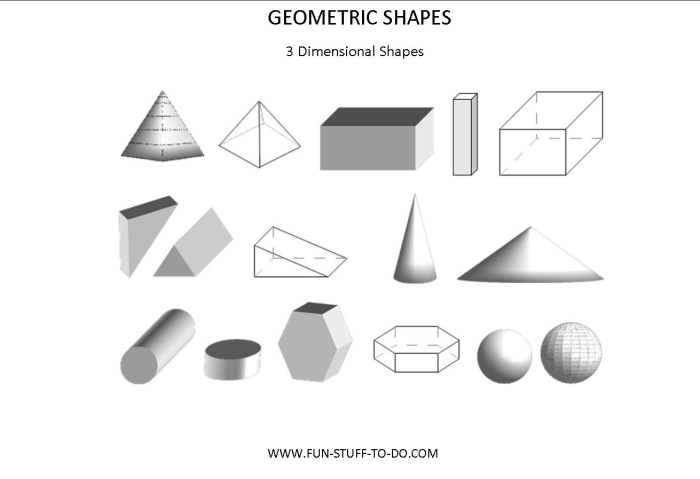
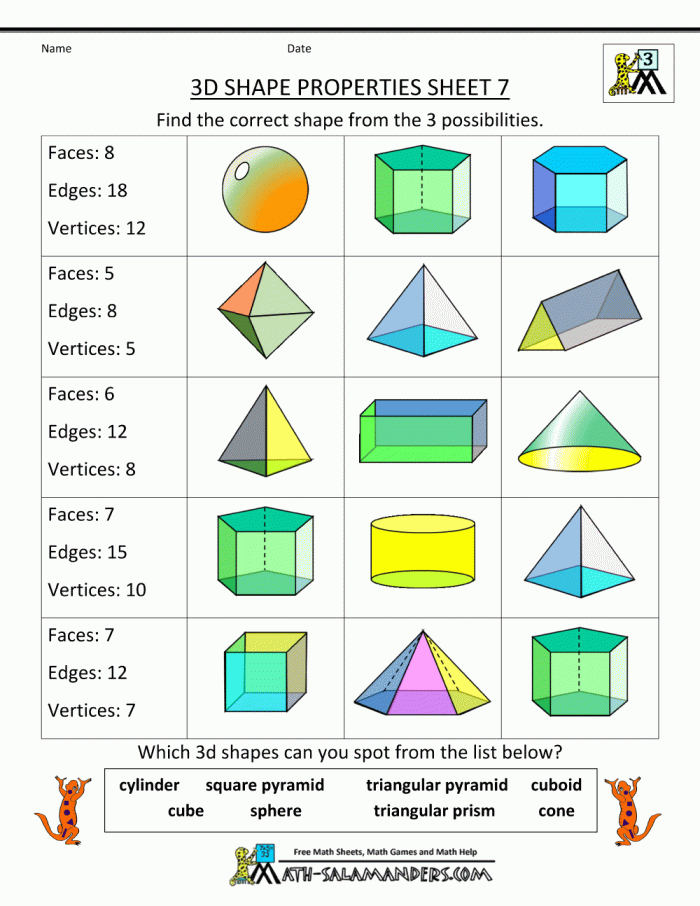
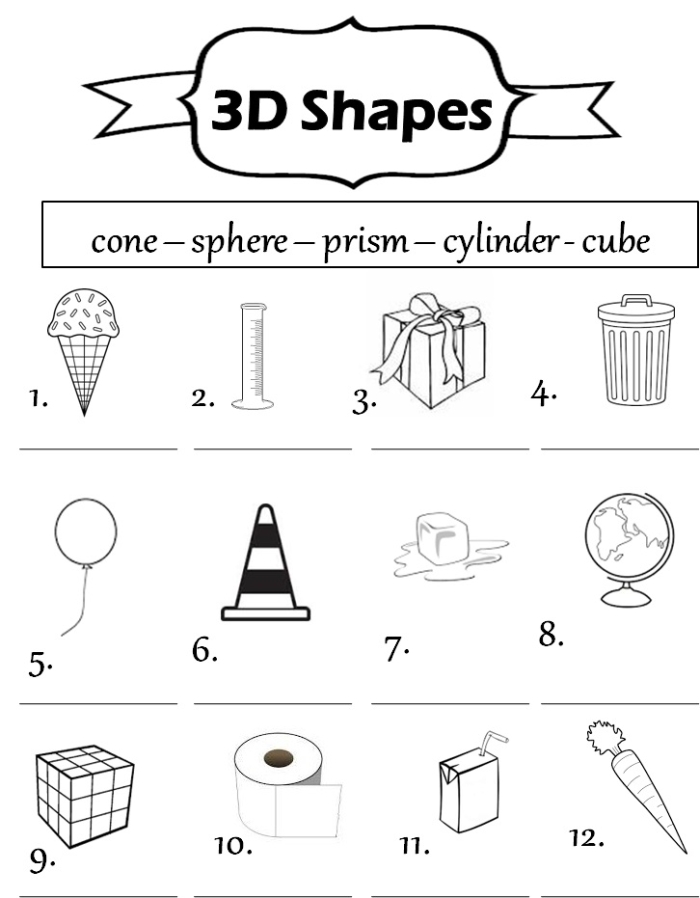
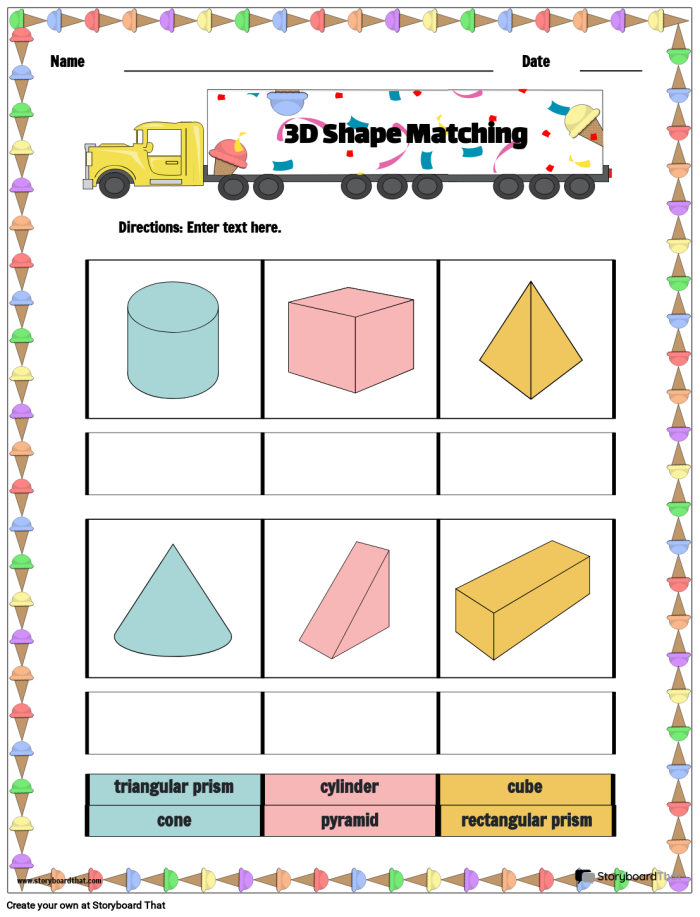
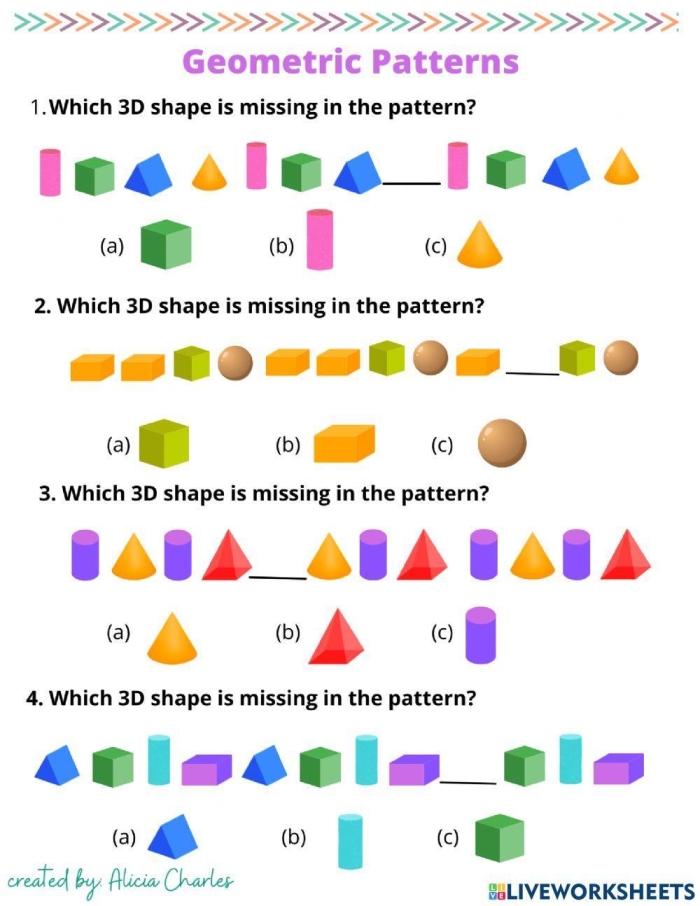
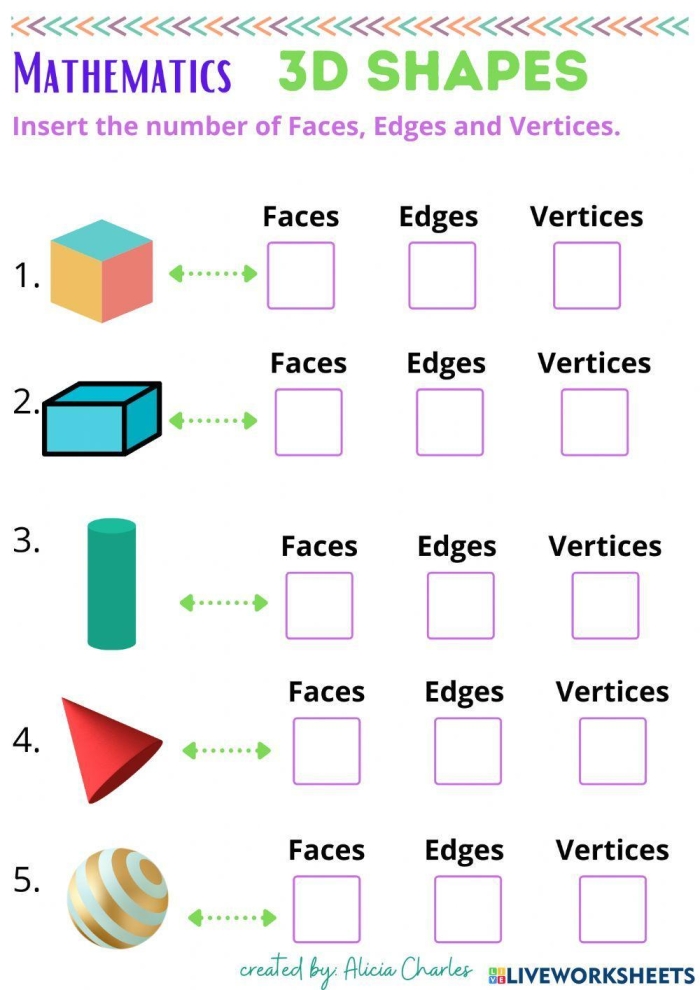
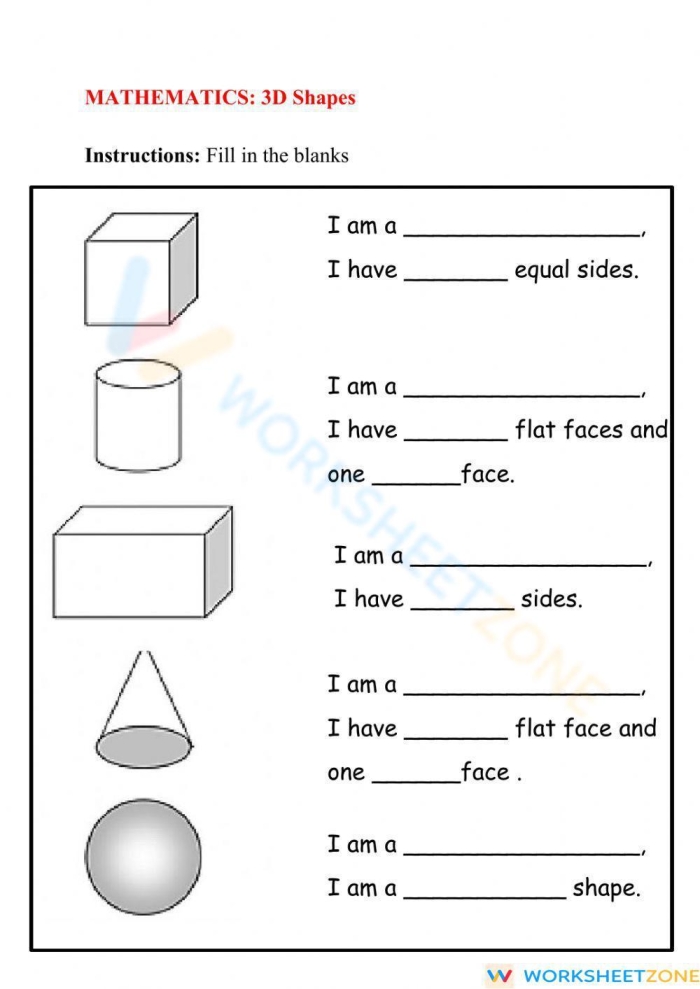
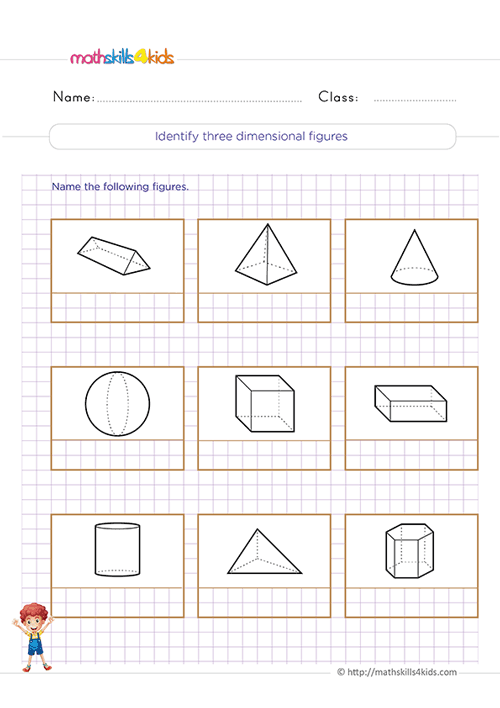
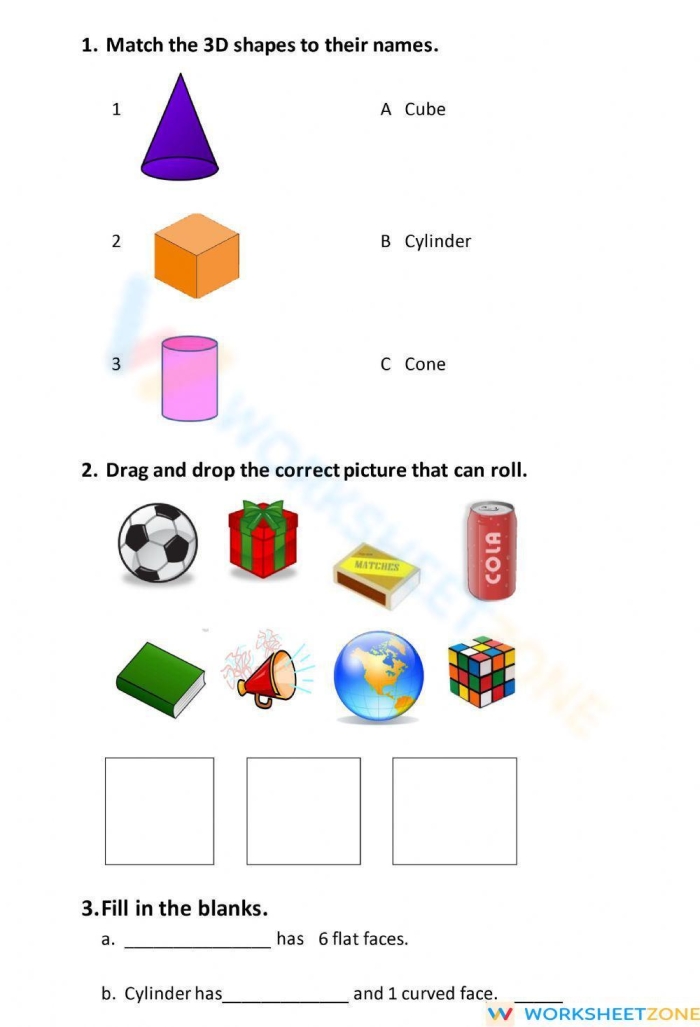
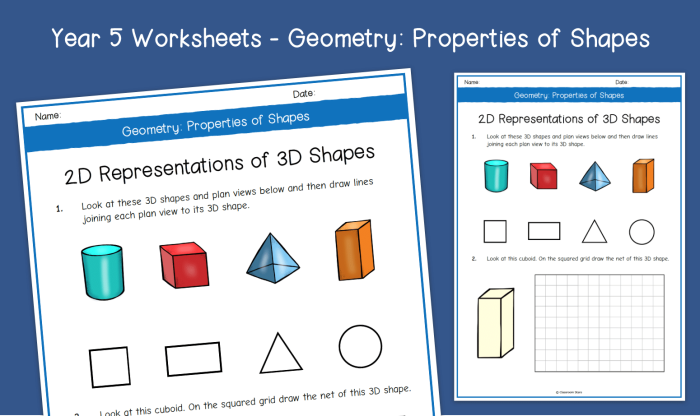
Are you excited to embark on a journey of discovery with your child as they explore 3-D geometric shapes? This engaging worksheet is designed to help young learners identify the 3-D shapes that populate their everyday environment. From the cylindrical shape of a soda can to the rectangular prism of a shoebox, these shapes are all around us, waiting to be recognized and appreciated.
Understanding 3-D geometric shapes is more than just recognizing forms; it’s about developing spatial awareness and critical thinking skills. When children can spot a sphere in a basketball or a cube in a die, they begin to understand how these shapes fit into the world. This foundational knowledge not only enhances their geometry skills but also prepares them for more complex mathematical concepts as they progress through school.
The worksheet encourages children to look closely at their surroundings, making learning both interactive and fun. For instance, ask your child to find objects that resemble a cone, such as an ice cream cone or a party hat. Such activities promote active participation and make the learning experience memorable.
Incorporating these shapes into their daily routine can also reinforce learning. You might consider integrating math games or activities into your child’s playtime. For example, while playing with building blocks, encourage them to identify which shapes they are using and how they can combine them to create new structures. This hands-on approach not only aids in recognizing shapes but also fosters creativity.
Moreover, if you’re looking for additional resources to support your child’s learning, check out the counting coin worksheets or explore the angle worksheets that can complement their understanding of geometry and mechanics. Teaching young learners about 3-D shapes through engaging activities not only lays a solid foundation in mathematics but also enhances their overall critical thinking skills in First Grade.
Hands-On Worksheet Activities