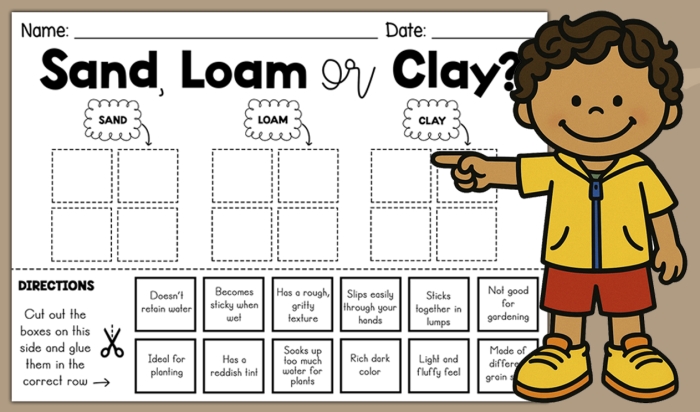
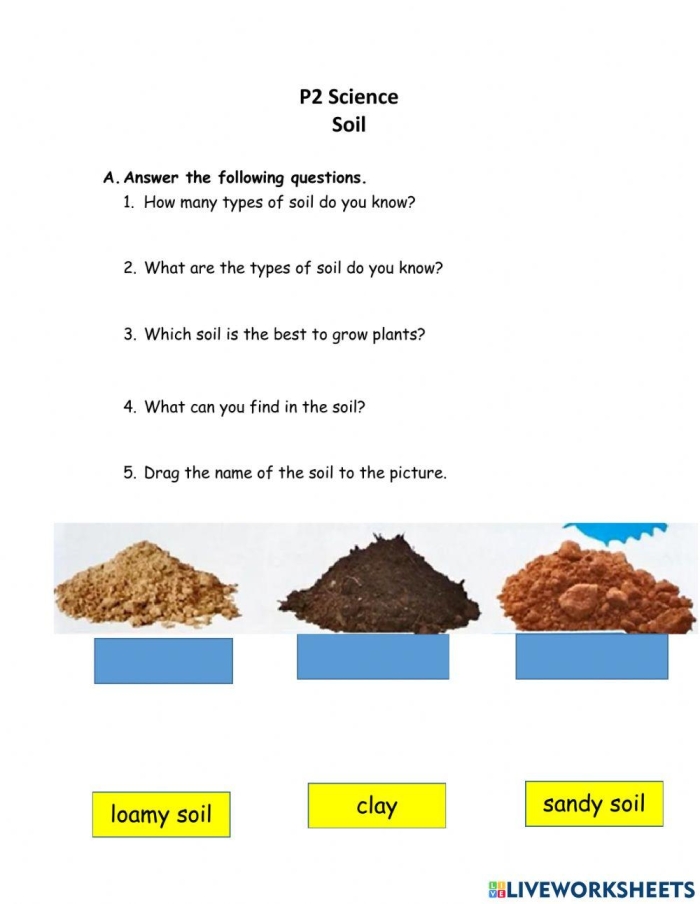
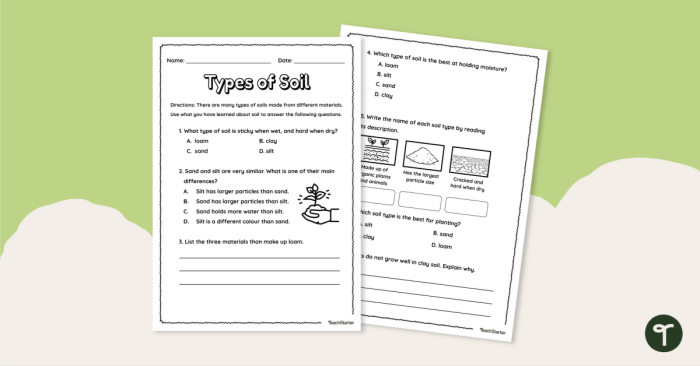
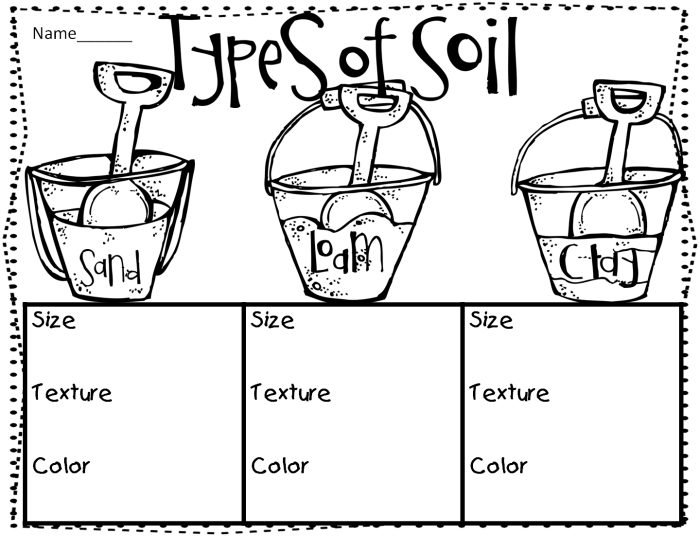
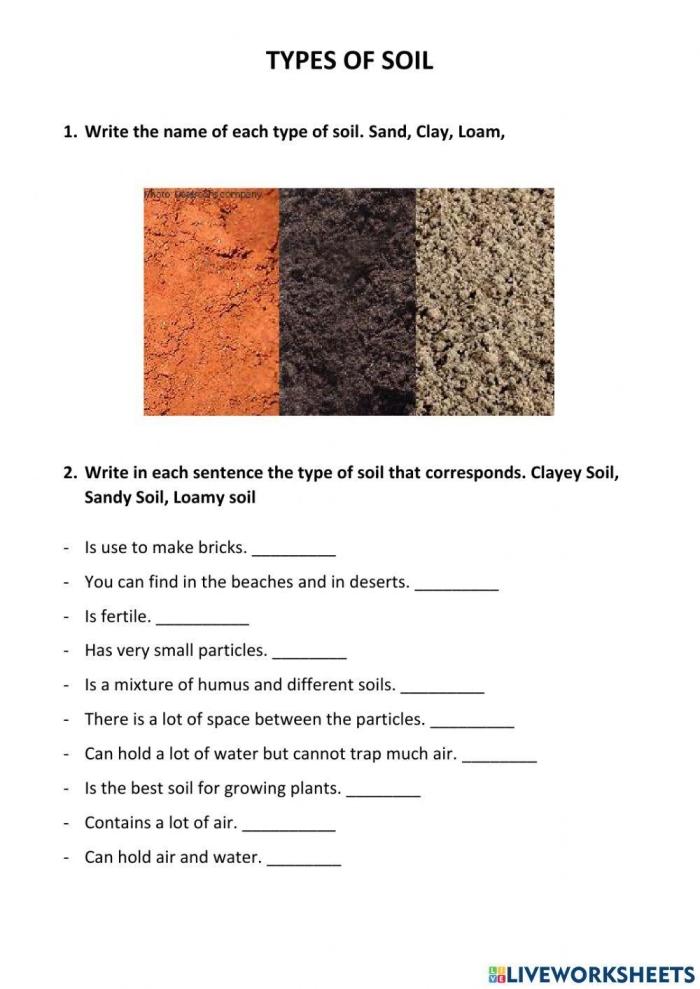
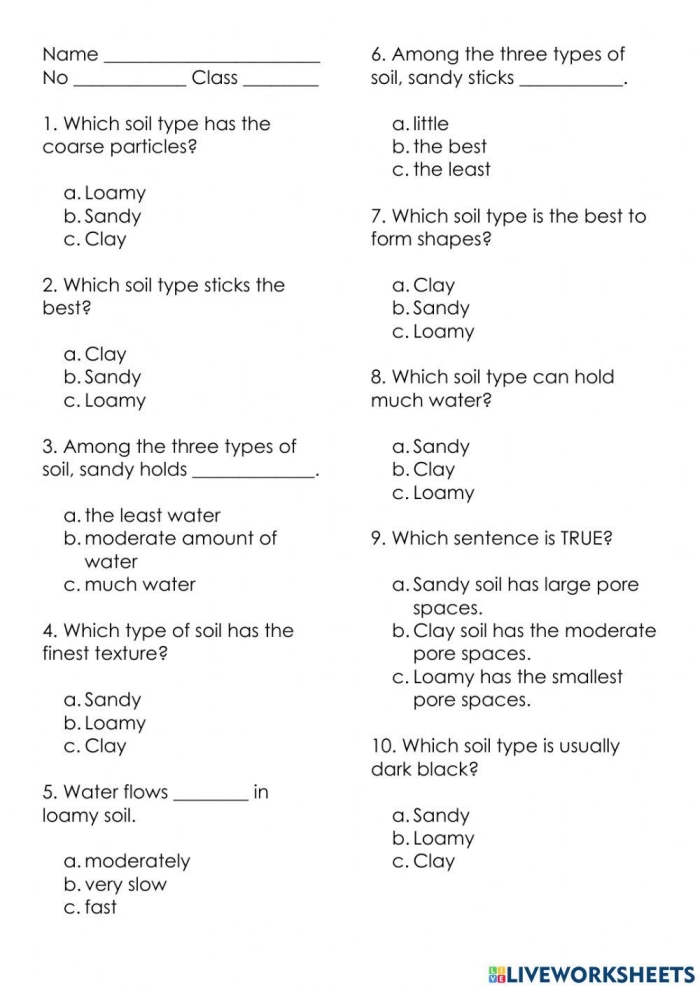
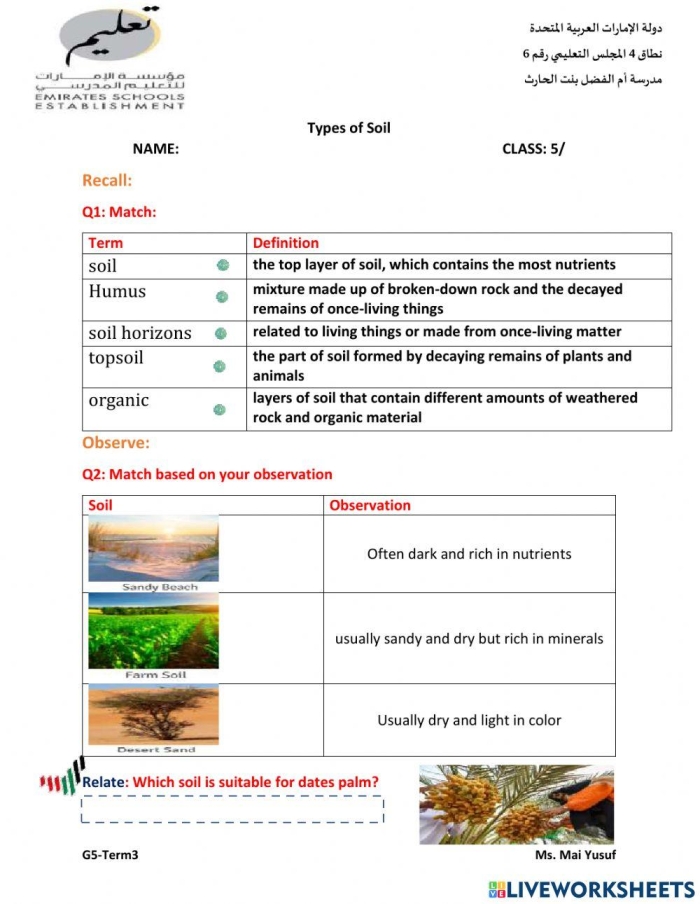
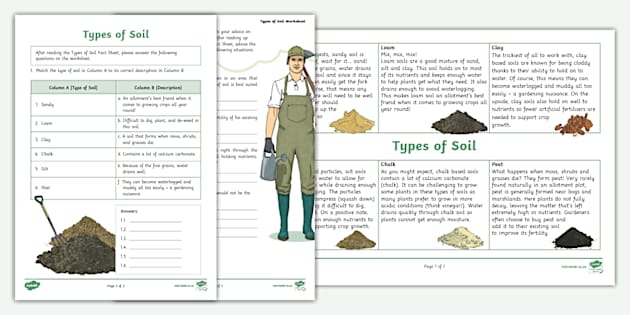
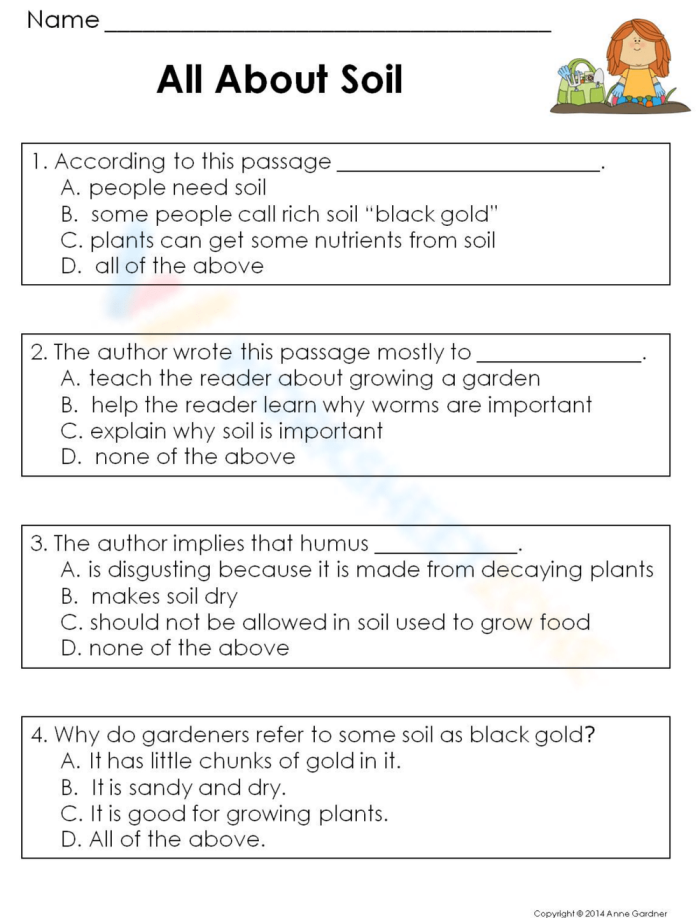
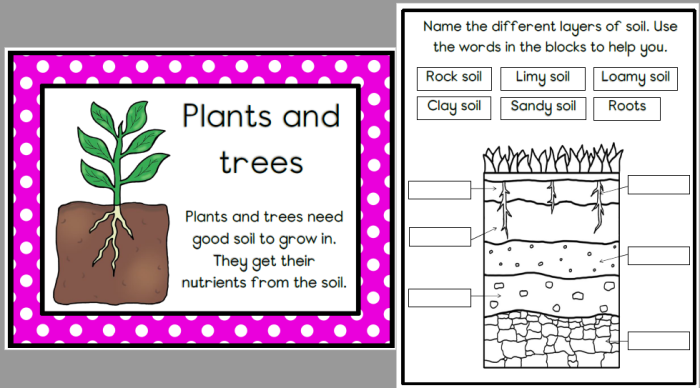
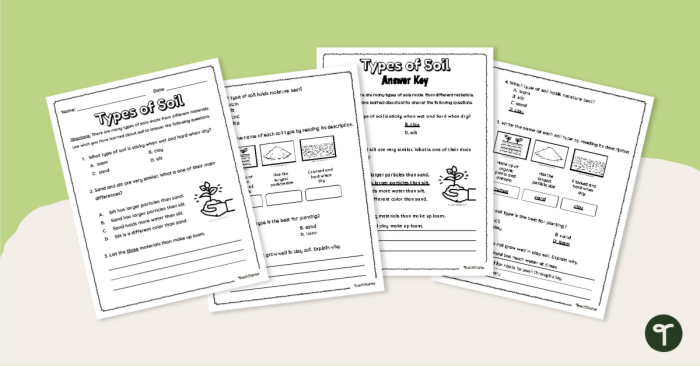
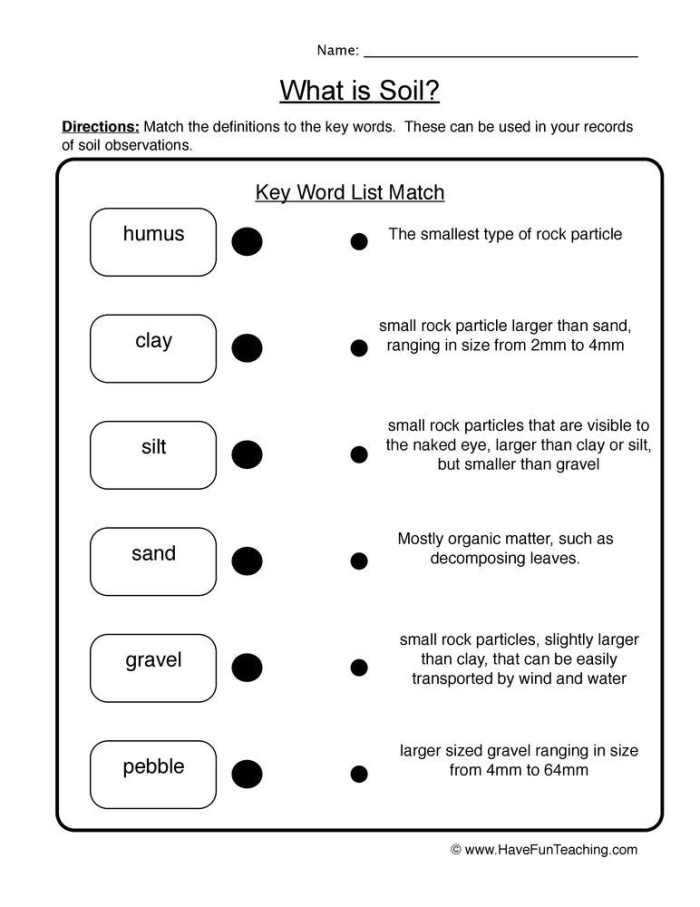
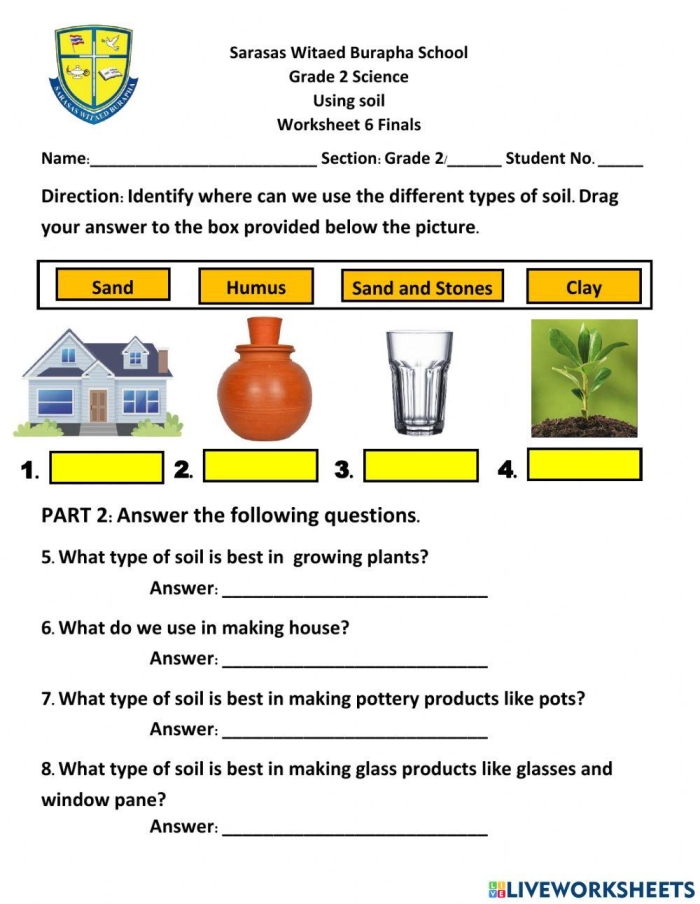
Have you ever wondered what the Earth is made of? The ground beneath our feet is not just dirt; it’s a complex mixture of various materials. For young scientists eager to explore this concept, examining different types of soil particles can be an exciting and educational experience. A printable worksheet designed for second graders can help guide them through this fascinating subject.
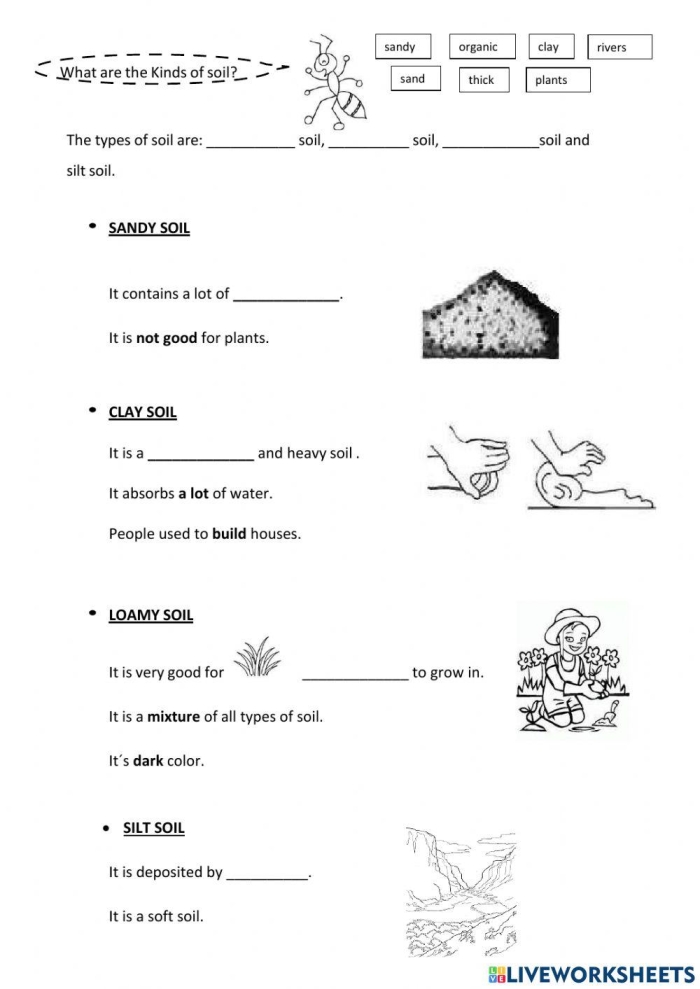
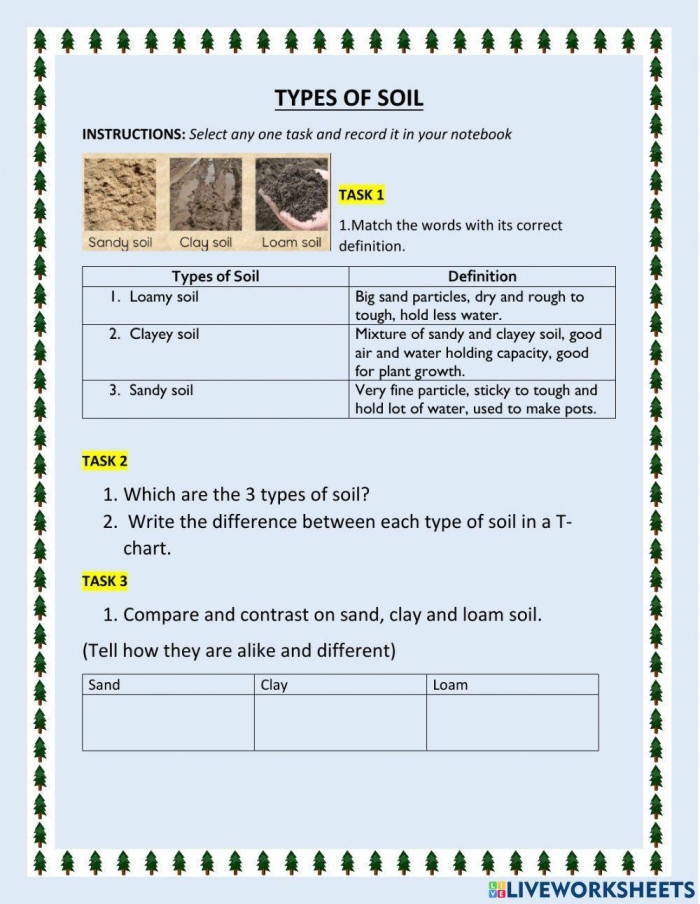
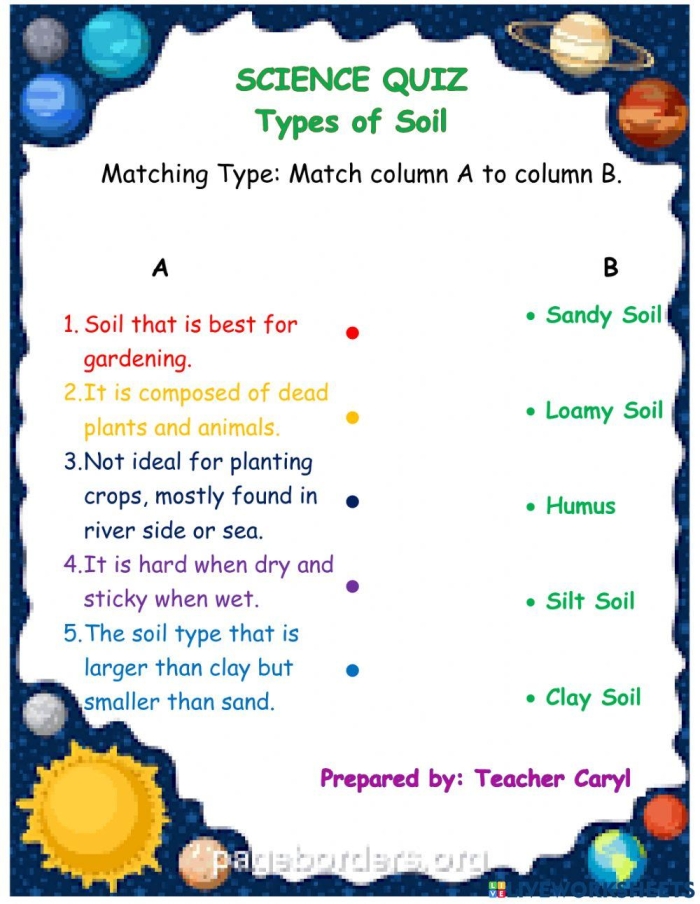
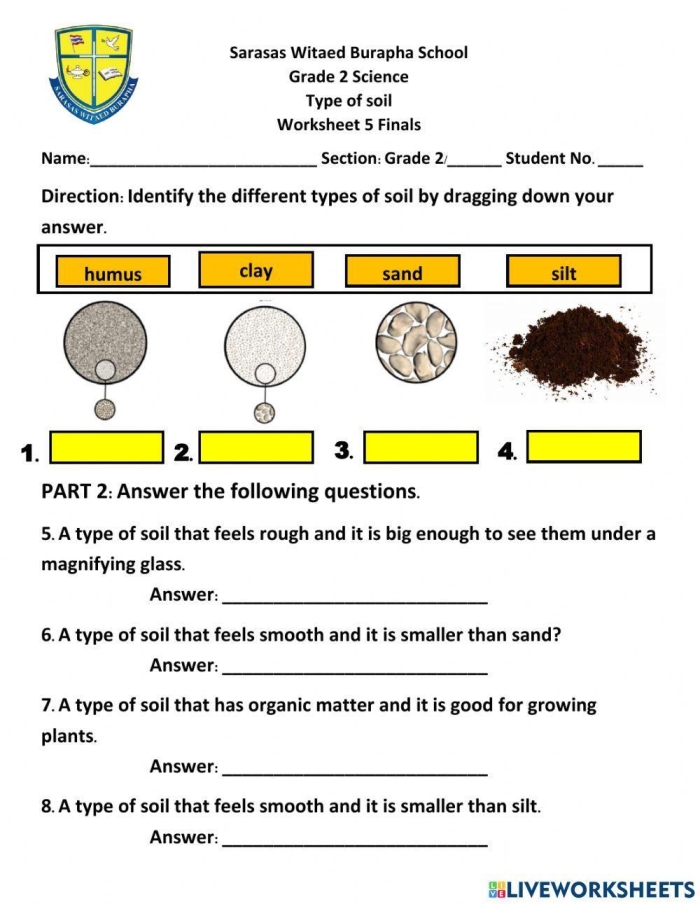
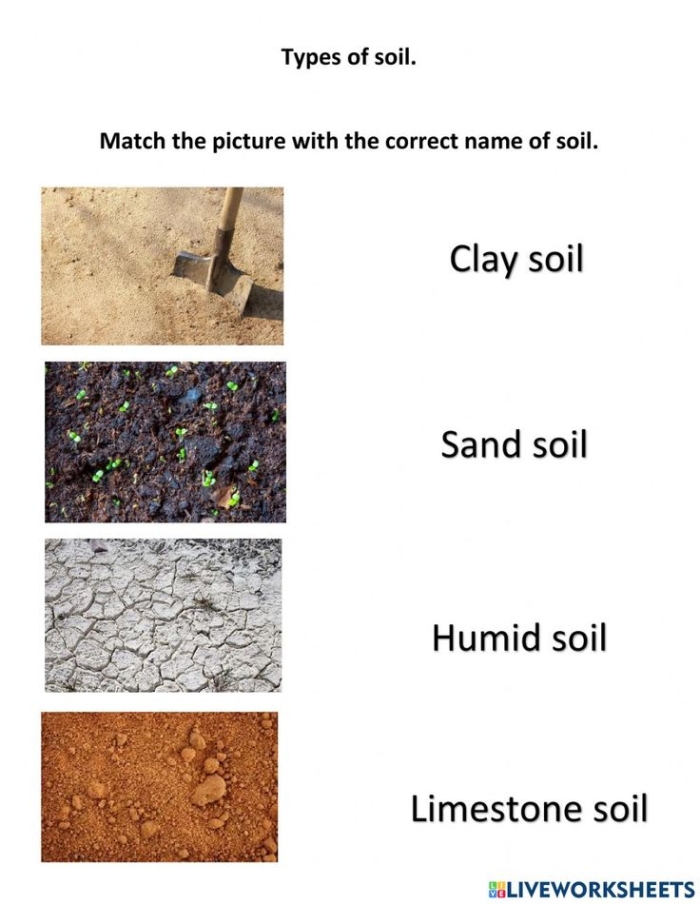
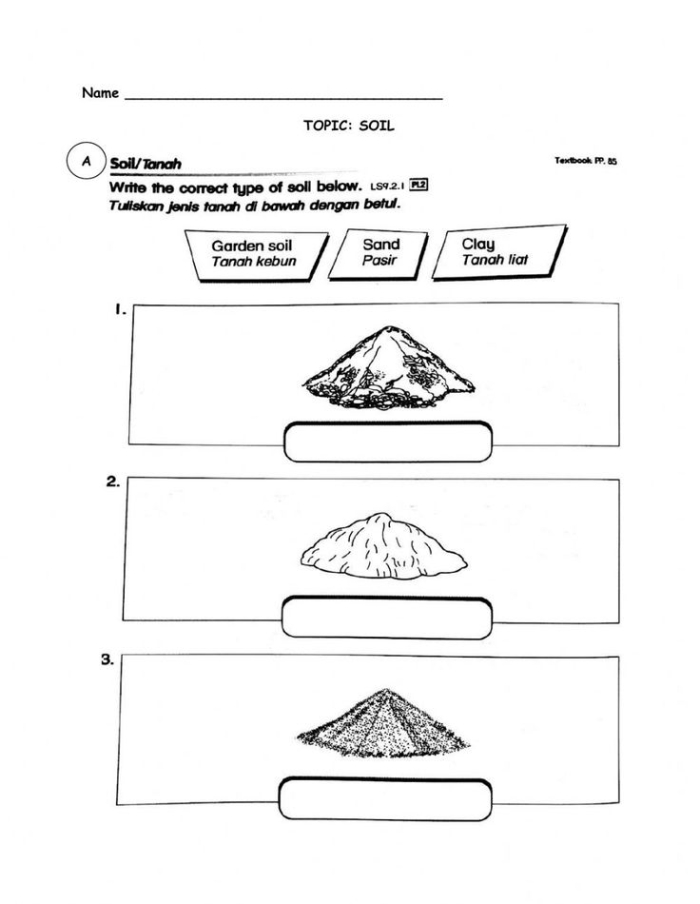
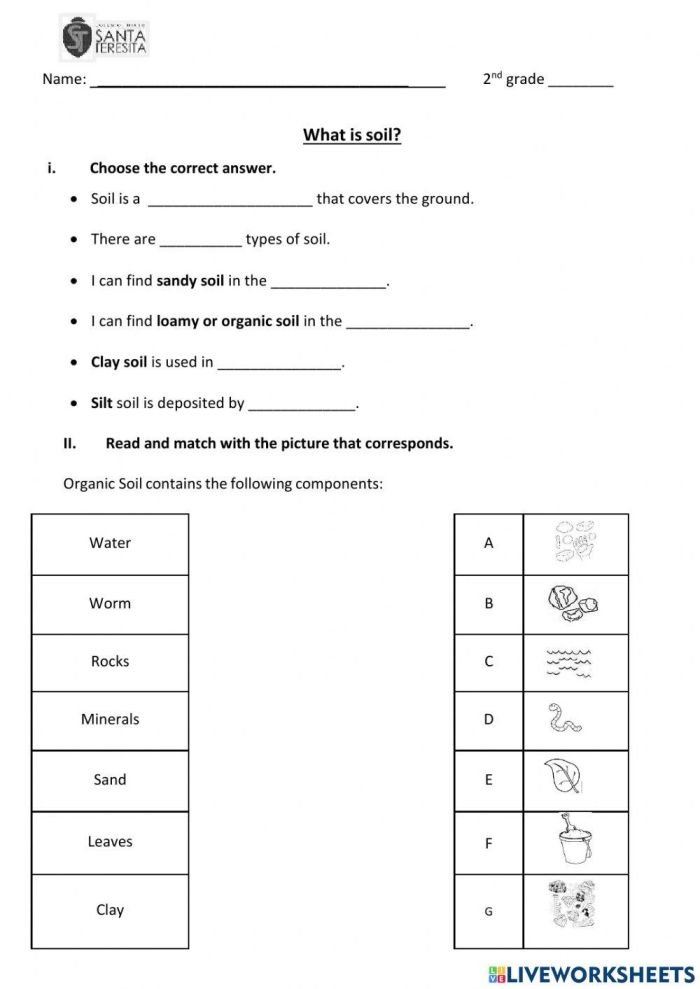
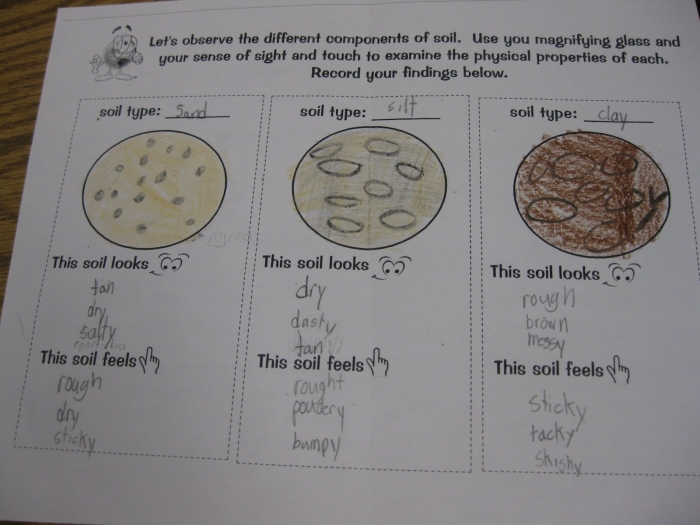
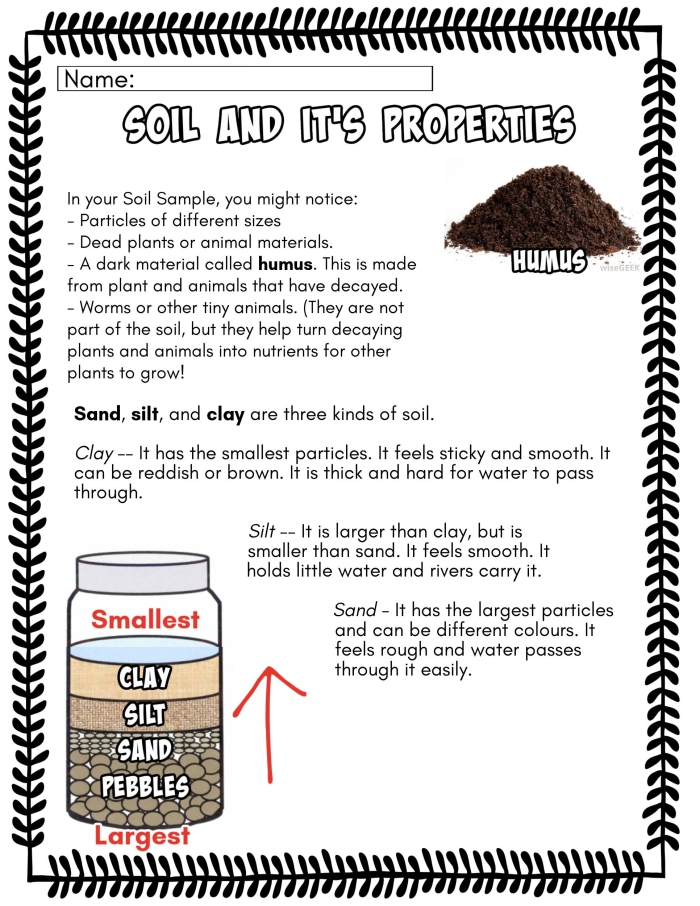
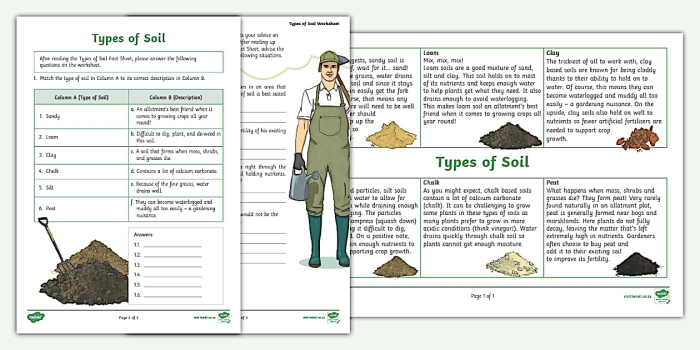
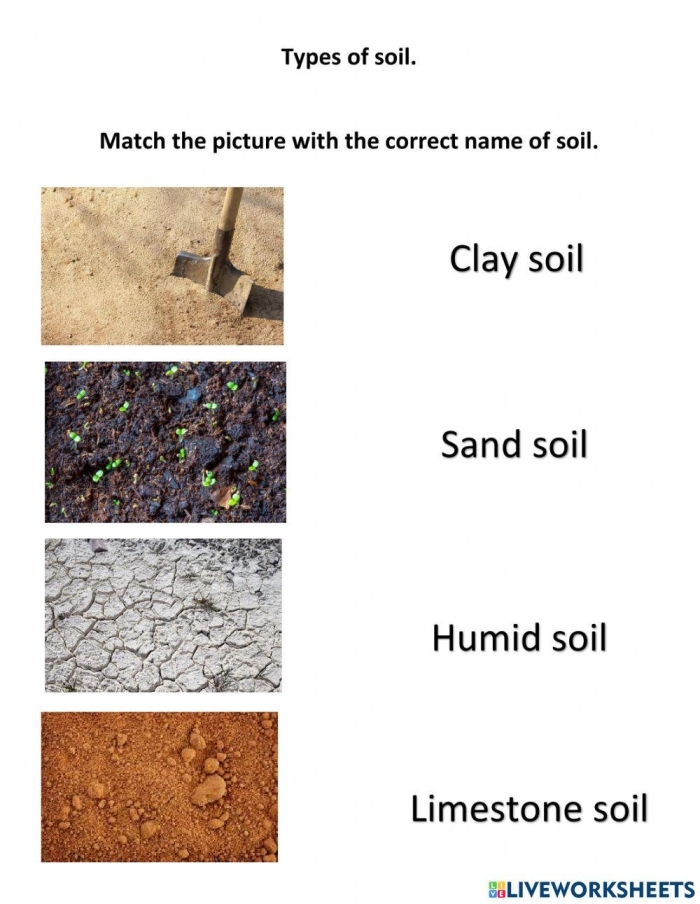
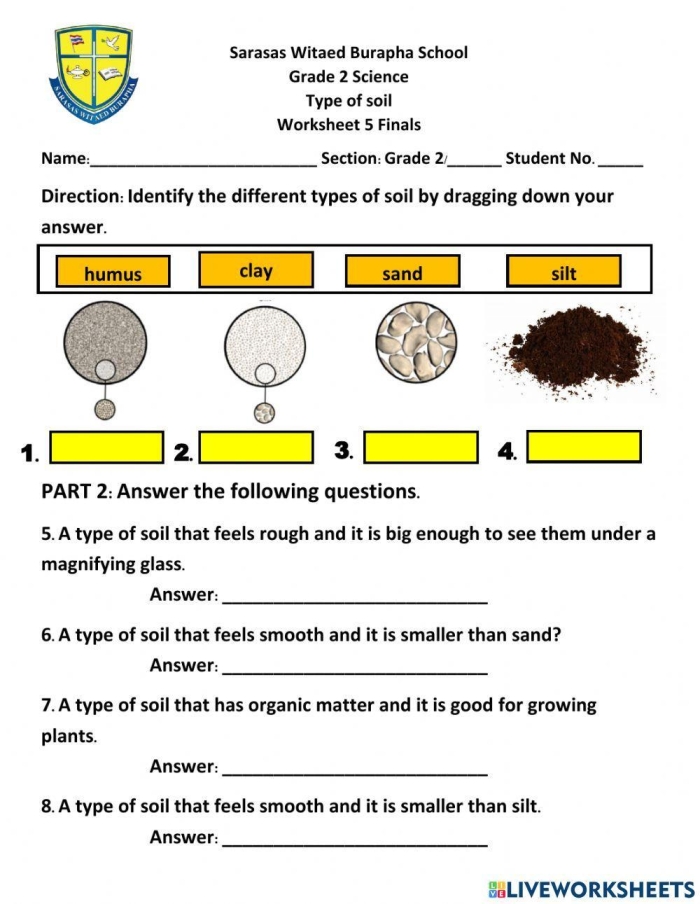
Soil is essential to our environment. It supports plant life, provides habitat for countless organisms, and plays a critical role in the water cycle. Understanding soil types is a great way to introduce children to Earth and Space Science. There are primarily three types of soil particles: sand, silt, and clay. Each type has unique characteristics that affect how water drains, how plants grow, and even how easy it is to work with the soil.
For instance, sand particles are larger and provide excellent drainage, making them suitable for plants that require less water. Silt, being finer than sand, retains moisture better and is rich in nutrients, making it a favorite for many crops. Clay, on the other hand, has the smallest particles and can hold a lot of water, but it may also become compacted, making it tough for roots to penetrate. By using a worksheet, children can compare these soil types and learn to identify their properties through hands-on activities.
Encouraging kids to engage in this kind of exploration not only builds their understanding of soil but also fosters critical thinking skills. They can observe how different soils react to water, experiment with plant growth in various soil types, or even learn about erosion and how it affects landscapes. Resources like identifying states of matter worksheets can complement these activities by providing a well-rounded view of how materials change and interact.
Incorporating soil studies into your child’s learning journey can ignite a passion for science that lasts a lifetime. So, grab that worksheet and let your little scientist explore the fascinating world of soil!
Boost Skills with These Worksheets