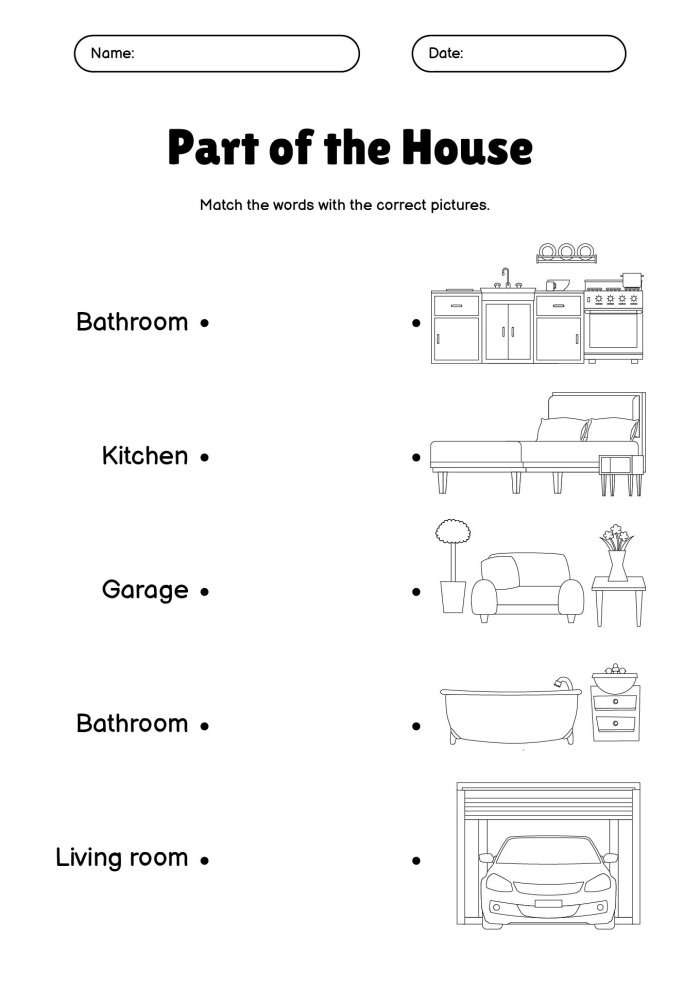
Understanding the different rooms in a house is a fun and educational activity for second graders. Not only does it help them learn vocabulary, but it also encourages them to think about the spaces they inhabit every day. By introducing your child to the anatomy of a house, you invite them to engage with their environment in a new way.
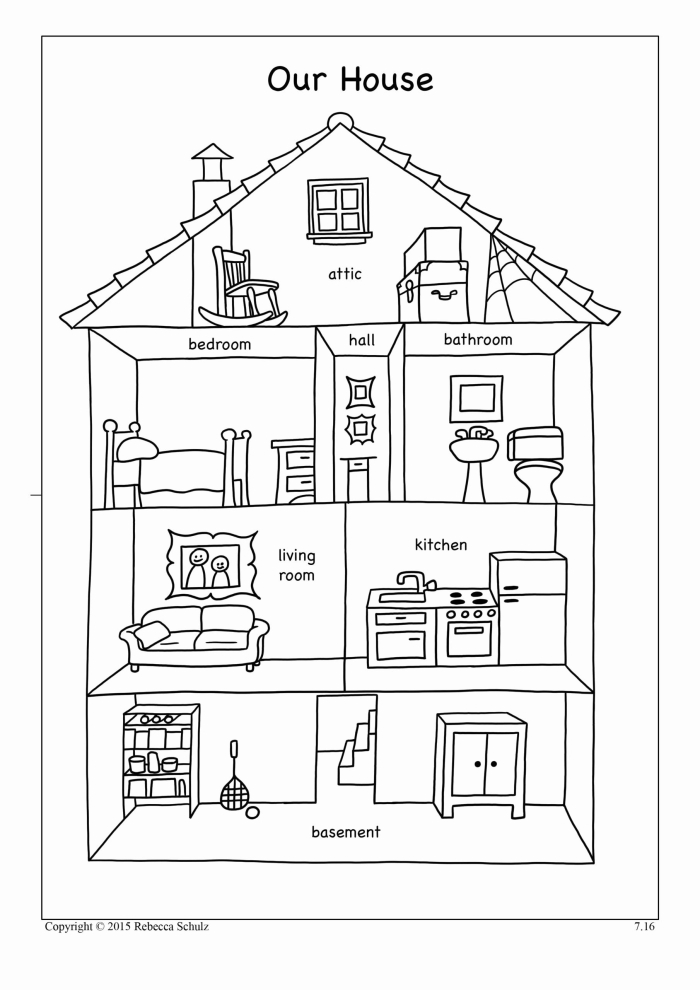
Start by discussing the names and functions of various rooms. Explain that the living room is where families gather to relax, while the kitchen is a bustling space for cooking and sharing meals. The bedroom is a personal sanctuary for rest, and the bathroom is essential for hygiene. Each room has its own purpose, and learning about them can spark curiosity and questions.
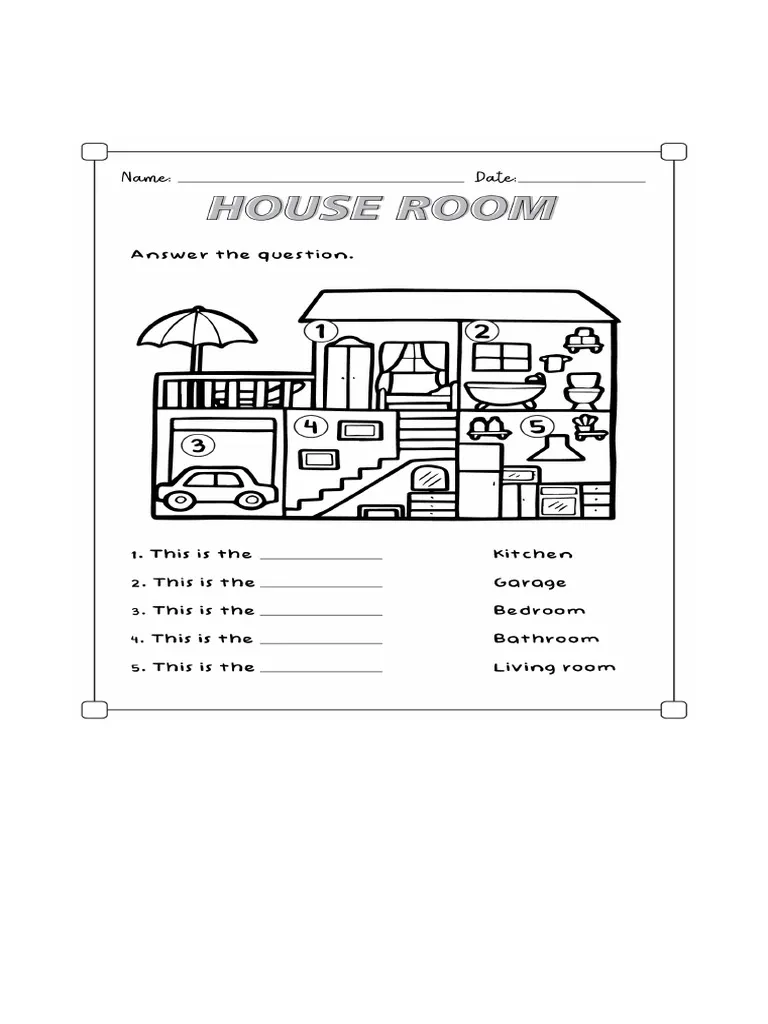
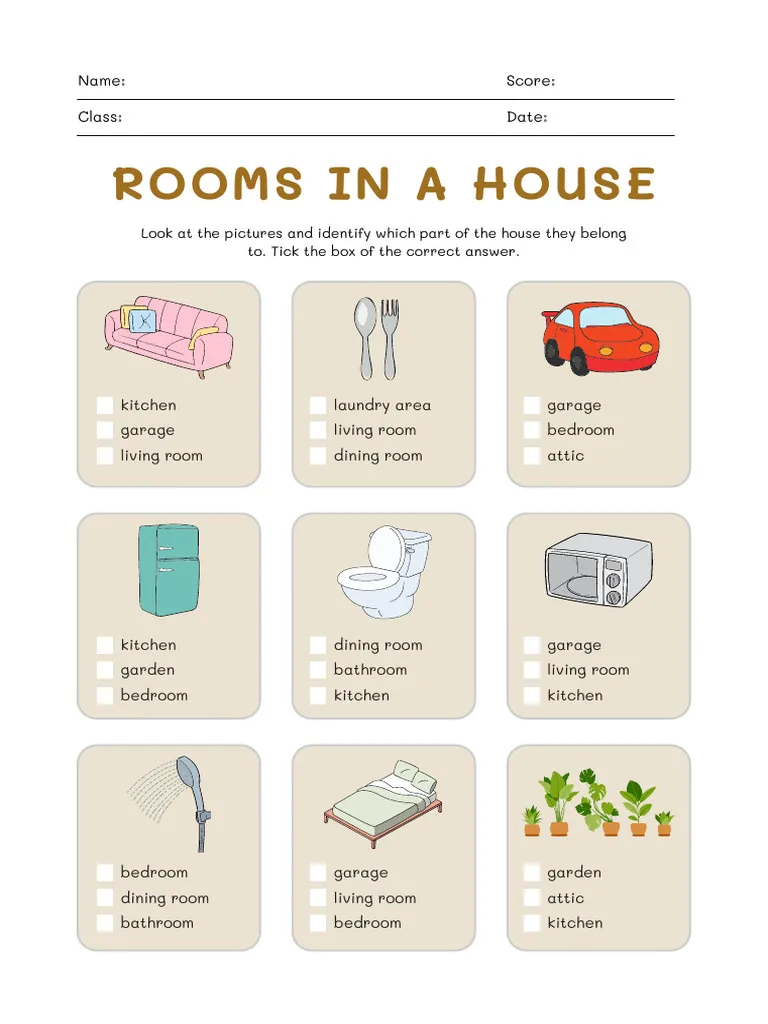
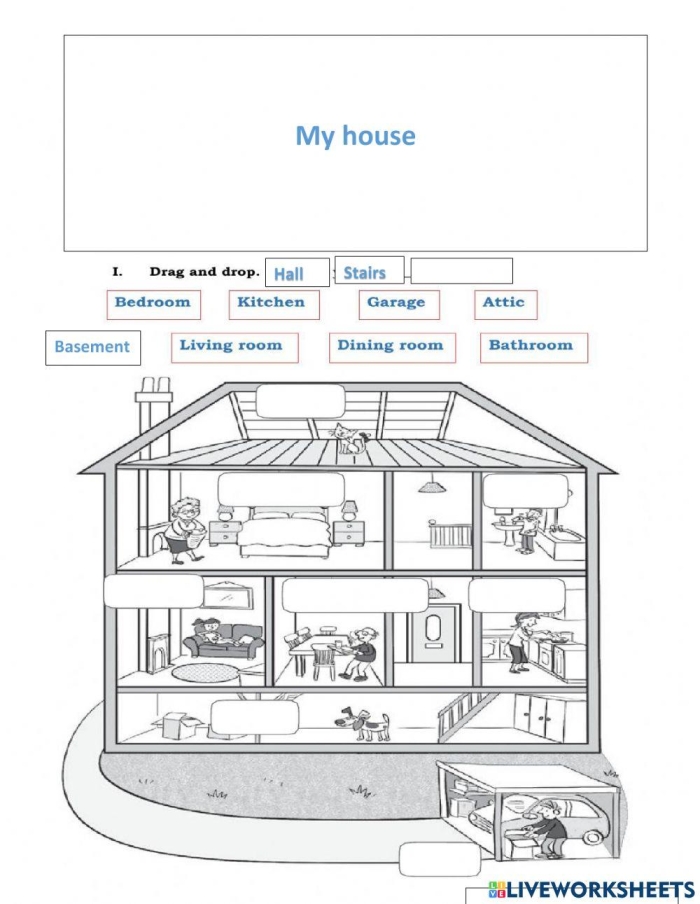
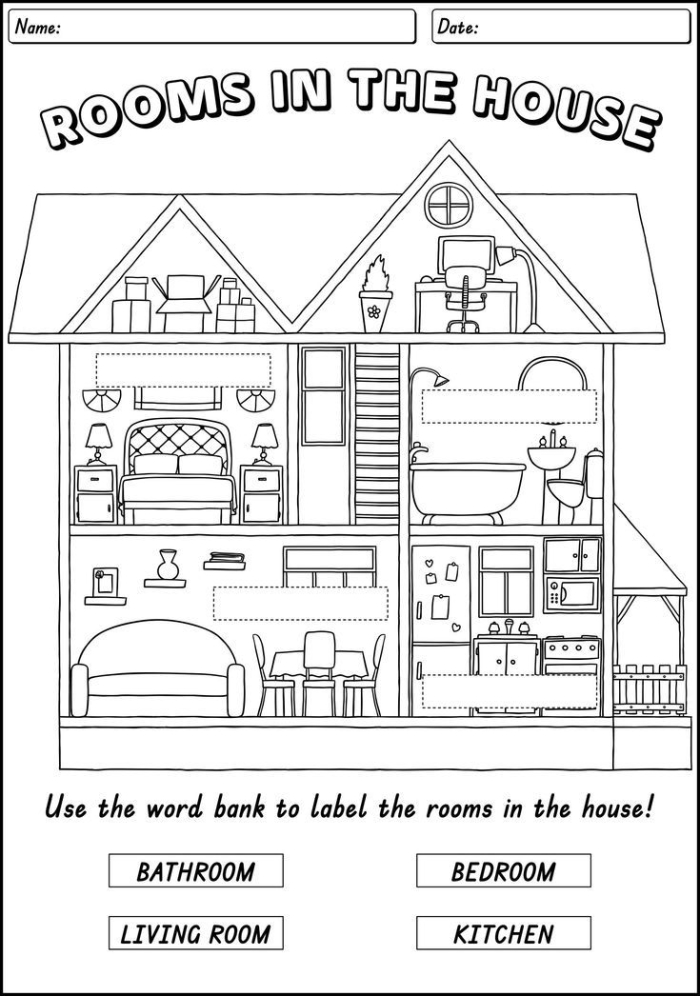
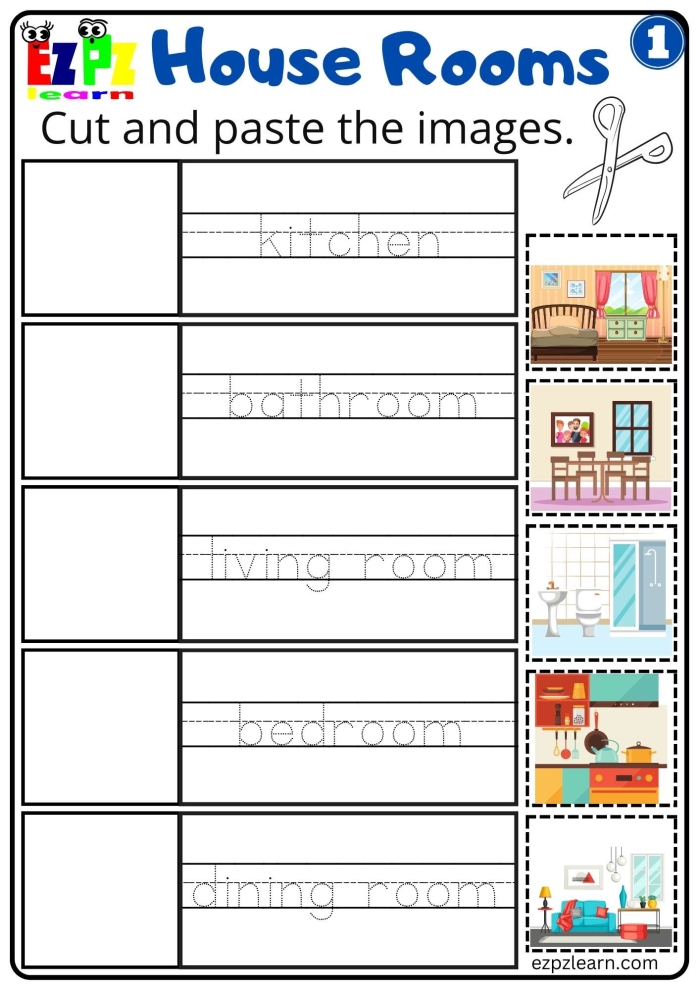
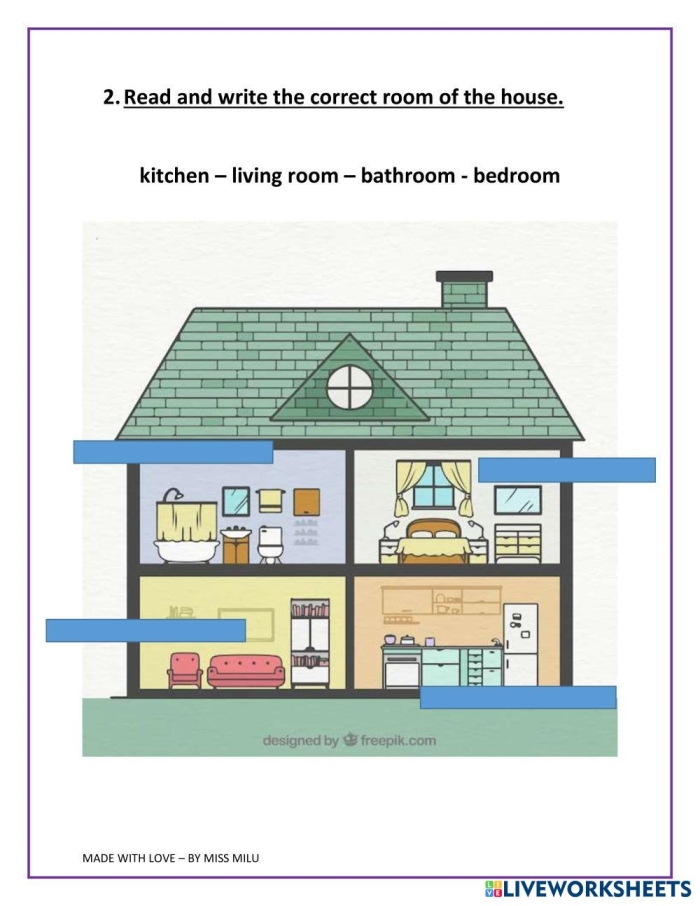
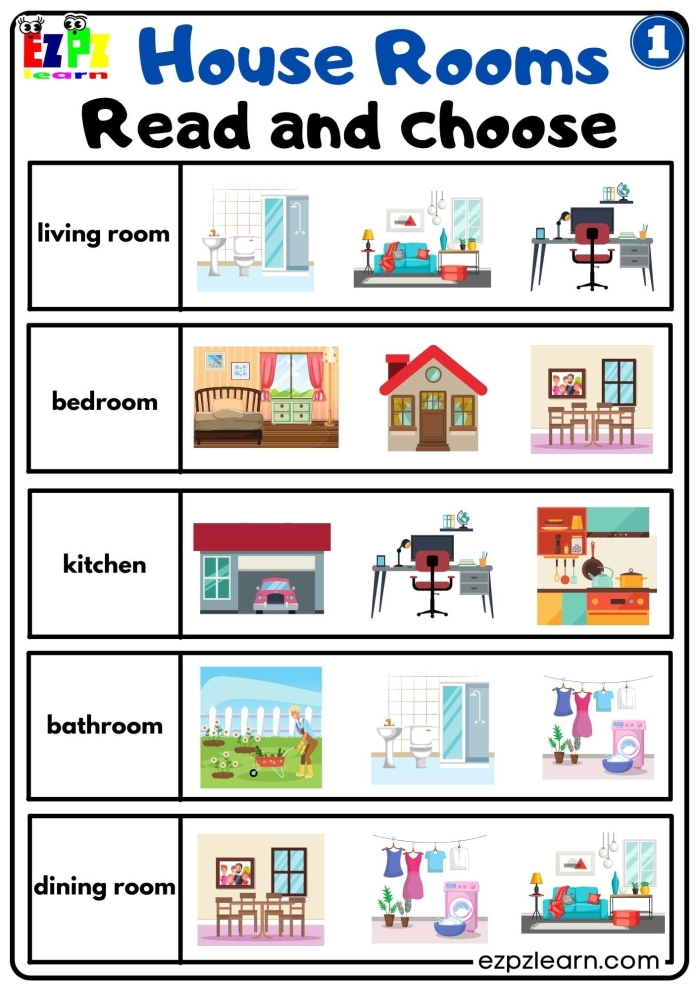
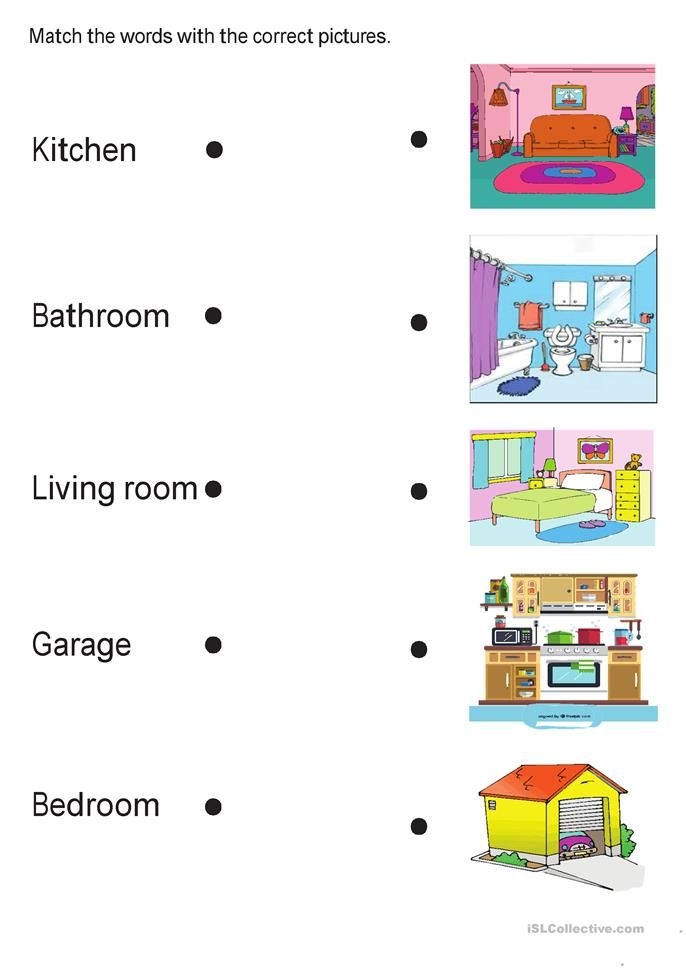
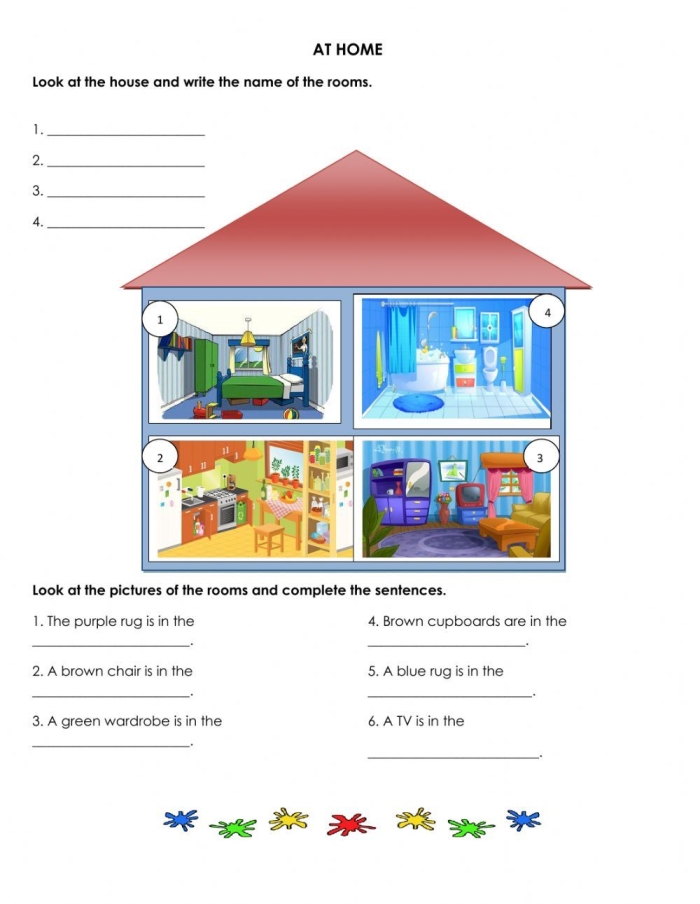
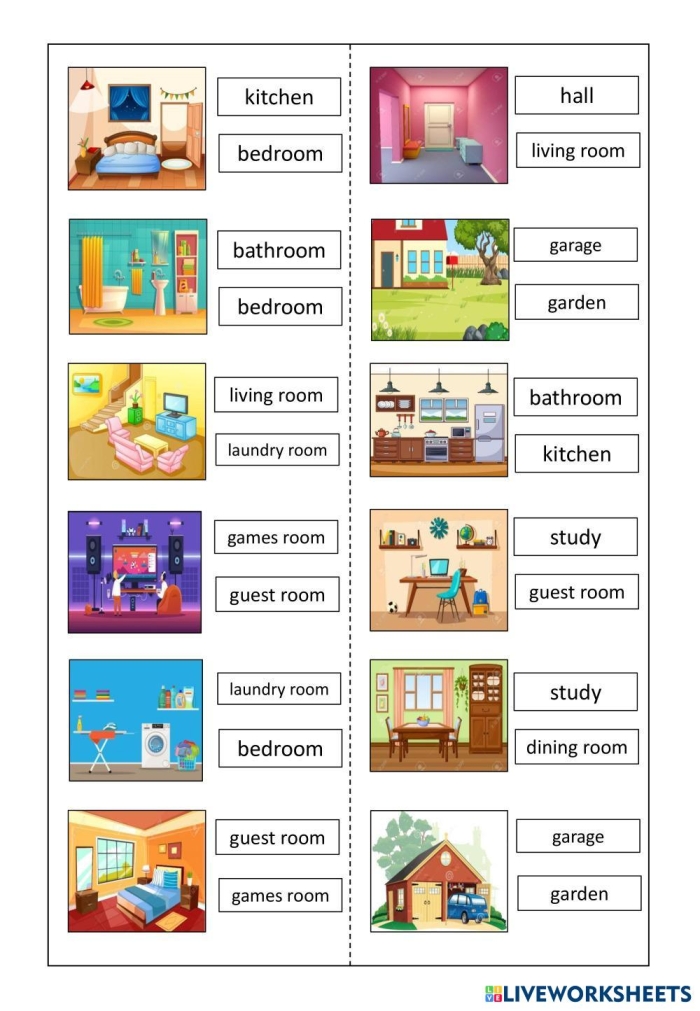
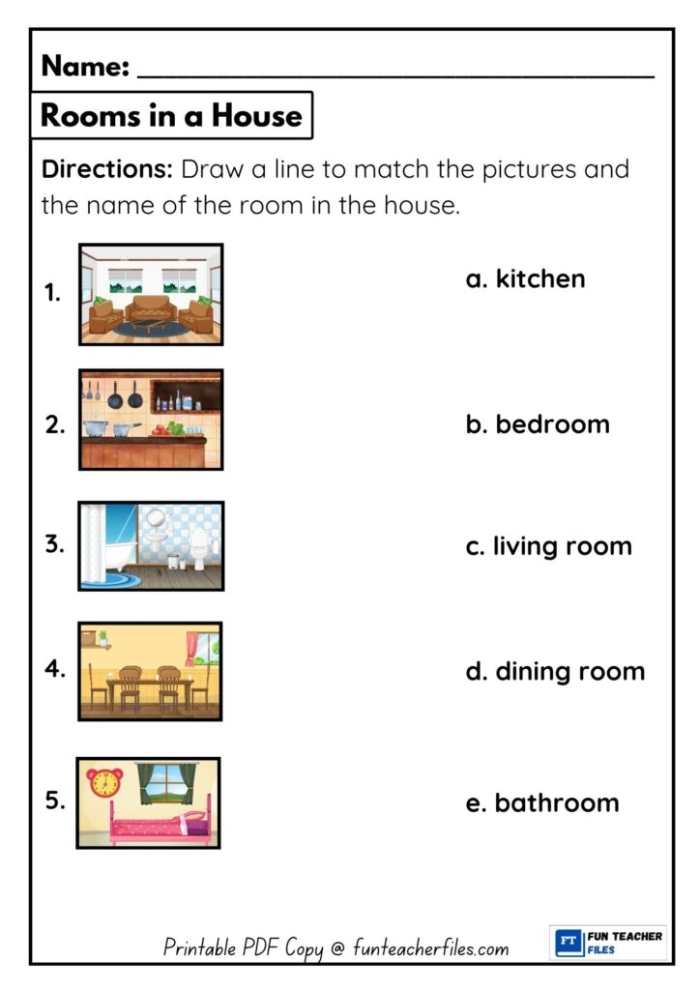
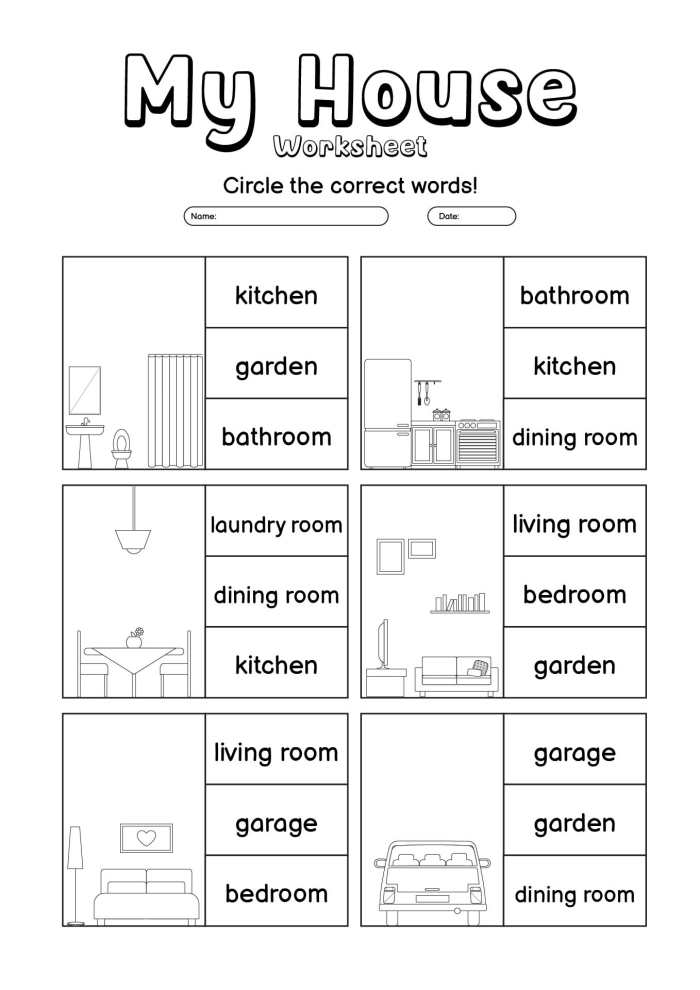
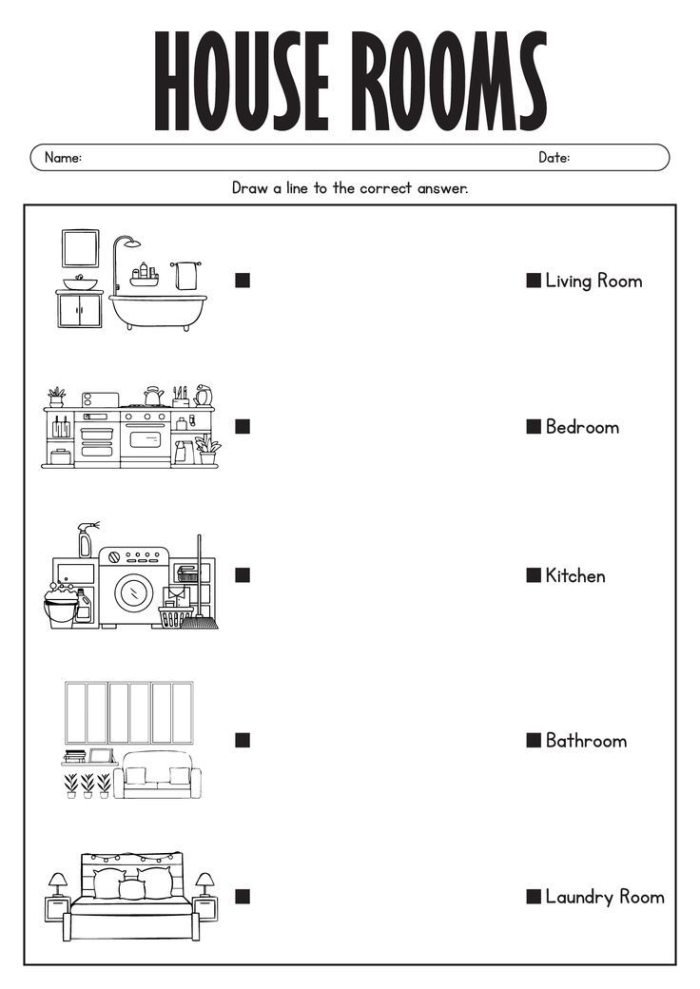
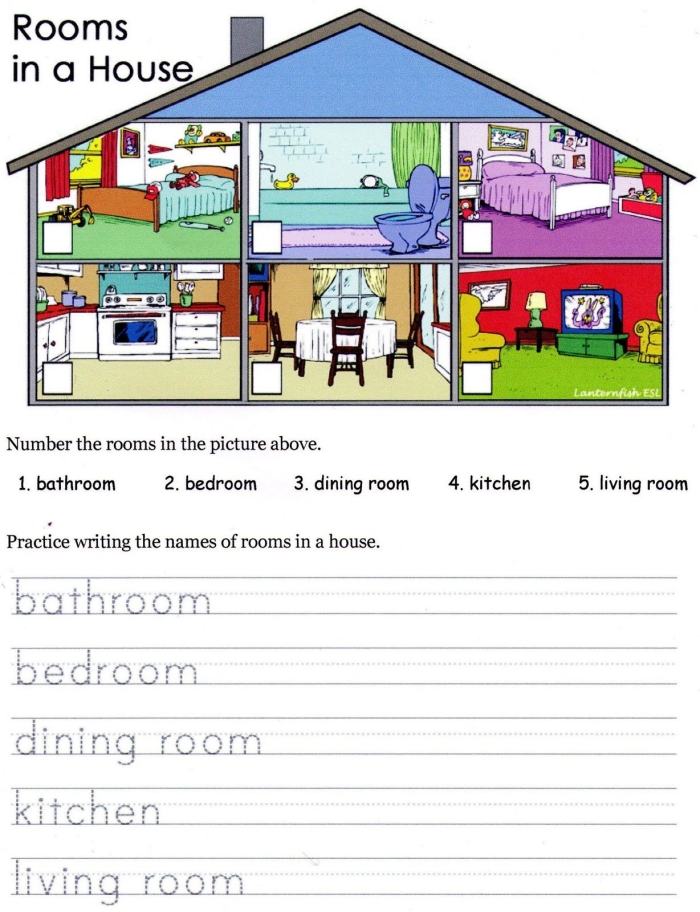
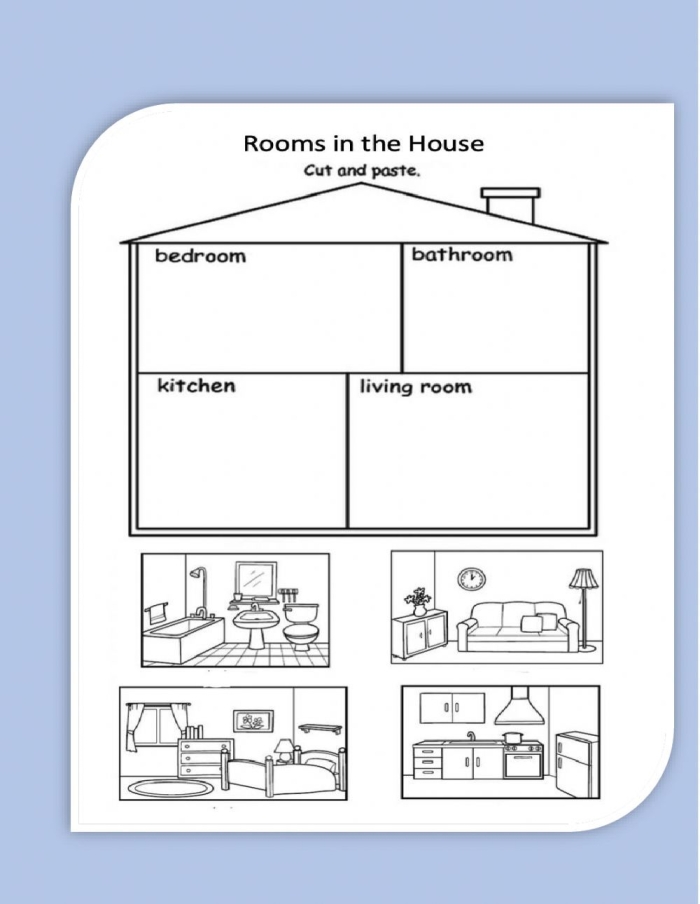
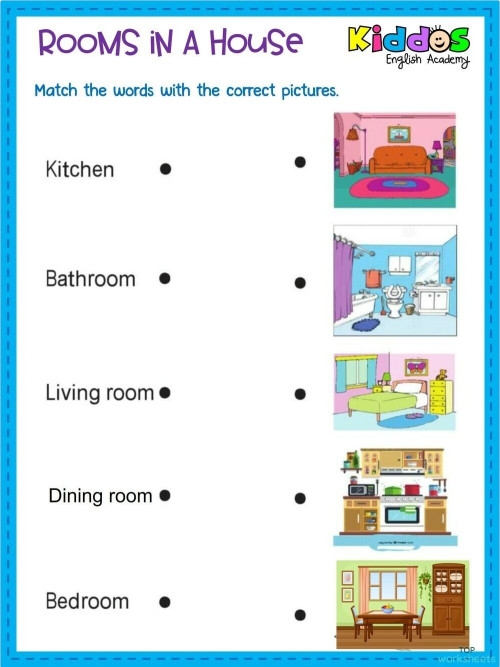
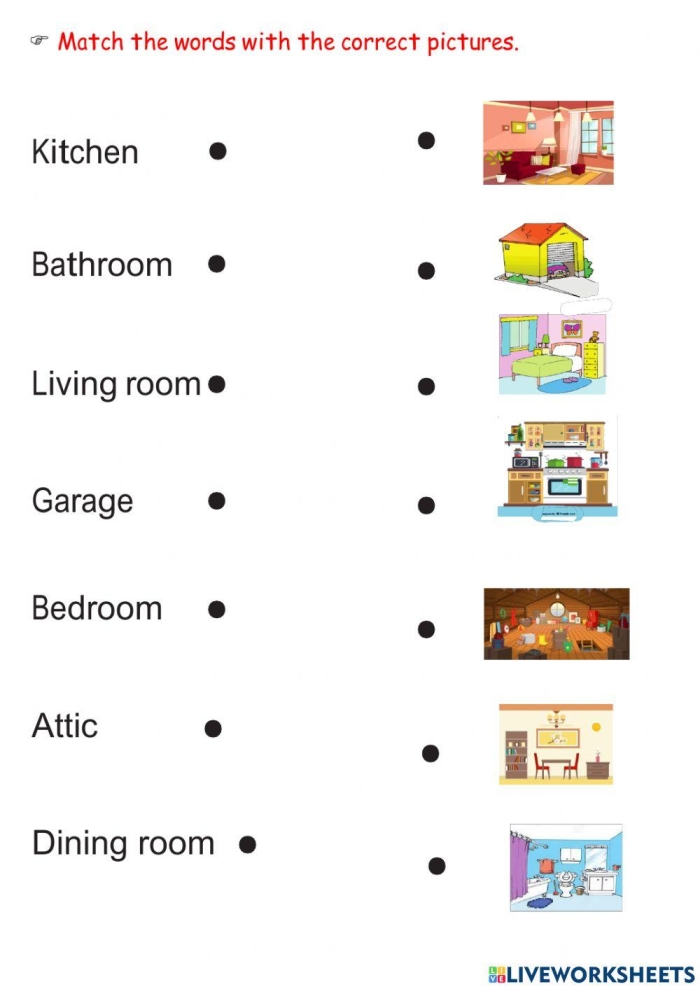
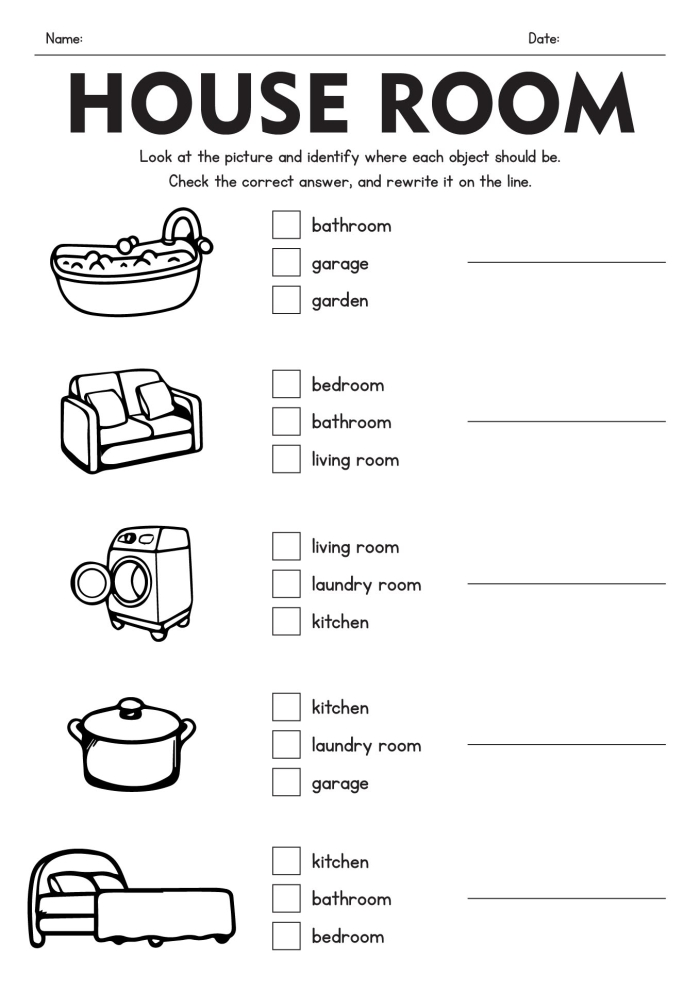
To make this learning experience interactive, use a word bank to fill in the names of each room. You could create a simple worksheet where your child matches descriptions to the correct room names. For example, you might say, “This is where we sleep,” and your child would write down “bedroom.” Engaging with printable Rooms in a House Worksheets can reinforce these concepts while also integrating addition exercises, making it a multifaceted learning experience.
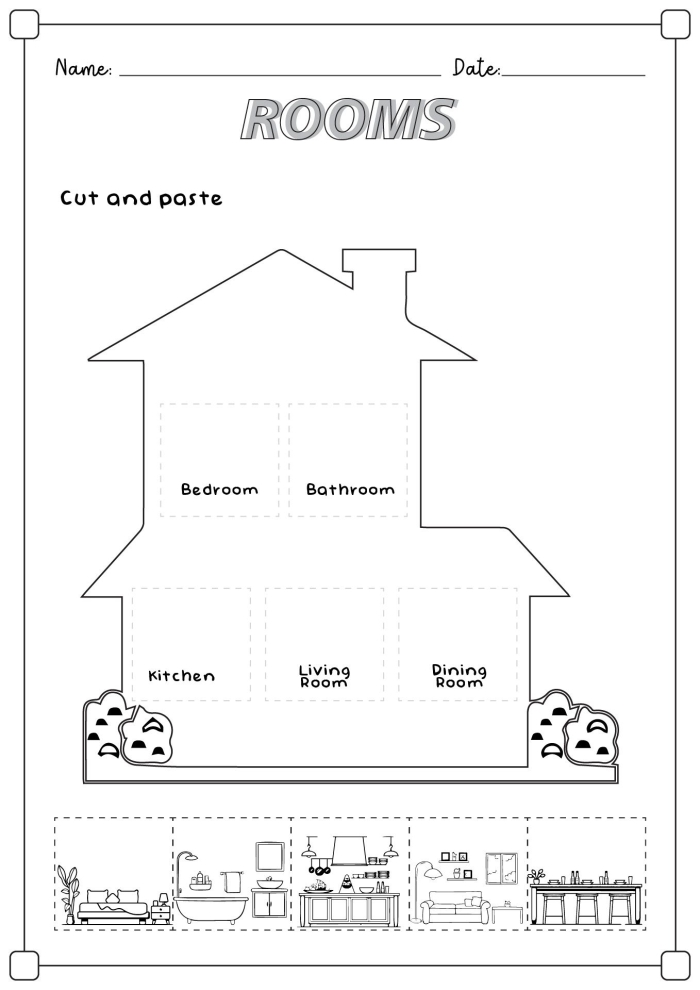
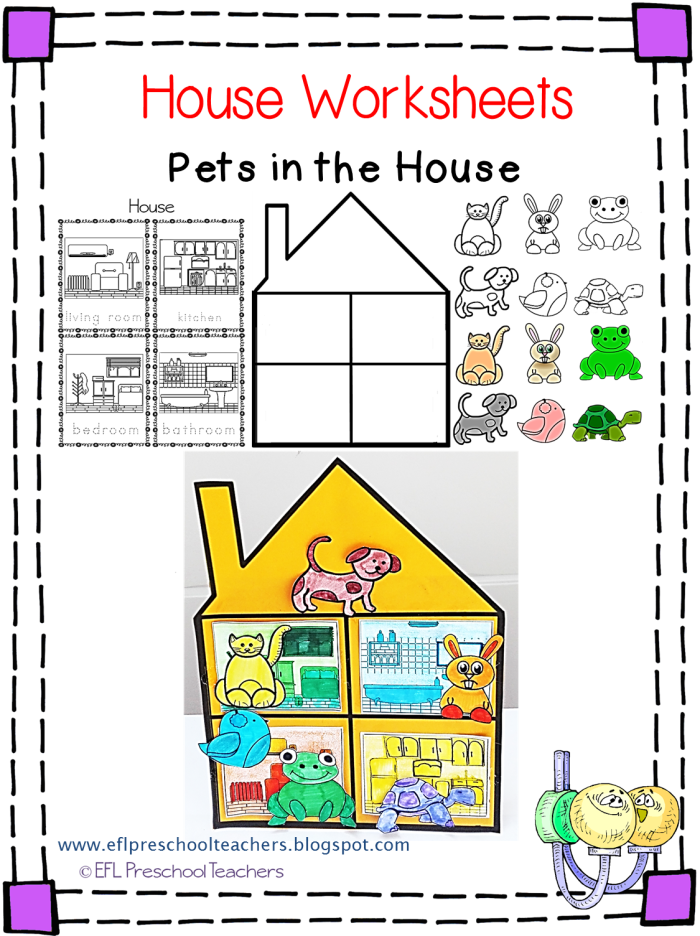
As your child fills in the worksheet, encourage them to draw their own house layout. This creative exercise helps solidify their understanding of space and reinforces their vocabulary. You might also explore how different houses can have unique room arrangements, reflecting various lifestyles and cultures. This opens up a discussion about diversity in living spaces.
By making learning about rooms in a house enjoyable and interactive, you’re setting the stage for your child’s growth in vocabulary and comprehension. As they explore these concepts, they’ll gain valuable skills that extend beyond the classroom.
Hands-On Worksheet Activities