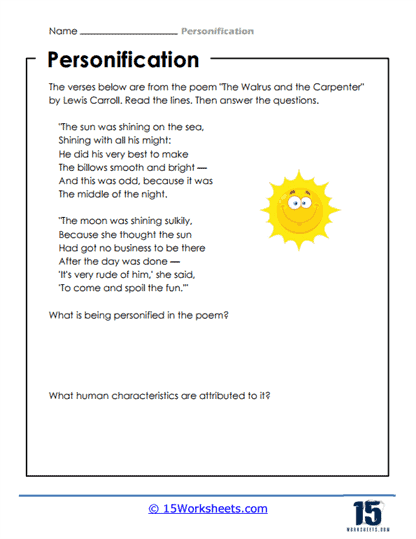
Personification transforms ordinary writing into something that breathes and moves on the page. When you give human qualities to non-human things, your readers suddenly see the world through fresh eyes. Emily Dickinson mastered this technique, and studying her work teaches you how to make your own writing sing.
Personification happens when you attribute human actions, emotions, or characteristics to objects, animals, or abstract concepts. Instead of saying “the wind blew hard,” you might write “the wind howled through the trees” or “the wind danced across the meadow.” Dickinson did this constantly. In her poem “Hope is the Thing with Feathers,” hope itself becomes a bird that perches in the soul and sings. The abstract concept of hope gains wings, a voice, and physical presence. This single choice makes the entire poem more vivid and memorable than if she had simply defined hope intellectually.
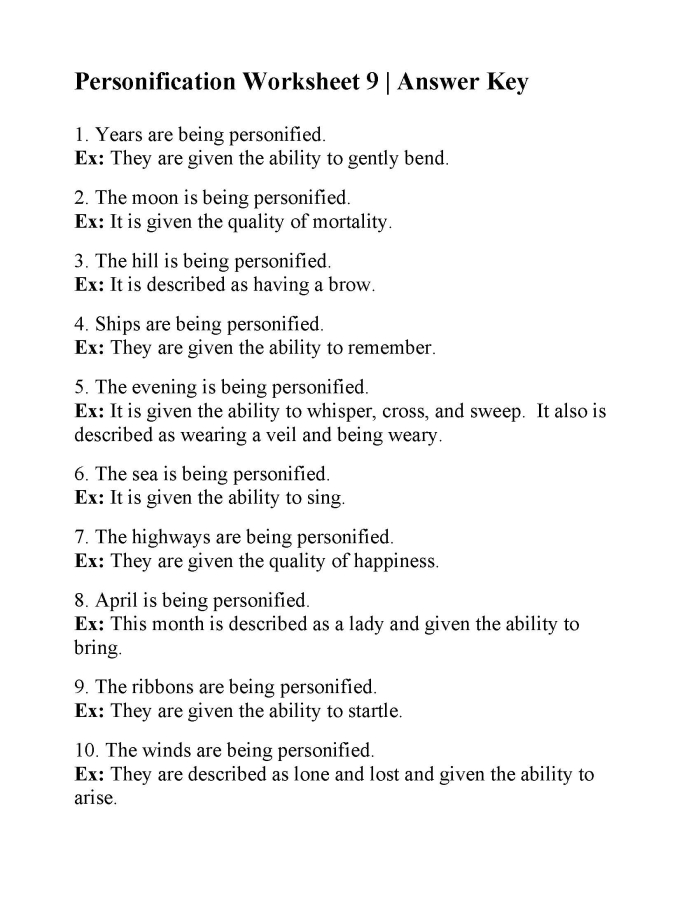
Learning to identify personification in poetry strengthens your sixth grade grammar and mechanics skills. When you recognize how Dickinson personifies nature, death, and emotion, you begin understanding how writers choose words deliberately to create mood and meaning. This awareness carries into your own writing. You start asking yourself: What human quality would make this image more powerful? What action verb could bring this scene to life?
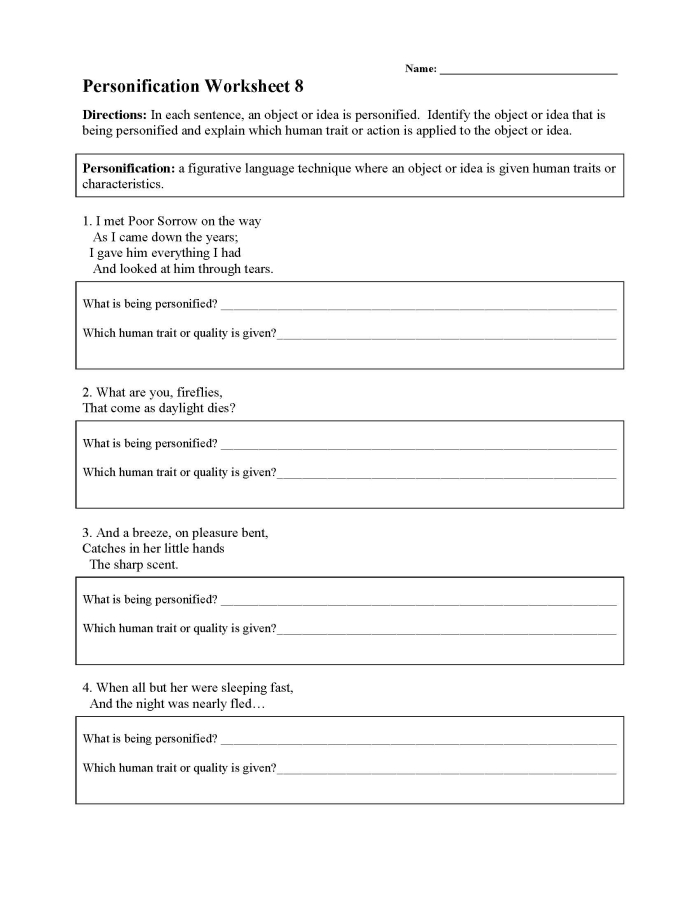
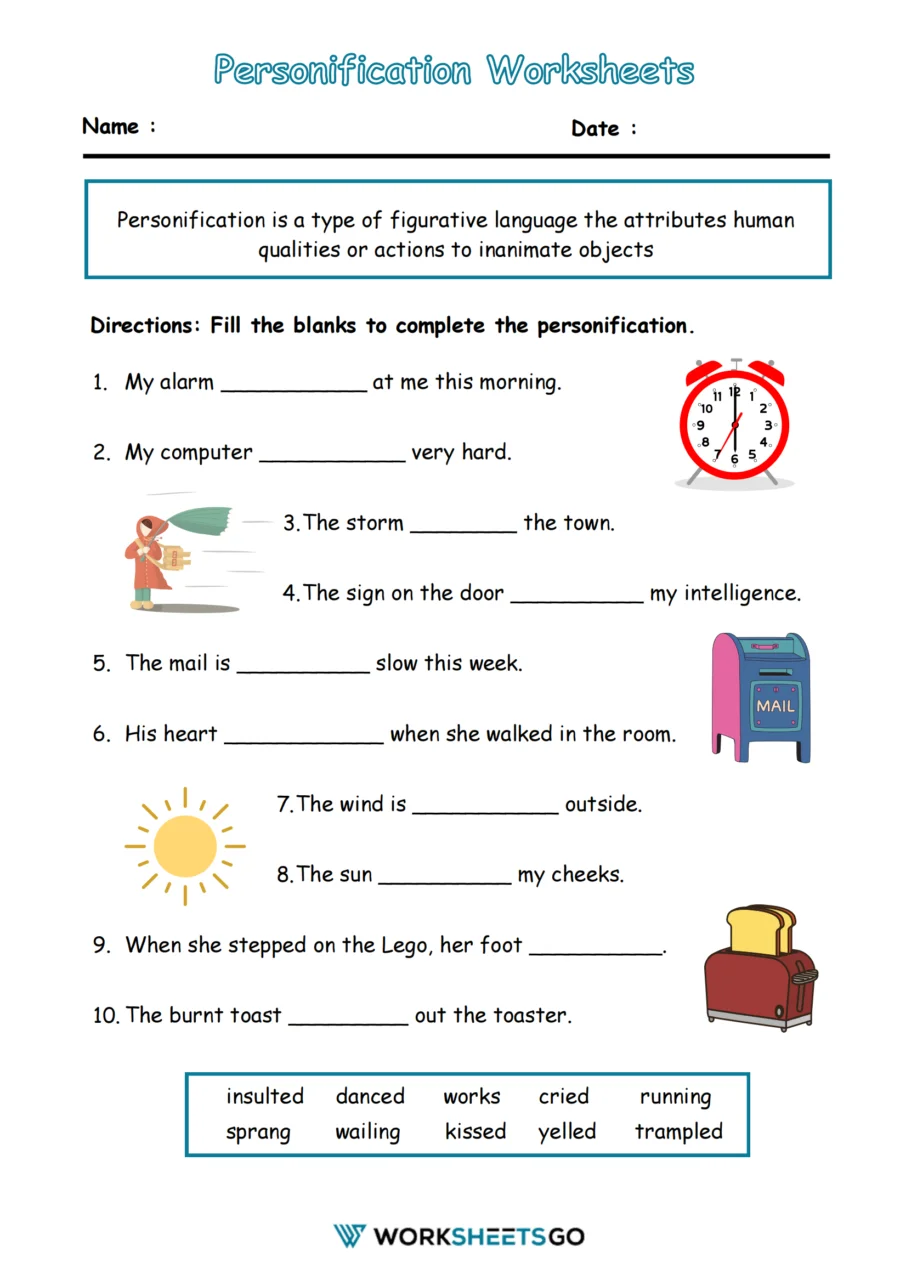
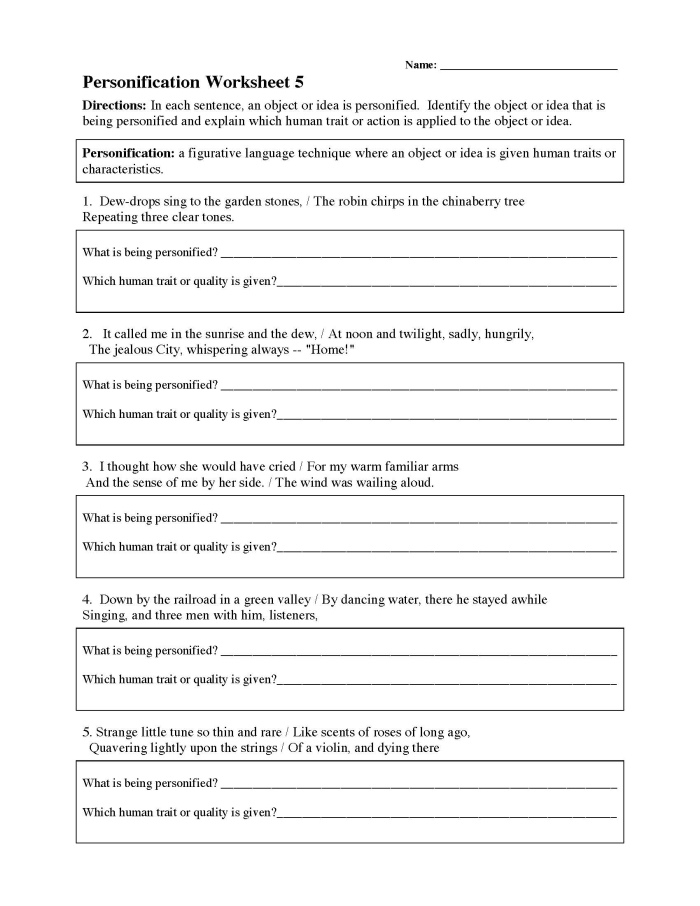
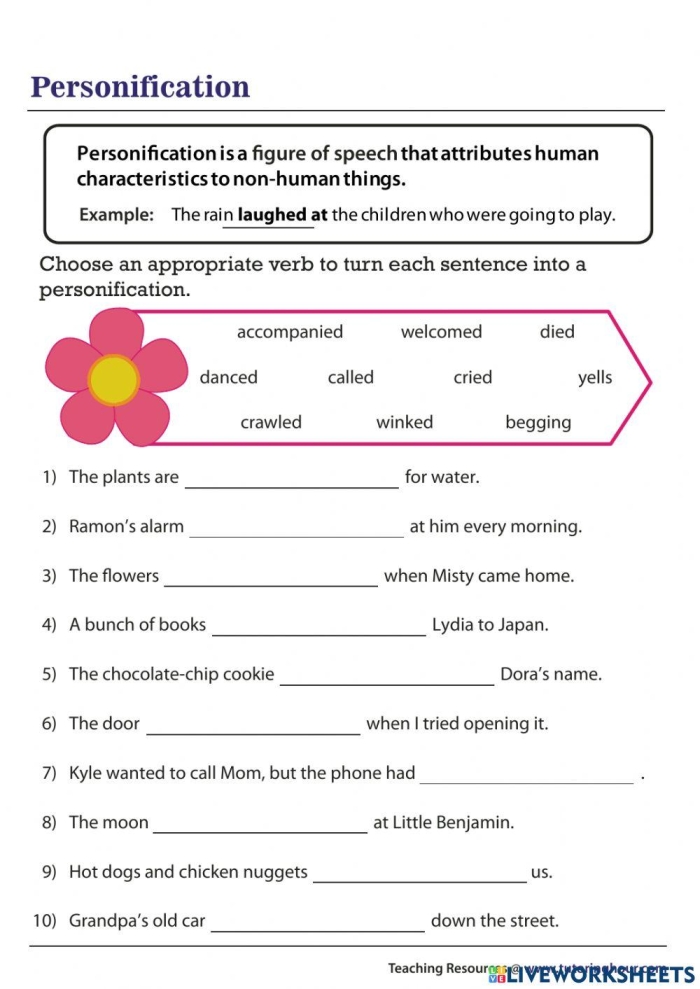
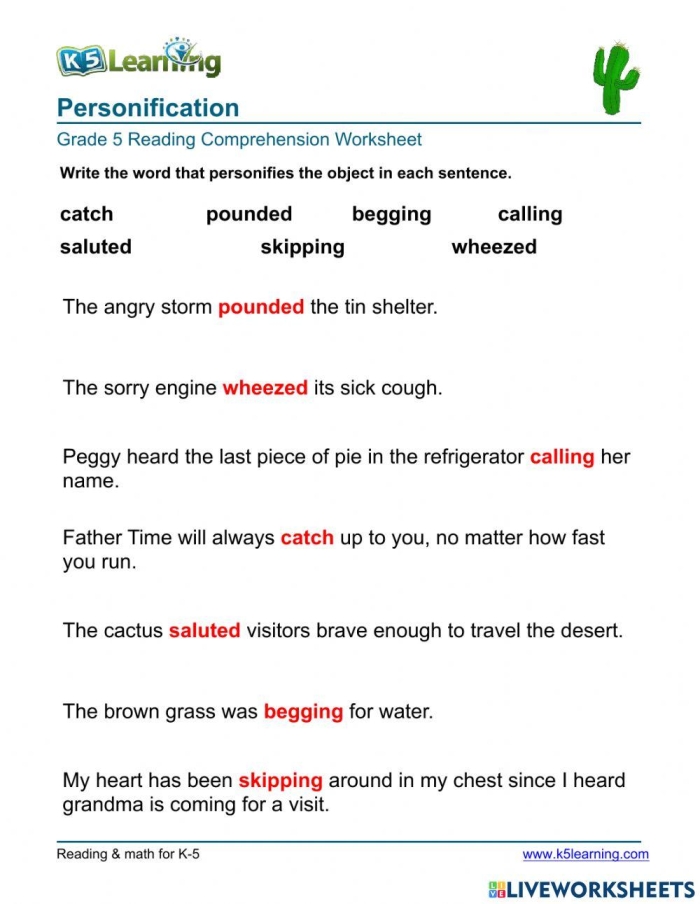
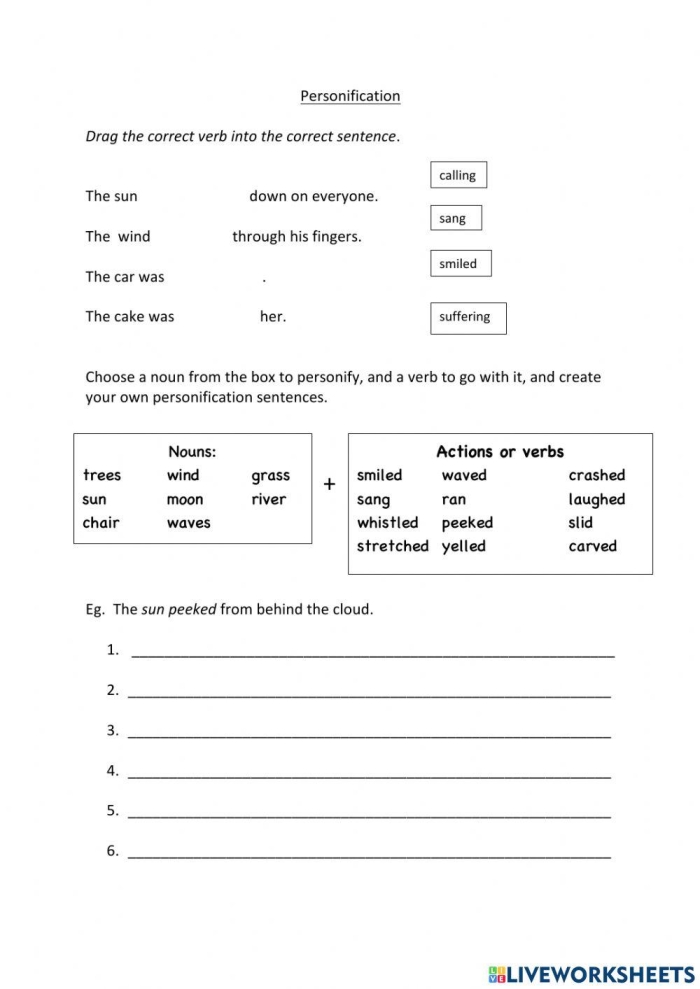
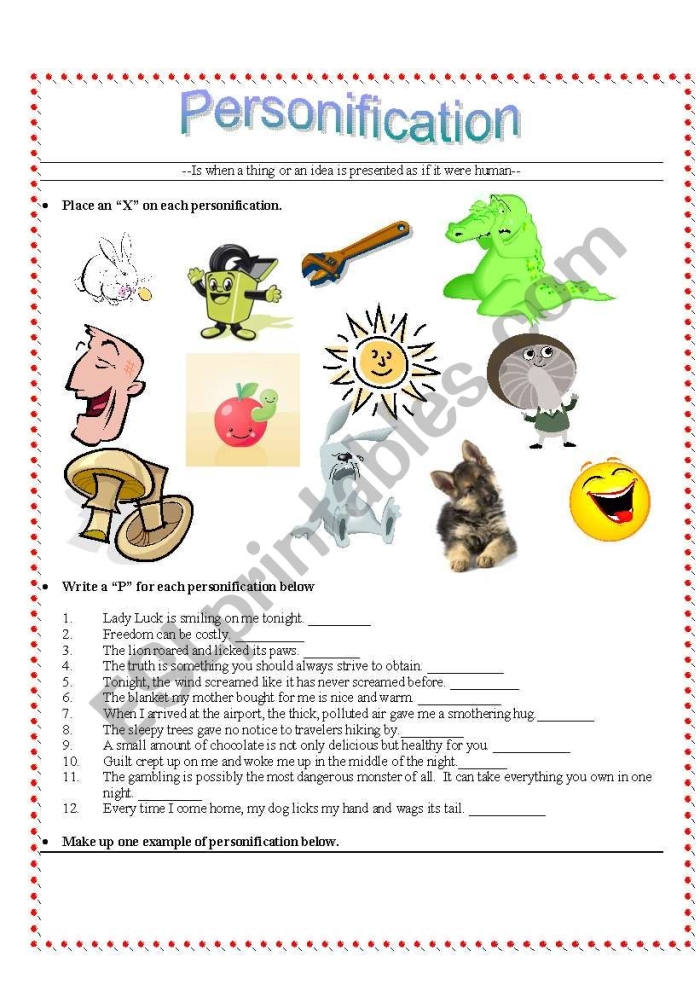
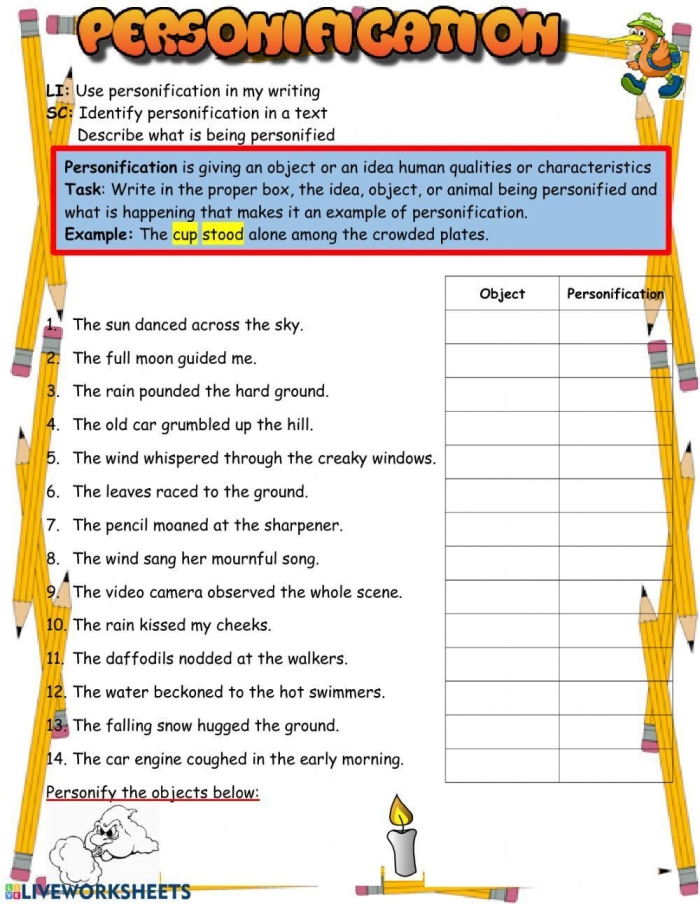
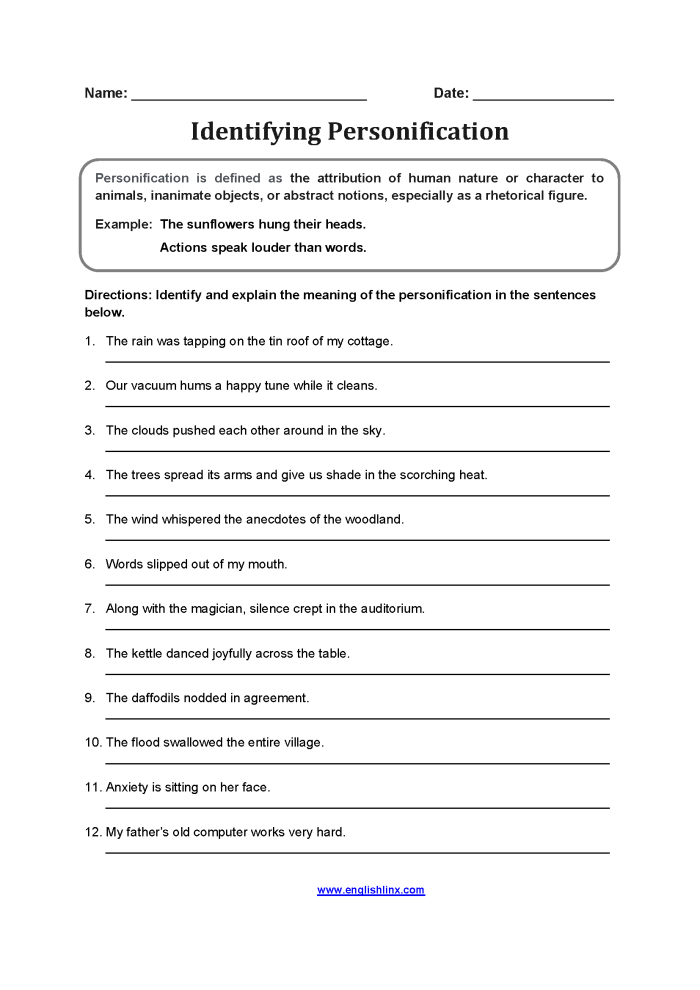
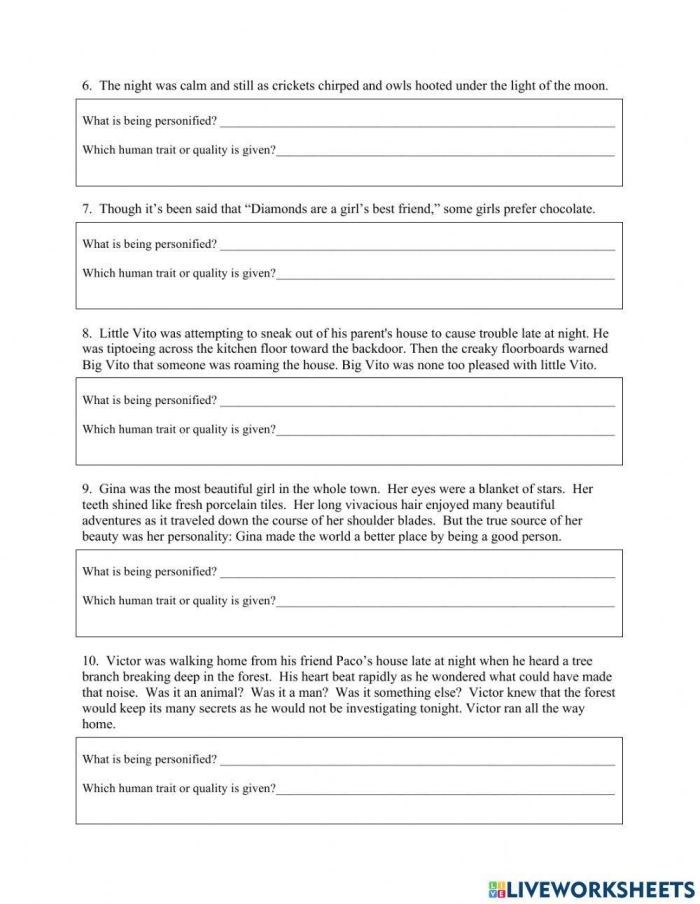
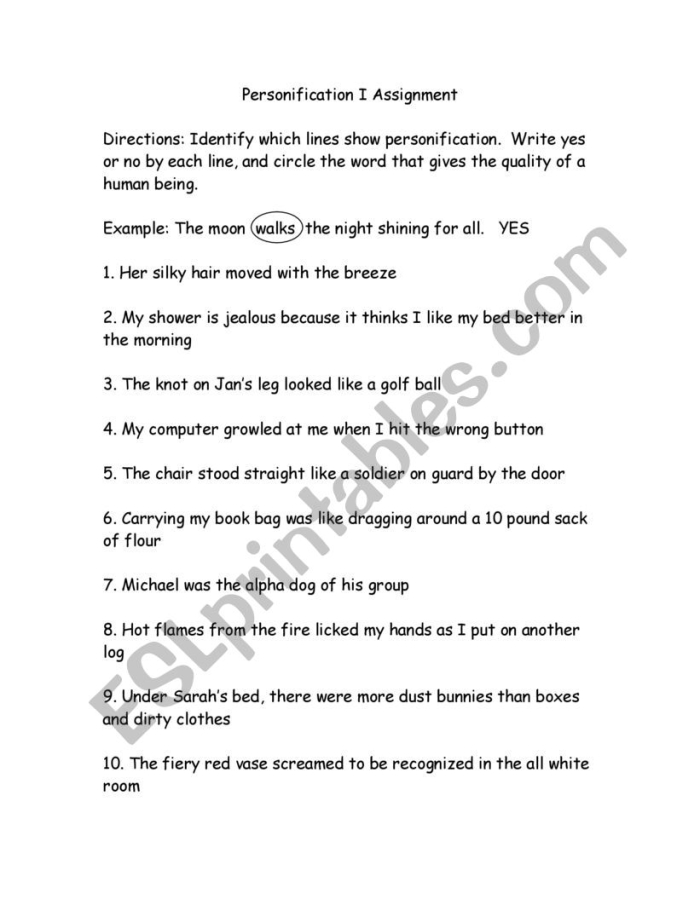
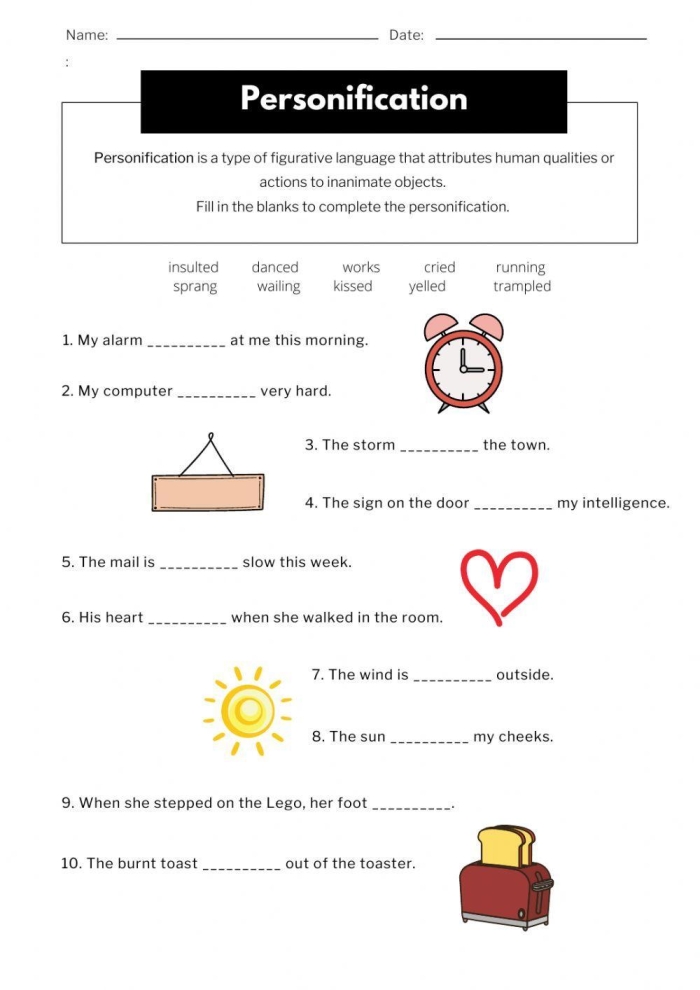
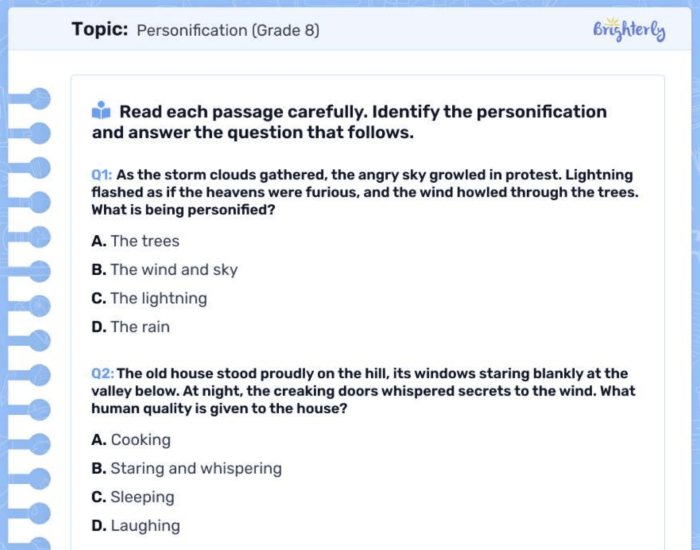
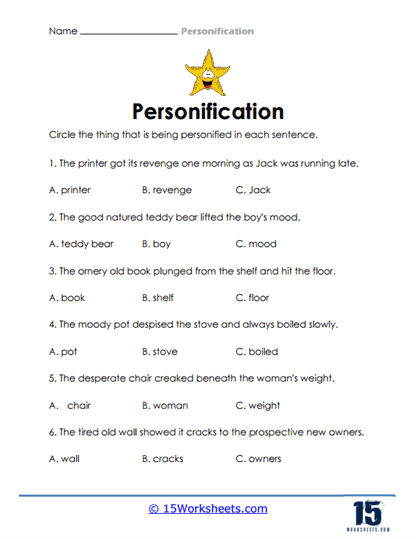
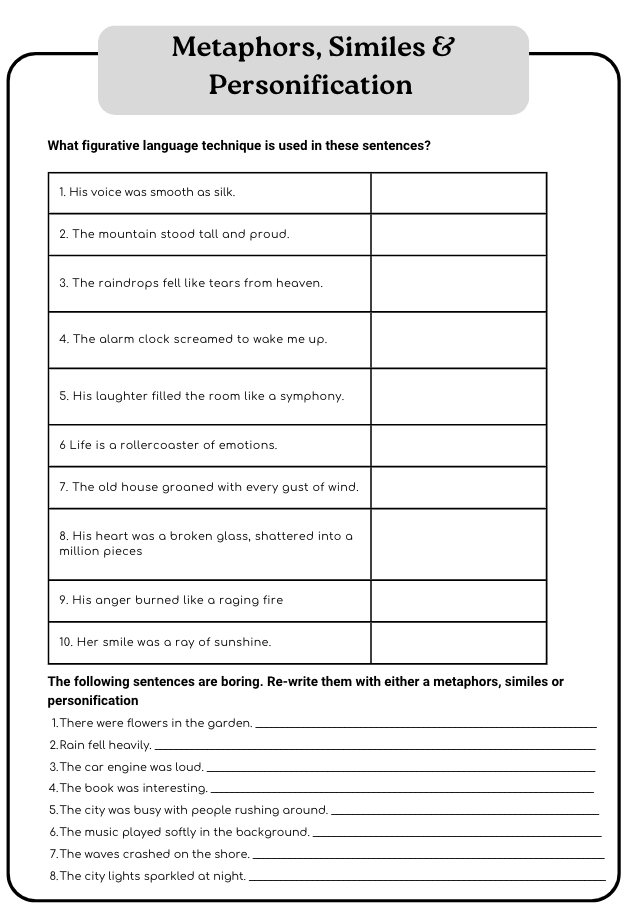
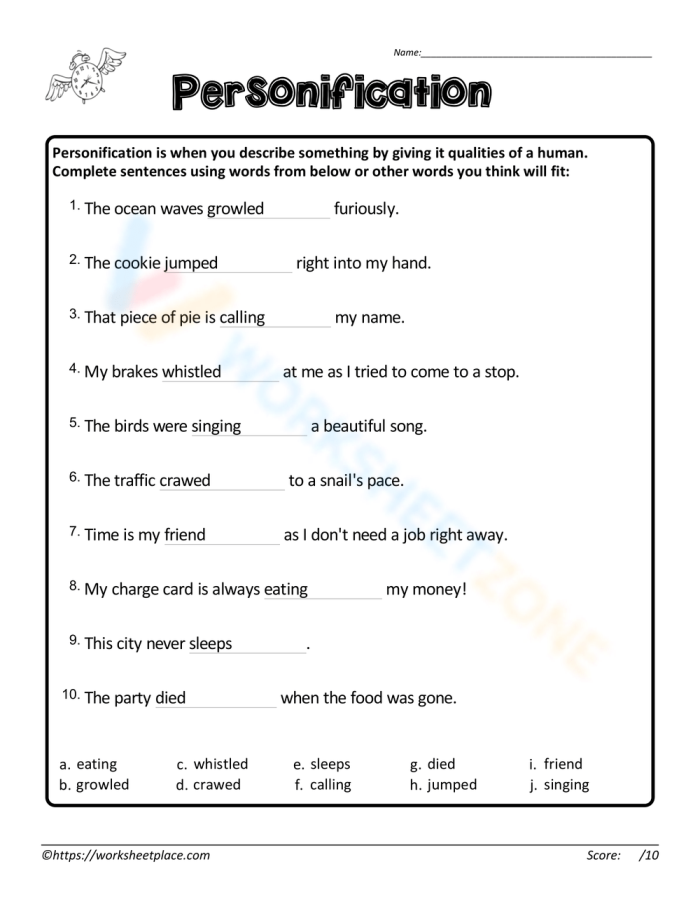
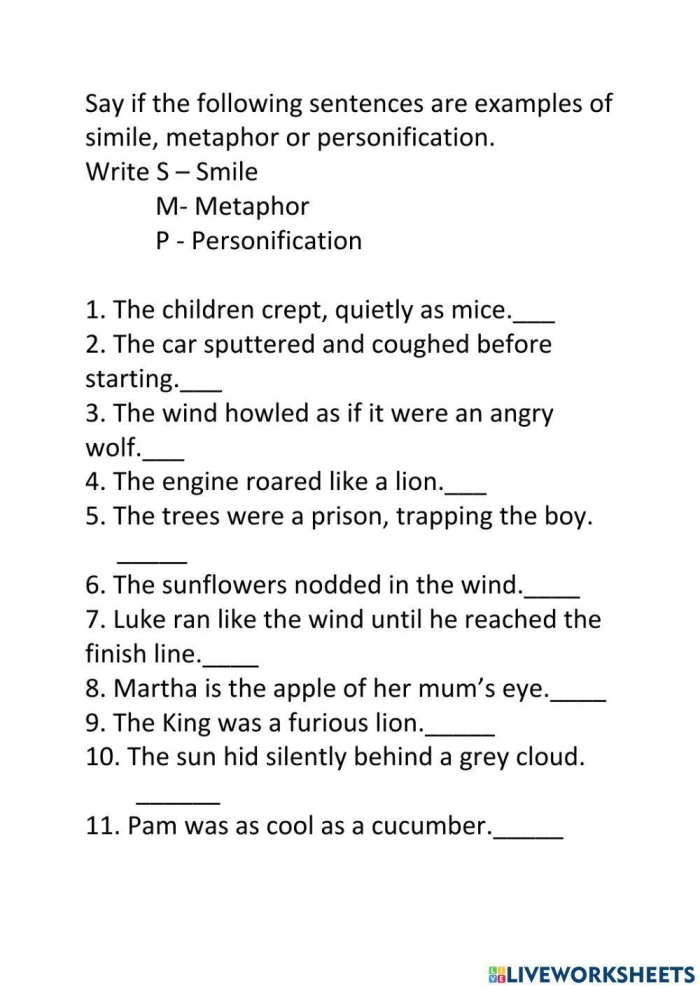
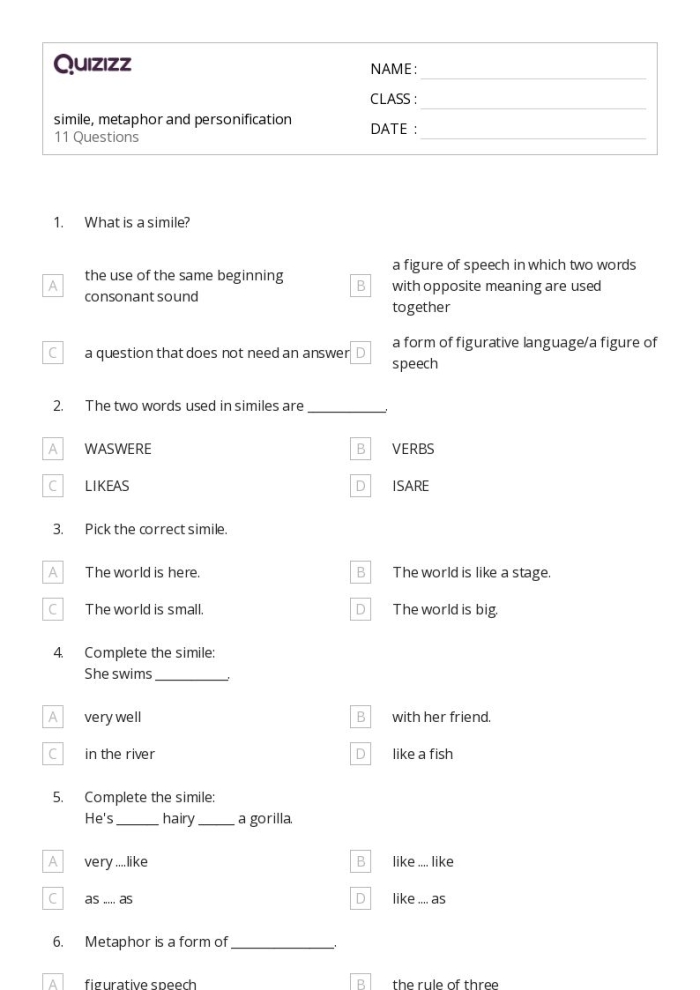
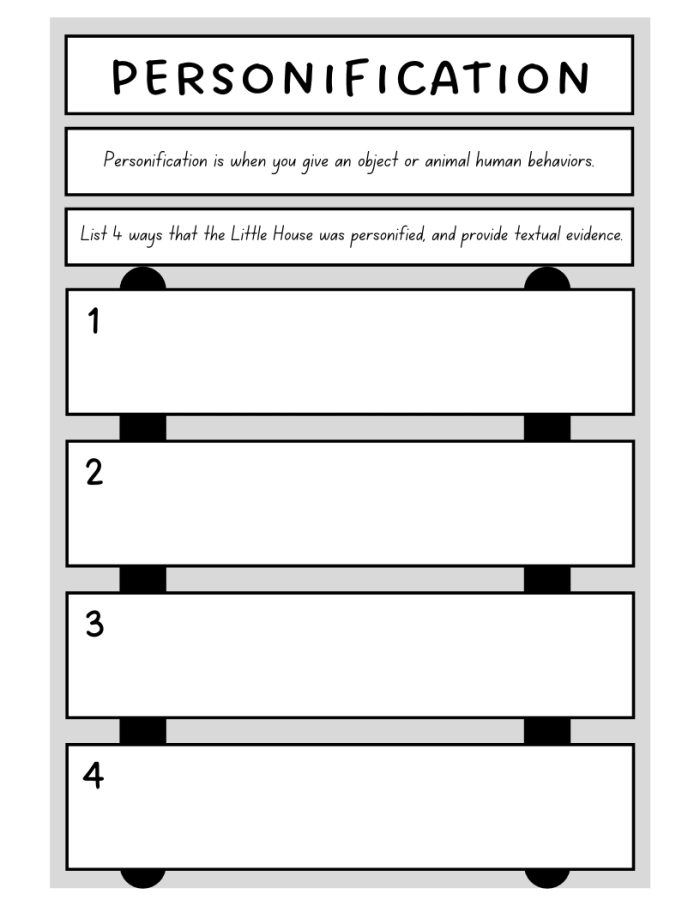
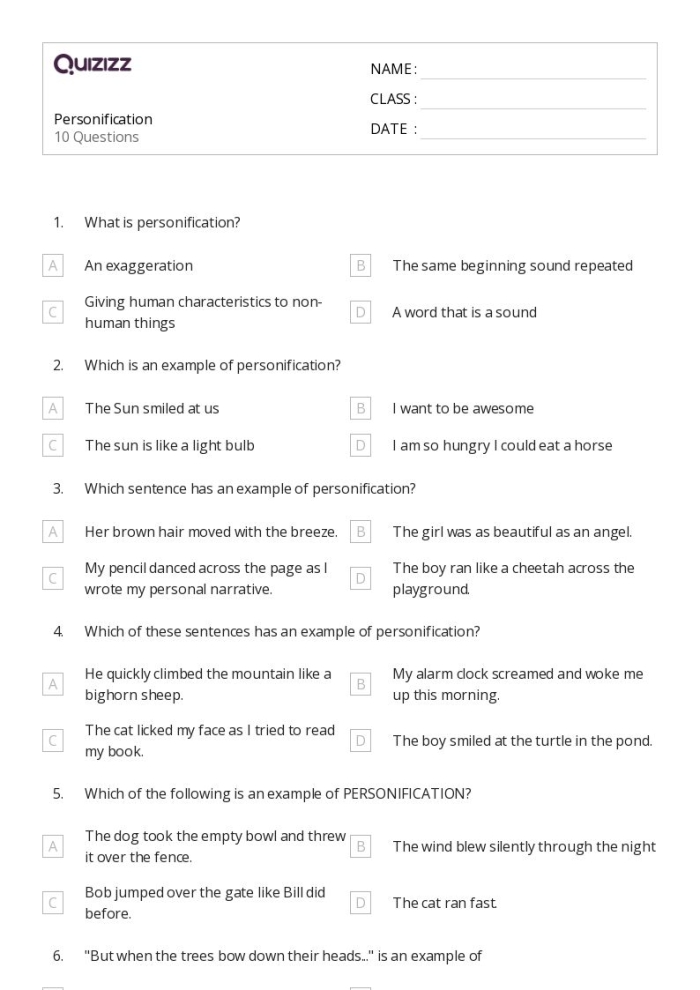
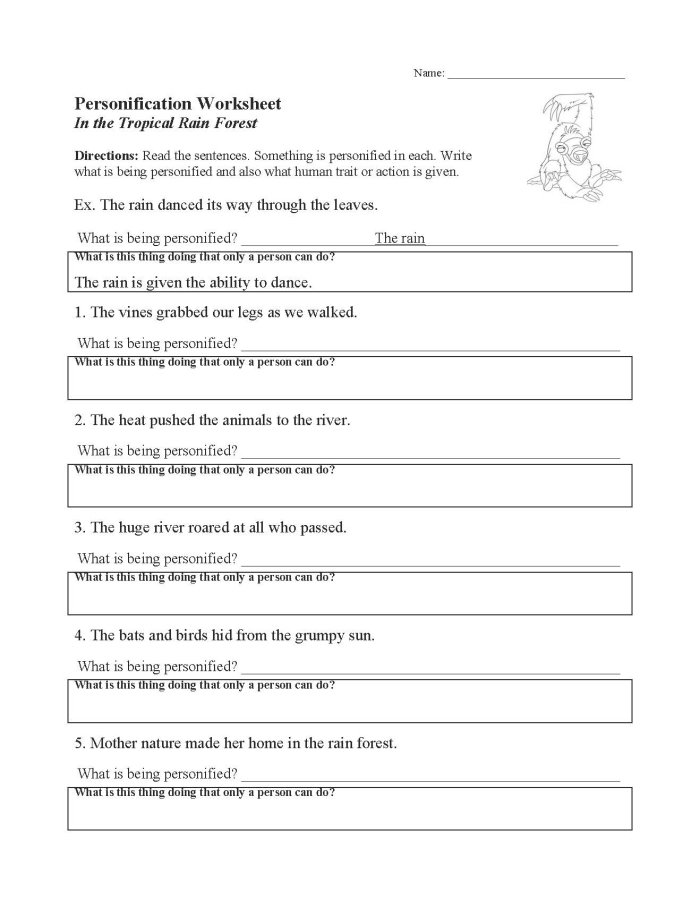
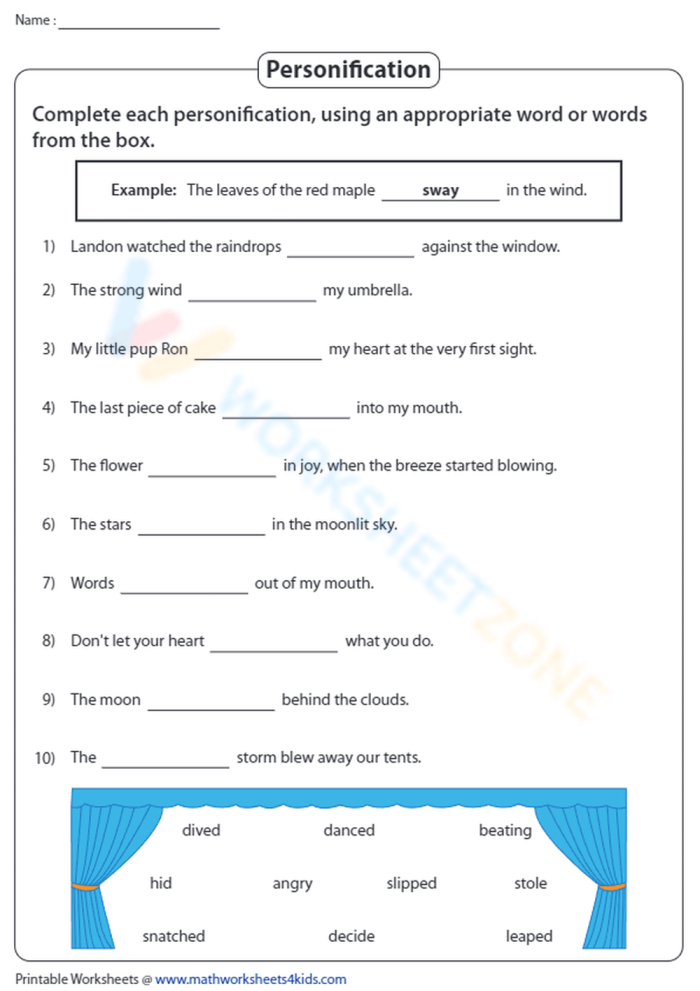
The best way to internalize personification is through practice. Reading Dickinson’s poems alongside exercises helps cement the concept. You might also explore how personification works in other contexts, like analyzing poetry about Thanksgiving or studying how historical writing uses these techniques when examining the causes of the Civil War. Writers across genres use personification to engage readers emotionally.
When you master personification, your sentences gain energy and personality. Your readers don’t just understand your meaning, they feel it.
Use These Worksheets Today