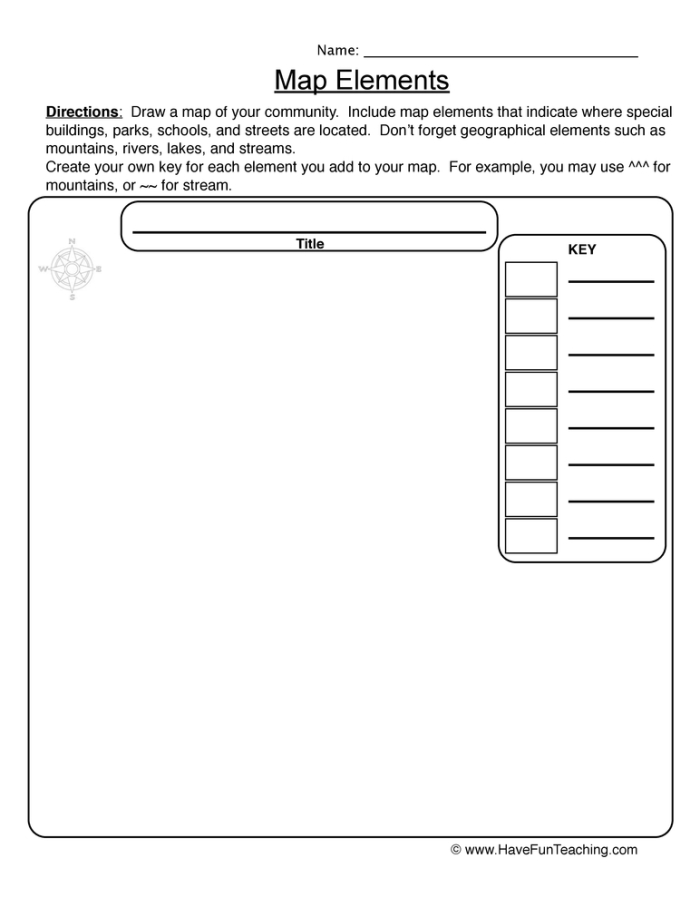
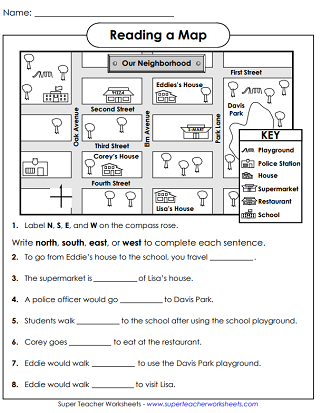
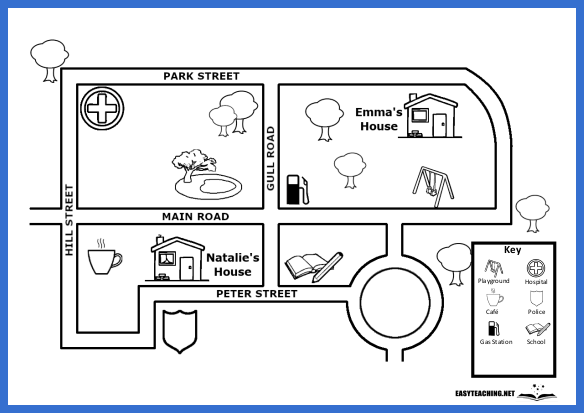
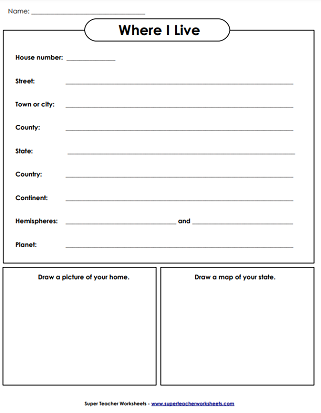
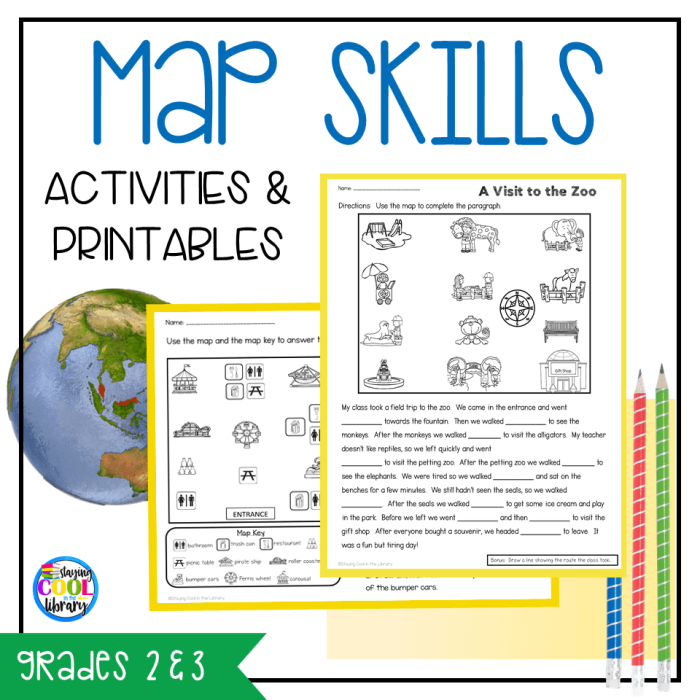
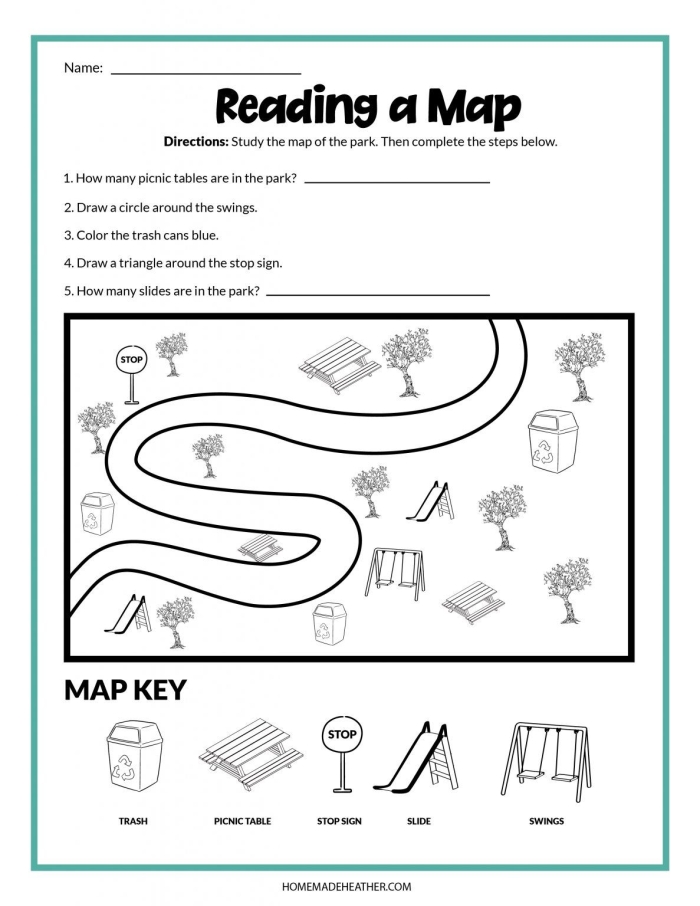
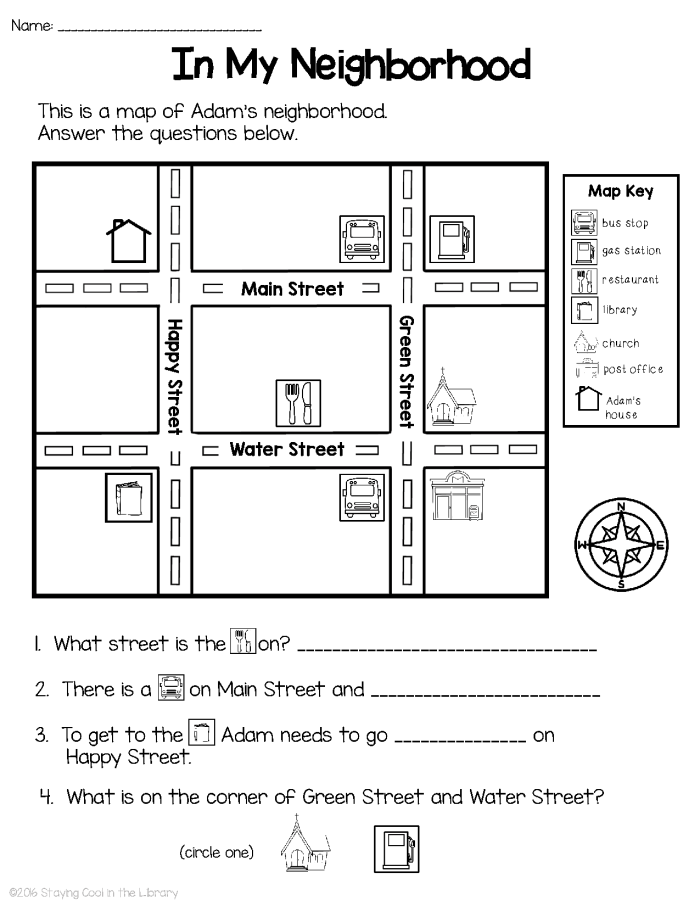
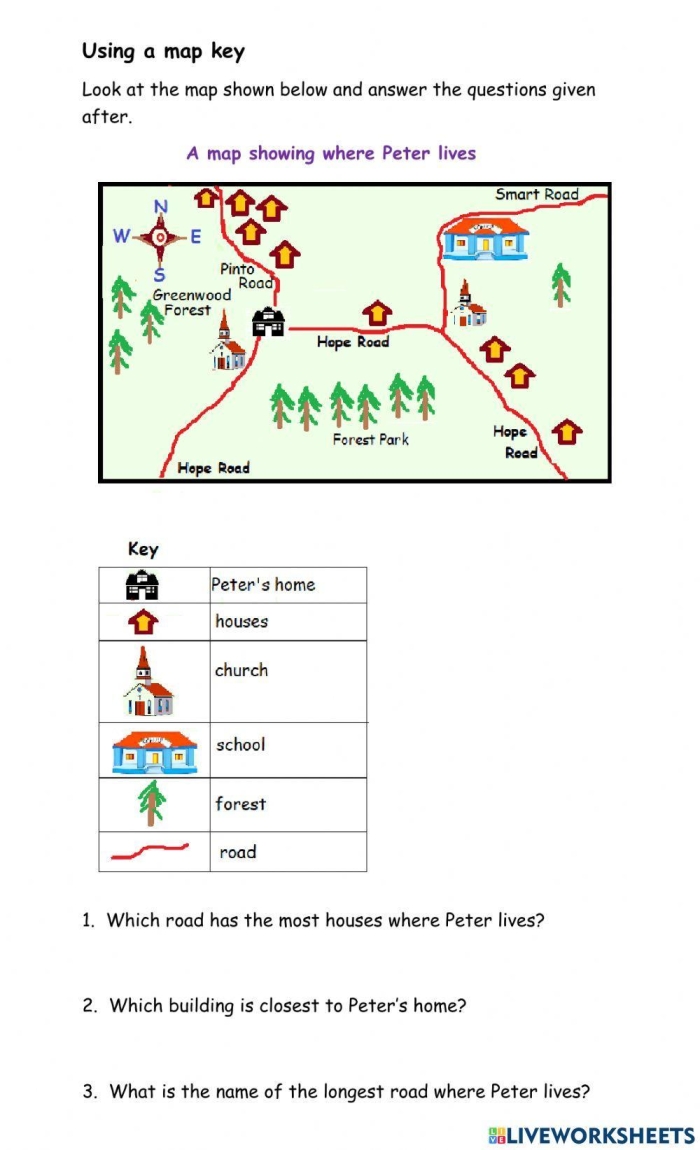
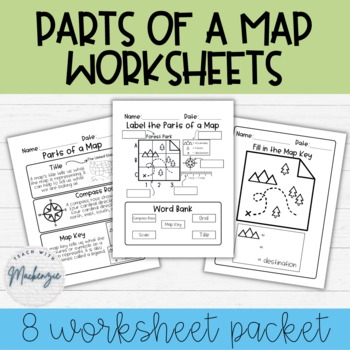
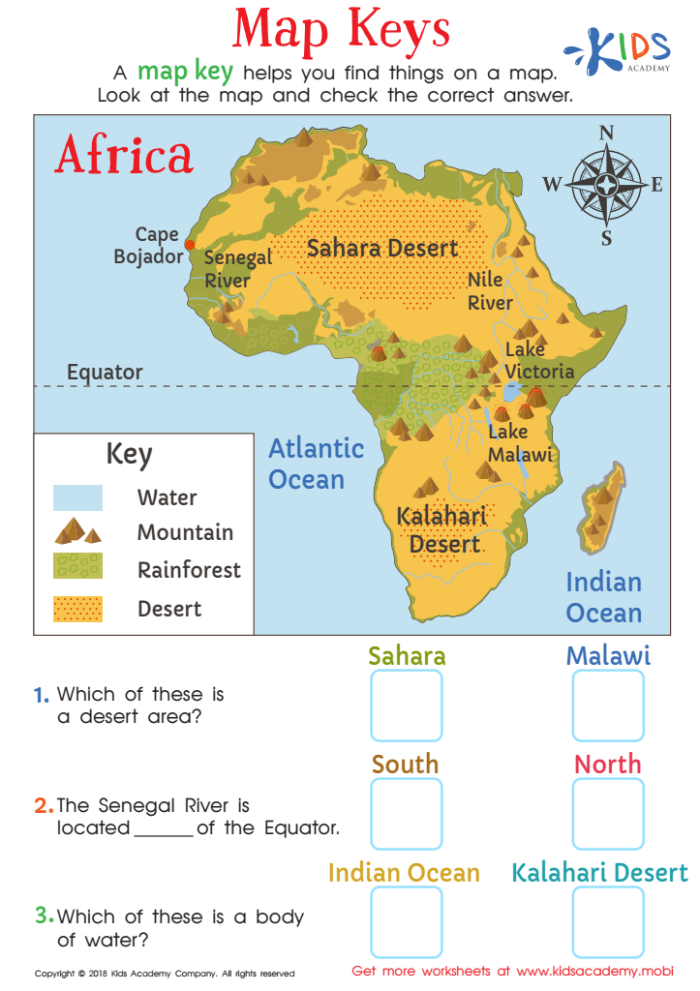
Map skills don’t develop overnight, and most first grade students need concrete practice before they can navigate anything beyond their immediate surroundings. A simplified county map with a visual key gives your child exactly what they need: a manageable introduction to how maps work without overwhelming details.
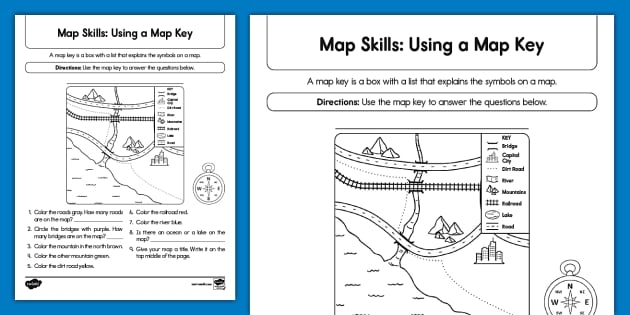
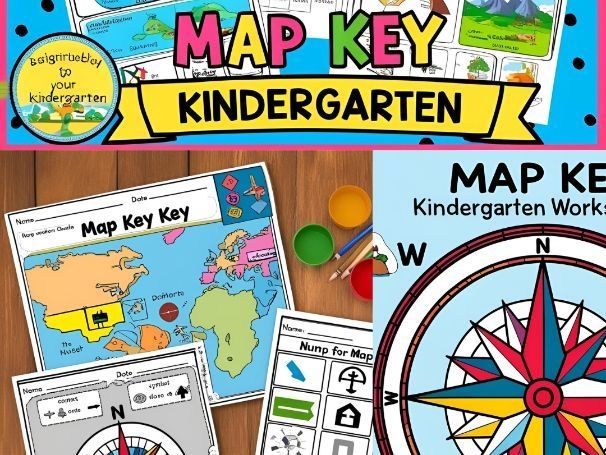
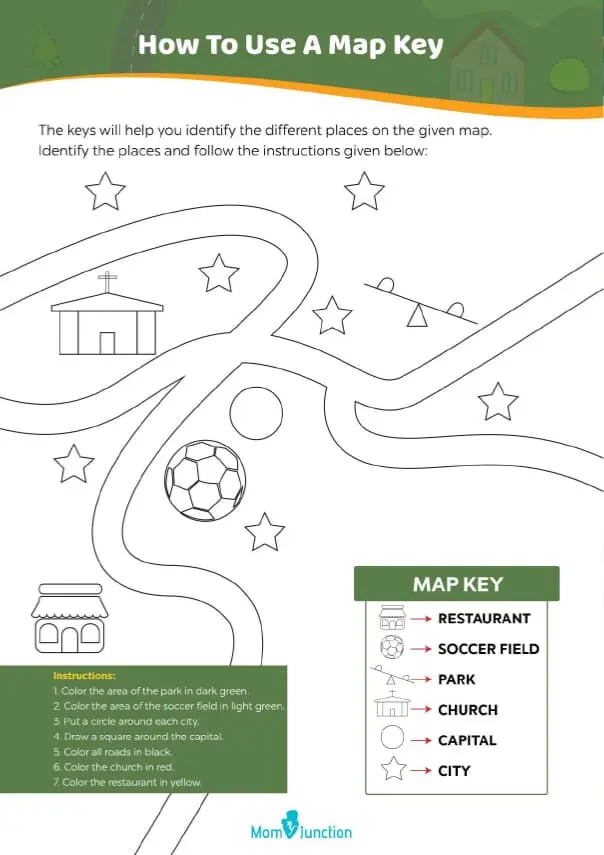
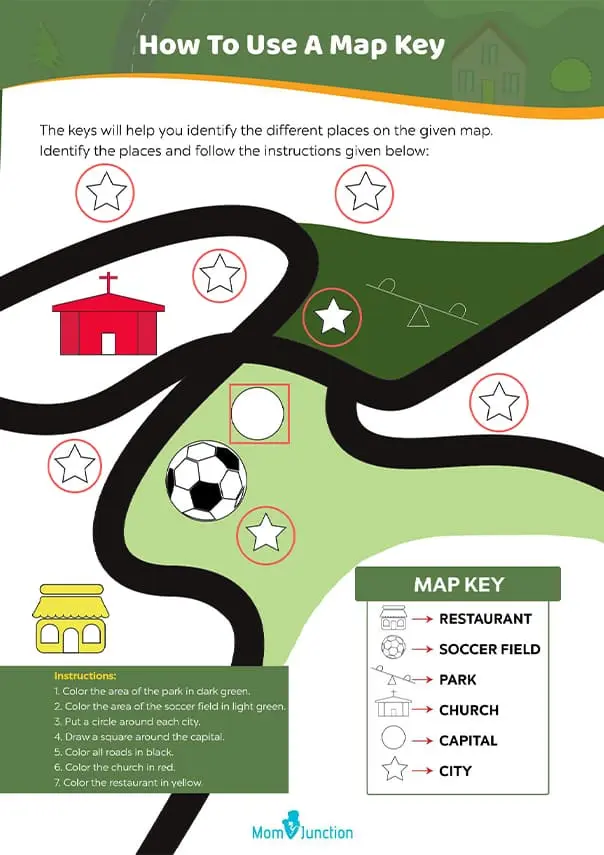
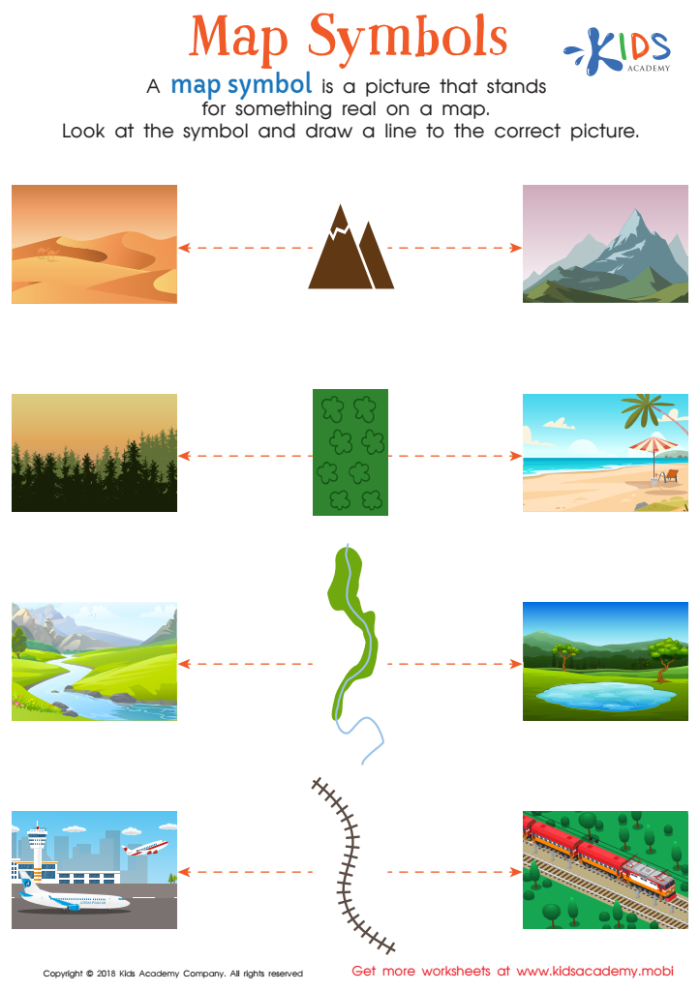
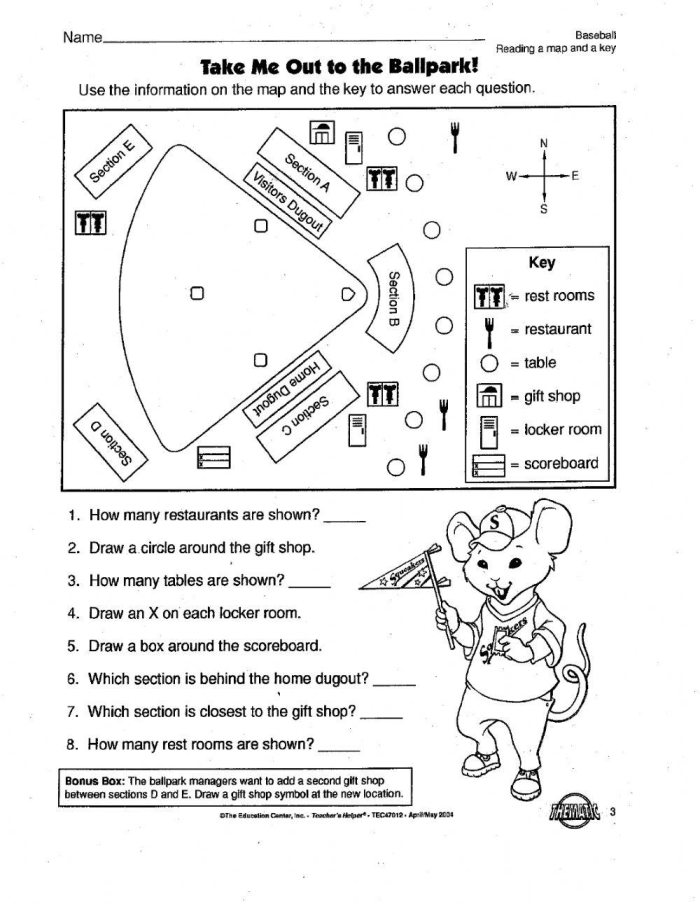
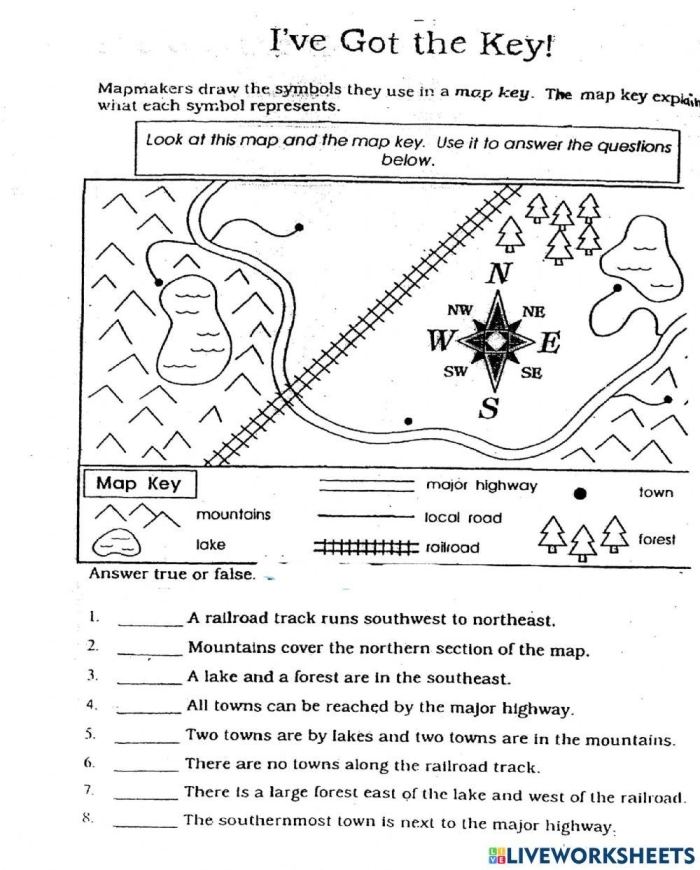
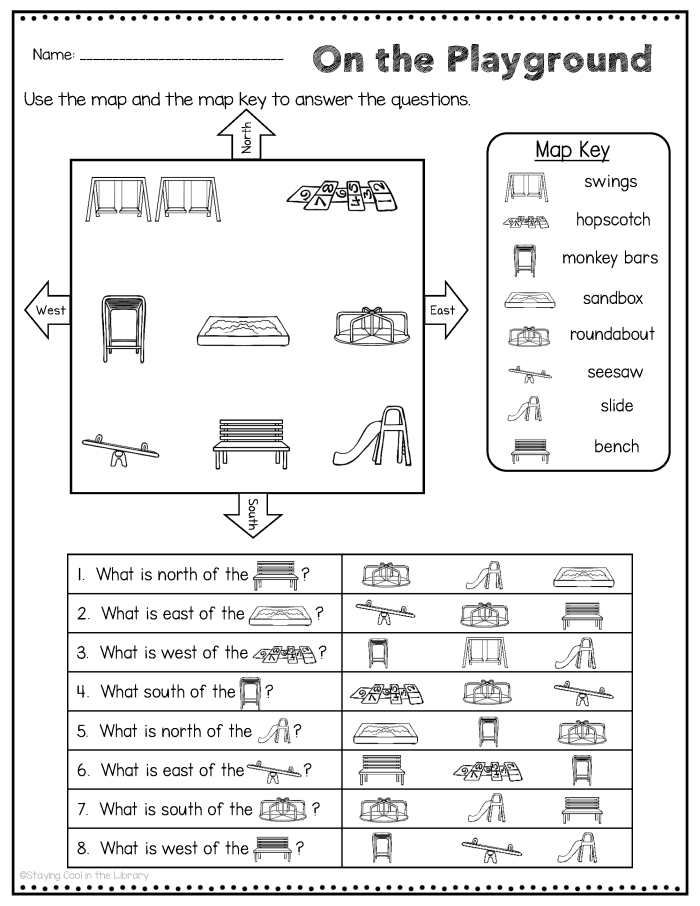
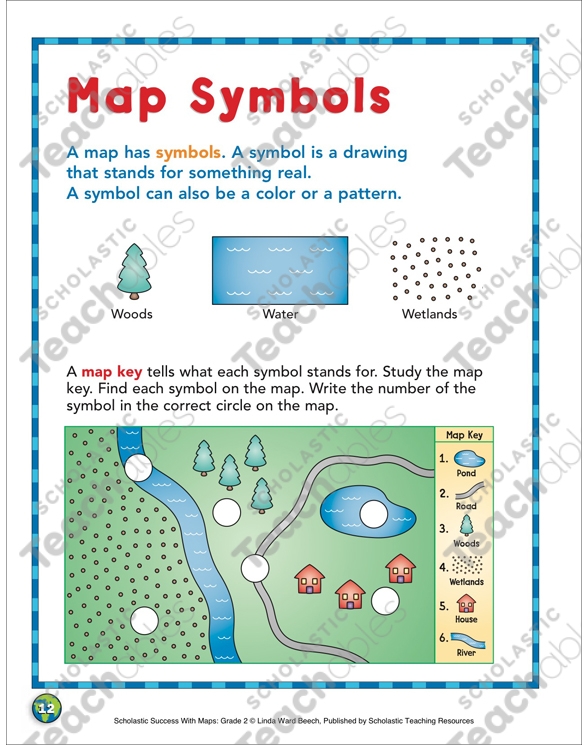
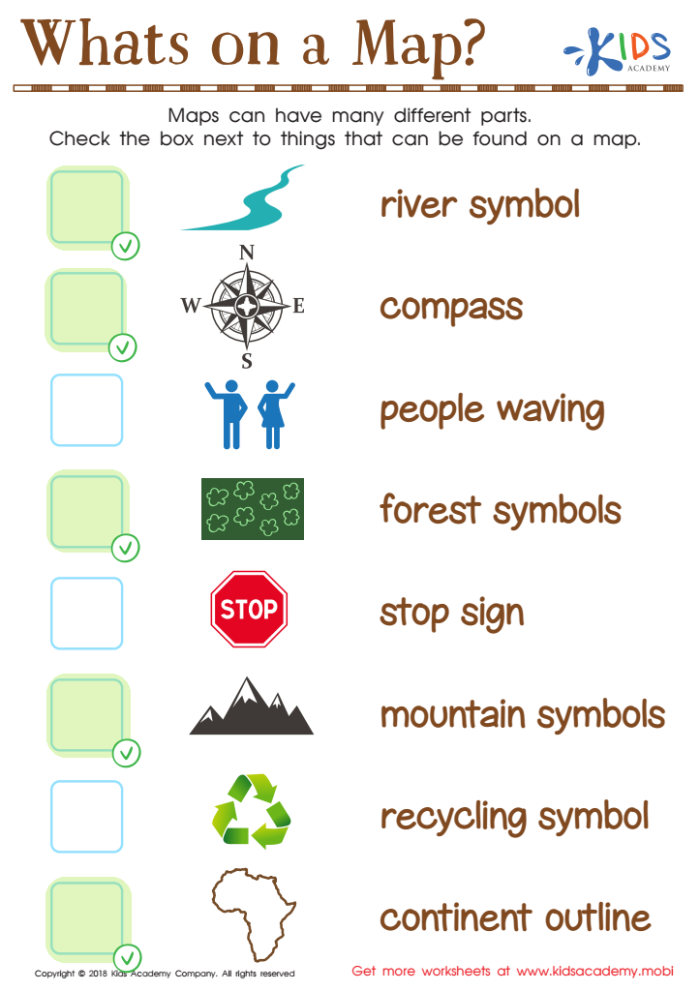
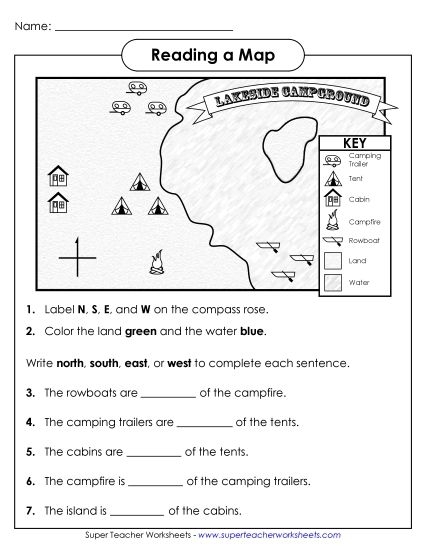
When you use a printable map with a clear key, your child learns that symbols represent real things. A small tree icon means forests exist in that area. A factory symbol shows where people work. This connection between abstract representation and reality is fundamental to geographic thinking. Your child begins to understand that maps are tools for finding information, not just pictures to look at.
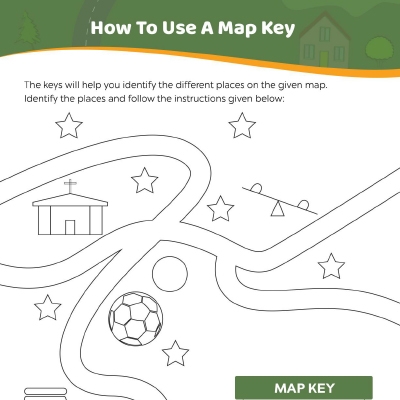
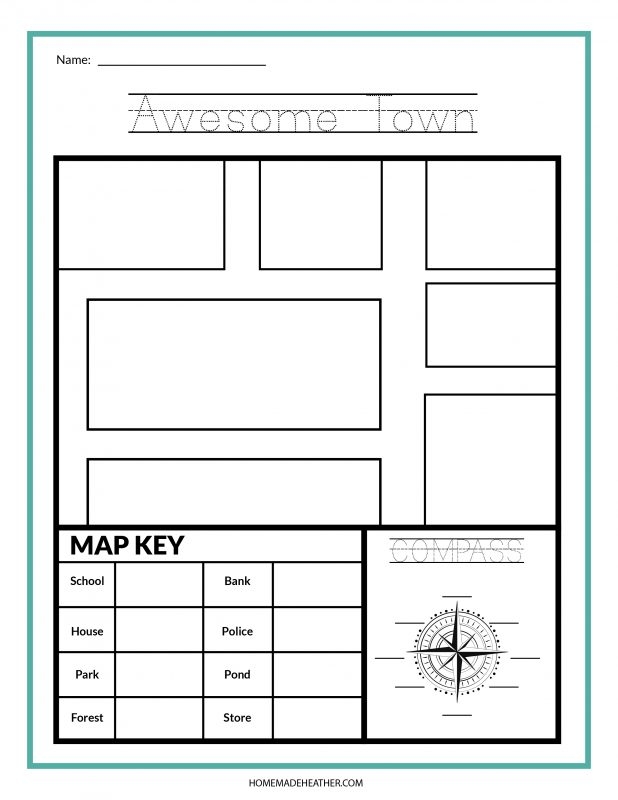
The activity itself keeps young learners engaged. Coloring different regions by symbol type reinforces visual recognition and fine motor control. When your child circles items from the map key, they’re practicing careful observation and following directions simultaneously. This hands-on approach works better than simply telling a child what a map shows.
A county-level map is the right scale for first graders. It’s large enough to include meaningful details but small enough to feel manageable. State or national maps often confuse young learners with too much information. A county map shows familiar concepts like towns, roads, and parks that your child can relate to their own community.
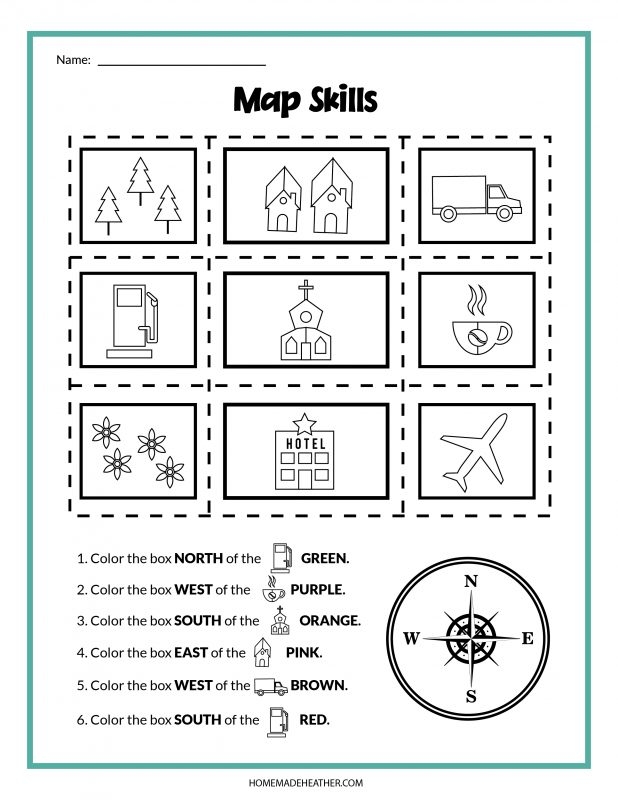
As your child progresses, they can tackle more complex map activities. Using a map key serves as the foundation for these later skills. Your child also benefits from other first grade activities that build related abilities, such as following directions and understanding spatial relationships. These skills work together to develop strong foundational knowledge in history and geography.
Worksheet Practice Section