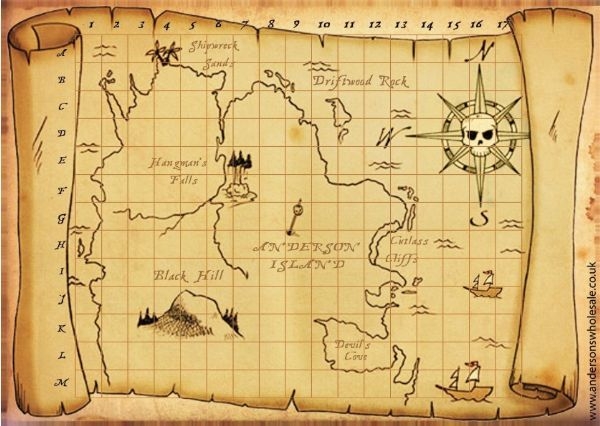
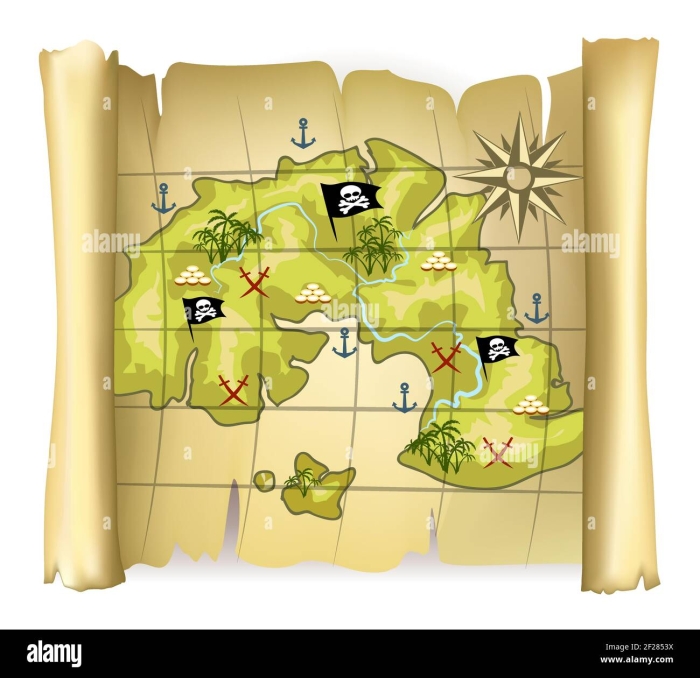
Any second grader worth their salt knows that a pirate without map-reading skills is just someone wandering around the ocean hoping to stumble upon treasure. Map literacy is one of those foundational abilities that connects spatial reasoning, directional language, and practical navigation skills into something genuinely useful. A treasure map grid teaches children how to locate specific points in space, which is far more valuable than it might seem at first glance.
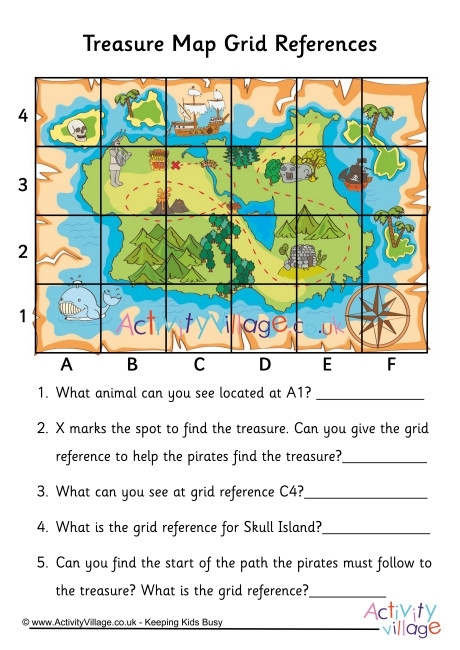
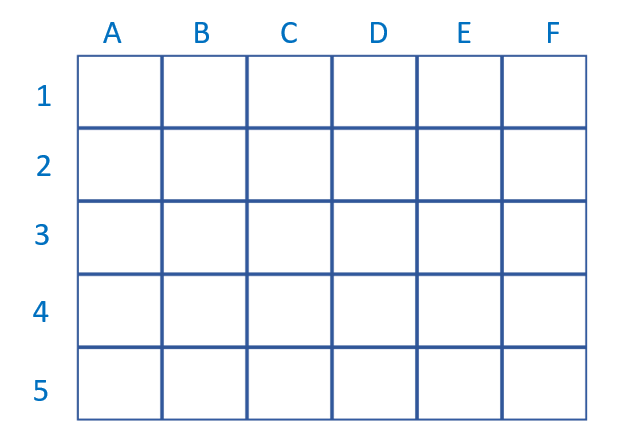
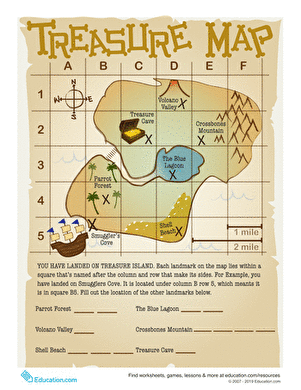
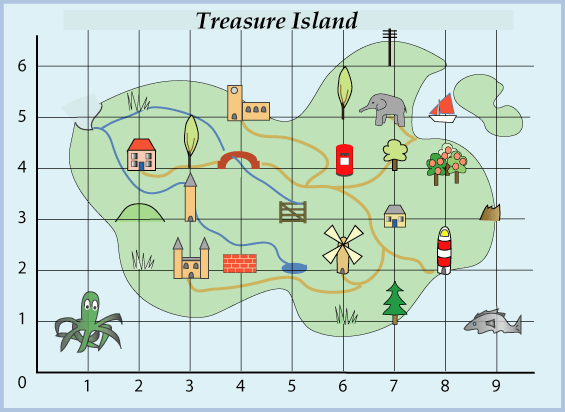
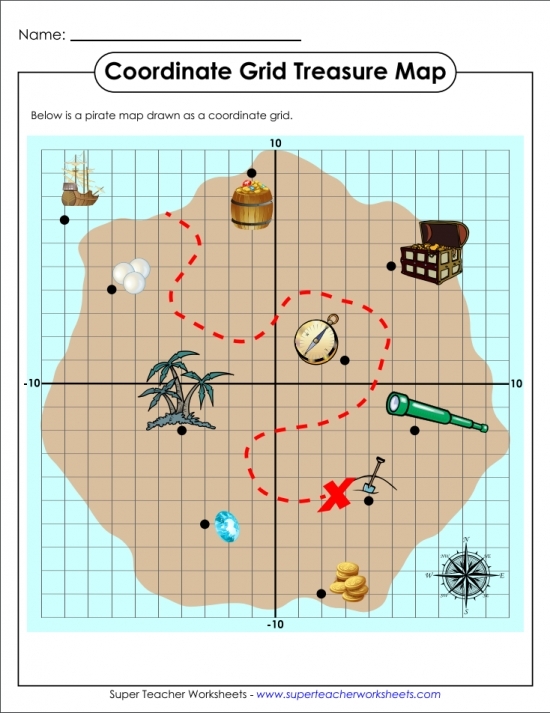
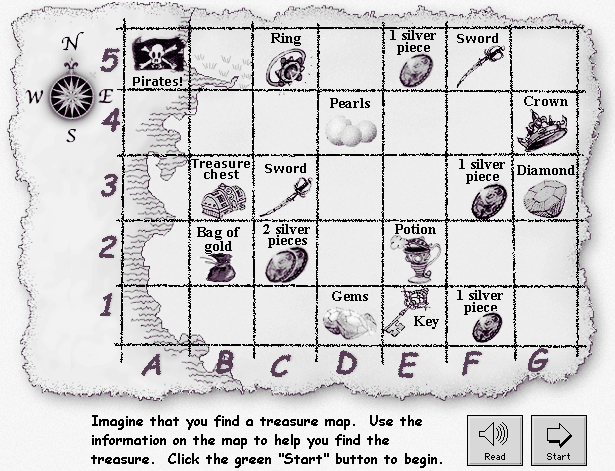
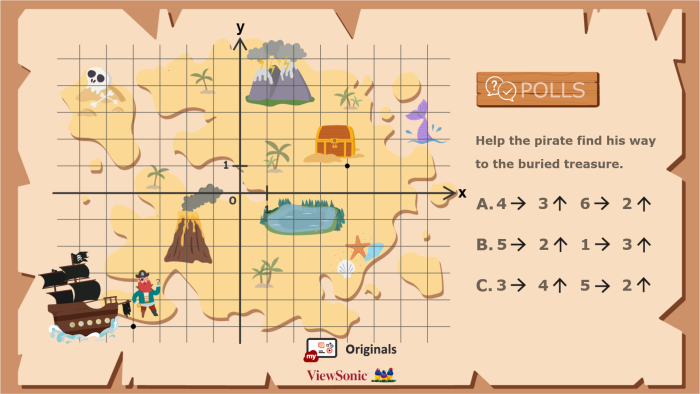
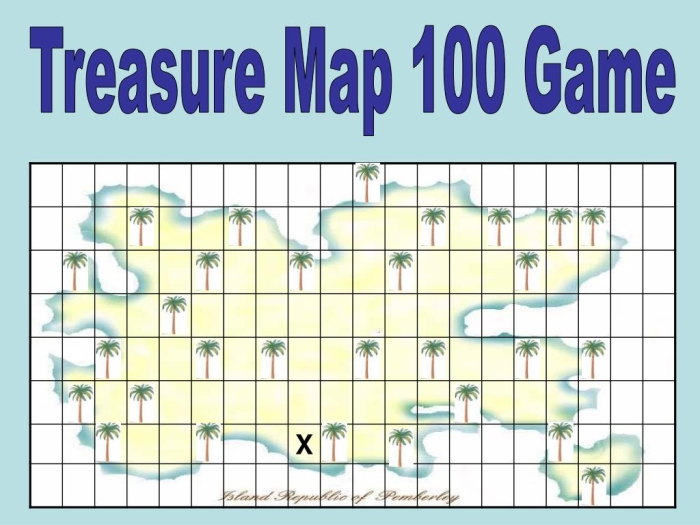
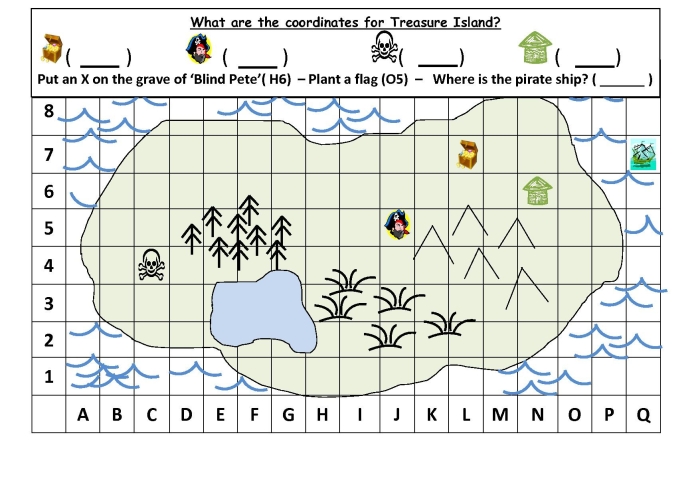
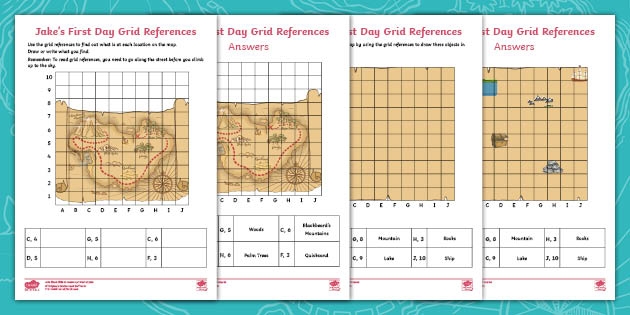
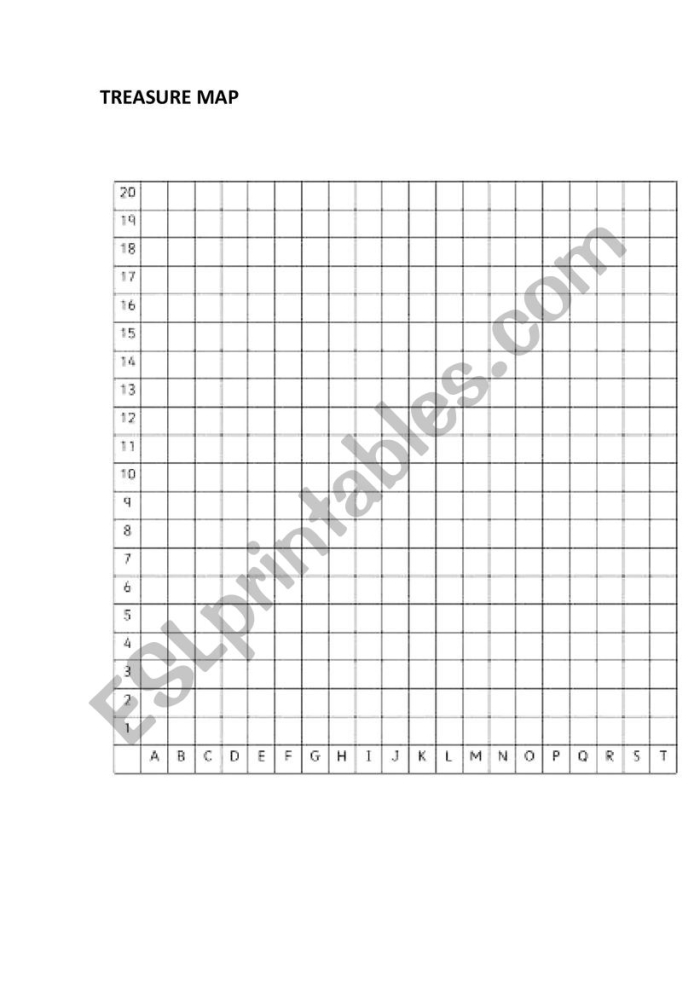
The basic treasure map grid works by dividing a space into rows and columns, each labeled with letters or numbers. When your child learns to find coordinates like “C-4” or “Row 2, Column B,” they’re developing the same skills that mathematicians and engineers use every day. This isn’t abstract thinking; it’s concrete problem-solving that children can see and touch.
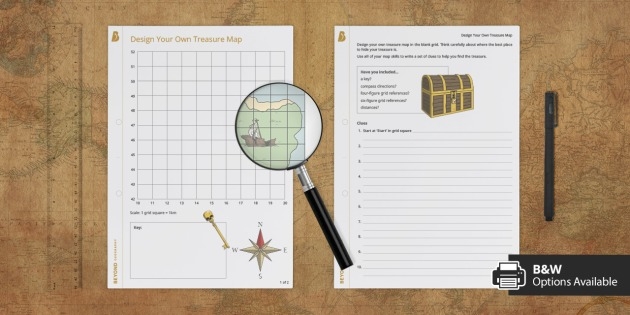
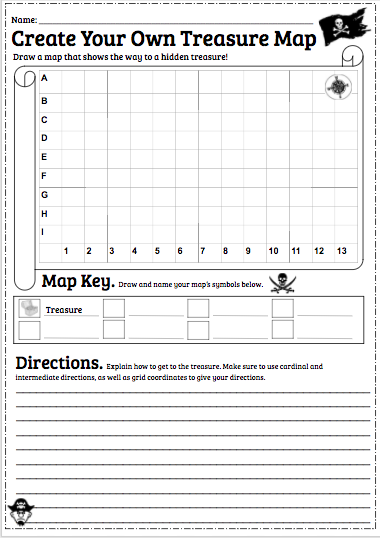
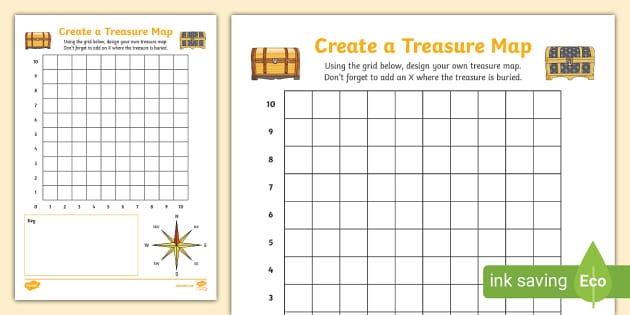
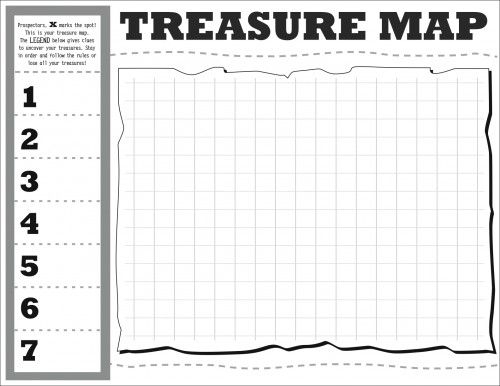
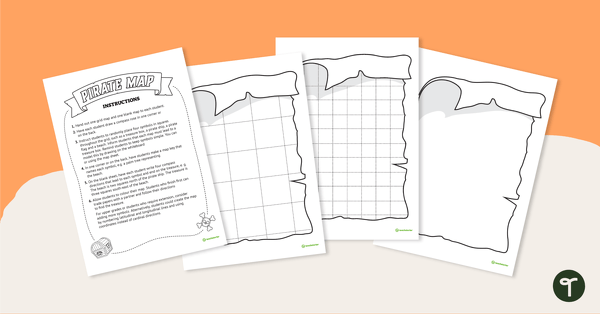
For second grade learners, a printable treasure map grid worksheet offers the perfect entry point into this skill. Start by placing simple objects on the grid, then ask your child to locate them using coordinates. You might hide a picture of a pirate ship at D-3 or a treasure chest at A-5. As they gain confidence, increase the difficulty by adding more locations or asking them to draw their own maps.
Pairing map work with other learning activities strengthens the overall experience. Consider combining treasure map exercises with shape recognition activities, where children identify what type of landmark appears at each coordinate. You could also integrate measurement practice by having them calculate distances between two treasure locations.
The beauty of treasure map grids lies in their flexibility. They work equally well for reinforcing sight words through hidden word searches or exploring fraction concepts by dividing the map into sections. Your child transforms from a passive learner into an active explorer, which makes the learning stick far better than traditional worksheets ever could.
Use These Worksheets Today